

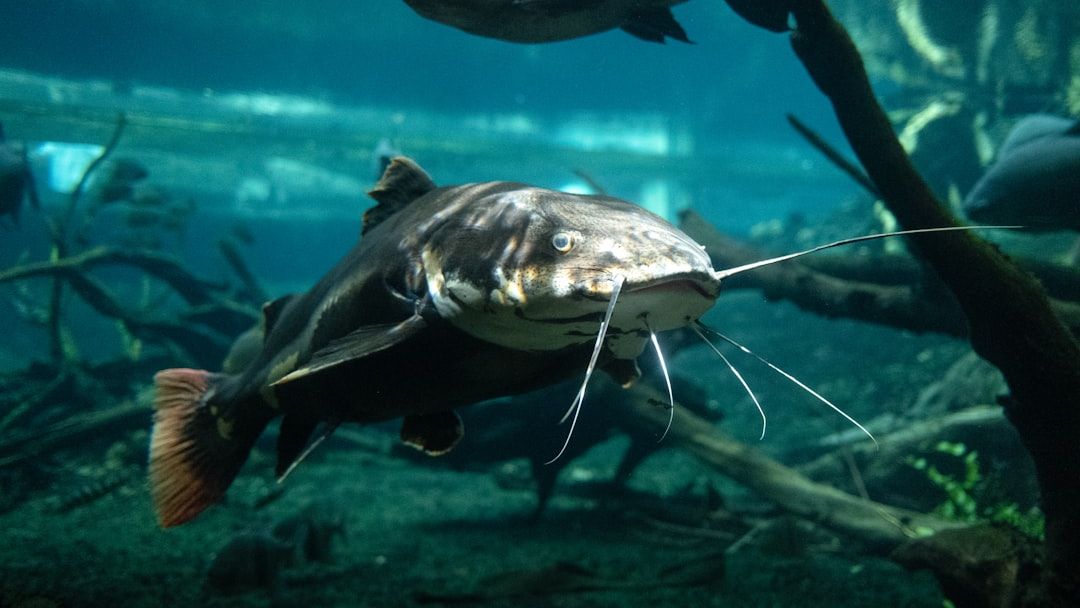
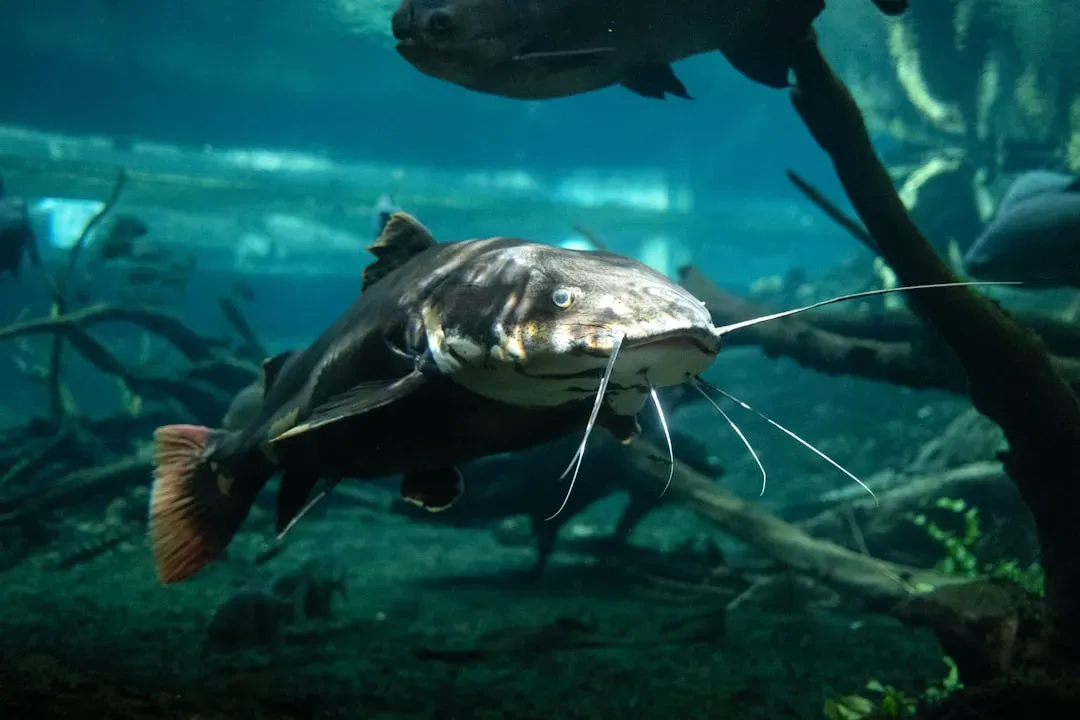
Deep in the South African bush, catfish are rewriting the rules of survival. These hardy creatures, usually bound to water, venture onto muddy shores under darkness, driven by hunger. Recent captures from a lodge trail camera spotlight this rare behavior, sparking wonder among ecologists worldwide.
What pushes these fish to such extremes? Low tides expose rich feeding grounds, tempting them from safer depths. This isn’t mere wandering; it’s a calculated move in a world of shifting waters.
Nocturnal Foraging Fuels the Land Trek
A cluster of more than a dozen catfish synchronized their movements along a riverbank, navigating rough terrain with purpose. Nighttime offers cooler air and fewer predators, ideal for these risky excursions. Their thick, mucus-covered skin locks in moisture, while specialized air-breathing organs pull oxygen from humid surroundings. This setup lets them roam for minutes or longer, targeting insects, worms, and crustaceans beyond the water’s edge. Ecologists see this as a prime example of adaptability in nutrient-poor environments. Such group efforts hint at collective responses to scarcity.
Anatomy Powers the Peculiar Locomotion
Powerful pectoral fins serve as makeshift legs, shoving against the ground with impressive force. Muscular bodies undulate rhythmically, propelling them forward meter by meter. Pectoral spines stabilize the motion, turning potential hazards into aids. These traits shine in amphibious species like the African sharptooth catfish, Clarias gariepinus. Evolution honed them for flood-prone or drying habitats over millions of years. The result? Efficient overland travel that rivals some land animals.
Low Tide and Hunger Spark the Journey
Intertidal zones at low tide transform into buffets of exposed prey on mudflats. Seasonal droughts or depleted ponds force wider searches, amplifying the impulse. Warmer nights ease evaporation woes, creating perfect conditions. Fish dodge rocks and vegetation, inching toward better prospects. Climate shifts could ramp up these events with erratic water levels. Here’s the thing: this isn’t random; it’s survival tuned to environmental cues.
Survival Boosts and Broader Ripples
Land jaunts snag exclusive terrestrial snacks, diversifying diets and fueling growth. They dodge watery rivals and nighttime hunters, thriving in broken habitats. Mobility spreads genes to remote ponds, boosting resilience. Invasives evade traps by skirting dry barriers, complicating control. Warmer climates might heighten invasions, reshaping biodiversity. Researchers push barriers and awareness to counter the creep.
Final Thought
These catfish blur aquatic boundaries, proving nature’s ingenuity knows few limits. Imagine the evolutionary lessons packed into each wriggle. What hidden talents lurk in your local waters?
Source: Original YouTube Video

- Urban Coyotes Show Remarkable Adaptability, Learning to Thrive in City Environments - July 22, 2026
- Beavers Are Nature’s Engineers, Creating Vital Habitats for Other Wildlife Species - July 21, 2026
- The Recovery of the California Condor Offers Hope for Other Critically Endangered Birds - July 21, 2026