
Worried about unexpected vet bills?
Pet insurance can cover thousands in unexpected vet costs. Get a free quote from Lemonade in under 2 minutes.
Get My Free Quote →Sponsored · Opens Lemonade.com
Living in a desert climate like Arizona means dealing with scorching temperatures that can soar past 110 degrees during summer months. You might think finding the right cat for such extreme conditions would be challenging. Yet certain feline breeds not only survive but truly flourish under the blazing desert sun.
Have you ever wondered what makes some cats perfectly suited for life in the arid Southwest? The answer lies in a fascinating mix of evolutionary adaptations, physical traits, and behavioral characteristics. Let’s dive in to discover which cats are desert champions.
The Sleek Siamese: Ancient Heat Warriors
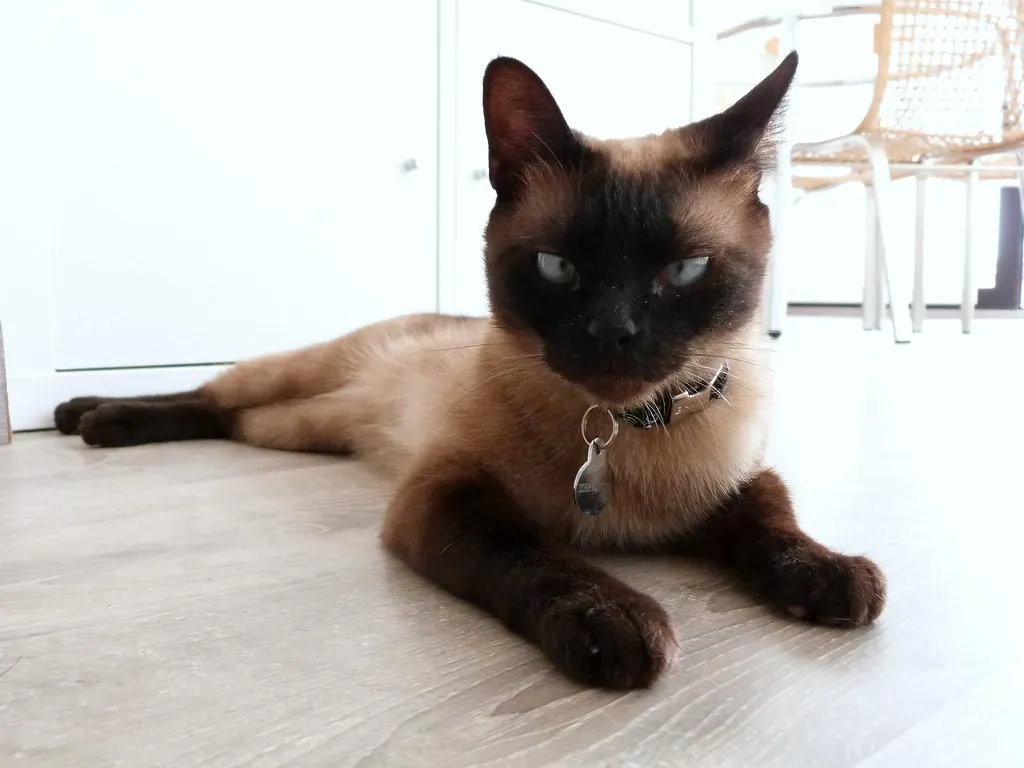
The elegant Siamese stands out as one of the best cats for hot climates due to their sleek, short coat and naturally lean build. These vocal, intelligent cats originated in Thailand’s tropical climate, making them well-adapted to warm weather conditions. Think about it this way: these cats have spent centuries perfecting the art of staying cool.
Originally from Thailand, Siamese cats are naturally adapted to warm weather. Their short coat helps them stay cool, and they often enjoy lounging in sunny spots with a breeze or ventilation. I’ve always found it interesting how they seem to seek out warm patches yet instinctively know when to retreat to cooler spaces.
Their medium-sized ears and slender bodies work together like a natural cooling system. When temperatures climb, these cats have an uncanny ability to regulate their body heat efficiently.
Siamese cats have short furs that lie close to the body. They are medium-sized and slender cats. Their ears are medium-sized, but Siamese cats are still quite successful in staying cool during hot temperatures. Their social nature makes them excellent companions for families who appreciate an interactive pet.
The Siamese doesn’t just tolerate heat – it welcomes it. Still, proper hydration and access to air-conditioned spaces during peak summer hours remain essential.
Domestic Shorthairs: The Hardy Desert Survivors
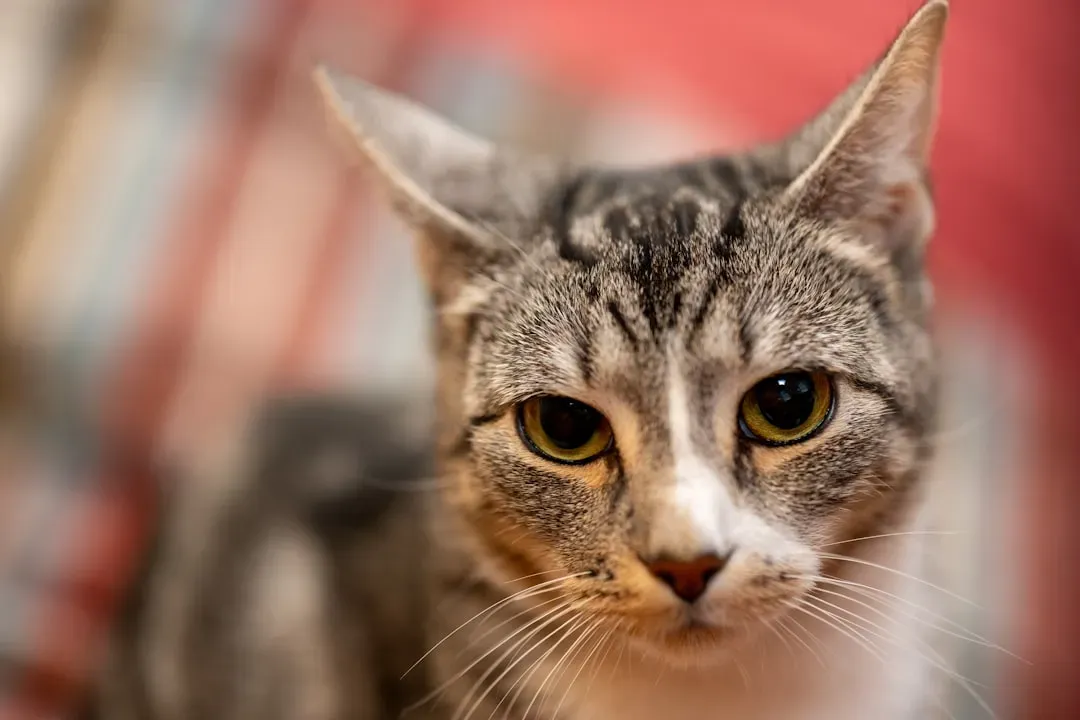
With their short coat and hardy nature, Domestic Shorthairs adapt well to warm climates. They enjoy lounging in cooler indoor areas or shaded outdoor spaces if allowed outside. Here’s the thing: these cats are basically the pickup trucks of the feline world. Reliable, adaptable, and unfussy.
What makes them special for Arizona living? Their mixed heritage often includes genes from various heat-tolerant breeds. This genetic diversity gives them an edge in handling temperature extremes.
Domestic Shorthairs come in every color and pattern imaginable. Their coats shed seasonally, which helps them adjust to the shifting temperatures between Arizona’s mild winters and brutal summers.
These cats typically require minimal grooming compared to long-haired breeds. That shorter coat means less insulation trapping body heat against their skin.
They’re also incredibly resourceful at finding the coolest spot in your home. You’ll often discover them stretched out on tile floors or pressed against cool walls during afternoon heat.
Bengal Cats: Wild Heritage Meets Desert Adaptation
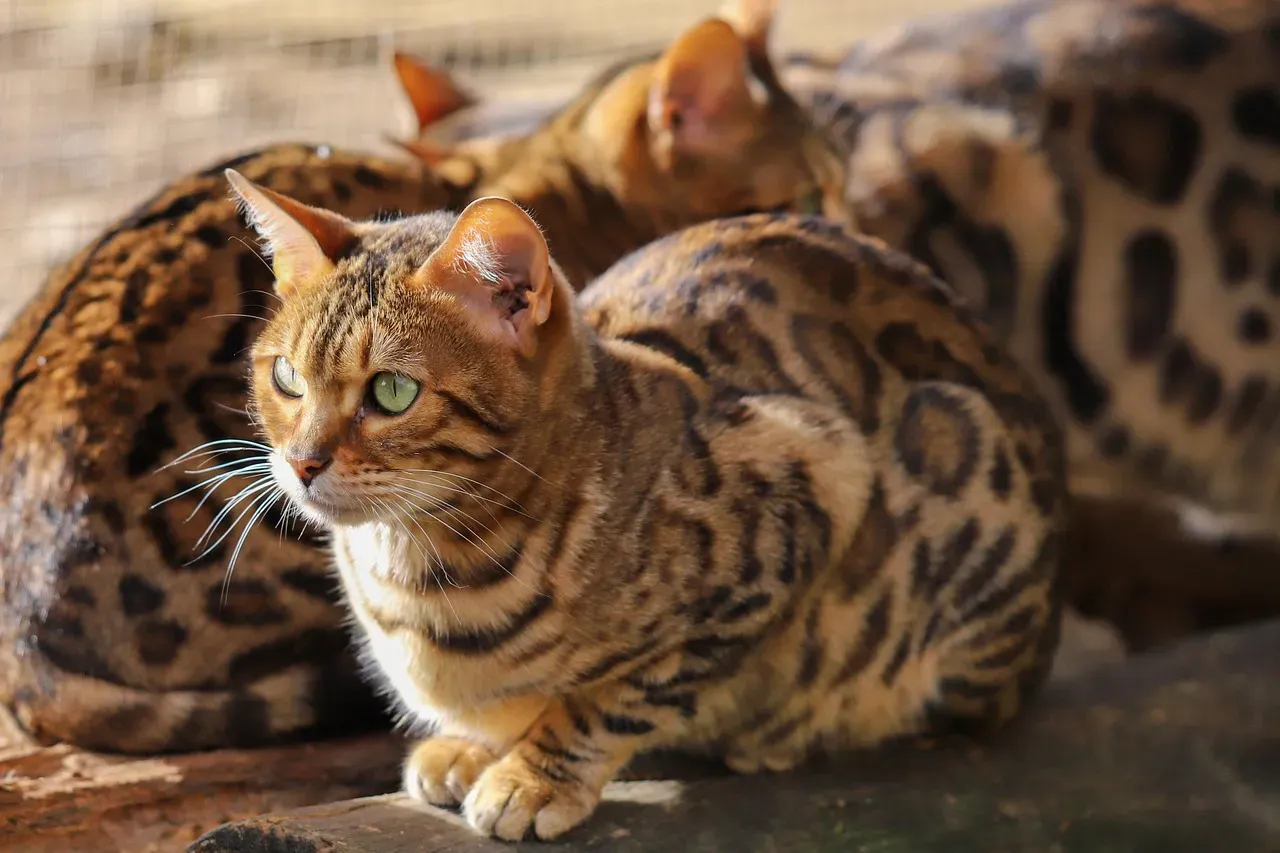
Arizona’s arid climate presents unique challenges for any pet, but Bengals are particularly resilient. Originally bred from the Asian leopard cat, Bengals have a natural agility and awareness that helps them manage heat effectively. Their wild ancestry isn’t just for show.
Bengal’s not-so-distant ancestors, Asian leopards, thriving in the hot desert and tropical climate zones in Asia, and Bengal cats inheriting this trait. That genetic lineage translates directly into superior heat tolerance. It’s hard to say for sure, but their evolutionary background seems almost custom-designed for places like Arizona.
Unlike long-haired breeds, Bengals’ sleek coats allow heat to dissipate efficiently. This is especially beneficial for snow leopard Bengal kittens, whose lighter fur may reflect sunlight better than darker-colored Bengals. Their spotted or marbled coats aren’t just beautiful – they’re functional.
The Bengal is a medium to large-sized cat that is generally quite long, lean, and muscular, weighing up to 6.8 kg. In terms of temperament, they are energetic, smart, playful, and love being around water. Water play becomes especially valuable during hot weather for cooling down. Watching a Bengal play in water during summer is genuinely entertaining.
These active cats need mental stimulation and physical exercise. Their high energy levels mean they’re constantly moving, which could be challenging in extreme heat without proper indoor cooling.
Egyptian Mau: The Ancient Desert Champion
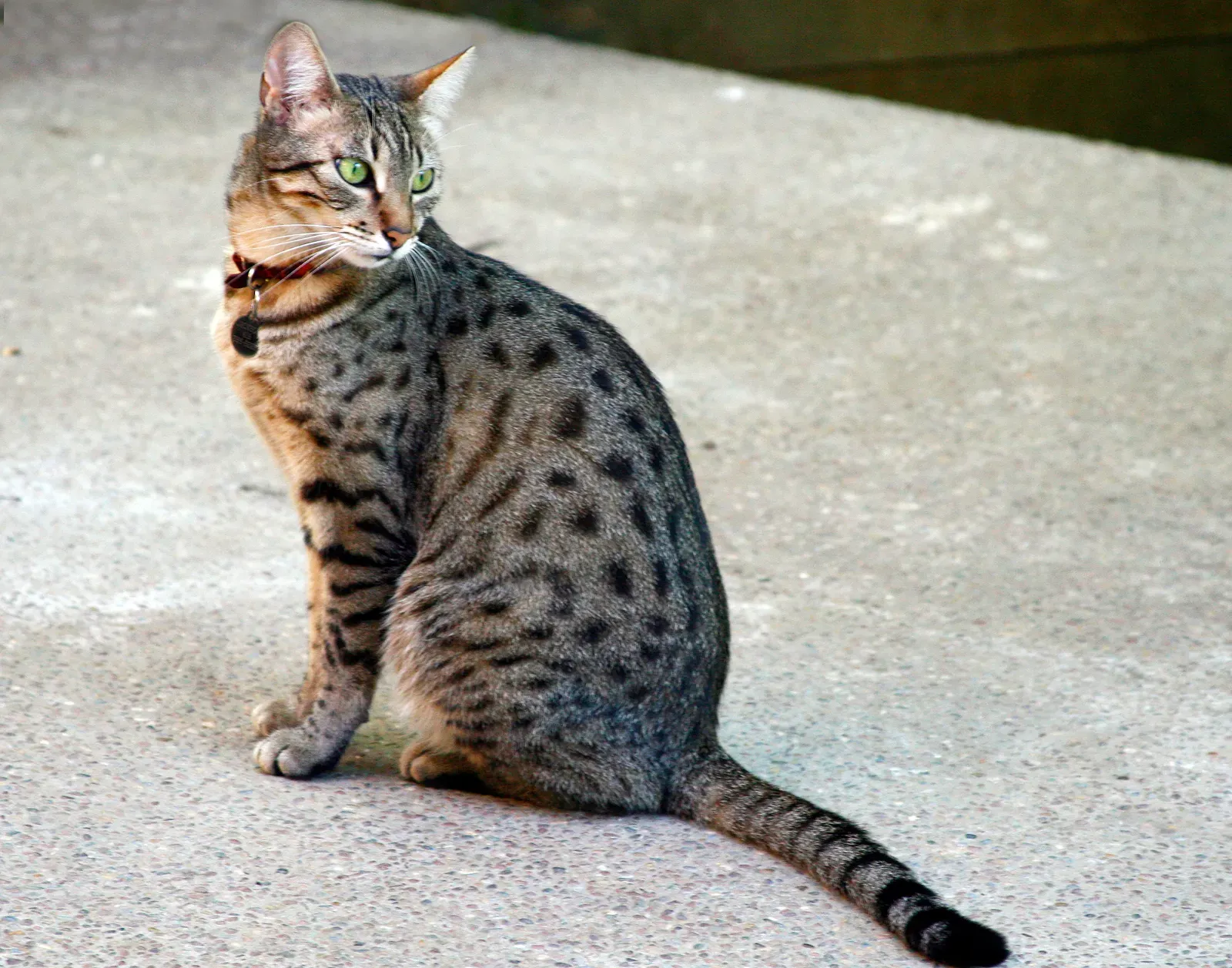
Egyptian Maus are just as ancient as the Abyssinian cats, and they had to be just as resilient to the harsh desert climate. Egyptian Mau cats are slender, medium-sized cats with short furs perfectly adapted to high temperatures. Their lineage traces back thousands of years to the land of pharaohs.
Let’s be real – if any cat was built for desert life, it’s this one. The Egyptian Mau developed in one of the world’s most unforgiving environments.
Egyptian Mau cats are slender, medium-sized cats with short furs perfectly adapted to high temperatures. Their ears are medium-sized to large, which is another advantage to surviving hot weather. Those impressive ears serve as natural radiators, dissipating excess body heat.
Egyptian Maus being just as ancient as Abyssinian cats and having to be just as resilient to the harsh desert climate. Their spotted coats tell the story of thousands of years in the desert. Each spot seems to whisper tales of survival under the relentless Egyptian sun.
Their graceful, athletic build allows them to move with remarkable agility. They’re fast runners and skilled hunters, traits honed over millennia in their native desert habitat.
These cats maintain an air of wild elegance while being affectionate companions. They bond strongly with their families yet retain an independent streak.
Abyssinian: The Energetic Desert Explorer
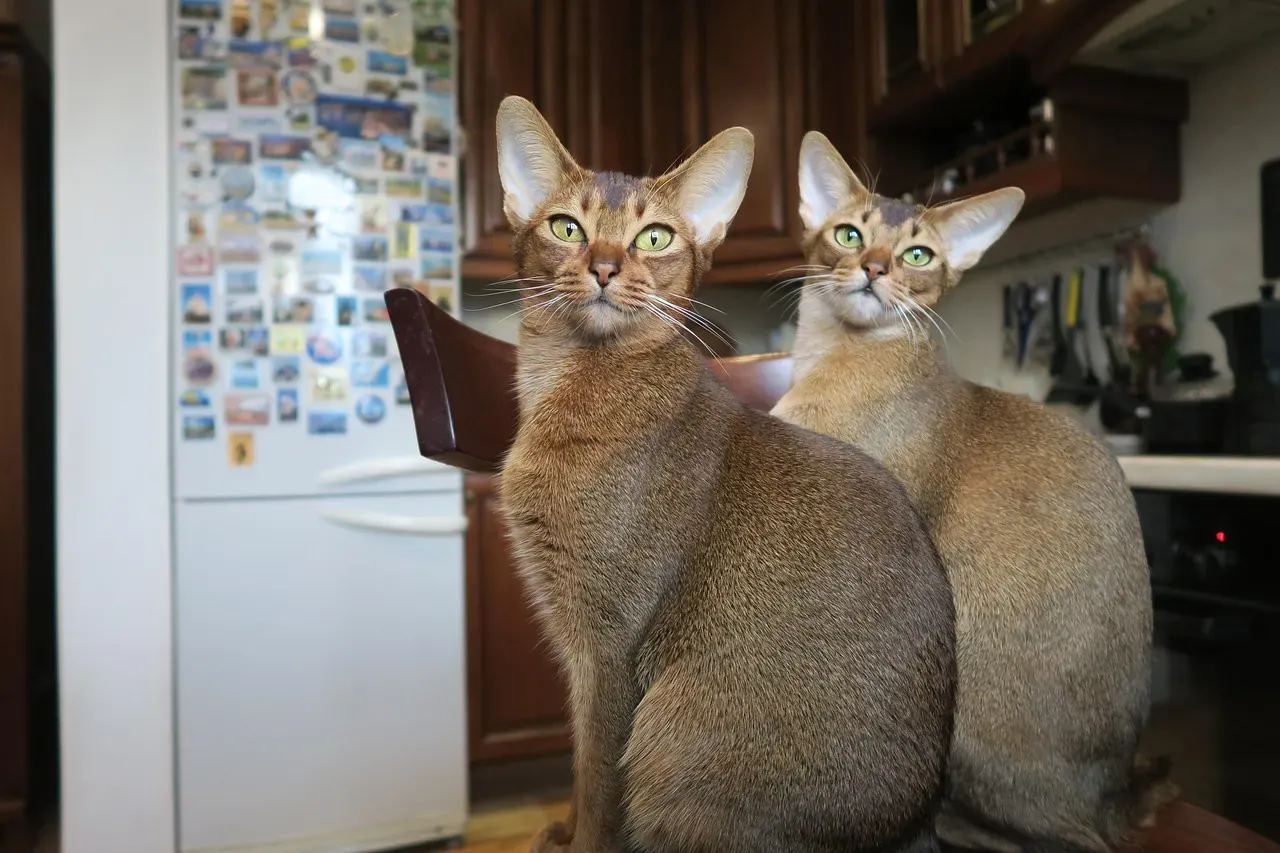
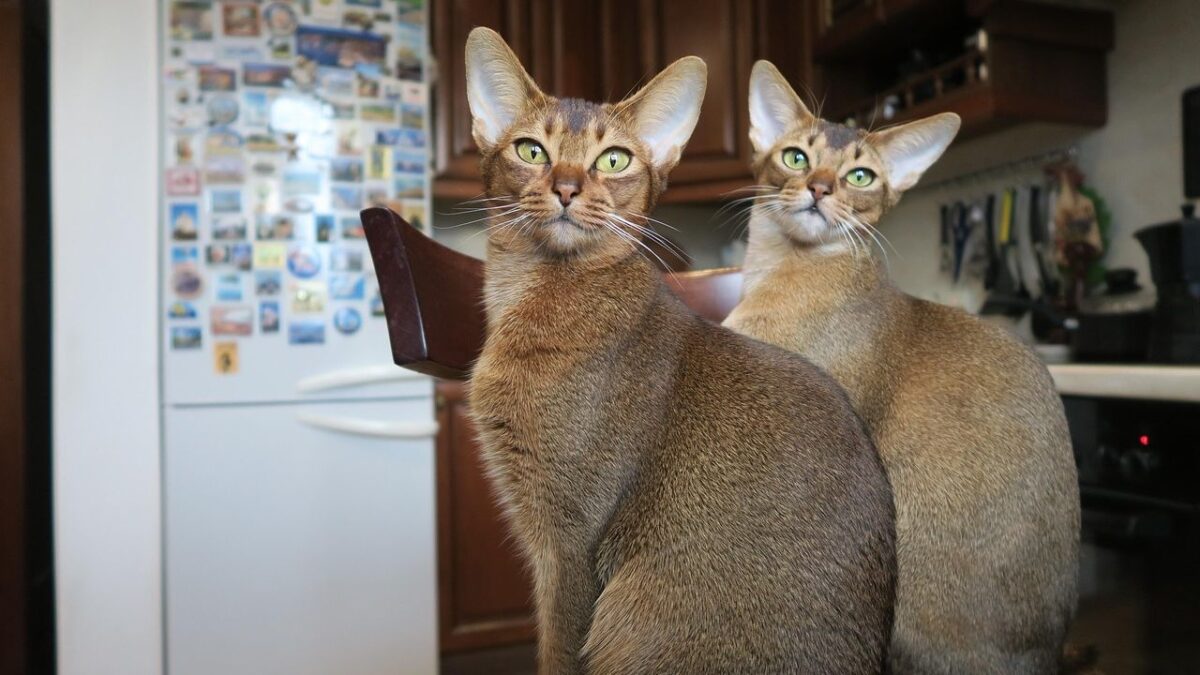
The Abyssinian, with its origins, speculated to be in Southeast Asia and coastal areas of the Indian Ocean, thrives in warm climates thanks to its short, fine coat and active lifestyle. This breed’s sleek, ticked jacket provides a striking appearance and helps in heat dissipation, making it well-suited for warmer environments. Their reddish-brown ticked coat seems to shimmer in bright sunlight.
People and animals living there had to adapt to relentless desert temperatures, and Abyssinian cats certainly understood the assignment. Their large ears, short furs, and slender bodies help them stay cool in places where most other breeds would suffer from heat stroke. Honestly, these cats look like they were designed by someone who knew exactly what Arizona summers would demand.
Abyssinians are known for their high energy levels and curiosity, which drive them to explore and play well-supported activities in sunny, open spaces. Their lean, muscular build facilitates efficient body heat regulation, allowing them to remain comfortable and active even when temperatures rise. They’re perpetual motion machines.
Their inquisitive nature means they investigate every corner of their environment. Providing vertical spaces like cat trees becomes essential for keeping them mentally stimulated indoors during peak heat hours.
These cats form deep bonds with their human companions and often follow them around the house. Despite their heat tolerance, they still appreciate climate-controlled comfort during Arizona’s most extreme days.
Maintaining Desert Cats: Essential Care Tips
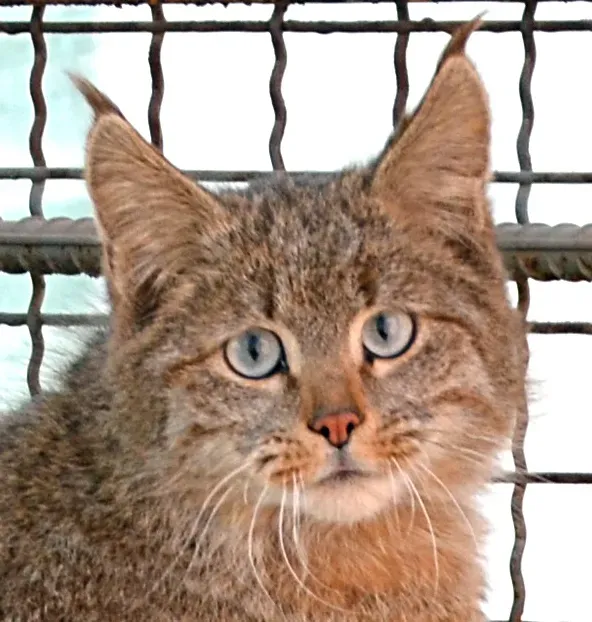
Temperatures can often exceed 110°F in Arizona’s desert climate, which means even heat-adapted cats need proper care. Water is absolutely critical – more so than in moderate climates.
Their unique physiology allows them to regulate their body temperature efficiently. Unlike dogs, which pant to cool down, cats rely on a network of blood vessels near the surface of their skin to dissipate heat. This natural cooling mechanism works well but has limits.
Provide multiple water stations throughout your home. Cats can be particular about drinking, so cat fountains often encourage better hydration than standing bowls.
Early morning and late evening are the best times for walks. Always have fresh water available and ensure shaded areas are accessible if pets are outside. Keep pets indoors during peak temperatures with air conditioning or fans. Air conditioning isn’t a luxury for desert cats – it’s a necessity.
Regular grooming helps remove loose fur, allowing better air circulation near the skin. Even short-haired breeds benefit from weekly brushing sessions during shedding season.
The warm climate increases the risk of parasites like fleas, ticks, and heartworms. Regular vet checkups, vaccinations, and preventative treatments are essential. Desert living comes with its own unique health considerations that require attention.
Conclusion
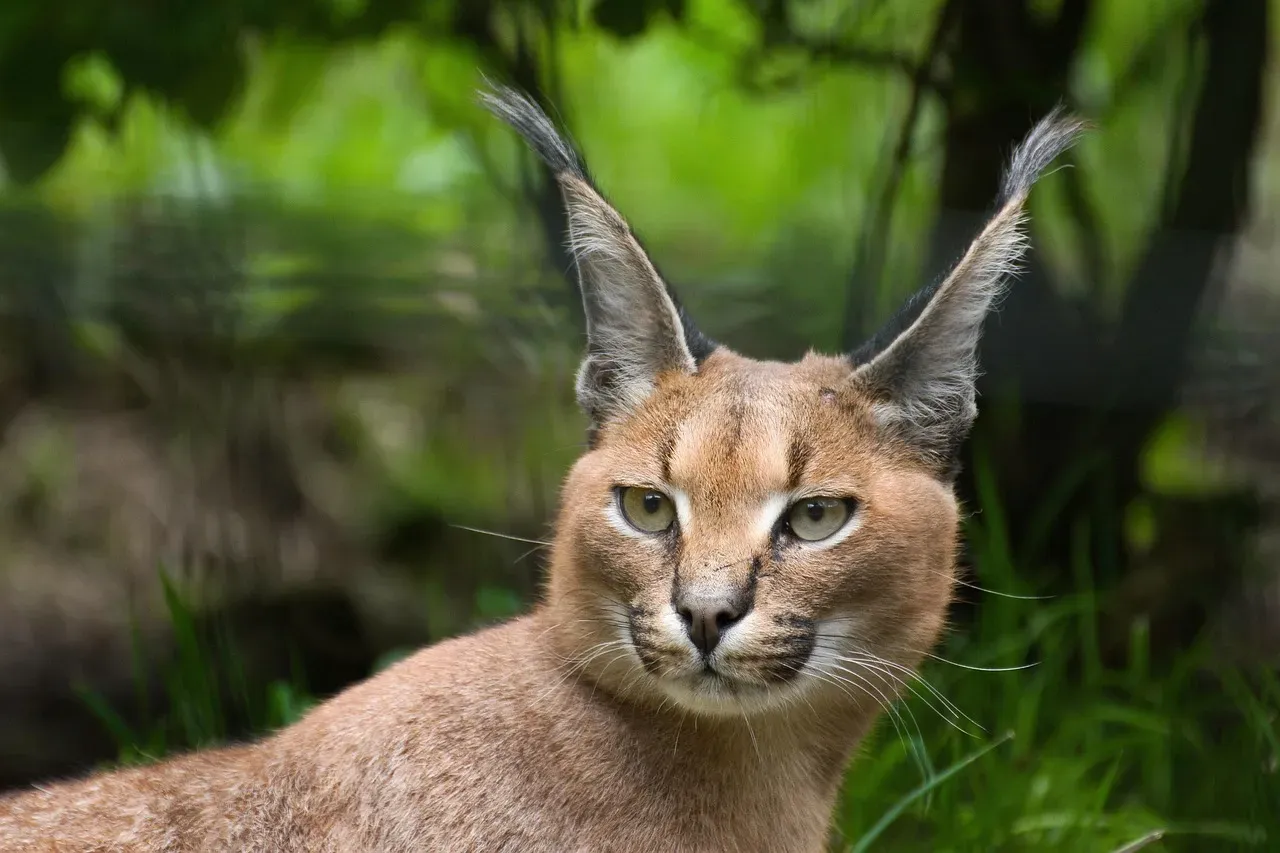
Choosing the right cat for Arizona’s desert environment comes down to understanding both breed characteristics and individual care needs. The cats we’ve explored – Siamese, Domestic Shorthairs, Bengals, Egyptian Maus, and Abyssinians – all share common traits that make them desert champions: short coats, lean builds, and ancestral ties to warm climates.
Yet even the most heat-tolerant breed requires thoughtful care when temperatures soar past triple digits. Fresh water, climate control, and strategic activity timing become non-negotiable elements of responsible desert cat ownership.
These remarkable felines prove that with the right match between breed and environment, cats can thrive even under Arizona’s relentless sun. What surprised you most about these desert-adapted cats? Share your thoughts in the comments below.
Worried about unexpected vet bills?
Pet insurance can cover thousands in unexpected vet costs. Get a free quote from Lemonade in under 2 minutes.
Get My Free Quote →Sponsored · Opens Lemonade.com

- 13 Things You’ll Only Understand About Your Dog Differently After They’re Gone - June 11, 2026
- 13 Horse Breeds Rescue Centers Say Are Breaking Their Hearts to Take In Because Nobody Wants Them - June 11, 2026
- 16 Ways Dogs Show They Still Know You on the Days It Seems Like They Don’t Remember - June 11, 2026