

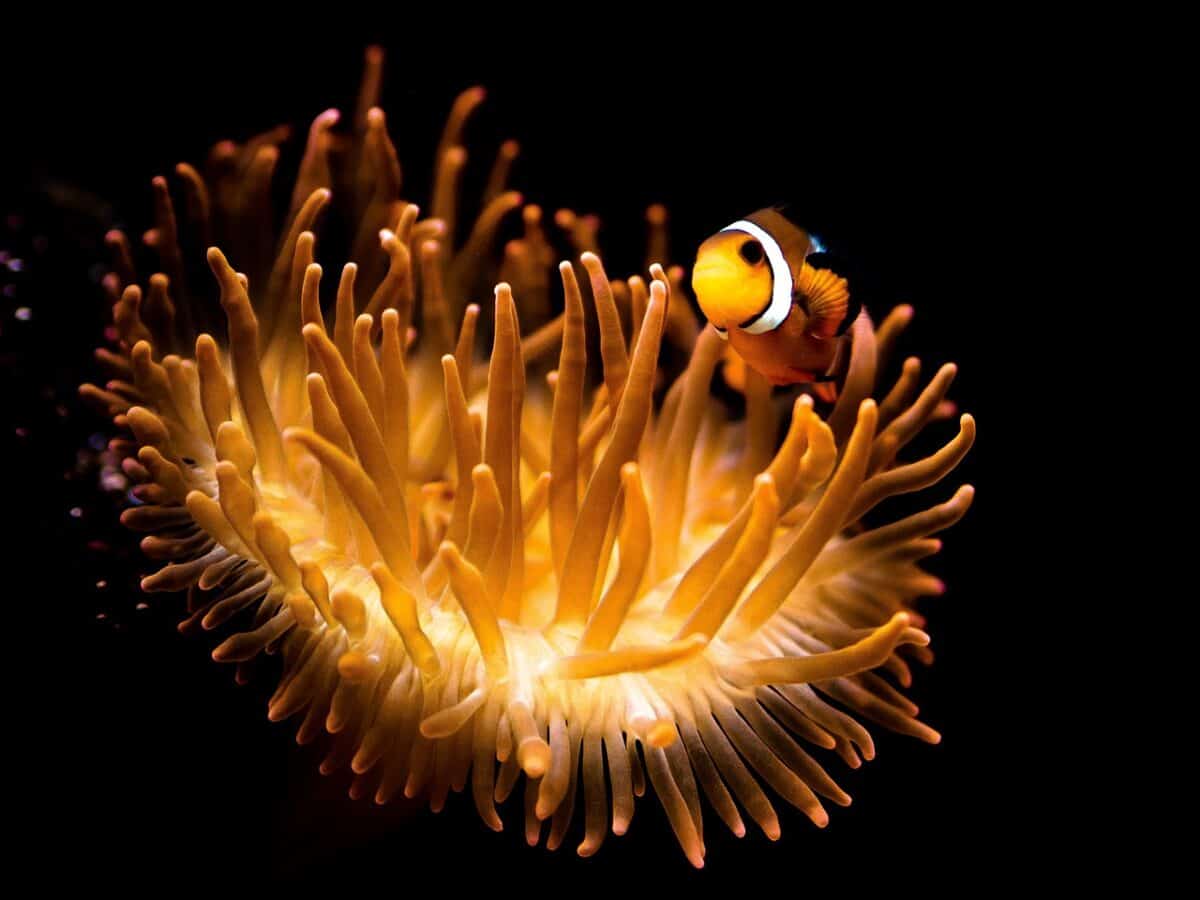
In the vibrant underwater world of coral reefs, one of nature’s most fascinating symbiotic relationships unfolds between the brightly-colored clownfish and sea anemones. This remarkable partnership showcases how two entirely different marine species have evolved to help each other survive in the challenging ocean environment. The iconic image of a small orange-and-white striped fish darting in and out of a swaying anemone’s tentacles isn’t just a pretty scene from animated movies—it represents a sophisticated survival strategy that has evolved over millions of years. This extraordinary relationship provides the small, vulnerable clownfish with a safe haven from predators while offering benefits to the anemone in return. Let’s explore the fascinating details of how clownfish use sea anemones for protection and why this relationship is crucial for both species’ survival.
The Clownfish-Anemone Partnership: An Overview
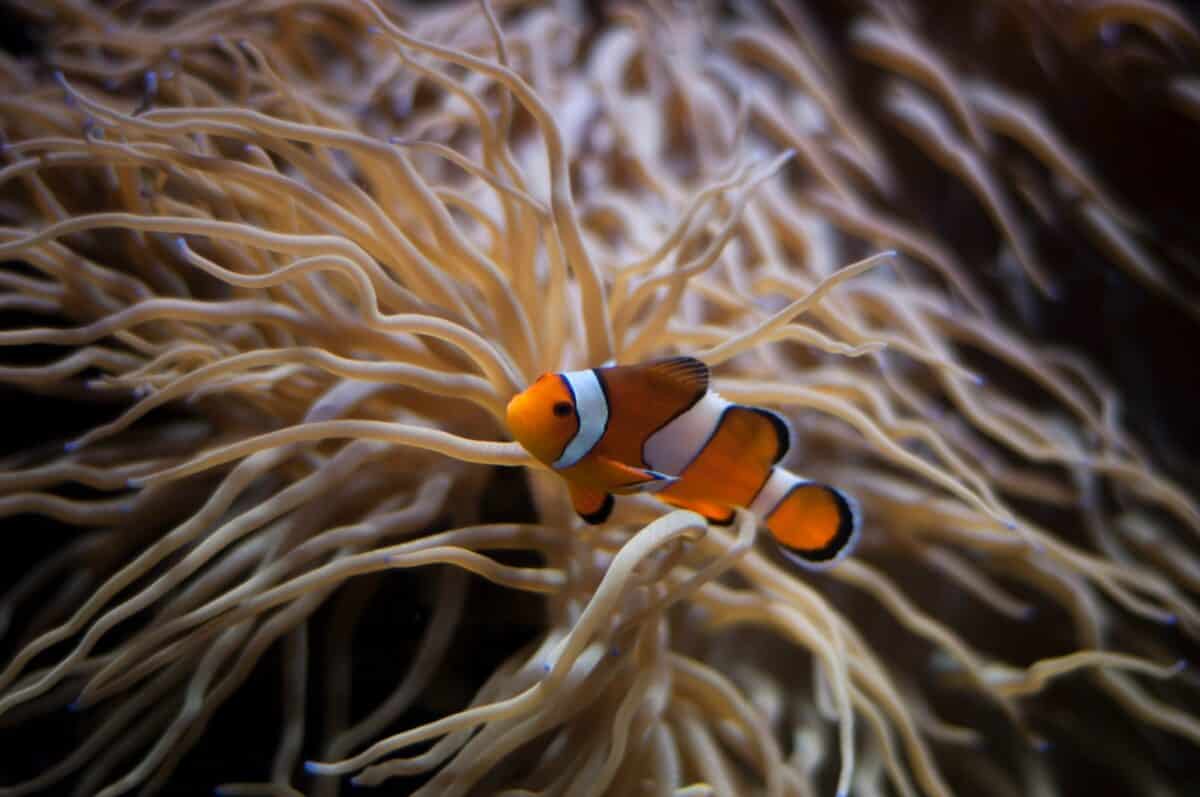
The relationship between clownfish (Amphiprioninae) and sea anemones represents one of nature’s most perfect examples of symbiosis. In this mutually beneficial arrangement, clownfish make their homes among the venomous tentacles of sea anemones. While these tentacles would sting and potentially kill most other fish, clownfish have developed a remarkable immunity that allows them to nestle safely within this dangerous habitat. This partnership is classified as a mutualistic symbiosis, meaning both species benefit from the arrangement. The clownfish gain protection from predators who cannot navigate the anemone’s toxic tentacles, while the anemones receive cleaning services, nutrients from clownfish waste, and protection from certain anemone-eating predators. This relationship has evolved over thousands of years and is so specialized that many clownfish species can only partner with specific anemone species, highlighting the intricate nature of marine ecology.
The Deadly Defense Mechanism of Sea Anemones
Sea anemones are equipped with a formidable defense system that makes them dangerous to most marine creatures but perfect protectors for clownfish. Their tentacles contain specialized cells called nematocysts, which are essentially microscopic harpoons loaded with toxins. When triggered by touch, these cells fire their venomous darts, capable of paralyzing small fish and invertebrates that come into contact with them. The toxins can cause pain, paralysis, and even death to many marine organisms. This defense mechanism allows seemingly delicate anemones to capture prey and defend themselves despite being sessile (fixed in one place) creatures. For most fish, swimming into an anemone’s tentacles would be a fatal mistake. The potency of these stinging cells varies among anemone species, with some having toxins strong enough to cause significant discomfort to humans who touch them. This deadly arsenal forms the foundation of the protection that anemones offer to their clownfish partners.
How Clownfish Achieve Immunity to Anemone Stings
The ability of clownfish to live unharmed among venomous anemone tentacles is a remarkable evolutionary adaptation. Scientists have discovered several mechanisms that contribute to this immunity. First, clownfish produce a protective mucus coating on their skin that prevents the anemone’s nematocysts from recognizing them as potential prey or threats. This mucus may contain chemicals similar to those in the anemone’s own tissues, essentially allowing the clownfish to “disguise” itself. Interestingly, this immunity isn’t entirely innate—clownfish must gradually acclimate to their host anemone through a careful process. When a clownfish first approaches an anemone, it touches the tentacles briefly and repeatedly, allowing small amounts of the anemone’s mucus to transfer to its skin. Over time, the fish builds up immunity and can swim freely among the tentacles. Research has also suggested that some clownfish species may have slightly thicker skin or other physiological adaptations that provide additional protection against stings. This sophisticated adaptation process demonstrates the remarkable evolutionary solutions that have emerged in marine ecosystems.
The Acclimation Dance: How Clownfish Introduce Themselves to Anemones

When a clownfish encounters a potential anemone host, it doesn’t simply swim directly into the tentacles. Instead, it performs what marine biologists often refer to as an “acclimation dance”—a careful, step-by-step process of introduction. The clownfish begins by swimming near the anemone, occasionally darting in to touch a tentacle briefly before retreating. With each contact, the fish absorbs a small amount of the anemone’s mucus onto its skin, gradually building protection against the stings. This dance can take hours or even days, depending on the species involved. The clownfish will touch progressively more of its body to the anemone, starting with fins and eventually working up to full-body contact. This patient process is crucial for survival; a clownfish that rushes the introduction might still be stung. Young clownfish are particularly careful during this process, as they haven’t yet developed the full immunity of adults. The acclimation dance represents a fascinating behavioral adaptation that complements the physiological changes occurring in the fish’s protective mucus layer.
Benefits for the Clownfish: Beyond Simple Protection

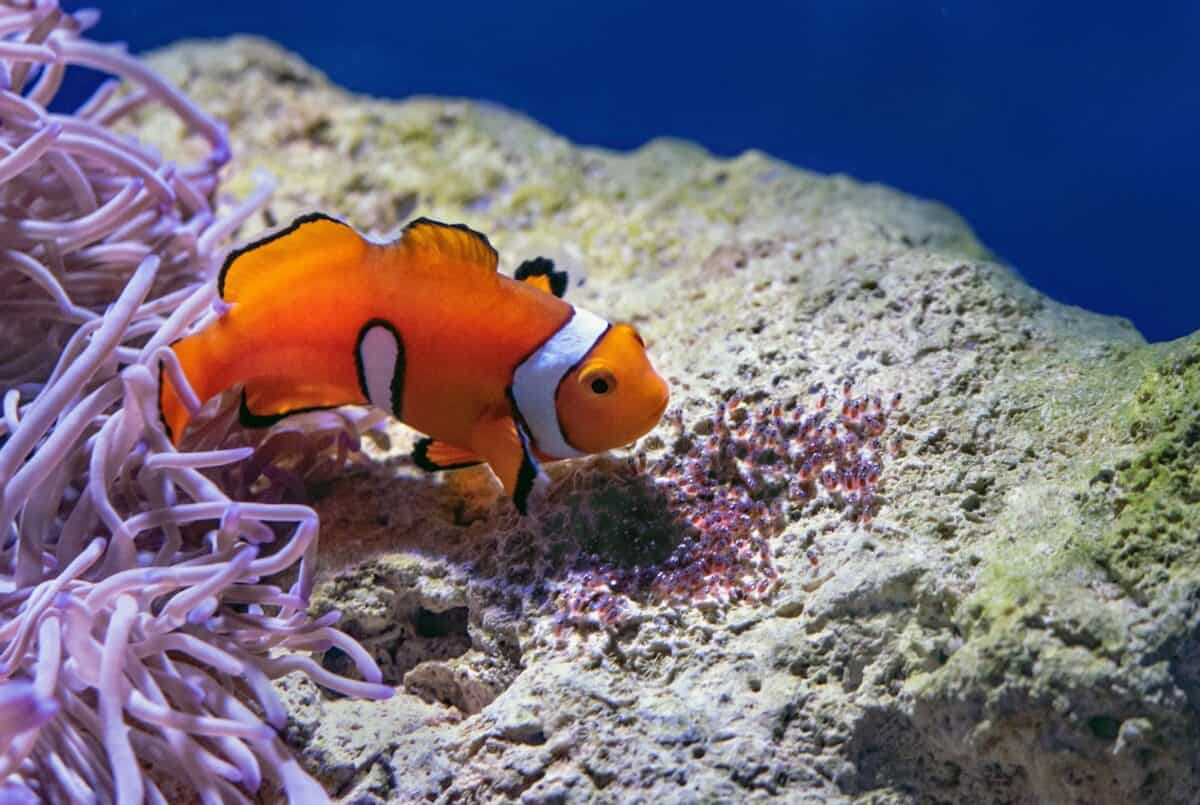
While protection from predators is the most obvious benefit clownfish receive from anemones, this relationship offers multiple advantages for these small fish. The anemone’s tentacles create a physical barrier that prevents larger predatory fish from reaching the clownfish, essentially providing a fortress-like home in the open ocean. Additionally, the partnership offers clownfish prime real estate on the reef, giving them access to better food sources that float by in the currents. Anemones typically position themselves in areas with good water flow, which brings plankton and other food particles directly to the clownfish’s home. The relationship also provides reproductive benefits—clownfish pairs can lay their eggs on hard surfaces near their host anemone, allowing them to guard their offspring while still enjoying the anemone’s protection. Furthermore, the partnership enables clownfish to occupy ecological niches that would otherwise be too dangerous, allowing them to thrive in environments where competition from other fish species is reduced. This multifaceted array of benefits explains why this symbiotic relationship has been so successful from an evolutionary perspective.
What Anemones Gain from Hosting Clownfish

The symbiotic relationship between clownfish and sea anemones is truly mutualistic, with the anemones receiving several significant benefits from their fish partners. Clownfish act as aggressive guardians, chasing away butterfly fish and other creatures that might try to bite and consume parts of the anemone. Research has shown that anemones with resident clownfish show fewer bite marks and better overall health than those without fish partners. Clownfish also provide nutrients to their hosts through their waste products, which contain nitrogen and other elements that help anemones thrive. Additionally, the constant movement of clownfish among the anemone’s tentacles increases water circulation, removing sediment and bringing oxygen and food particles closer to the anemone. Some studies have even suggested that at night, when oxygen levels can drop in reef environments, the movement of clownfish helps aerate the area around the anemone. Measurements have shown that anemones with clownfish partners grow larger and reproduce more successfully than solitary anemones, demonstrating the tangible benefits of this underwater partnership.
Species Specificity: Not All Partnerships Work
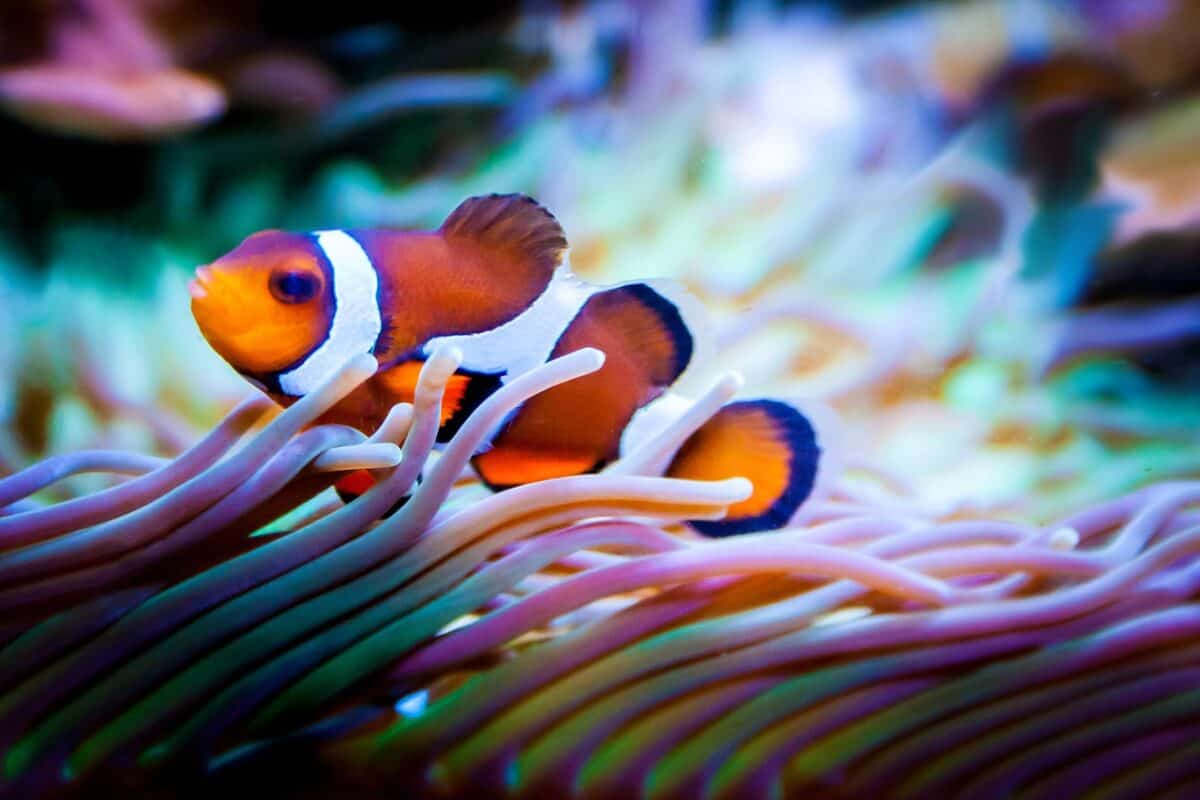
The clownfish-anemone relationship exhibits fascinating specificity, with not all combinations of species being compatible. In nature, there are approximately 30 recognized species of clownfish, but only 10 species of sea anemones serve as hosts. This selectivity creates a complex network of possible partnerships, with some clownfish species being highly specialized—able to associate with only one type of anemone—while others are generalists that can adapt to multiple anemone species. For example, the orange clownfish (Amphiprion percula) primarily associates with the magnificent sea anemone (Heteractis magnifica) and the giant carpet anemone (Stichodactyla gigantea). Meanwhile, the Clark’s anemonefish (Amphiprion clarkii) can form relationships with multiple anemone species. This specificity is likely driven by differences in anemone toxins and the corresponding adaptations in clownfish mucus chemistry. Geographic distribution also plays a role, with certain partnerships being more common in specific regions of the Indo-Pacific. Scientists believe this specialization may have evolved to reduce competition among different clownfish species, allowing multiple species to coexist in the same reef ecosystem by utilizing different anemone hosts.
Life in the Anemone: Clownfish Social Structure
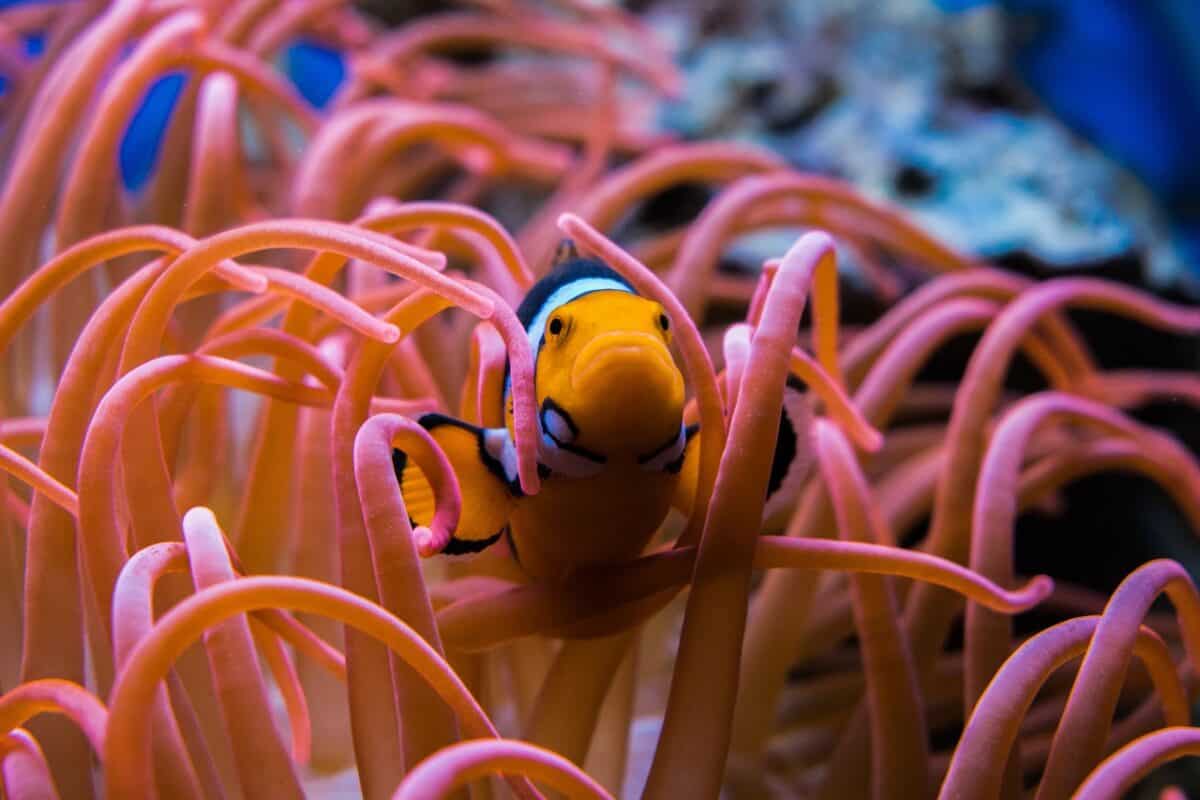
Within the protective tentacles of their host anemones, clownfish establish complex social hierarchies that govern their daily lives. A typical anemone hosts a dominant breeding pair along with several non-breeding subordinates of various sizes. The largest fish is almost always a female, who rules the anemone community alongside her slightly smaller male mate. Below them in the hierarchy are progressively smaller, non-breeding males who form a queue for potential future reproduction. This social structure is maintained through regular displays of dominance, with higher-ranking fish chasing and nipping at subordinates to reinforce the pecking order. Fascinatingly, clownfish exhibit sequential hermaphroditism—they can change sex when social conditions warrant it. If the dominant female dies, her male mate will transform into a female, and the largest non-breeding male will mature into the new breeding male. This adaptable reproductive strategy ensures the continuation of the group even after the loss of key individuals. The anemone provides not just physical protection but also a defined territory where this intricate social world unfolds, demonstrating how the symbiotic relationship shapes every aspect of clownfish biology and behavior.
Threats to the Clownfish-Anemone Relationship
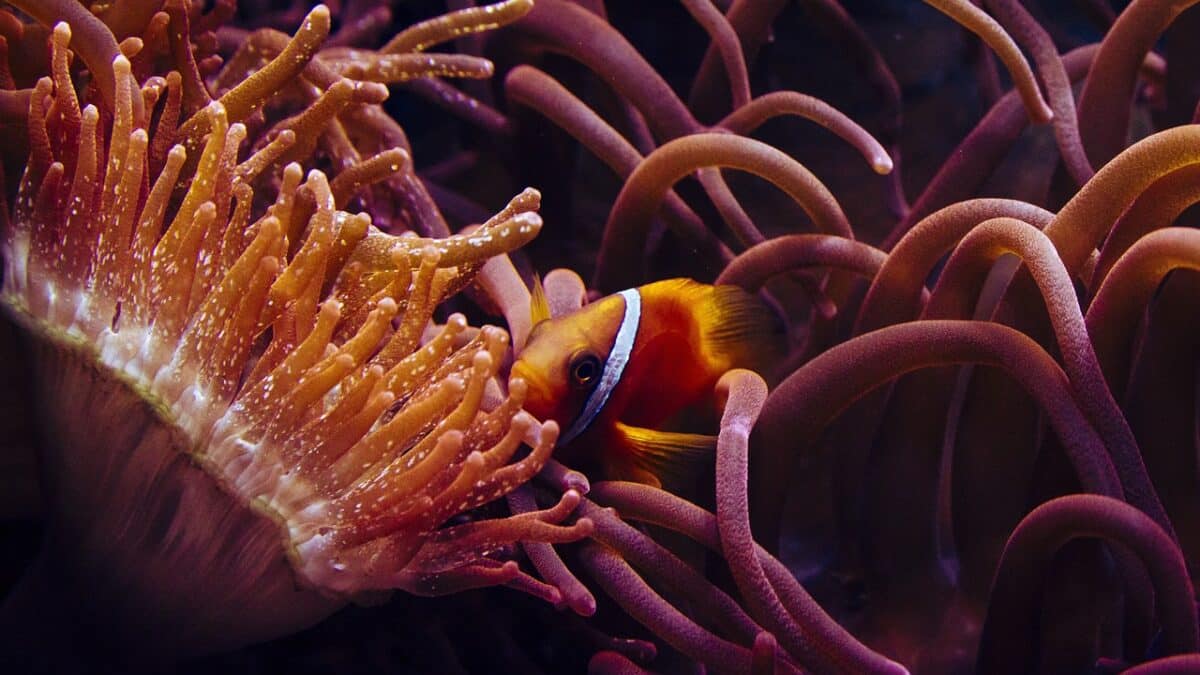
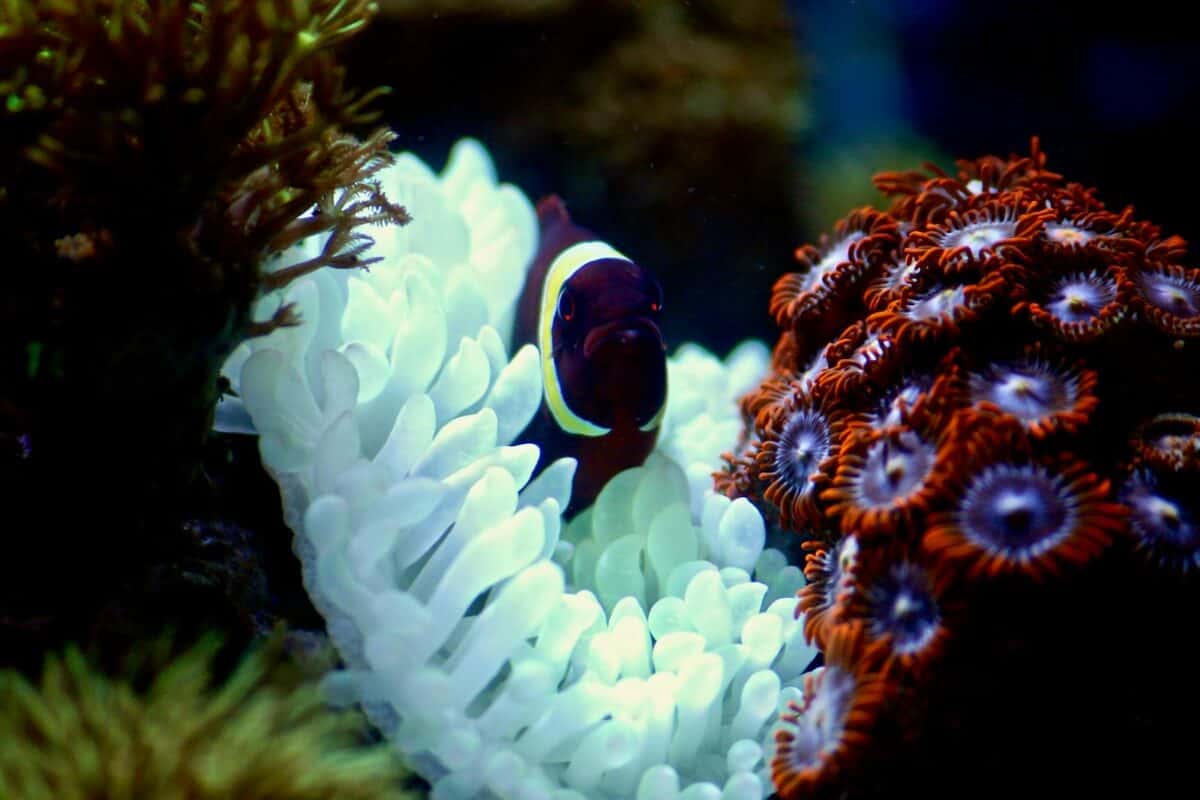
Despite its evolutionary success, the clownfish-anemone partnership faces growing threats in today’s changing marine environment. Climate change represents perhaps the most significant challenge, as rising ocean temperatures can cause anemones to bleach—expelling the symbiotic algae that provide much of their nutrition—similar to coral bleaching. Studies in the Great Barrier Reef have documented anemone bleaching events that coincide with rising sea temperatures, leaving clownfish without their protective homes. Ocean acidification, another consequence of increased atmospheric carbon dioxide, may affect the formation of fish skeletons and anemone structures. The aquarium trade has also impacted wild populations, with both clownfish and sea anemones being collected for home aquariums, though captive breeding programs have reduced pressure on wild stocks. Coastal development, pollution, and destructive fishing practices further degrade the reef habitats where these symbiotic relationships occur. Additionally, the growing tourism industry can stress anemone-clownfish pairs when snorkelers or divers approach too closely or touch the animals. Conservation efforts focused on marine protected areas and sustainable tourism practices are essential for preserving these iconic symbiotic relationships for future generations.
The Chemical Conversation Between Partners
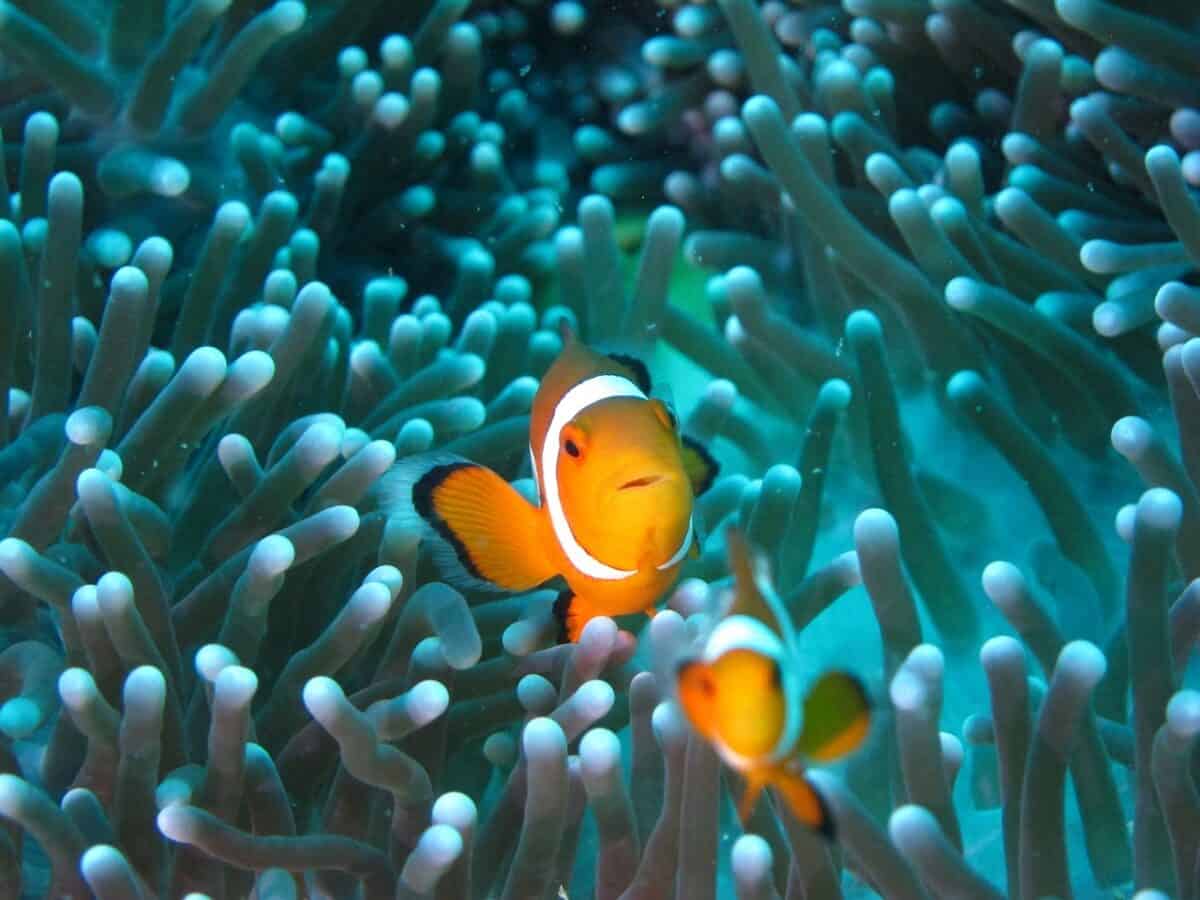
The relationship between clownfish and sea anemones involves sophisticated chemical communication that scientists are only beginning to fully understand. Recent research has revealed that both partners release compounds that influence each other’s physiology and behavior. When clownfish brush against anemone tentacles, they transfer chemicals that may signal “friend not food” to the anemone’s sensory cells, preventing the triggering of nematocysts. Conversely, anemones release chemicals that attract juvenile clownfish seeking hosts, guiding them toward appropriate partners. This chemical dialogue continues throughout the partnership. Studies have detected changes in the protein composition of clownfish mucus after association with anemones, suggesting active biochemical adaptation. Some researchers have observed that anemones appear to recognize their specific clownfish partners, showing less defensive contraction when their residents return compared to when unfamiliar clownfish approach. The chemical signals also extend to reproduction—anemones may release compounds that influence clownfish breeding cycles, potentially synchronizing reproduction to favorable environmental conditions. This invisible chemical conversation represents one of the most fascinating aspects of this symbiotic relationship, demonstrating how communication occurs even among organisms without complex nervous systems.
Studying the Partnership: Scientific Discoveries
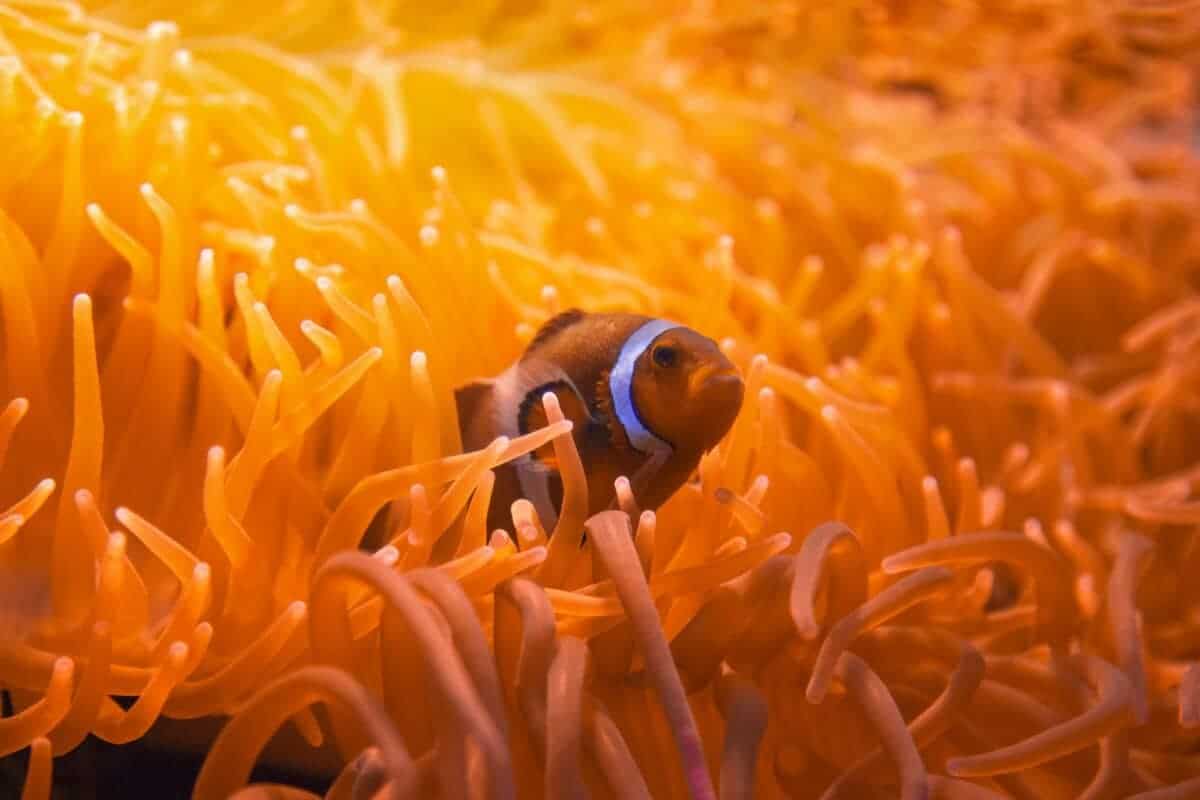
Scientific investigation of the clownfish-anemone relationship has yielded remarkable insights about symbiosis and marine ecology. Early observations by naturalists in the 19th century noted the curious behavior of clownfish living among anemone tentacles, but detailed understanding emerged much later. In the 1970s, pioneering research by Dr. Daphne Fautin established many of the fundamentals of this relationship, documenting which species could partner with each other and beginning to explore the mechanisms of immunity. The development of advanced genetic techniques in recent decades has allowed scientists to investigate the molecular basis of clownfish immunity, with studies identifying specific proteins and genes involved in mucus production. Research using electron microscopy has revealed detailed images of the interface between clownfish skin and anemone tentacles, showing how closely they interact without triggering stings. Field studies utilizing underwater cameras have documented the behavioral aspects of the relationship, including territory defense and the acclimation process. Modern conservation biology is now examining how climate change affects these partnerships, with long-term monitoring programs tracking anemone health and clownfish populations across the Indo-Pacific. These scientific efforts continue to unveil new aspects of this iconic symbiosis, highlighting its value as a model system for understanding complex ecological relationships.
Conclusion: A Perfect Example of Nature’s Interdependence
The relationship between clownfish and sea anemones stands as one of nature’s most eloquent demonstrations of how species can evolve together to overcome challenges and thrive through cooperation. This partnership illustrates that survival in the natural world doesn’t always follow the “eat or be eaten” paradigm—sometimes, forming alliances creates advantages that neither species could achieve alone. From the molecular mechanisms that allow clownfish to swim safely among venomous tentacles to the complex social structures that develop within this protected environment, every aspect of this relationship showcases the intricate adaptations that can emerge through evolutionary processes. As climate change and human activities increasingly threaten coral reef ecosystems, understanding and preserving such symbiotic relationships becomes more crucial than ever. The clownfish-anemone partnership reminds us that ecological connections in nature run deep, with seemingly separate organisms often depending on each other in ways that are essential to their survival and success.

- The Comeback of the Bald Eagle: What Made It Work - June 3, 2026
- Top 10 Animals and Wildlife in Oklahoma - June 3, 2026
- Do Conservation Efforts Favor ‘Cute’ Animals Over Ecologically Important Ones? - June 3, 2026