

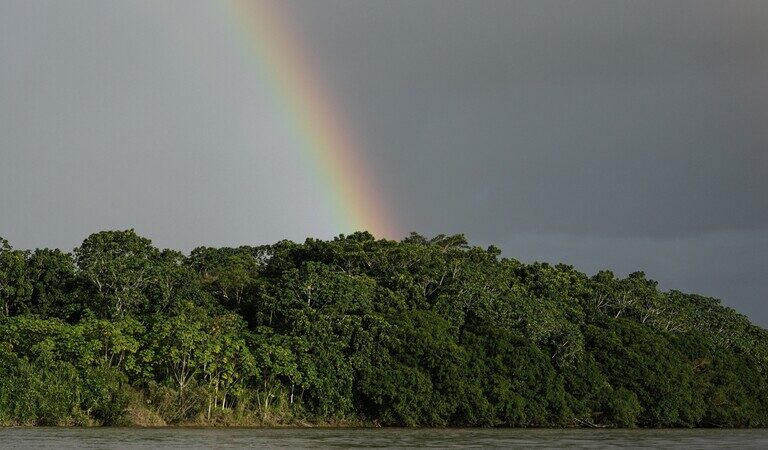
A Welcome Turn in Forest Preservation (Image Credits: Imgs.mongabay.com)
Colombia – Amid ongoing efforts to protect its rich biodiversity, the nation recorded a significant slowdown in forest loss during the first nine months of 2025.
A Welcome Turn in Forest Preservation
Forest clearance in Colombia dropped markedly in 2025, offering a glimmer of hope for the country’s ecosystems. Officials reported that only 36,280 hectares of forest vanished in the initial three quarters of the year. This figure marked a 25% reduction compared to the 48,500 hectares lost over the same timeframe in the prior year. Such progress stood out especially in departments long plagued by high rates of deforestation. The decline suggested that targeted conservation strategies were beginning to yield results.
Environmental groups hailed the data as evidence of effective policy implementation. Historical hotspots saw the most improvement, with reductions in areas vulnerable to illegal logging and land conversion. This shift came after years of fluctuating trends, where forest loss had occasionally surged despite national commitments. The numbers underscored a stabilizing force in Colombia’s environmental landscape.
Strategies Fueling the Forest Recovery
Collaboration with Indigenous communities played a pivotal role in curbing deforestation across Colombia. These groups, stewards of vast forested territories, partnered with authorities to monitor and protect their lands. Environmental zoning in rural regions further restricted activities that threatened woodlands. Initiatives like ecotourism promoted sustainable economic alternatives, drawing visitors to preserved areas without harming habitats.
A financial incentive program rewarded communities for their conservation efforts, providing direct support to those maintaining forest cover. These measures addressed root causes such as poverty and agricultural expansion. By integrating local knowledge with government oversight, Colombia fostered a more resilient approach to land management. The combined impact helped reverse some of the damage from previous decades.
Boost for Biodiversity and Wildlife Habitats
The reduced deforestation directly benefited Colombia’s diverse wildlife, home to thousands of species found nowhere else. Intact forests served as critical corridors for animals like jaguars and spectacled bears, preventing habitat fragmentation. Bird populations, including many endemic species, gained breathing room as canopy loss slowed. This preservation effort aligned with broader goals to safeguard the Amazon region’s biodiversity hotspots.
Conservationists noted that fewer trees felled meant less disruption to ecosystems supporting pollinators and seed dispersers. Rivers and wetlands, often bordered by forests, faced reduced sedimentation from erosion. The trend supported recovery for threatened species, enhancing overall ecological health. Wildlife advocates emphasized how such declines in loss created safer environments for reintroduction programs and natural regeneration.
Persistent Hurdles in Conservation
Despite the positive data, challenges lingered in Colombia’s fight against deforestation. Certain regions, including parts of the Amazon, still experienced pockets of intense forest clearing due to illicit activities. Climate factors, like prolonged dry spells, exacerbated risks in vulnerable areas. Enforcement remained uneven, with remote locations hard to patrol effectively.
Experts called for sustained funding and international partnerships to build on the momentum. Expanding protected areas and cracking down on illegal trade were seen as essential next steps. While 2025 showed promise, long-term success depended on adapting strategies to emerging threats. Balancing development needs with conservation priorities would test the nation’s resolve.
Key Takeaways
- Deforestation fell 25% in early 2025, totaling 36,280 hectares lost.
- Indigenous partnerships and incentives drove community-led protection.
- Wildlife habitats expanded, aiding species recovery in biodiversity hotspots.
Colombia’s 2025 deforestation decline highlighted the power of collective action in preserving vital ecosystems, setting a foundation for wildlife to thrive amid global pressures. As these forests recover, they remind us of the interconnectedness of human and natural worlds. What steps can communities worldwide take to support such conservation wins? Share your thoughts in the comments.

As a little kid, I fell in love with nature, wildlife, and animals. Living in the USA, South Africa, Italy, China and Germany gave me the opportunity to discover the world's Wildlife. My favorite animals are Mountain Gorillas, Siberian Tigers, and Great White Sharks.
I'm a certified PADI Open Water Diver, went to Everest Base Camp and Trekked Gorillas in Uganda. I hold a Master of Science in Economics and Finance.
Please send any feedback to feedback@animalsaroundtheglobe.com
- 10 Unique Animals You Can Find Only In California - July 21, 2026
- 10 Loudest Animals on Land - July 21, 2026
- 13 Animals With Extra Limbs or Heads - July 21, 2026