

The question of whether animals possess empathy has long divided scientists and philosophers. For centuries, we’ve wondered if the compassion we see in our pets or the cooperation observed in wild animal communities reflects genuine caring or simply instinctual behavior.
Recent research is providing compelling evidence that many animals experience and express empathy in remarkably sophisticated ways. From rats freeing trapped companions to elephants comforting distressed herd members, the scientific community is documenting behaviors that suggest animals may be more emotionally complex than we ever imagined.
The Human Connection: When Pet Ownership Reveals Our Empathy

Research has established a fascinating link between having companion animals and feeling empathy for other species, particularly among men who historically showed less empathic behavior toward animals. The personal responsibility involved in caring for pets appears to create deeper human-animal bonds that influence perspectives on other species.
This responsibility increases from childhood to adulthood, possibly resulting in different and deeper human-animal bonds in later life that influence perspectives on other species. Studies have found that stronger pet attachment correlates positively with heightened animal empathy, subsequently leading to elevated levels of prosocial attitudes.
The implications extend beyond individual relationships. For animal advocates, research clearly demonstrates the importance of exposing people to direct interactions with animals to impact their perceptions, rather than just relying on media or dissemination of scientific knowledge.
Breaking Down the Evolutionary Distance: Why We Feel More for Some Animals
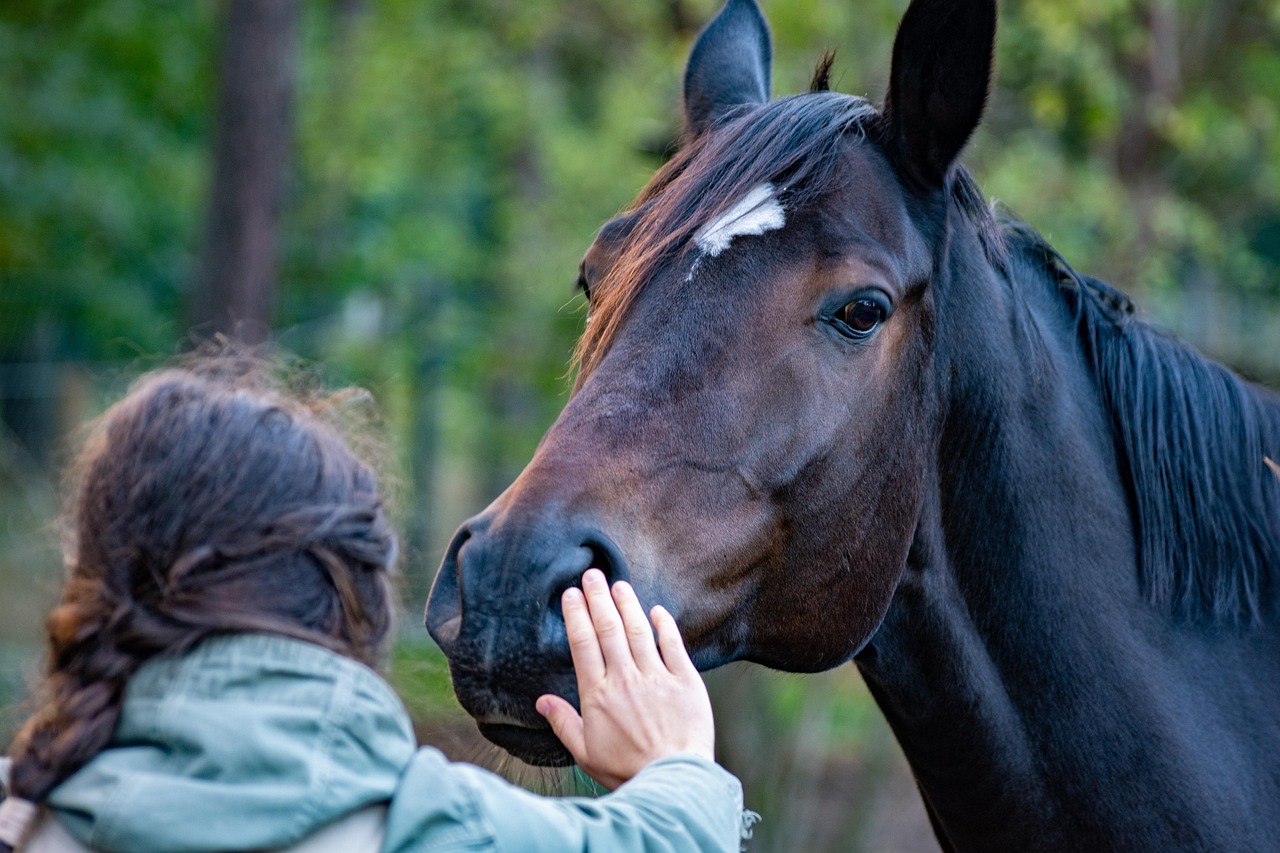
Scientific findings reveal a strong negative correlation between empathy scores and the evolutionary divergence time separating humans from other species. The phylogenetically closer a species is to us, the more it shares common traits with us.
However, beyond a certain time of divergence, our empathic perceptions stabilize at a minimum level. Many of these shared traits may arouse sensory biases, and these anthropomorphic signals could mobilize cognitive circuitry and trigger prosocial behaviors usually at work in human relationships.
Research shows females and younger age groups tend to have more positive perceptions of wildlife, with women being more concerned about individual welfare and men more focused on species conservation. However, some studies have found no significant relationship between age and sex in relation to attitudes toward conservation.
Zoo Experiences: Building Empathy Through Recognition

Groundbreaking research has found that the ability to recognize individual animals is associated with greater empathy for them and greater willingness to commit to real-world environmental actions to protect them. Non-experts can recognize individual dolphins at a rate higher than chance.
Studies examining zoo visitors’ connection to species have demonstrated that in-person and video-recorded animal experiences impact zoo visitors’ cognition, affect, empathic concern, and conservation intent. Participants who could identify dolphins from their dorsal fins showed higher empathy for dolphins and higher willingness to pledge environmental behaviors.
This finding suggests that conservation efforts might benefit from helping people distinguish individual animals rather than viewing them as anonymous members of a species.
The Primate Connection: Our Closest Relatives Show Deep Empathy
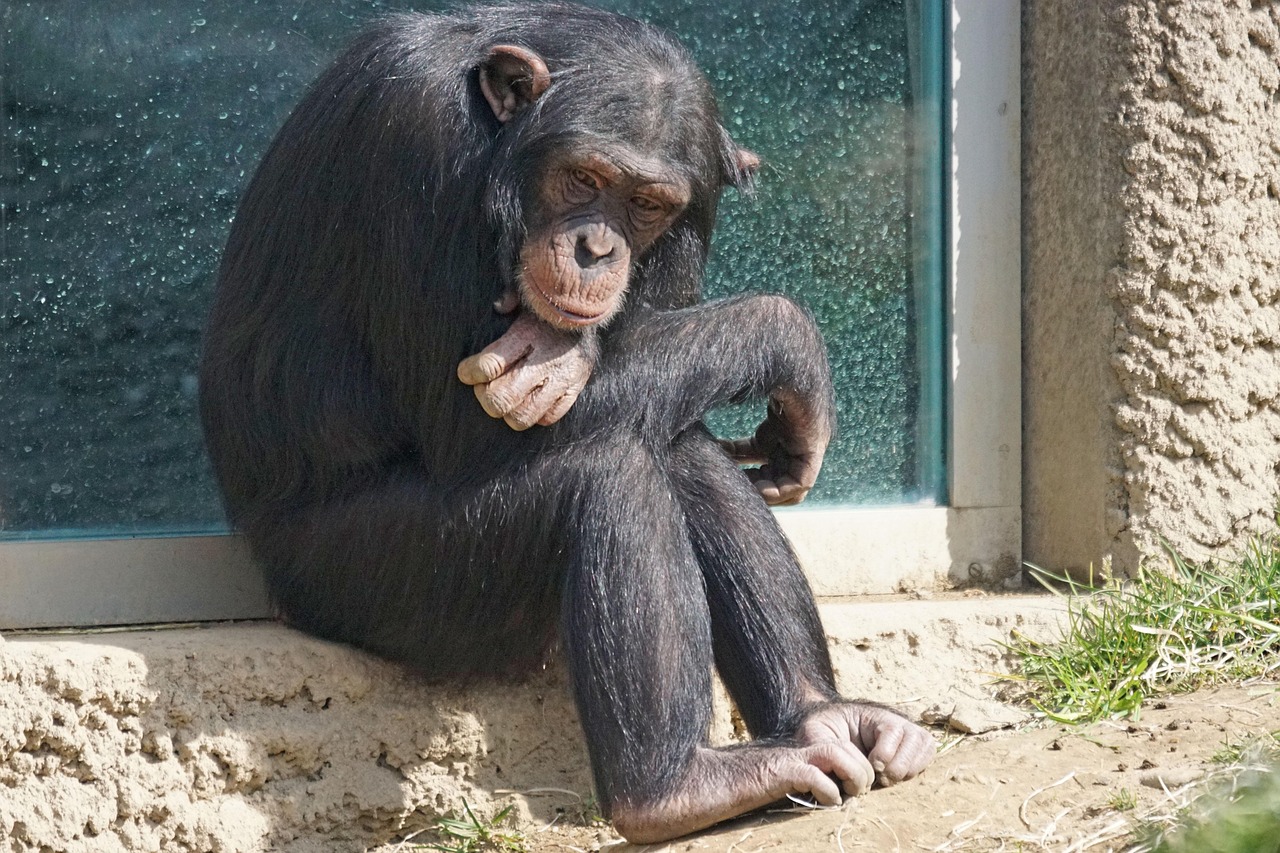
Researchers have observed consolation responses in primates, where after one chimpanzee attacks another, a bystander will go over to gently embrace the victim until he or she stops yelping. Expert primatologists suggest that bonobos demonstrate sophisticated empathic responses, though scientific evidence does not support claims of greater empathy than humans.
Experiments at the Yerkes National Primate Research Center demonstrated remarkable sharing behavior, where chimpanzees with food shared it with others in 15-30% of opportunities, even when separated by a fence. Primates exhibit empathy, dishonesty, and conflict negotiation, showcasing their complex emotional lives.
Elephant Empathy: Giants with Gentle Hearts
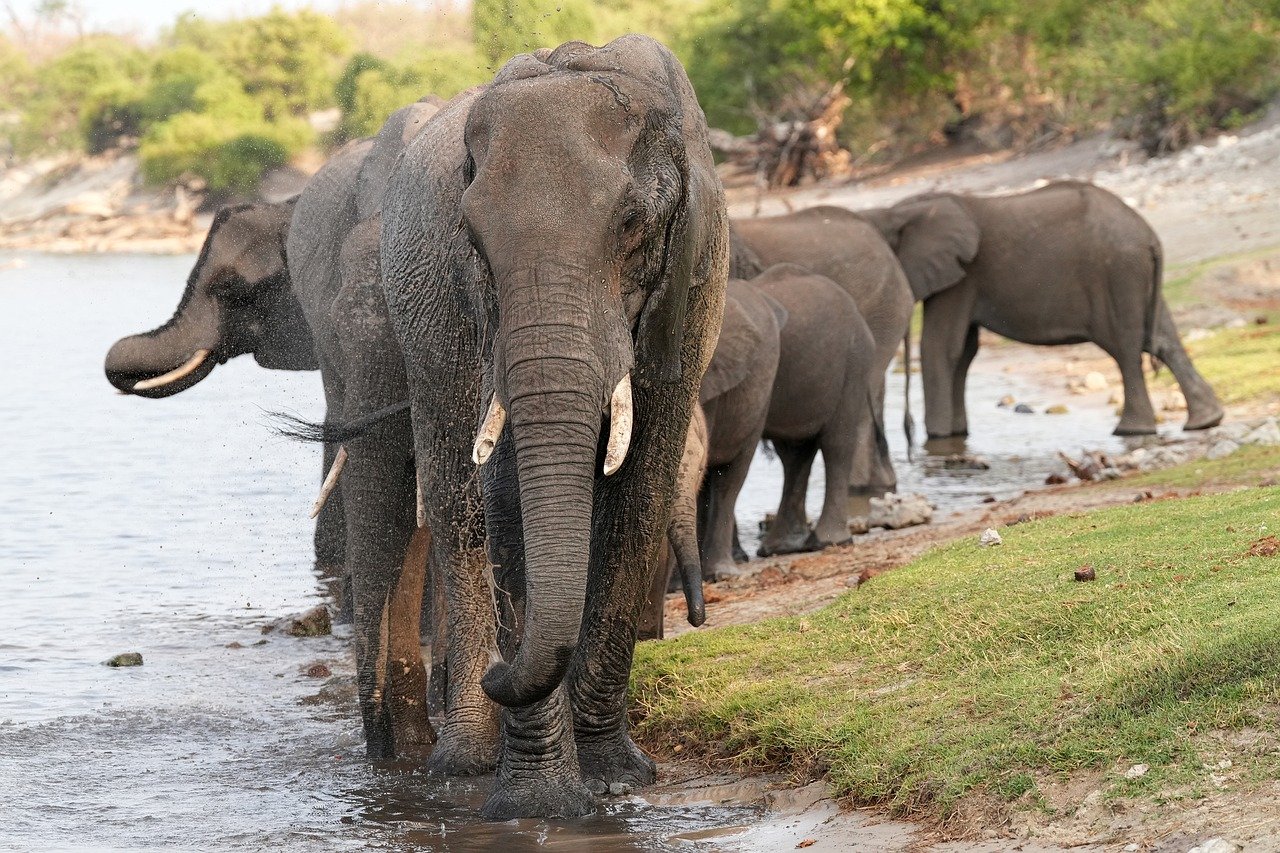
Elephants are thought to feel grief, show behaviors that suggest grief when one of their number dies, take an interest in elephant bones they find, and show continued interest in the remains of deceased elephants. Wildlife conservation researchers have found that elephants show consolation behavior when other elephants are distressed by using soothing vocalization and gestures with their trunks.
Research has found ample evidence that elephants, like dolphins and whales, grieve. They linger where their relatives have died rather than leave to forage for food, and gently touch the bones of their kin with their trunks.
These behaviors suggest that elephants possess emotional depth that rivals our own understanding of grief and mourning.
Marine Mammals: Intelligence Beneath the Waves
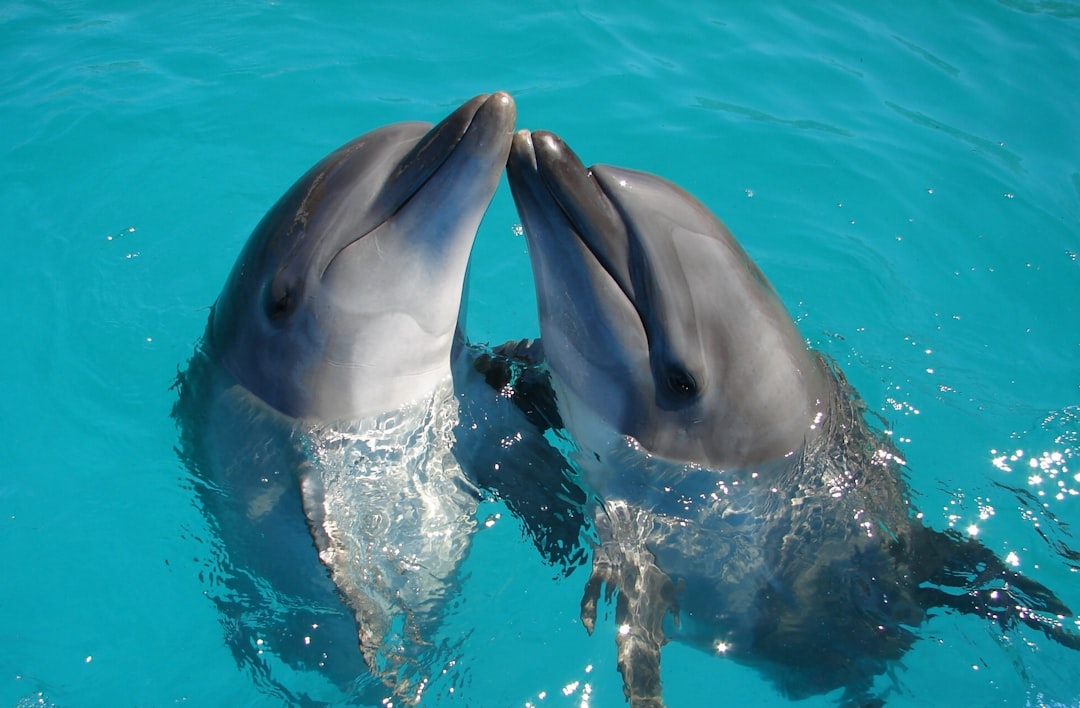
Third-party affiliation with victims of conflicts has been reported in bottlenose dolphins, and there are anecdotal instances of cetaceans appearing to comfort distressed individuals. When trapped whales were freed by divers, other individuals remained nearby watching the rescue work and touching the entangled tails. Spotted dolphin calves repeatedly emit distress calls until another animal calms them through pectoral rubbing.
Research has found that dolphins live in family groups and form strong bonds. Just like elephants, dolphins also grieve the death of friends and family.
The sophisticated social structures and emotional responses of marine mammals continue to surprise researchers with their complexity and similarity to human emotional experiences.
Rodent Revelations: Small Animals, Big Hearts
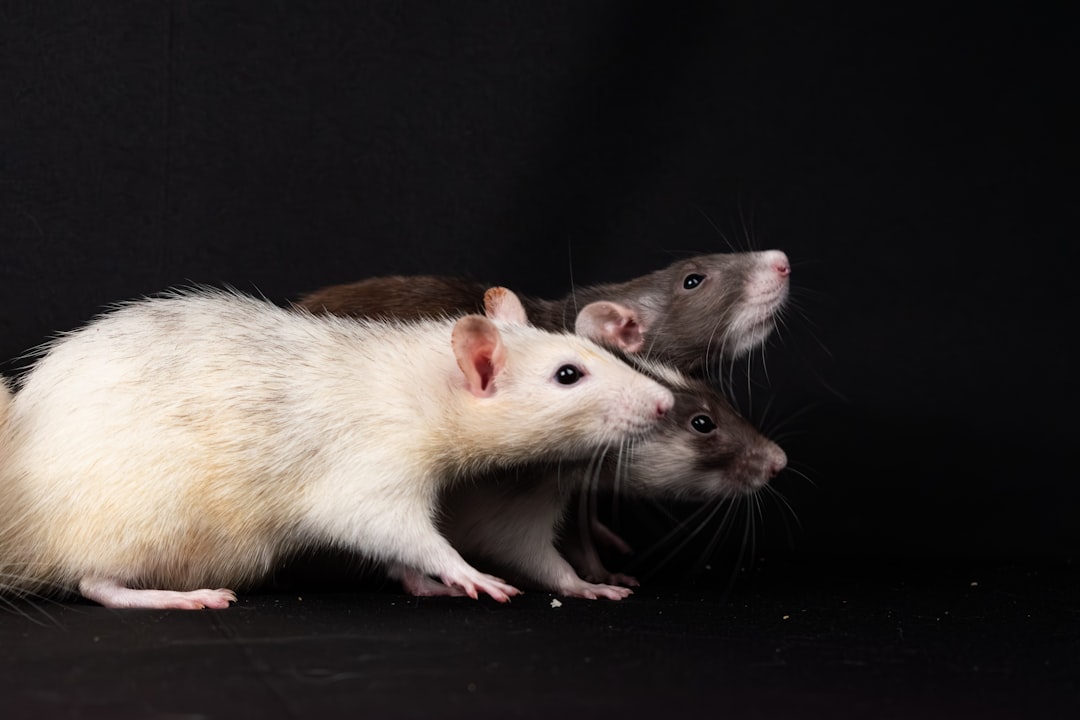
Studies demonstrate the deep evolutionary roots of empathy-driven behavior, with research showing that rats display pro-social behavior that goes beyond basic empathy and is more impressive than previous findings. Experiments placed two cage-mate rats in a test arena where one was trapped in a restrainer device that could be opened from outside, while the second rat roamed free and was able to see and hear the trapped companion.
Mice develop corresponding hyperalgesia by observing a companion experience pain, and observer rats exhibit not only emotional contagion but also prosocial consolation behaviors like allo-licking and allo-grooming towards companions that received painful stimuli.
Abundant evidence indicates that rodents respond to their companions’ emotional states and have the capacity for empathetic behavior. These findings challenge our assumptions about the emotional capabilities of smaller animals.
The Technology Bridge: Digital Tools Revealing Animal Empathy
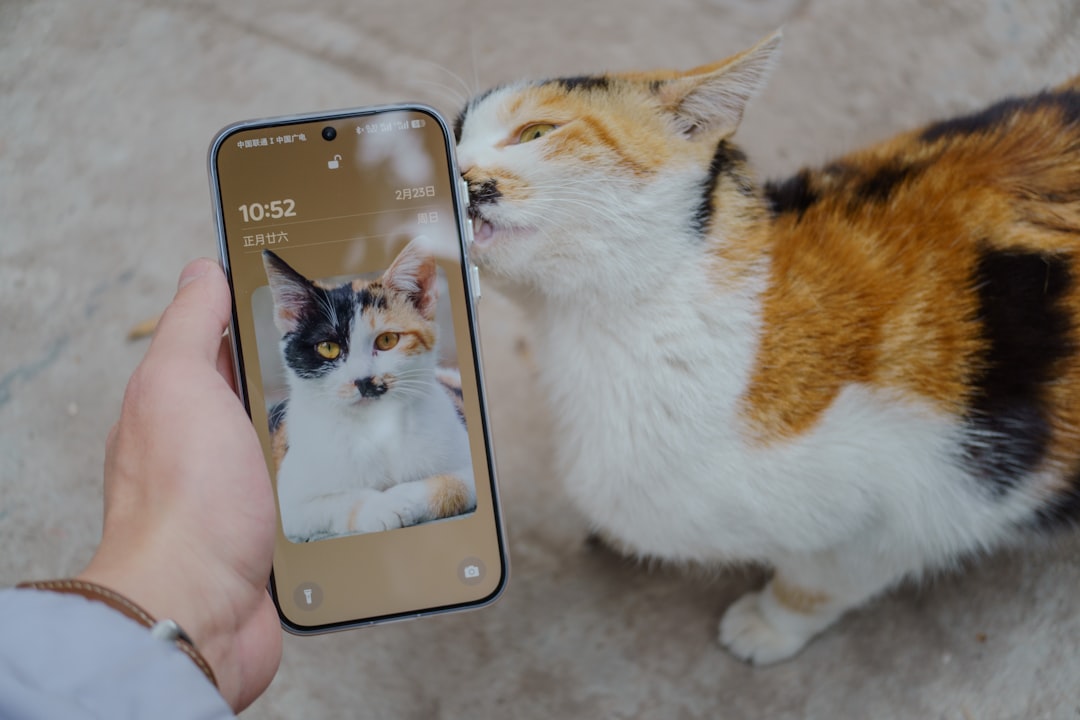
Research on animal-persona chatbots has shown they can significantly increase empathy, improve attitudes, and promote prosocial behavioral intentions toward animals, particularly when they incorporate emotional verbal expressions and authentic details of animals’ lives. These results expand our understanding of chatbots with non-human identities and highlight their potential for conservation initiatives.
Studies suggest that seeing animals as human-like fosters empathy by heightening people’s awareness that animals also have thoughts and feelings. Recent research measuring physiological and behavioral indicators in shelter dogs identified several markers that appear to reliably indicate fear, anxiety, calmness, and happiness in dogs.
Technology is becoming an unexpected ally in helping us understand and empathize with animals in ways we never thought possible.
Conclusion: Redefining Our Relationship with Animals
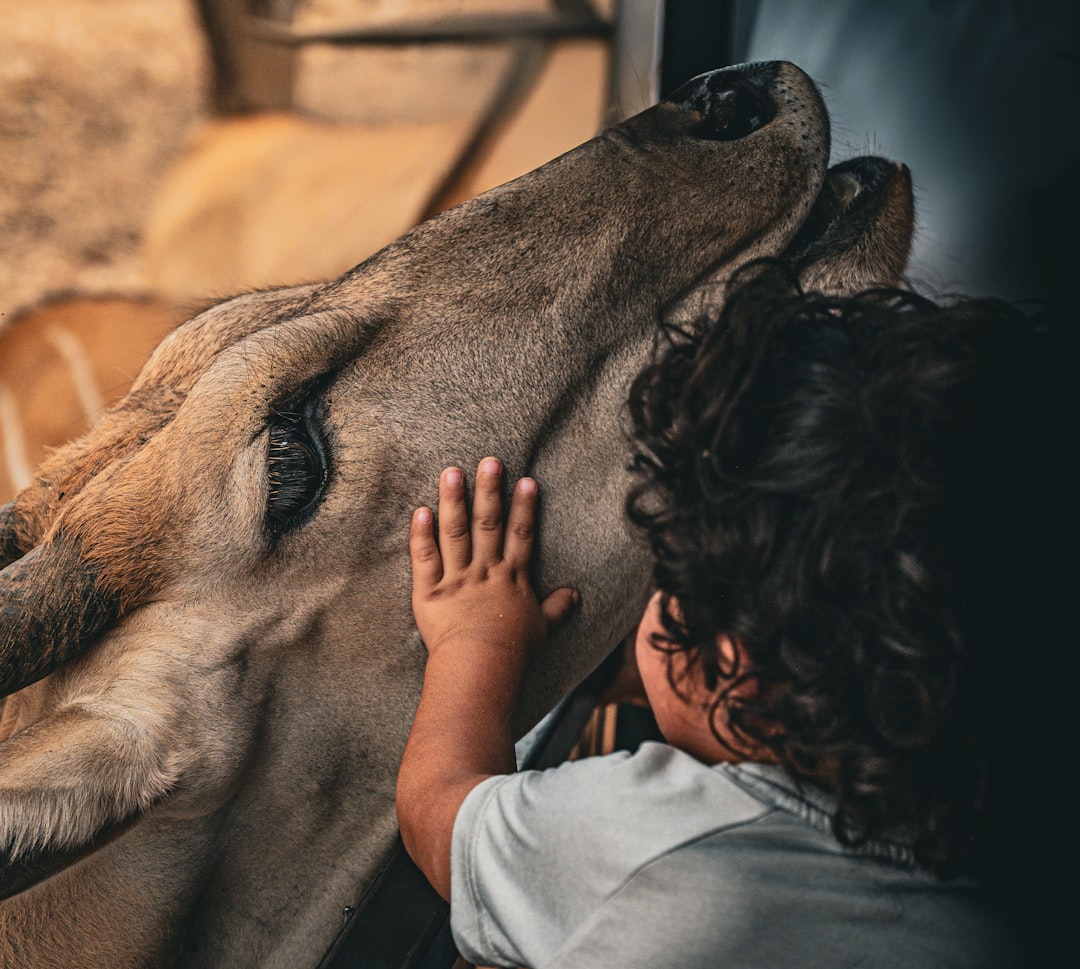
The mounting evidence from recent studies paints a picture of animals as emotionally complex beings capable of genuine empathy. Scientific research backs the idea of emotions in animals, with researchers observing empathy, grief, fear and other complex emotions often associated primarily with humans.
Recent studies have corroborated parallels in brain activation patterns between rodents and humans during prosocial behaviors. These discoveries challenge us to reconsider our relationships with the animals around us and recognize that empathy might be far more widespread in the animal kingdom than we previously believed.
The implications are profound for how we treat animals in research, agriculture, entertainment, and conservation. If animals truly experience empathy as these studies suggest, we may need to fundamentally shift our approach to animal welfare and rights.
What do you think about these remarkable findings? Tell us in the comments how this research might change your perspective on the animals in your life.

- 7 Hidden Conditions That Invite Termites Into Your Walls - August 6, 2026
- What It Means When Hummingbirds Return on Nearly the Same Date Every Year - August 6, 2026
- What It Means When a Dog Refuses to Enter a Room It Once Loved - August 6, 2026