


When we think of owls, the distinctive “hoot” often comes to mind – that deep, resonant call echoing through forests at night. However, contrary to popular belief, not all owls hoot. In fact, the vocalizations of owls are as diverse as the species themselves, with many owl species never producing the classic hooting sound we associate with these nocturnal birds. This diversity in communication methods has profound implications for how different owl species survive, reproduce, and adapt to their environments. Understanding why some owls don’t hoot provides fascinating insights into avian evolution, ecological adaptation, and the future of these mysterious birds in our changing world.
The Myth of the Universal Owl Hoot
The stereotypical “hoo-hoo-hoooo” call commonly associated with owls is actually produced by only a handful of species, primarily the Great Horned Owl and the Barred Owl in North America. This perception has been reinforced through media, children’s books, and popular culture, creating the widespread misconception that all owls communicate this way. In reality, of the more than 200 owl species worldwide, only about 15-20 produce what we would recognize as a traditional hoot. Many others screech, whistle, bark, hiss, or even remain largely silent, using other means of communication. This variation in vocalization is not random but has evolved based on specific ecological niches, habitat requirements, and social structures of different owl species.
The Silent Hunters: Barn Owls and Their Unique Vocalizations
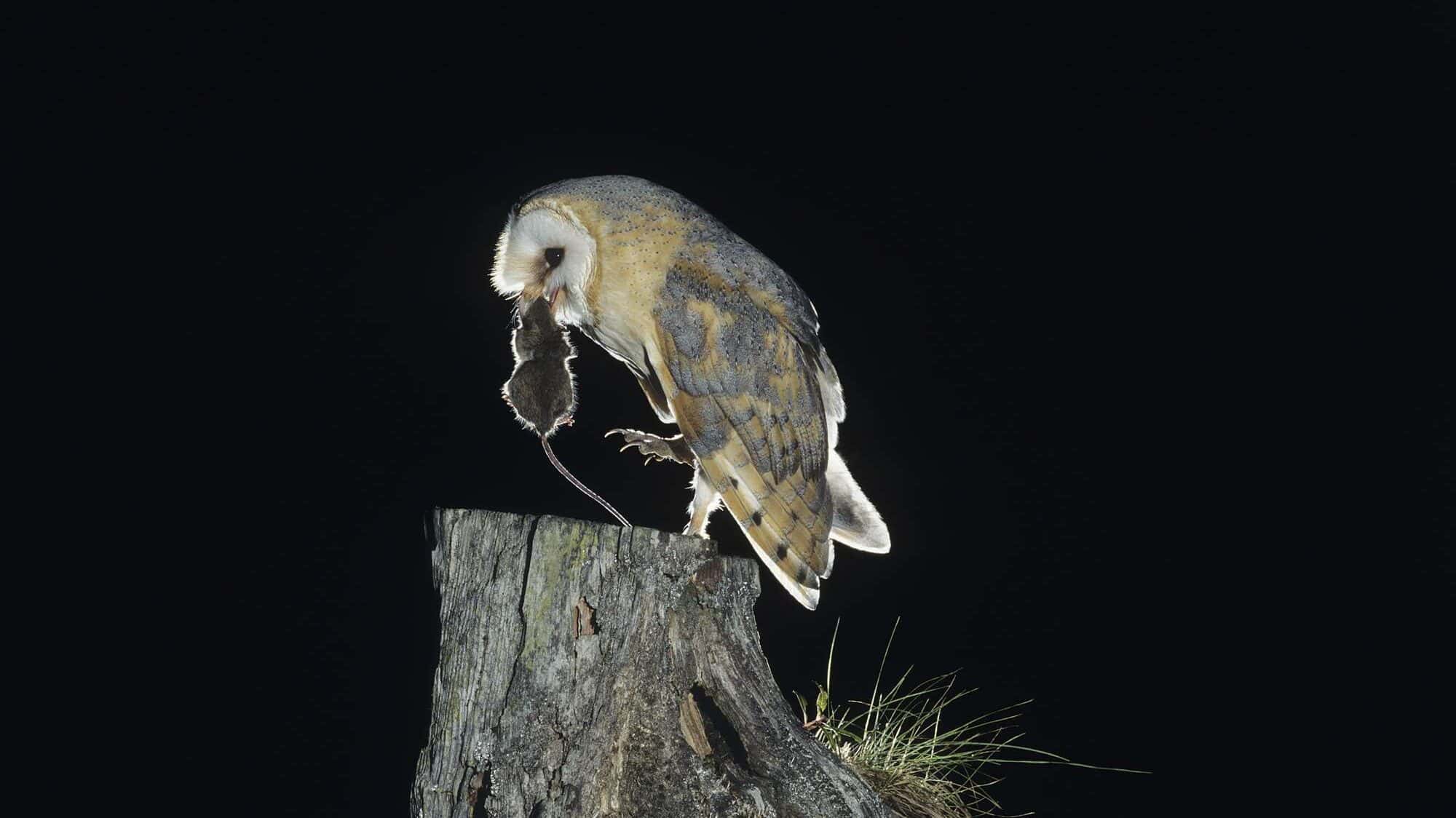
The Barn Owl (Tyto alba), one of the most widespread owl species globally, is often called the “silent hunter” for good reason. Rather than hooting, Barn Owls produce an eerie, drawn-out screech that sounds nothing like the classic owl call. This harsh screeching sound, often described as similar to someone in distress, serves as both a territorial declaration and a mating call. The unusual vocalization of Barn Owls reflects their unique evolutionary path, separate from the “true owls” (family Strigidae). As members of the family Tytonidae, Barn Owls diverged from other owl lineages approximately 60 million years ago, developing distinctive characteristics including their heart-shaped facial discs and specialized vocalizations tailored to their hunting environments and social needs.
Screech Owls: Mistakenly Named Masters of Whinny and Trill

Despite their name, Eastern and Western Screech Owls rarely screech. Instead, these small, common North American owls produce a distinctive trill or whinny that sounds more like a horse than the hooting we expect from owls. This descending, tremolo call serves primarily as a territorial announcement and mating advertisement. The misconception about their vocalization is embedded in their common name, confusing many people who expect to hear a harsh screeching sound. The trilling call of screech owls is perfectly adapted to their woodland habitats, where it carries effectively through dense vegetation. Additionally, these owls use a variety of other sounds, including barks, chuckles, and hoots, with each serving specific communicative functions. This rich vocal repertoire allows screech owls to convey complex messages despite their small size and the challenges of their environment.
The Silent Flight of the Northern Saw-whet Owl

The diminutive Northern Saw-whet Owl, weighing just 75-100 grams, offers another example of non-hooting owl communication. These tiny predators emit a repetitive, monotonous “toot-toot-toot” call that sounds like a saw being sharpened on a whetstone (hence their name). Despite their distinctive call, these owls remain remarkably silent for much of the year, vocally active primarily during breeding season. Their unique vocalization strategy aligns with their secretive nature and small size, allowing them to communicate effectively while minimizing detection by potential predators. Research has shown that their calls carry surprisingly well through their preferred coniferous forest habitats, demonstrating how their vocal characteristics have adapted specifically to their ecological niche and lifestyle requirements.
Evolutionary Advantages of Diverse Vocalizations

The variety of sounds produced by different owl species represents a fascinating example of evolutionary divergence. These varied vocalizations didn’t develop randomly but emerged as adaptations to specific ecological needs. For instance, owls living in dense forests often develop calls that carry well through vegetation, while those inhabiting open areas may have calls that travel longer distances. Species-specific calls also function as reproductive isolation mechanisms, ensuring that owls only attempt to mate with members of their own species. Additionally, different predator pressures have shaped vocalization patterns – smaller owl species vulnerable to predation often have more secretive or less frequent calling behaviors. Research published in the Journal of Avian Biology suggests that these diverse vocal adaptations have played a crucial role in allowing owls to occupy a wide range of habitats across nearly every continent, contributing significantly to their evolutionary success as a group.
The Role of Silent Communication in Hunting Success
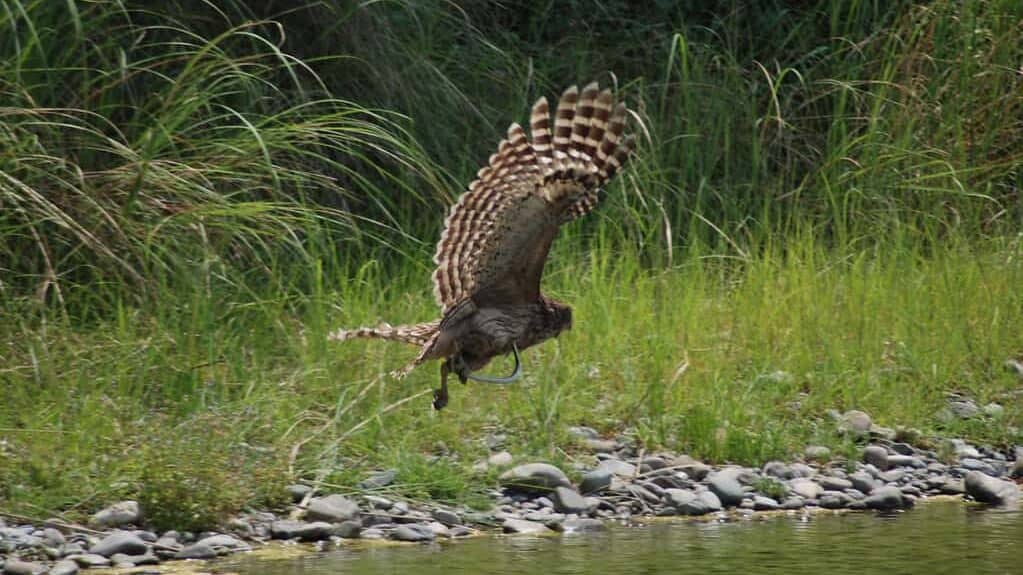
Many owl species that don’t hoot rely heavily on silent communication and hunting techniques. This silence serves a critical evolutionary purpose: it allows them to approach prey without detection. Owls possess specialized feathers with serrated edges and a velvety surface that dampens sound as they fly, enabling them to approach prey silently. Species like the Barn Owl, which hunts primarily by sound rather than sight, benefit particularly from silent flight and minimal vocalization during hunting. Studies have shown that owls that rely heavily on acoustic location of prey tend to be among the quietest species overall, reserving their vocalizations primarily for territorial defense and mating. This selective use of sound demonstrates how communication strategies are tightly integrated with feeding ecology in these remarkable predators, resulting in highly specialized behavioral and physical adaptations.
Visual and Physical Communication Among Non-Hooting Owls
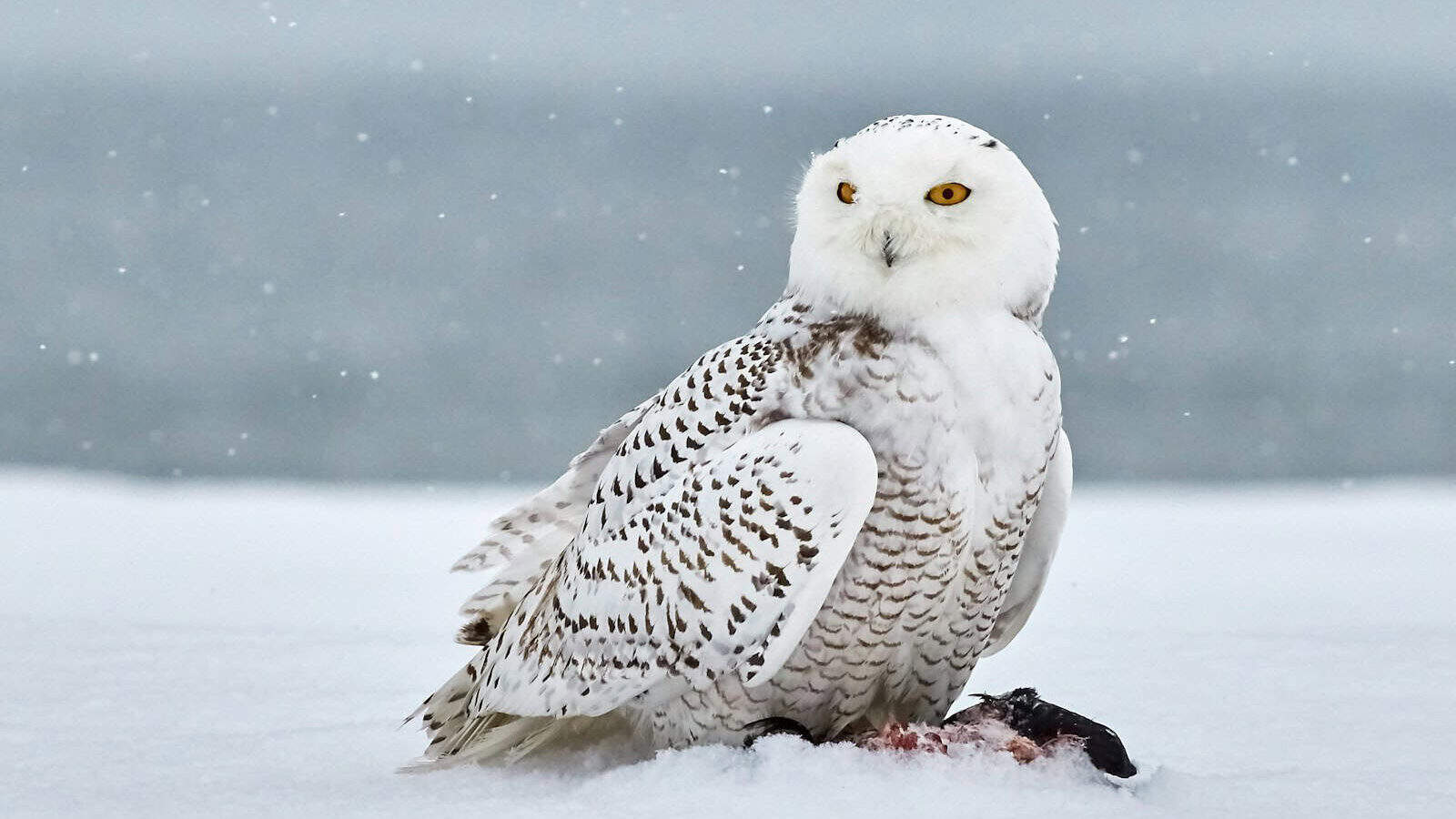
In the absence of hooting, many owl species rely more heavily on visual and physical displays for communication. The Burrowing Owl, for instance, bobs and weaves in elaborate dances to signal territoriality or courtship intentions. Snowy Owls use dramatic wing displays and body posturing rather than frequent vocalizations. Even facial expressions, particularly the movement of facial disc feathers, serve as important communication tools among owl species that vocalize less frequently. These visual signals are especially important for diurnal or crepuscular owl species that are active during periods of better visibility. Research conducted at Cornell University’s Lab of Ornithology has documented complex sequences of visual displays in several non-hooting owl species, suggesting that these behaviors constitute a sophisticated communication system that complements or sometimes replaces vocal communication, particularly in contexts where sound might attract unwanted attention from predators or competitors.
Climate Change Impacts on Owl Vocalization Patterns

Emerging research suggests that climate change may be affecting owl vocalization patterns in complex ways. As temperatures warm and habitats shift, some owl species are adjusting their calling seasons and frequency. For non-hooting species, which often have more specialized communication patterns, these disruptions may have particularly significant impacts. For example, studies in Northern Europe have documented earlier breeding calls from Pygmy Owls as spring temperatures increase. Because many non-hooting owls rely on precisely timed vocalizations for breeding synchronization, climate-induced shifts could potentially lead to reproductive timing mismatches. Additionally, as habitats change and fragment due to climate impacts, the acoustic properties of these environments also change, potentially affecting how well certain types of owl calls transmit through the environment. These disruptions to established communication patterns represent an often-overlooked threat to owl populations already facing numerous conservation challenges.
Habitat Fragmentation and Its Effect on Non-Hooting Species

Habitat fragmentation poses particular challenges for owl species with non-hooting vocalizations. Many of these specialized calls evolved to function optimally within specific habitat types, such as the high-pitched calls of small forest owls that carry effectively through dense vegetation. When these habitats become fragmented by human development, the effectiveness of these specialized communications can be compromised. Research published in Conservation Biology has documented how road noise and urban sounds can mask the subtle vocalizations of non-hooting owl species like the Northern Saw-whet Owl and Eastern Screech Owl. This acoustic masking can interfere with territory establishment, mate attraction, and breeding success. Furthermore, habitat fragmentation often forces owls to call more frequently or loudly to overcome these challenges, potentially exposing them to greater predation risk. These impacts highlight how habitat conservation is essential not just for providing physical space for owls, but also for maintaining the acoustic environment they need for effective communication.
Conservation Implications of Vocalization Differences
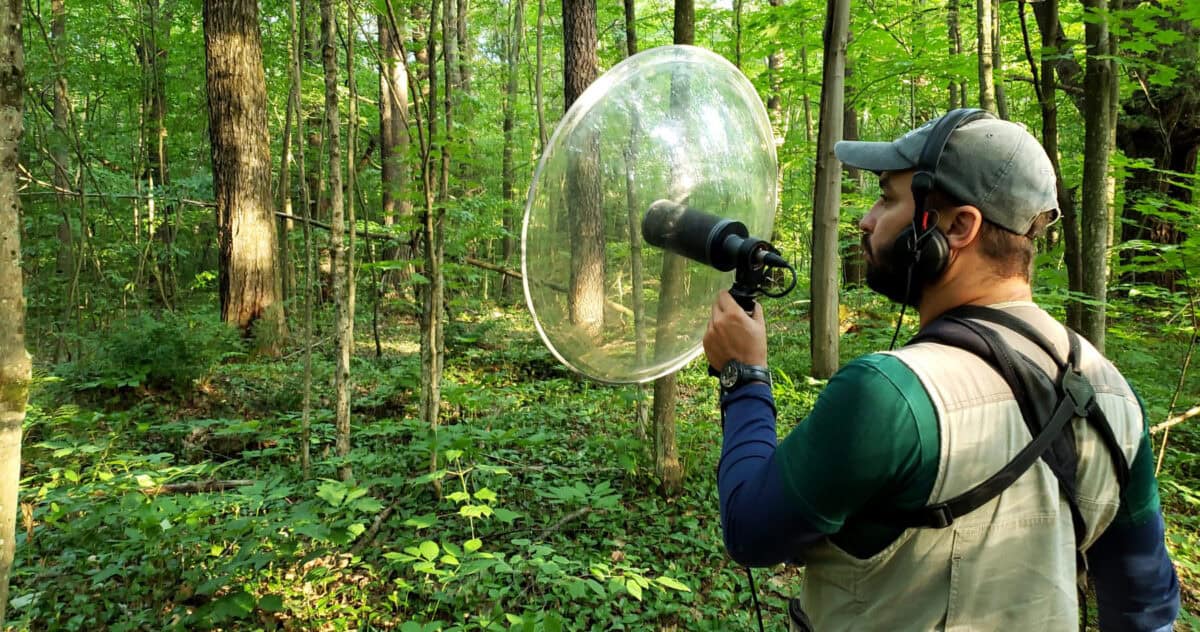
The diverse vocalization strategies among owl species have significant implications for conservation efforts. Species with distinctive, loud calls (like the classic hooters) are generally easier to monitor through acoustic surveys, while the more subtle or infrequent vocalizations of non-hooting species present monitoring challenges. This can lead to underestimation of population sizes or delayed recognition of population declines in non-hooting species. Conservation biologists have developed specialized protocols for detecting these quieter species, including playback techniques, recording devices that can capture high-frequency sounds, and night vision monitoring. Additionally, conservation plans must account for the specific communication needs of different owl species. For instance, protecting not just nesting habitat but also acoustic space—areas free from noise pollution—is crucial for non-hooting species that rely on subtle vocalizations. Some conservation programs now incorporate “quiet zones” into protected area design, recognizing that sound is an essential ecological resource for these specialized communicators.
The Cultural Significance of Owl Calls Worldwide

The diverse vocalizations of owls have shaped human culture and mythology across civilizations. While the hooting owl has become a universal symbol in Western culture, many indigenous cultures recognize and attach significance to the various non-hooting calls as well. For example, the screech of the Barn Owl has been associated with death omens in some cultures precisely because it sounds so unlike the expected owl hoot. In parts of Central America, the distinct whistling call of the Whiskered Screech Owl is believed to be a communication from ancestors. These cultural interpretations reflect humans’ long history of attentive listening to the natural world and the recognition that owl vocalizations are far more diverse than the stereotypical hoot. Modern citizen science projects are now leveraging this human fascination with owl calls, recruiting volunteers to record and identify the various vocalizations of local owl species, including the non-hooters. These efforts are helping to document range expansions, population trends, and behavioral changes while also deepening public appreciation for the vocal diversity of these remarkable birds.
The remarkable diversity of owl vocalizations represents a fascinating example of evolutionary adaptation and specialization. Far from all producing the stereotypical hoot, owls communicate through an impressive array of screeches, whistles, barks, trills, and even silence – each adapted to specific ecological niches and life history strategies. This vocal diversity has profound implications for how different owl species navigate their environments, find mates, defend territories, and respond to environmental changes. As human activities continue to transform landscapes and alter soundscapes, understanding and preserving this diversity of communication strategies becomes increasingly important for conservation efforts. By appreciating the full symphony of owl voices rather than just the familiar hoot, we gain deeper insights into the complex ecology of these remarkable birds and their ability to adapt to a changing world. The non-hooting owls remind us that nature’s complexity often extends beyond our common assumptions, rewarding those who listen more carefully with richer understanding.

- How Crickets Chirp Using Their Wings - July 20, 2026
- The Largest Sea Turtle Ever Rescued Off North Carolina - July 20, 2026
- The Ocean’s Escape Artist: Why Octopuses Outsmart Us All - July 20, 2026