

Imagine wandering through scorching desert sands for days without a single drop of water passing your lips. While most humans would perish within hours, the remarkable dromedary camel can stroll through these same conditions as if on a casual weekend hike. This extraordinary ability has captivated scientists for decades, revealing adaptation strategies so sophisticated they seem almost magical.
The secrets behind camel survival could revolutionize how we understand life in extreme environments. From unique blood chemistry to ingenious cooling systems, these desert dwellers have mastered techniques that put even the most advanced human technology to shame. Let’s explore the fascinating world of camel adaptations and discover why these ships of the desert might hold keys to our own survival in an increasingly arid world.
The Master of Water Conservation

Camels have adapted mechanisms that allow them to withstand prolonged water deprivation, high heat load especially in the absence of readily available water and survive when feed resources are scarce or of poor quality. Think of a camel as nature’s ultimate water-saving device, engineered with precision that would make any engineer jealous.
The camel’s kidneys play a major role in the process of conserving water through increasing the osmolarity of urine. The kidney is characterized by a long loop of Henle, and a well-developed medulla (the ratio medulla: cortex is about 4:1). This specialized kidney structure allows camels to produce urine so concentrated it’s almost syrupy, extracting every possible drop of precious water from their system.
Revolutionary Blood Chemistry

Camelus dromedarius could lose 25% water of its total body weight during extreme dehydrating conditions without health hazards. Meanwhile, humans typically become dangerously dehydrated after losing around 10-15 percent of their body weight in water. This incredible tolerance stems from their unique blood composition.
Water conservation ability, the unique features of blood, thermoregulation, and efficient digestion and metabolism are among the physiological adaptations. Camel blood maintains its consistency even during severe dehydration, preventing the circulatory collapse that would kill other mammals. Their red blood cells are oval-shaped rather than round, allowing better flow even when blood becomes thick.
Temperature Control Like No Other

Camel can fluctuate its body temperature between 34 and 42°C, thus minimizing perspiration and avoiding water losses through evaporation. This remarkable adaptation, called heterothermy, essentially turns camels into walking thermostats that adjust their internal temperature based on environmental conditions.
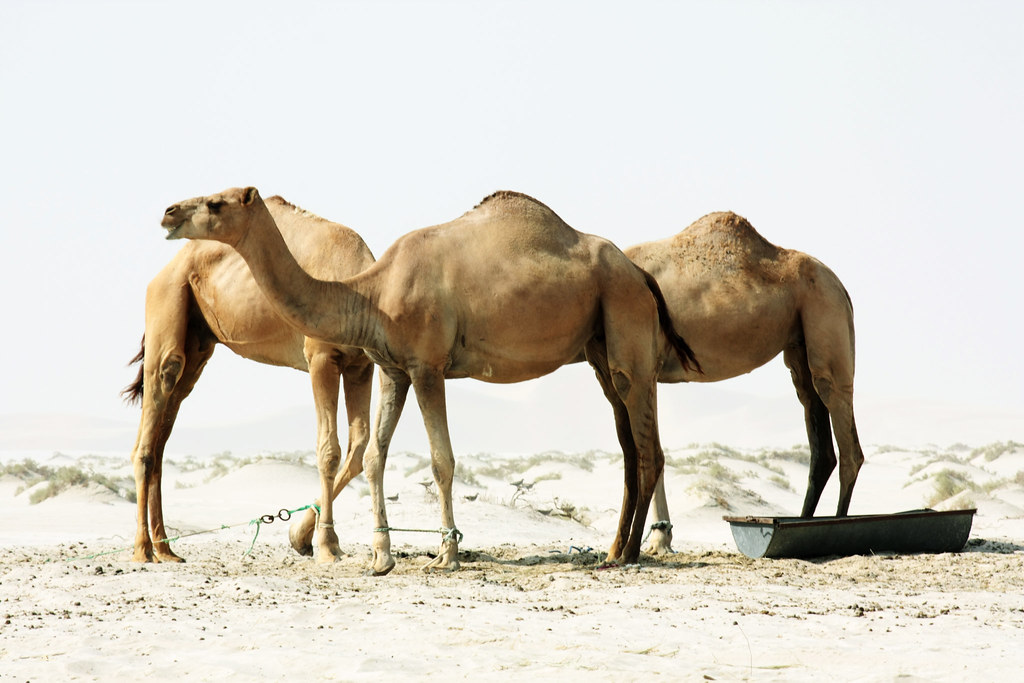
Camels usually huddle together in order to cool themselves as their body temperature is often less than the surrounding air. Moreover, in the recumbent position, the camel sternum takes a “plate like” conformation permitting more air circulation. These behavioral adaptations work alongside their physiological ones, creating a comprehensive cooling system that maintains efficiency even in blazing heat.
The Genius of Selective Brain Cooling
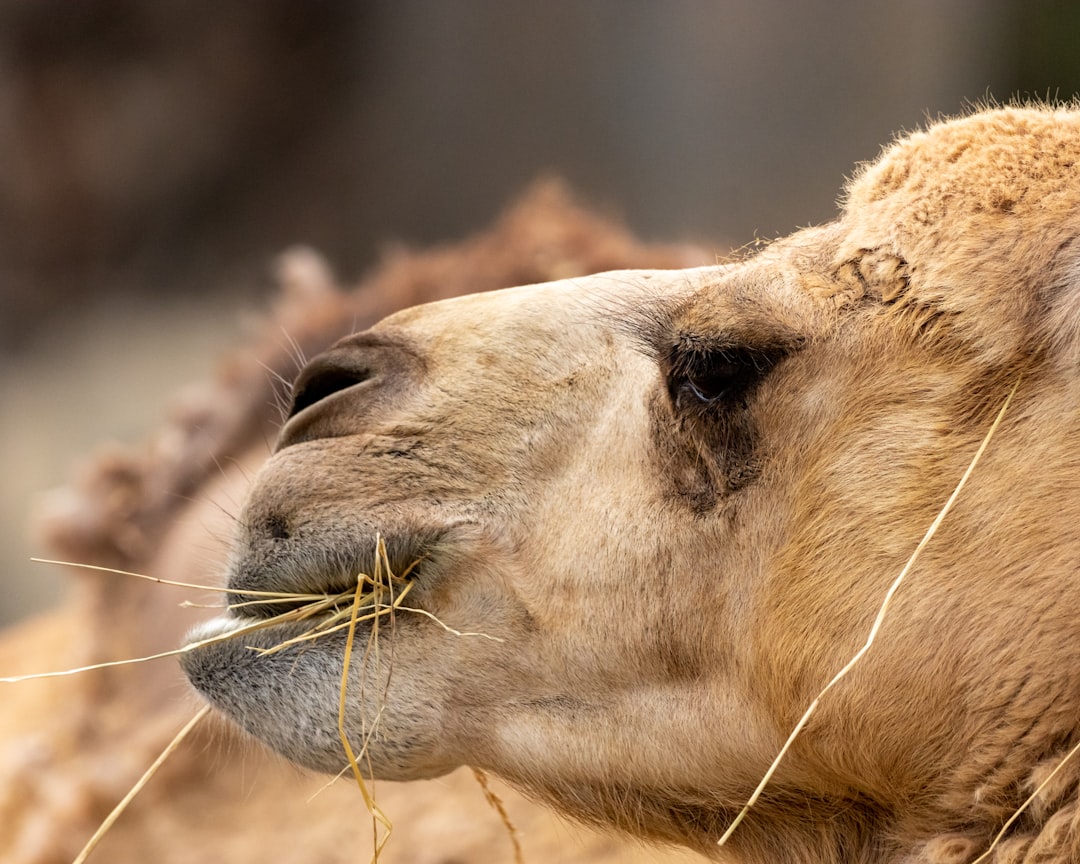
The anatomical arrangement or distribution of camel arteries and veins help mitigate the high blood temperature of the body reaching the brain, thus protecting the animal from potential brain damage. This selective brain cooling system represents one of nature’s most elegant solutions to desert survival.
Under normal conditions the cool venous blood, after having passed over the nasal cavity, travels via a general circulation. However, when temperature increases in the body the nasal and the angular veins become wider while the facial vein is constricted. This sophisticated vascular network ensures that the camel’s brain stays cool even when the rest of its body heats up, preventing the neurological damage that extreme temperatures could cause.
Anatomical Marvels for Desert Life

Camel nostrils have a muscular nature which allows camel to fully control its opening and closure, thus avoiding sand inhalation in case of sandstorm events. The feet of camel are thick and characterized by leathery pads which spread widely on hitting the ground, consequently preventing the animal from sinking into the warm sand. Every aspect of camel anatomy serves a specific survival purpose.
Anatomically the nature of skin coat, eye, ear, hump, poll gland, nostril and lips, large body size and long height and large foot pads contribute to their survival. From protective eyelashes that filter sand to specialized lips that can grasp thorny vegetation, camels represent millions of years of evolutionary fine-tuning for desert existence.
Behavioral Strategies for Survival
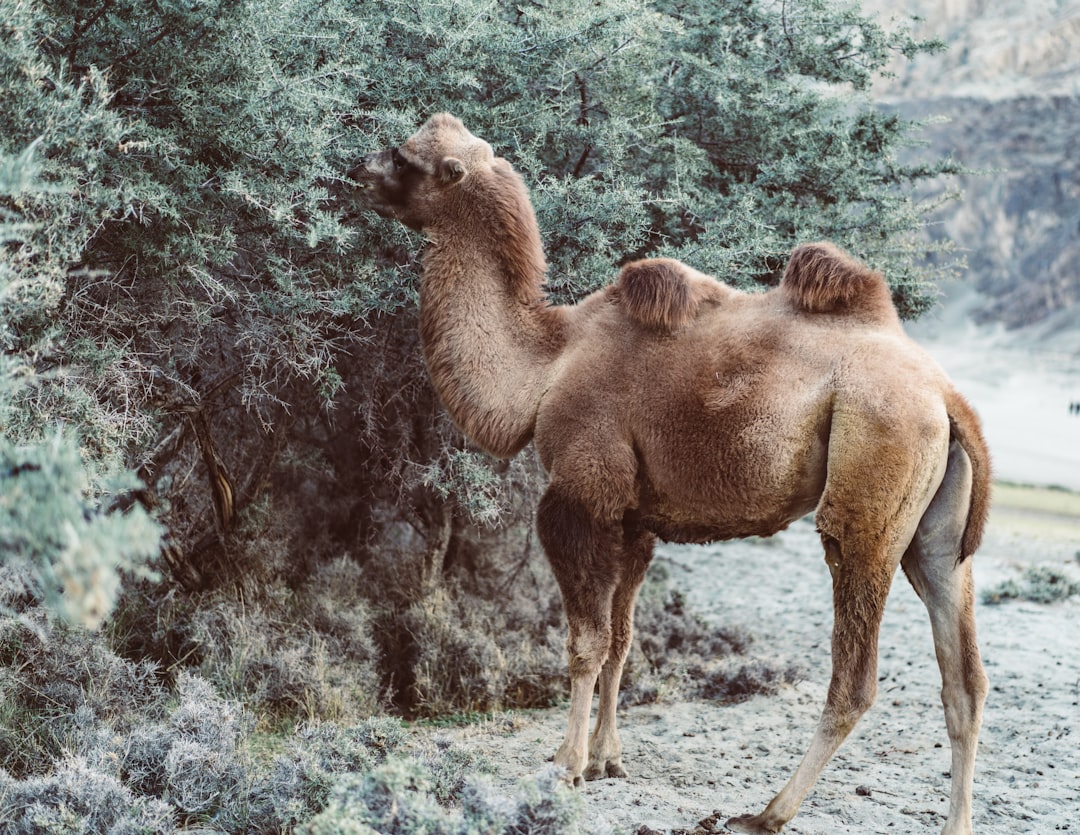
The feeding, drinking, thermal and sexual behavior of camels also plays a major role in succeeding their existence in the desert environment. Camels don’t just rely on their bodies; they’ve developed sophisticated behavioral patterns that maximize their survival chances.
These desert wanderers time their activities to avoid the harshest heat, often feeding during cooler dawn and dusk hours. They conserve energy through efficient movement patterns and know instinctively how to find shade and shelter. Their social behaviors also contribute to group survival, with experienced individuals leading others to water sources during critical times.
Molecular Adaptations at the Cellular Level

To cope with the extreme heat stress and drought of the desert, the Arabian camel has developed exceptional physiological and biochemical particularities. Heat shock proteins are suggested to play a key role in the protein homeostasis and thermotolerance. At the molecular level, camels produce specialized proteins that protect their cells from damage.
Comparative genomic analysis reveals complex features related to desert adaptations, including fat and water metabolism, stress responses to heat, aridity, intense ultraviolet radiation and choking dust. Transcriptomic analysis of Bactrian camels further reveals unique osmoregulation, osmoprotection and compensatory mechanisms for water reservation underpinned by high blood glucose levels. These genetic adaptations show how evolution has rewired camel biology at the most fundamental level.
Conclusion
The remarkable adaptations of camels reveal nature’s incredible ability to solve seemingly impossible survival challenges. While human desert survival without water varies greatly depending on conditions, with survival times ranging from less than a day to several days in extreme heat, camels have transcended these limitations through millions of years of evolution.
From their water-conserving kidneys to their temperature-regulating blood, from their protective anatomy to their survival behaviors, camels represent a masterclass in desert adaptation. As climate change continues to create more arid environments worldwide, understanding these remarkable creatures becomes increasingly valuable for both scientific knowledge and practical applications.
Could humans ever match a camel’s desert survival abilities? While we may never develop their extraordinary physiological adaptations, studying their strategies offers insights into how life persists against all odds. What adaptation strategy impressed you most about these desert survivors?

- What Large Dog Breed Are You According to Your Zodiac Sign - August 8, 2026
- 8 Plants That Help Keep Mosquitoes Away From Texas Patios - August 8, 2026
- 10 Facts About the Grand Canyon Hidden in Its Rock Layers - August 8, 2026