

Picture this horrifying scenario: you’re riding along a peaceful beach when the ocean begins to retreat unnaturally far, exposing the seafloor in an eerie display. Your horse snorts nervously as seabirds cry out in distress. Then you see it on the horizon – a dark wall of water approaching faster than seems possible. Could you and your horse actually outrun this natural disaster? The answer might shock you, because it’s more complicated than you’d think.
Most people imagine they could simply gallop away from danger, trusting in their horse’s legendary speed. Yet the physics of tsunamis reveal why this confidence might be dangerously misplaced. Let’s explore this life-or-death question and uncover what really happens when nature’s most powerful force meets one of humanity’s most trusted companions.
Understanding Tsunami Speed in Deep Ocean Waters
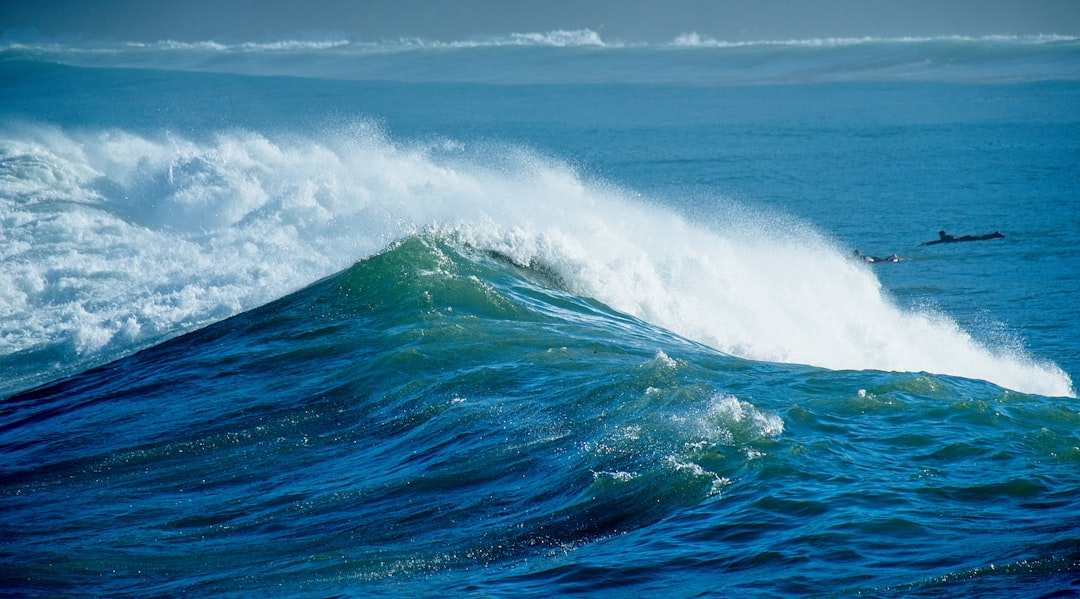
In the deep ocean, tsunamis can move as fast as a jet plane, over 500 mph (800 km/h), and since the average depth of the Pacific ocean is 4000 m (14,000 feet), tsunami wave speed will average about 200 m/s or over 700 km/h (500 mph). This mind-boggling speed means a tsunami can cross entire oceans in less than a day, making international travel look painfully slow by comparison.
What makes these waves so incredibly fast is their relationship to water depth. Tsunami speed can be computed by taking the square root of the product of the acceleration of gravity, which is 32.2 feet (9.8 meters) per second squared, and water depth. In 15,000 feet (4,600 meters) of water, this works out to almost 475 mph (765 km/h). Think about that: while your commercial airplane cruises at similar speeds at 35,000 feet, these waves achieve comparable velocity while moving through water.
Because of a tsunami’s long wavelengths, which can be hundreds of miles, a tsunami is barely noticeable in the deep ocean and rarely more than three feet (one meter) high. Mariners at sea will not normally notice a tsunami as it passes beneath their hulls. This deceptive calm in deep waters masks the tremendous energy that’s about to be unleashed on coastal areas.
How Horses Actually Run and Their Maximum Speeds

The gallop is the fastest gait of the horse, averaging about 40 to 48 kilometres per hour (25 to 30 mph), though this represents typical sustained speeds rather than absolute maximum capability. The fastest recorded galloping speed is 55 mph (88.5 km/h). American Quarter Horses can reach it while sprinting a distance shorter than 400 m.
However, these record-breaking speeds come with serious limitations. Horses seldom will gallop more than 1.5 or 3 kilometres (0.93 or 1.86 mi) before they need to rest, though horses can sustain a moderately paced gallop for longer distances before they become winded and have to slow down. Your average riding horse carrying a person will be significantly slower than these racing statistics suggest.
That being said, the average horse runs close to 20-30 mph. The fastest horses can reach speeds of 45 mph. Most importantly for our tsunami scenario, top galloping speeds of 25–35 miles per hour are more typical in home environments with riders who are not jockeys. Horses can run at absolute top speed for only a few seconds at a time.
The Critical Transformation as Tsunamis Approach Shore
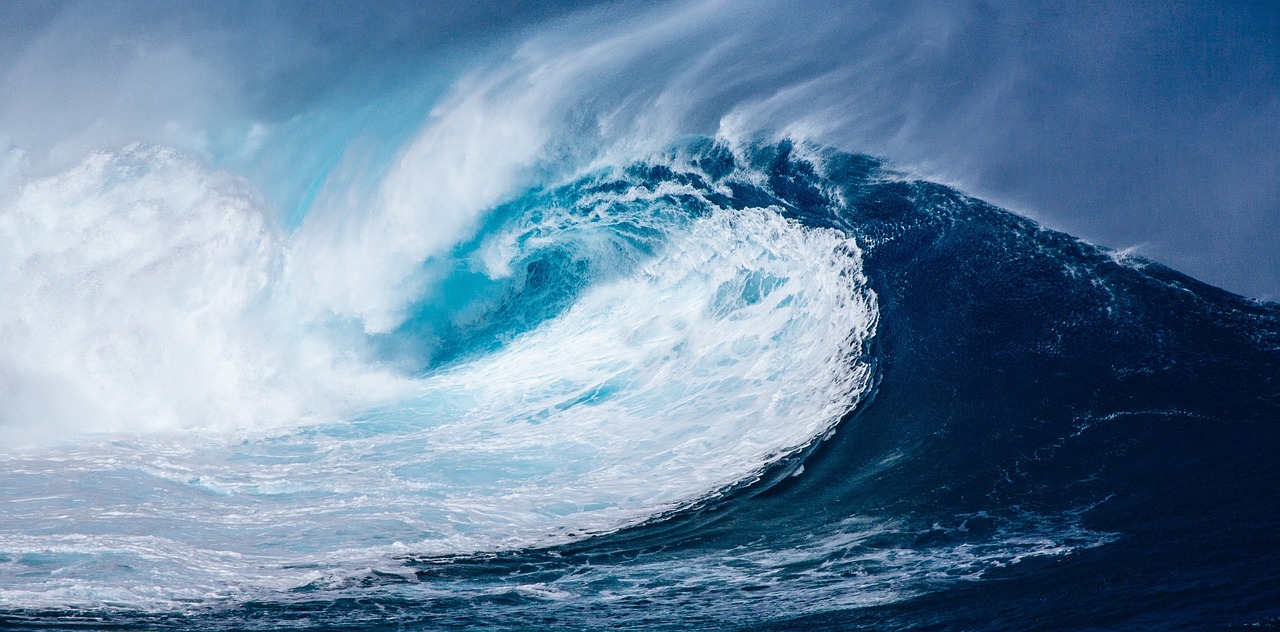
Here’s where the physics becomes absolutely crucial for survival. As a tsunami enters shallow water near land, it slows down, wavelengths decrease, waves grow in height, and currents intensify. At the shore, most tsunamis slow to the speed of a car, approximately 20 to 30 mph (30 to 50 km/h). This dramatic slowdown might seem like good news, but it comes with a terrifying trade-off.
In about 300 feet of water, a tsunami wave will slow to about 60 mph and in 30 feet of water the wave will slow to 20 mph. The energy that was spread over hundreds of miles in the deep ocean becomes compressed into a much shorter wavelength, causing the wave height to increase dramatically.
As the tsunami approaches the coast and the waters become shallow, wave shoaling compresses the wave and its speed decreases below 80 kilometres per hour (50 mph). While this brings the tsunami closer to a horse’s running speed, as the waves enter shallow water near land, they slow to approximately 20 or 30 mph. That is still faster than a person can run.
The Mathematical Reality of the Chase
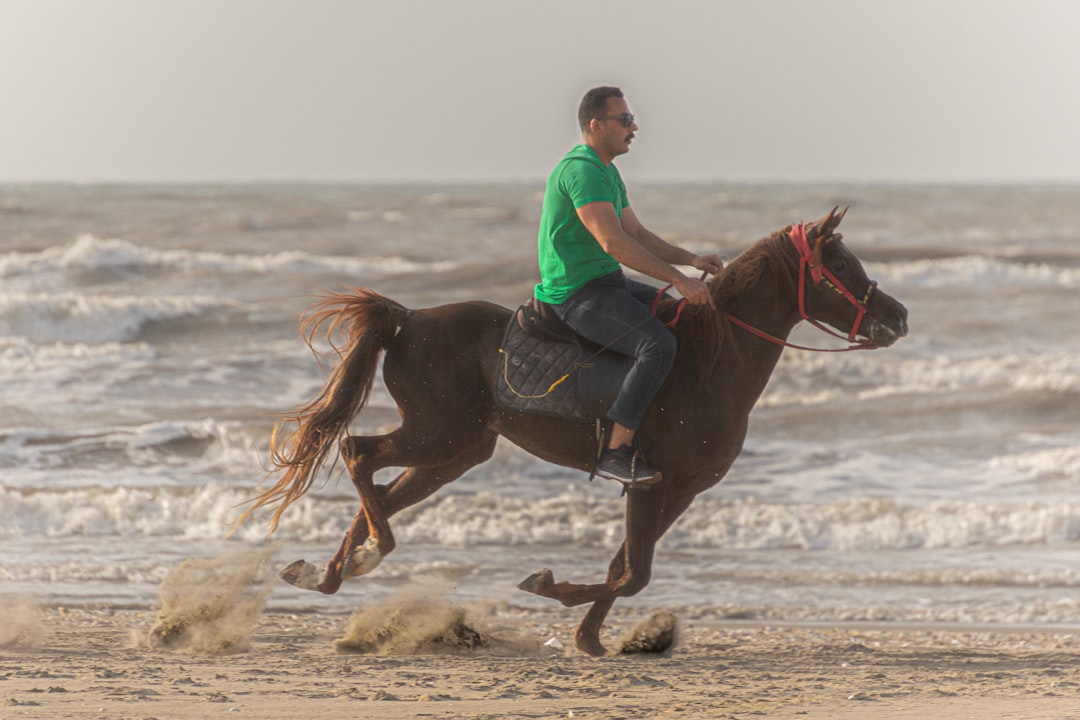
Let’s crunch the numbers for this life-or-death scenario. A tsunami traveling at roughly 25 mph in shallow coastal waters faces off against a horse that might sustain 25-30 mph for a short distance. On paper, this appears to be a close race, but the devil lies in the details.
Your horse’s maximum speed of 30 mph assumes ideal conditions: a fit animal, experienced rider, perfect terrain, and no obstacles. Meanwhile, tsunamis race across the deep ocean at jet speed, some 500 mph (800 km/h). Near shore, the killer waves slow to between 10 to 20 mph (16 to 32 km/h) and gain height. Even at the slower end of this range, you’re dealing with a relentless force that doesn’t tire.
Consider the endurance factor: while you might briefly match the wave’s speed, in full flight (in a gallop) a horse can cover up to just over 3km before it begins feeling fatigued. On average you will still have that 3km window until your horse’s endurance will begin to fatigue and you will slow down. The tsunami, however, maintains its speed consistently across vast distances.
Why Distance and Terrain Make All the Difference
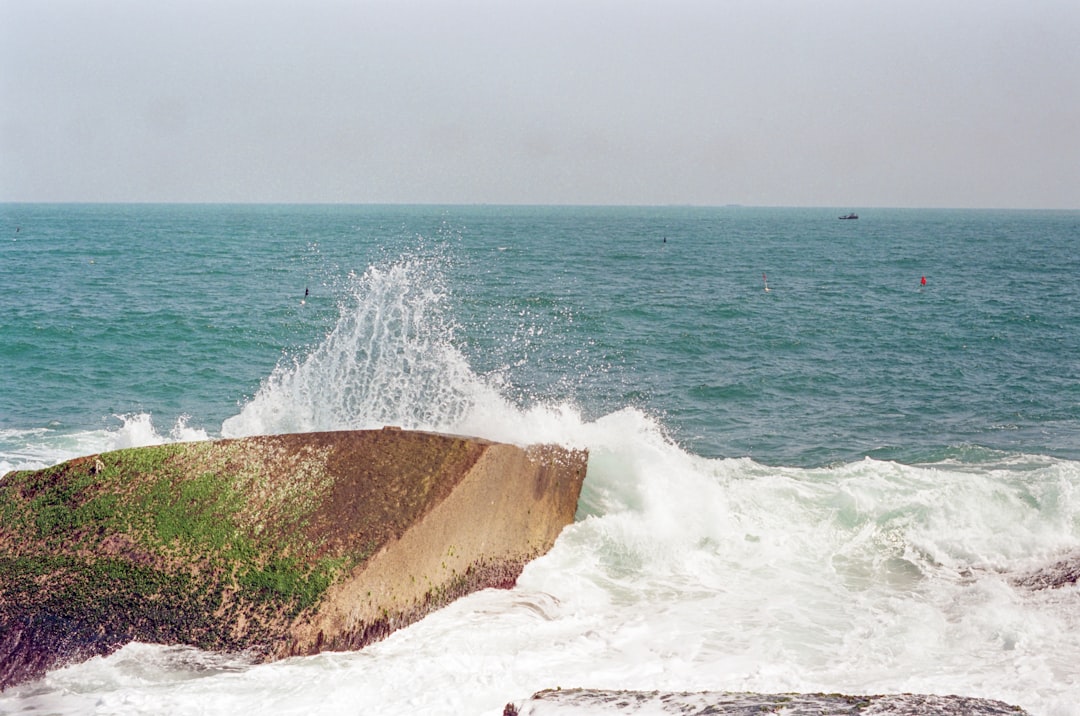
Tsunamis can travel as far as 10 miles (16 km) inland, depending on the shape and slope of the shoreline. This distance far exceeds what most horses can cover at full gallop before exhaustion sets in. Your horse might outrun the initial wave front, but sustaining that pace over miles becomes impossible.
Terrain adds another layer of complexity to this deadly equation. Beach sand, which might slow your horse’s pace, won’t significantly impact a tsunami’s forward motion. Rocky coastlines, forests, and urban obstacles that could impede your horse create no such barriers for several feet of rushing water.
“It’s a matter of optical illusion and how fast your eye interprets the speed of moving water,” Lopes said. “People just can’t estimate the speed of the wave, and [so they] get themselves in trouble.” This perceptual problem becomes even more dangerous when you’re trying to gauge whether your horse is outpacing the approaching danger.
The Devastating Reality of Tsunami Power
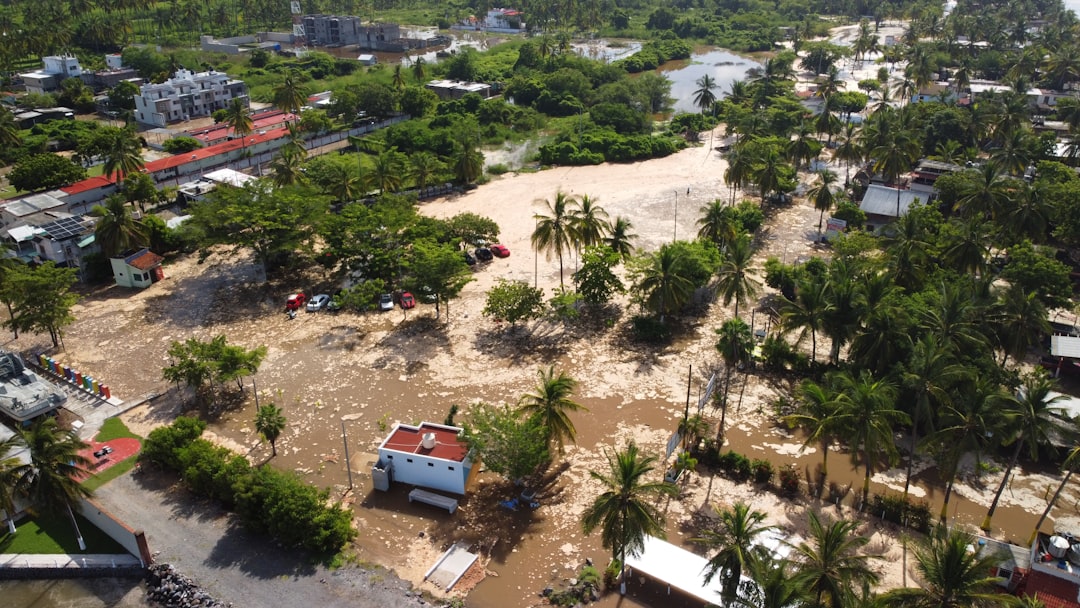
Even if you could theoretically match a tsunami’s speed, you’d be confronting far more than just moving water. They cause damage by two mechanisms: the smashing force of a wall of water travelling at high speed, and the destructive power of a large volume of water draining off the land and carrying a large amount of debris with it, even with waves that do not appear to be large.
The flow and force of the water and the debris it carries can destroy boats, vehicles, and buildings and other structures; cause injuries; and take lives as the tsunami moves across the land. It only takes six inches of fast-moving water to knock over an adult and two feet of fast-moving water to carry away most vehicles. Your horse, despite its strength, faces the same physics that can sweep away cars and buildings.
The water itself becomes a weapon loaded with debris. Trees, cars, building materials, and countless other objects become projectiles traveling at deadly speeds. Even if your horse could maintain the necessary pace, navigating through this chaotic battlefield of debris would be nearly impossible.
Expert Opinion: Why Running Is Never the Answer
“If they’re on the beach, there’s no way in heck they’re going to outrun it,” said Nathan Wood, a tsunami modeler with the U.S. No, you can’t outrun a tsunami. This expert assessment applies equally to horses and humans, despite horses’ superior speed capabilities.
That’s just not possible, tsunami safety experts told LiveScience, even for Usain Bolt, one of the world’s quickest sprinters. Getting to high ground or high elevation is the only way to survive the monster waves. “I try to explain to people that it doesn’t really matter how fast [the wave] is coming in, the point is that you really shouldn’t be there in the first place,” said Rocky Lopes.
The key insight here extends beyond pure speed comparisons. Professional tsunami experts emphasize that evacuation to higher ground, not outrunning the wave, represents the only viable survival strategy. This principle holds true whether you’re on foot, on horseback, or even in a vehicle.
The Verdict: Physics Doesn’t Lie
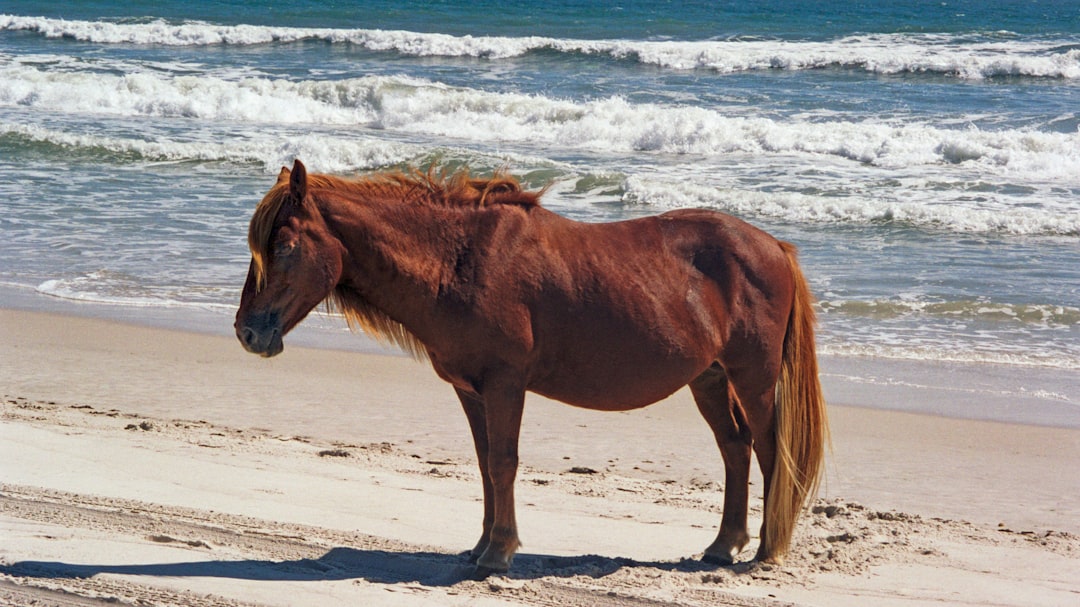
The brutal answer is no, despite horses being among the fastest land animals. While a horse might briefly match or slightly exceed a tsunami’s coastal speed of 20-30 mph, the combination of limited endurance, terrain challenges, debris hazards, and the sheer persistence of the wave makes escape impossible.
The mathematics reveal a harsh truth: your horse can sustain maximum speed for perhaps 3 kilometers, while tsunamis can travel 16 kilometers inland without losing their deadly power. Yet a myth persists that a person could outrun a tsunami. That’s just not possible, tsunami safety experts told LiveScience, even for Usain Bolt, one of the world’s quickest sprinters.
Instead of relying on speed, your survival depends on recognition, preparation, and immediate evacuation to higher ground. If you’re ever in a tsunami risk area, whether on horseback or on foot, remember that vertical evacuation trumps horizontal escape every time. What surprises you most about these devastating waves – their incredible deep-ocean speed or their relentless power once they reach shore?
