

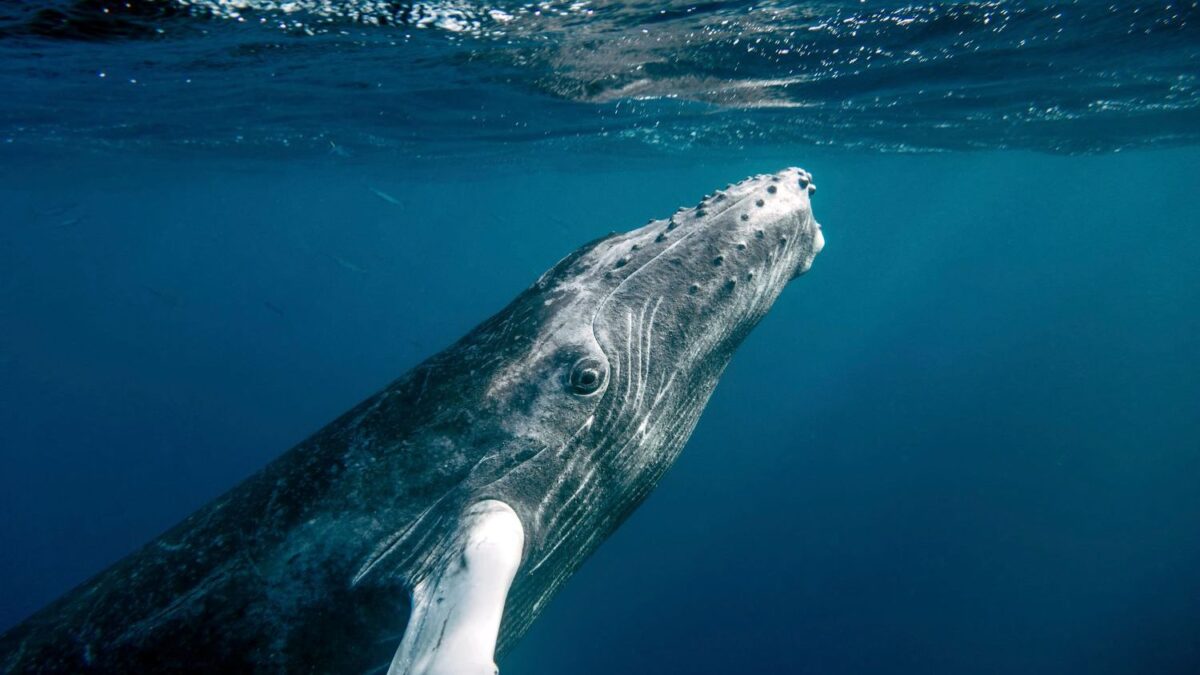
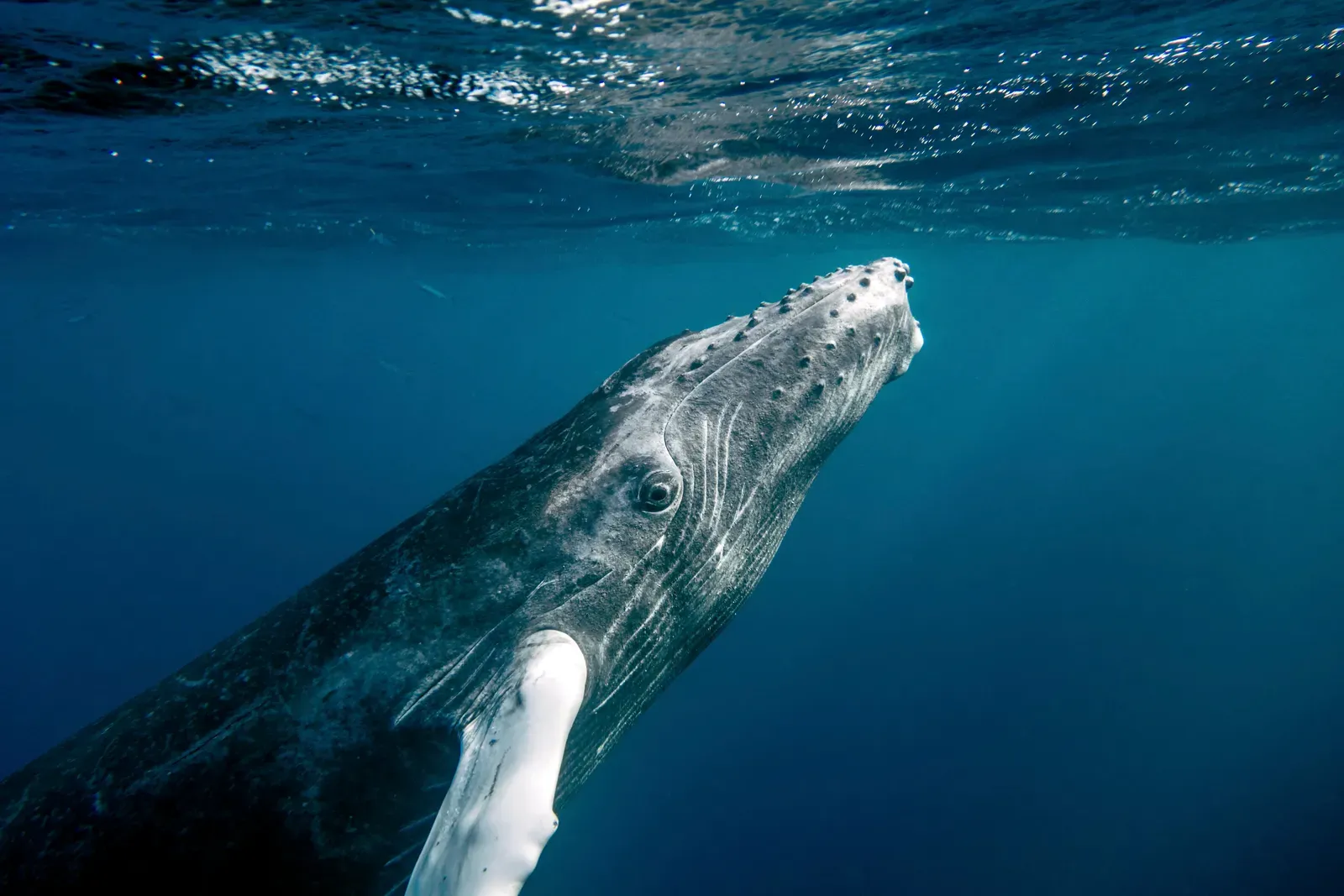
Experienced diver Scott Miller never imagined a routine swim off Moorea in French Polynesia would become a game of gentle giant tag. A massive 25-ton humpback whale calf decided he was the perfect playmate, lifting him repeatedly from the depths with nudges that defied the ocean’s pull. This rare interaction underscores the curious, social side of humpbacks during their seasonal visits to these warm breeding grounds. Local experts point out such moments reveal the whales’ surprising affinity for humans, though they remain vigilant about potential risks. Here’s the thing: encounters like this remind us how thin the line is between wonder and wild unpredictability.
Unexpected Playtime in Whale Territory
Scott Miller found himself propelled skyward multiple times by the enormous creature during what began as a standard dive. Estimated at 40 feet long, the humpback calf showed remarkable persistence, circling before delivering firm yet gentle pushes. Witnesses described the scene as pure aquatic exuberance, with no hint of aggression in the whale’s actions. This behavior mirrors the roughhousing common among young whales in pods, full of energy and curiosity toward swimmers. Miller emerged unharmed, later calling it exhilarating proof of these animals’ intelligence. What stands out is how the calf seemed determined to prolong the fun, turning a solo dive into an unforgettable duet.
Moorea: Prime Nursery for Humpback Whales
French Polynesia’s lagoons around Moorea draw hundreds of humpbacks each year from July through October, turning the area into a bustling nursery. Migrating from Antarctic feeding grounds, mothers and calves thrive in the crystal-clear waters with visibility over 100 feet. Calm currents and rich reefs make it ideal for close observations, alongside dolphins, sharks, and rays. Conservation guidelines stress keeping distance to avoid disturbing these seasonal guests. The region’s biodiversity hotspot status amplifies the stakes for balanced human presence. Miller’s site was a known aggregation area, perfectly timed for such serendipitous meetings.
Scott Miller’s Frontline Account
A seasoned free diver with deep Polynesian experience, Miller felt the whale’s power like a living submarine during the nudges. He sensed no threat, chalking it up to youthful play rather than menace. The animal circled first, then initiated contact with calculated curiosity that kept things light. His composure likely fueled the ongoing interaction without escalation. Afterward, Miller pushed for ethical wildlife approaches, prioritizing animal comfort. Let’s be real: staying calm amid 25 tons of whale takes serious nerve and know-how.
Marine Biologists Decode the Behavior
Cetacean specialists explain these physical contacts as social probes, especially from juveniles exploring their world. Humpback pushes stay calibrated for safety, showcasing their innate gentleness despite the size. Data from Pacific research groups peg such play at about 5 percent of human-whale meetings, often with calves under two. Moorea tracks mother-calf pairs where touch and mimicry build skills. These events offer key insights into whale smarts amid threats like boats and noise. Experts like Dr. Elena Vasquez highlight the enchantment but urge caution to protect vulnerable populations.
Balancing Tourism and Whale Welfare
Whale-watching surges, up 20 percent lately, strain French Polynesia’s breeding success rates around 70 percent in quiet zones. Miller’s tale sparks debate over swim tours, calling for trained, non-intrusive methods. Groups like the Polynesian Wildlife Foundation warn against stressing calves through crowds. Climate shifts already tweak migrations and food sources, compounding issues. Positive stories fuel support for protected zones and patrols. Ultimately, thriving tourism hinges on respecting these ocean visitors’ space.
Final Thought
Miller’s brush with the playful behemoth celebrates humpback recoveries since whaling bans, a win for global conservation. These boundary-testing moments reveal complex social lives and mutual ocean trust. What would you do face-to-face with 25 tons of curiosity? Share your thoughts below.
Source: Original YouTube Video

- Urban Coyotes Show Remarkable Adaptability, Learning to Thrive in City Environments - July 22, 2026
- Beavers Are Nature’s Engineers, Creating Vital Habitats for Other Wildlife Species - July 21, 2026
- The Recovery of the California Condor Offers Hope for Other Critically Endangered Birds - July 21, 2026