

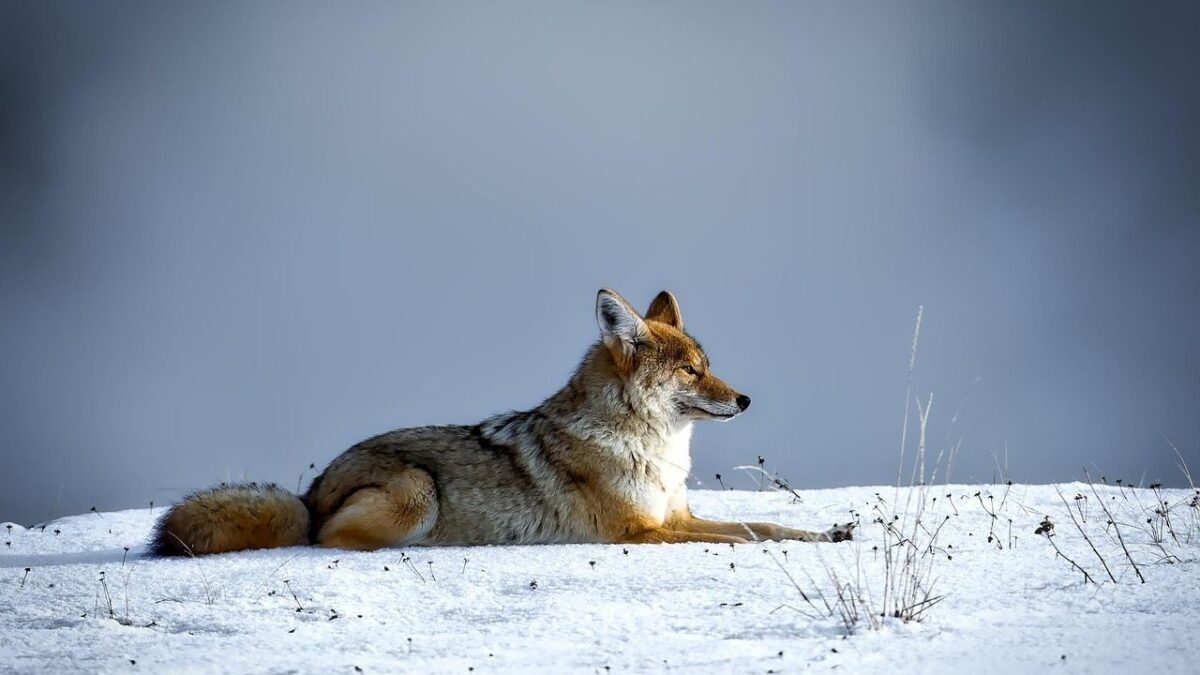
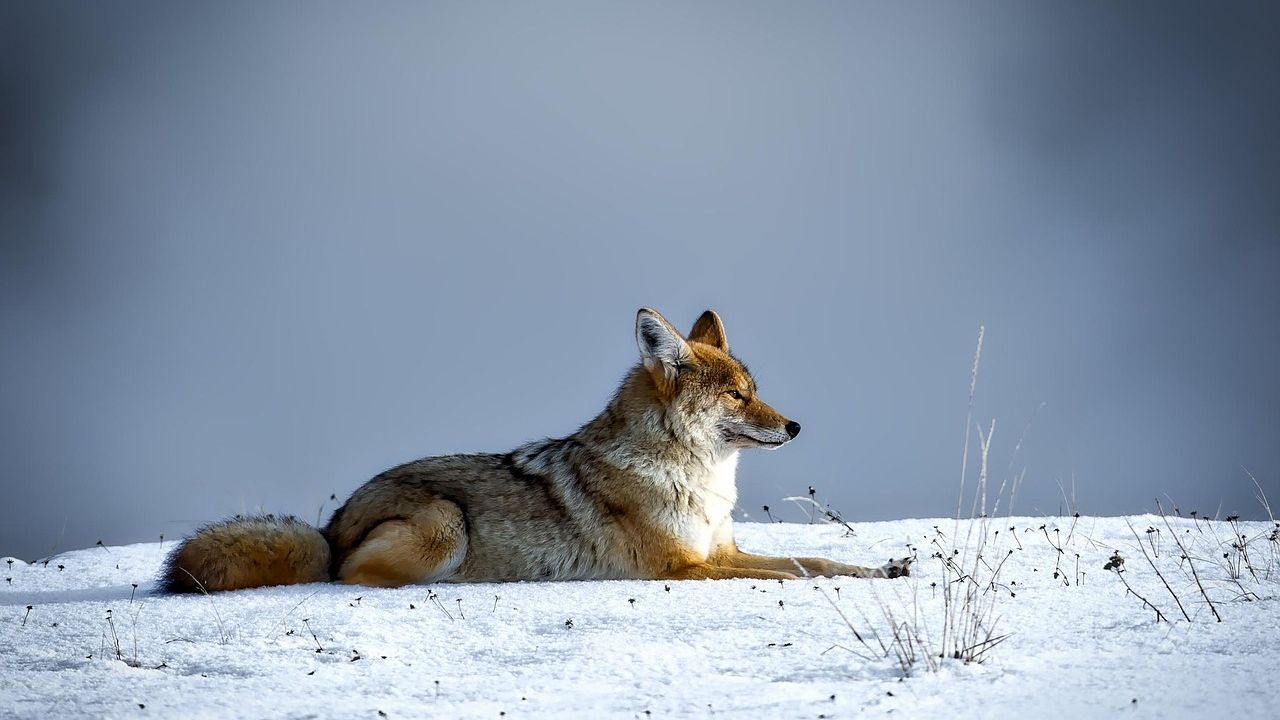
Washington’s coyotes carry tapeworm – Image for illustrative purposes only (Image credits: Pixabay)
Residents sharing urban spaces with coyotes in Washington state now face a newly identified health threat from a parasitic tapeworm. This invader, capable of jumping from wildlife to humans or household dogs, appeared in local coyotes at unexpectedly high rates. The discovery underscores the growing overlap between city life and wild predators, prompting urgent calls for vigilance.
Unexpected Prevalence in Local Wildlife
Researchers documented the tapeworm Echinococcus multilocularis in 37 out of 100 coyotes sampled across Washington’s Puget Sound region. The findings emerged from a study published in PLOS Neglected Tropical Diseases by scientists at the University of Washington. This marked the parasite’s first confirmed presence in the Pacific Northwest coyote population.
Lead author Yasmine Hentati, a former doctoral researcher at the university, expressed surprise at the results. “The fact that we found it here in one-third of our coyotes was surprising, because it wasn’t found anywhere in the Pacific Northwest until earlier this year,” she stated. Such a foothold suggests the parasite arrived recently and spread quickly through the wild canid population.
The Transmission Cycle Explained
The tapeworm relies on a complex life cycle involving wild canids like coyotes and foxes, as well as rodents. Infected animals shed eggs in their feces, contaminating soil, water, or vegetation. Rodents ingest these eggs, harbor the larvae, and become prey for coyotes, closing the loop.
Coyotes primarily pick up the infection by consuming infected rodents, researchers noted. This fecal-oral route thrives in environments where wildlife encounters human development, such as parks or suburbs near Puget Sound. While the exact pathway into Washington remains unclear, patterns mirror earlier incursions elsewhere.
Serious Health Implications for Humans
In people, the parasite triggers alveolar echinococcosis, a rare but aggressive condition. It forms tumor-like cysts in the liver that can metastasize to lungs, brain, or bones, often proving fatal without early intervention. The World Health Organization ranks it as the third most significant food-borne disease worldwide and one of the top 20 neglected tropical diseases.
Domestic dogs face similar dangers, developing cysts that require surgical removal or long-term medication. Transmission to pets or humans typically occurs through accidental ingestion of contaminated food, water, or soil. Though cases remain uncommon in North America, the parasite’s expansion heightens the stakes for outdoor enthusiasts and pet owners alike.
Key Facts on the Threat:
- Prevalence: 37% in surveyed Puget Sound coyotes.
- Global status: Common in Europe and Asia; arrived in Canada and Midwest about 15 years ago.
- Human risk: Severe liver cysts, potentially deadly.
- Pet risk: Similar cysts in dogs from infected sources.
From Global Traveler to Regional Concern
The tapeworm first gained notoriety in Europe and Asia before crossing into North America around 15 years ago. It surfaced in Canadian provinces and Midwestern states, prompting wildlife monitoring there. Washington’s detection aligns with this westward creep, likely facilitated by animal movements or human-aided transport.
Study authors urged expanded surveillance of wildlife diseases to track further spread. Routine testing of road-killed coyotes or hunted animals could provide early warnings. Pet owners might consider deworming protocols, though no widespread measures exist yet.
As coyotes adapt to urban fringes, this tapeworm’s foothold serves as a reminder of unseen wildlife hazards. Enhanced monitoring could prevent isolated infections from escalating, safeguarding communities while preserving ecological balance. The next steps remain critical in determining whether this remains a wildlife issue or evolves into a public health challenge.

As a little kid, I fell in love with nature, wildlife, and animals. Living in the USA, South Africa, Italy, China and Germany gave me the opportunity to discover the world's Wildlife. My favorite animals are Mountain Gorillas, Siberian Tigers, and Great White Sharks.
I'm a certified PADI Open Water Diver, went to Everest Base Camp and Trekked Gorillas in Uganda. I hold a Master of Science in Economics and Finance.
Please send any feedback to feedback@animalsaroundtheglobe.com
- The Best Ways to Introduce New Fish to an Existing Aquarium - July 30, 2026
- 10 Creatures With the Strongest Jaws on Earth - July 30, 2026
- 14 Animals Endangered in the U.S. And Whats Being Done - July 30, 2026