

Nature gave Death Valley one of its most stunning gifts in a decade this spring. For a few extraordinary weeks, one of the hottest and driest corners of North America transformed into a canvas of yellow, purple, and pink, drawing visitors from across the country. A rare ancient lake shimmered across the desert floor. It felt almost unreal.
Now, both are vanishing. Fast. A brutal early-season heat wave has arrived ahead of schedule, and it is erasing what took months of perfect conditions to create. If you missed it, you may be waiting another decade. Let’s dive in.
A Once-in-a-Decade Spectacle That Actually Delivered
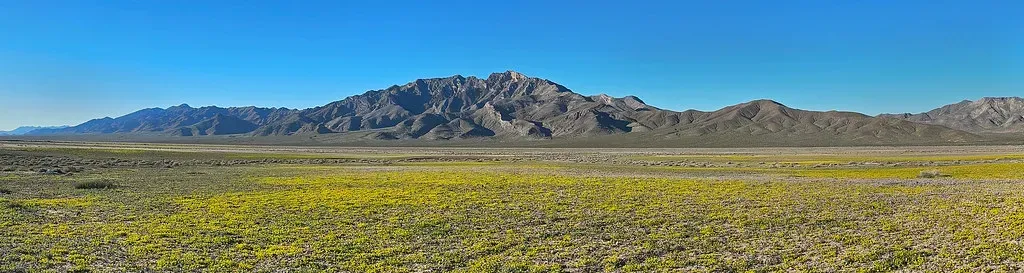
A superbloom of wildflowers painted the normally barren landscape of Death Valley National Park, one of the most extreme places on the planet and the hottest and driest spot in North America, in pretty pink, purple, and yellow hues. Honestly, that sentence alone should stop you in your tracks. This is a place better known for triple-digit heat and cracked salt flats than fields of flowers.
This year’s superbloom is the most spectacular that Death Valley has seen in a decade, a result of rainier-than-normal conditions throughout the region last fall and early winter. Superblooms of this magnitude tend to happen just once every decade or so, with the last three being in 2016, 2005, and 1998. So when one actually arrives, it is worth paying attention.
Some flowers remain in bloom, but the display is no longer what it was in late February and early March, when low-elevation hillsides were painted yellow and purple in a way not seen since 2016. That comparison alone tells you everything about the scale of what just happened here.
What Made the 2026 Superbloom Possible
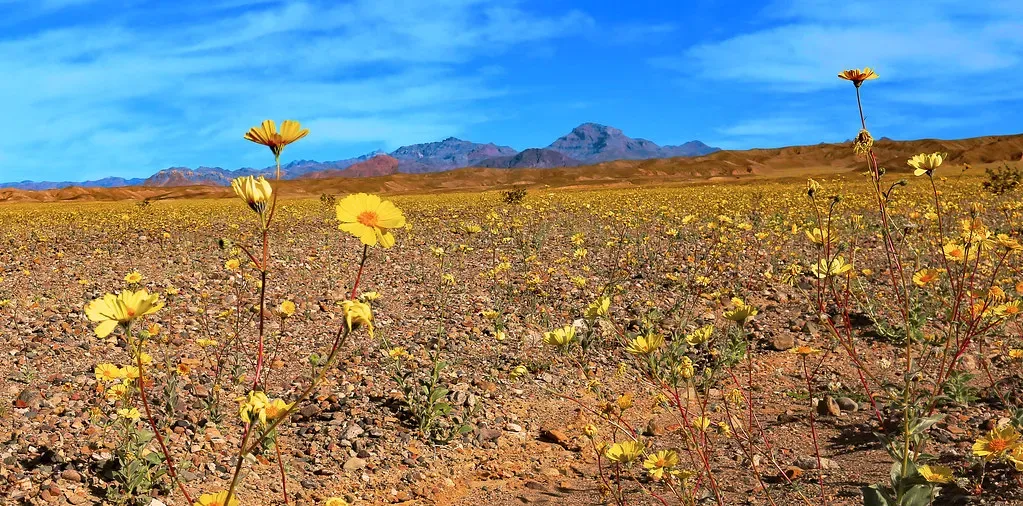
Since October 1, Death Valley measured 2.45 inches of rain, already surpassing the 2.20 inches that typically falls in an entire year. Much of that rain arrived in November during a barrage of storms that helped prime the landscape. Think of it like loading a spring. All that moisture was coiled underground, waiting.
Rather than struggle to stay alive during the desert’s most extreme conditions, annual wildflowers lie dormant as seeds. When enough rain finally does fall, the seeds quickly sprout, grow, bloom, and go back to seed again before the dryness and heat returns. It is a survival strategy so elegant it almost seems clever.
The most extensive blooms also need the “right” type of rain. “We need multiple days of drizzly, foggy, gentle rain that soaks in, but not the heavy monsoon rains that wash out our highways and destroy our roads,” and “then we need mild temperatures going into spring, because once the flowers come up, their big enemy is wind and heat.” This year, those boxes were checked perfectly, at least for a little while.
The Return of Lake Manly, Death Valley’s Ancient Ghost Lake
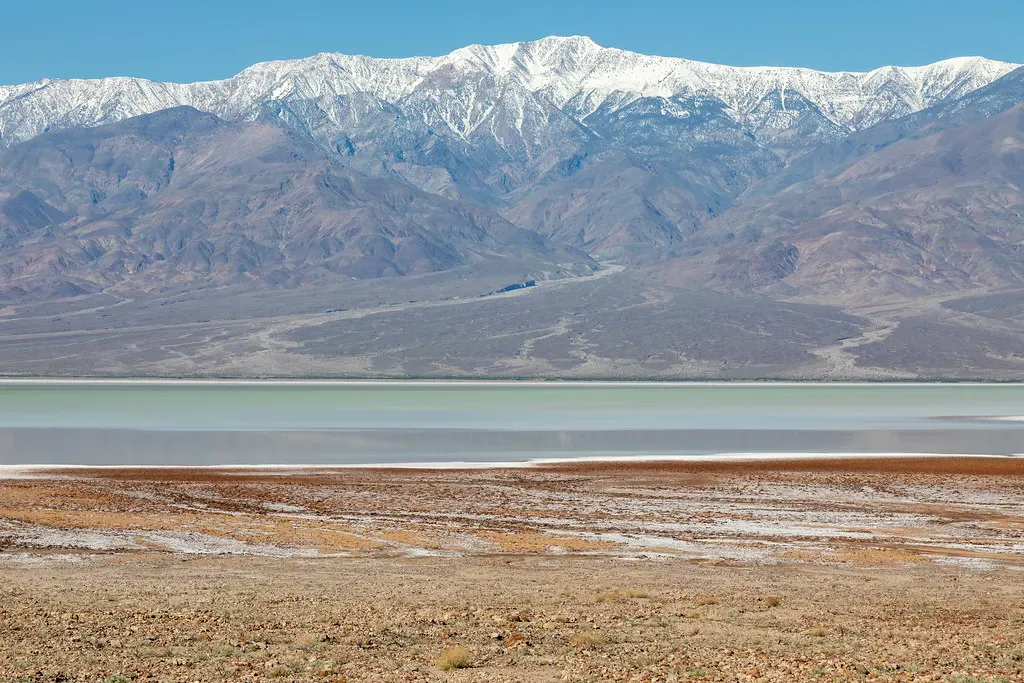
The same unusually wet pattern that triggered the superbloom also revived Death Valley’s ancient lake, known as Lake Manly. This is no ordinary puddle. In November 2025, severe rainstorms revived an ancient lake that once reached depths of 7,000 feet. Let that sink in for a moment.
Lake Manly is an ephemeral lake. It formed after heavy rainfall filled Badwater Basin. This is a rare occurrence. The lake created a reflective surface across the desert floor. It attracted visitors and photographers. The images of people wading through a shimmering lake in one of Earth’s most extreme deserts were nothing short of surreal.
The temporary lake formed in the basin during the wet stretch that helped set the stage for the bloom, but the water is beginning to evaporate as the pattern persists. Like so much in Death Valley, its existence was always a borrowed moment in time.
The Heat Wave That Ended the Party
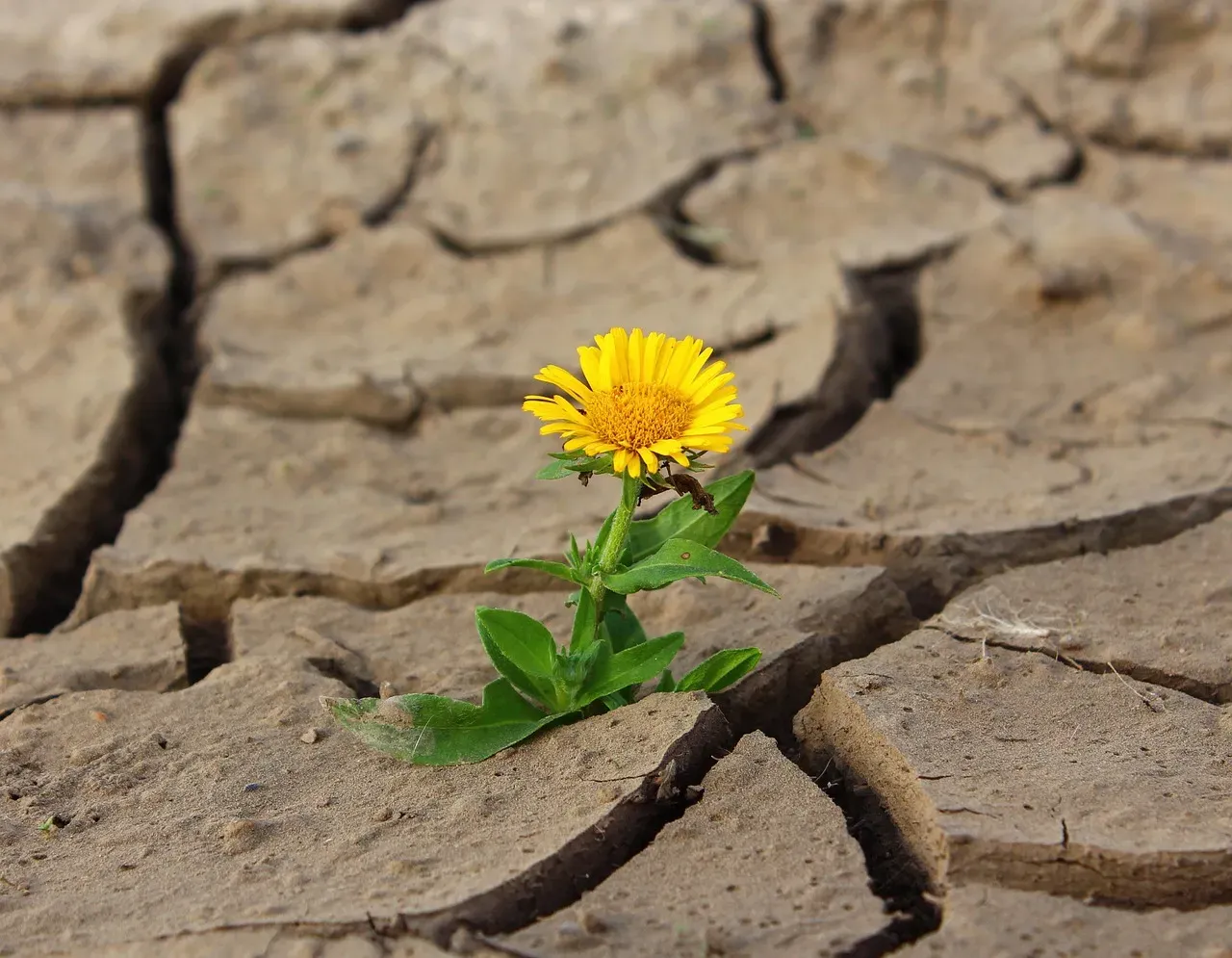
On Tuesday, the temperature in Death Valley reached 100 degrees, tying the record for the earliest triple-digit temperature on record. That is March, not July. Not August. March. It feels like nature skipped a few chapters.
The rare superbloom that lit up Death Valley National Park in recent weeks is fading as an early-season heat wave bakes the Southwest. The lake is now shrinking. High temperatures are accelerating evaporation. Two of the most remarkable natural events in years, both unraveling at once under the weight of unseasonable heat.
It’s hard not to feel a little frustrated on behalf of anyone who planned a trip for late March, only to miss the window by days. Nature does not run on our schedules, and Death Valley least of all.
Is the Bloom Really Completely Over?
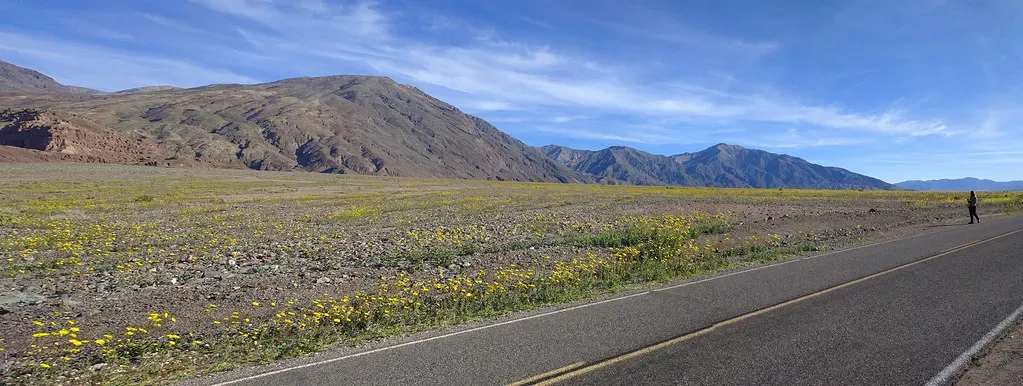
Here is the thing, the story is not entirely finished. The bloom isn’t completely over yet in Death Valley. Flowers in higher elevations are expected to bloom between April and June, though the look will be different. Instead of broad, colorful hillsides, the park says these blooms tend to show up in smaller clusters between shrubs.
Higher elevations are now the focus. Blooms are expected to continue there until June. So if you are still hoping to catch something, there is a narrowing but real opportunity. The experience will simply feel quieter, more scattered, more like searching for something than stumbling into it.
For anyone hoping to catch either sight, the window is quickly closing, and it’s hard to know when conditions will align to recreate this year’s rare sights in Death Valley. That uncertainty is both humbling and, honestly, part of what makes this place so magnetic.
A Fragile Ecosystem Under Pressure from Crowds and Climate
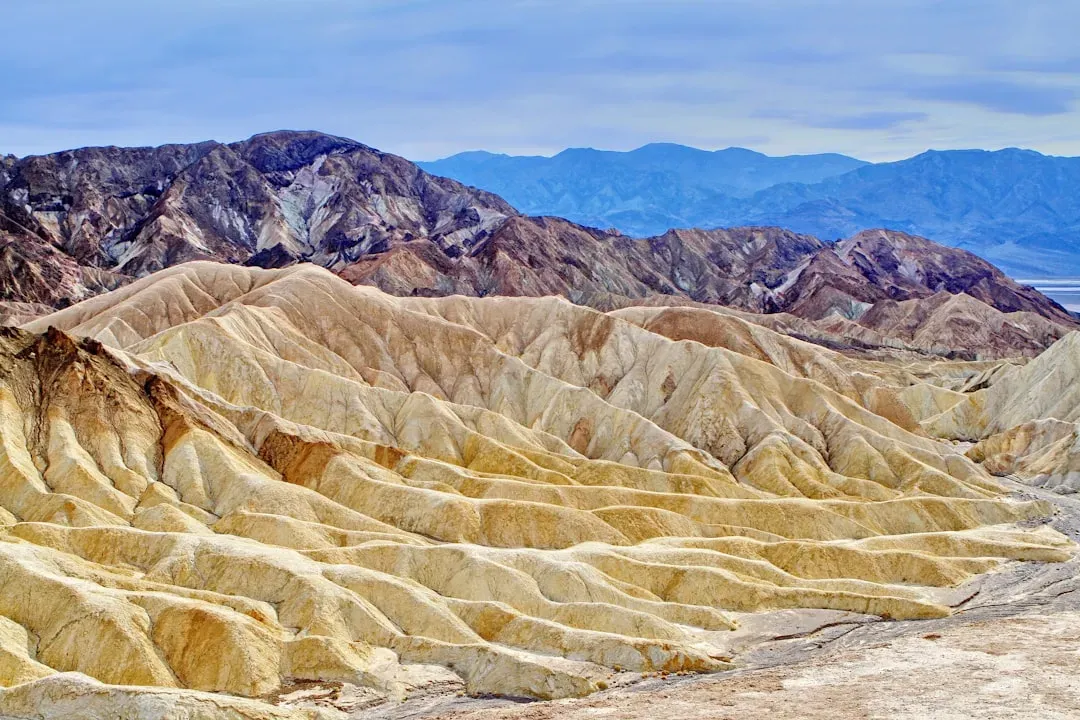
More than 209,000 people visited Death Valley National Park during the 2016 superbloom, leading to traffic jams and damage to the ecosystem. This year saw similar surges, and the infrastructure was stretched thin. Roads, parking, and visitor safety all became serious concerns as the crowds arrived.
The internet is full of news stories about tourists behaving badly during a superbloom. People flock to meadows of wildflowers to snap photos and enjoy the sights, but in doing so, they often trample plants, scare off animals, and create erosion. Managing environmental impact is a real issue. Increased foot traffic can damage fragile ecosystems. Authorities must balance access and conservation.
Extreme rainfall events may become more common, which could trigger more blooms. However, rising temperatures may shorten their duration, making them more fragile. More blooms that last less time, because the heat arrives sooner. That is the uncomfortable trade-off this moment puts on the table.
Conclusion: A Warning Dressed in Wildflowers
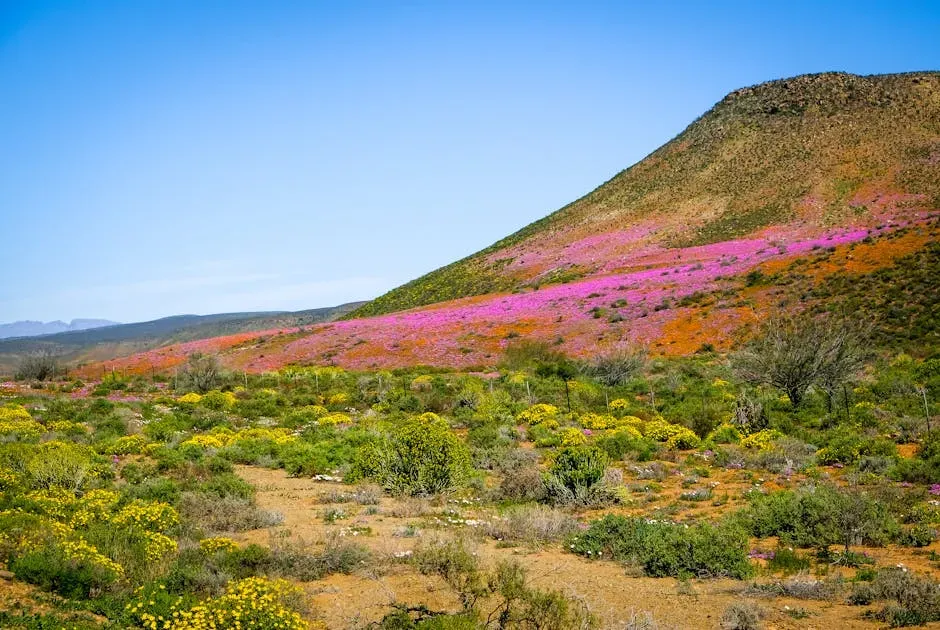
What happened in Death Valley this spring was genuinely breathtaking. Fields of desert gold as far as the eye could see. A ghostly ancient lake rising from the salt flats. A landscape that looked borrowed from a different planet. It was, by every measure, extraordinary.
I think what makes this story stick is not just the beauty of what appeared, but the speed at which it disappeared. A heat record broken in March. An ancient lake evaporating in days. A decade’s worth of floral magic, fading before most people even heard about it. That is not just a weather story. That is something worth sitting with.
Desert ecosystems have always operated on borrowed time, but the borrowing is getting shorter. The window between “this is spectacular” and “this is over” keeps narrowing. Perhaps the real question worth asking is not when the next superbloom will come, but whether the conditions that allow it to last long enough to enjoy will still exist. What do you think? Tell us in the comments.
