

Nature has a habit of making you feel like you missed the memo. Just when you think you have a decent grasp of how the animal kingdom works, something comes along that completely rewrites your assumptions. Owls are fierce, silent nocturnal hunters. Snakes are prey. That’s the rule, right?
Well, not always. There is a real, documented, jaw-dropping behavior happening in the forests of Texas where owls are not killing snakes at all. They’re bringing them home. Alive. Let’s dive in.
Meet the Unlikely Duo: The Eastern Screech Owl and the Texas Blind Snake
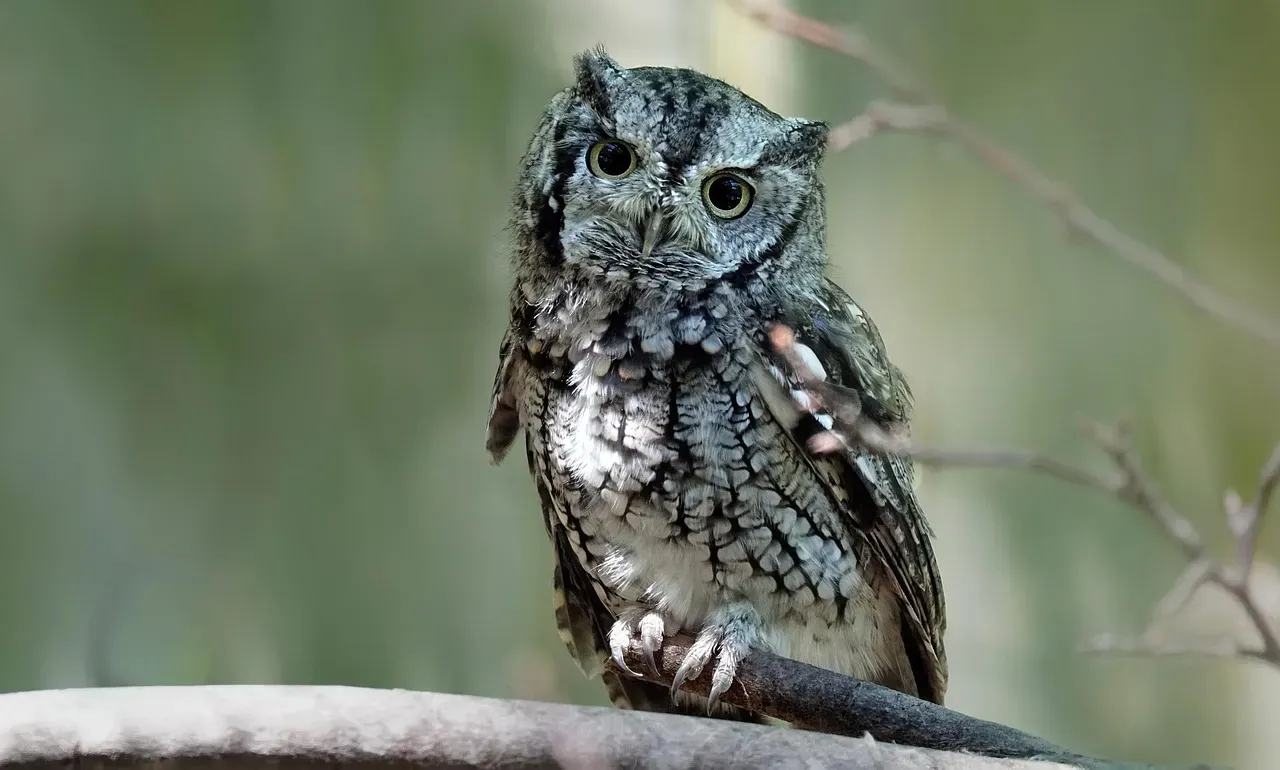
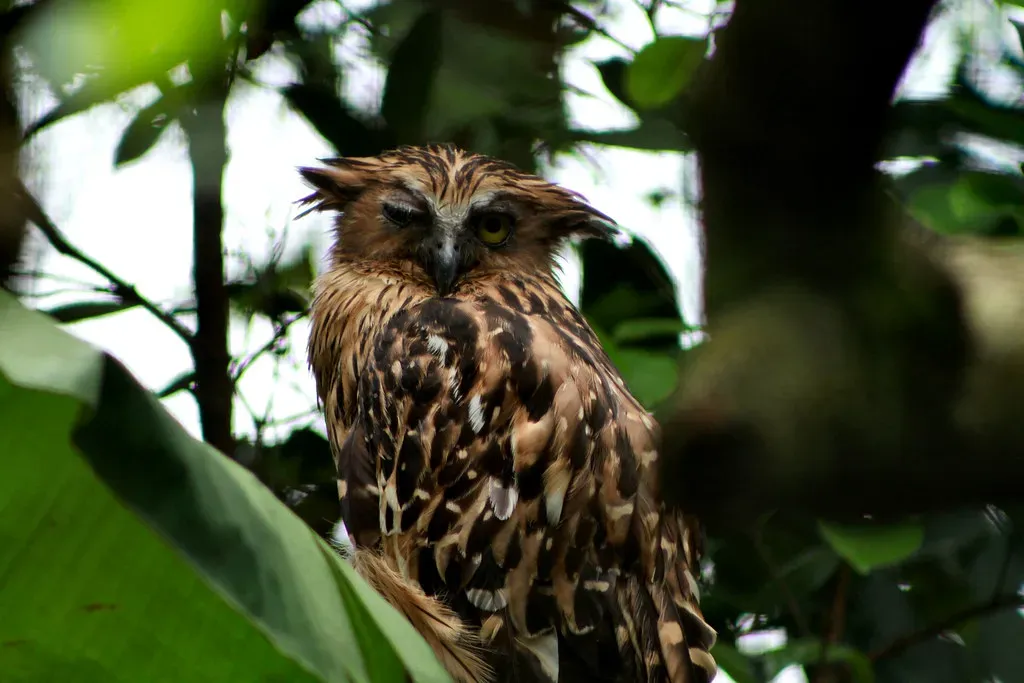
Eastern screech owls are found all over eastern North America. They’re remarkably small birds, standing only about six to ten inches tall. Don’t let the size fool you, though. Like all owls, they’re expert hunters, flying on silent wings and snatching up prey under the cover of darkness.
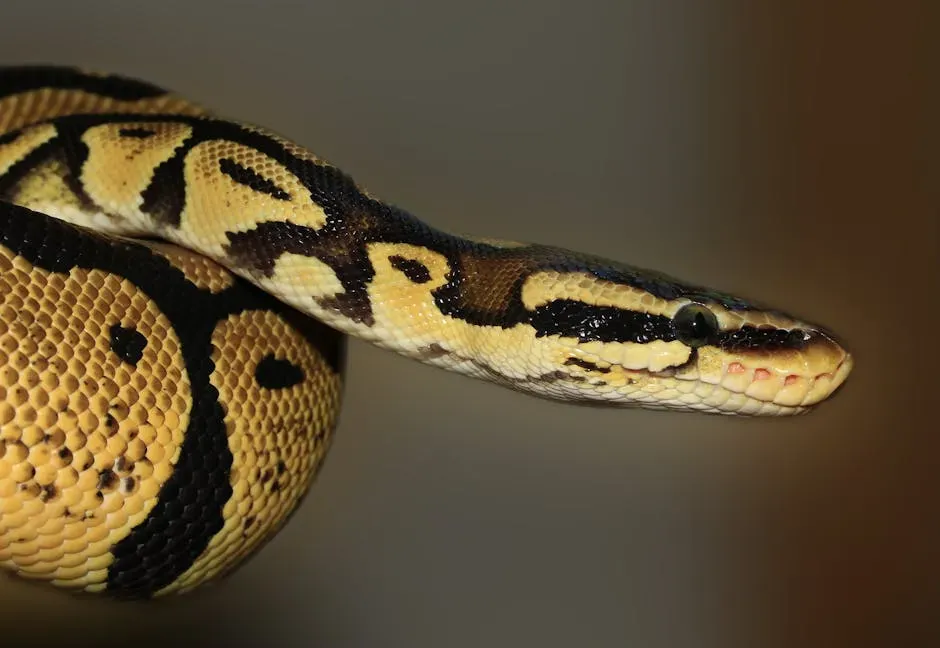
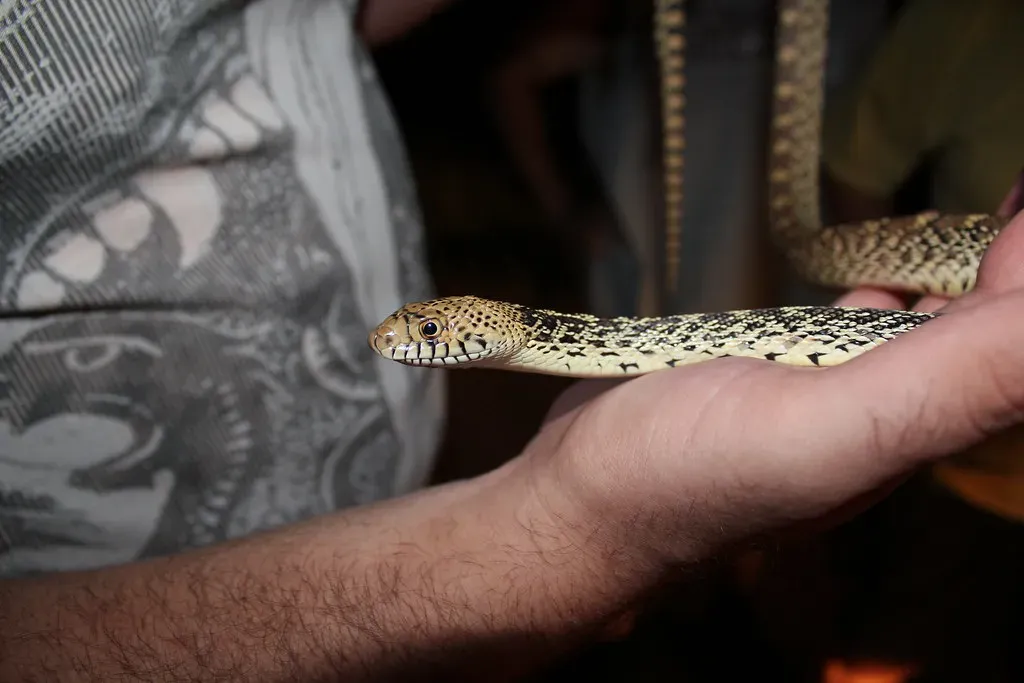
The Texas blind snake is gray and slender, reaching up to about eight inches long. You could easily mistake it for a shiny earthworm. As its name suggests, the snake is essentially blind, with tiny, vestigial eyes.
They’re typically less than 30 centimeters long and spend most of their time burrowing through soil. Despite their name, they aren’t completely blind, but it’s pretty close – the snakes use their tongues and noses to track down tiny bugs. Honestly, they look so harmless and worm-like it’s hard to imagine an owl even bothering with them. Yet that’s precisely where the story gets interesting.
The Shocking Discovery That Changed Everything
Here’s the thing – scientists didn’t stumble across this behavior by chance. It took years of patient observation to piece it together. In the 1970s and 80s, a pair of biologists at Baylor University in Waco, Texas, Fred Gehlbach and Robert Baldridge, were studying screech owl nesting ecology.
During nesting season, like any other bird, screech owls go hunting for prey to bring back to feed their owlets. They generally make sure the prey is sufficiently dead, usually beheaded, before returning to the nest with dinner.
Researchers studying the owls’ behavior noted that one species of animals always seemed spared by the screech owls – Texas blind snakes were captured and brought back to the nest alive. Most snakes caught by adult owls are killed before being transported back to the nest, yet the researchers observed adult owls flying with live blind snakes in their bills. That single observation launched one of the most fascinating behavioral studies in ornithology.
What Actually Happens Inside the Nest
So the owl drops a live, wriggling snake into a nest full of hungry owlets. What happens next? Well, it’s a little dramatic. Some are gulped down immediately, but others escape by burrowing beneath the nest. The surviving snakes feed on the insect larvae they find in the nest – larvae that would otherwise parasitize the owl nestlings.
Most snakes live in nest debris, where they eat soft-bodied insect larvae from the decomposer community in fecal matter, pellets, and uneaten prey. Think of it like a tiny, scaly cleaning crew working the basement of the nest. It turns out the reptilian roommates weren’t just surviving in their new digs – they were also finding food: critters like ants, termites or larvae, some of which likely hitchhiked in from the outside world on the mother owl.
Researchers found that 14 of those nests contained live blind snakes. In some nests, there were as many as 15 snakes living among the owl chicks. Fifteen snakes. In one nest. I know it sounds crazy, but that’s exactly what the data showed.
The Survival Advantage That Proves This Isn’t Accidental
This is the part that really blows your mind. The researchers didn’t just notice snakes in the nests. They asked a harder, more revealing question: does having snakes actually help the baby owls survive? They observed the nests for weeks, weighing and assessing the health of the nestlings. The owls that grew up alongside the snakes tended to grow faster and were more likely to survive than those that didn’t.
Consumption of larvae may reduce larval parasitism on owl nestlings or larval competition with nestlings for food stored in the nest, because nestlings with live-in blind snakes grow faster and experience lower mortality than same-season broods lacking snakes.
It became clear that the snakes weren’t being brought back by accident – this was a strategic move on the part of the parents to increase the chances of survival for their offspring. Let that sink in for a moment. An owl is essentially making a calculated parenting decision, choosing to spare a prey animal because it recognizes the long-term benefit to its chicks. That’s a level of behavioral sophistication that most people would never associate with a bird.
Researchers also found that blind snakes could only survive about two weeks in owl nest boxes that did not contain baby owls, suggesting that they were dependent on insect larvae that entered the nest inside food brought by the mother owl. So the snake needs the owl just as much as the owl needs the snake. A perfectly messy, complicated little partnership.
Is It Mutualism, Commensalism, or Something in Between?
Scientists love to label things, and this relationship has been argued over for decades. There is some debate whether or not this is a truly mutualistic relationship. The owls get a live-in housekeeper that keeps the nest clean and benefits the young, while the snake is given a shelter with a good food supply.
Others argue that, because the snakes are sometimes eaten and don’t often survive well once the owlets leave the nest, this is actually a commensal relationship. One species benefits, while the snake has to do its best to deal with the situation. The official published research, in fact, leans toward commensalism. The researchers proposed a commensalistic association in which the screech owl benefits reproductively and the live-in blind snake is not significantly affected.
Still, the snake isn’t exactly having a terrible time in there. The blind snakes can climb trees, so if an individual blind snake is finding slim pickings, it can leave. It was also documented that a gravid female blind snake laid her eggs in one nest box, suggesting the food source was reliable enough for her to feel at home. That’s not a prisoner. That’s a tenant who chose to stay and start a family.
It just goes to show that the web of life is far more complex than most people realize, and losing species may have more of an impact on the natural world than we recognize. Every creature, even a near-blind, worm-like snake, plays a role that ripples outward in ways we’re still trying to fully understand.
Conclusion: Nature’s Most Unexpected Roommates
The story of owls and blind snakes is one of those nature facts that genuinely makes you stop and reconsider everything you assumed about predators, prey, and the boundaries between them. An owl inviting a snake to live in the nest with its babies may sound like the plot of a kids’ movie, but nature is full of unlikely partnerships, and in Texas, screech owls do have a habit of bringing tiny blind snakes home with them.
It’s a reminder that survival in the wild is rarely about brute force alone. Sometimes it’s about recognizing that another creature – even one you could easily eat – is worth more to you alive and working. The owl figured that out long before any of us did.
Think about the blind snake for a moment. It gets snatched from the ground, carried through the air by a predator, dropped into a nest full of beaks, survives the chaos, and then just… gets to work eating bugs. That’s honestly kind of inspiring in a weird way.
Nature doesn’t do boring. It never has. What other unbelievable animal partnerships do you think are hiding out there, waiting to be discovered? Tell us in the comments.
