

Imagine a place so isolated that more people climb Mount Denali in a single year than have ever set foot on it. In fact, in a given year more people summit Denali, the highest point in North America, than visit St. Matthew Island. That fact alone should stop you in your tracks. Hidden deep in the Bering Sea, this windswept slab of tundra and cliffs is one of the most untouched wild places on the entire planet – and it is absolutely teeming with life.
St. Matthew Island is an uninhabited, remote island in the Bering Sea in Alaska, 183 miles west-northwest of Nunivak Island. What waits there is nothing short of breathtaking. From birds found nowhere else on Earth to ghost-like foxes padding silently across the tundra, the wildlife story of St. Matthew Island is one that most people have simply never heard. Let’s dive in.
The Most Remote Wildlife Sanctuary in the United States
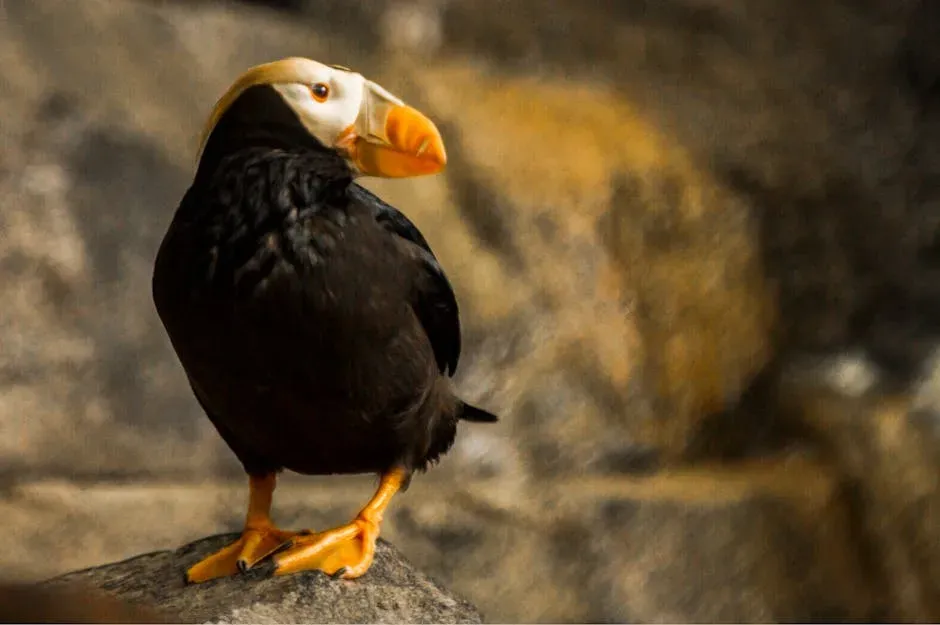
Here’s the thing – when you talk about remote wilderness, most people picture thick forests or tropical jungles. St. Matthew Island shatters that image completely. The St. Matthew Islands, which include St. Matthew, Hall, and Pinnacle islands, are the most remote lands in the entire 50 states. That is not a small claim, and it completely changes the nature of the wildlife found there.
The entire island’s natural scenery and wildlife is protected, as it is part of the Bering Sea unit of the Alaska Maritime National Wildlife Refuge and as the Bering Sea Wilderness. This protection has allowed the island’s extraordinary ecosystem to remain almost entirely undisturbed, making it a living, breathing natural laboratory unlike anywhere else in America. Honestly, it is difficult to overstate just how special that is.
McKay’s Bunting: The Holy Grail of Birdwatching
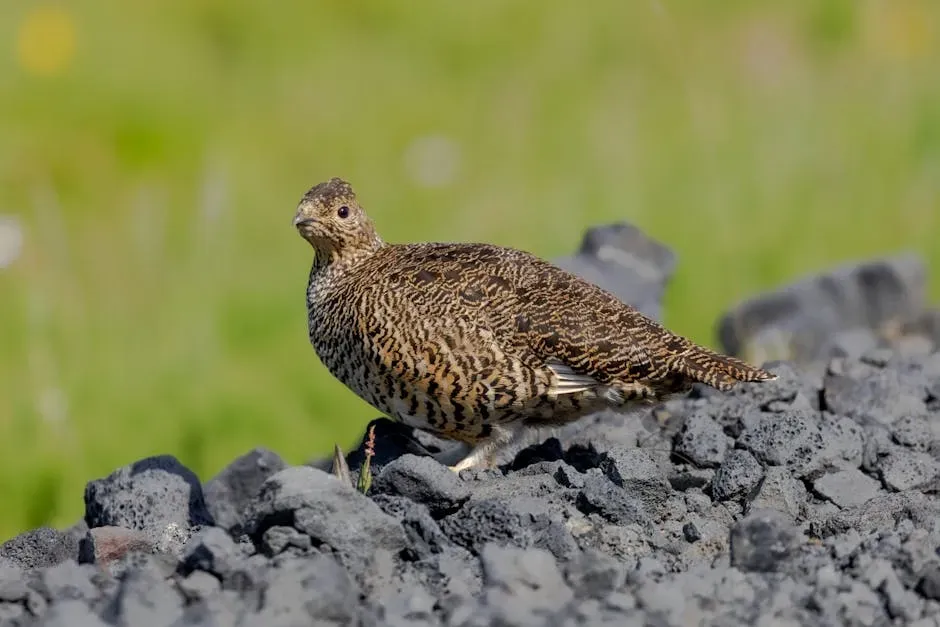
If you are a birdwatcher, the McKay’s Bunting is the kind of species that makes your heart race. With a flash of black wingtips against its spotless white body, the McKay’s Bunting is a grail-bird species seen by very few birders, or even ornithologists – because in visiting this bunting’s island, you are venturing to a place very few people have ever been.
The McKay’s Bunting is endemic to Alaska, breeds solely on the remote and uninhabited St. Matthew and Hall islands in the central Bering Sea, and is designated as a species of high conservation concern due to its small population size and restricted range. Think about that for a moment. This entire species exists in one tiny corner of the world. The remoteness of its only breeding place has made McKay’s Bunting the least-studied bird species endemic to North America.
The Pribilof Rock Sandpiper: A Master of Camouflage
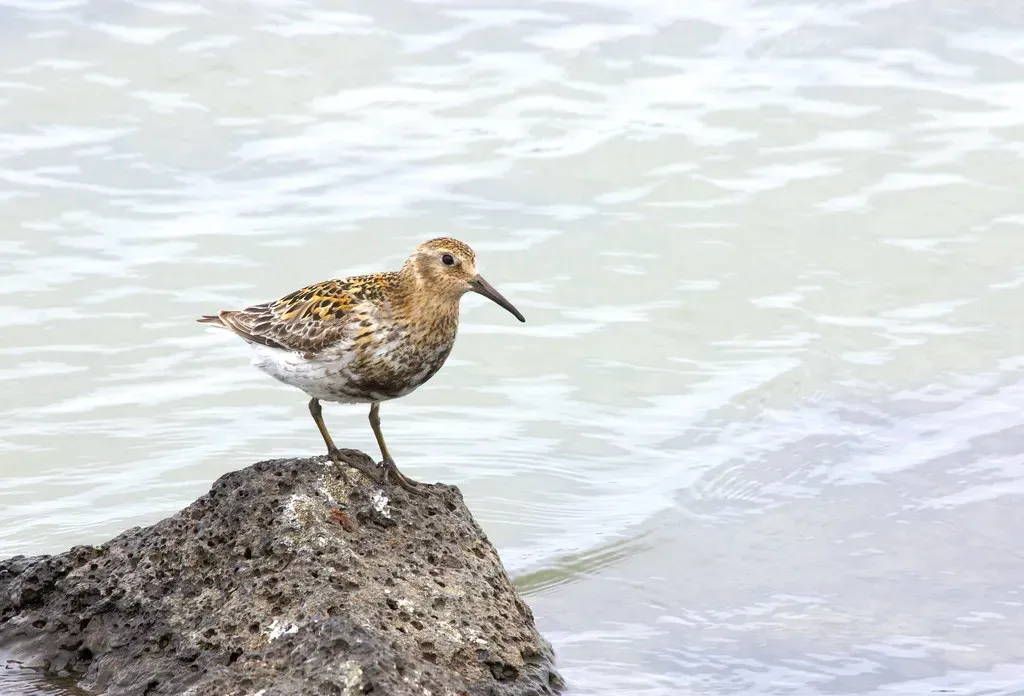
If the McKay’s Bunting steals the spotlight, the Pribilof Rock Sandpiper runs a very close second. The research team focused on studying the populations and nesting habits of this particularly rare species, the Pribilof Rock Sandpiper (Calidris ptilocnemis ptilocnemis). This bird is not just rare – it is practically invisible in its own habitat.
The Pribilof Rock Sandpiper’s nests are expertly camouflaged and blend into the tundra to protect their young from predators. Even trained scientists struggle to find them. Both McKay’s Bunting and the Pribilof Rock Sandpiper, with their restricted breeding ranges, are among the rarest birds in North America, making their preservation among the top priorities for conservation groups.
Over 140 Species: A Seabird Spectacle Beyond Imagination
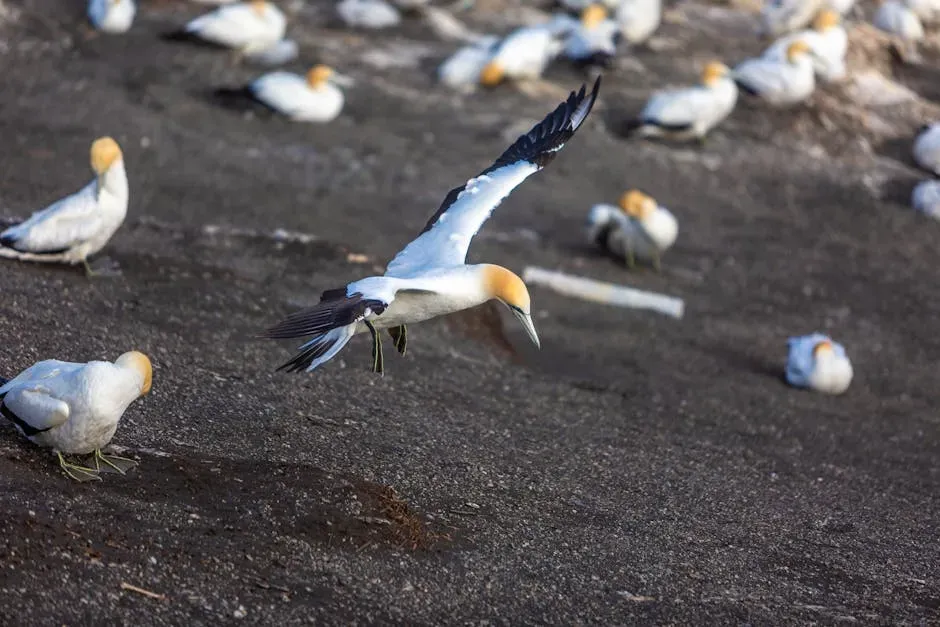
Let’s be real – when people picture Alaska, they think big. Big mountains, big bears, big skies. St. Matthew delivers on all of that through its birds alone. Despite its high latitude, St. Matthew Island contains significant populations of endemic and migratory birds. The Department of the Interior has called the island “one of the richest seabird nesting colonies in the world,” with over 5 million seabirds nesting during breeding season.
Over 140 different species of birds have been identified on the island. That number is staggering for any place, let alone a remote, uninhabited island battered by Bering Sea storms. The island is a crucial nesting site for a variety of seabirds, including murres, puffins, auklets, and kittiwakes. Imagine standing on a sea cliff and hearing millions of wings beat the air at once – it must be one of the most overwhelming natural sounds on Earth.
The Gray-Crowned Rosy-Finch: A Surprising Year-Round Resident
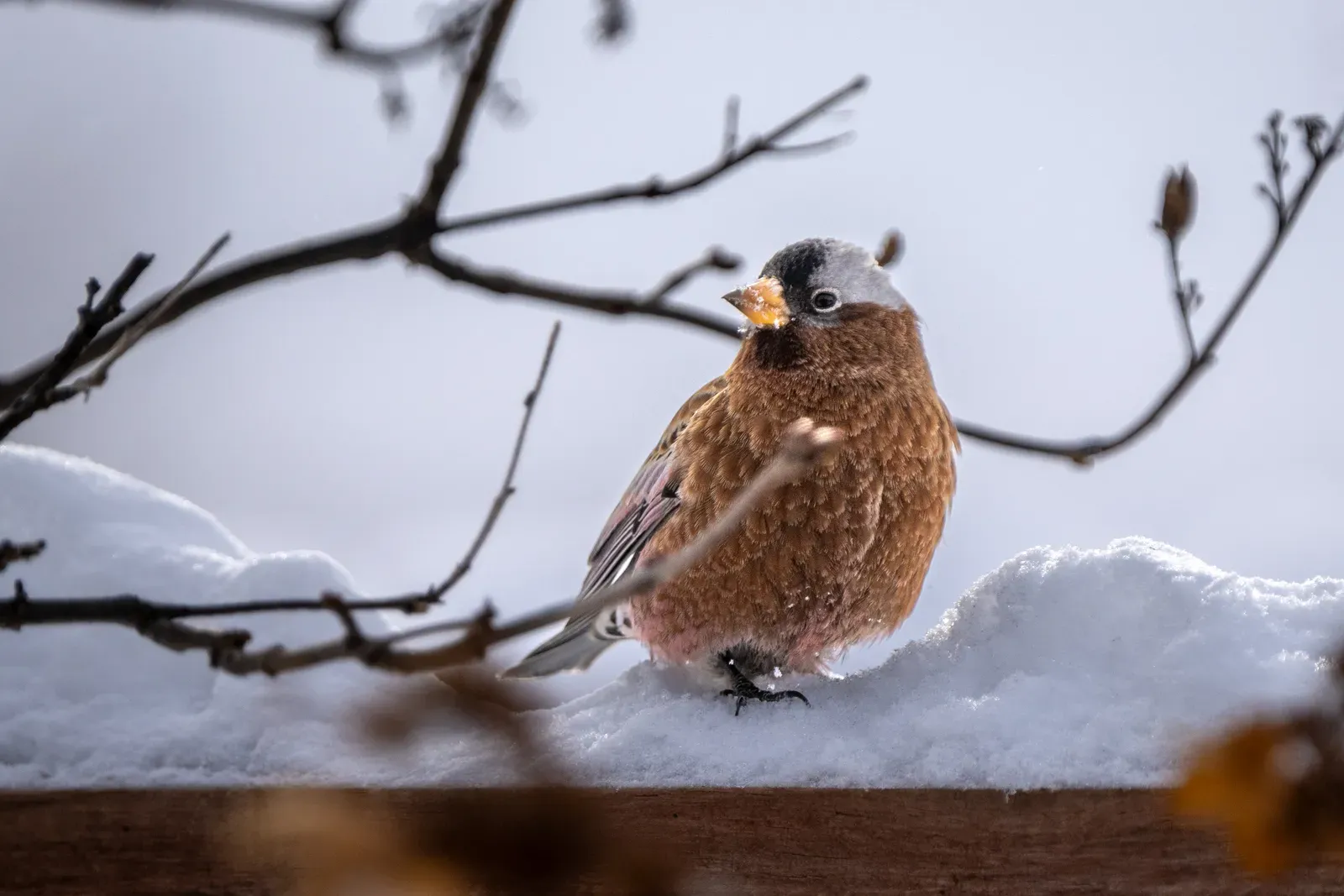
Not every exciting discovery on St. Matthew comes from an expedition looking for it. Sometimes the island surprises even the most experienced scientists. A subspecies of gray-crowned rosy-finch (Leucosticte tephrocotis umbrina) breeds only on the island and the nearby Pribilof Islands. That alone makes it remarkable.
What is even more fascinating is how recently researchers came to fully appreciate just how present these birds are. Contrary to many previous expeditions, scientists found the Gray-crowned Rosy-Finch to be common and concluded that it may be resident. So here is a bird that experts had largely overlooked or underestimated, quietly thriving on one of the most isolated islands in the nation. I think that says something profound about how much we still have to learn.
The Red-Legged Kittiwake and Pelagic Cormorant: Cliff-Nesting Wonders
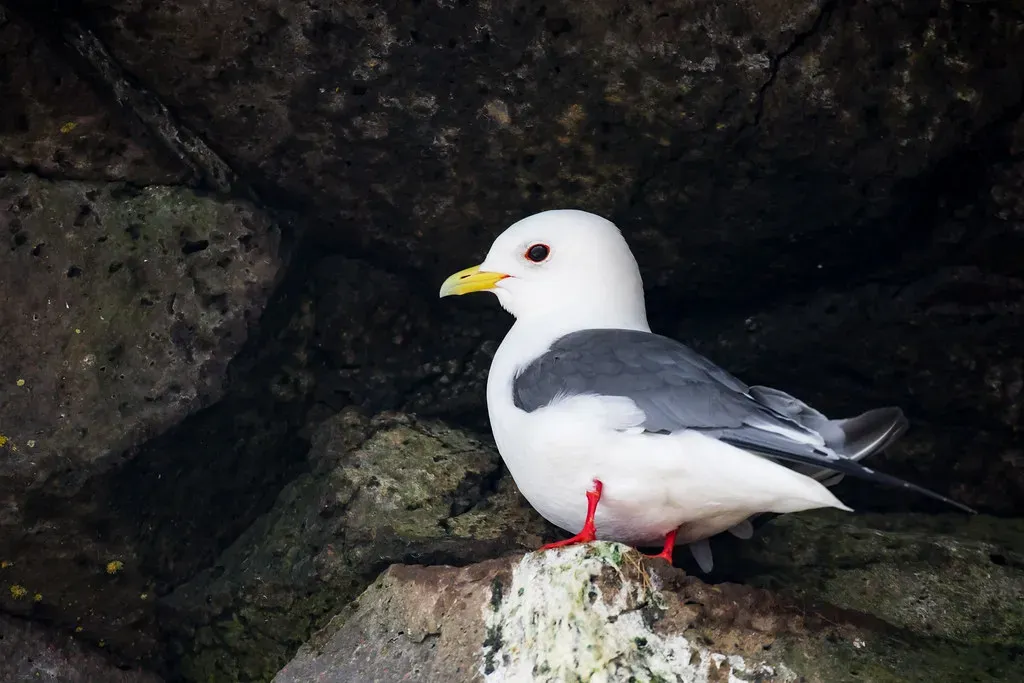
St. Matthew’s dramatic coastal cliffs, some rising to staggering heights, are not just scenery. They are apartment buildings for some of the most striking seabirds in the North Pacific. Its most southern point, Cape Upright, features cliff faces exceeding 1,000 feet in height. Seabirds have turned these towering rock faces into thriving breeding colonies that cascade with life each summer.
Surveys focused on the McKay’s Bunting, Rock Sandpiper, and Pelagic Cormorant encompassed all birds and yielded 13 species and four subspecies new to the islands’ avifaunal list. Especially notable discoveries included a colony of approximately 100 pairs of the Red-legged Kittiwake. Finding a colony that size on such a remote island was a genuine revelation for researchers. Cormorants fly along the beach of St. Matthew Island near nesting sites, a scene that speaks to just how alive this coastline truly is.
The Glaucous-Winged Gull and a Shifting Arctic World
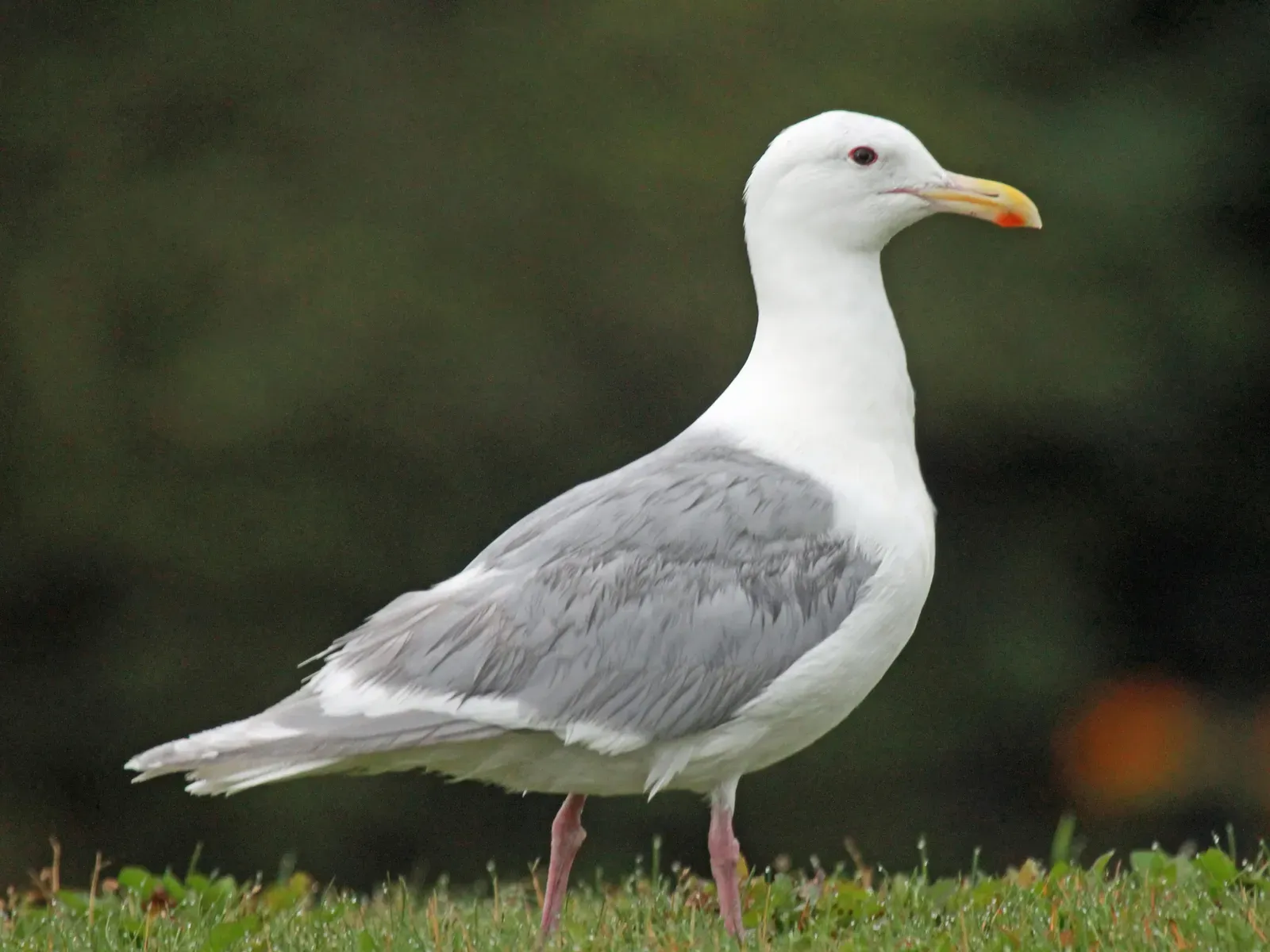
Here is something that hints at a bigger, more unsettling story. The wildlife of St. Matthew is not frozen in time. It is changing, and that change is telling us something important. There is sufficient evidence to show that some profound changes among the island’s breeding birds have occurred during the past century. In particular, the breeding range of Glaucous-winged Gulls has been extended north to include St. Matthew, a change that is correlated with a northward shift in the extent of sea ice.
Because of its central position between the coasts of Russia and Alaska, St. Matthew Island and its nearby satellites support a mixture of Palearctic and Nearctic avifaunas. Of special interest to North American ornithologists are the numerous Eurasian bird species that visit the islands each spring and fall. The island sits at a crossroads of two vast migratory worlds. It is like a remote waystation where birds from opposite ends of the planet occasionally cross paths, which is breathtaking to think about.
The Land Animals: Foxes, Voles, and the Ghost of Polar Bears
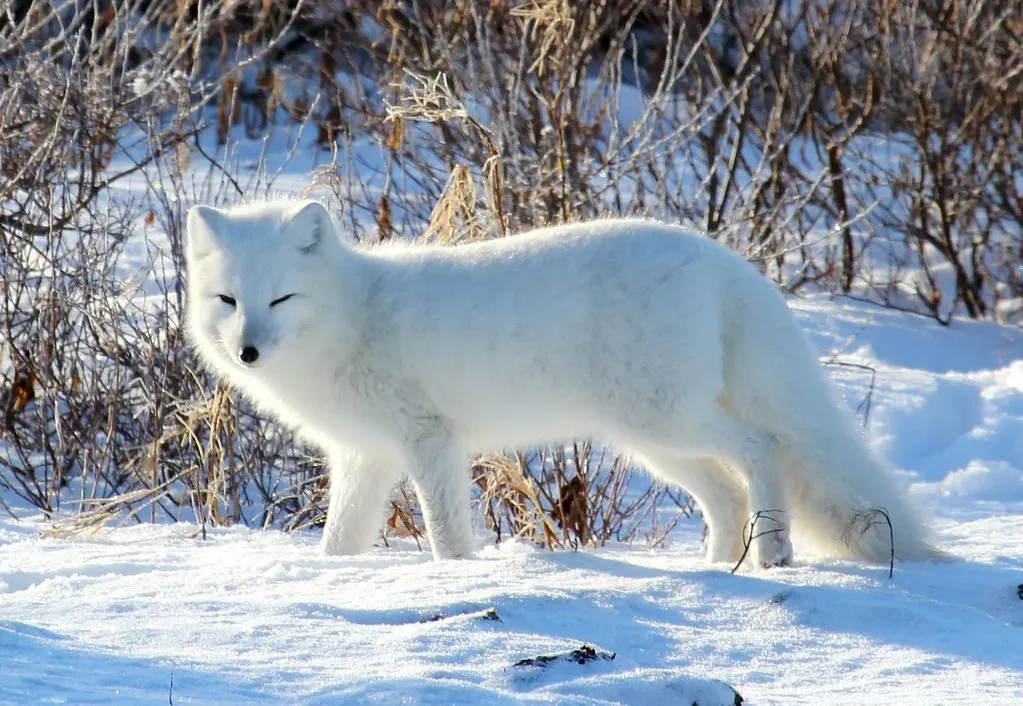
St. Matthew’s mammals are few in number but extraordinary in character. Today only two species of mammals live on St. Matthew Island – arctic foxes and insular voles. These creatures are well adapted to the island’s cold and harsh conditions. Sparse, yes. Boring? Absolutely not.
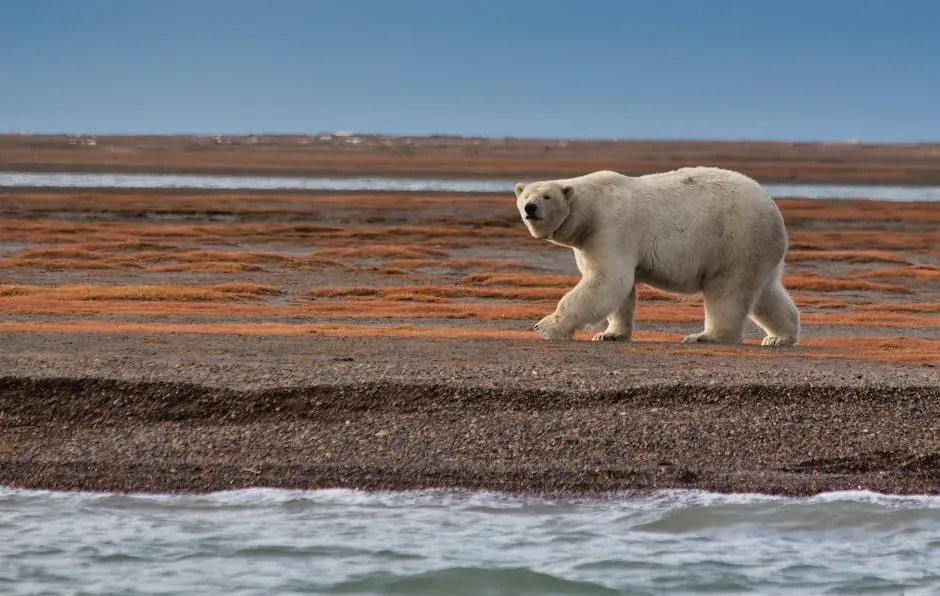
The smallest mammal on the island is a species found only here, the St. Matthew singing vole, named for its habit of standing at the opening of its tunnel while singing a cricket-like medley of high-pitched tones. These animals live in loose colonies, and in the dusky light of the long arctic evenings several voles in a colony often call back and forth in chorus. It sounds almost magical, and I suspect hearing it in person would be deeply unforgettable. Arctic foxes and insular voles are the only mammals resident on the island, though polar bears occasionally visit via drift ice. Notably, St. Matthew Island represents the southern limit of the range of polar bears in the Bering Sea. The image of a polar bear drifting onto this island on a slab of ice, like some enormous Arctic visitor, is the stuff of wildlife legend. The island once had one of the densest polar bear populations in the world until fur hunters eradicated them. A haunting reminder that paradise is fragile.
A Living Laboratory Under Threat
St. Matthew is not simply a museum piece behind glass. It is a living, evolving ecosystem facing very real pressures. Today St. Matthew, along with the rest of the Arctic, is experiencing rapid change. Long, warm summers and stormy winters with decreasing sea ice raise warning flags for biologists.
Refuge expeditions to the St. Matthew Islands have returned about every five to seven years to monitor the rich bird populations and other life forms and their habitats. Each visit is a snapshot in time, and those snapshots are beginning to tell a story of change. Previous studies estimated the populations at 31,200 McKay’s Buntings and 19,800 Pribilof Rock Sandpipers, highlighting their status as some of the continent’s rarest and most range-restricted birds. This makes them particularly vulnerable to extinction and a conservation priority on both regional and continental scales. It’s hard to say for sure what the next century holds for these species, but one thing is certain – losing them would be an irreversible tragedy.
Conclusion: A Wild World Worth Protecting
St. Matthew Island exists in a category all its own. It is raw, extraordinary, inconvenient to visit, and utterly irreplaceable. Collective observations of the seabirds nesting on St. Matthew helped motivate its preservation, and in 1909 this remote little archipelago was set aside as one of the very first federal Bird Reservations. The people who first saw it recognized immediately that it was worth saving.
The birds of St. Matthew – from the ghostly white McKay’s Bunting to the cliff-hugging kittiwakes and the camouflaged sandpipers hiding in plain tundra sight – represent something increasingly rare in our crowded world: wild creatures living on their own terms, in a place that humanity has barely touched. The singing voles chirp beneath the Arctic sky. The foxes prowl the shoreline. Somewhere out on the drifting sea ice, a polar bear follows an ancient path toward land.
This island is not just a dot on a map. It is proof that nature, left mostly alone, creates wonders that no human imagination could ever fully dream up. So the real question is this – in a world moving faster than ever, do we still value the places and creatures that ask nothing of us except to be left in peace?

- What It Means When Deer Stop Coming to an Area They Have Visited for Years – and What Wildlife Biologists Say They Are Detecting - July 19, 2026
- 10 Cat Breeds That Love Following Their Owners Everywhere - July 19, 2026
- The Only Place in North America Where You Can Legally Watch a Wild Jaguar From the Roadside – and Why Almost No One Makes the Trip - July 19, 2026