


Snakes have fascinated humans for centuries, appearing in numerous myths, legends, and even as popular pets. As more people choose snakes as companions, a curious question arises: do these cold-blooded reptiles get attached to their owners? Understanding the nature of snake behavior and perception is crucial in exploring this intriguing subject. This article delves into the complex relationship between snakes and humans, offering insights for snake enthusiasts and pet owners alike.
Understanding Snake Biology

Snakes are diverse creatures, comprising over 3,000 species across the globe. As ectothermic animals, snakes rely on external environments to regulate their body temperature, significantly affecting their behavior. Their sensory organs are adapted to detect heat, vibrations, and chemical signals, enabling them to hunt and navigate their environment effectively. Unlike mammals, snakes lack structures like vocal cords, contributing to their silent nature.
Snake Cognition and Perception

Examining snake cognition reveals the simplicity in their neural structures compared to mammals. Snakes possess a relatively small brain, primarily focused on sensory processing rather than emotional experiences. Their perception is highly tuned to detecting prey and environmental changes, rather than forming complex social bonds or attachments.
Do Snakes Experience Emotions?

The concept of emotion in reptiles, particularly snakes, remains a debated topic among scientists. Unlike humans and some mammals, snakes do not exhibit emotions like affection, fear, or joy in a relatable manner. Researchers suggest that reptiles operate mostly on instinct and survival, rather than emotional depth, indicating that attachment is unlikely in the traditional sense.
Snake Behavior in Captivity
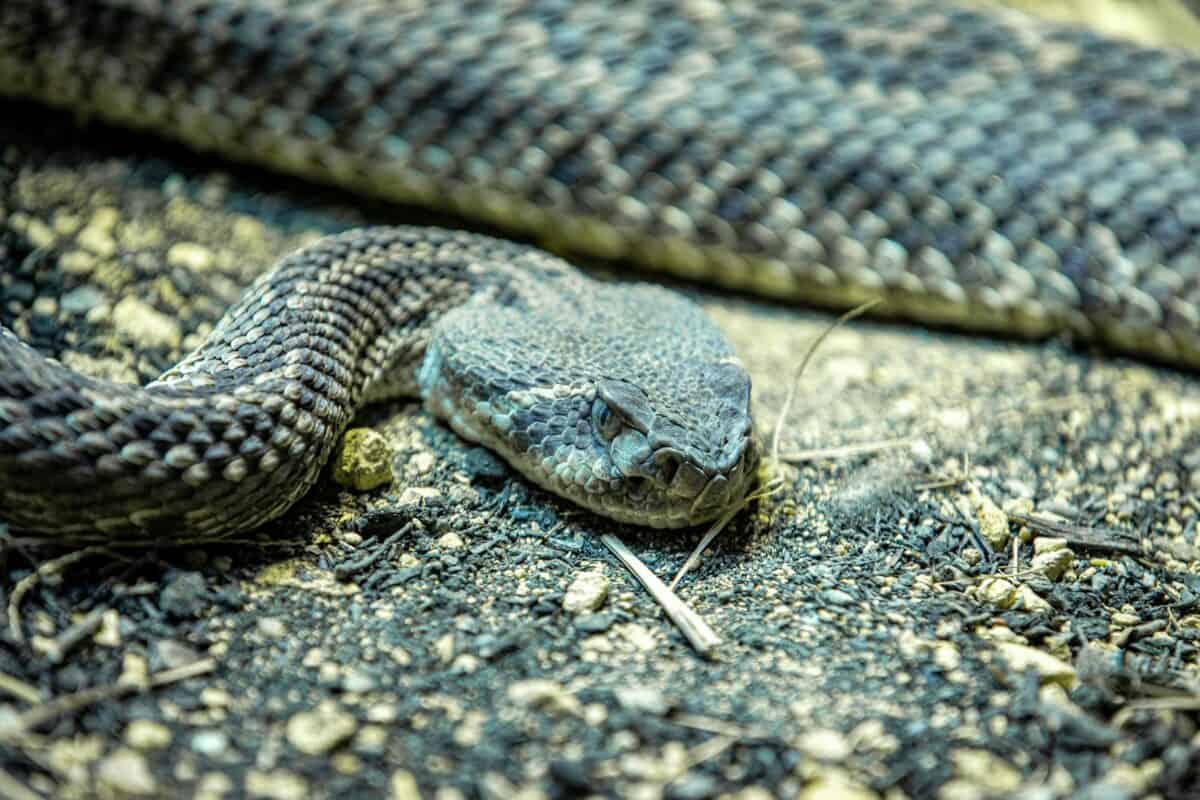
In captivity, snakes exhibit certain behaviors indicating their comfort or stress levels. A well-cared-for snake may demonstrate calmness, regular feeding, and shedding cycles. However, these behaviors are typically a sign of a well-suited environment rather than an attachment to their human caretaker. Stress signs such as refusal to eat, irregular shedding, and excessive hiding suggest discomfort with their surroundings.
The Role of Conditioning
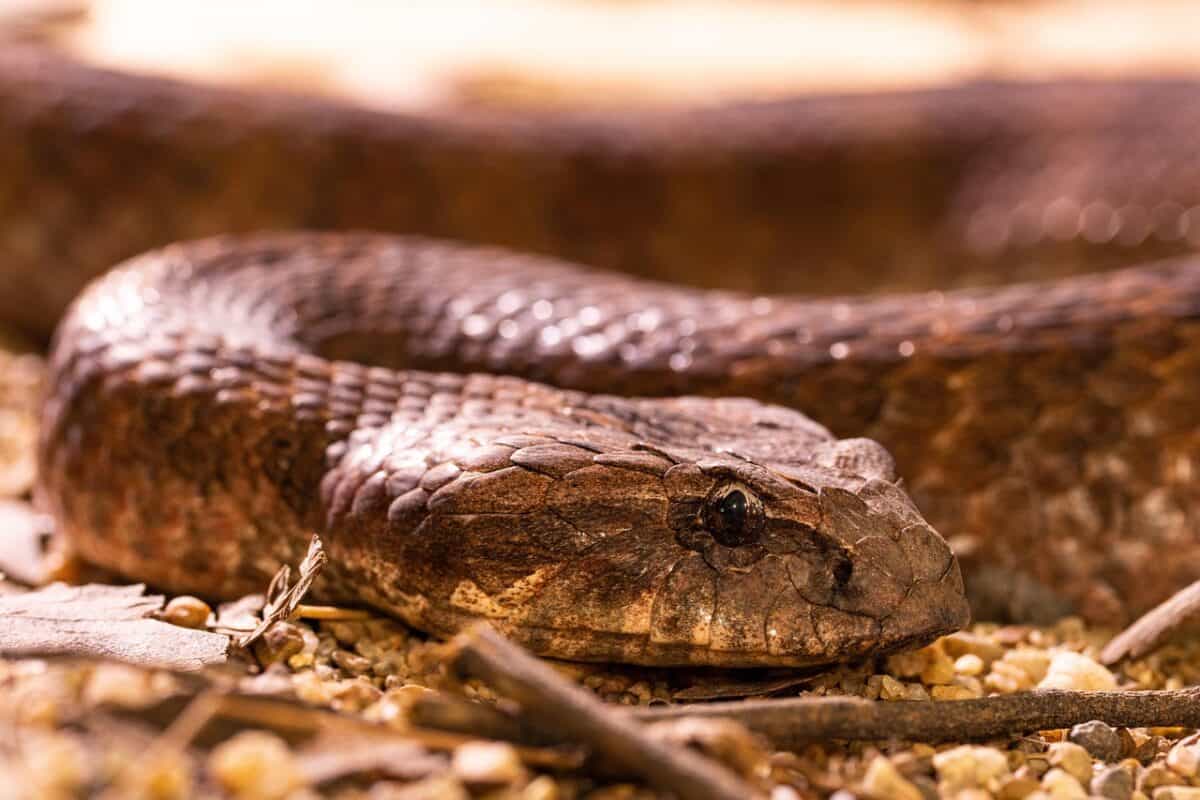
Snakes can associate humans with certain stimuli, such as feeding times. This associative learning is often mistaken for affection or attachment. Over time, snakes may become accustomed to their owner’s presence, responding to specific actions or routines. This conditioning does not equate to emotional attachment but rather familiarity with feeding or handling schedules.
Snake-Human Interaction

Snake owners often report their pets recognizing them or appearing calm during handling. While it may seem that snakes form bonds, these interactions are mostly responses to familiar stimuli and handling. Consistent handling can promote a snake’s tolerance to human interaction, reducing stress, and fostering a sense of security, although not genuine emotional attachment.
Species-Specific Behavior

Different snake species exhibit varying levels of docility and comfort with handling. For instance, ball pythons and corn snakes are popular pet choices known for their calm temperament. Their placid demeanor in human presence often leads to misinterpretations of attachment. It is essential to understand species-specific behaviors when interpreting snake-human interactions.
Signs of Comfort and Stress in Snakes

Recognizing signs of comfort and stress ensures a healthy environment for pet snakes. Signs of comfort include regular feeding, relaxed body postures, and inquisitive behavior. Stress indicators, such as excessive hiding, hissing, or aggressive behaviors, inform owners of potential discomfort, requiring environmental adjustments.
Interpreting Snake Responses

Understanding a snake’s body language can enhance human-snake interactions. A coiled or tucked body signifies comfort, while elevated, puffed-up postures indicate stress or defense mode. Keen observation of these physical cues enables owners to tailor their interactions for minimizing stress.
Creating a Positive Environment

Providing a positive environment is crucial for snake well-being. Adequate enclosure size, appropriate humidity, and temperature levels, and varied hiding spots contribute to behavioral health. Regular cleaning and a consistent feeding schedule promote a snake’s comfort, reducing stress and encouraging natural behaviors.
The Importance of Responsible Ownership
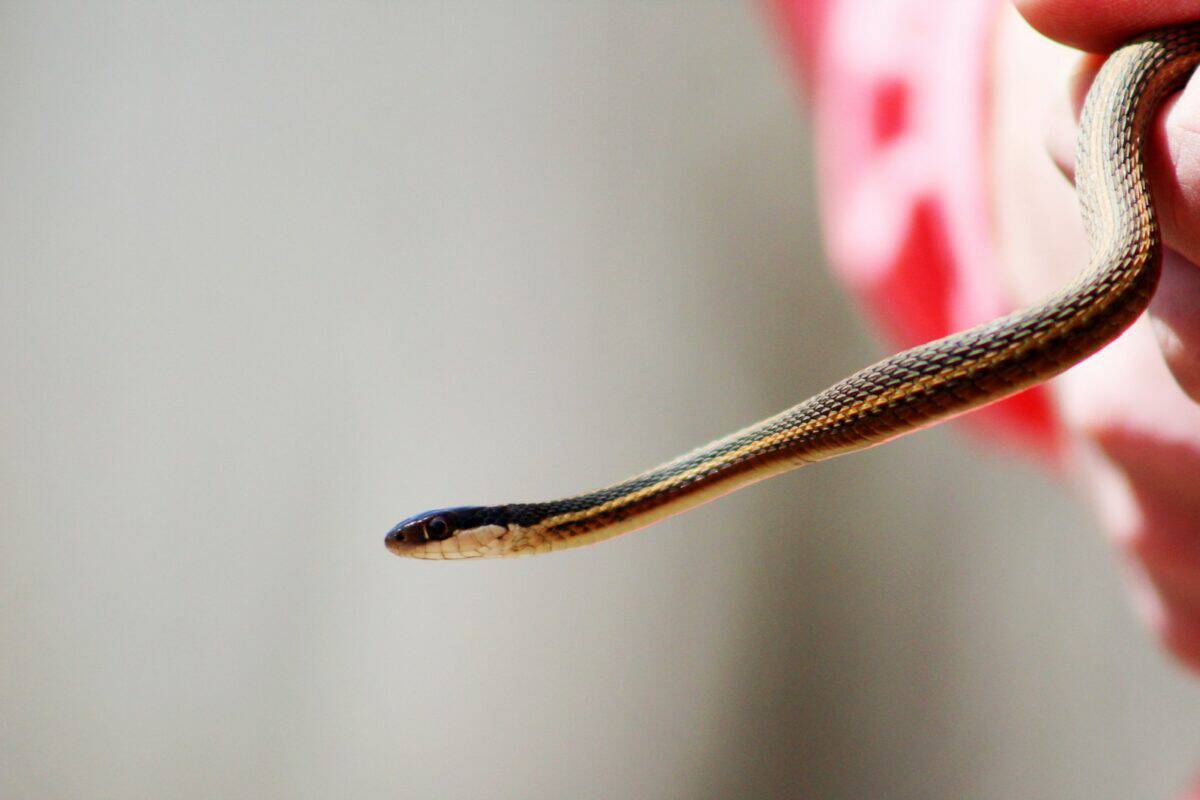
Responsible snake ownership requires understanding their unique needs and behaviors. Owners should educate themselves on the specific care requirements of their snake species, including dietary needs, habitat maintenance, and handling techniques. Knowledgeable care enhances the experience for both the snake and the owner.
Final Thoughts on Snake Attachment

While it’s tempting to attribute human emotions to our reptilian pets, scientific understanding suggests snakes do not form attachments in the way mammals do. Their behavior is rooted in instinctual responses and conditioning rather than emotional bonds. However, snakes can recognize routines and handlers, allowing for enjoyable interactions when approached with care and respect. Ultimately, appreciating the unique nature of snakes enhances the relationship between these intriguing reptiles and their human caretakers.

From exploring the marine wonders in the Azores and witnessing the vast savannas of Kenya, to delving deep into the rich biodiversity of South Africa and traversing iconic landscapes in Australia and the US like Yellowstone, Chris's experiences are vast.
With a penchant for diving alongside sharks, the ocean holds a special place in his heart.
Through his academic insights, he champions wildlife conservation, striving with 'Animals Around The Globe' to cultivate a profound connection between humans and animals, enhancing our mutual appreciation.
Connect with him at Feedback@animalsaroundtheglobe.com.