

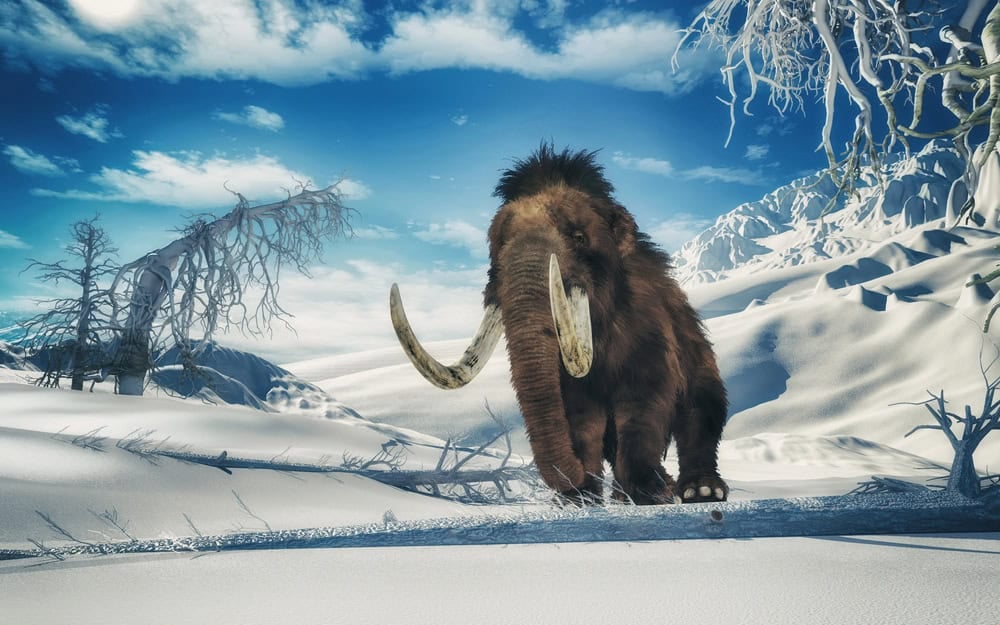
Reawakening the majestic woolly mammoth from extinction’s grip has fascinated people. This intrigue was reignited when Elon Musk voiced a vision much like that of a sci-fi novel: creating miniature woolly mammoths that could potentially traverse our planet once more. But is this futuristic possibility grounded in science, or is it merely a whimsical fantasy? Let’s delve into the specifics to see if science can deliver on this ambitious dream.
The Fascination with Woolly Mammoths

The woolly mammoth, a prehistoric giant, continues to captivate humans even thousands of years after its extinction. Often depicted in art and media, this creature stands as a symbol of a world long gone. Its fascination lies not only in its impressive size and shaggy fur but also in the mystery surrounding its disappearance. As scientific endeavors push boundaries, bringing back a variant of these creatures is a tantalizing prospect for many.
The Concept of De-Extinction
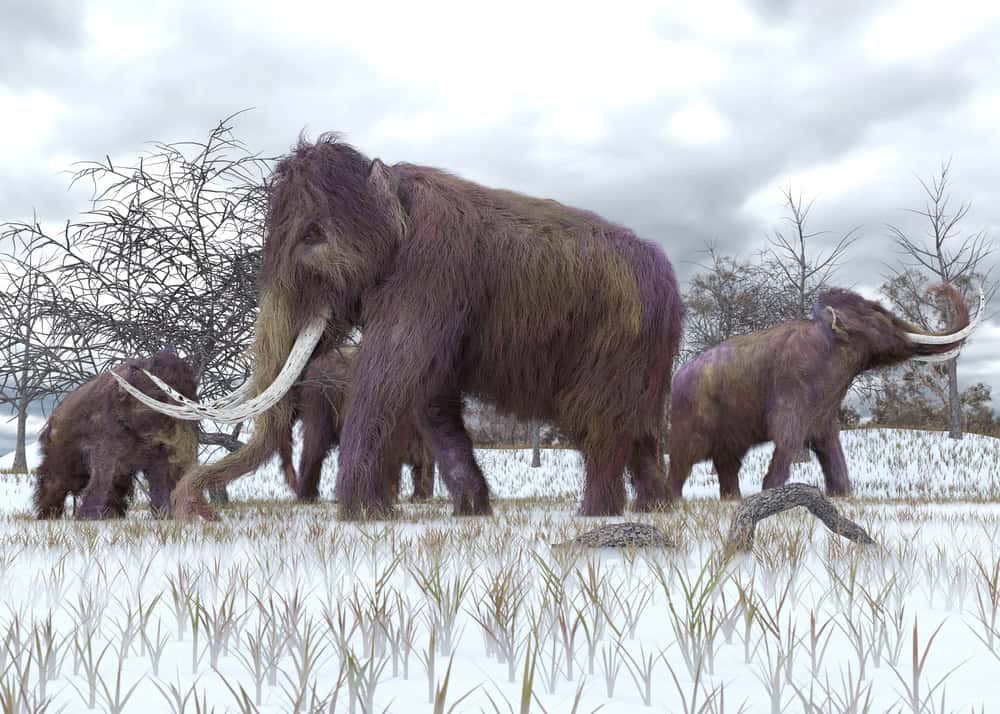
De-extinction refers to the process of reviving extinct species through advanced scientific techniques, primarily genomic technologies. Over the past decade, the idea has transitioned from science fiction to a preliminary reality, garnering widespread interest. Techniques such as cloning and genome editing, particularly using CRISPR, have been pivotal in considering the potential resurrection of bygone species such as the woolly mammoth.
Why Miniature Mammoths?
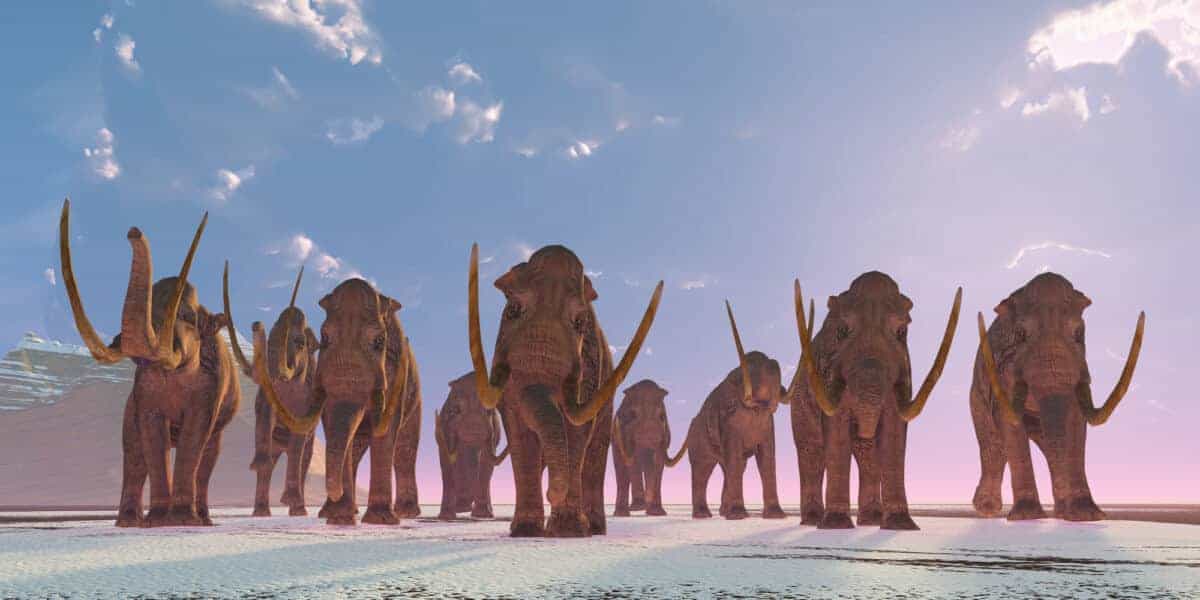
The proposal for miniature woolly mammoths by visionary figures like Elon Musk stems from ethical and practical considerations. Smaller mammals would require less space and food, reducing ecological impact and making their care more manageable. The concept of scaling down ancestral giants could also help address issues of conservation and ecological restoration in a more contained and ethical manner.
Scientific Techniques in Focus

To even consider the revival of a woolly mammoth, albeit in a miniature form, cutting-edge genomic technologies are pivotal. CRISPR-Cas9, a revolutionary genome-editing tool, offers the potential to splice woolly mammoth DNA fragments—that scientists have extracted from well-preserved specimens—into the genomes of modern elephants, their closest relatives.
The Role of Genetics
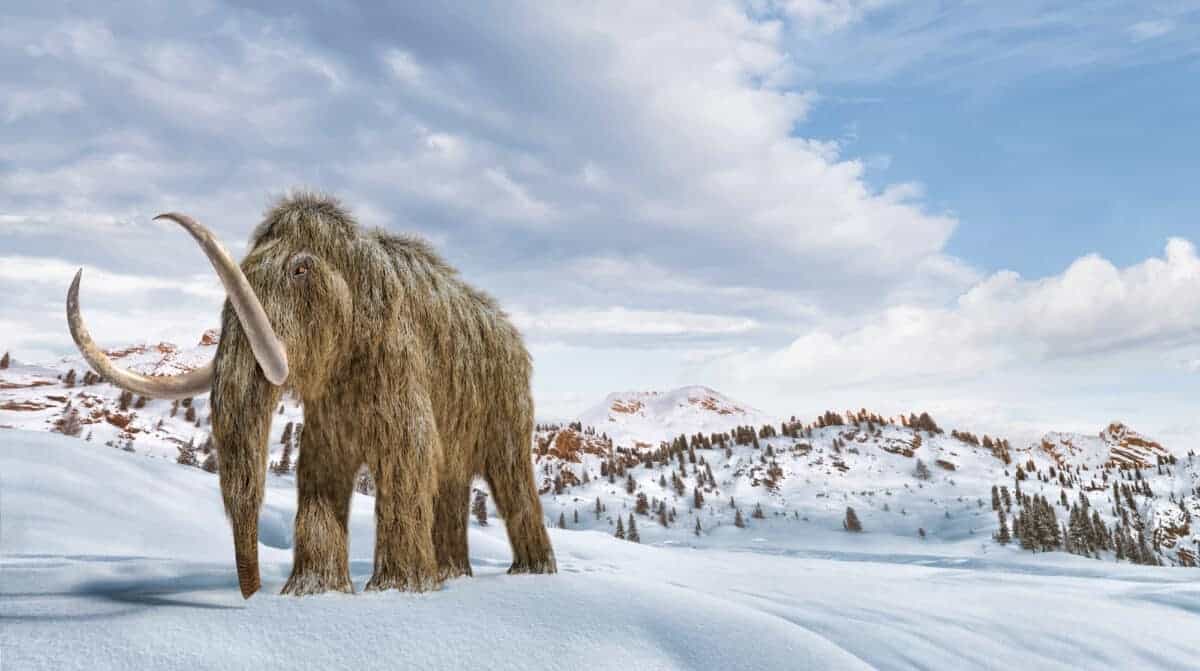
Genetic engineering plays a central role in the potential revival of extinct species. By isolating the genes responsible for cold adaptations and physical characteristics unique to woolly mammoths, scientists aim to create an elephant hybrid possessing these features, visualized as a ‘miniature mammoth’ that retains the core traits of its ancient predecessor.
Progress and Obstacles in Research

Teams like those at Harvard University, led by George Church, have made strides in synthesizing woolly mammoth genes. However, significant obstacles remain. The incredible complexity of replicating an entire organism involves not just the reconstruction of DNA sequences but also understanding the intricate relationships between genes, proteins, and environmental interactions.
Ethical Considerations

Reviving a species raises ethical questions about the purpose and impact of such endeavors. Issues include the welfare of created beings, ecological consequences, and the moral implications of using animals as experimental subjects. The ethical debate intensifies when considering captive care, potential suffering, and their ecological roles in modern ecosystems.
Potential Ecological Impacts

The reintroduction of woolly mammoth-like creatures could have profound effects on ecosystems. Their presence might help restore grasslands by knocking down trees and fertilizing the soil, thereby combatting climate change through carbon sequestration. However, the full range of ecological outcomes remains largely theoretical at this stage.
Conservation Versus Curiosity
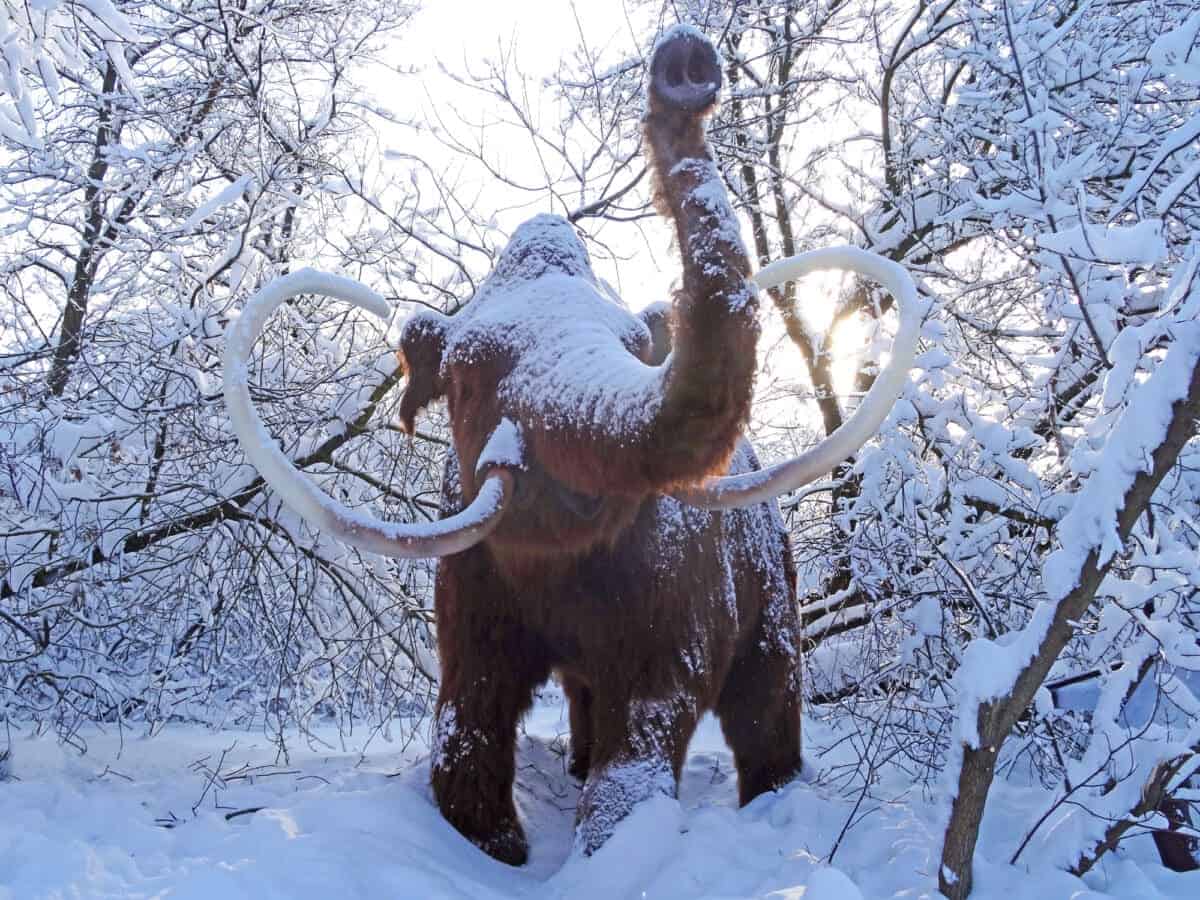
While the revival of species like the woolly mammoth might be driven by scientific curiosity and technological advances, it’s essential to weigh its conservation merits. Prioritizing the saving of endangered species could be more impactful and pressing in preserving global biodiversity. The balance between reviving extinct species and conserving existing ones is a delicate consideration for scientists and policy makers.
Public Perception and Interest
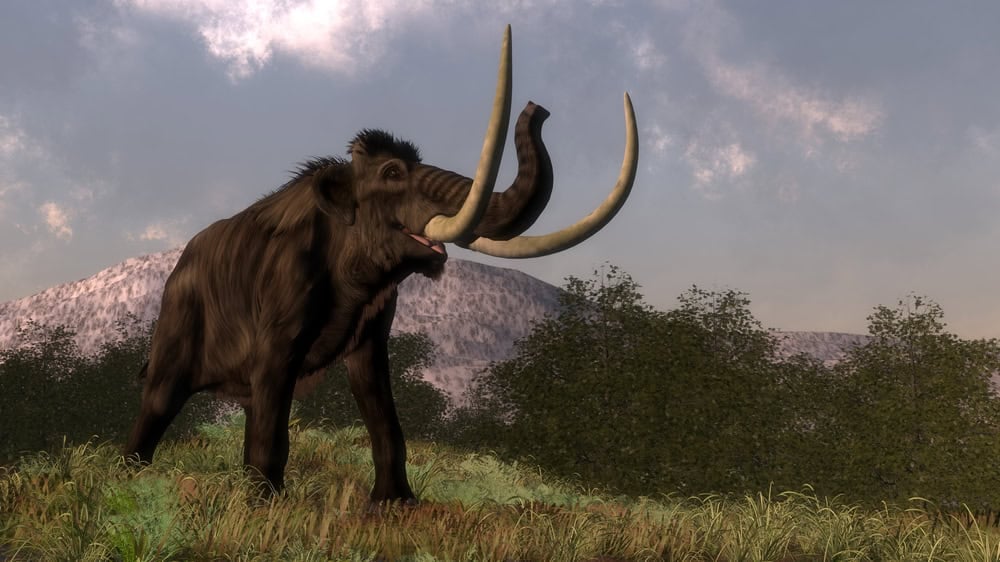
The potential birth of a woolly mammoth stirs public imagination and raises awareness about scientific advancements and conservation issues. Public interest can drive funding and support, but it also necessitates transparent communication from the scientific community regarding potential risks and rewards.
Future Prospects
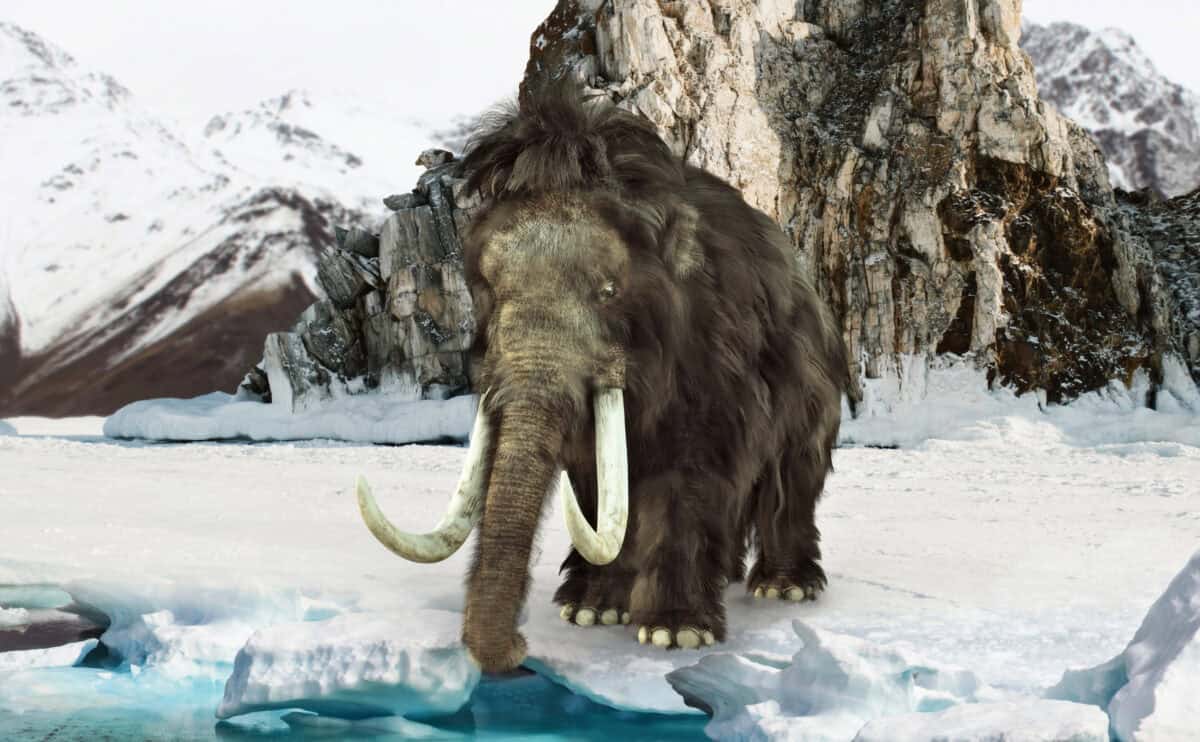
Despite significant hurdles, the future of bringing back the woolly mammoth—or a functional equivalent—holds promise. Continuous advancements in genetic engineering and synthetic biology increase the feasibility of resurrecting extinct species, yet the timeline remains uncertain. These scientific quests may reveal unprecedented insights into life, evolution, and genetic manipulation.
A New Era of Exploration
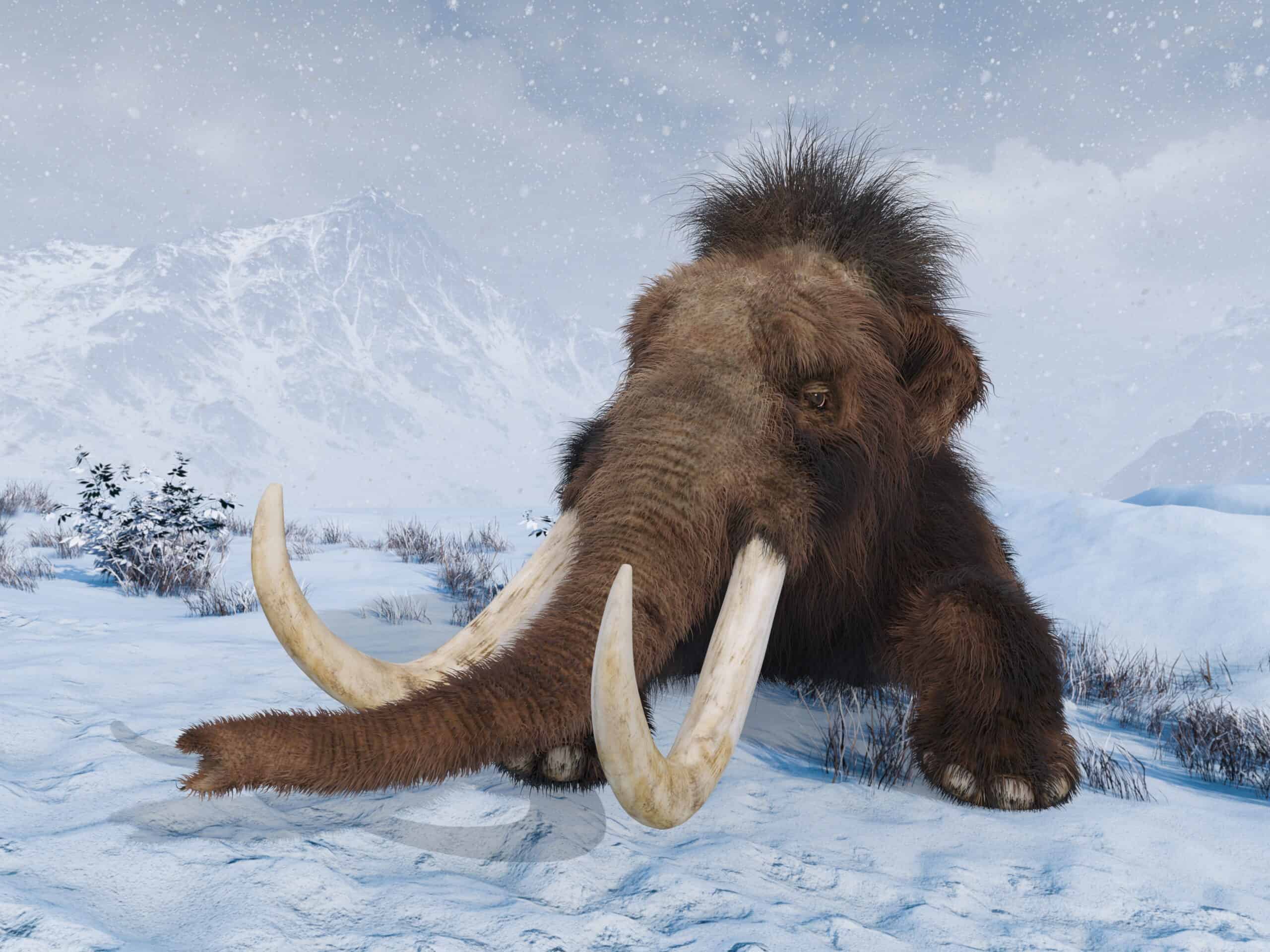
Elon Musk’s musings on miniature woolly mammoths are emblematic of a new era where imagination and technology converge to explore the limits of nature’s revival. Whether this dream crumbles under scientific limitations or flourishes as an ecological marvel remains to be seen. For now, the journey itself enriches our understanding of life, technology, and the intricate past we strive to glimpse through the mist of time.
While the vision of tiny woolly mammoths adds a charming twist to the discussion of de-extinction, the road ahead is laden with scientific, ethical, and ecological challenges. As we explore the possibilities that science presents, responsible stewardship of our planet remains paramount. Whether through resurrecting extinct species or conserving those on the brink of extinction, the actions we take will echo into the far reaches of our world’s future.

From exploring the marine wonders in the Azores and witnessing the vast savannas of Kenya, to delving deep into the rich biodiversity of South Africa and traversing iconic landscapes in Australia and the US like Yellowstone, Chris's experiences are vast.
With a penchant for diving alongside sharks, the ocean holds a special place in his heart.
Through his academic insights, he champions wildlife conservation, striving with 'Animals Around The Globe' to cultivate a profound connection between humans and animals, enhancing our mutual appreciation.
Connect with him at Feedback@animalsaroundtheglobe.com.
- Saving Manatees in Florida’s Warming Waters - July 19, 2026
- 10 Intelligent Dog Breeds Born to Hunt - July 19, 2026
- The River Where Crocodiles and Hippos Battle for Dominance - July 19, 2026