

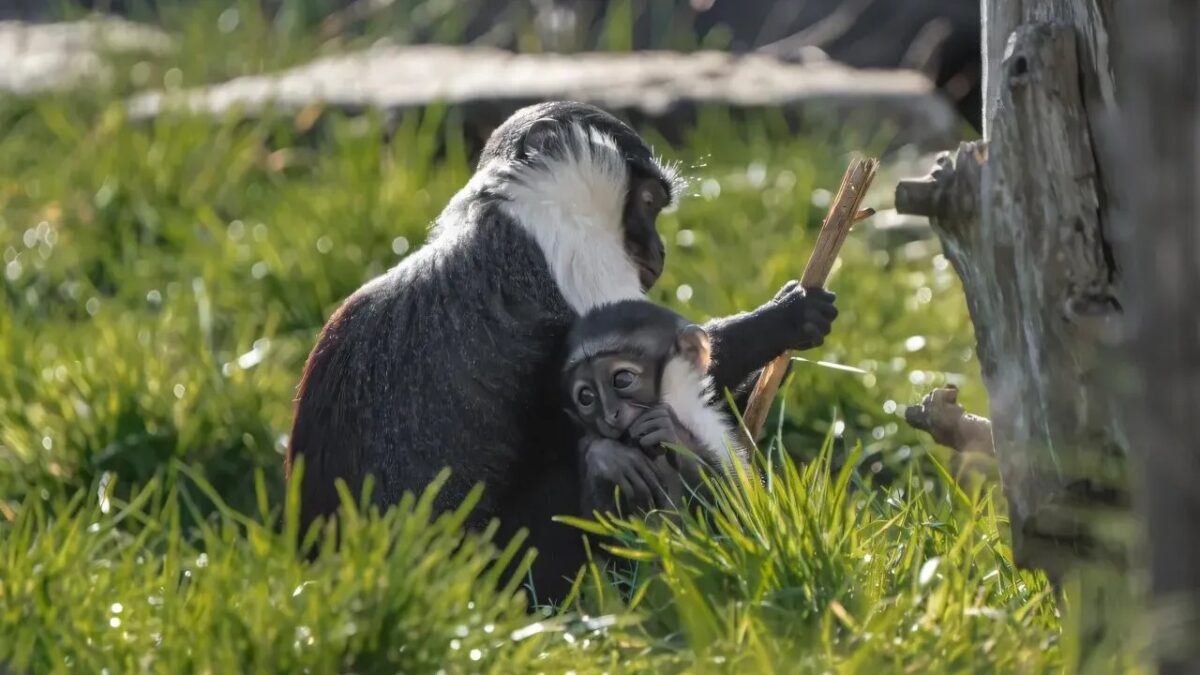
There are moments in conservation that genuinely stop you in your tracks. Not a headline about funding or habitat loss, but something small, warm, and alive – something that reminds you what all of this is actually for.
This is one of those moments. A critically endangered monkey was born following an extraordinary surgical procedure, marking a milestone that few in the field ever expected to witness. The details are surprising, the outcome even more so. Let’s dive in.
A Species on the Brink of Disappearing Forever
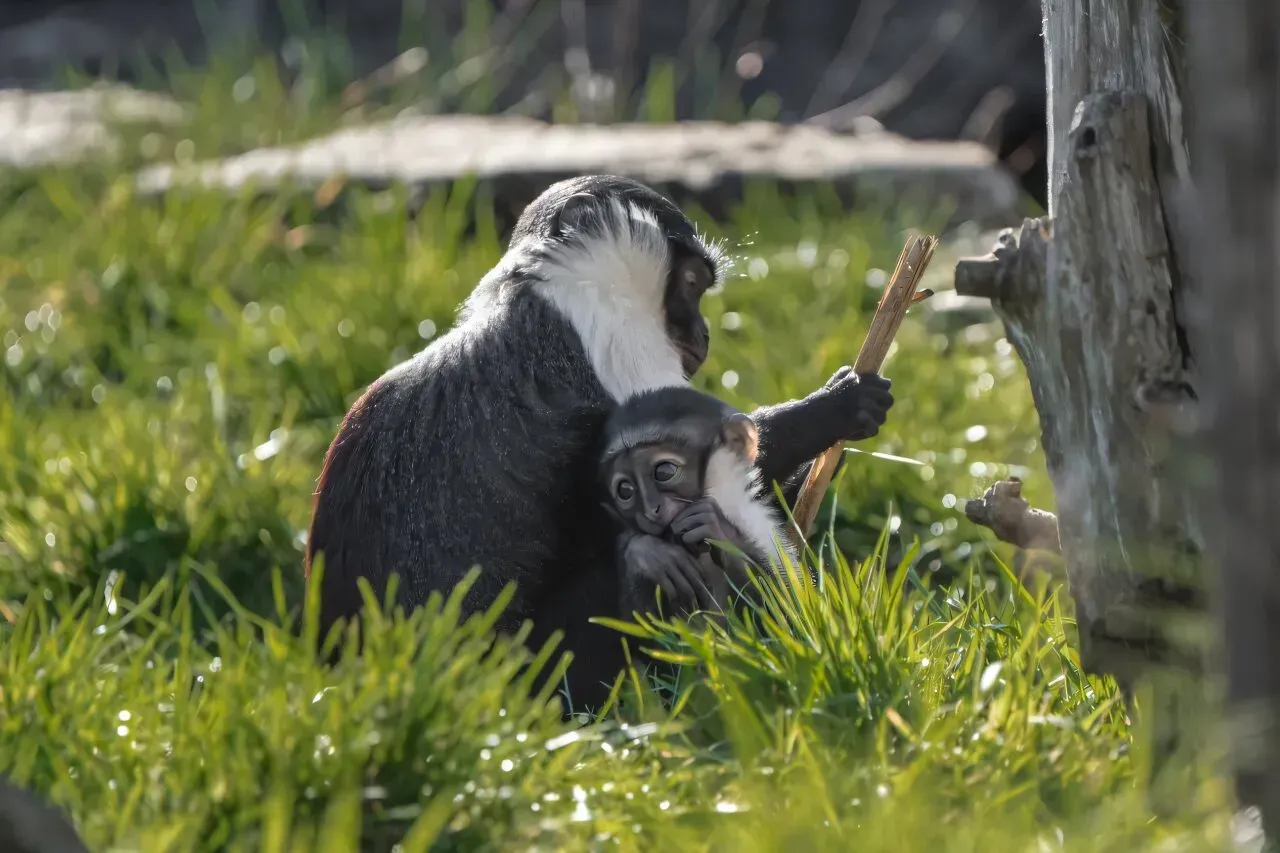
Let’s be real – when a species is classified as critically endangered, it’s already dangerously close to the edge. The monkey at the center of this story belongs to a group so rare that every single birth is treated as a significant event by conservationists worldwide. Numbers this small mean that losing even one individual can tip the balance in the wrong direction.
Honestly, it’s hard to fully grasp how fragile the situation is until you put it in perspective. We’re not talking about thousands of animals spread across a vast landscape. We’re talking about a population so reduced that scientists track individuals by name, by face, by history. Every pregnancy matters enormously.
When Veterinarians Faced an Impossible Choice
Here’s the thing – veterinary teams working with critically endangered primates don’t get to operate on a margin of error. When the pregnant monkey developed serious complications during her pregnancy, the medical team was forced to make an agonizing call. Intervene surgically and risk losing both mother and infant, or wait and almost certainly lose one or both anyway.
They chose to act. The decision to perform surgery on a critically endangered primate is not made lightly. The risks are enormous, the procedures are complex, and the emotional weight for the team involved is something most of us can barely imagine. It’s a bit like performing open-heart surgery on the last known specimen of something precious – the stakes aren’t abstract, they’re devastating.
The Surgery Itself Was Unlike Anything Routine
Performing an operation on a small, fragile primate already under enormous physiological stress requires a level of precision that goes far beyond standard veterinary work. The surgical team had to account for the animal’s tiny anatomy, her compromised condition, and the added challenge of working with a species where medical reference data is extremely limited. Think of it like trying to fix a rare antique watch with tools designed for modern machinery.
Every incision, every decision made during that procedure carried the weight of a species’ future on it. The team relied on a combination of specialized training, cross-species medical knowledge, and what I can only describe as raw professional courage. It’s the kind of work that doesn’t make it to mainstream headlines nearly often enough.
The Birth That Gave Everyone Hope
Against all reasonable expectations, the surgery was a success. The infant was born alive, and critically, the mother survived the procedure as well. For everyone involved – the veterinary staff, the conservationists, the researchers – this moment was described as nothing short of extraordinary.
A newborn of a critically endangered species is always cause for carefully cautious optimism. The first days and weeks after birth are still fragile, still uncertain. Yet the fact that the birth happened at all, following such a complex medical intervention, represents a turning point that the conservation community is paying very close attention to. Small victories like this one are the fuel that keeps this kind of work going.
What This Means for Conservation Science
Beyond the emotional resonance of this story, there is serious scientific value here. Successfully performing surgical intervention on a critically endangered primate and achieving a live birth expands what is medically possible for future cases. It creates a documented precedent, a case study that veterinarians and conservation teams around the world can learn from and build upon.
I think this is actually the quietly revolutionary part of the story. It’s not just about one monkey or one surgery. It’s about rewriting the limits of what modern conservation medicine can do. The techniques refined here, the lessons learned under pressure, those become part of a growing body of knowledge that could save the next animal facing similar odds. Science advances in exactly these kinds of hard, unglamorous moments.
The Role of Captive Care in Saving Wild Species
Stories like this one shine a spotlight on something the public doesn’t always fully appreciate – the role that zoological institutions and captive breeding programs play in species survival. These aren’t just places where animals are kept on display. They are, increasingly, the last line of defense for species that have lost too much wild habitat to sustain viable populations on their own.
Captive care allows for the kind of close medical monitoring that made this surgical intervention even possible in the first place. In the wild, a complication like the one this monkey experienced would have almost certainly been fatal with no chance of intervention. The controlled environment, the expert staff, the access to surgical equipment – all of it made a difference. It’s uncomfortable to think about, but sometimes a cage is what keeps a species alive long enough to have a future.
A Conclusion Worth Sitting With
This story is small in scale and enormous in meaning. One monkey, one surgery, one birth – and yet it represents the intersection of human ingenuity, compassion, and desperate necessity that defines modern conservation. It would be easy to dismiss it as a feel-good footnote, but that would be doing it a serious disservice.
Honestly, I find stories like this more grounding than almost any conservation report filled with data and projections. A living, breathing infant that wasn’t supposed to make it is a reminder that the fight isn’t over, not for this species, not for any of them. The real question worth asking is this: how many more breakthroughs like this one are we missing simply because not enough resources or attention are directed toward the animals that need it most? What do you think – does conservation medicine deserve more of our collective focus? Share your thoughts in the comments.

- Urban Coyotes Show Remarkable Adaptability, Learning to Thrive in City Environments - July 22, 2026
- Beavers Are Nature’s Engineers, Creating Vital Habitats for Other Wildlife Species - July 21, 2026
- The Recovery of the California Condor Offers Hope for Other Critically Endangered Birds - July 21, 2026