


Marine biologists around the world have documented a significant shift in shark migration patterns over the past decade. Species typically found in subtropical and temperate waters are increasingly being spotted in northern regions previously considered too cold for these predators. This phenomenon is directly linked to rising ocean temperatures caused by climate change. As global waters warm, sharks are following their preferred temperature ranges and prey northward, creating new ecological dynamics in marine ecosystems that have rarely, if ever, hosted these apex predators. From the North Atlantic to the North Pacific, this migration represents one of the most visible and concerning manifestations of our changing oceans.
Climate Change: The Primary Driver

The fundamental force behind sharks’ northward movement is undeniably climate change. Ocean temperatures have risen approximately 0.13°C per decade since the 1980s, with some northern regions warming even faster. The North Atlantic, for instance, has warmed at nearly twice the global average rate. These warming waters create hospitable conditions for shark species that previously couldn’t tolerate the cold.
Scientists at the Woods Hole Oceanographic Institution have documented that some regions of the North Atlantic have warmed by as much as 3°C over the past century, dramatically altering the thermal boundaries that historically limited shark ranges. This warming trend shows no signs of slowing, suggesting that shark distribution will continue to expand northward in coming decades.
Great White Sharks Venturing into Canadian Waters

Perhaps no shark migration has garnered more attention than that of the great white shark (Carcharodon carcharias) into Canadian waters. Once rarely seen north of Cape Cod, these apex predators are now regularly documented in the Gulf of Maine and Nova Scotia’s waters. OCEARCH, a marine research organization, has tracked numerous great whites traveling to the waters around Nova Scotia’s Sable Island, establishing what appears to be a new summer feeding ground.
In 2019, researchers identified over 20 individual great whites in Nova Scotia waters, a number that would have been unthinkable just two decades ago. These predators are following their preferred prey, particularly seals, whose populations have rebounded in Canadian Atlantic waters and provide an attractive food source for northward-moving sharks.
Shifting Baselines in the North Sea

The North Sea, bordered by the UK, Scandinavia, and continental Europe, has experienced some of the most dramatic shifts in shark populations. Species like the porbeagle shark (Lamna nasus) and blue shark (Prionace glauca) are being spotted with increasing frequency in Norwegian and Danish waters. According to research published in the journal Scientific Reports, summer water temperatures in parts of the North Sea have increased by more than 1.5°C since the 1980s, creating conditions that now support species previously limited to more southern European waters.
Norwegian fishermen have reported a nearly 200% increase in shark bycatch over the past decade, with species appearing that many couldn’t identify as they had never seen them in local waters before. This dramatic shift highlights how quickly marine ecosystems are responding to warming conditions.
The Pacific Shift: Sharks in Alaskan Waters
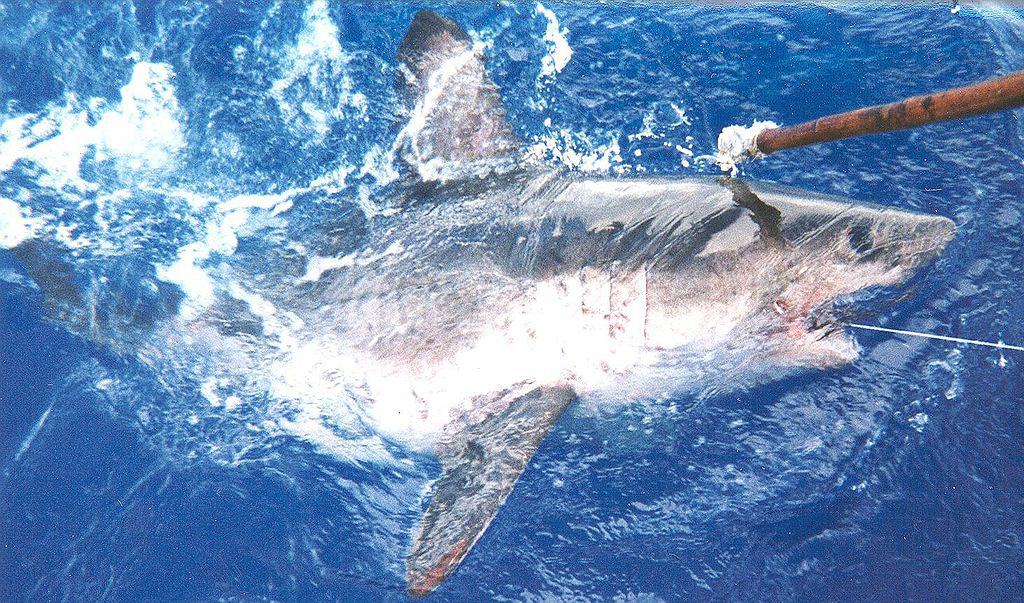
The phenomenon isn’t limited to the Atlantic. In the Pacific Ocean, salmon sharks (Lamna ditropis) and blue sharks are venturing further north into Alaskan waters than previously recorded. The Bering Sea, which has experienced some of the most rapid warming on the planet, has seen particular changes.
Research vessels from the National Oceanic and Atmospheric Administration (NOAA) have documented salmon sharks nearly 300 miles further north than their historical range. Even more surprisingly, thresher sharks (Alopias vulpinus), typically associated with temperate waters, have been spotted in the Gulf of Alaska. These Pacific migrations mirror the Atlantic pattern, demonstrating that shark redistribution is a global response to warming oceans rather than a regional anomaly.
Ecological Consequences for Northern Marine Ecosystems

The arrival of shark species in northern waters introduces new predators into ecosystems that haven’t evolved with their presence. This creates potential for significant ecological disruption. Northern fish species that haven’t developed behavioral adaptations to avoid sharks may be particularly vulnerable. In some regions, scientists have already observed changes in the behavior of seal populations, which are spending more time on land or altering their feeding patterns in response to increased shark presence. A study published in the Journal of Animal Ecology documented that harbor seals in Nova Scotia now spend approximately 20% more time hauled out on land than they did in the early 2000s, likely a behavioral adaptation to avoid newly arrived white sharks. These ripple effects can cascade through food webs, potentially altering the structure and function of entire marine communities.
Economic Impacts on Northern Fishing Communities

The northward migration of sharks carries significant economic implications for fishing communities in these regions. In places like Newfoundland, Iceland, and northern Norway, where recreational swimming has rarely required consideration of shark presence, tourism industries are beginning to adapt. Some areas have implemented shark monitoring programs and beach safety protocols that were previously unnecessary. Commercial fisheries are also experiencing changes, with some reporting damage to catches and fishing gear from species they rarely encountered before. In Norway’s Lofoten Islands, a traditional cod fishing region, fishermen reported a 30% increase in damaged catches attributed to shark predation between 2015 and 2020. These economic consequences highlight how climate-driven species redistribution affects not just ecosystems but also the human communities that depend on them.
Key Species Making the Northern Journey

While great whites capture headlines, numerous shark species are expanding northward. Blue sharks, among the most wide-ranging sharks globally, have been documented hundreds of miles further north than their historical range. Makos (Isurus oxyrinchus), the fastest sharks in the ocean, are increasingly spotted in waters around the United Kingdom and southern Norway.
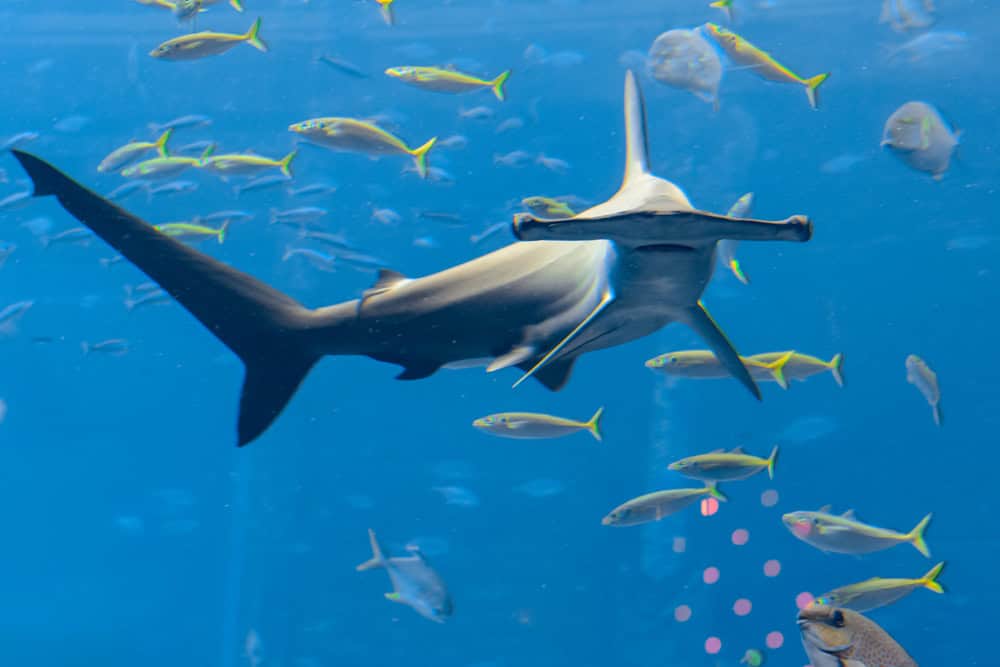
Even some species of hammerhead sharks, traditionally associated with tropical and subtropical environments, have been documented in waters as far north as the Bay of Biscay off France’s coast. Bull sharks (Carcharhinus leucas), known for their tolerance of both salt and freshwater, have been spotted further up the eastern seaboard of North America. Each species brings different hunting strategies and ecological impacts to these northern regions, creating complex changes to marine food webs.
Scientific Monitoring and Research Challenges
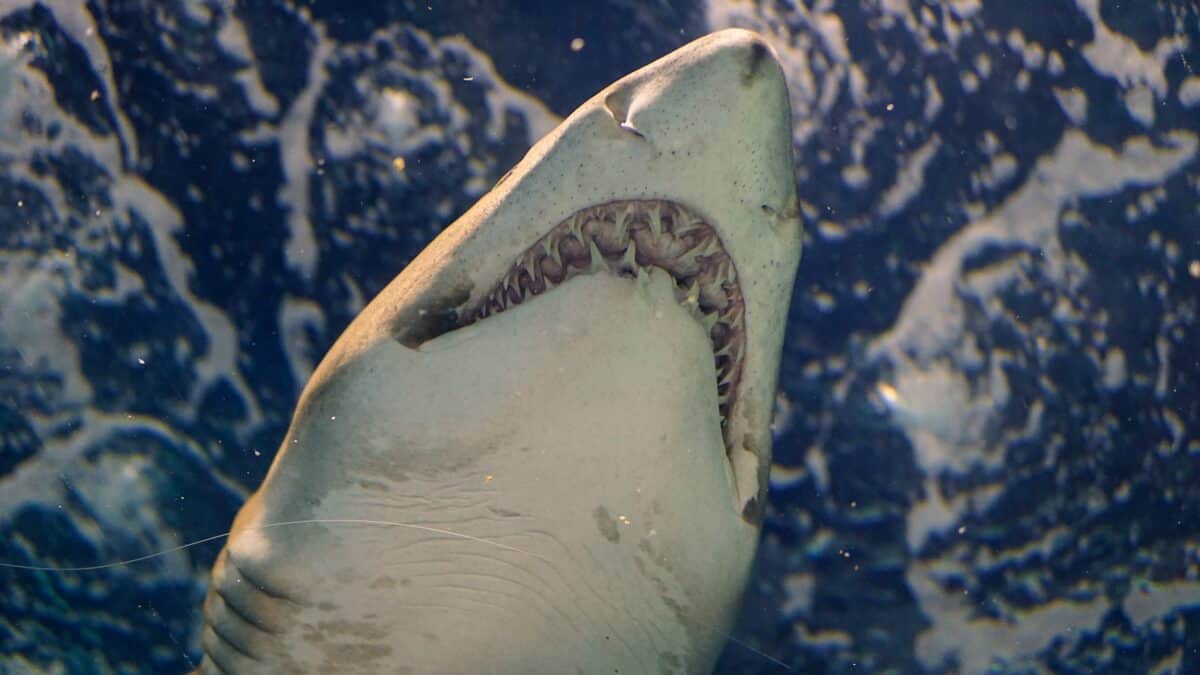
Tracking this shark redistribution presents significant scientific challenges. Traditional shark monitoring programs have focused on areas where these species were historically abundant, leaving gaps in our understanding of northern waters. Researchers are now deploying acoustic receivers, satellite tags, and environmental DNA (eDNA) sampling to document these changing distributions.
The Atlantic White Shark Conservancy has expanded its acoustic receiver array northward along the eastern seaboard, while Canadian researchers have established new monitoring networks in the Gulf of St. Lawrence and off Nova Scotia. Citizen science has also become increasingly important, with fishermen and recreational boaters providing valuable observations through shark reporting apps and online databases. Despite these efforts, our understanding of exactly how and why different shark species are moving northward remains incomplete, highlighting the need for continued research investment.
Human Safety Considerations in New Shark Territories

As sharks enter waters where they were previously rare or absent, communities face new public safety considerations. Regions without historical experience with potentially dangerous shark species must develop appropriate response plans and public education. Maine experienced its first recorded fatal shark attack in 2020, highlighting how unprepared some northern regions may be for interactions with species like great whites.
In response, coastal communities from Atlantic Canada to Scandinavia are implementing shark awareness programs, developing beach warning systems, and training first responders in shark attack protocols. However, experts emphasize that the risk of shark attacks remains extremely low even in areas with new shark presence. Education rather than fear is the focus, with marine conservation organizations working to ensure that public safety measures don’t demonize these important marine predators as they expand their range in response to warming waters.
Conservation Implications and Protected Status
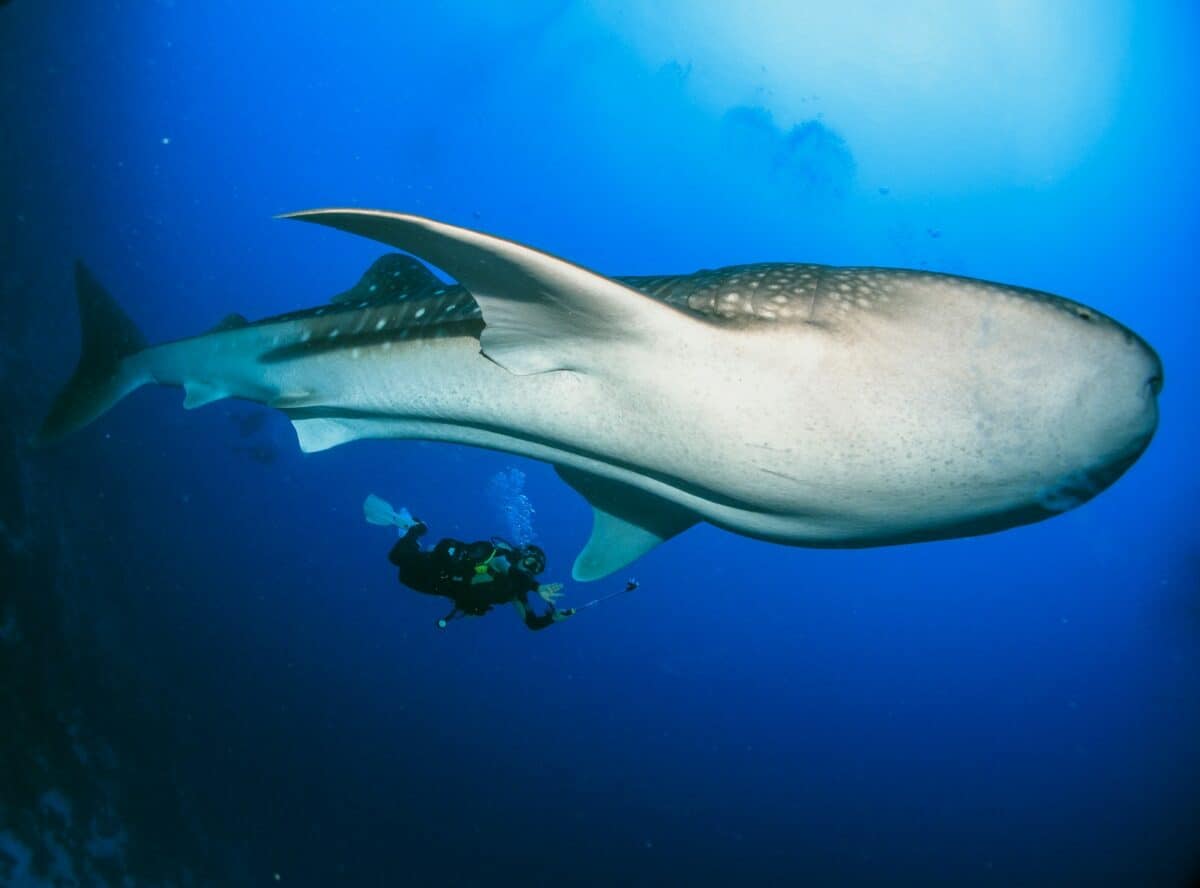
The changing distribution of sharks creates new conservation challenges. Many shark species are already threatened or endangered due to overfishing, habitat loss, and other human pressures. As they move into new territories, they may encounter different management regimes, fishing practices, and protection status. International coordination becomes increasingly important as these highly migratory species cross more jurisdictional boundaries.
The Convention on Migratory Species has recognized this challenge, calling for enhanced international cooperation to protect sharks throughout their expanding ranges. Some northern nations have proactively extended protected status to shark species now entering their waters. Iceland, for instance, implemented protection for basking sharks and porbeagles in 2019, anticipating their increased presence in Icelandic waters. These conservation efforts are crucial as sharks face the double challenge of human pressures and adapting to rapidly changing ocean conditions.
Future Projections: How Far North Will Sharks Go?

Looking ahead, marine biologists project continued northward expansion of shark ranges throughout the 21st century. Climate models suggest that ocean warming will accelerate, potentially opening vast new areas of the Arctic to species previously limited to more temperate waters. By 2100, species like blue sharks could potentially establish seasonal presence in waters around Greenland and northern Norway if current warming trends continue. However, other factors beyond temperature will influence how far north sharks can successfully establish themselves.
Prey availability, suitable breeding grounds, and photoperiod (day length) at high latitudes may limit some species despite warming waters. The Arctic Ocean itself may eventually become accessible to certain shark species during summer months, representing a profound reorganization of marine ecosystems that have never experienced these predators in evolutionary history.
Conclusion: Navigating a Changing Ocean
The northward migration of sharks represents one of the most visible biological responses to our warming planet, serving as a powerful indicator of the broader changes occurring in marine ecosystems worldwide. As apex predators enter new territories, they trigger ecological ripple effects that scientists are just beginning to understand and communities are learning to navigate.
This redistribution challenges our traditional notions of marine species management, conservation, and human-wildlife interaction in northern waters. While presenting scientific and social challenges, this phenomenon also offers unique opportunities to study how marine ecosystems respond to climate change in real-time. Ultimately, the appearance of sharks in northern waters serves as a living barometer of our changing climate – a reminder that the boundaries we once took for granted in the natural world are shifting before our eyes.

From exploring the marine wonders in the Azores and witnessing the vast savannas of Kenya, to delving deep into the rich biodiversity of South Africa and traversing iconic landscapes in Australia and the US like Yellowstone, Chris's experiences are vast.
With a penchant for diving alongside sharks, the ocean holds a special place in his heart.
Through his academic insights, he champions wildlife conservation, striving with 'Animals Around The Globe' to cultivate a profound connection between humans and animals, enhancing our mutual appreciation.
Connect with him at Feedback@animalsaroundtheglobe.com.
- What Scientists Found in Ice Cores From Alaska Will Shock You - June 24, 2026
- Why World Wildlife Day Matters & 9 Shocking Facts About Animal Decline - June 24, 2026
- Why Ball Pythons Curl Into a Ball When Stressed - June 24, 2026