

As autumn blankets the forests of Vermont and New Hampshire in spectacular hues of red, orange, and gold, a remarkable transformation occurs in the wildlife that inhabits these picturesque New England states. The cooler temperatures and changing landscapes signal animals to prepare for the coming winter, creating unique opportunities for wildlife enthusiasts and casual observers alike. From mammals preparing their winter stores to migrating birds and specialized insects that thrive in the fall conditions, the autumn season in these northern states offers an extraordinary glimpse into the natural world’s seasonal adaptations. This guide explores the fascinating creatures you’re likely to encounter during fall excursions through Vermont and New Hampshire’s forests, meadows, and waterways, highlighting their behaviors, habitats, and the best places to spot them as they prepare for the cold months ahead.
Black Bears Preparing for Hibernation
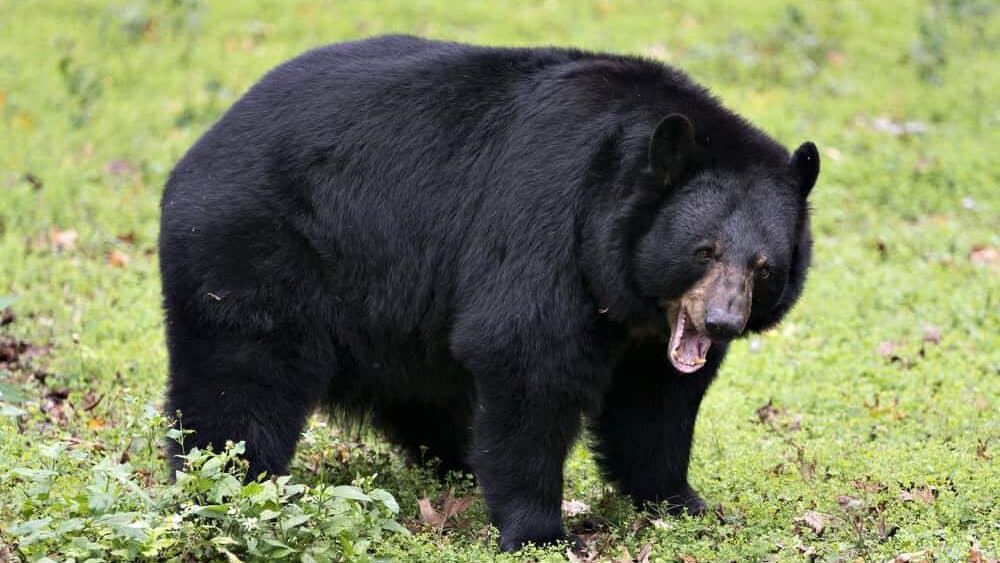
Fall represents a critical period for black bears in Vermont and New Hampshire as they enter hyperphagia, a state of intense feeding to gain weight before winter dormancy. During this time, bears can consume up to 20,000 calories daily and gain 30 pounds per week. This dramatic increase in foraging activity makes autumn one of the best times to spot these magnificent mammals, particularly near beech and oak stands where they gorge on nutritious nuts and acorns.
Wildlife biologists note that bears in the Green Mountains of Vermont and White Mountains of New Hampshire may travel several miles daily in search of food during fall. Their increased movement often brings them closer to human habitations as they seek easy calories from bird feeders, garbage, or unharvested garden produce. The Vermont Fish & Wildlife Department recommends removing attractants from yards by September to prevent unwanted encounters. For wildlife enthusiasts hoping to catch a glimpse, dawn and dusk provide the best opportunities at safe distances along protected forest edges in areas like Green Mountain National Forest or White Mountain National Forest.
Moose During Rutting Season
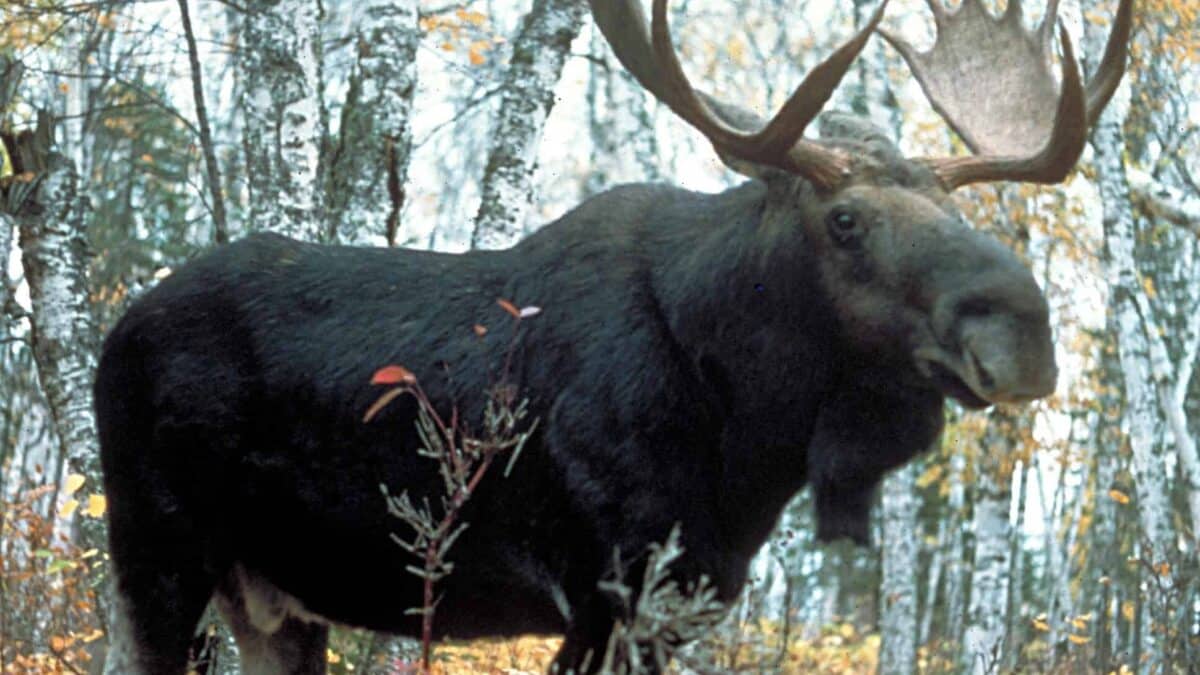
Fall marks the dramatic rutting season for moose, transforming these typically solitary giants into vocal, competitive animals focused on mating. Bull moose in Vermont and New Hampshire begin developing massive antlers in spring, but by September and October, these antlers reach their full impressive span of up to six feet across. During the rut, bulls will create shallow depressions called “rutting pits” where they urinate and wallow, covering themselves with a scent attractive to females.
The northern reaches of both states offer the best opportunities for moose viewing, with popular locations including Norton and Canaan in Vermont’s Northeast Kingdom and areas around Pittsburg and Errol in New Hampshire’s Great North Woods. Wildlife officials caution visitors to maintain safe distances, especially during the rut when bulls can be particularly aggressive and unpredictable. Early morning and evening drives along forest roads often yield sightings, though observers should always remain in vehicles when encountering these 1,000+ pound mammals. The population is estimated at around 3,000 moose in each state, though numbers have declined in recent years due to winter tick parasites exacerbated by climate change.
Red and Gray Squirrels

Autumn transforms the forests of Vermont and New Hampshire into bustling neighborhoods of squirrel activity as both red and gray squirrels frantically prepare for winter. The Eastern gray squirrel (Sciurus carolinensis) and American red squirrel (Tamiasciurus hudsonicus) become especially visible during fall as they gather and cache nuts, seeds, and other food items. Gray squirrels practice “scatter hoarding,” burying individual nuts across their territory, while red squirrels create central “middens” or stockpiles of pine cones and other foods near their nests.
These industrious rodents play a crucial ecological role during fall, inadvertently planting thousands of trees annually through forgotten food caches. Research from the University of Vermont suggests a single gray squirrel may bury up to 10,000 nuts each autumn, remembering the locations of most through a combination of spatial memory and scent detection. Their increased activity makes them readily observable in both rural and urban settings throughout both states, from Burlington’s city parks to Portsmouth’s historic neighborhoods. The distinctive chatter and scolding calls of red squirrels become a common forest soundtrack as they defend their territories and food caches against competitors.
White-Tailed Deer
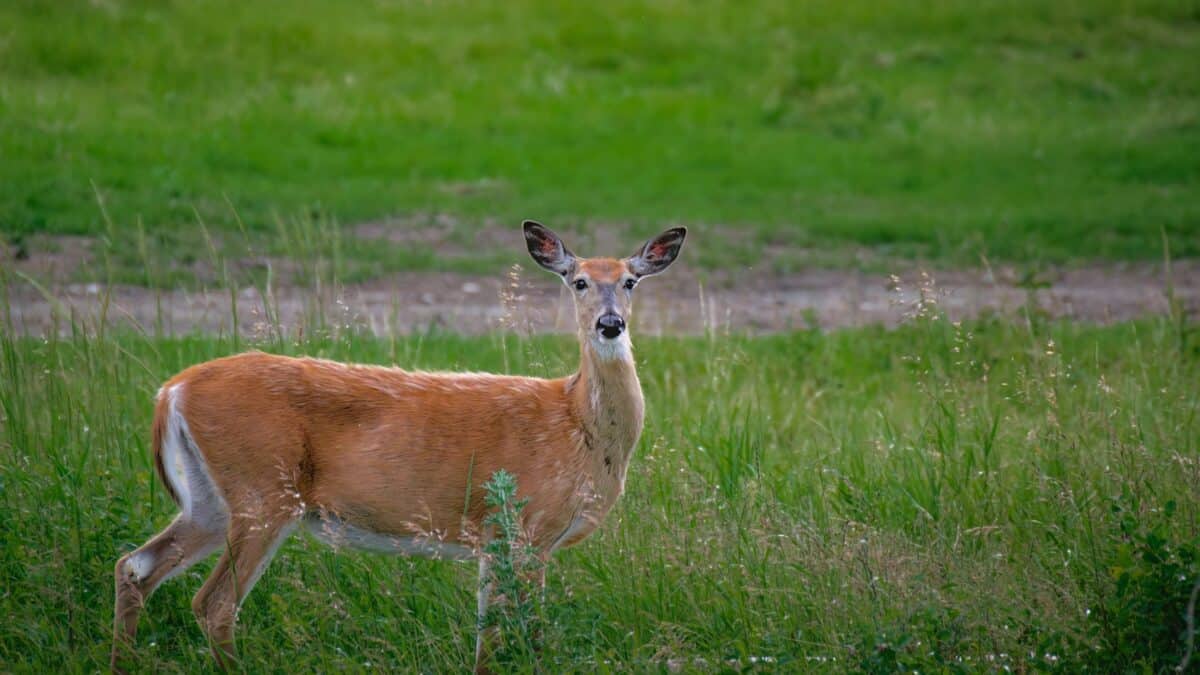
Fall transforms the behavior of white-tailed deer across Vermont and New Hampshire as the species enters its breeding season, known as the rut. Beginning in late October and extending through November, bucks that have spent the summer in bachelor groups become solitary and territorial. They create “scrapes” on the forest floor and “rubs” on trees using their antlers, leaving behind scent markers from specialized glands. This increased activity and movement make autumn an ideal time for spotting these graceful mammals throughout both states.
The deer population has flourished in both Vermont and New Hampshire, with current estimates of approximately 133,000 in Vermont and 100,000 in New Hampshire. Fall foliage tours along rural routes often yield sightings, particularly at dawn and dusk when deer are most active. Prime viewing locations include the Connecticut River Valley, Vermont’s Champlain Valley, and New Hampshire’s Merrimack Valley, where agricultural fields adjacent to forest edges create ideal deer habitat. Wildlife managers note that deer in autumn sport their distinctive gray-brown winter coats, having shed the reddish summer pelage, providing excellent camouflage among the fallen leaves and bare trees of late fall.
Migrating Birds and Waterfowl

Vermont and New Hampshire’s position along the Atlantic Flyway makes fall a spectacular season for bird enthusiasts as millions of migrants pass through on their southward journey. The skies and waterways fill with dramatic V-formations of Canada geese, snow geese, and various duck species as they navigate toward warmer climates. Lake Champlain in Vermont and Lake Winnipesaukee in New Hampshire become crucial staging areas where thousands of waterfowl congregate to rest and feed before continuing their migration, creating breathtaking spectacles for observers.
Birders can observe remarkable diversity during this season, from the graceful silhouettes of great blue herons to the distinctive calls of sandhill cranes that have recently established breeding populations in both states. Hawk watches at mountain overlooks like Putney Mountain in Vermont and Pack Monadnock in New Hampshire provide opportunities to witness the passage of raptors including broad-winged hawks, peregrine falcons, and bald eagles riding thermal currents. The Audubon Society of New Hampshire documents an average of 10,000 raptors passing over Pack Monadnock each fall, with peak numbers typically occurring from mid-September through early October.
Wild Turkeys in Flocks
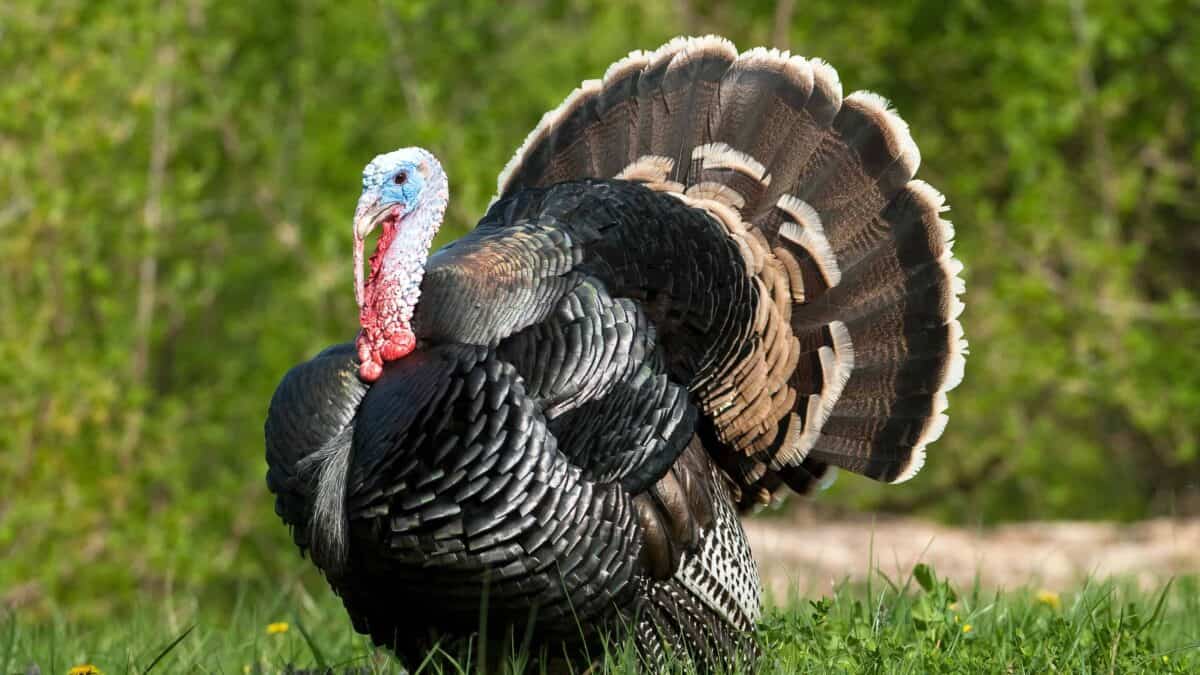
Fall heralds a dramatic shift in wild turkey behavior across Vermont and New Hampshire as summer family groups merge into larger flocks, sometimes numbering 30 birds or more. These impressive gatherings, dominated by the iridescent feathers of adult males (toms) and females (hens) accompanied by nearly grown young born that spring, become much more visible as they forage in harvested agricultural fields, forest edges, and even suburban areas. The restoration of wild turkeys represents one of the Northeast’s great conservation success stories, with populations now exceeding 45,000 in Vermont and 40,000 in New Hampshire after being completely extirpated in the 19th century.
Turkey behavior in autumn centers around intensive feeding to build fat reserves for winter. Their diet shifts seasonally to focus on fallen acorns, beechnuts, and other mast crops that litter the forest floor. Wildlife biologists note that turkeys can consume up to 200 acorns in a single feeding session. Dawn excursions along rural roads in agricultural regions like Vermont’s Champlain Valley or New Hampshire’s Connecticut River Valley frequently yield sightings of these impressive birds. Unlike spring when males display and vocalize frequently, fall turkeys communicate primarily through soft “putts” and “purrs” as they coordinate group movements, making patient observation necessary for the full experience of these intelligent, social birds.
Monarch Butterflies
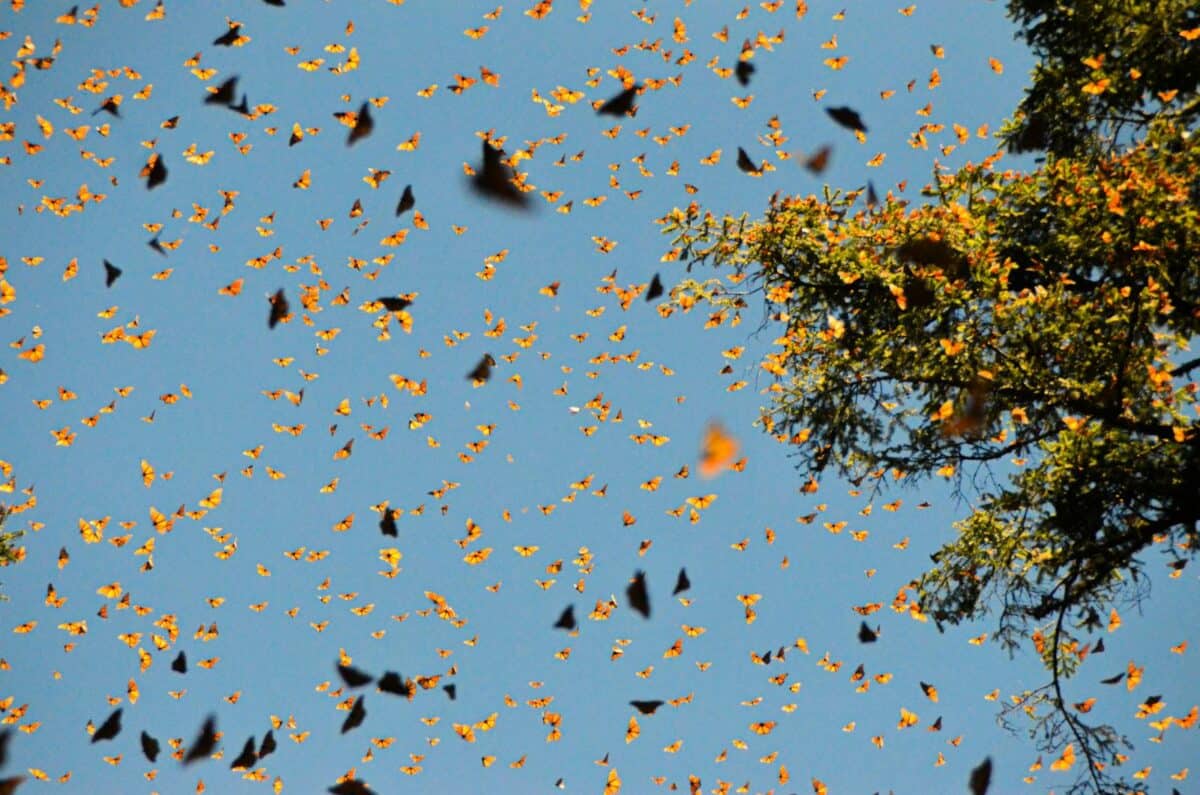
Each fall, the iconic orange and black wings of monarch butterflies grace the meadows and gardens of Vermont and New Hampshire during their remarkable multi-generational migration to Mexico. September marks the peak of this southern journey as the season’s final generation, which lives 8-9 months compared to the summer generations’ 2-5 week lifespan, navigates up to 3,000 miles to overwintering grounds. This “super generation” of monarchs hatched in late summer feeds voraciously on nectar-rich fall flowers like goldenrod, asters, and Joe-Pye weed to build fat reserves for their epic journey.
Conservation efforts have intensified in both states as monarch populations have declined by approximately 80% over the past two decades due to habitat loss, pesticide use, and climate change. The Vermont Center for Ecostudies coordinates annual monitoring efforts, while New Hampshire’s Monarch Watch tagging programs allow citizen scientists to contribute to migration research. Visitors can witness this spectacular phenomenon at protected areas like Dead Creek Wildlife Management Area in Addison, Vermont, and the fields surrounding Lake Umbagog National Wildlife Refuge in Errol, New Hampshire. These locations often host “roosts” where dozens or even hundreds of monarchs gather on single trees during September evenings before continuing their journey southward.
Beavers Building Winter Lodges

Autumn triggers a flurry of activity for Vermont and New Hampshire’s beaver populations as these industrious rodents race to prepare their aquatic homes for winter. September through November represents their most visible and audible period as families work collectively to repair dams, strengthen lodges, and stockpile underwater food caches. The distinctive sound of beavers slapping their broad tails on water surfaces—a warning signal to family members—echoes across ponds and wetlands during fall evenings, while the rhythmic gnawing of their powerful incisors on trees creates a unique forest soundtrack.
Beaver engineering reaches its peak in fall, with individuals capable of felling trees over 12 inches in diameter and transporting branches hundreds of feet to construction sites. Their dam-building activities create essential wetland habitats that support an estimated 85 other wildlife species in northern New England. Prime viewing locations include the Missisquoi National Wildlife Refuge in northwestern Vermont and the Pondicherry Wildlife Refuge in Jefferson, New Hampshire, where multiple beaver colonies maintain extensive wetland systems. Wildlife officials recommend dusk viewing from a respectful distance, noting that a typical beaver colony of 6-8 individuals may harvest up to a ton of vegetation during fall preparation for winter.
Porcupines Foraging
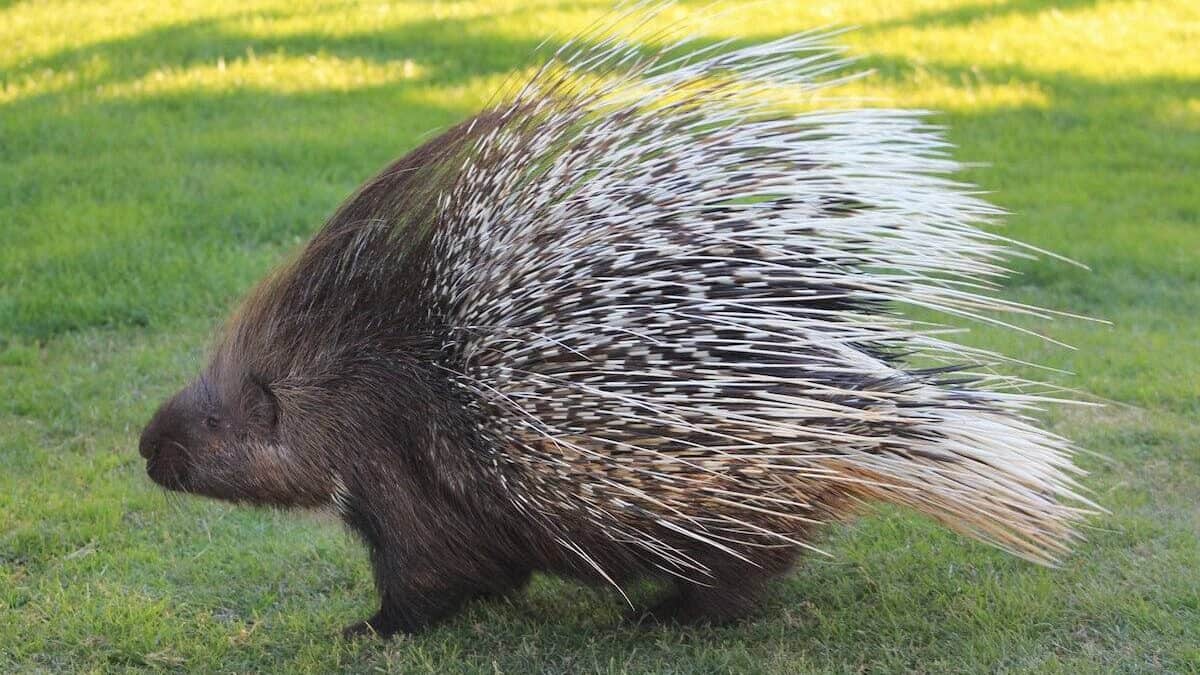
Fall represents a critical transition period for North American porcupines in Vermont and New Hampshire as they shift from summer’s leafy diet to winter’s more sparse bark-based nutrition. These distinctive rodents, the second-largest in North America after beavers, become increasingly visible in September and October as they intensify their foraging activities. Porcupines develop a thick layer of fat during autumn that can comprise up to 60% of their body weight—crucial insulation for surviving harsh northern winters when they spend up to 70% of their time in tree dens conserving energy.
Hikers and woodland explorers often encounter porcupines in mixed hardwood-conifer forests throughout both states, particularly in the Green Mountains of Vermont and White Mountains of New Hampshire. Their preference for hemlock, white pine, and sugar maple makes these forest types prime observation areas. Unlike many woodland creatures, porcupines are relatively slow-moving and unafraid of humans, allowing for exceptional viewing opportunities. Their feeding evidence becomes particularly apparent in fall—look for distinctive diagonal tooth marks on tree trunks and branches, or “nip twigs” (small branches cut cleanly and dropped to the ground after the porcupine eats the nutrient-rich bark). Evening walks with flashlights often reveal their silhouettes in treetops where they feed on remaining leaves and tender bark.
Red Foxes Preparing Winter Dens

Autumn brings heightened visibility of red foxes across Vermont and New Hampshire as these adaptable canids prepare for winter. Their striking russet coats contrast beautifully with fall’s golden landscapes as they begin growing their thick winter fur, which can be up to 70% denser than their summer pelage. September and October mark a transition in fox behavior as family groups that remained together through summer begin to disperse, with juvenile foxes searching for territories of their own and adults renovating or establishing winter dens.
Wildlife biologists note that fall fox activity centers around caching food and improving den sites, often by expanding abandoned woodchuck burrows or natural cavities beneath rocks or fallen trees. Their omnivorous diet shifts seasonally to capitalize on autumn’s abundance—from fallen fruits and ripening berries to field mice preparing their own winter nests. Dawn and dusk provide optimal viewing opportunities in edge habitats where forests meet fields, particularly in agricultural areas like Vermont’s Northeast Kingdom and New Hampshire’s Monadnock Region. A red fox’s distinctive white-tipped tail and black “stockings” on their legs make identification unmistakable, even in brief sightings. Their adaptability to human landscapes means suburban areas with natural corridors also offer frequent sighting opportunities throughout both states.
Eastern Newts in Red Eft Stage
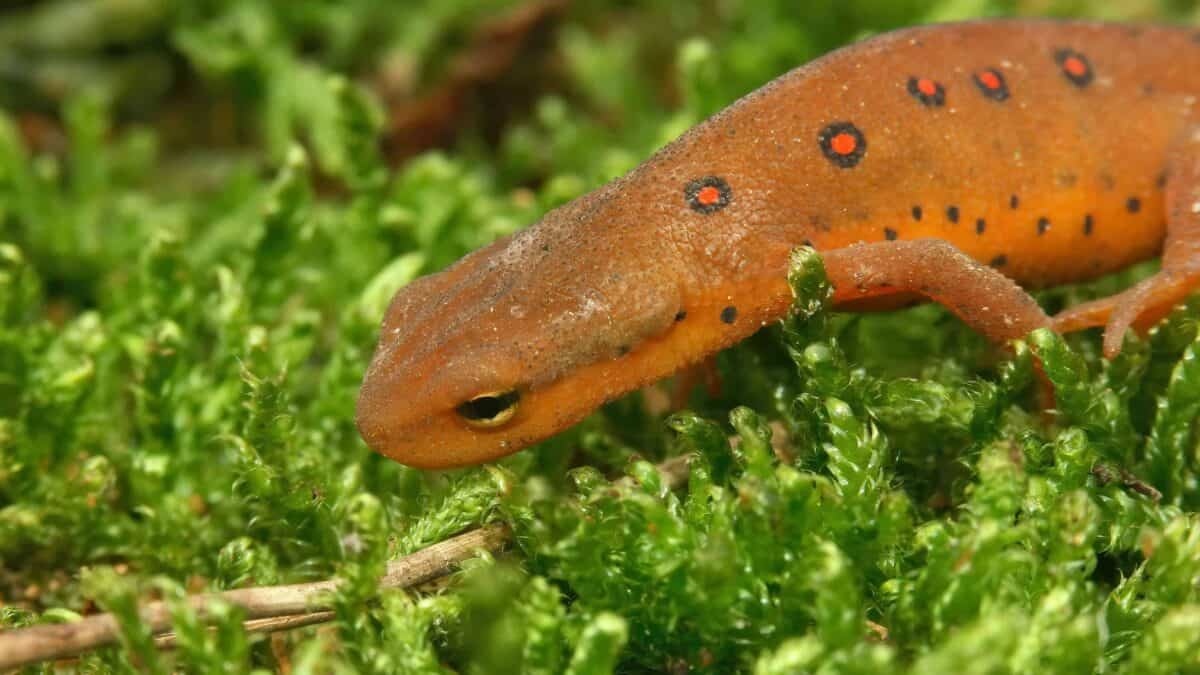
Autumn rains in Vermont and New Hampshire forests often reveal one of the region’s most vibrant amphibians—the Eastern newt in its terrestrial “red eft” juvenile stage. These small salamanders, reaching only 3-5 inches in length, display a brilliant orange-red coloration with distinctive red spots rimmed with black. This striking appearance serves as aposematic (warning) coloration, advertising the toxic secretions from their skin that deter most predators. Fall represents a period of increased activity for red efts as they navigate forest floors, often traveling considerable distances before the winter freeze.
The complex life cycle of Eastern newts makes their fall appearance particularly noteworthy. After hatching as aquatic larvae and developing for several months in ponds or small lakes, they metamorphose into the terrestrial red eft stage, which can last 2-7 years before they return to water as olive-green adults. Hikers along moist woodland trails after rainfall in places like Vermont’s Groton State Forest or New Hampshire’s Bear Brook State Park often encounter these charismatic amphibians crossing paths or foraging among leaf litter. Naturalists note that a single acre of suitable forest habitat can support hundreds of red efts, though their populations face increasing challenges from habitat fragmentation, climate change, and emerging amphibian diseases. The Vermont Reptile and Amphibian Atlas project encourages visitors to document sightings through their citizen science initiatives, contributing valuable data to conservation efforts.
Enjoying Fall Wildlife Safely and Responsibly
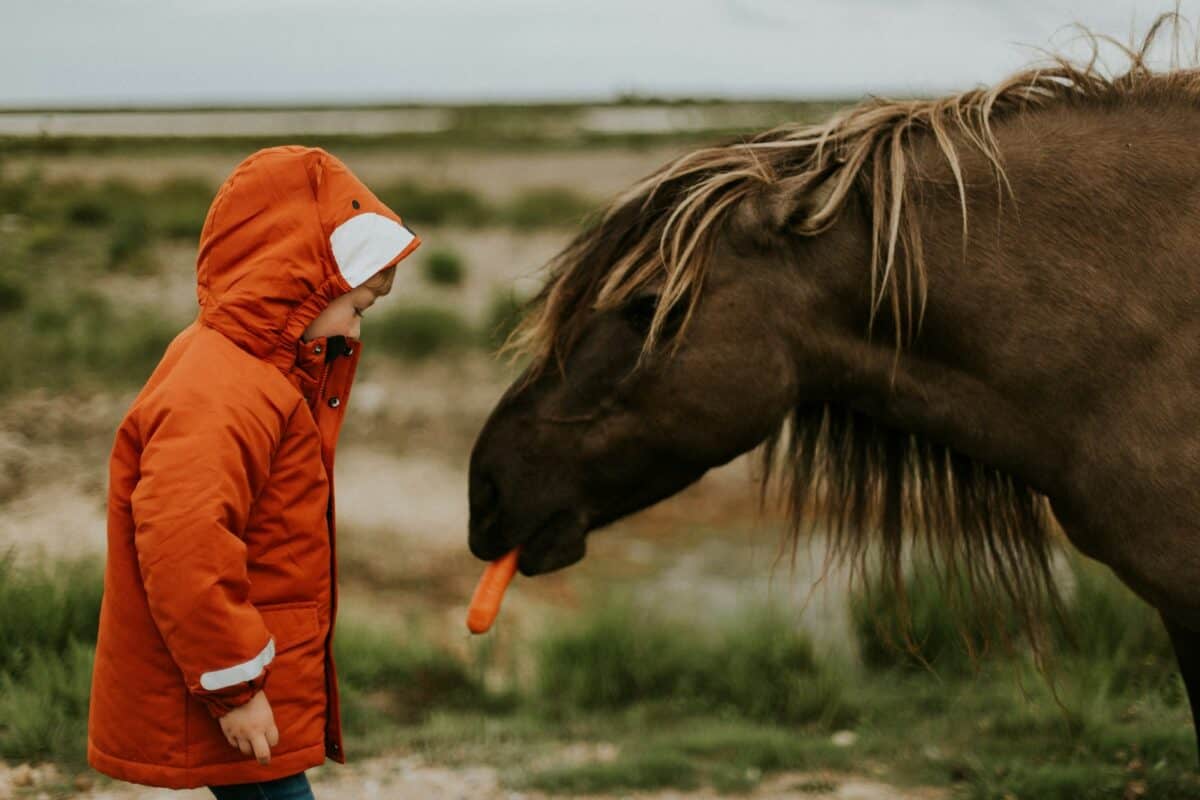
As visitors and residents explore Vermont and New Hampshire’s spectacular autumn landscapes in search of wildlife, responsible observation practices become essential for both human safety and animal welfare. Fall represents a critical preparation period for many species before winter’s challenges, making minimal disturbance paramount. Wildlife officials from both states recommend maintaining minimum viewing distances—100 yards from bears and moose, 50 yards from deer and other large mammals—and using binoculars or spotting scopes rather than approaching animals directly. This is particularly important during fall when many species are focused on crucial feeding or breeding activities.
Responsible wildlife observation extends to habitat conservation as well. Staying on established trails prevents damage to sensitive understory vegetation where many small mammals and amphibians make their homes. Both Vermont and New Hampshire have established wildlife viewing ethics guidelines that emphasize leaving no trace, avoiding wildlife feeding, controlling pets, and respecting private property. Participating in citizen science programs like eBird, the North American Butterfly Association counts, or state-sponsored monitoring initiatives allows wildlife enthusiasts to contribute meaningful data while enjoying fall’s abundance. By practicing these responsible approaches, observers can help ensure that the rich tapestry of autumn wildlife continues to thrive throughout the spectacular forests, fields, and wetlands of these beautiful New England states.

- Why You Shouldn’t Chase Butterflies With Nets - July 22, 2026
- The Animal Kingdom’s Best Dads Ranked - July 22, 2026
- The Most Vulnerable Fish Species in U.S. Rivers Today - July 22, 2026