
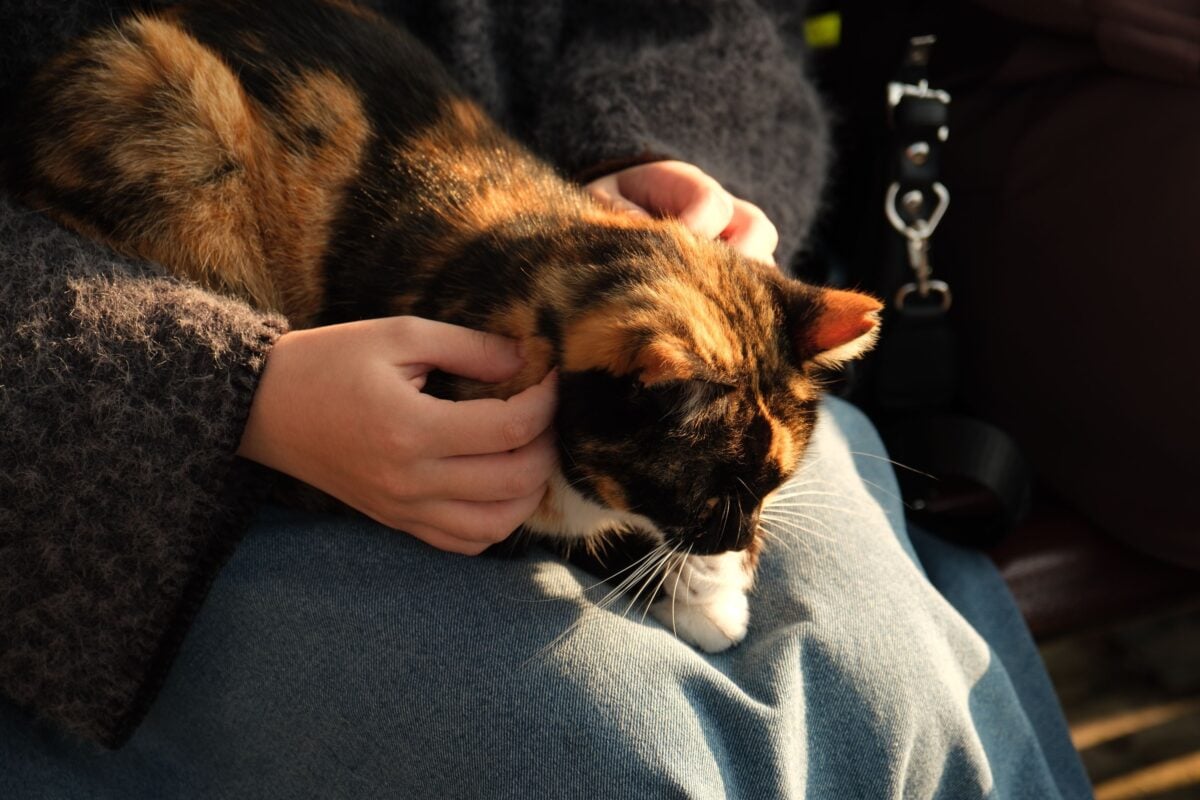
Your cat is probably watching your face more than you realize. It may not look like it, since cats are experts at appearing bored. Still, a small body of research suggests those half-lidded stares might be taking in quite a lot.
One study in particular asked a simple question: does a cat treat you differently when you smile? The answer is more interesting than a plain yes or no, and it says something about how cats make sense of the people they live with.
What the Research Actually Found
🔥 Would you like to save this?
We'll email this post to you, so you can come back to it later!
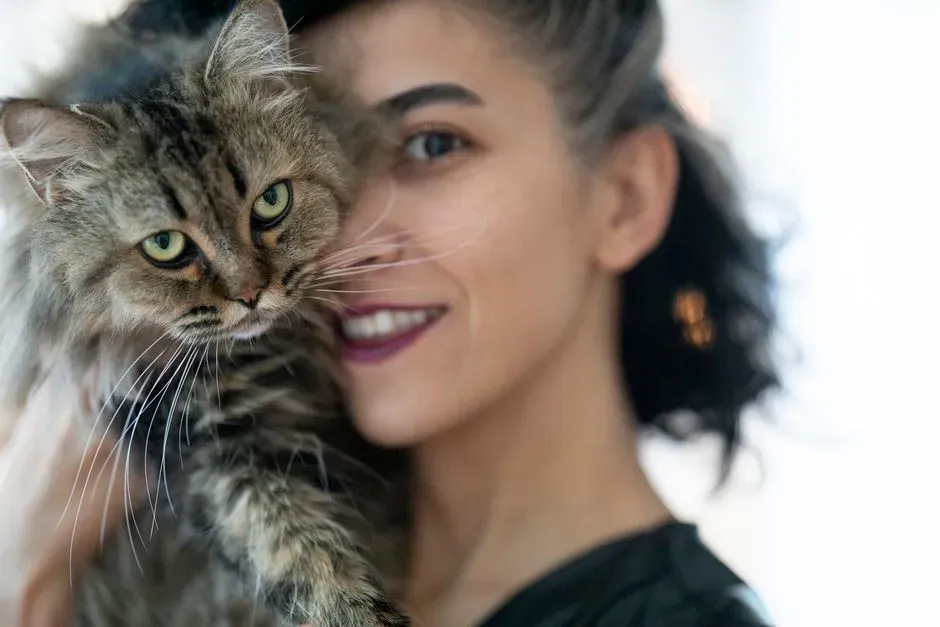
The work that sparked this idea was published in the journal Animal Cognition. It involved 12 cats and their owners, and it showed that felines behave differently depending on whether their owners are smiling or frowning. That’s a small sample, so it’s best read as an intriguing signal rather than a final verdict.
The setup was straightforward. Owners displayed happy or angry expressions and postures, and researchers watched how the cats reacted. The cats showed a modest difference in behavior between the two conditions. Modest is the key word, and it’s worth keeping in mind as we go.
Purring, Rubbing and Lap Time
🔥 Would you like to save this?
We'll email this post to you, so you can come back to it later!
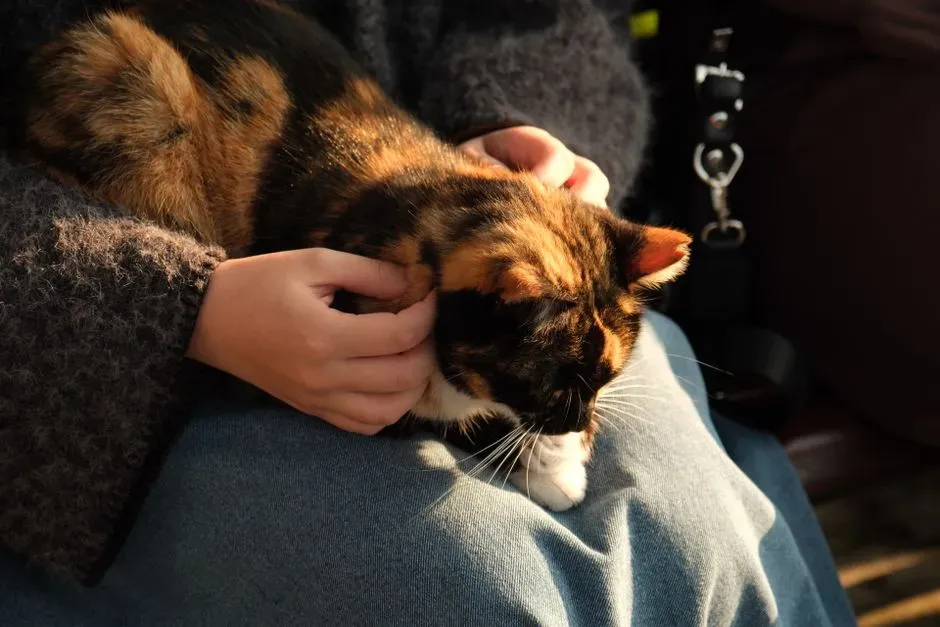
So what did a happier reaction look like? Cats showed more frequent positive behaviors, such as purring, rubbing, or sitting on the owner’s lap, and spent more time with the owner when the owner was smiling. These are the familiar signs of a relaxed, friendly cat.
Frowns seemed to push things the other way. When owners pretended to be angry, the cats didn’t hand out as much affection. Nothing dramatic happened, just a quieter, less cuddly cat.
Approaching Isn’t the Same as Warming Up
🔥 Would you like to save this?
We'll email this post to you, so you can come back to it later!
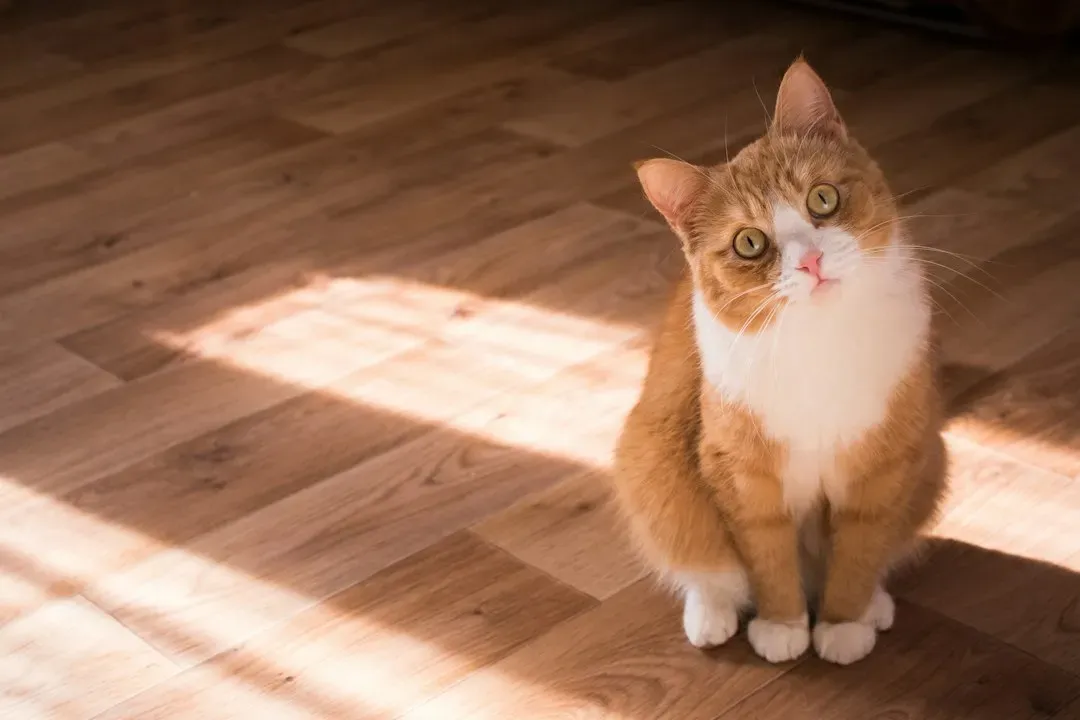
Here’s a detail that’s easy to miss. Cats were just as likely to approach their owners whether the expressions were positive or negative. The difference showed up in what they did after arriving.
That suggests a cat’s curiosity and its affection run on different tracks. A grumpy face doesn’t keep your cat away, but a smiling one seems to make the visit friendlier. Anyone who has watched a cat investigate a tense room and then walk right back out will probably find that familiar.

Professional 7 in 1 Dog Paw Cleaner for Dogs & Cats - Includes 1 Portable Paw Washer, 1 Bath Brush
Check Price on AmazonAs an Amazon Associate, we earn from qualifying purchases.
10/7/2026 1:26 pm GMTi

Smart Bird Feeder with Camera Solar Powered, 2K HD Live Video, 10,000+ Bird Species AI Identification
Check Price on AmazonAs an Amazon Associate, we earn from qualifying purchases.
10/7/2026 1:22 pm GMTi

Air Purifiers for Home Pets Large Room Up to 3000 Ft²,HEPA Air Cleaner with Washable Double-Side Filter, PM2.5 Air Quality Monitor,15dB Sleep Mode for Bedroom Odor Dust Pollen,White
Check Price on AmazonAs an Amazon Associate, we earn from qualifying purchases.
10/8/2026 8:23 am GMTi

Halloween Cat Costume Cloak Witch Hat Pet Accessories
Check Price on AmazonAs an Amazon Associate, we earn from qualifying purchases.
10/9/2026 2:44 pm GMTi

Earth Rated XL Dog & Puppy Pee Pads, Discreet Top, Max Absorbency
Check Price on AmazonAs an Amazon Associate, we earn from qualifying purchases.
10/7/2026 1:28 pm GMTi
Why Strangers Didn’t Get the Same Treatment
🔥 Would you like to save this?
We'll email this post to you, so you can come back to it later!
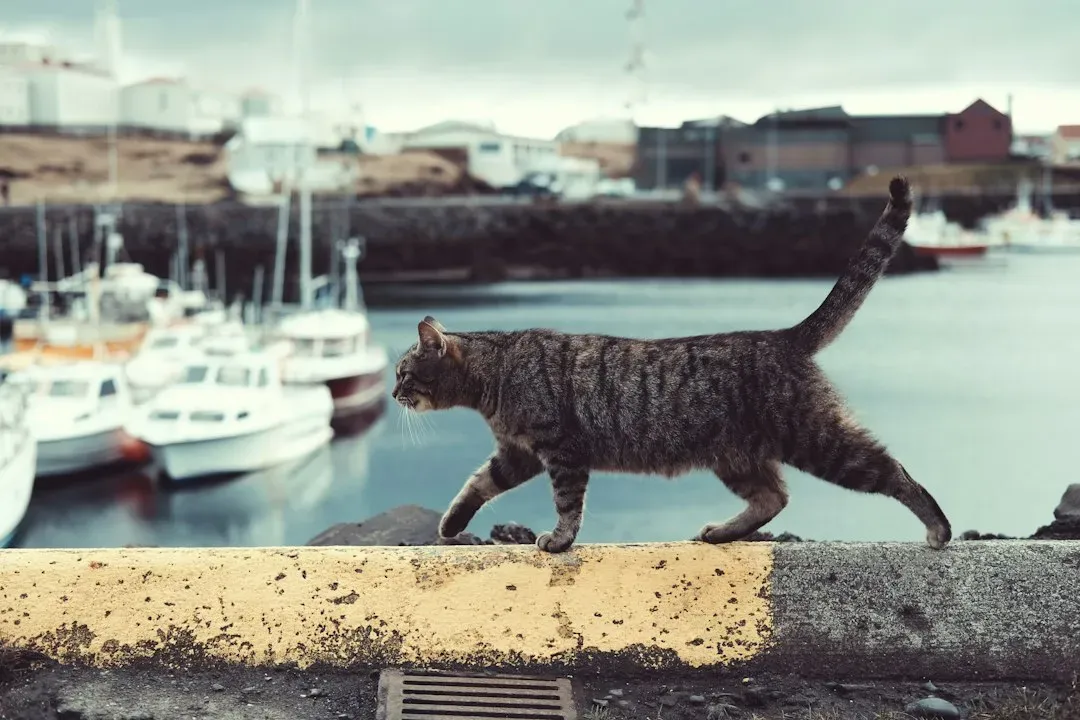
The cats didn’t sort strangers’ expressions the same way. There was no difference in the cats’ behavior when strangers showed different emotional states. In other words, a smile from someone unfamiliar didn’t change much.
Researchers aren’t sure why. One idea is that cats need time to learn what these expressions and postures mean on their own pet parents. That fits a broader picture of cats as careful observers of the specific people in their lives, not of humans in general.
Empathy or Association?
🔥 Would you like to save this?
We'll email this post to you, so you can come back to it later!
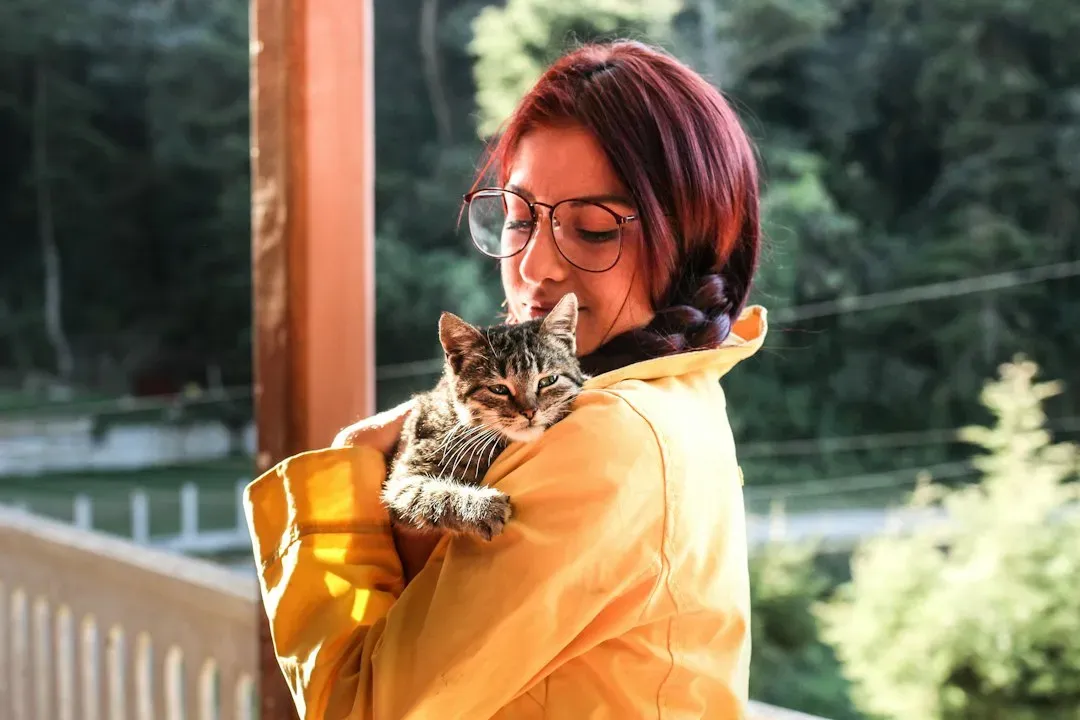
It’s tempting to say your cat feels your joy. The researchers were cautious about that. They noted the findings don’t mean cats feel empathy, and that cats more likely learned to link their owners’ smiles with rewards and positive attention.
Honestly, that explanation is still pretty charming. If a cat regularly sees a smiling owner offer food, playtime, or cuddles, it may begin to link that smile with a good outcome. Smiles tend to show up right before good things, and cats are sharp enough to notice the pattern.

Halloween Dog Collar with Bow, Orange Cute Ghost Collar,
Check Price on AmazonAs an Amazon Associate, we earn from qualifying purchases.
10/9/2026 2:43 pm GMTi

PetSafe Oasys Pet Fountain, 1/2 Gallon (64 oz), Small Dogs & Cats
Check Price on AmazonAs an Amazon Associate, we earn from qualifying purchases.
10/8/2026 8:14 am GMTi

Portable Dog Water Bottle Foldable Dog Travel Water Bottle
Check Price on AmazonAs an Amazon Associate, we earn from qualifying purchases.
10/7/2026 1:29 pm GMTi

Glass Hummingbird Feeder for Outdoors Hanging
Check Price on AmazonAs an Amazon Associate, we earn from qualifying purchases.
10/7/2026 1:21 pm GMTi

Orthopedic Extra Large Dog Bed, Waterproof Washable XL Pet Bed 44"
Check Price on AmazonAs an Amazon Associate, we earn from qualifying purchases.
10/7/2026 1:32 pm GMTi
What This Means for Everyday Life With Your Cat
🔥 Would you like to save this?
We'll email this post to you, so you can come back to it later!
Cats read more than faces. An earlier study covered by NPR found that cats may take social cues from their owners, using emotional information from them when facing an unfamiliar object. Cats in the negative owner group were significantly more likely to alternate their gaze between the screen and the fan than cats in the positive group. Your mood can quietly shape how your cat handles new things.
There’s also the slow blink. Research from the University of Sussex found that humans who slow blink and narrow their eyes appear friendlier to cats. A relaxed face, a soft smile and a slow blink are a pretty easy way to say hello. Individual cats vary, of course, and a shy one may take longer to respond.

Dog Stairs for Bed 18" H, 4-Step Dog Steps for High Bed
Check Price on AmazonAs an Amazon Associate, we earn from qualifying purchases.
10/9/2026 2:42 pm GMTi

Glass Hummingbird Feeder for Outdoors Hanging, 16 oz Leak-Proof Nectar Feeder with Bee Guards & Ant Moat
Check Price on AmazonAs an Amazon Associate, we earn from qualifying purchases.
10/7/2026 1:22 pm GMTi

2 Pcs Halloween Pet Hat Bandana Set, Witch Pumpkin Costumes for Dogs
Check Price on AmazonAs an Amazon Associate, we earn from qualifying purchases.
10/9/2026 2:45 pm GMTi

Hand Blown Glass Hummingbird Feeders for Outdoors Hanging, 24oz Wild Bird Nectar Feeder
Check Price on AmazonAs an Amazon Associate, we earn from qualifying purchases.
10/7/2026 1:23 pm GMTi
Final Thoughts
🔥 Would you like to save this?
We'll email this post to you, so you can come back to it later!
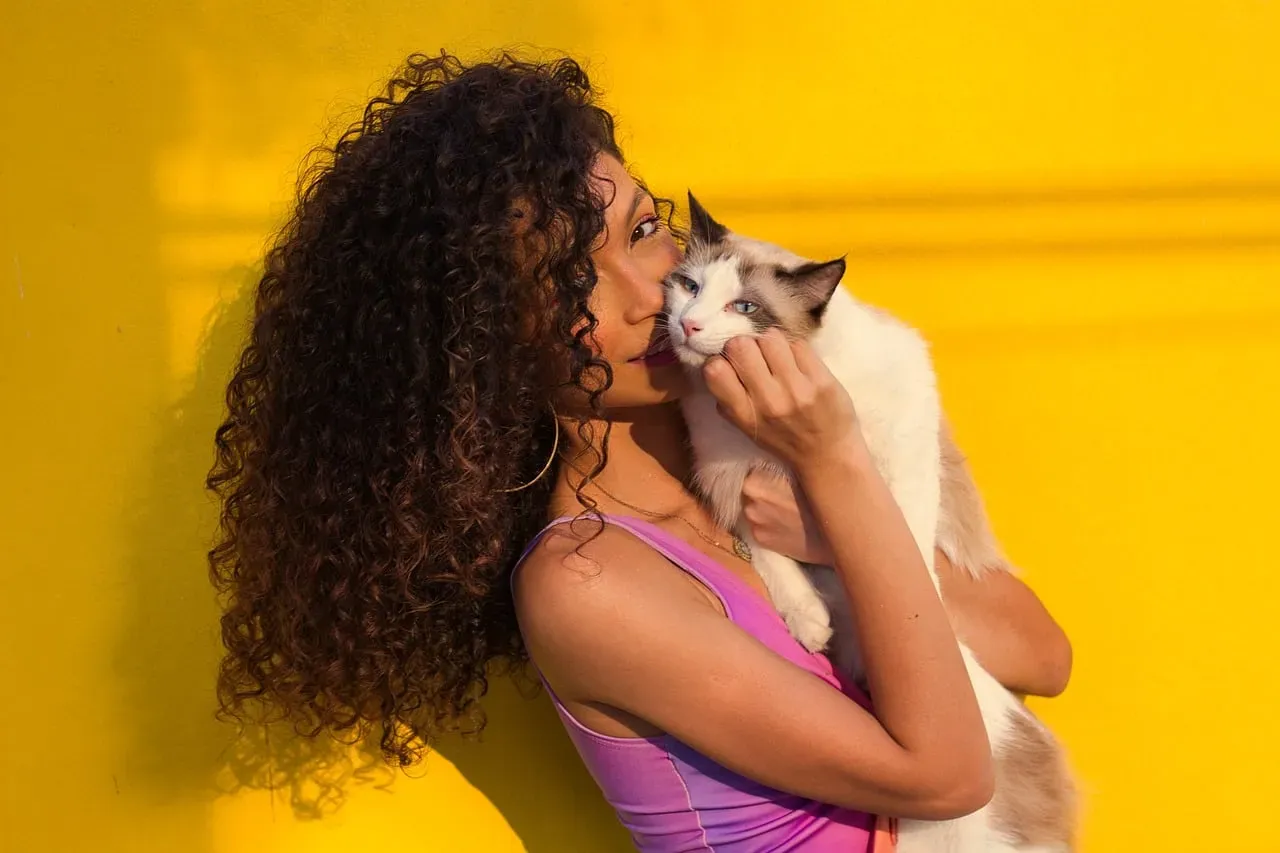
I’d say the real lesson isn’t that cats are secretly mirroring our feelings. It’s that they’re paying closer attention to us than their reputation suggests, and they’re willing to reward good moods. The evidence is small and the effects are modest, so nobody should oversell it.
Still, it costs nothing to smile at your cat. If a purr and a bump of the head come back, that’s a fair trade. I’d happily take the hint that the aloof housemate has been keeping an eye on me all along.

- Feline Psychology Says Cats Behave More Positively Toward Their Owners When Their Owners Are Smiling - November 7, 2026
- What It Means When a Mourning Dove Visits Your Yard According to Old American Folklore - November 7, 2026
- Ornithology Says Many Birds See Ultraviolet Colors – Feathers That Look Plain to Us Can Be Brightly Patterned to Them - November 7, 2026