
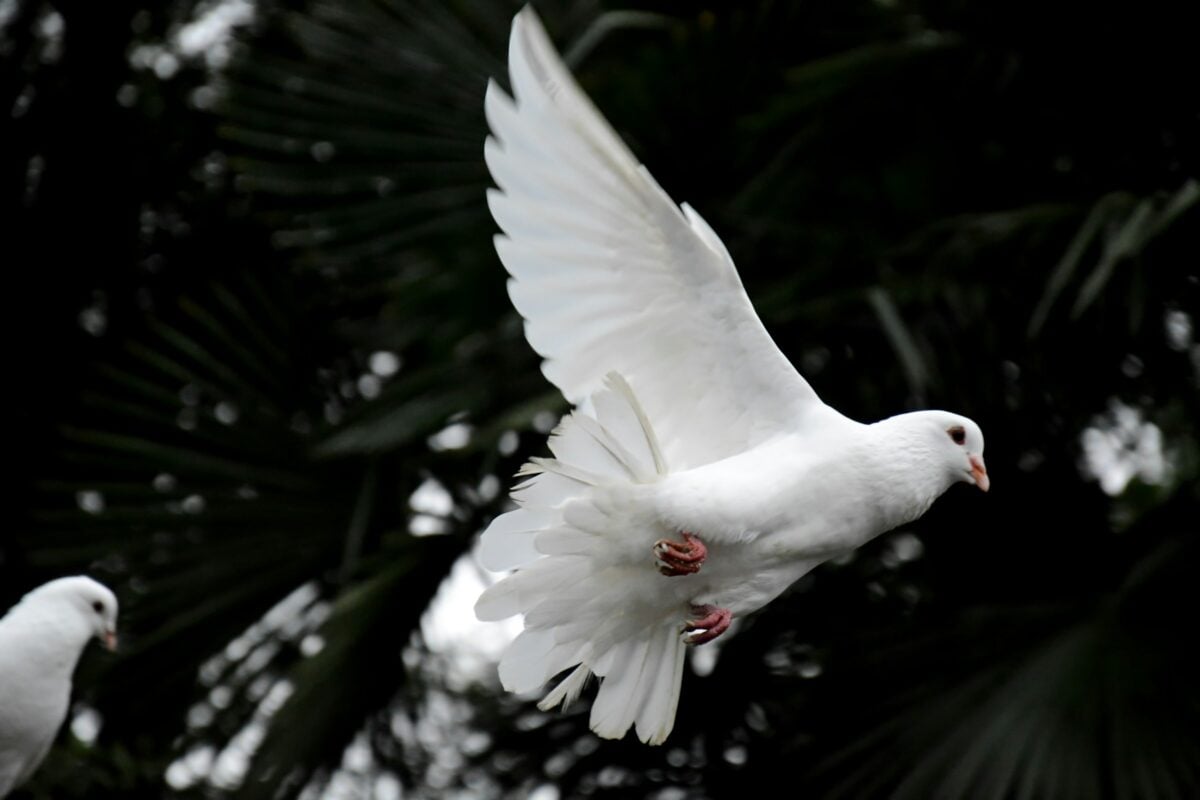
You hear it before you see it. A low, soft cooing drifts across the yard at dawn, and for a moment the whole morning seems to slow down. Plenty of people have stopped mid-chore to wonder what that bird is doing there, and whether it’s trying to tell them something.
The mourning dove is one of the most common birds in North America, which makes its reputation for meaning something all the more interesting. Over generations, American households have attached a surprising amount of symbolism to this quiet visitor. Some of it is tender, some of it is sorrowful, and a good deal of it is hard to trace to a single source.
A Name That Carries Its Own Story
🔥 Would you like to save this?
We'll email this post to you, so you can come back to it later!
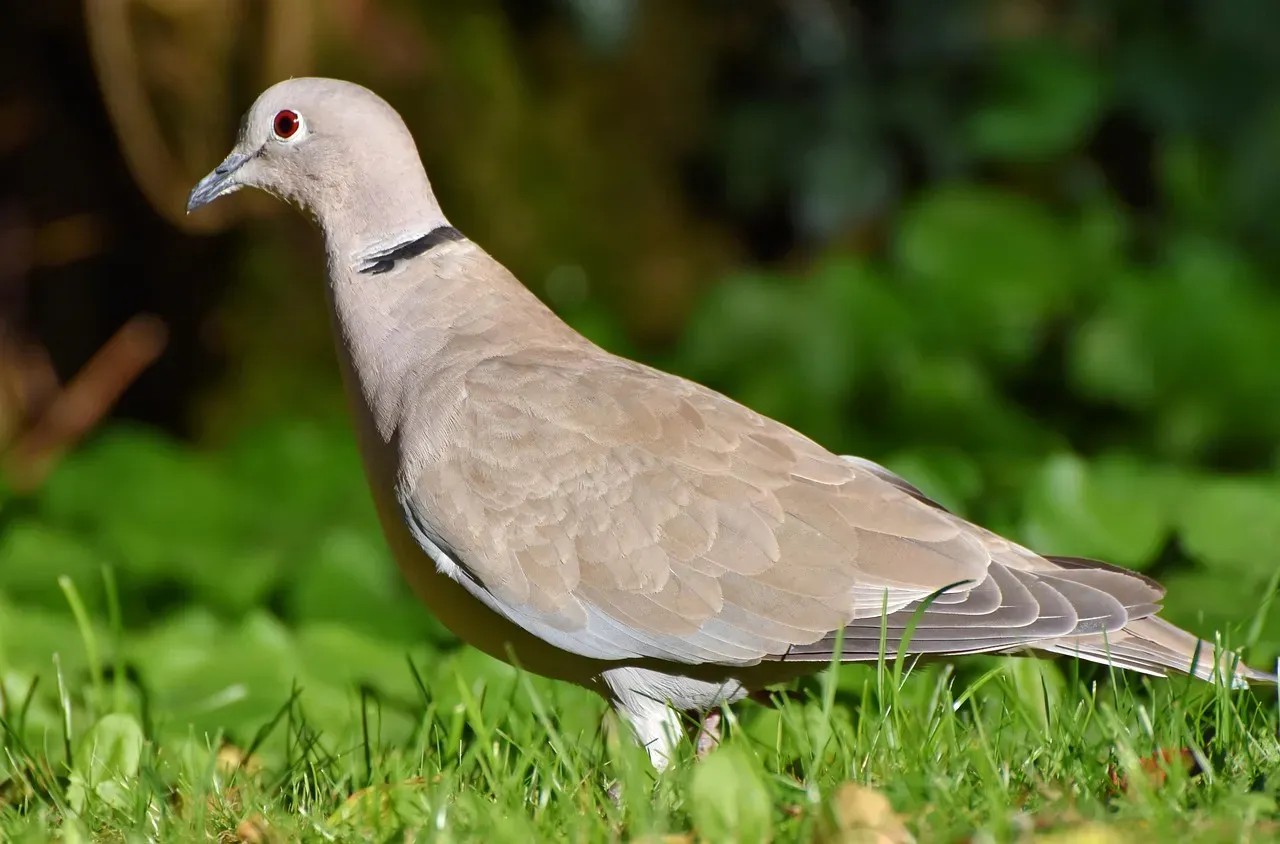
The “mourning” in the name comes from the bird’s call, a long, mellow, falling coo that many listeners hear as lamenting. Early observers took that sound as grief, and the name stuck. It’s a good reminder that much of the folklore began with simple human listening, not with any special knowledge of the bird.
That sound also explains why the dove so often gets linked with loss. Folk belief tends to grow from whatever a creature sounds or looks like, and a gentle, sad-sounding bird at the window is easy to read as a messenger. Keep in mind that most of these beliefs were passed along by word of mouth, so versions vary by region and family.
The Dove as a Messenger From Departed Loved Ones
🔥 Would you like to save this?
We'll email this post to you, so you can come back to it later!
The most widespread modern belief is that a mourning dove appearing after a death is a visit from the person who has passed. Many families describe a dove lingering near a porch or window around a funeral or an anniversary and take comfort in it. This idea is more of a living tradition than a documented historical rule, so it’s best understood as a shared custom of consolation.
There’s real emotional logic to it. Doves often return to the same perches and feeding spots, so a bird that keeps showing up can feel personal. Whether you take it literally or simply as a gentle reminder, plenty of people find that the belief helps them sit with grief a little more easily.
Peace, Hope, and the Wider Dove Tradition
🔥 Would you like to save this?
We'll email this post to you, so you can come back to it later!
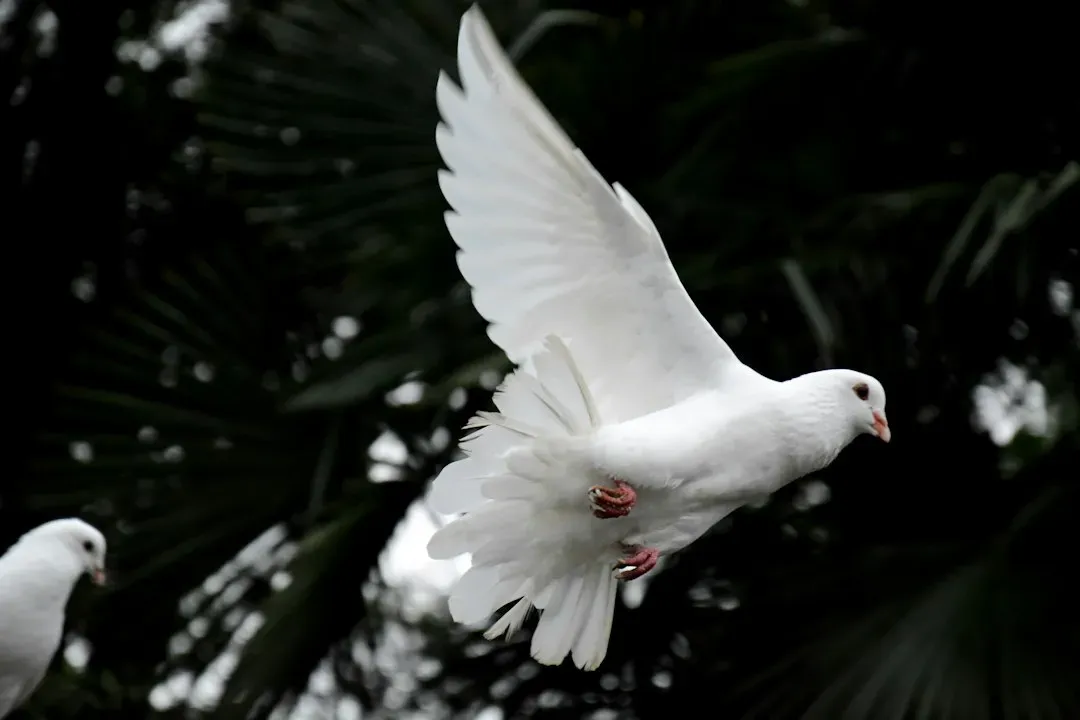
Long before American settlers arrived, doves in general stood for peace and gentleness across many cultures. In Western Christian tradition the dove is tied to the story of Noah’s flood, where a dove returns with an olive leaf, and to the idea of the Holy Spirit. Those older meanings traveled with immigrants and blended into everyday American thinking about the bird.
So a mourning dove in your yard can mean two things at once. It may carry the sadness of its name while also suggesting calm and renewal. That mix of sorrow and hope is probably why the bird has remained meaningful rather than fading into the background as just another backyard regular.

Hand Blown Glass Hummingbird Feeders for Outdoors Hanging, 24oz Wild Bird Nectar Feeder
Check Price on AmazonAs an Amazon Associate, we earn from qualifying purchases.
10/7/2026 1:23 pm GMTi

Smart Bird Feeder with Camera Solar Powered, 2K HD Live Video, 10,000+ Bird Species AI Identification
Check Price on AmazonAs an Amazon Associate, we earn from qualifying purchases.
10/7/2026 1:22 pm GMTi

PetSafe Oasys Pet Fountain, 1/2 Gallon (64 oz), Small Dogs & Cats
Check Price on AmazonAs an Amazon Associate, we earn from qualifying purchases.
10/8/2026 8:14 am GMTi

2 Pcs Halloween Pet Hat Bandana Set, Witch Pumpkin Costumes for Dogs
Check Price on AmazonAs an Amazon Associate, we earn from qualifying purchases.
10/9/2026 2:45 pm GMTi

Professional 7 in 1 Dog Paw Cleaner for Dogs & Cats - Includes 1 Portable Paw Washer, 1 Bath Brush
Check Price on AmazonAs an Amazon Associate, we earn from qualifying purchases.
10/7/2026 1:26 pm GMTi
Love, Pairing, and Faithful Companions
🔥 Would you like to save this?
We'll email this post to you, so you can come back to it later!
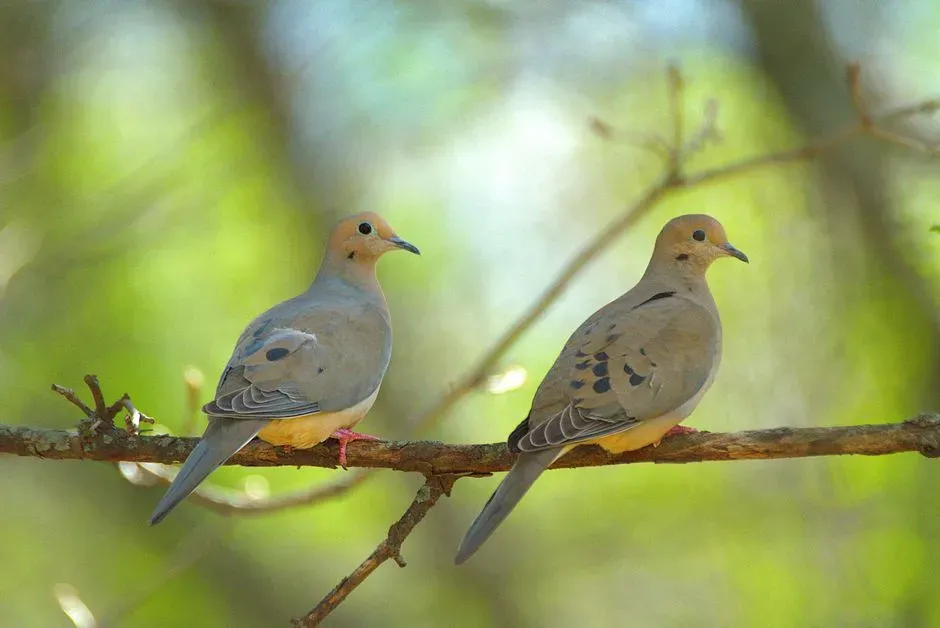
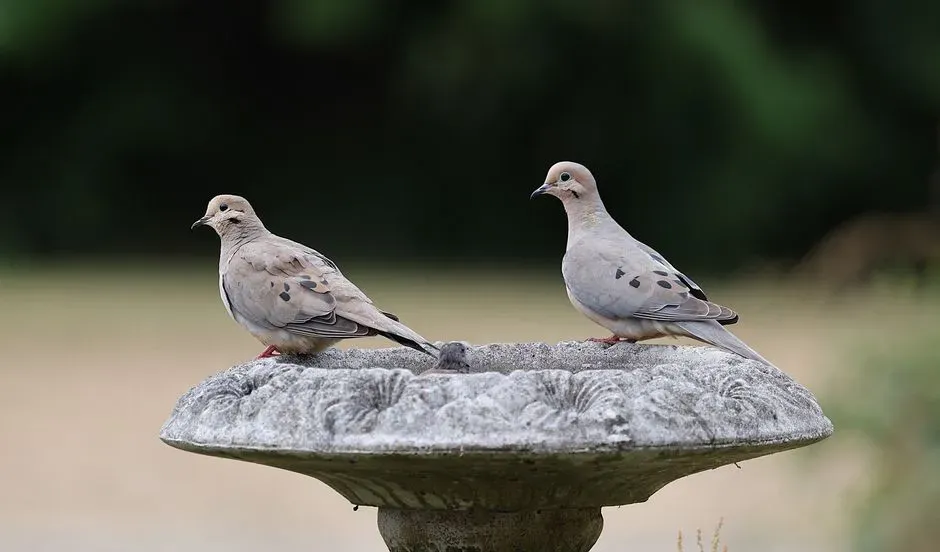
Mourning doves are often seen in pairs, and folklore has long treated paired doves as a sign of devotion and steady affection. Ornithologists note that the birds form strong pair bonds and commonly share nesting duties, which gives the romantic reading a real footing in observed behavior. Seeing two on a wire or a fence rail has become a casual symbol of loyalty at home.
Some people take a pair at the yard’s edge as a good omen for a marriage, a new household, or a family getting along. It’s a charming idea, though it’s folk sentiment rather than prediction. Still, there’s something nice about reading a calm, quiet partnership into a bird that does tend to stick close to its mate.
Native American Perspectives, Handled With Care
🔥 Would you like to save this?
We'll email this post to you, so you can come back to it later!
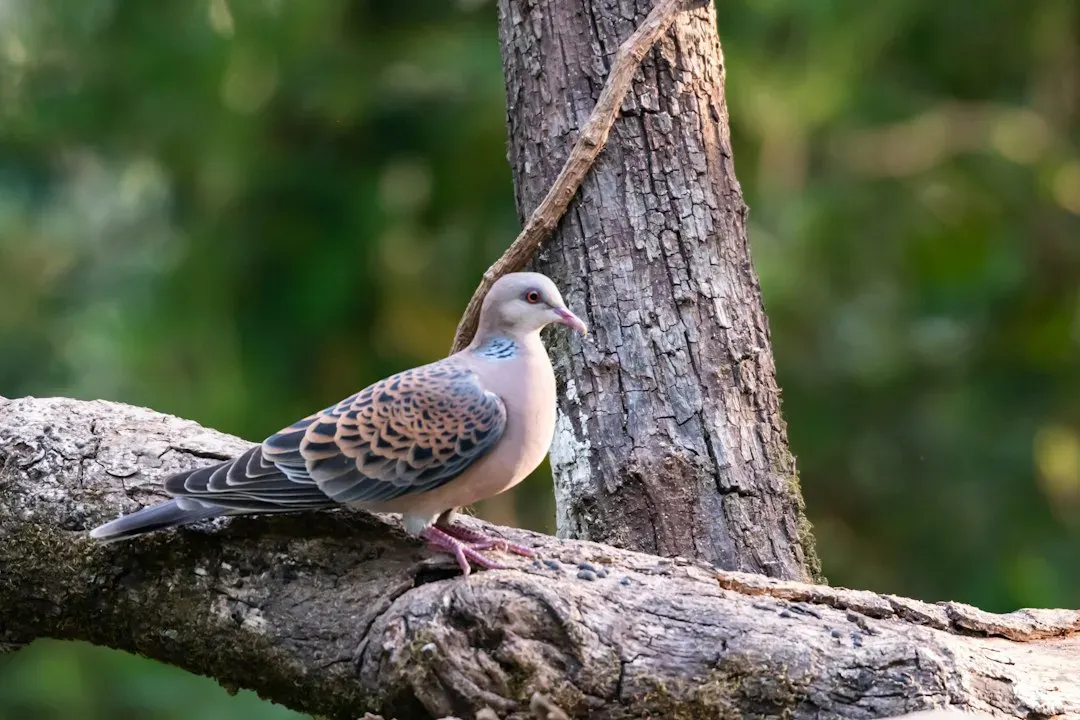
Doves appear in the traditions of various Native nations, but those traditions differ widely, and it would be a mistake to lump them into one meaning. Some stories link doves with peace or with the voice of the natural world, while others treat them differently, depending on the community. Because accounts are often generalized or repeated without clear sourcing online, it’s wise to be skeptical of tidy claims about what “Native Americans believed.”
If this part of the folklore interests you, look for material from tribal sources, cultural centers, or Native authors rather than generic symbolism lists. That approach respects the people whose stories these are, and it usually reveals more nuance than a one line meaning ever could. In short, treat sweeping statements with caution.

Earth Rated XL Dog & Puppy Pee Pads, Discreet Top, Max Absorbency
Check Price on AmazonAs an Amazon Associate, we earn from qualifying purchases.
10/7/2026 1:28 pm GMTi

Halloween Cat Costume Cloak Witch Hat Pet Accessories
Check Price on AmazonAs an Amazon Associate, we earn from qualifying purchases.
10/9/2026 2:44 pm GMTi

Glass Hummingbird Feeder for Outdoors Hanging
Check Price on AmazonAs an Amazon Associate, we earn from qualifying purchases.
10/7/2026 1:21 pm GMTi

Orthopedic Extra Large Dog Bed, Waterproof Washable XL Pet Bed 44"
Check Price on AmazonAs an Amazon Associate, we earn from qualifying purchases.
10/7/2026 1:32 pm GMTi

Glass Hummingbird Feeder for Outdoors Hanging, 16 oz Leak-Proof Nectar Feeder with Bee Guards & Ant Moat
Check Price on AmazonAs an Amazon Associate, we earn from qualifying purchases.
10/7/2026 1:22 pm GMTi
How to Read a Dove Visit Without Overreading It
🔥 Would you like to save this?
We'll email this post to you, so you can come back to it later!
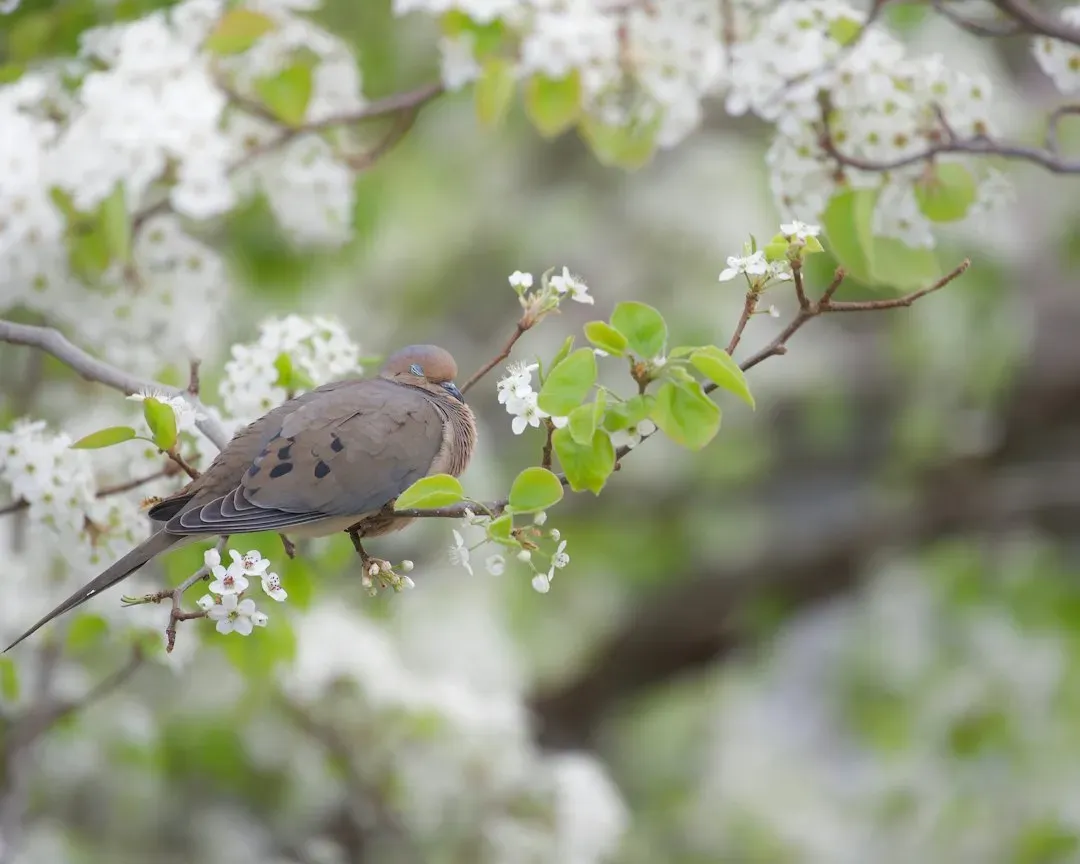
Here’s the grounded truth. Mourning doves are widespread, they feed on seeds on the ground, and they love open yards with a handy perch, so their visits are often just good habitat at work. A bird that nests in your evergreen or hangs around a feeder is usually following food and shelter.
That doesn’t make the folklore pointless. Meaning is something people bring to a moment, and a quiet bird at the right hour can prompt a pause, a memory, or a deep breath. If a dove helps you feel less alone, nothing about its ordinary biology takes that away.

Air Purifiers for Home Pets Large Room Up to 3000 Ft²,HEPA Air Cleaner with Washable Double-Side Filter, PM2.5 Air Quality Monitor,15dB Sleep Mode for Bedroom Odor Dust Pollen,White
Check Price on AmazonAs an Amazon Associate, we earn from qualifying purchases.
10/8/2026 8:23 am GMTi

Dog Stairs for Bed 18" H, 4-Step Dog Steps for High Bed
Check Price on AmazonAs an Amazon Associate, we earn from qualifying purchases.
10/9/2026 2:42 pm GMTi

Portable Dog Water Bottle Foldable Dog Travel Water Bottle
Check Price on AmazonAs an Amazon Associate, we earn from qualifying purchases.
10/7/2026 1:29 pm GMTi

Halloween Dog Collar with Bow, Orange Cute Ghost Collar,
Check Price on AmazonAs an Amazon Associate, we earn from qualifying purchases.
10/9/2026 2:43 pm GMTi
Final Thoughts
🔥 Would you like to save this?
We'll email this post to you, so you can come back to it later!
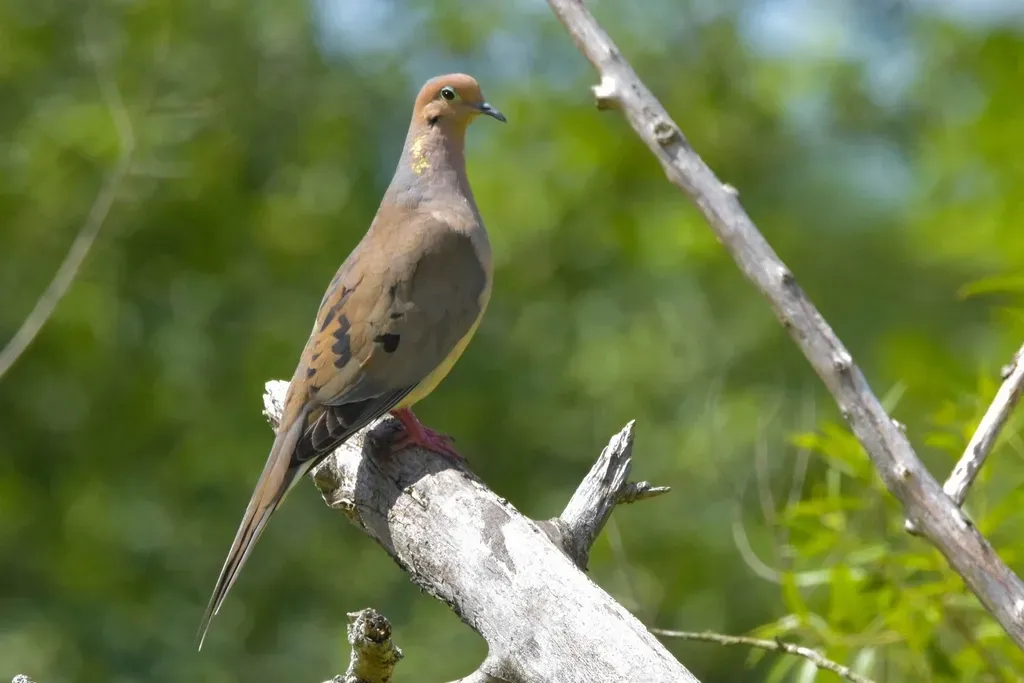
My own view is that the best reading of a mourning dove is the gentlest one. Nobody can prove the bird is a messenger, and nobody can disprove it, so you’re free to take what’s useful and leave the rest. I’d rather see people use the folklore as a nudge to notice the small, soft things in their yards than treat it as a rulebook for omens.
So the next time that low coo floats over the fence, stop for a moment and listen. Whether it stirs a memory or simply makes the morning kinder, that pause is worth having. A common bird doing an ordinary thing can still be a small gift.

- What It Means When a Mourning Dove Visits Your Yard According to Old American Folklore - November 7, 2026
- Ornithology Says Many Birds See Ultraviolet Colors – Feathers That Look Plain to Us Can Be Brightly Patterned to Them - November 7, 2026
- 8 States Where Sandhill Cranes Stop by the Thousands on Their Migration - November 7, 2026