
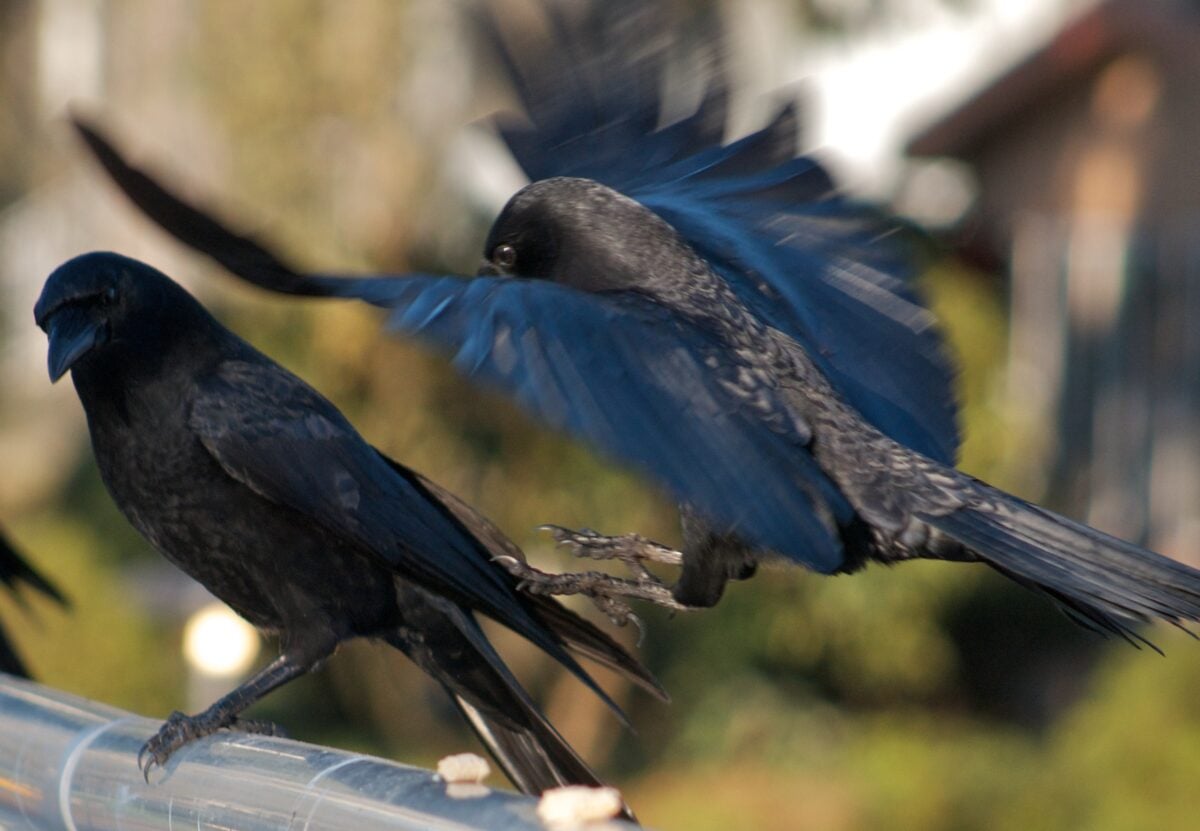
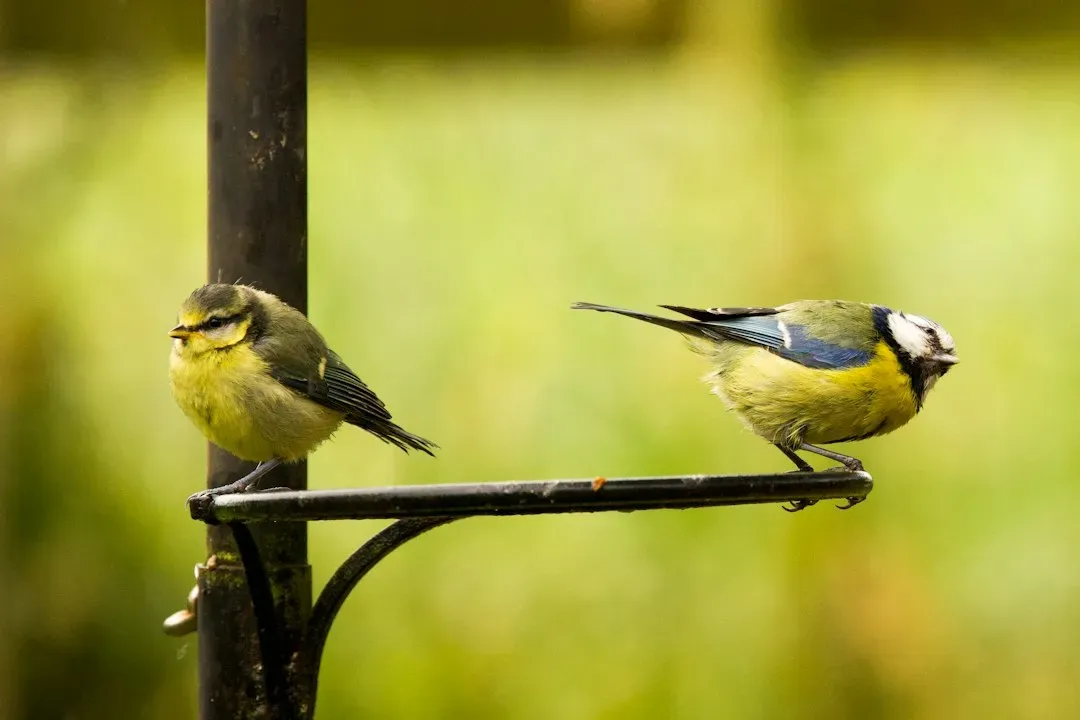
Look at a blue tit in your garden and you’ll see a neat little bird with a blue cap, yellow chest and white cheeks. Another blue tit sees something else entirely. The crown that looks blue to us carries an ultraviolet glow, a signal we can’t perceive at all.
That gap between what we see and what birds see has been studied for decades, and it keeps changing how researchers think about plumage. Some birds we call dull or identical turn out to be anything but. It raises a simple question: how much of the bird world have we been missing?
A Fourth Color Channel We Don’t Have
🔥 Would you like to save this?
We'll email this post to you, so you can come back to it later!
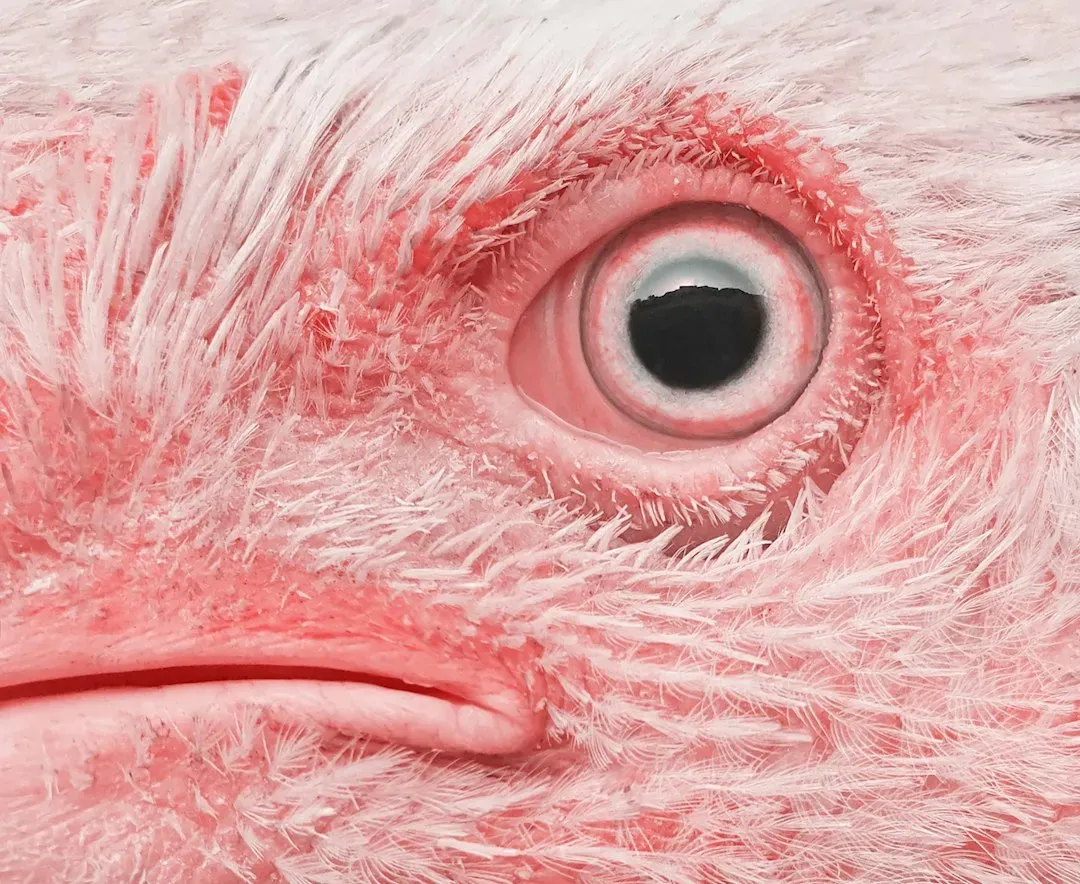
Humans have three types of cone cells in the retina, which handle color vision. Most birds have four. The extra cone type is sensitive to short wavelengths, and in many species it reaches into the ultraviolet range.
This isn’t a minor upgrade. Having a fourth cone type means a bird can tell apart colors that would look the same to us. Think of it as a fuller palette, not just one extra shade added to ours.
Two Ways Birds Tune Into Ultraviolet
🔥 Would you like to save this?
We'll email this post to you, so you can come back to it later!
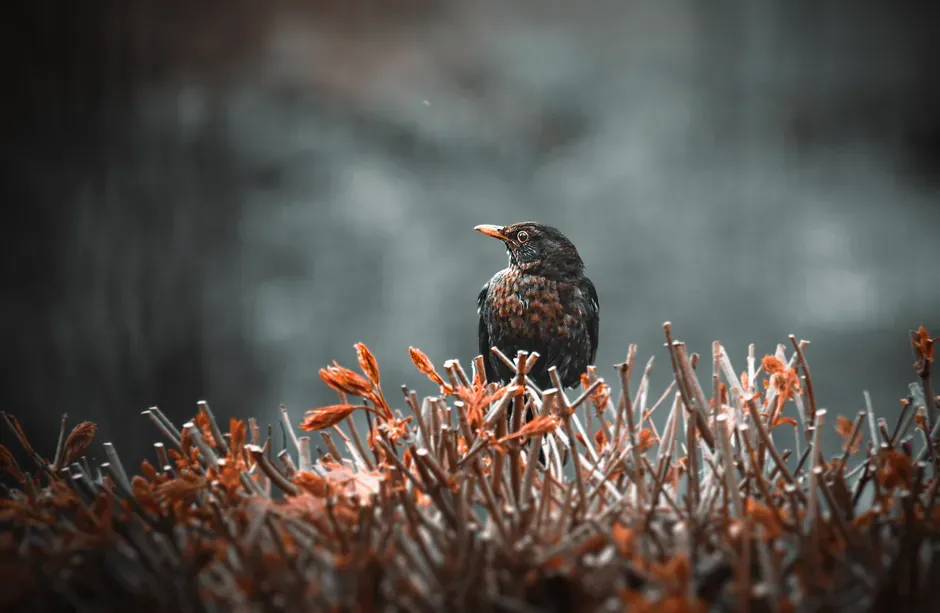
Research has described two broad kinds of bird vision. Some species have a visual pigment most sensitive to violet, while others have one that is most sensitive to ultraviolet. Many songbirds, parrots and some others fall in the ultraviolet sensitive group, though the details differ from species to species.
That variation matters. It means we can’t assume every bird sees the world the same way, and we shouldn’t picture one single bird’s eye view. Ornithologists usually measure the cone pigments of each species before making claims about what it perceives.

2 Pcs Halloween Pet Hat Bandana Set, Witch Pumpkin Costumes for Dogs
Check Price on AmazonAs an Amazon Associate, we earn from qualifying purchases.
10/9/2026 2:45 pm GMTi

PetSafe Oasys Pet Fountain, 1/2 Gallon (64 oz), Small Dogs & Cats
Check Price on AmazonAs an Amazon Associate, we earn from qualifying purchases.
10/8/2026 8:14 am GMTi

Halloween Dog Collar with Bow, Orange Cute Ghost Collar,
Check Price on AmazonAs an Amazon Associate, we earn from qualifying purchases.
10/9/2026 2:43 pm GMTi

Smart Bird Feeder with Camera Solar Powered, 2K HD Live Video, 10,000+ Bird Species AI Identification
Check Price on AmazonAs an Amazon Associate, we earn from qualifying purchases.
10/7/2026 1:22 pm GMTi

Air Purifiers for Home Pets Large Room Up to 3000 Ft²,HEPA Air Cleaner with Washable Double-Side Filter, PM2.5 Air Quality Monitor,15dB Sleep Mode for Bedroom Odor Dust Pollen,White
Check Price on AmazonAs an Amazon Associate, we earn from qualifying purchases.
10/8/2026 8:23 am GMTi
Feathers That Hide Patterns in Plain Sight
🔥 Would you like to save this?
We'll email this post to you, so you can come back to it later!
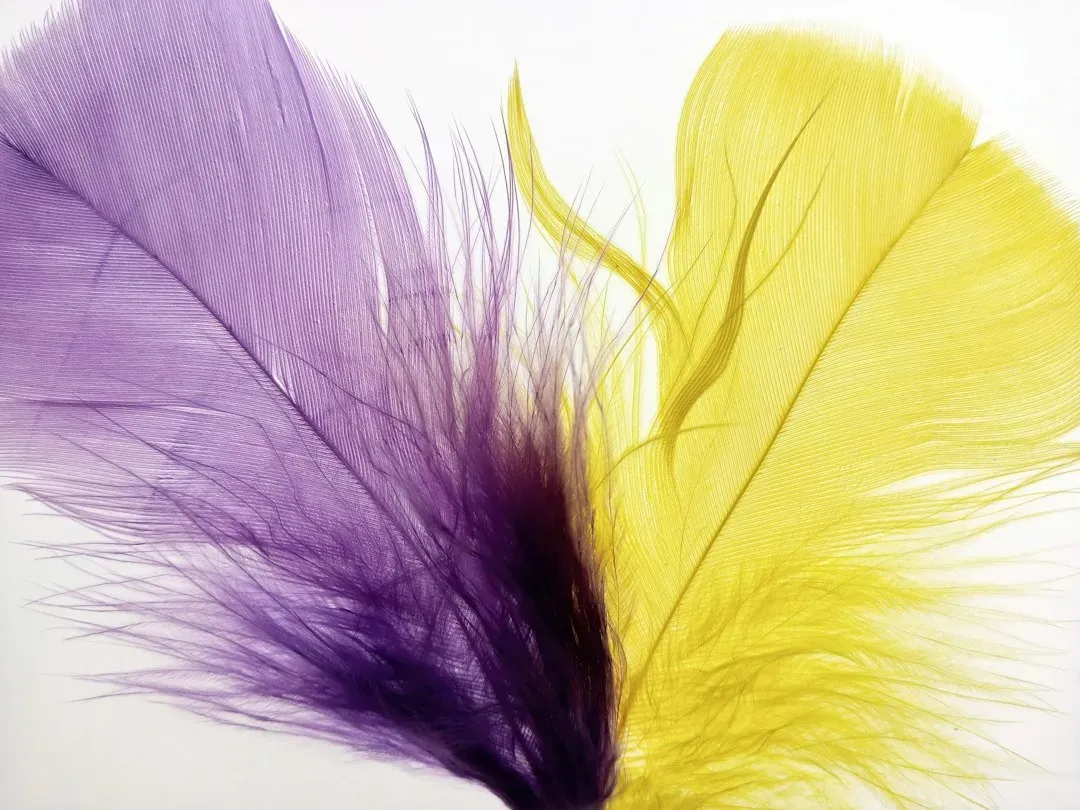
Feathers reflect light in more ways than pigment alone. Tiny structures inside them scatter light and can produce blues and ultraviolet reflections. Those same structures are why some feathers look vivid in one direction and flat in another.
Blue tits are a well known example. Their crown patch reflects ultraviolet strongly, and researchers have used that to study how birds judge each other. Some species where males and females look alike to us also show differences between the sexes once ultraviolet reflectance is measured.
Mate Choice and Social Signals
🔥 Would you like to save this?
We'll email this post to you, so you can come back to it later!
Ultraviolet plumage has been linked to mate choice in a number of studies. In some species, birds appear to respond to ultraviolet reflectance when picking partners. Experiments that blocked ultraviolet light or altered feather reflectance have shown that it can affect how birds are judged.
Still, the evidence isn’t uniform. Results differ across species, and ultraviolet is usually one signal among several, including song, size and behavior. It’s best treated as one important part of a bigger conversation.

Dog Stairs for Bed 18" H, 4-Step Dog Steps for High Bed
Check Price on AmazonAs an Amazon Associate, we earn from qualifying purchases.
10/9/2026 2:42 pm GMTi

Halloween Cat Costume Cloak Witch Hat Pet Accessories
Check Price on AmazonAs an Amazon Associate, we earn from qualifying purchases.
10/9/2026 2:44 pm GMTi

Glass Hummingbird Feeder for Outdoors Hanging
Check Price on AmazonAs an Amazon Associate, we earn from qualifying purchases.
10/7/2026 1:21 pm GMTi

Earth Rated XL Dog & Puppy Pee Pads, Discreet Top, Max Absorbency
Check Price on AmazonAs an Amazon Associate, we earn from qualifying purchases.
10/7/2026 1:28 pm GMTi

Orthopedic Extra Large Dog Bed, Waterproof Washable XL Pet Bed 44"
Check Price on AmazonAs an Amazon Associate, we earn from qualifying purchases.
10/7/2026 1:32 pm GMTi
Seeing Beyond Plumage
🔥 Would you like to save this?
We'll email this post to you, so you can come back to it later!
Ultraviolet vision isn’t only about looking attractive. Some fruits and berries reflect ultraviolet, and birds may use that to spot ripe food. Certain raptors have been studied for whether they can follow ultraviolet reflective trails left by prey, though findings on this have been debated over the years.
Eggs and nests may also look different under ultraviolet light. These are active research areas, and not every proposed function has been firmly settled. That uncertainty is part of what keeps the field interesting.

Professional 7 in 1 Dog Paw Cleaner for Dogs & Cats - Includes 1 Portable Paw Washer, 1 Bath Brush
Check Price on AmazonAs an Amazon Associate, we earn from qualifying purchases.
10/7/2026 1:26 pm GMTi

Glass Hummingbird Feeder for Outdoors Hanging, 16 oz Leak-Proof Nectar Feeder with Bee Guards & Ant Moat
Check Price on AmazonAs an Amazon Associate, we earn from qualifying purchases.
10/7/2026 1:22 pm GMTi

Hand Blown Glass Hummingbird Feeders for Outdoors Hanging, 24oz Wild Bird Nectar Feeder
Check Price on AmazonAs an Amazon Associate, we earn from qualifying purchases.
10/7/2026 1:23 pm GMTi

Portable Dog Water Bottle Foldable Dog Travel Water Bottle
Check Price on AmazonAs an Amazon Associate, we earn from qualifying purchases.
10/7/2026 1:29 pm GMTi
Final Thoughts
🔥 Would you like to save this?
We'll email this post to you, so you can come back to it later!
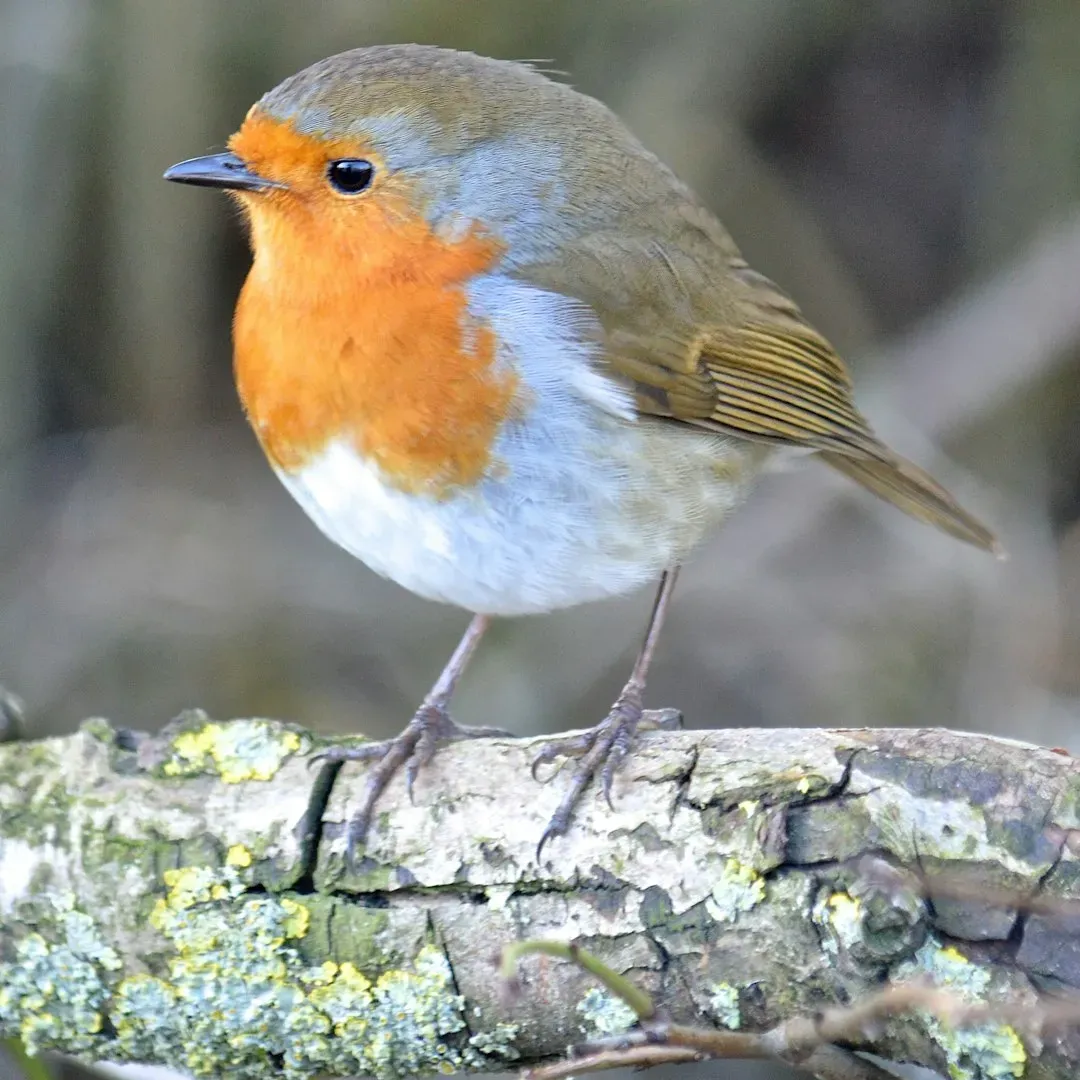
I find it humbling that a robin on the lawn or a starling on the wire may look like a different animal to the bird next to it. We built our field guides around human eyes, and that’s a real limit. Photographs and illustrations show one version of a bird, not the version birds actually trade with each other.
My view is that this should change how we talk about “plain” species. Calling a bird dull often says more about us than about the bird. Next time you watch one, remember that you’re only seeing part of the show.

- Ornithology Says Many Birds See Ultraviolet Colors – Feathers That Look Plain to Us Can Be Brightly Patterned to Them - November 7, 2026
- 8 States Where Sandhill Cranes Stop by the Thousands on Their Migration - November 7, 2026
- Zoology Says Goats Prefer People Who Look Happy – They Approach Smiling Faces More Than Angry Ones - November 7, 2026