
Unpacking the Key Research on Cat Name Discrimination
🔥 Would you like to save this?
We'll email this post to you, so you can come back to it later!
A landmark study published in Scientific Reports examined dozens of cats living in ordinary homes and in cat cafés across Japan. Researchers played recordings of words that matched the length and rhythm of each cat’s name, followed by the actual name itself. The animals showed clear signs of renewed attention once their own name appeared, suggesting they could tell it apart from the preceding sounds.
Household cats in particular demonstrated this ability consistently. The pattern emerged whether the speaker was the owner or an unfamiliar person. These results provided the first solid experimental support for the idea that cats extract meaning from specific human words rather than responding only to tone or volume.
The Habituation Dishabituation Method Explained
🔥 Would you like to save this?
We'll email this post to you, so you can come back to it later!
Scientists relied on a technique called habituation dishabituation to measure recognition without forcing the cats into unnatural situations. They presented a series of similar sounding nouns until the cats lost interest and stopped reacting. Introducing the cat’s actual name then produced a measurable rebound in attention, such as ear twitches or head turns.
This approach avoids direct commands and instead tracks natural orienting behaviors. It works because animals that distinguish the new stimulus show fresh interest after growing bored with the others. The method has been used successfully with other species and proved reliable here across multiple trials.
Evidence from Household Settings
🔥 Would you like to save this?
We'll email this post to you, so you can come back to it later!
Cats in typical home environments tended to respond more distinctly than those in busy public spaces. They often reacted to their name after hearing names of other resident cats or neutral words. The difference appeared tied to how frequently and personally the name was used in daily routines.
Owners in these settings usually interact one on one with their pets, creating stronger individual associations. The study noted that household cats maintained the ability to single out their own name even when other feline names were mixed into the sequence. This points to a selective listening skill shaped by consistent, close contact.
Testing with Unfamiliar Voices
🔥 Would you like to save this?
We'll email this post to you, so you can come back to it later!
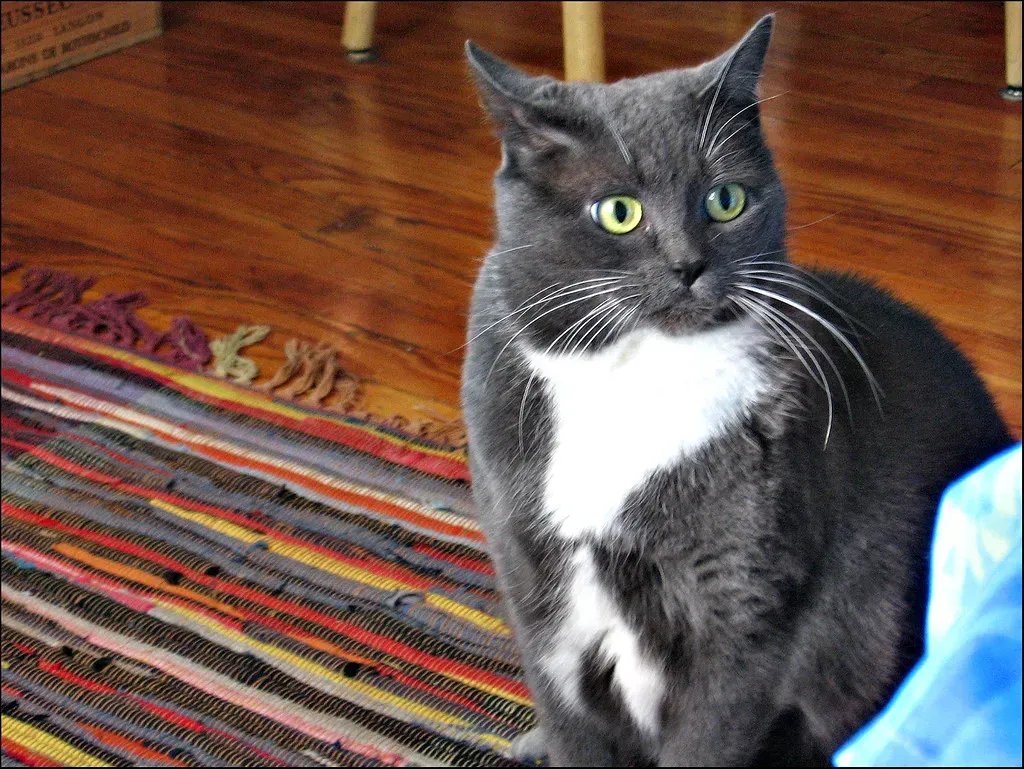
One of the more striking elements involved strangers delivering the words and names. Cats still showed a rebound in response when their own name followed the habituation words, though the reactions were sometimes milder than with owners. The fact that recognition persisted across voices indicates the cats were processing the phonetic content rather than relying solely on a familiar timbre.
Researchers took care to ensure the unfamiliar speakers used the same intonation patterns. This control helped isolate the effect of the name itself. The outcome challenges the common view that cats only attend to people they know well and suggests a broader sensitivity to human vocal cues.

Smart Bird Feeder with Camera Solar Powered, 2K HD Live Video, 10,000+ Bird Species AI Identification
Check Price on AmazonAs an Amazon Associate, we earn from qualifying purchases.
10/7/2026 1:22 pm GMTi

Dog Stairs for Bed 18" H, 4-Step Dog Steps for High Bed
Check Price on AmazonAs an Amazon Associate, we earn from qualifying purchases.
10/9/2026 2:42 pm GMTi

Orthopedic Extra Large Dog Bed, Waterproof Washable XL Pet Bed 44"
Check Price on AmazonAs an Amazon Associate, we earn from qualifying purchases.
10/7/2026 1:32 pm GMTi

Halloween Dog Collar with Bow, Orange Cute Ghost Collar,
Check Price on AmazonAs an Amazon Associate, we earn from qualifying purchases.
10/9/2026 2:43 pm GMTi

PetSafe Oasys Pet Fountain, 1/2 Gallon (64 oz), Small Dogs & Cats
Check Price on AmazonAs an Amazon Associate, we earn from qualifying purchases.
10/8/2026 8:14 am GMTi
Variations in Multi Cat Environments
🔥 Would you like to save this?
We'll email this post to you, so you can come back to it later!
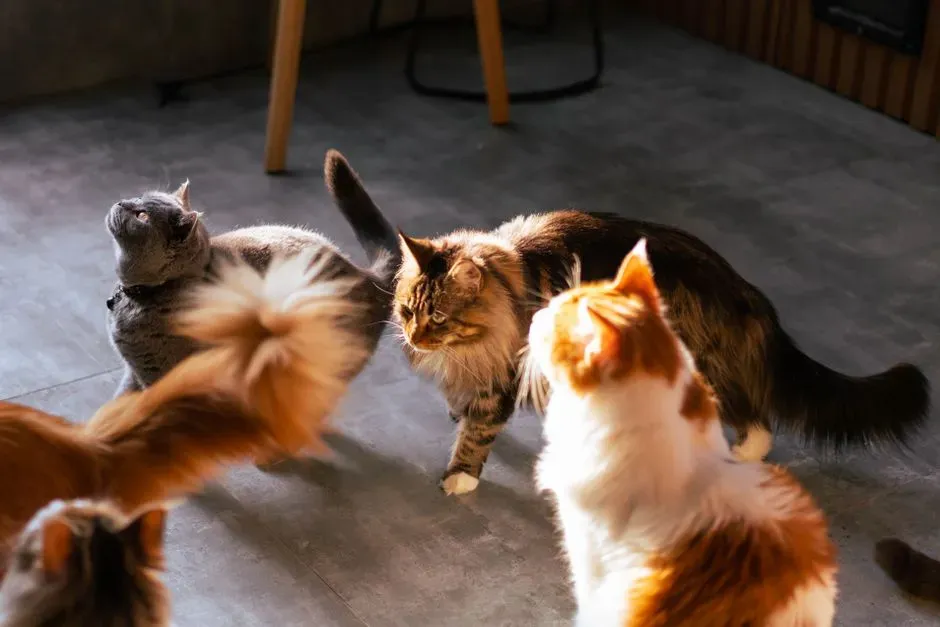
Cats living in cafés with many others sometimes struggled more to separate their name from those of housemates. They habituated to general words but showed less clear distinction when other cat names were involved. The constant exposure to multiple names may have blurred the boundaries for these animals.
Household cats, by contrast, often lived with fewer companions and received more targeted attention. Their stronger performance in the experiments likely reflects that difference in social density. The findings highlight how living conditions influence the precision of feline auditory discrimination.
The Role of Positive Associations
🔥 Would you like to save this?
We'll email this post to you, so you can come back to it later!
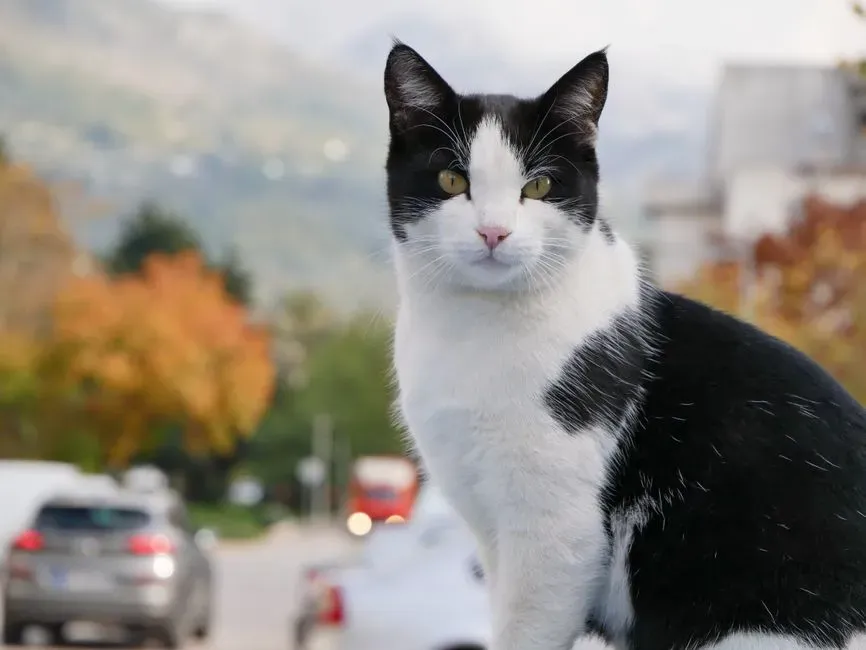
Cats appear to link their name with rewarding experiences such as meals, petting, or play. Over time this pairing turns the word into a salient cue worth noticing. The study authors noted that the name functions as a signal for potential good outcomes rather than a label of self identity in the human sense.
Because the association forms through repetition and reward, it can develop even without formal training. Everyday interactions supply enough opportunities for cats to learn which sound brings attention or treats. This practical learning explains why the recognition shows up reliably in home settings.

Portable Dog Water Bottle Foldable Dog Travel Water Bottle
Check Price on AmazonAs an Amazon Associate, we earn from qualifying purchases.
10/7/2026 1:29 pm GMTi

Earth Rated XL Dog & Puppy Pee Pads, Discreet Top, Max Absorbency
Check Price on AmazonAs an Amazon Associate, we earn from qualifying purchases.
10/7/2026 1:28 pm GMTi

Glass Hummingbird Feeder for Outdoors Hanging, 16 oz Leak-Proof Nectar Feeder with Bee Guards & Ant Moat
Check Price on AmazonAs an Amazon Associate, we earn from qualifying purchases.
10/7/2026 1:22 pm GMTi

Professional 7 in 1 Dog Paw Cleaner for Dogs & Cats - Includes 1 Portable Paw Washer, 1 Bath Brush
Check Price on AmazonAs an Amazon Associate, we earn from qualifying purchases.
10/7/2026 1:26 pm GMTi

Air Purifiers for Home Pets Large Room Up to 3000 Ft²,HEPA Air Cleaner with Washable Double-Side Filter, PM2.5 Air Quality Monitor,15dB Sleep Mode for Bedroom Odor Dust Pollen,White
Check Price on AmazonAs an Amazon Associate, we earn from qualifying purchases.
10/8/2026 8:23 am GMTi
Behavioral Cues That Reveal Recognition
🔥 Would you like to save this?
We'll email this post to you, so you can come back to it later!
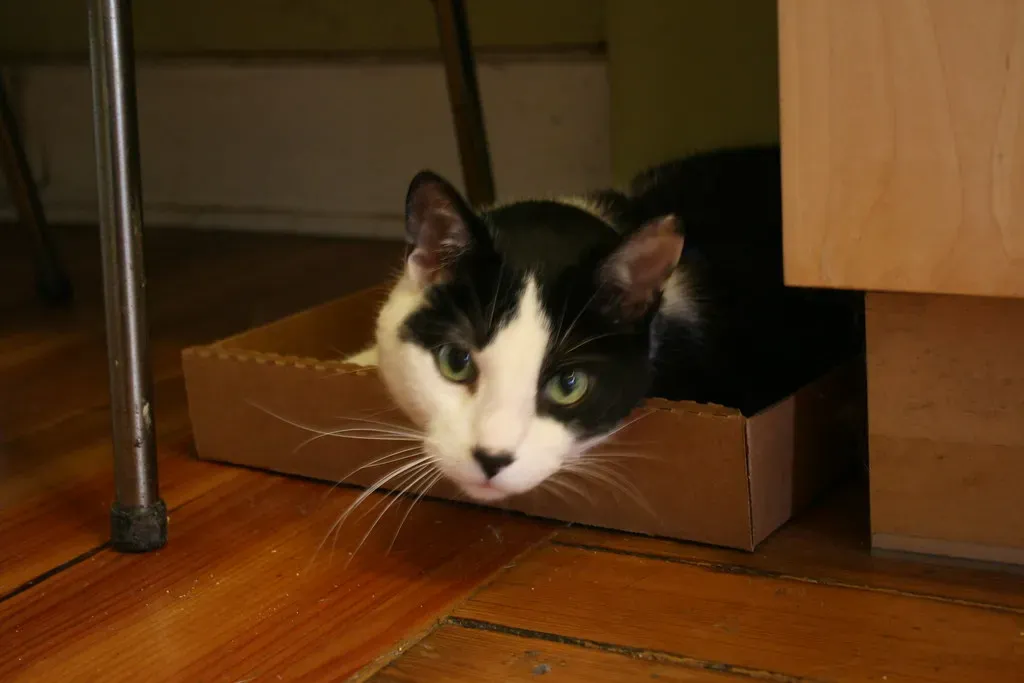
Responses rarely involved dramatic actions like running across the room. Instead, cats typically displayed subtle shifts such as moving their ears, turning their heads slightly, or adjusting their tail position. These quiet signals still registered as statistically significant increases in activity after the name was spoken.
Observers scored the behaviors on a simple scale to quantify the change. The consistency across trials and cats strengthened the conclusion that the animals were not merely reacting to any new sound. Subtlety fits the feline style of communication and makes the ability easy to overlook in daily life.
Broader Insights into Feline Cognition
🔥 Would you like to save this?
We'll email this post to you, so you can come back to it later!
The work adds to a growing picture of cats as attentive listeners capable of parsing human speech patterns. Earlier experiments had already shown they recognize their owner’s voice over strangers and follow certain gestures. Name discrimination fits into this pattern of selective social awareness.
Unlike dogs, which often display more overt enthusiasm, cats keep their reactions understated. This difference may stem from distinct evolutionary paths and domestication histories. Still, the shared capacity to attend to human vocal labels suggests deeper cognitive overlap than many people assume.

Glass Hummingbird Feeder for Outdoors Hanging
Check Price on AmazonAs an Amazon Associate, we earn from qualifying purchases.
10/7/2026 1:21 pm GMTi

Halloween Cat Costume Cloak Witch Hat Pet Accessories
Check Price on AmazonAs an Amazon Associate, we earn from qualifying purchases.
10/9/2026 2:44 pm GMTi

2 Pcs Halloween Pet Hat Bandana Set, Witch Pumpkin Costumes for Dogs
Check Price on AmazonAs an Amazon Associate, we earn from qualifying purchases.
10/9/2026 2:45 pm GMTi

Hand Blown Glass Hummingbird Feeders for Outdoors Hanging, 24oz Wild Bird Nectar Feeder
Check Price on AmazonAs an Amazon Associate, we earn from qualifying purchases.
10/7/2026 1:23 pm GMTi
Reconsidering Everyday Interactions
🔥 Would you like to save this?
We'll email this post to you, so you can come back to it later!
These findings encourage owners to notice the small signs their cat is listening rather than assuming total indifference. A twitch of an ear or a brief glance can indicate the name landed. Adjusting expectations this way can reduce frustration and strengthen the quiet bond many people already share with their pets.
At the same time, the research underscores that cats retain their independent streak. Recognition does not equal obedience, and that distinction remains part of what makes living with them rewarding. Paying attention to how they process speech simply adds another layer to the relationship without demanding they behave like another species.

- Feline Psychology Says Cats Recognize Their Own Names – Even When Spoken by a Stranger - November 10, 2026
- Wildlife Biology Says Florida Panthers Rebounded From About 20 to 30 Cats in the 1990s to an Estimated 120 to 230 Adults Today - November 10, 2026
- Zoology Says Lions Are the Most Social of All Wild Cats – Most Other Species Live and Hunt Alone - November 10, 2026