
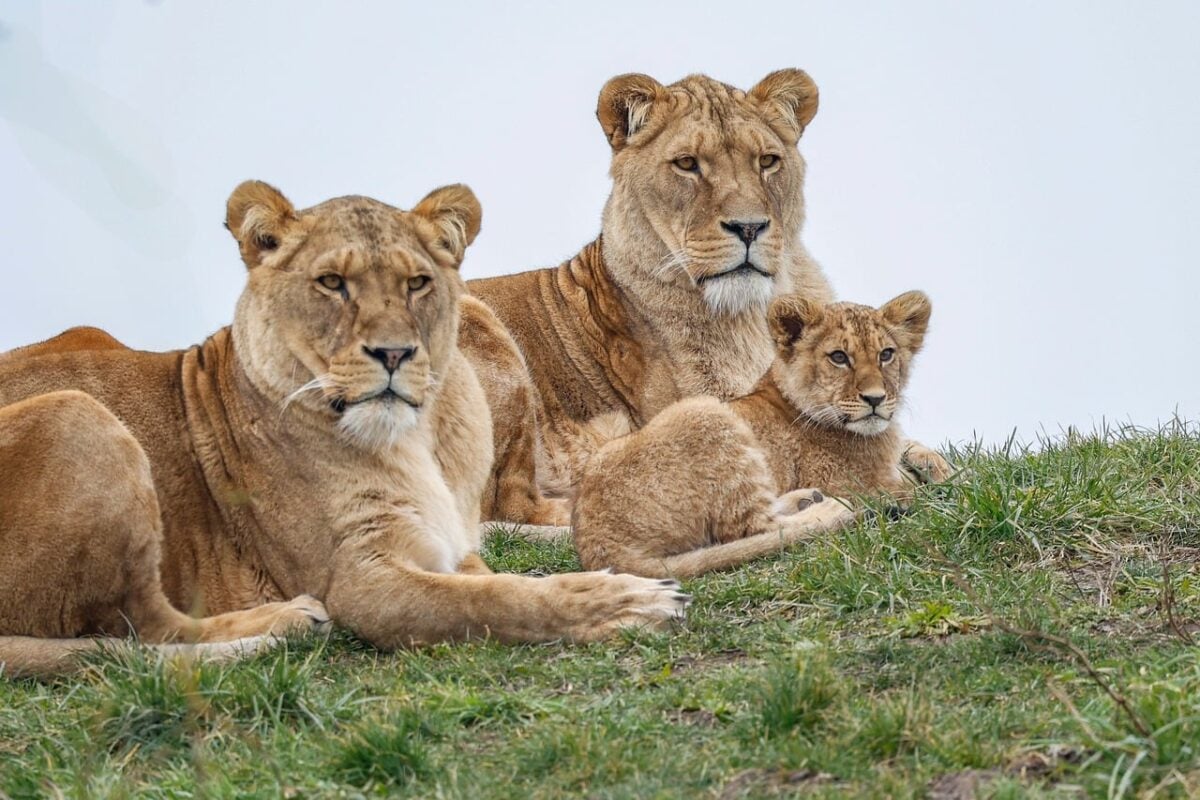
Picture a savanna at dusk. A group of lionesses lies stretched across the grass, tails flicking, cubs tumbling over one another. Now picture a leopard, alone on a branch, hauling a carcass upward where nobody can steal it.
Both are big cats, and both are superb predators. Yet their social lives could hardly be more different, and the reasons say a lot about how evolution shapes behavior. Zoologists have spent decades working out why one cat chose company while almost all the others stuck with solitude.
Lions Stand Alone as the Social Exception
🔥 Would you like to save this?
We'll email this post to you, so you can come back to it later!
Among the roughly forty living species of wild cats, lions are the clear outlier. They live in groups called prides, a setup that no other big cat shares in any comparable form. Nearly every other species spends most of its adult life on its own.
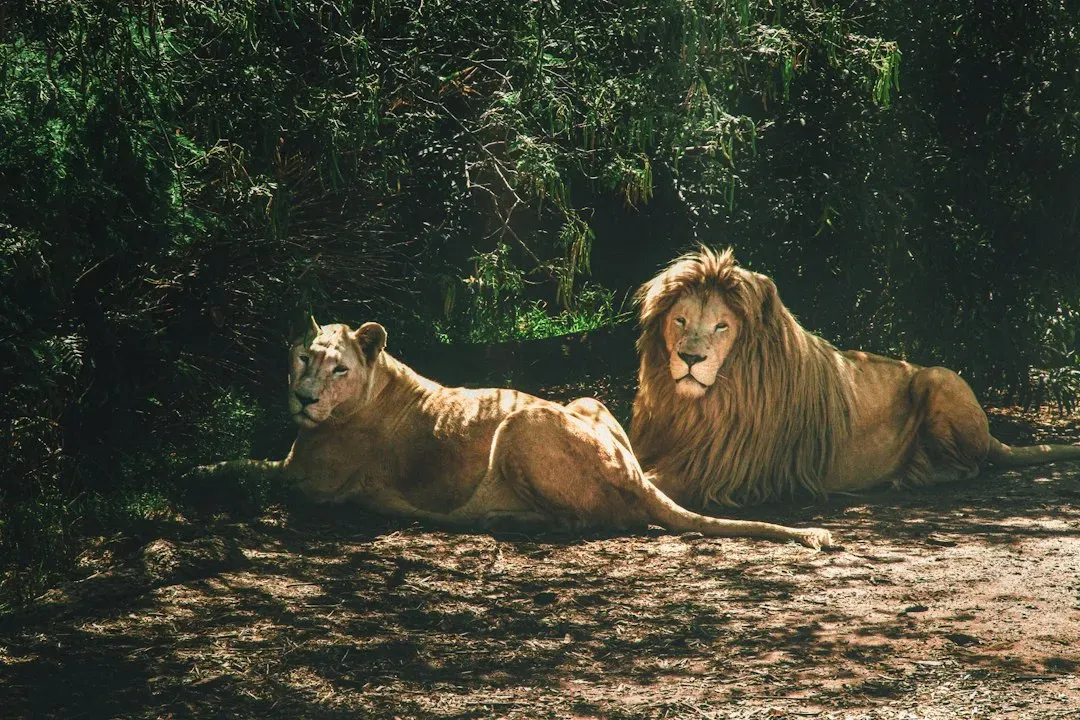
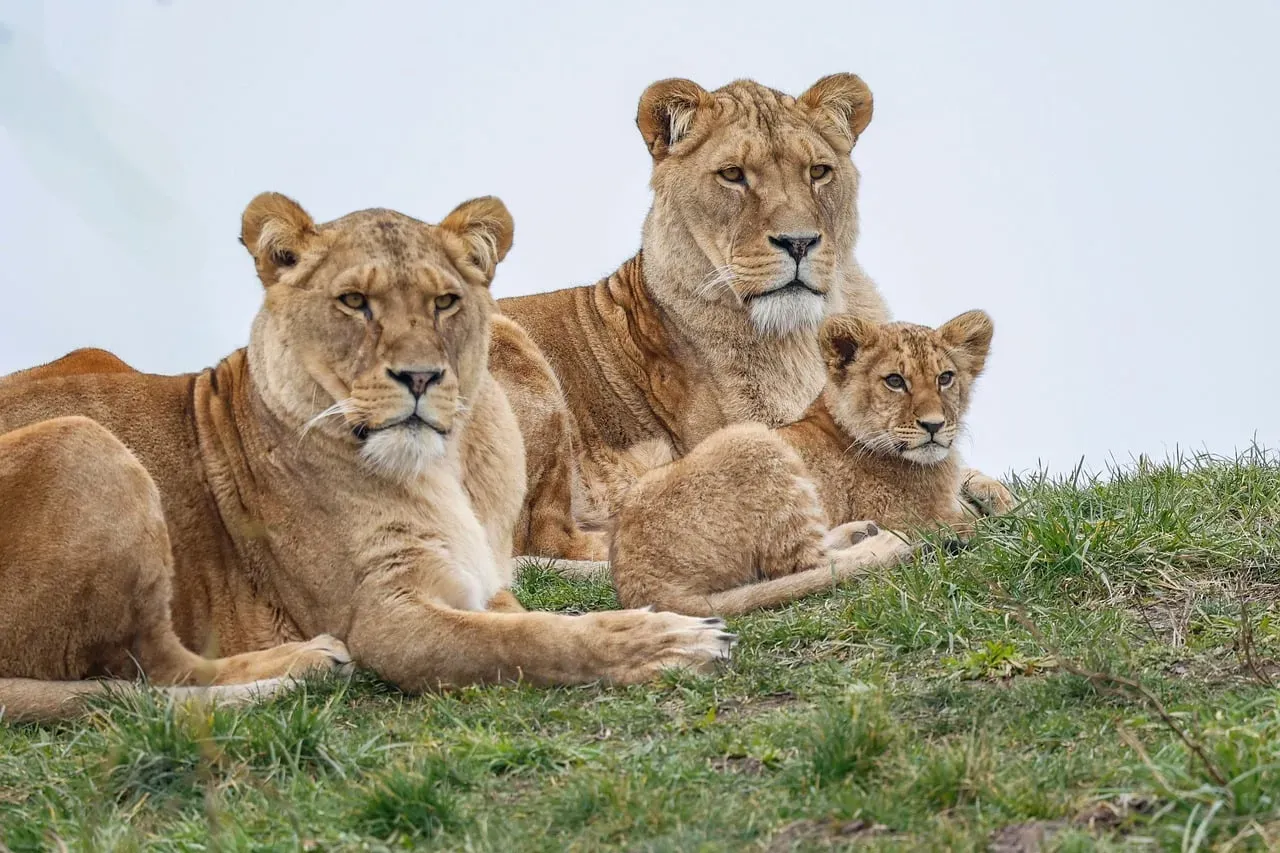
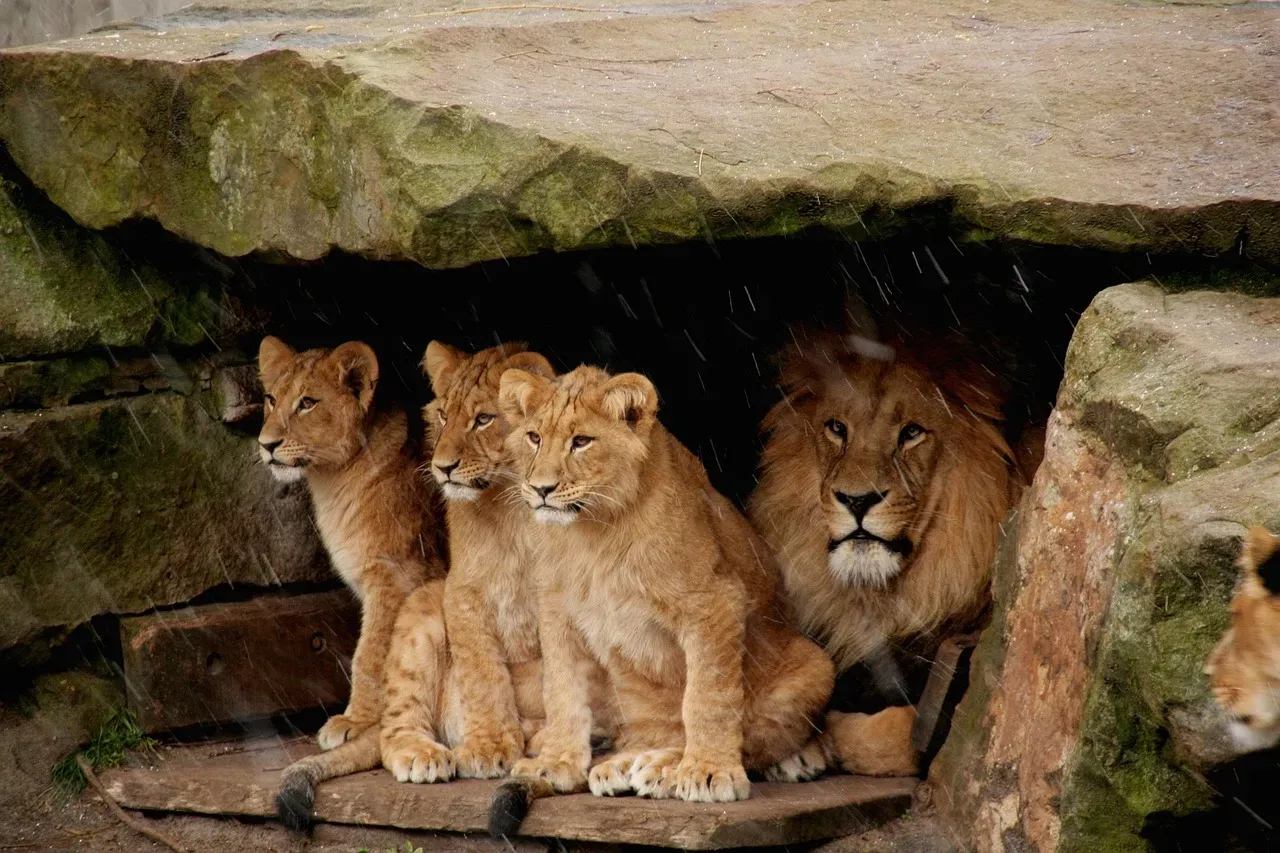
A typical pride is built around related females, their cubs, and a small number of adult males. The females often stay in the pride where they were born, which means the core of the group is a family line that can persist across generations. Males, by contrast, usually leave or are pushed out when they mature.
Pride size varies a lot depending on habitat and prey. Some prides are small and others stretch to a couple dozen animals, though not everyone is together at the same moment. Lions often split into smaller parties and reunite, a pattern researchers describe as fission and fusion.
Why Most Cats Prefer to Go It Alone
🔥 Would you like to save this?
We'll email this post to you, so you can come back to it later!
For the typical cat, solitude is a sensible strategy. Many species hunt small or medium prey such as rodents, birds, and rabbits. A single mouse can’t be divided among several mouths, so a group would simply mean more cats competing for the same meal.
Stealth matters too. Most cats are ambush hunters, relying on cover, patience, and a short, explosive burst. A crowd of cats stalking together would make noise and flush the prey.
Cats generally hold territories, marking them with scent, scratches, and calls. This lets them keep a reliable hunting ground while avoiding fights with neighbors. It’s an economical system, and it works for the vast majority of the cat family, from the tiny rusty-spotted cat to the tiger.
The Open Grassland Changed the Rules
🔥 Would you like to save this?
We'll email this post to you, so you can come back to it later!
Lions evolved in open habitats, and that matters enormously. In grassland there’s little cover for a lone ambusher to hide behind. Prey animals see danger from far off, and many of them are big, fast, and living in herds.
Hunting together helps solve that problem. Lionesses can spread out, approach from different angles, and drive prey toward waiting companions. Researchers who study lion hunting have noted that cooperation can boost success for some prey types, though the picture is more nuanced than the popular idea of perfectly coordinated teamwork.
Large prey also changes the math on sharing. A zebra or buffalo is a lot of meat, enough to feed several animals. Once a kill is big enough to go around, living in a group stops being a cost and starts being a benefit.
Defense Matters as Much as Dinner
🔥 Would you like to save this?
We'll email this post to you, so you can come back to it later!
Hunting isn’t the only explanation, and some researchers argue it isn’t even the main one. Studies of lion behavior have pointed to defense as a major driver of group living. Holding a territory against rival lions, and protecting cubs from outsiders, is far easier with allies.
Lions also face competition from spotted hyenas, which can be formidable and sometimes outnumber a lone cat. A group is better placed to defend a carcass or to keep rivals away from a den. Female lions are known to cooperate in defending against intruding females and males.
Cub safety is another piece. When a new set of males takes over a pride, infanticide can occur. Having several females around to confront threats may improve the odds that cubs survive.

Halloween Dog Collar with Bow, Orange Cute Ghost Collar,
Check Price on AmazonAs an Amazon Associate, we earn from qualifying purchases.
10/9/2026 2:43 pm GMTi

Hand Blown Glass Hummingbird Feeders for Outdoors Hanging, 24oz Wild Bird Nectar Feeder
Check Price on AmazonAs an Amazon Associate, we earn from qualifying purchases.
10/7/2026 1:23 pm GMTi

Earth Rated XL Dog & Puppy Pee Pads, Discreet Top, Max Absorbency
Check Price on AmazonAs an Amazon Associate, we earn from qualifying purchases.
10/7/2026 1:28 pm GMTi

PetSafe Oasys Pet Fountain, 1/2 Gallon (64 oz), Small Dogs & Cats
Check Price on AmazonAs an Amazon Associate, we earn from qualifying purchases.
10/8/2026 8:14 am GMTi

Glass Hummingbird Feeder for Outdoors Hanging, 16 oz Leak-Proof Nectar Feeder with Bee Guards & Ant Moat
Check Price on AmazonAs an Amazon Associate, we earn from qualifying purchases.
10/7/2026 1:22 pm GMTi
Shared Parenting Inside the Pride
🔥 Would you like to save this?
We'll email this post to you, so you can come back to it later!
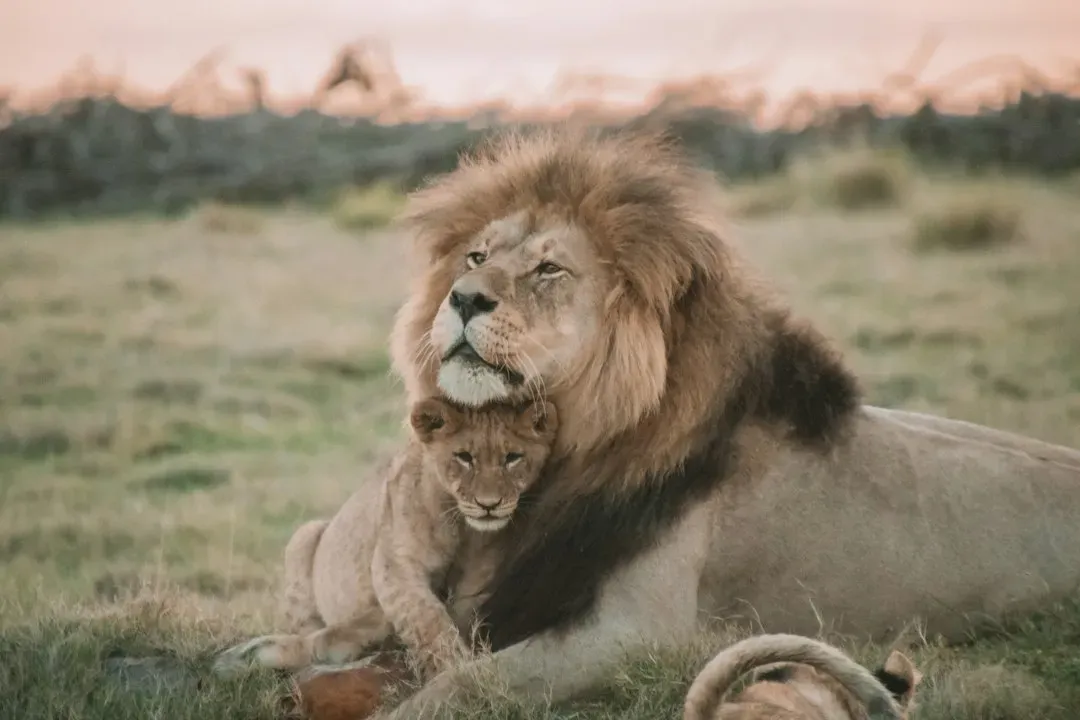
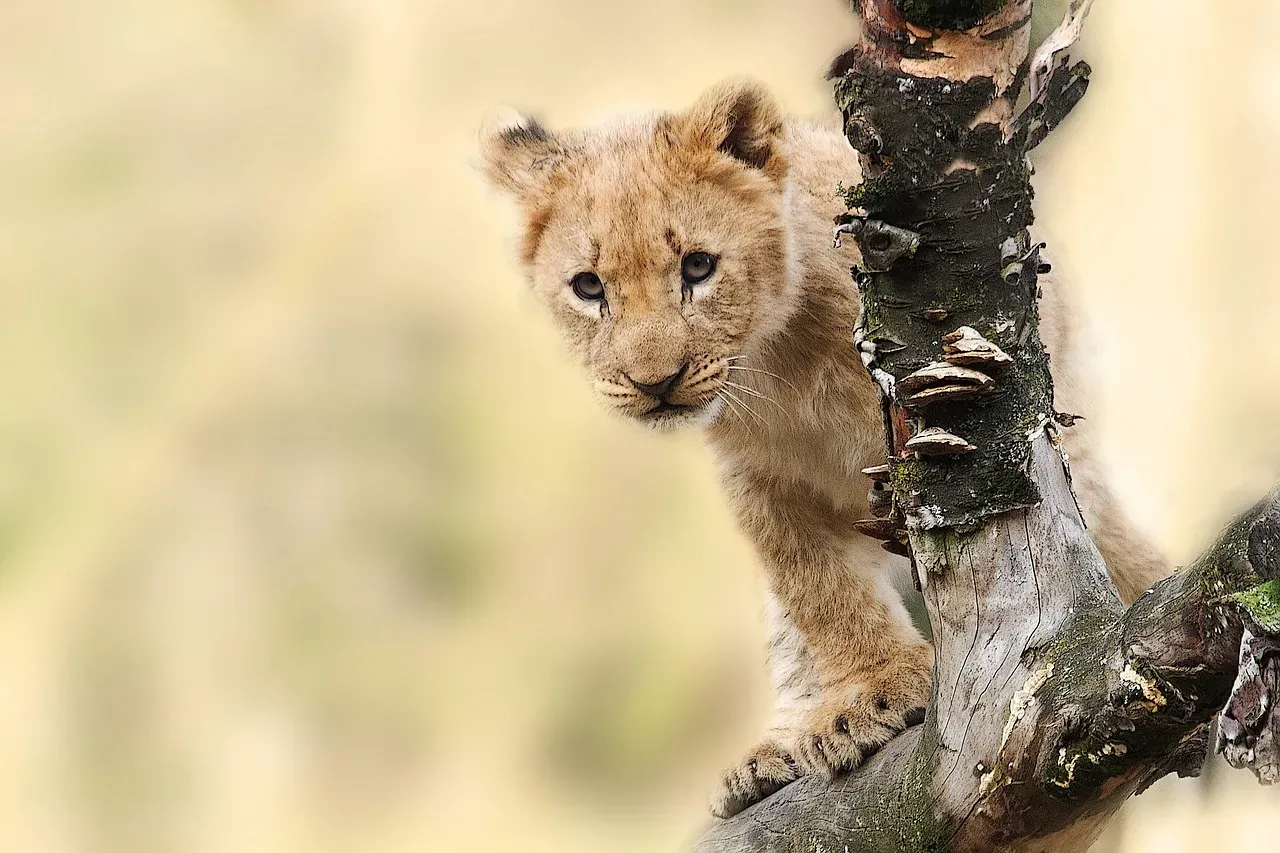
One of the more remarkable lion behaviors is communal cub rearing. Females in a pride often give birth around the same time and keep their young together in what’s sometimes called a crèche. Cubs may nurse from more than one female, which is rare among cats.
This arrangement spreads the workload. While some mothers hunt, others can stay near the cubs. It also means young lions grow up surrounded by relatives, learning social rules from an early age.
Cubs still face tough odds, as many don’t survive to adulthood in the wild. Still, the pride gives them protections a solitary mother simply couldn’t offer.
Males Play a Different Social Game
🔥 Would you like to save this?
We'll email this post to you, so you can come back to it later!
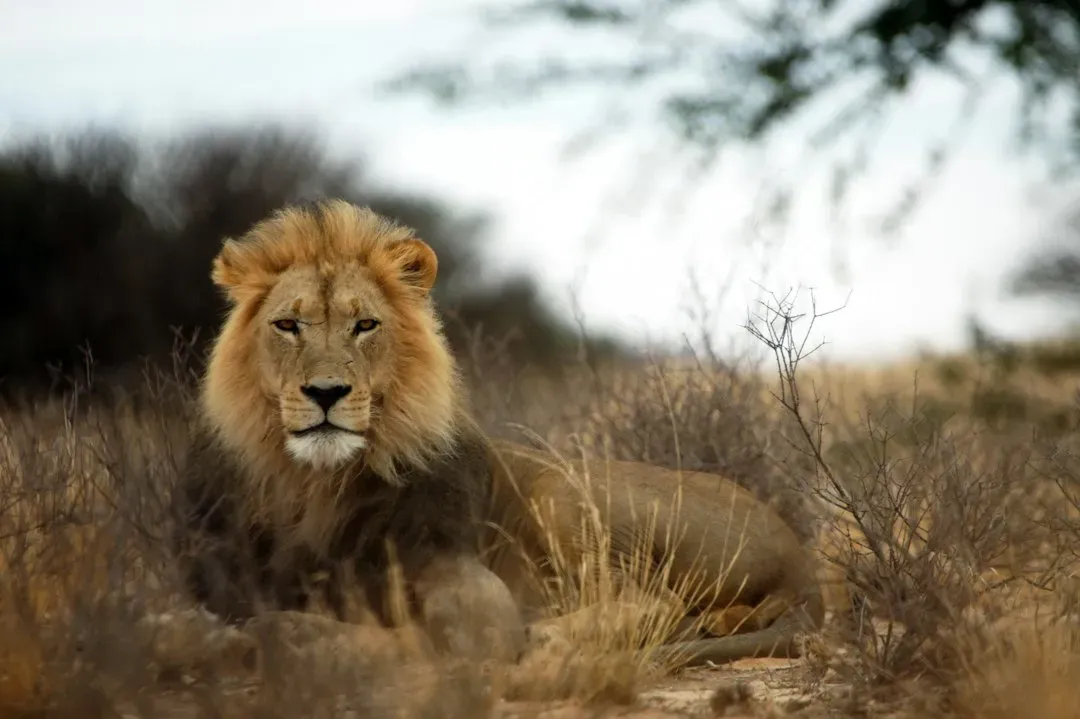
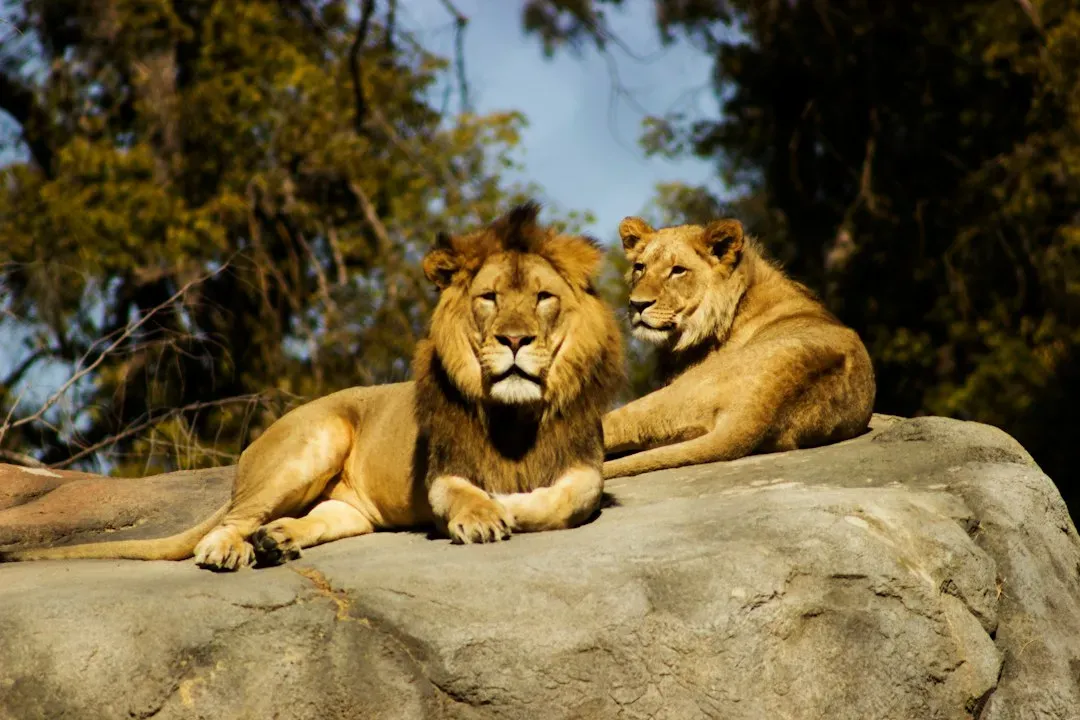
Male lions don’t follow the female pattern. They often form coalitions, frequently with brothers or companions from the same cohort, and these partnerships can be decisive. Working together, males have a better chance of taking over a pride and holding it.
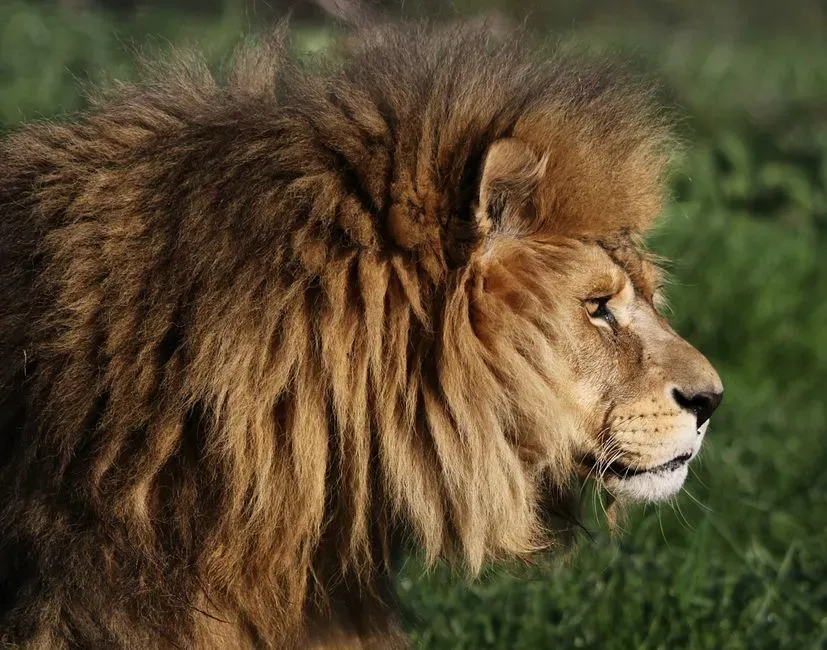
That tenure is rarely long. Rival coalitions arrive, fights happen, and males can be injured or driven out. The famous mane plays a role in signaling, as studies suggest it can influence how rivals and females assess a male.
Interestingly, males don’t always do less work than people assume. They patrol and defend territory, and they also hunt at times, though lionesses often handle much of the pride’s hunting.

Halloween Cat Costume Cloak Witch Hat Pet Accessories
Check Price on AmazonAs an Amazon Associate, we earn from qualifying purchases.
10/9/2026 2:44 pm GMTi

Dog Stairs for Bed 18" H, 4-Step Dog Steps for High Bed
Check Price on AmazonAs an Amazon Associate, we earn from qualifying purchases.
10/9/2026 2:42 pm GMTi

Glass Hummingbird Feeder for Outdoors Hanging
Check Price on AmazonAs an Amazon Associate, we earn from qualifying purchases.
10/7/2026 1:21 pm GMTi

Professional 7 in 1 Dog Paw Cleaner for Dogs & Cats - Includes 1 Portable Paw Washer, 1 Bath Brush
Check Price on AmazonAs an Amazon Associate, we earn from qualifying purchases.
10/7/2026 1:26 pm GMTi

Smart Bird Feeder with Camera Solar Powered, 2K HD Live Video, 10,000+ Bird Species AI Identification
Check Price on AmazonAs an Amazon Associate, we earn from qualifying purchases.
10/7/2026 1:22 pm GMTi
Other Cats Bend the Rules Without Breaking Them
🔥 Would you like to save this?
We'll email this post to you, so you can come back to it later!
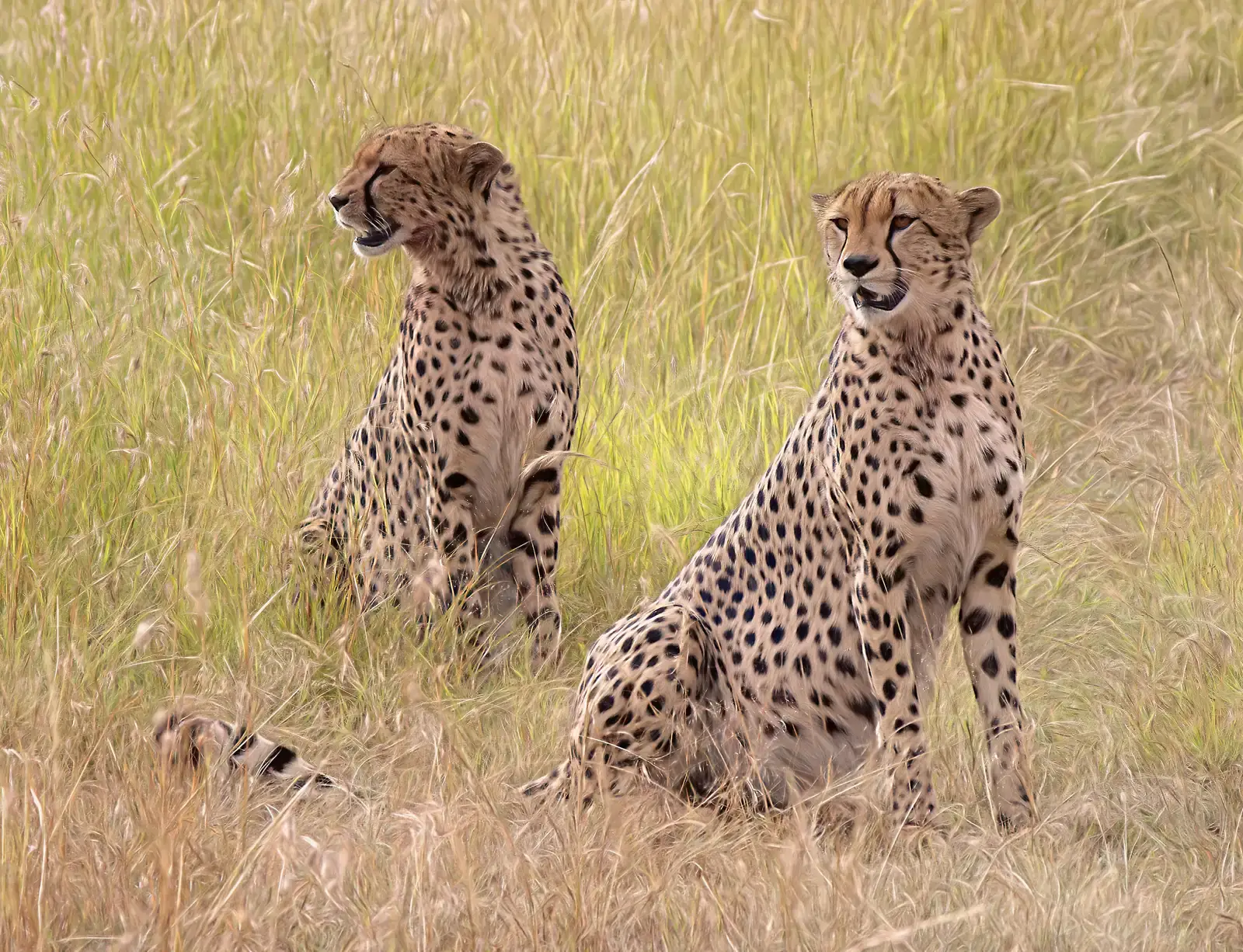
It would be too simple to say every other cat is a hermit. Cheetahs offer the best-known example of flexibility. Females are generally solitary, but males sometimes form small groups, often of brothers, which can help them hold territory.
Even solitary cats keep in touch. Tigers and leopards use scent marks and calls to communicate, and a female’s home range can overlap with others. Mothers raise cubs for a long stretch, so no cat is socially blank for life.
Domestic cats add another wrinkle. Free-living ones can form colonies where food is plentiful, such as around a reliable source of scraps. That suggests cat sociality can flex with the environment, even if their wild ancestors were largely solitary.
What Lion Society Teaches Us About Evolution
🔥 Would you like to save this?
We'll email this post to you, so you can come back to it later!
The lion story is a useful reminder that behavior isn’t random. Social life comes with costs, like sharing food and risking disease or conflict, and it only sticks around when the payoff is bigger. For lions, that payoff seems to come from a mix of open habitat, large prey, rival pressure, and the safety of cubs.
Scientists still debate how the weight of those factors should be divided. Hunting benefits, territorial defense, and protection against infanticide may all contribute, and different lion populations may lean on different ones. That uncertainty is part of what makes lions such a rich subject.
It also shows how closely related animals can end up with wildly different lifestyles. Lions and leopards share a common ancestor in the not too distant past, yet they’ve solved the problem of making a living in opposite ways.

Air Purifiers for Home Pets Large Room Up to 3000 Ft²,HEPA Air Cleaner with Washable Double-Side Filter, PM2.5 Air Quality Monitor,15dB Sleep Mode for Bedroom Odor Dust Pollen,White
Check Price on AmazonAs an Amazon Associate, we earn from qualifying purchases.
10/8/2026 8:23 am GMTi

Portable Dog Water Bottle Foldable Dog Travel Water Bottle
Check Price on AmazonAs an Amazon Associate, we earn from qualifying purchases.
10/7/2026 1:29 pm GMTi

Orthopedic Extra Large Dog Bed, Waterproof Washable XL Pet Bed 44"
Check Price on AmazonAs an Amazon Associate, we earn from qualifying purchases.
10/7/2026 1:32 pm GMTi

2 Pcs Halloween Pet Hat Bandana Set, Witch Pumpkin Costumes for Dogs
Check Price on AmazonAs an Amazon Associate, we earn from qualifying purchases.
10/9/2026 2:45 pm GMTi
Final Thoughts
🔥 Would you like to save this?
We'll email this post to you, so you can come back to it later!
I think lions get slightly too much credit for being the noble social cats, and the solitary species get too little for being clever. Living alone isn’t a failure of imagination. It’s a finely tuned answer to a different set of problems.
Still, there’s something undeniably compelling about a cat that chose community. The pride shows that even a predator built for stealth and power can find strength in cooperation, if the conditions reward it. That’s a lesson worth remembering the next time you see a lion lazing in a crowd, and a leopard slipping away on its own.

- Zoology Says Lions Are the Most Social of All Wild Cats – Most Other Species Live and Hunt Alone - November 10, 2026
- Animal Behaviorists Say a High, Stiff Tail Wag in Dogs Isn’t Always Friendly – It Can Signal Arousal or Tension Rather Than Happiness - November 10, 2026
- Animal Psychology Says Cats Began Living Alongside People Nearly 10,000 Years Ago – Thousands of Years Before Ancient Egypt - November 10, 2026