
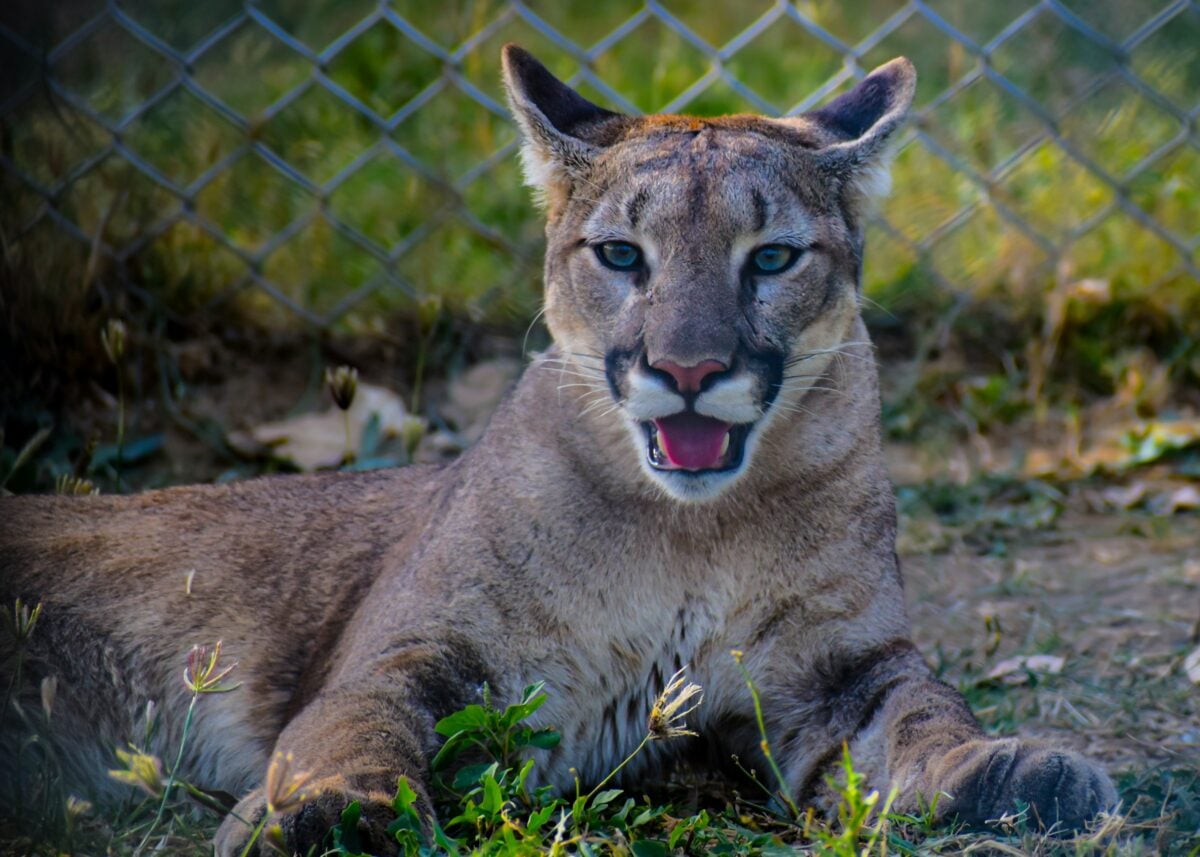
Picture a cat so rare that, at its lowest point, you could have named most of the breeding population on a single sheet of paper. That was the situation in South Florida not so long ago. Today the same animal is a state symbol, a regular on trail cameras, and a case study in how far a rescue can go.
The rebound is real, but it’s also easy to misread. Behind the headline numbers sit a daring genetic experiment, a lot of patient fieldwork, and a few problems that haven’t gone away. Here’s how it unfolded.
A Cat Down to Its Last Few Dozen
🔥 Would you like to save this?
We'll email this post to you, so you can come back to it later!
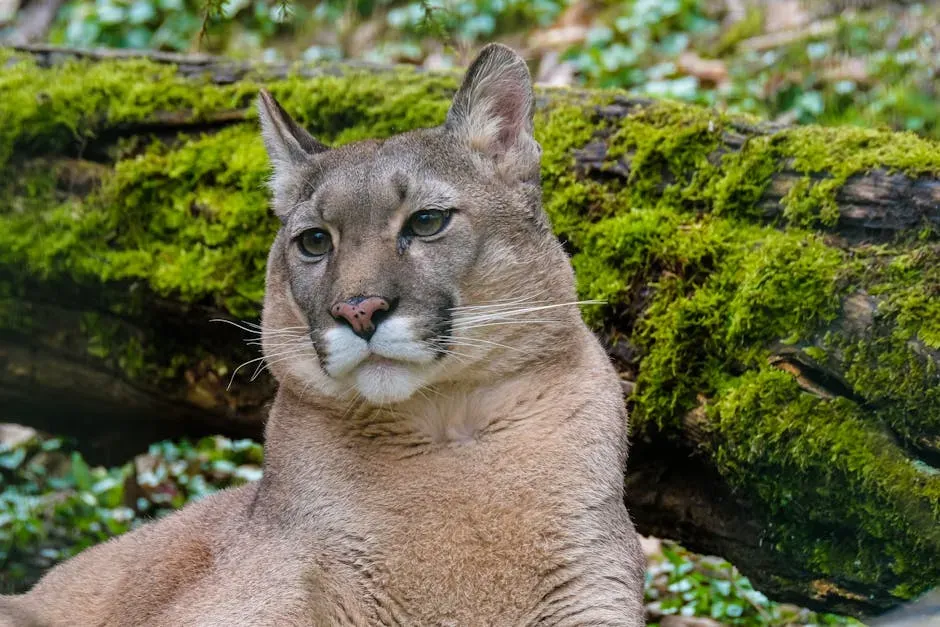
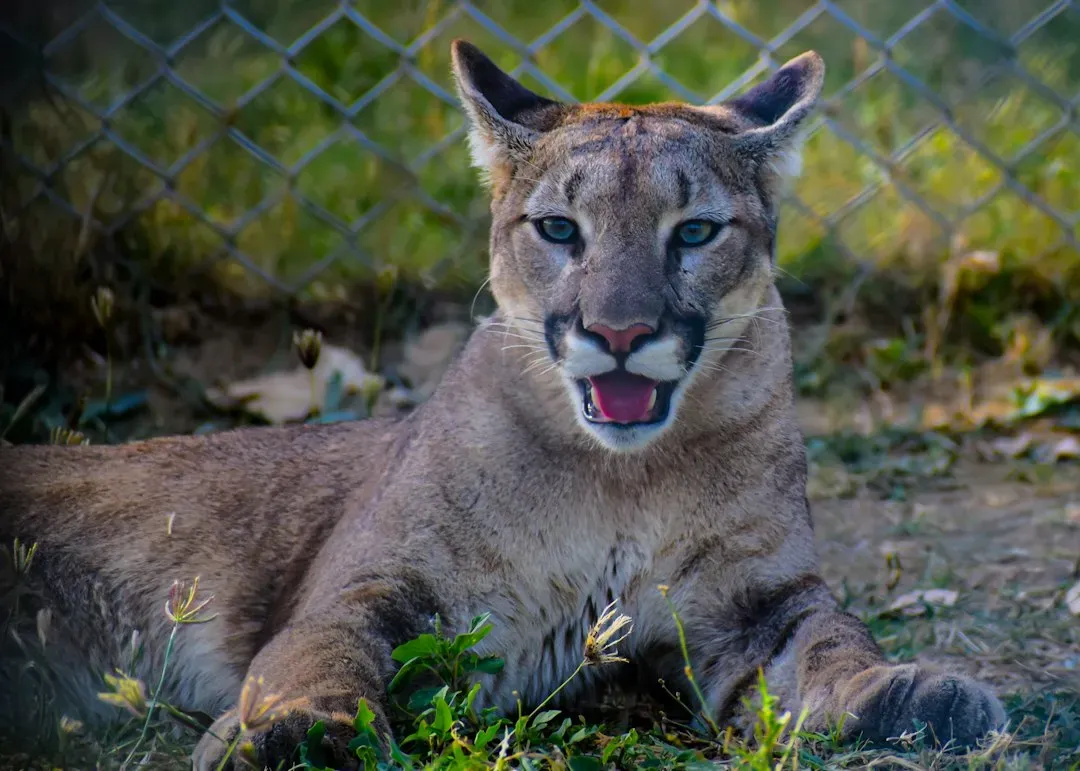
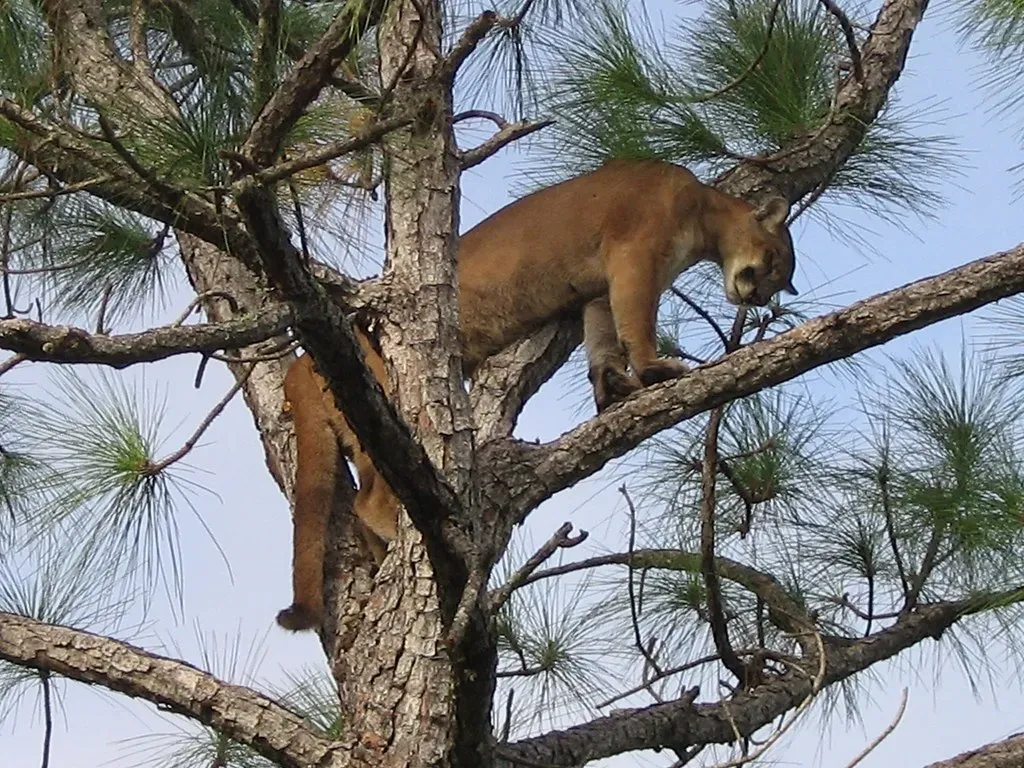
The Florida panther is a cougar population living in the southern part of the state, and it’s the only confirmed cougar population in the Eastern United States. It once roamed widely. Panthers formerly ranged throughout Florida, as far west as Arkansas and as far north as South Carolina.
Then came hunting, habitat loss, and a century of development. By the end, the breeding group had been squeezed into a small corner of the peninsula. One source notes the population had stayed below 30 individuals for at least two decades by 1995.
That’s the baseline behind the headline figure of roughly 20 to 30 cats in the 1990s. It’s a number that should make anyone pause. When a large predator drops that low, the danger isn’t only that individuals die. It’s that the survivors start running out of options.
Why a Tiny Population Is Its Own Kind of Trouble
🔥 Would you like to save this?
We'll email this post to you, so you can come back to it later!
Small, isolated populations tend to inbreed, and the panthers showed it. Biologists documented problems such as kinked tails and heart defects, along with reproductive issues in males. These weren’t cosmetic quirks. They were warning lights about the long term health of the group.
The danger was bigger than genetics alone. A small, isolated population is vulnerable to genetic problems and to catastrophic events like disease, parasite outbreaks and exposure to toxins. One bad outbreak could have done what decades of slow decline hadn’t.
Think of it like a library with only a handful of books left. Even if each one is in decent shape, there’s no backup copy if something happens to it. Conservationists needed to add variety, and fast.
The 1995 Texas Gamble
🔥 Would you like to save this?
We'll email this post to you, so you can come back to it later!
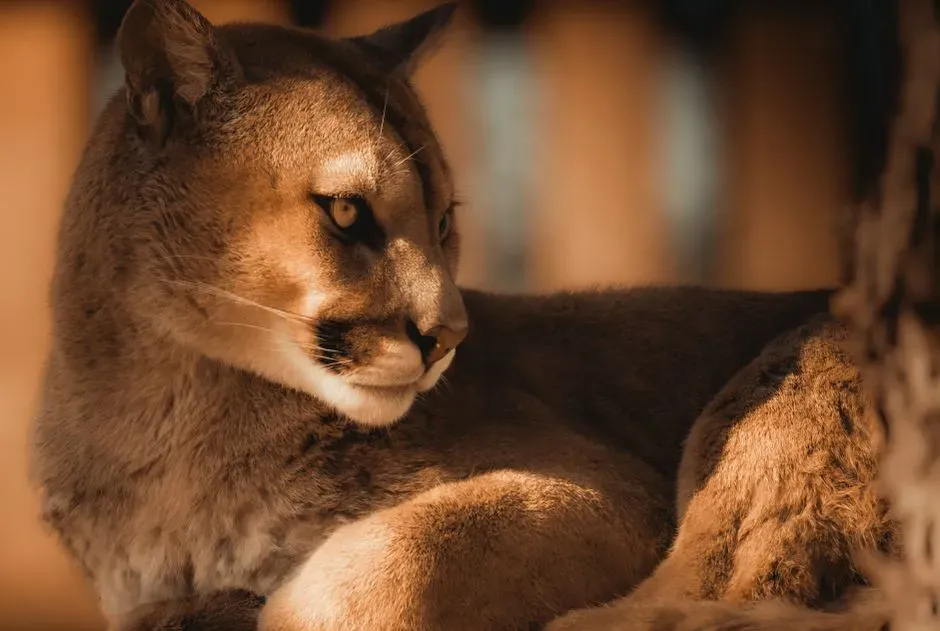
The answer was a bold one. In 1995, wildlife managers brought in female cougars from Texas and released them into South Florida, hoping they’d breed with the local males and bring in fresh genes. It was controversial at the time, since some people worried about diluting a distinct population.
Still, the logic held up. Cougars in the Southeast had once been connected across a large region, so mixing them wasn’t as strange as it first sounded. The goal was to restore what fragmentation had taken away.
One detail often gets lost in retellings. The Texas females were removed from the Florida population after 1999, once recovery was underway. The program wasn’t meant to be permanent. It was a targeted nudge, and then the cats were left to carry on.
What the Rebound Actually Looks Like
🔥 Would you like to save this?
We'll email this post to you, so you can come back to it later!
So how many panthers are out there now? The Florida Fish and Wildlife Conservation Commission’s panther program cites approximately 120 to 230 adult panthers in the population. Other conservation groups describe the same range as adults and subadults, so the exact wording varies a little by source.
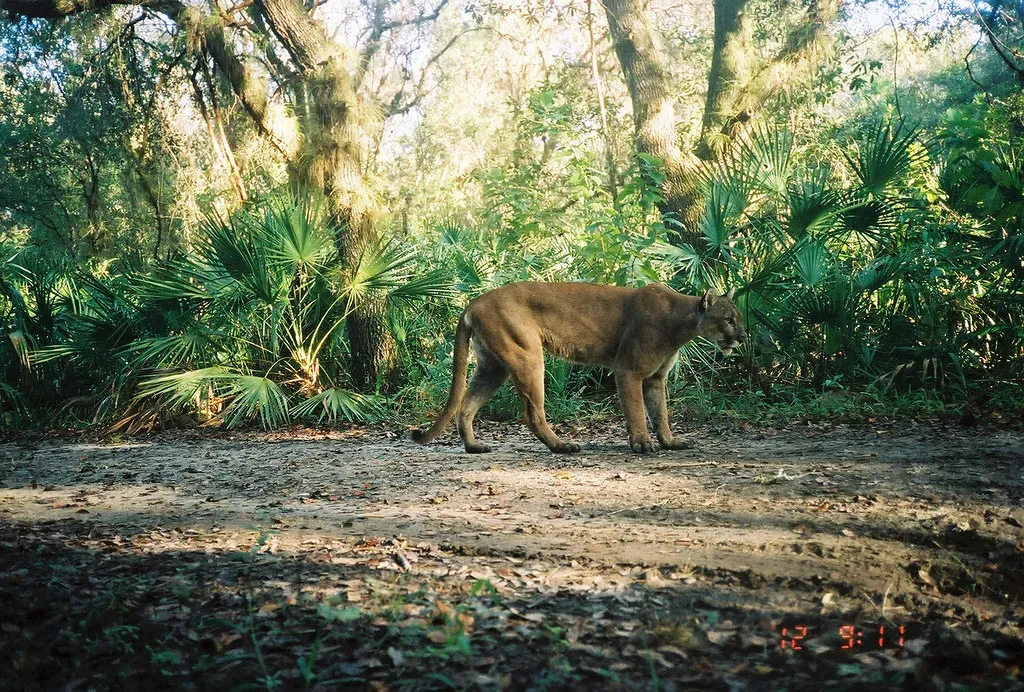
That wide range is honest, not sloppy. Counting panthers is difficult because they’re solitary, elusive and wide ranging, and rarely observed in the wild. Biologists rely on tracking, collars, camera traps and modeling rather than a simple headcount.
Even the low end of that range is several times the figure from the 1990s. Even the high end is small by wildlife standards. Both things are true at once, and that’s why the story is so often told with mixed feelings.

Dog Stairs for Bed 18" H, 4-Step Dog Steps for High Bed
Check Price on AmazonAs an Amazon Associate, we earn from qualifying purchases.
10/9/2026 2:42 pm GMTi

Smart Bird Feeder with Camera Solar Powered, 2K HD Live Video, 10,000+ Bird Species AI Identification
Check Price on AmazonAs an Amazon Associate, we earn from qualifying purchases.
10/7/2026 1:22 pm GMTi

Halloween Dog Collar with Bow, Orange Cute Ghost Collar,
Check Price on AmazonAs an Amazon Associate, we earn from qualifying purchases.
10/9/2026 2:43 pm GMTi

Air Purifiers for Home Pets Large Room Up to 3000 Ft²,HEPA Air Cleaner with Washable Double-Side Filter, PM2.5 Air Quality Monitor,15dB Sleep Mode for Bedroom Odor Dust Pollen,White
Check Price on AmazonAs an Amazon Associate, we earn from qualifying purchases.
10/8/2026 8:23 am GMTi

Halloween Cat Costume Cloak Witch Hat Pet Accessories
Check Price on AmazonAs an Amazon Associate, we earn from qualifying purchases.
10/9/2026 2:44 pm GMTi
Where the Panthers Live Now
🔥 Would you like to save this?
We'll email this post to you, so you can come back to it later!
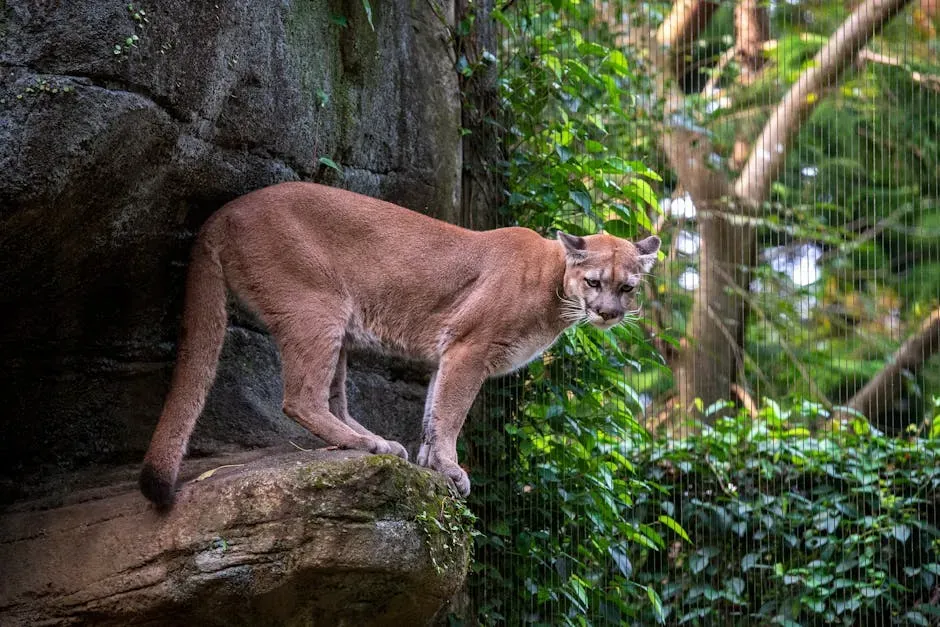
The core of the population sits in southwest Florida. Habitat includes Big Cypress National Preserve, Everglades National Park, the Florida Panther National Wildlife Refuge, and Picayune Strand State Forest. Those protected lands are the backbone of the recovery.
Most breeding still happens south of the Caloosahatchee River. Young males searching for their own territories have been documented in other parts of Florida, though. Those wandering males are important, because they hint at possible range expansion.
Females are the real bottleneck for that expansion, since they tend to settle closer to where they were born. Until breeding females establish themselves farther north, the population remains concentrated in one region. That concentration is a risk in itself.
The Threats That Haven’t Gone Away
🔥 Would you like to save this?
We'll email this post to you, so you can come back to it later!
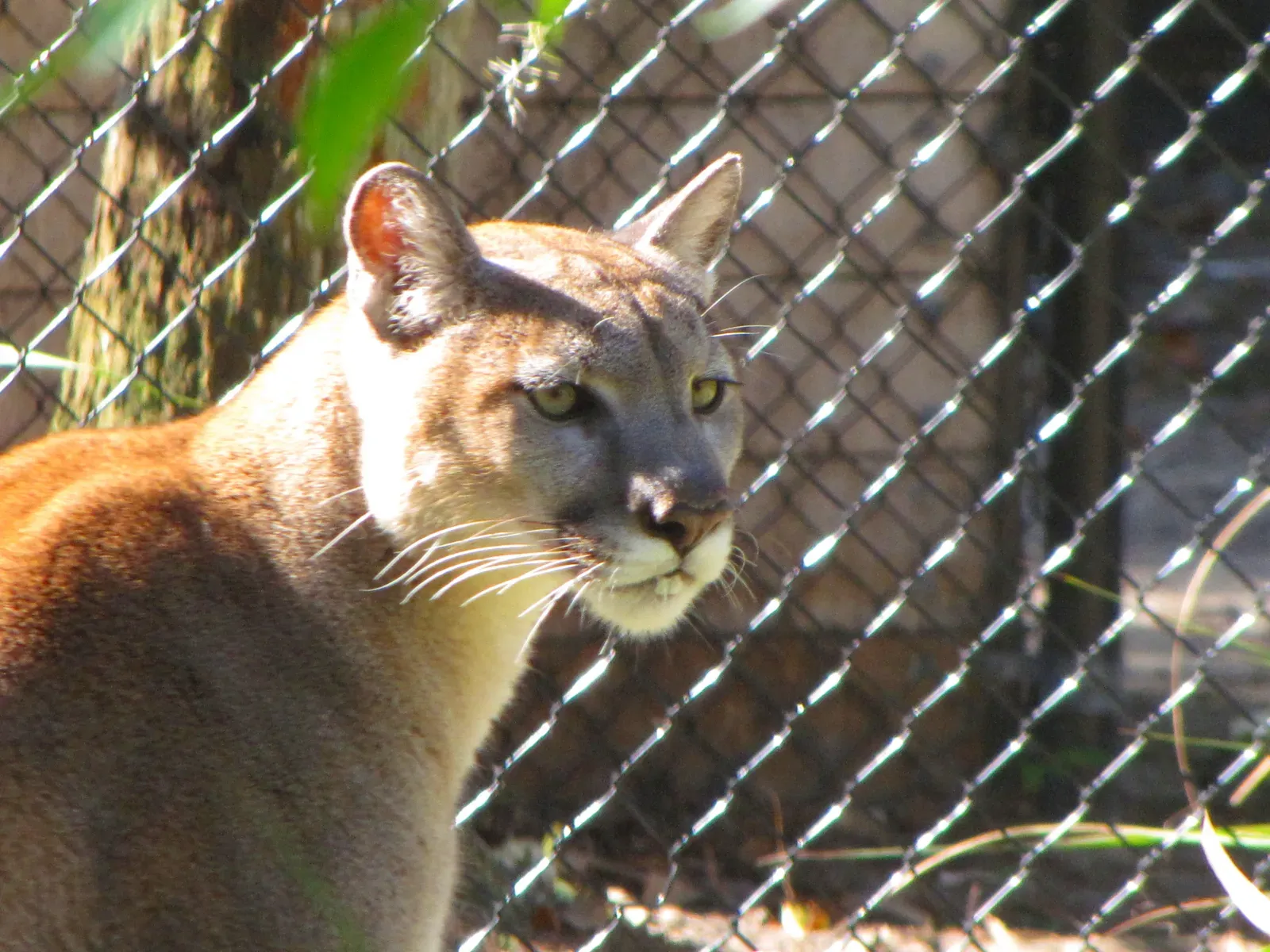
Cars remain a leading danger. The panther’s range overlaps with growing towns and busy highways, and collisions are a major source of known deaths. Wildlife crossings and fencing along some roads have helped, though they can’t cover every stretch.
Development is the quieter problem. Every new subdivision shrinks the space available to males that need large territories. A growing human population has also been linked to more panther sightings and more losses of calves, pets and hobby livestock.
There’s also the matter of conflict. Panthers are legally protected, and it’s illegal to harm or harass them in any way. Making coexistence workable for ranchers and neighbors is as much a social task as a biological one.

PetSafe Oasys Pet Fountain, 1/2 Gallon (64 oz), Small Dogs & Cats
Check Price on AmazonAs an Amazon Associate, we earn from qualifying purchases.
10/8/2026 8:14 am GMTi

2 Pcs Halloween Pet Hat Bandana Set, Witch Pumpkin Costumes for Dogs
Check Price on AmazonAs an Amazon Associate, we earn from qualifying purchases.
10/9/2026 2:45 pm GMTi

Glass Hummingbird Feeder for Outdoors Hanging, 16 oz Leak-Proof Nectar Feeder with Bee Guards & Ant Moat
Check Price on AmazonAs an Amazon Associate, we earn from qualifying purchases.
10/7/2026 1:22 pm GMTi

Glass Hummingbird Feeder for Outdoors Hanging
Check Price on AmazonAs an Amazon Associate, we earn from qualifying purchases.
10/7/2026 1:21 pm GMTi

Orthopedic Extra Large Dog Bed, Waterproof Washable XL Pet Bed 44"
Check Price on AmazonAs an Amazon Associate, we earn from qualifying purchases.
10/7/2026 1:32 pm GMTi
Why Saving This Cat Matters Beyond the Cat
🔥 Would you like to save this?
We'll email this post to you, so you can come back to it later!
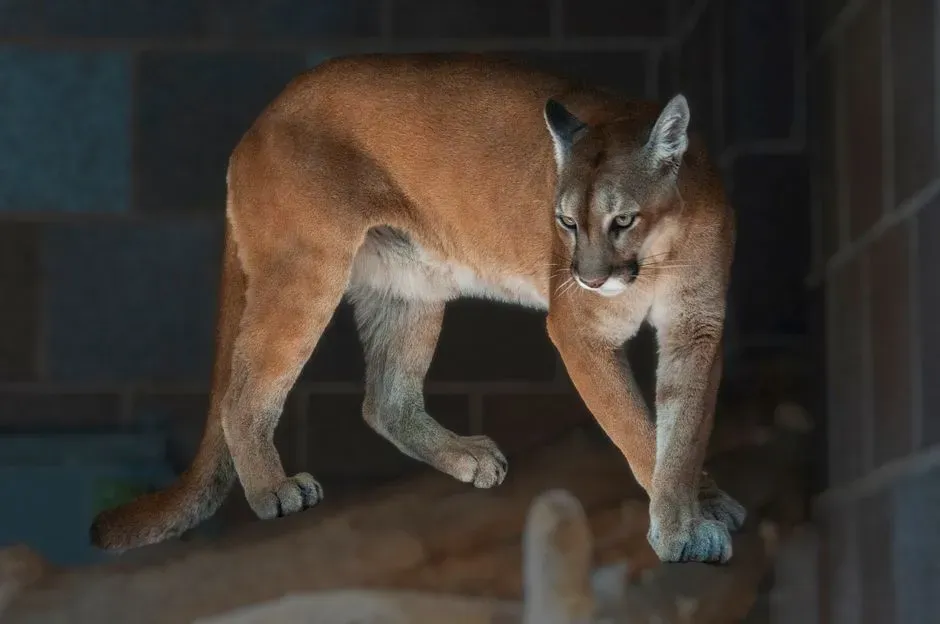
Panthers sit at the top of the food chain, and that has ripple effects. They help keep feral hog numbers in check, and they keep deer, raccoon and other prey populations balanced in their core range. Remove them and the whole system shifts.
Protecting panther habitat also protects a lot of other things. The same wetlands, hammocks and pinelands support wading birds, bears, and the water supply that millions of people rely on. Saving the cat means saving the land.
There’s a cultural angle too. It’s recognized as Florida’s official state animal, which means the state has a stake in the outcome, not just scientists.
Final Thoughts: A Success Story With an Asterisk
🔥 Would you like to save this?
We'll email this post to you, so you can come back to it later!
I think the panther’s comeback deserves the praise it gets. Going from a few dozen animals to a population in the low hundreds is no small thing, and it shows that bold, science driven choices can pay off. The Texas release looked risky, and it worked.

Portable Dog Water Bottle Foldable Dog Travel Water Bottle
Check Price on AmazonAs an Amazon Associate, we earn from qualifying purchases.
10/7/2026 1:29 pm GMTi

Earth Rated XL Dog & Puppy Pee Pads, Discreet Top, Max Absorbency
Check Price on AmazonAs an Amazon Associate, we earn from qualifying purchases.
10/7/2026 1:28 pm GMTi

Professional 7 in 1 Dog Paw Cleaner for Dogs & Cats - Includes 1 Portable Paw Washer, 1 Bath Brush
Check Price on AmazonAs an Amazon Associate, we earn from qualifying purchases.
10/7/2026 1:26 pm GMTi

Hand Blown Glass Hummingbird Feeders for Outdoors Hanging, 24oz Wild Bird Nectar Feeder
Check Price on AmazonAs an Amazon Associate, we earn from qualifying purchases.
10/7/2026 1:23 pm GMTi
Still, calling this a finished victory would be a mistake. The panther remains one of the most endangered mammals in North America, and continued action is needed. A single breeding population in one corner of a rapidly growing state is still a fragile position.
My view is that the next chapter will be decided less by biologists than by planners, voters and drivers. If Florida protects the corridors north of the Caloosahatchee, the rebound could keep going. If it doesn’t, the story may stall at a number that looks good only next to the 1990s.

- Wildlife Biology Says Florida Panthers Rebounded From About 20 to 30 Cats in the 1990s to an Estimated 120 to 230 Adults Today - November 10, 2026
- Zoology Says Lions Are the Most Social of All Wild Cats – Most Other Species Live and Hunt Alone - November 10, 2026
- Animal Behaviorists Say a High, Stiff Tail Wag in Dogs Isn’t Always Friendly – It Can Signal Arousal or Tension Rather Than Happiness - November 10, 2026