
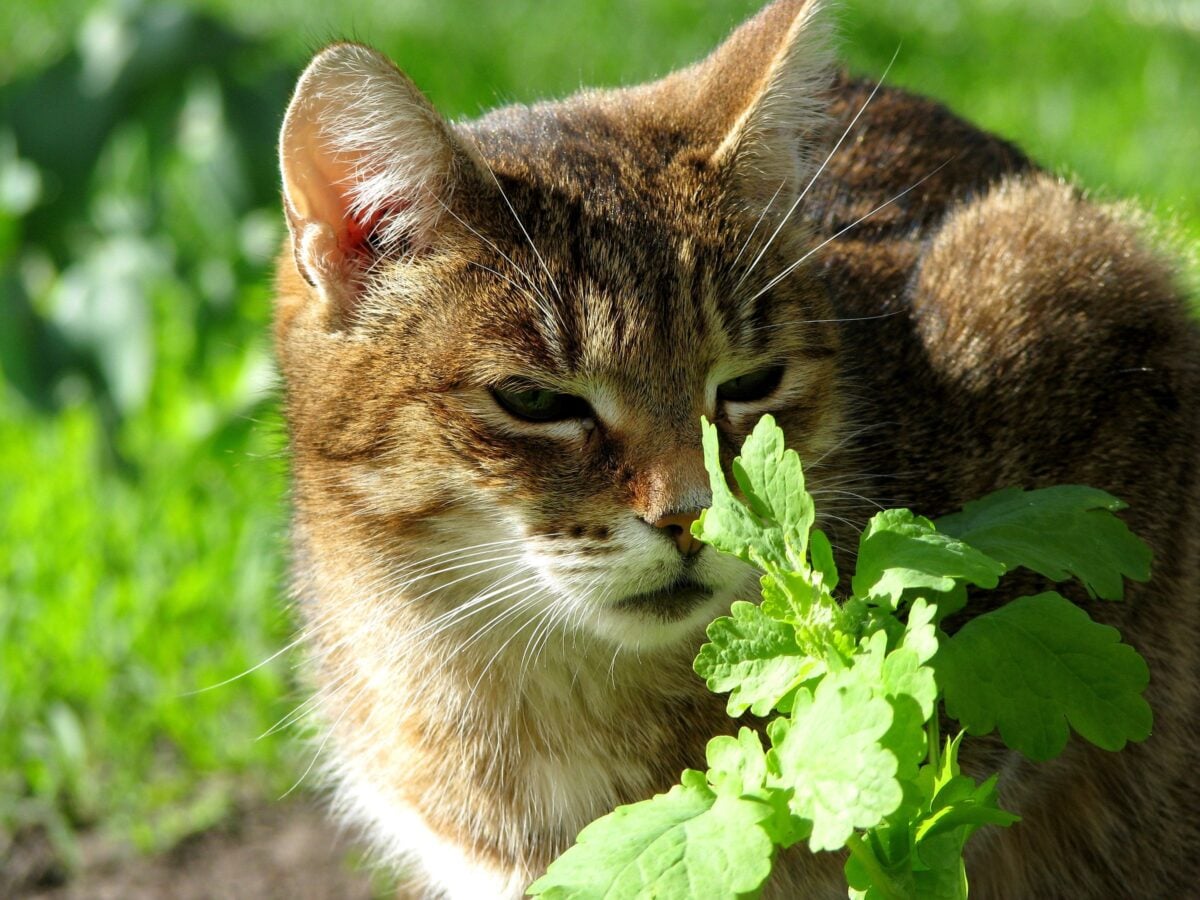

Anyone who has ever handed a kitten a catnip toy and watched it stare blankly has probably wondered if something was wrong. The toy sits there, the kitten sniffs once, then wanders off to chase a shoelace instead. Meanwhile, the neighbor’s older cat is rolling around like it just won the lottery.
The truth is that catnip response isn’t a simple switch. It develops with age, it runs in families, and for a sizable minority of cats it never shows up at all. Here’s what’s actually known about why.
What Catnip Actually Does to a Cat
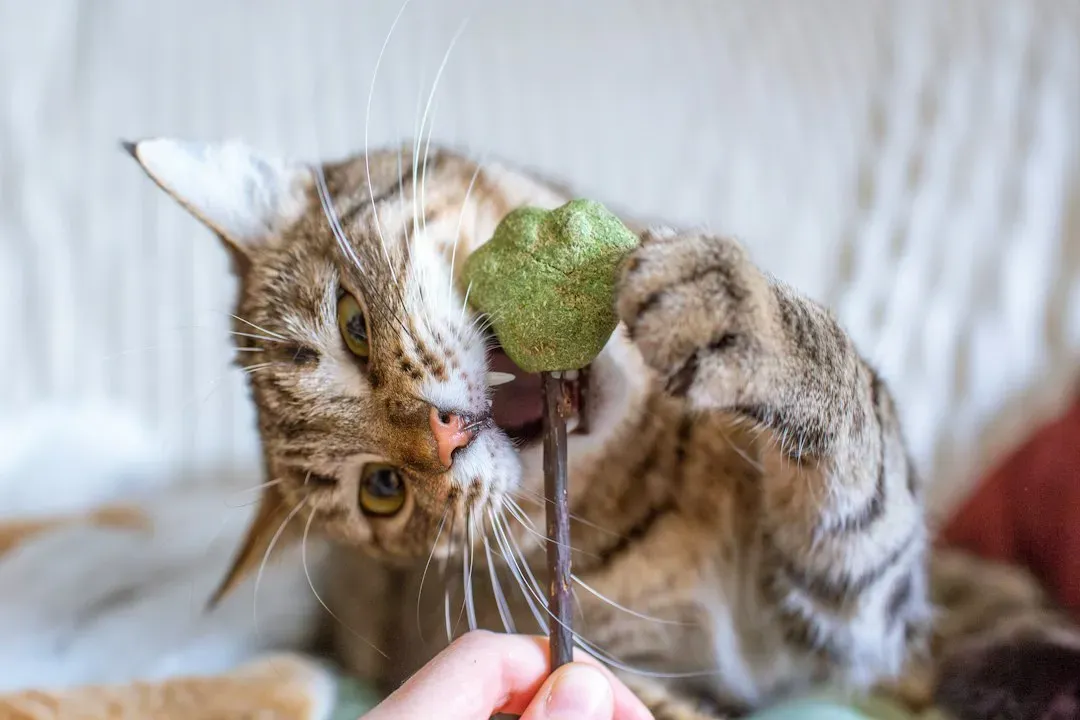
The active ingredient is nepetalactone, an oil found in the catnip plant, which is a member of the mint family. Cats detect it through their sense of smell, and the effect is usually short. Typical reactions include rubbing, rolling, drooling, vocalizing, and bursts of playfulness.
The response tends to fade after roughly ten minutes or so, and then the cat loses interest. It often takes a while before the cat reacts again. That temporary immunity is why people are often advised to offer catnip only occasionally rather than daily.
Why Kittens Usually Ignore It
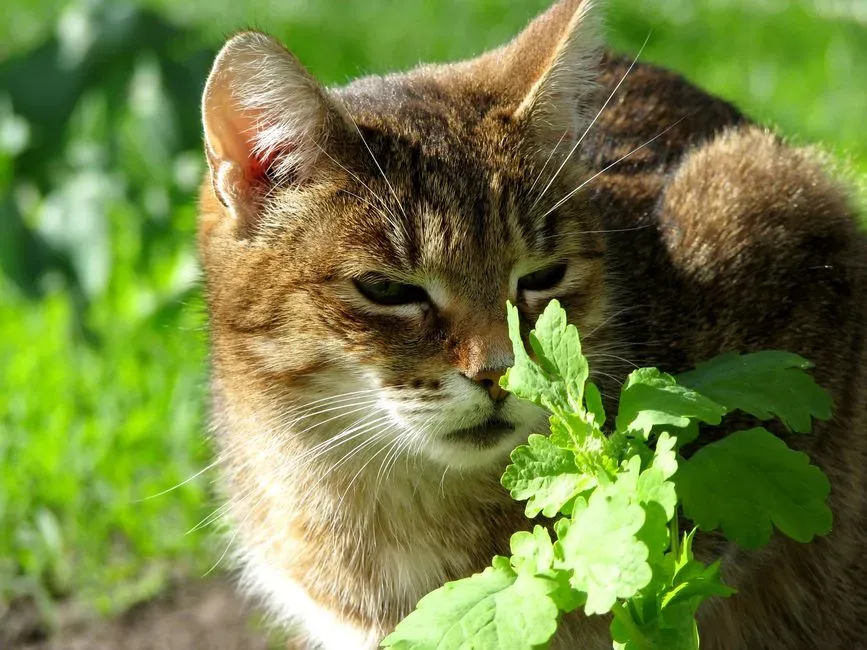
Kittens generally don’t respond to catnip until they’re a few months old, commonly cited as somewhere around three to six months. The sensitivity seems to mature as the cat does. Younger kittens may sniff it, shrug, or even seem mildly put off.
Researchers and veterinary sources point to development as the likely reason, though the exact biology isn’t fully mapped out. So if your eight week old kitten is unimpressed, that’s normal. Waiting a few months and trying again is the sensible move.

Orthopedic Extra Large Dog Bed, Waterproof Washable XL Pet Bed 44"
Check Price on AmazonAs an Amazon Associate, we earn from qualifying purchases.
10/7/2026 1:32 pm GMTi

Glass Hummingbird Feeder for Outdoors Hanging
Check Price on AmazonAs an Amazon Associate, we earn from qualifying purchases.
10/7/2026 1:21 pm GMTi

Earth Rated XL Dog & Puppy Pee Pads, Discreet Top, Max Absorbency
Check Price on AmazonAs an Amazon Associate, we earn from qualifying purchases.
10/7/2026 1:28 pm GMTi

Halloween Cat Costume Cloak Witch Hat Pet Accessories
Check Price on AmazonAs an Amazon Associate, we earn from qualifying purchases.
10/9/2026 2:44 pm GMTi

Glass Hummingbird Feeder for Outdoors Hanging, 16 oz Leak-Proof Nectar Feeder with Bee Guards & Ant Moat
Check Price on AmazonAs an Amazon Associate, we earn from qualifying purchases.
10/7/2026 1:22 pm GMTi
The Genetic Lottery Behind the Reaction
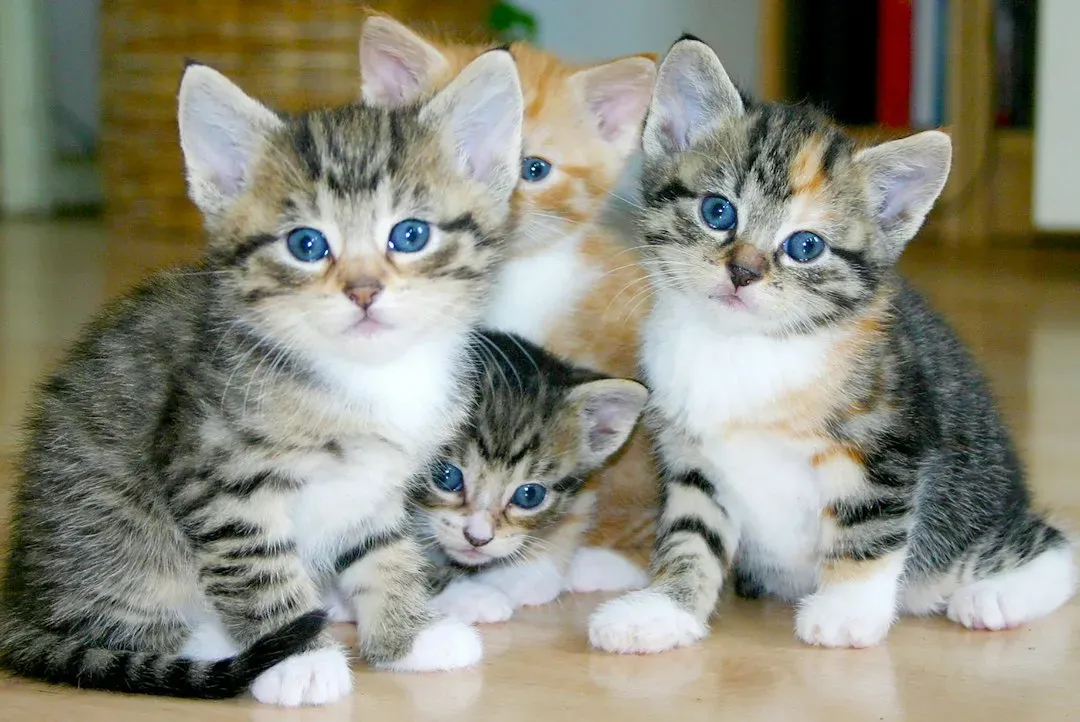
Whether a cat responds to catnip is widely understood to be an inherited trait. It appears to be passed down genetically, which helps explain why some litters or family lines seem more enthusiastic than others. A cat can’t choose to like it, any more than a person chooses to love cilantro or hate it.
Commonly cited estimates say that somewhere between half and two thirds of cats respond, leaving roughly a third or more who don’t. Exact figures vary by source and by how a study defines a reaction. Treat the numbers as a rough guide, not a precise count.
When a Cat Never Reacts at All
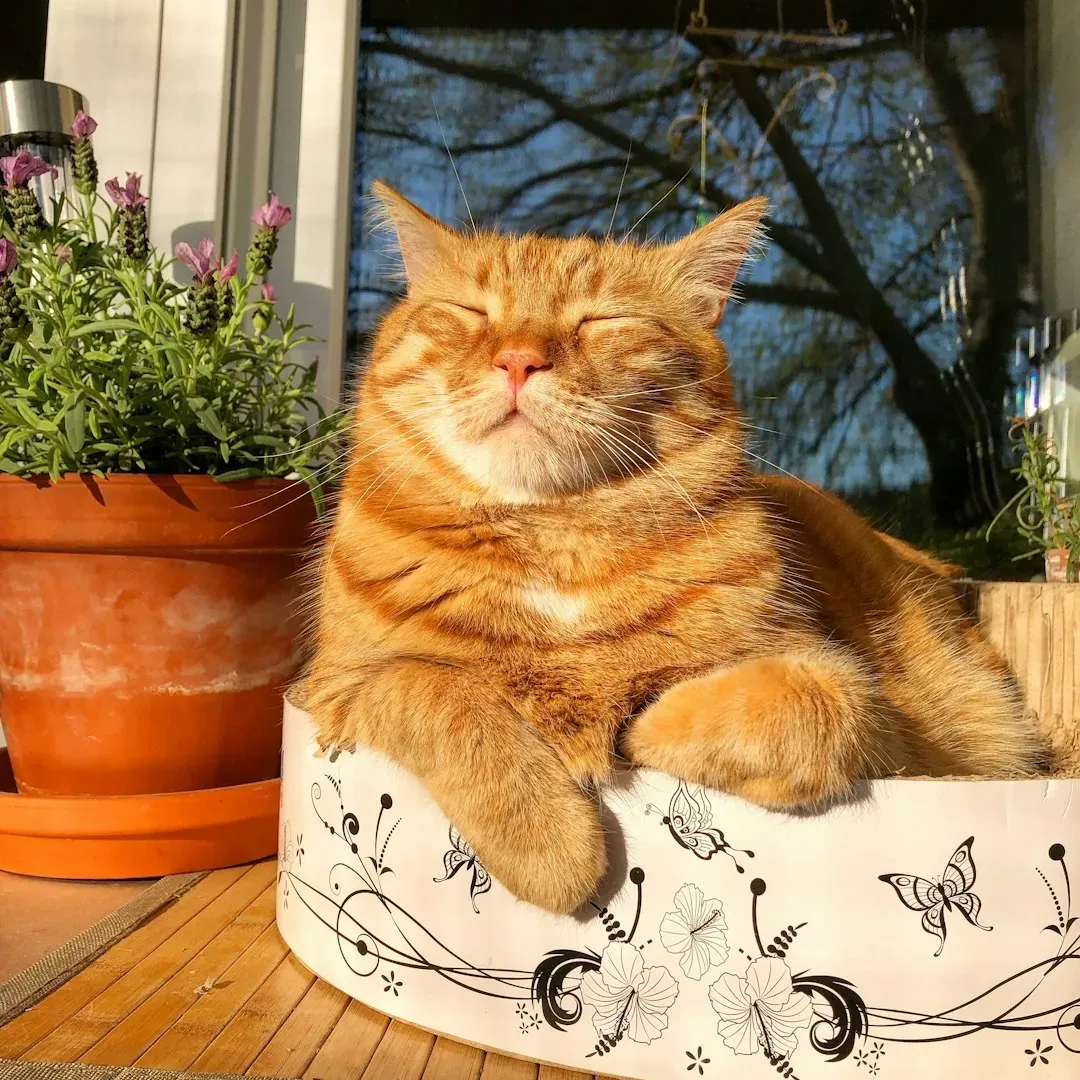
A cat that shows no interest in catnip isn’t broken, ill, or missing out in some worrying way. It’s simply one of the cats without the inherited response. Retesting a few times over several months is reasonable, but if nothing happens, that’s likely the answer.
Not reacting says nothing about a cat’s personality, intelligence, or playfulness. Plenty of non responders are energetic and curious. They just get their fun from other places.

Smart Bird Feeder with Camera Solar Powered, 2K HD Live Video, 10,000+ Bird Species AI Identification
Check Price on AmazonAs an Amazon Associate, we earn from qualifying purchases.
10/7/2026 1:22 pm GMTi

Hand Blown Glass Hummingbird Feeders for Outdoors Hanging, 24oz Wild Bird Nectar Feeder
Check Price on AmazonAs an Amazon Associate, we earn from qualifying purchases.
10/7/2026 1:23 pm GMTi

Dog Stairs for Bed 18" H, 4-Step Dog Steps for High Bed
Check Price on AmazonAs an Amazon Associate, we earn from qualifying purchases.
10/9/2026 2:42 pm GMTi

PetSafe Oasys Pet Fountain, 1/2 Gallon (64 oz), Small Dogs & Cats
Check Price on AmazonAs an Amazon Associate, we earn from qualifying purchases.
10/8/2026 8:14 am GMTi

2 Pcs Halloween Pet Hat Bandana Set, Witch Pumpkin Costumes for Dogs
Check Price on AmazonAs an Amazon Associate, we earn from qualifying purchases.
10/9/2026 2:45 pm GMTi
Alternatives Worth Trying
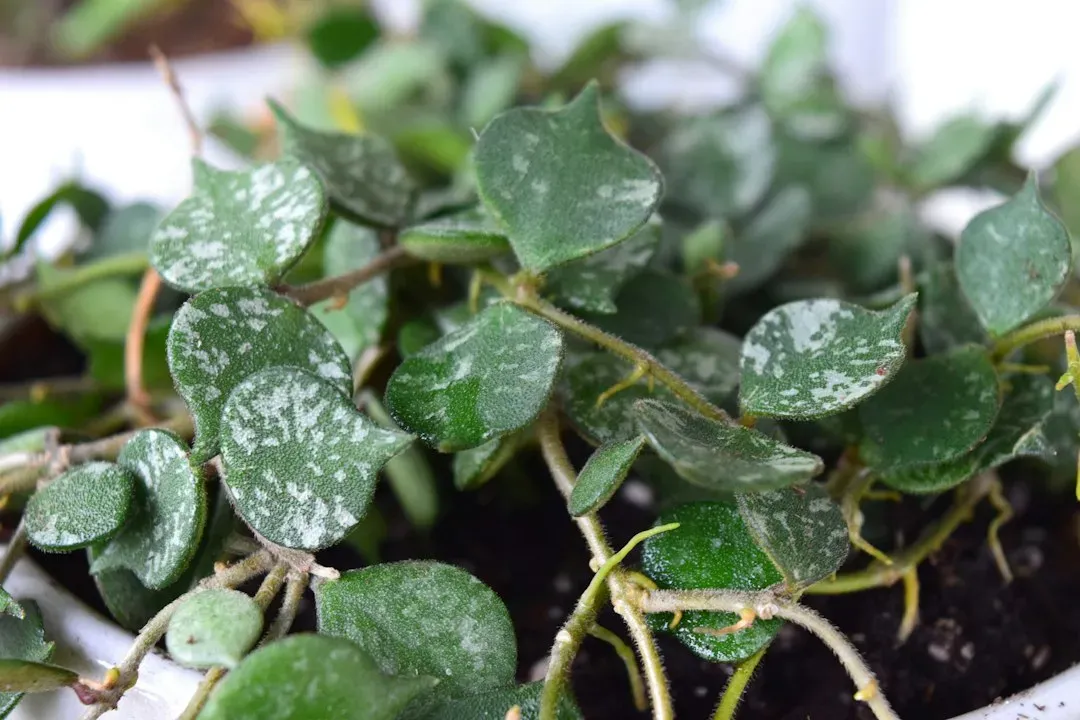
Some cats that ignore catnip respond to other plants. Silver vine and valerian root are often mentioned, and research on silver vine in particular has suggested that many catnip non responders still react to it. Tatarian honeysuckle is another option sometimes suggested.
Still, no plant works for every cat, so it’s worth going slowly. Offer a small amount, watch the reaction, and stop if your cat seems stressed or unwell. A feather wand or a crinkly ball may end up beating all of them.

Halloween Dog Collar with Bow, Orange Cute Ghost Collar,
Check Price on AmazonAs an Amazon Associate, we earn from qualifying purchases.
10/9/2026 2:43 pm GMTi

Professional 7 in 1 Dog Paw Cleaner for Dogs & Cats - Includes 1 Portable Paw Washer, 1 Bath Brush
Check Price on AmazonAs an Amazon Associate, we earn from qualifying purchases.
10/7/2026 1:26 pm GMTi

Portable Dog Water Bottle Foldable Dog Travel Water Bottle
Check Price on AmazonAs an Amazon Associate, we earn from qualifying purchases.
10/7/2026 1:29 pm GMTi

Air Purifiers for Home Pets Large Room Up to 3000 Ft²,HEPA Air Cleaner with Washable Double-Side Filter, PM2.5 Air Quality Monitor,15dB Sleep Mode for Bedroom Odor Dust Pollen,White
Check Price on AmazonAs an Amazon Associate, we earn from qualifying purchases.
10/8/2026 8:23 am GMTi
Final Thoughts
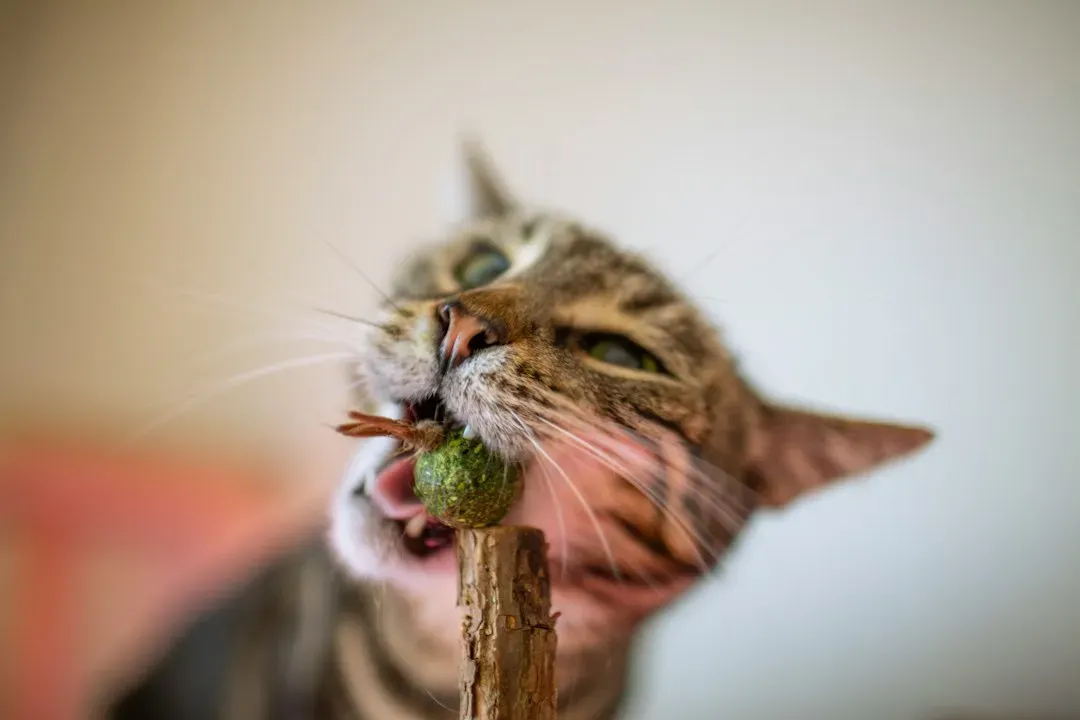
My view is that catnip gets treated like a test of whether a cat is normal, and it really shouldn’t be. A kitten that shrugs at it is just young, and an adult that shrugs is just built that way. Neither needs fixing.
If you want to try it, be patient and keep your expectations loose. Cats are rarely impressed by our plans for them, and that’s a big part of their charm.

- Feline Psychology Says Kittens Usually Don’t React to Catnip Until Several Months Old – and Up to a Third of Cats Never React at All - November 11, 2026
- 6 Common Plants That Attract Pollinators and Boost Your Garden’s Health - November 11, 2026
- Why These Unique Bird Species Are Choosing to Nest in Urban Areas - November 11, 2026