
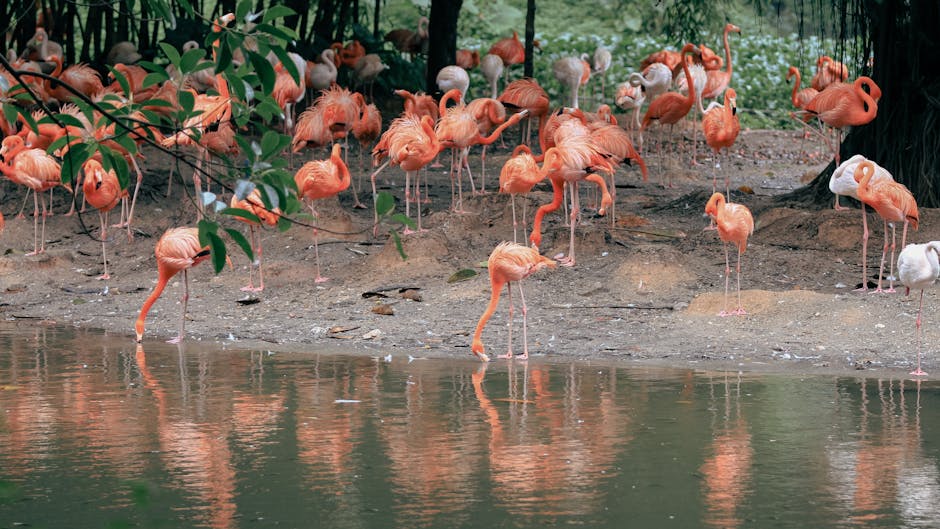
There’s something quietly extraordinary happening along Florida’s coastlines, mangroves, and shallow bays. A bird that vanished from the state more than a century ago, one that exists on lottery tickets and cocktail straws and motel signs, has started showing up again in the wild. Not as a plastic ornament. Not as a zoo exhibit. As a living, breathing, astonishingly pink creature wading through the same waters its ancestors once called home.
Flamingo branding is everywhere in Florida, from cocktail straws and tourist T-shirts to hotel names and the Florida Lottery logo. Yet the real-life pink birds have been largely missing from the Sunshine State since the early 1900s, when hunters nearly drove them to extinction in the quest for their fashionable and highly profitable plumage. The gap between the image and the reality has lasted for generations. Now, something may finally be closing it.
A Bird That Was Always Supposed to Be Here
Most Floridians grew up thinking of flamingos as a tropical novelty, something you’d see in the Bahamas or on a themed resort brochure. The truth is far more interesting. Flamingos were once abundant in Florida, living in huge colonies of more than a thousand individuals in the Everglades and the Florida Keys in the 1800s.
Historical and scientific manuscripts from the 1800s indicate flamboyances of hundreds to thousands were seen in the Everglades, Florida Bay, and the Florida Keys. These weren’t wandering visitors from elsewhere. They were residents, nesting and feeding in the same shallow estuaries that still exist today.
Researchers had to search through digitized museum archives to track down four eggs that, according to their labels, came from flamingos nesting in Florida in the 19th century. They found further evidence for sizable colonies in early naturalists’ notes, including several accounts describing large flamingo flocks numbering from several hundred to the low thousands. The birds belonged here. The science now confirms it.
How the Plume Trade Silenced the Flocks
In the late 19th century, it became trendy for women to wear colorful bird feathers in their hats. Hunters killed off huge swaths of flamingos and other wading birds, like snowy egrets and roseate spoonbills, because “an ounce of feathers was worth more than gold,” according to Audubon Florida.
The last report of a large flock was in 1902, describing a flock of over 500 to 1,000 flamingos east of Cape Sable. Following that report, flamingo observations in Florida only ranged in the single digits at a time for many decades. It was, in ecological terms, a near total collapse.
The passage of the Migratory Bird Treaty Act in 1918 officially ended the feather trade. Given legal protection, most species managed to reestablish huge nesting populations in the Everglades by the 1930s and 1940s, presumably migrating from remote populations in Central America and the Caribbean. Flamingos, however, did not. Their slow reproduction and deeply social nesting habits made recovery far harder than for other wading birds.
Hurricane Idalia and the Accidental Pink Wave
Hurricane Idalia blew a flamboyance, or flock, of 300 to 400 flamingos that was likely migrating between the Yucatan Peninsula and Cuba off course in August 2023, depositing the birds across a wide swath of the eastern United States, from Florida’s Gulf Coast all the way up to Wisconsin and east to Pennsylvania. It was chaotic, dramatic, and entirely unexpected.
It wasn’t the first time a powerful storm swept the birds to Florida. In most of those instances, the flamingos left after only a few days. This time, they stayed. That distinction matters enormously to scientists who have been watching the species for decades.
Audubon Florida released the results of a February field study that documented 101 wild American flamingo sightings around the state, with more people reporting seeing them in a single week than at any other point in time since the early 1900s. Nearly seventy percent of the flamingos observed were found in the Florida Keys and in Florida Bay, which is part of Everglades National Park.
Peaches, Conchy, and the Science of Tracking Pink
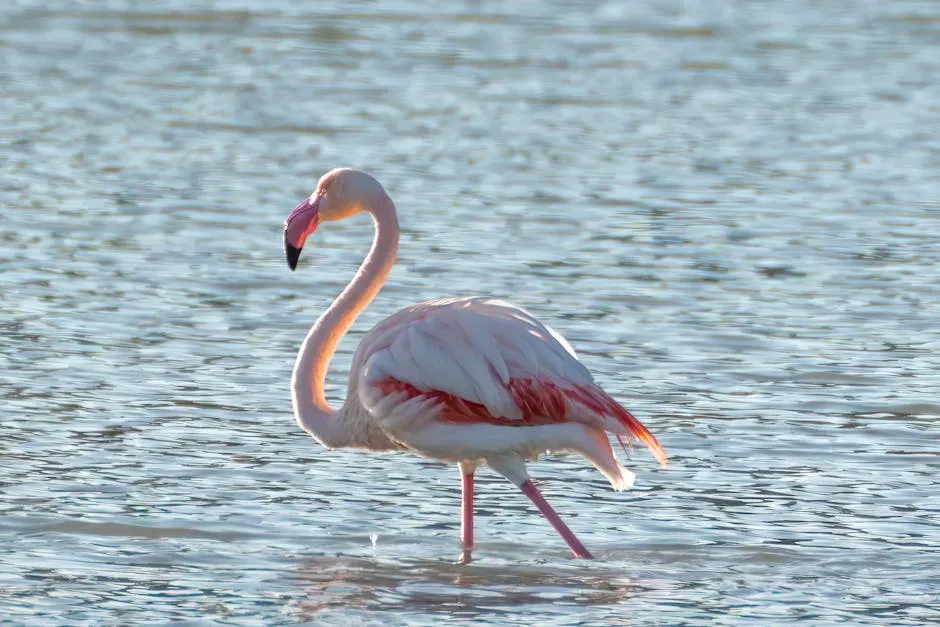
Then Conchy was rescued from an airport runway in the Florida Keys. The bird was discovered alongside two other flamingos wading and feeding in shallow water near the Naval Air Station on Boca Chica in 2015. Efforts to shoo them away from the edges of the fighter jet runways worked for the two older birds, but Conchy wouldn’t leave.
Conchy was given the blue band US01 and released in Florida Bay in December 2015. He lived in Florida Bay for two years, and the fact that he stayed for that long was proof to researchers that it was possible for flamingos to make a more permanent home in Florida. A single stubborn bird helped shift the scientific conversation.
In June 2025, researchers received an email from colleagues at the Rio Lagartos Biosphere Reserve in Yucatan, Mexico, who had photographed Peaches, another tracked flamingo with his blue band still in place, nesting in the reserve. The tracking stories of both birds reveal something important: these animals move fluidly between Florida and the Caribbean, treating the state not as a stopover but as part of a broader, living range.
The Everglades Restoration Connection
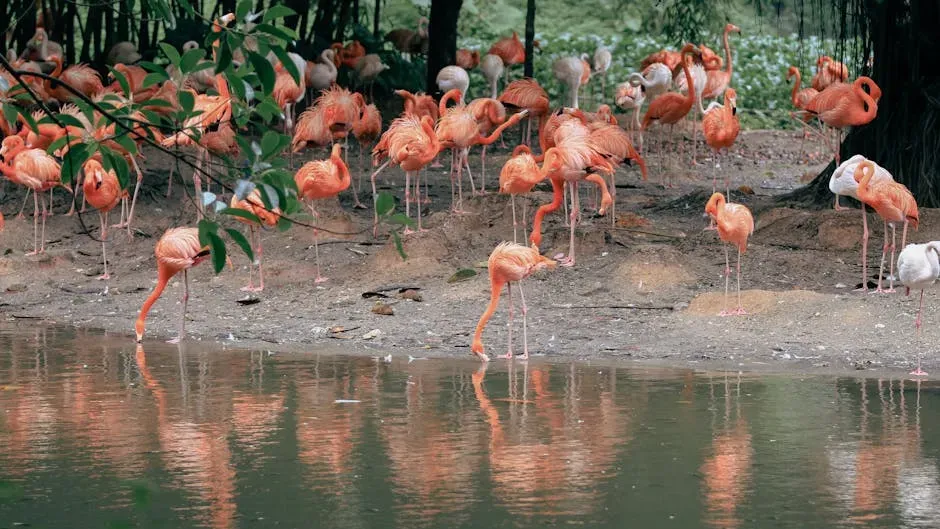
Though the native flamingo population disappeared more than 100 years ago, recent events suggest that flamingos may be coming back to the Sunshine State, and that their return has been facilitated by the concerted effort to restore the Everglades and coastal ecosystems. The birds are, in a real sense, following the habitat.
Researchers say the flamingo sightings are one tangible sign that the massive ten billion dollar Comprehensive Everglades Restoration Plan is finally seeing success, 23 years after the act of Congress was signed into law to help bring wildlife back to the river of grass. Decades of painstaking environmental work may be producing visible results.
While conducting a wading bird survey in June 2025, avian ecologist Mark Cook discovered 125 American flamingos traversing the Everglades in the largest reported flamboyance in Florida since 2014, when 147 flamingos had been seen in the northern part of the Everglades. Taken together, the trajectory is clear, even if cautious optimism is still the right posture.
What Needs to Happen for the Comeback to Stick
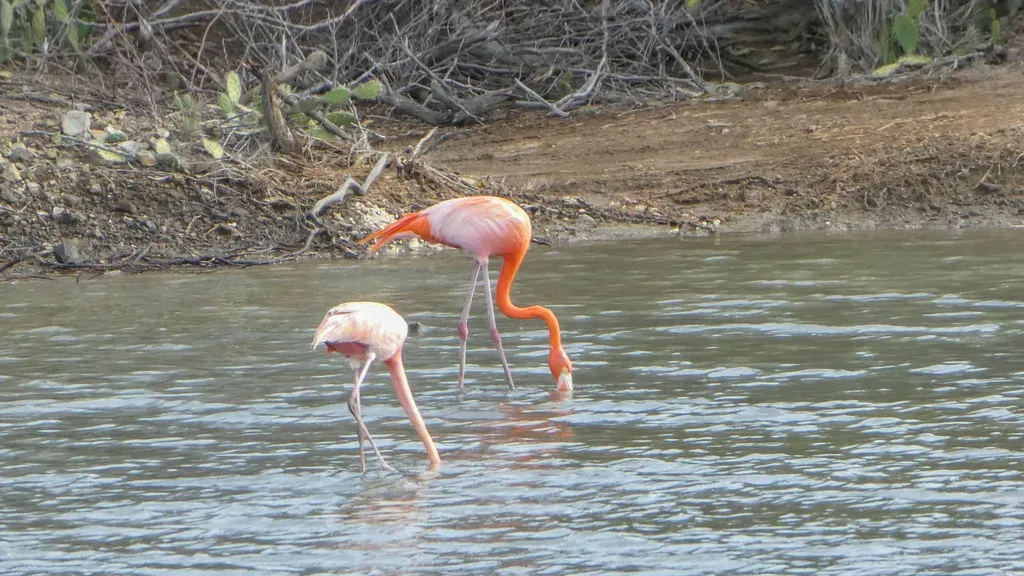
Flamingos’ unique breeding behaviors and their longevity, as they can live up to 50 years in the wild, may account for their struggle to bounce back. Other Florida wading birds can nest multiple times a year at different locations, laying three to five eggs at a time. Flamingos, on the other hand, nest only once a year, generally returning to the same location year after year, and lay only one egg. That makes building a population slow work.
A study published in the American Ornithological Society’s Ornithological Applications journal details how researchers from UCF’s Department of Biology and colleagues analyzed the genetic variability, population structure, and viable conservation strategies for Florida’s American flamingo. The study found that American flamingos in Florida have strong genetic variability and are closely connected to Caribbean and zoo-managed populations, supporting future reintroduction and conservation efforts.
While evidence convinced the Florida Fish and Wildlife Conservation Commission to change the designation of the birds from non-native to native, commissioners in 2021 rejected a proposal to list flamingos as a threatened species in the state. The scientists consider that designation key, as it requires the state to devise a management plan and help fund flamingo studies. With ongoing work to restore historic Everglades water levels, Audubon Florida says there’s a chance the birds could return full time.
Conclusion: More Than a Symbol
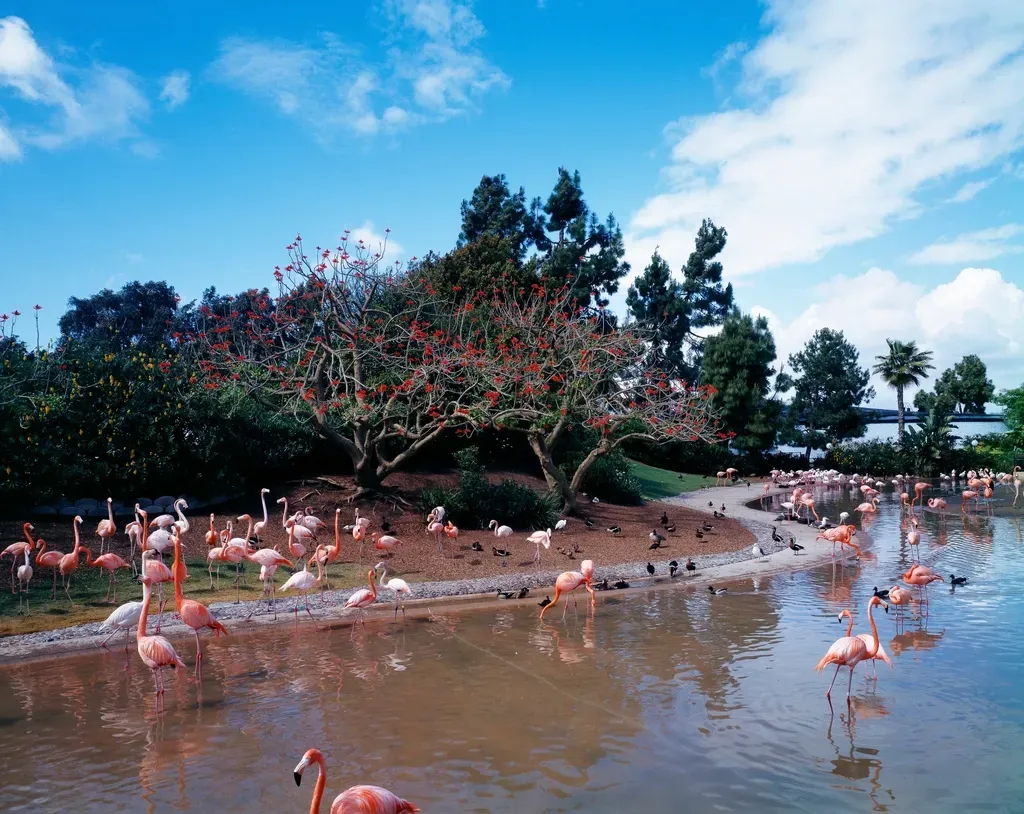
Florida has long printed the flamingo on everything and seen very little of the real thing. That strange disconnection between icon and reality may be on its way to resolving itself, not through some managed reintroduction program, but through a gradual, self-directed return driven by recovering habitat and growing Caribbean populations.
The birds that stayed after Hurricane Idalia, and the flock of 125 spotted in Florida Bay in 2025, suggest something is genuinely shifting. Recent events lead researchers to believe that flamingos may be coming back to the Sunshine State, and that their return has been facilitated by the concerted effort to restore the Everglades and coastal ecosystems.
What makes this story worth watching is that it isn’t just about one beautiful bird. It’s about what becomes possible when ecosystems are given a chance to recover. The flamingo didn’t come back because someone asked it to. It came back because the water was ready. That’s a detail worth sitting with for a while.
