


Reviving ancient creatures like the woolly mammoth has long captured human fascination, thanks in part to films like Jurassic Park. The idea of seeing these prehistoric giants walk the Earth once more is tantalizing, but what if we could dream even bigger—or rather, smaller? Imagine a world where you could have a pet-sized woolly mammoth, a miniature mammoth trotting alongside you, offering companionship warmed by its dense fur. While this evokes a whimsical vision, the journey from fiction to reality raises important questions about the feasibility, ethics, and technology involved in de-extincting such iconic creatures.
The Concept of De-extinction

De-extinction is not pure science fiction, but an active area of research where scientists strive to resurrect extinct species using advancements in genetic engineering. Techniques like cloning and CRISPR gene editing are at the forefront of this research, offering the technology to potentially recreate lost species or, in the case of the woolly mammoth, create hybrid animals by inserting mammoth genes into the DNA of their closest living relatives, the Asian elephants.
The Woolly Mammoth: An Ice Age Icon

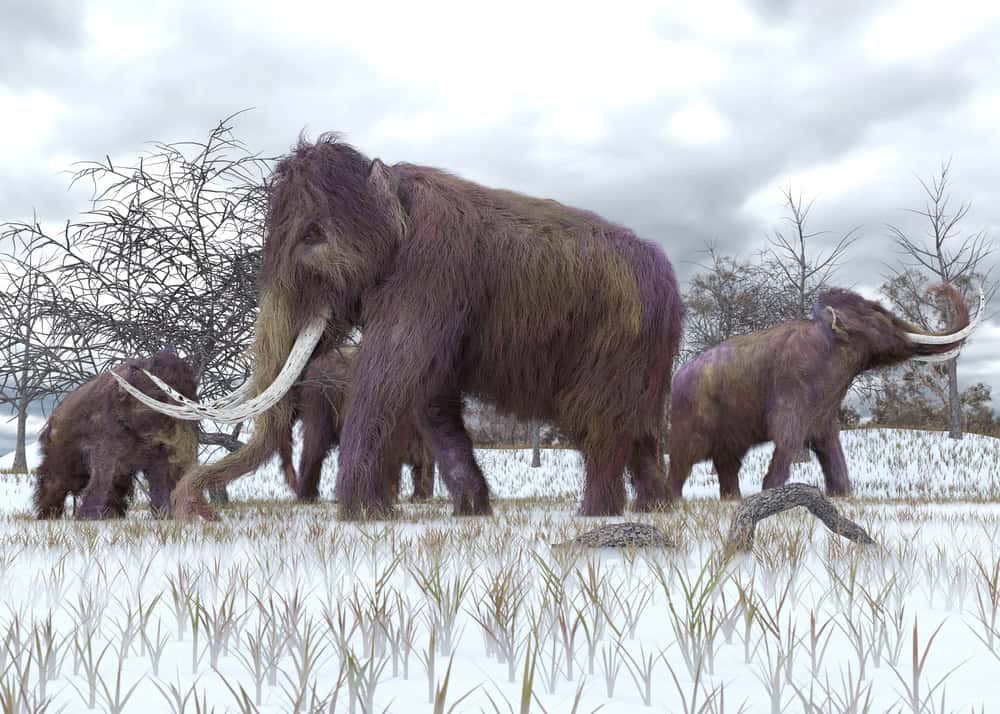
The woolly mammoth roamed the Earth until about 4,000 years ago, surviving harsh Ice Age climates. Known for their long, shaggy fur and colossal tusks, these creatures have long sparked human curiosity. Understanding their lifecycle, social structure, and environmental adaptations gives us better insight into the feasibility of bringing them back, even in a scaled-down version.
Scientific Advances in Genetic Engineering
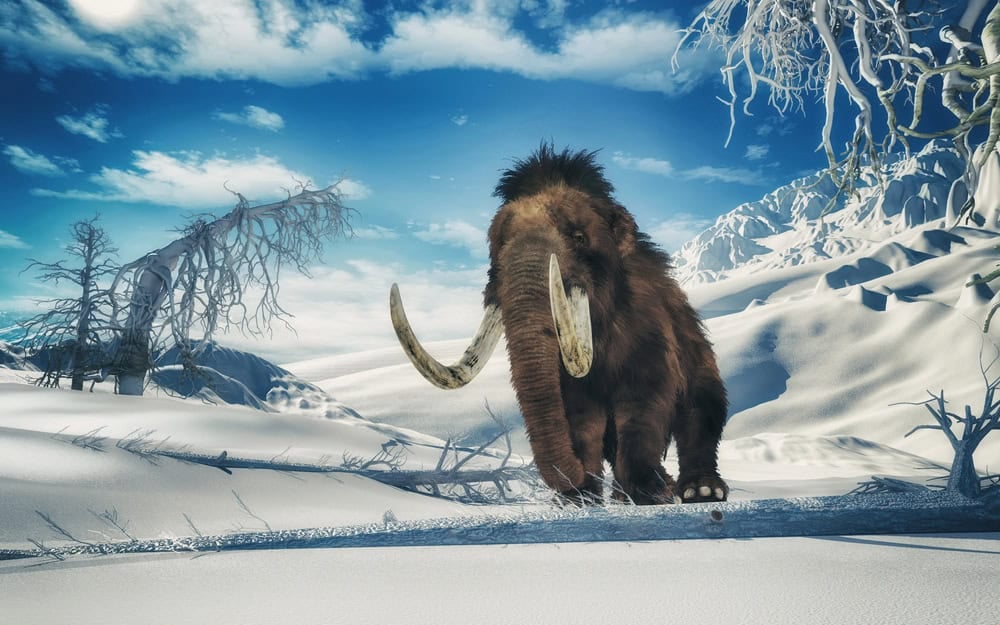
Genetic engineering techniques have made significant strides over the past few decades. The use of CRISPR-Cas9 technology for precise genetic editing gives scientists the ability to integrate desired traits from the woolly mammoth into elephant genomes. By targeting specific genes responsible for features like fur, fat storage, and cold tolerance, researchers hope to create a living proxy of the mammoth that may also be miniaturized.
The Role of Asian Elephants

The Asian elephant shares a significant amount of DNA with the extinct mammoth, making them an ideal candidate for this genetic manipulation. However, this comes with ethical and biological considerations, given the vulnerability of elephant populations and the requirement for ensuring their welfare during any genetic experimentation or hybrid breeding programs.
Feasibility of Size Manipulation
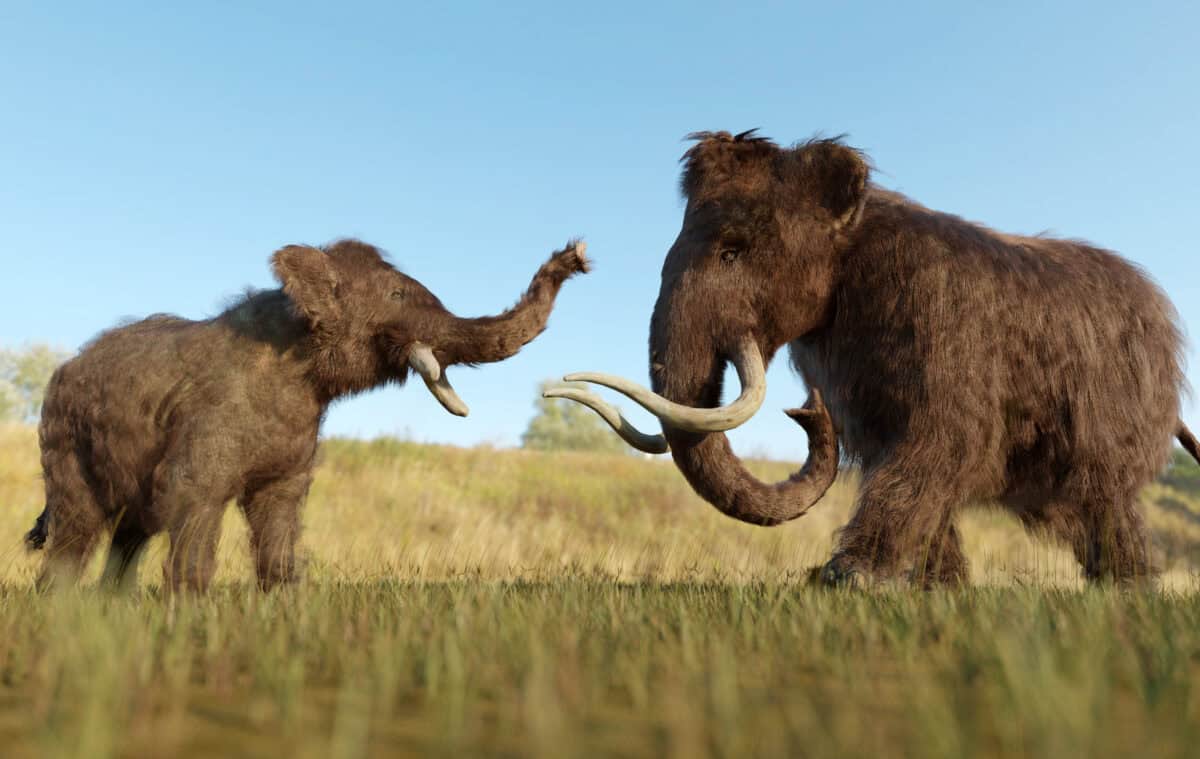
Altering the size of an animal like a mammoth is a complex challenge. Size is determined by multiple genetic and environmental factors. The idea of a pet-sized mammoth would require not just an understanding of these genetic lines, but a method to control them effectively, combining efforts from various scientific fields, including developmental biology and genomics.
Ethical Considerations
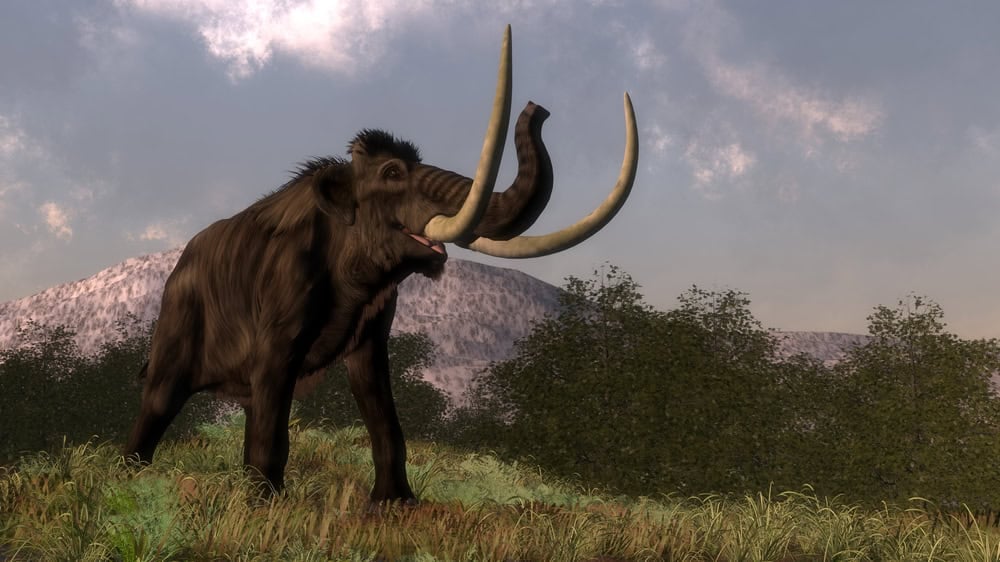
The attempt to de-extinct animals poses significant ethical questions. The welfare of created animals needs to be prioritized, ensuring they have a suitable quality of life. Additionally, the potential ecological impact of introducing such creatures into current ecosystems must be thoroughly evaluated to prevent unintended consequences similar to invasive species scenarios.
A De-extinct Pet: Possibility or Pipe Dream?

Imagining a pet-sized woolly mammoth strolling through one’s home may seem alluring, but the practicality of managing such animals is riddled with challenges. From dietary needs to habitat requirements and potential health issues, future owners would face responsibilities unlike those for any conventional pet today.
The Potential Benefits of Mammoth Revival

Beyond the novelty of a pet, reviving woolly mammoths could offer ecological advantages. In theory, they might contribute to slowing climate change by promoting grassland restoration in arctic regions, thus impacting carbon sequestration and revitalizing degraded ecosystems.
Public Fascination and Support
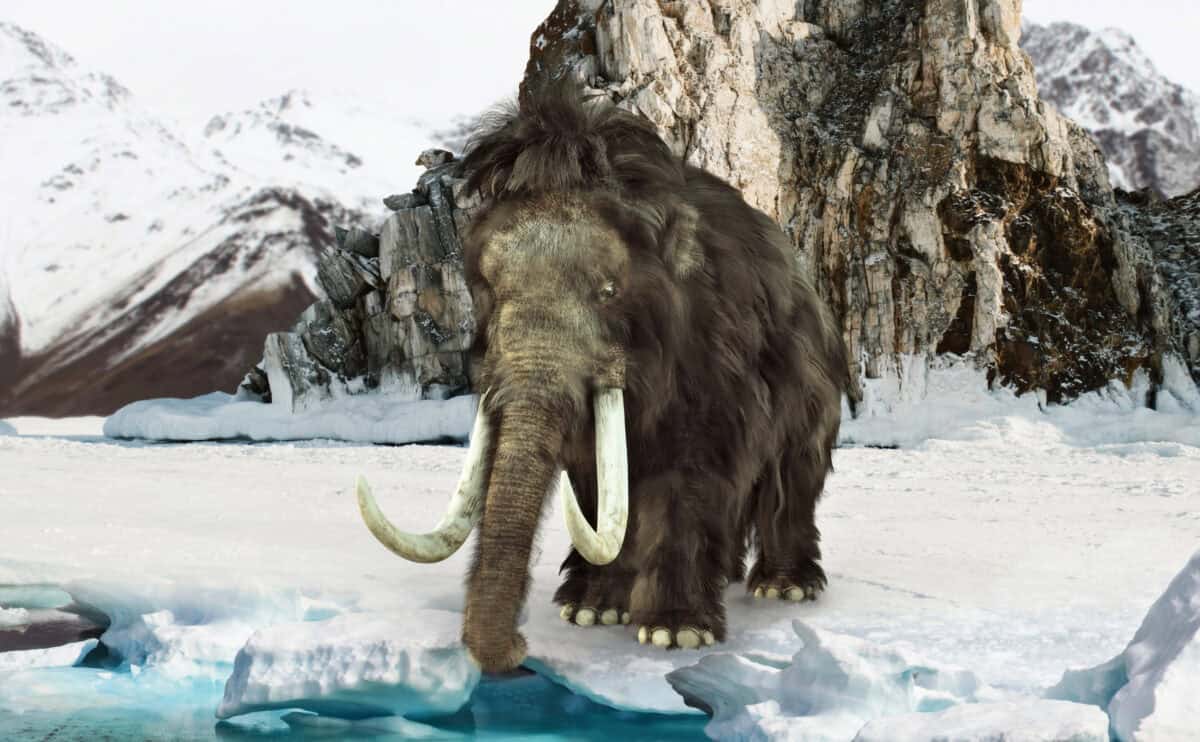
There is a growing interest and support within the public sphere for de-extinction projects. This enthusiasm is fueled by documentaries, books, and discussions that romanticize the idea of reviving extinct species, but also emphasize the cutting-edge science involved.
Challenges in Conservation Efforts

While the concept of bringing back extinct species is captivating, it should not overshadow current conservation efforts for endangered species. Resources could be better directed towards protecting animals facing immediate threats, ensuring biodiversity is preserved in existing populations instead of recreated ones.
Future Outlook: What Could Come Next?

As research progresses, the future might hold answers to current questions about feasibility, ethics, and biodiversity impacts. This field continuously evolves, driven by technological advancements and increased understanding of genetics and ecosystems, moving humanity one step closer to making seemingly impossible dreams a reality.
Conclusion
While the idea of pet-sized woolly mammoths strolling into modern lives remains a captivating thought, it is wrought with numerous scientific, ethical, and environmental challenges. Rooted in ongoing science, this vision prompts us to reflect on our relationship with extinct species and our responsibilities towards existing ones. As dreams of de-extinction inch toward reality, thoughtful consideration and robust debate are crucial to navigating the vast ethical landscape and scientific frontiers that await.

From exploring the marine wonders in the Azores and witnessing the vast savannas of Kenya, to delving deep into the rich biodiversity of South Africa and traversing iconic landscapes in Australia and the US like Yellowstone, Chris's experiences are vast.
With a penchant for diving alongside sharks, the ocean holds a special place in his heart.
Through his academic insights, he champions wildlife conservation, striving with 'Animals Around The Globe' to cultivate a profound connection between humans and animals, enhancing our mutual appreciation.
Connect with him at Feedback@animalsaroundtheglobe.com.
- Why This Tiny Mammal May Be the Oldest Living Fossil - July 30, 2026
- Behind the Scenes: Training Real Animals for Film - July 30, 2026
- The Rooster That Wards Off Evil Spirits in European Lore - July 30, 2026