


Worried about unexpected vet bills?
Pet insurance can cover thousands in unexpected vet costs. Get a free quote from Lemonade in under 2 minutes.
Get My Free Quote →Sponsored · Opens Lemonade.com
In the summer of 1787, a remarkable discovery took place along the banks of the Luján River in Argentina. Workers unearthed the enormous fossilized remains of what would later be identified as Megatherium americanum – a colossal ground sloth that stood nearly 20 feet tall when reaching upward. This monumental finding arrived at a pivotal moment in scientific history, when ideas about extinction, evolution, and Earth’s ancient past were undergoing radical transformation. The Megatherium skeleton would become one of the most influential paleontological discoveries of its time, challenging established beliefs and setting the stage for revolutionary theories about life on Earth. This is the story of how a giant sloth skeleton forever changed our understanding of evolution and natural history.
The Unexpected Discovery in Argentina

The discovery of the Megatherium skeleton occurred near Buenos Aires, Argentina, when workers excavating along the Luján River uncovered enormous bones unlike anything they had seen before. Manuel Torres, a local official, recognized their potential importance and ordered the careful collection of the remains. The skeleton was remarkably complete – a rarity for paleontological specimens of that era.
News of the finding quickly reached the Viceroy of Río de la Plata, Nicolás del Campo, who recognized its scientific significance. He ordered the bones packed and shipped to Madrid, where they arrived in 1788 at the Royal Cabinet of Natural History (now the National Museum of Natural Sciences). This transfer of the specimen from South America to Europe placed it at the center of scientific inquiry during a critical period when naturalists were beginning to question long-held beliefs about the natural world.
Cuvier’s Revolutionary Analysis
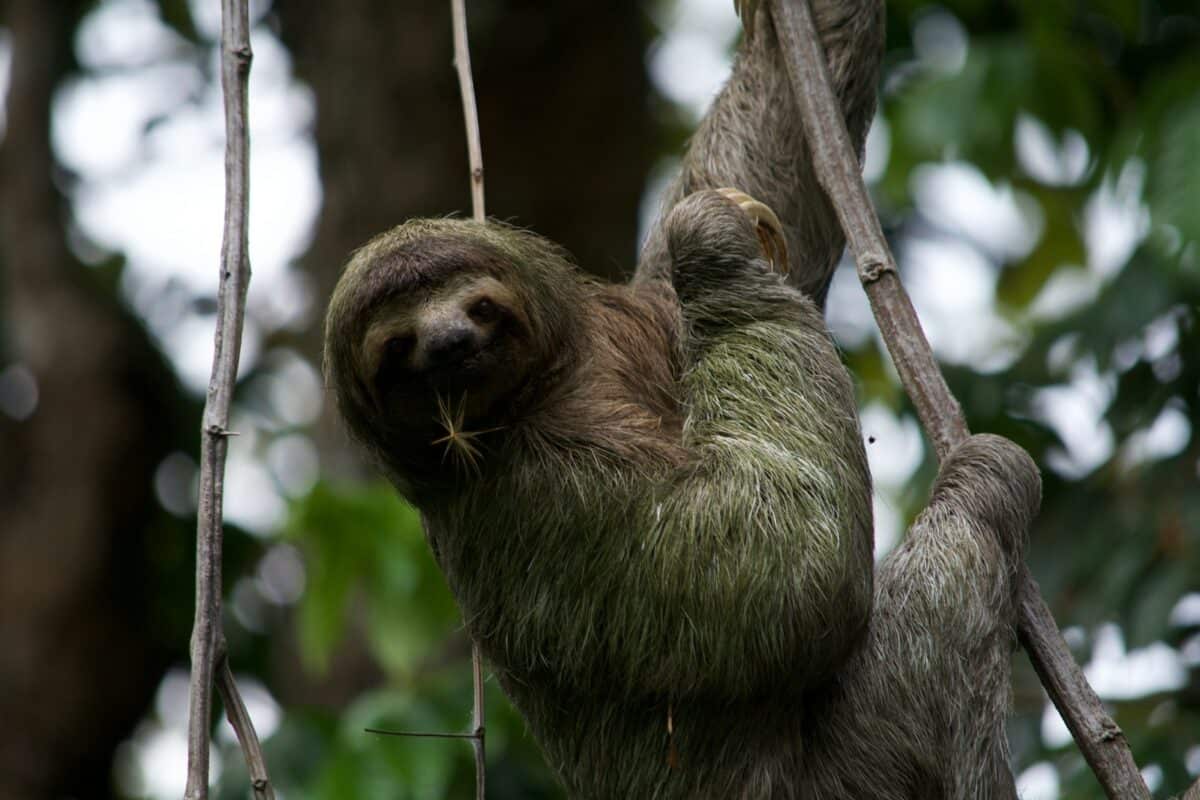
When the Megatherium bones reached Europe, they fell under the scrutiny of Georges Cuvier, a brilliant French naturalist who would later be known as the father of paleontology. In 1796, Cuvier published his analysis of the skeleton, naming it Megatherium americanum (“great beast from America”). His detailed anatomical study represented a watershed moment in the development of comparative anatomy. By meticulously comparing the fossil’s structure to modern animals, Cuvier determined that Megatherium was most closely related to modern tree sloths, yet was a distinct species that no longer existed on Earth.
This conclusion was revolutionary, as it provided compelling evidence for a concept that challenged religious orthodoxy: extinction. Cuvier demonstrated that species could indeed disappear completely from the planet – a direct contradiction to the prevailing belief that God’s perfect creation would not allow for the loss of any species. His work on Megatherium helped establish extinction as a biological fact and opened the door to new questions about Earth’s history.
Challenging the Fixity of Species
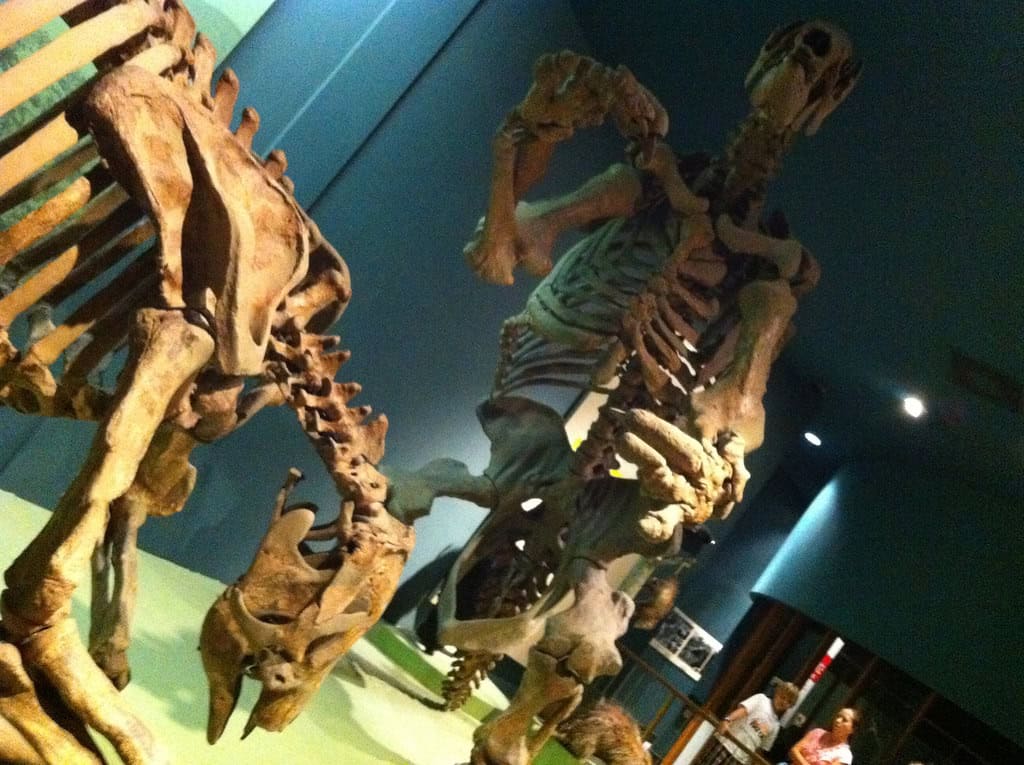
Prior to the Megatherium discovery, the dominant scientific paradigm followed the concept of “fixity of species” – the idea that species were created perfect and unchanged since the beginning of time. This view, championed by influential naturalists like Carl Linnaeus, aligned with religious teachings about divine creation. The Megatherium skeleton presented a direct challenge to this belief system. Here was a creature clearly related to modern sloths, yet dramatically different in size and certain anatomical features.
Its existence suggested that species were not fixed and immutable but could change substantially over time. The Megatherium thus became a critical piece of evidence in the growing body of work that would eventually lead to evolutionary theory. Its intermediate characteristics between ancient and modern forms helped naturalists begin to conceptualize the possibility of species transformation – laying groundwork for the evolutionary theories that would later emerge.
Expanding Earth’s Timeline
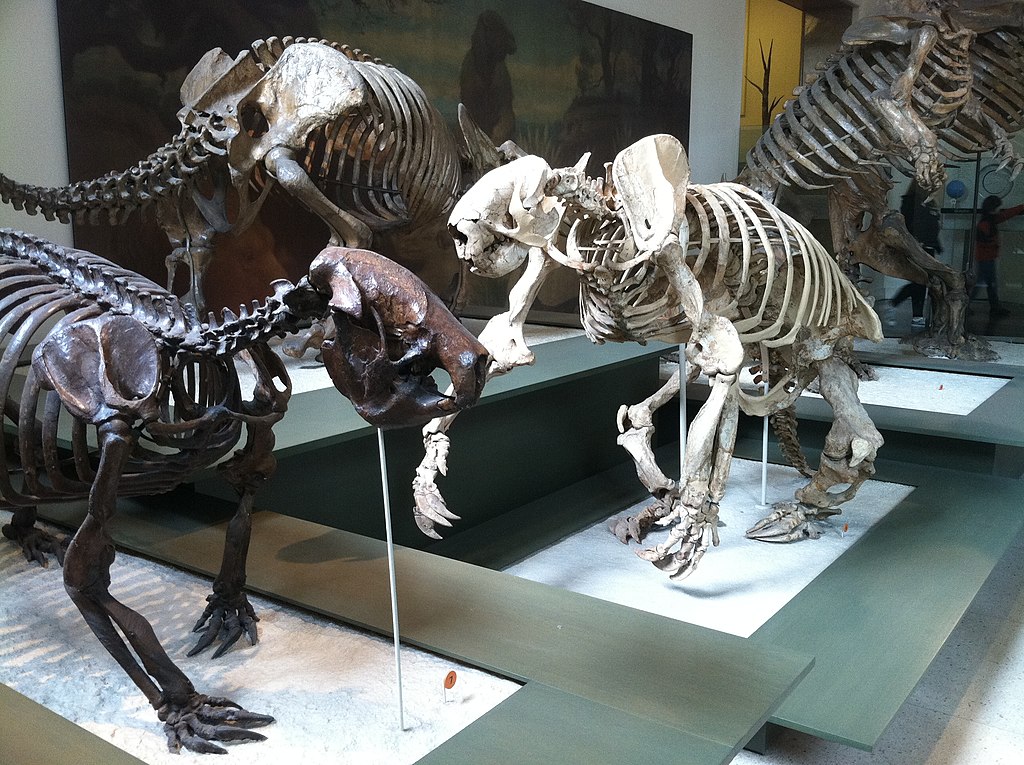
The discovery of the Megatherium had profound implications for understanding Earth’s age. In the late 18th century, the prevailing chronology based on biblical interpretation suggested Earth was only a few thousand years old. However, the Megatherium skeleton, along with other emerging fossil evidence, required a vastly expanded timeline to make sense. The extinction and replacement of such enormous creatures, with no historical record of their existence, suggested processes that would require far more time than the accepted biblical chronology allowed.
Geologists and naturalists began to propose that Earth’s history stretched back millions, not thousands, of years. This expanded timeline was absolutely necessary for the later development of evolutionary theory, which required immense periods of time for natural selection to produce the diversity of life forms. The Megatherium thus contributed to a fundamental recalibration of humanity’s understanding of deep time – one of the conceptual prerequisites for Darwin’s theory of evolution.
Darwin’s Encounter with the Giant Sloth

Charles Darwin’s connection with Megatherium came during his transformative voyage on HMS Beagle (1831-1836). While exploring South America, Darwin uncovered fossilized remains of several extinct mammals, including relatives of the Megatherium. In his journal, Darwin noted the striking similarities between these extinct giants and the smaller modern sloths still inhabiting the continent. This observation was pivotal in developing his evolutionary thinking.
Darwin wrote: “This wonderful relationship in the same continent between the dead and the living, will, I do not doubt, hereafter throw more light on the appearance of organic beings on our earth, and their disappearance from it, than any other class of facts.” The Megatherium and its relatives provided Darwin with concrete examples of species succession over time within the same geographical region – a pattern that helped shape his concept of descent with modification. The giant sloth fossils became important evidence in Darwin’s groundbreaking 1859 work “On the Origin of Species,” which revolutionized biological science.
Reconstructing an Extinct Ecosystem

The Megatherium skeleton allowed scientists to begin reconstructing entire extinct ecosystems for the first time. As researchers studied the giant sloth and other Pleistocene megafauna, they realized these creatures weren’t isolated oddities but part of a complex ecological community that had vanished relatively recently in geological terms. This perspective shift represented a crucial advancement in paleontological thinking. Scientists began to view fossils not just as individual curiosities but as components of interconnected ancient environments.
Richard Owen, the prominent British anatomist who coined the term “dinosaur,” produced a full anatomical description of Megatherium in 1842, offering unprecedented insights into the creature’s biology and ecological role. By analyzing tooth structure, scientists determined Megatherium was likely a browser that fed on vegetation, possibly pulling down branches with its powerful forelimbs. These ecological reconstructions demonstrated how dramatically Earth’s environments had changed over time – a key concept in evolutionary understanding that helped establish paleoecology as a scientific discipline.
The Puzzle of Giant Mammals

Megatherium represented one of the most dramatic examples of a fascinating evolutionary pattern: the tendency toward gigantism in certain mammalian lineages. The stark contrast between the massive Megatherium and its much smaller modern relatives (today’s tree sloths typically weigh less than 20 pounds) presented an evolutionary puzzle that scientists continue to investigate. This size disparity helped establish the concept of different evolutionary trajectories within related groups of organisms.
The giant sloth’s enormous size was likely an adaptation to its ecological niche and the selective pressures of its environment. Scientists have proposed that the absence of large predators, abundant plant resources, and metabolic advantages of large body size in certain environments may have driven this evolutionary trend toward gigantism. Understanding the evolutionary forces that produced such dramatic size differences between ancient and modern sloths has contributed significantly to theories about adaptation, natural selection, and the relationship between environmental conditions and evolutionary outcomes.
Biogeography and Continental Connections

The Megatherium discovery provided crucial evidence for emerging theories about biogeography – the study of how species are distributed across geographical regions. The fact that the giant sloth’s closest relatives were found exclusively in the Americas supported the developing concept of distinct faunal regions with unique evolutionary histories. This pattern of regional distinctiveness in animal distribution was difficult to explain under the prevailing model of a single creation event followed by global dispersal after a worldwide flood.
Instead, the geographical restriction of sloth lineages to the Americas suggested a long history of isolated evolution on that continent. Alfred Russel Wallace, who independently conceived the theory of evolution by natural selection alongside Darwin, was particularly influenced by such biogeographical patterns. The distribution of species like Megatherium and their modern relatives helped Wallace and others develop theories about how geographical barriers and continental drift shaped evolutionary patterns across the globe – concepts that remain fundamental to our understanding of biodiversity distribution today.
A Missing Link in Evolutionary Thinking
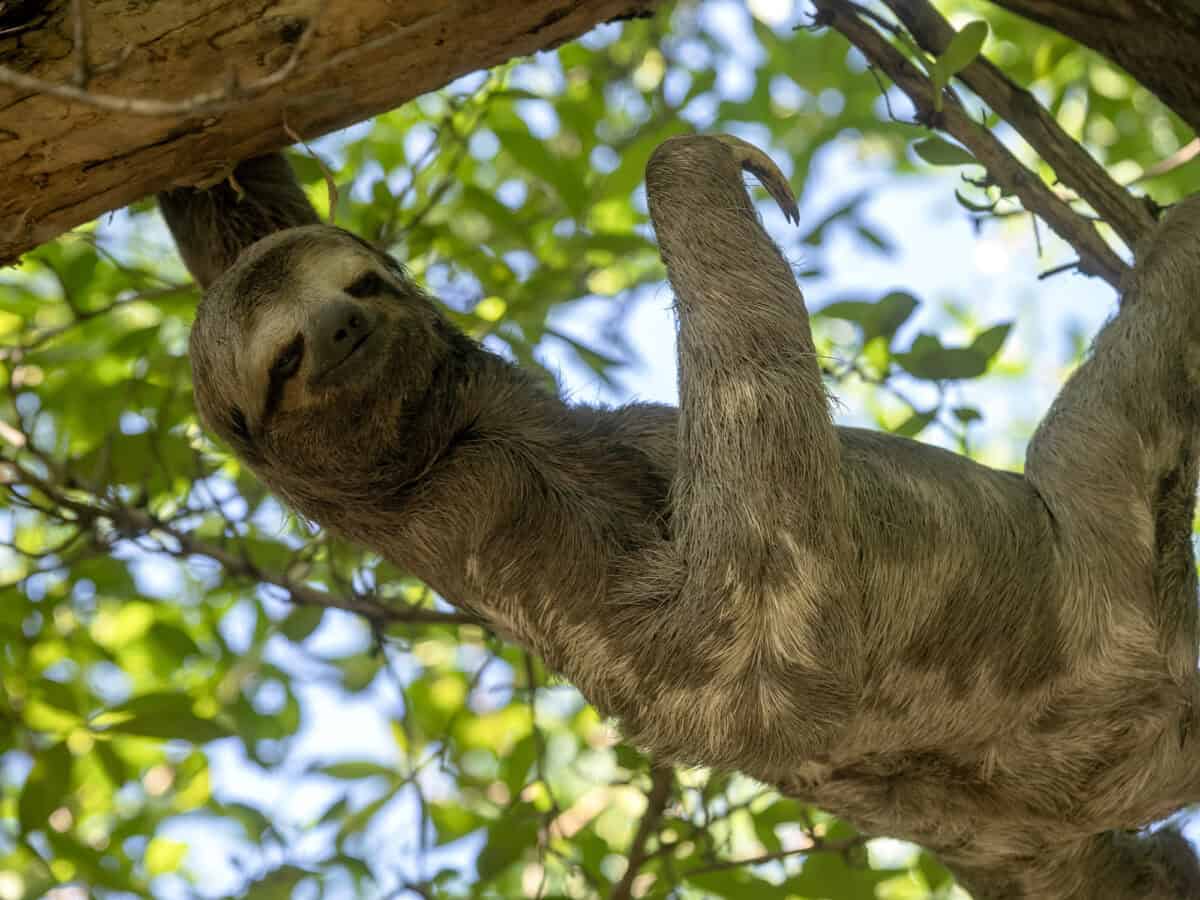
While the term “missing link” is now considered outdated in evolutionary biology, the Megatherium served as what might be called a conceptual bridge in early evolutionary thinking. Its existence demonstrated clear anatomical connections between extinct and living forms, helping naturalists visualize evolutionary relationships before the mechanism of natural selection was understood. The Megatherium skeleton showed that species could be organized into family trees based on shared anatomical features – a cornerstone of evolutionary taxonomy.
Thomas Henry Huxley, known as “Darwin’s Bulldog” for his fierce defense of evolutionary theory, used examples like the giant sloth to illustrate evolutionary concepts to the public. He emphasized how the skeletal structure of Megatherium displayed a mosaic of primitive features shared with ancient mammals alongside specialized adaptations seen in modern sloths. This exemplified the concept of transitional forms – organisms that show characteristics intermediate between ancestral and descendant groups – which became a crucial line of evidence supporting evolutionary theory.
Challenging Human Exceptionalism
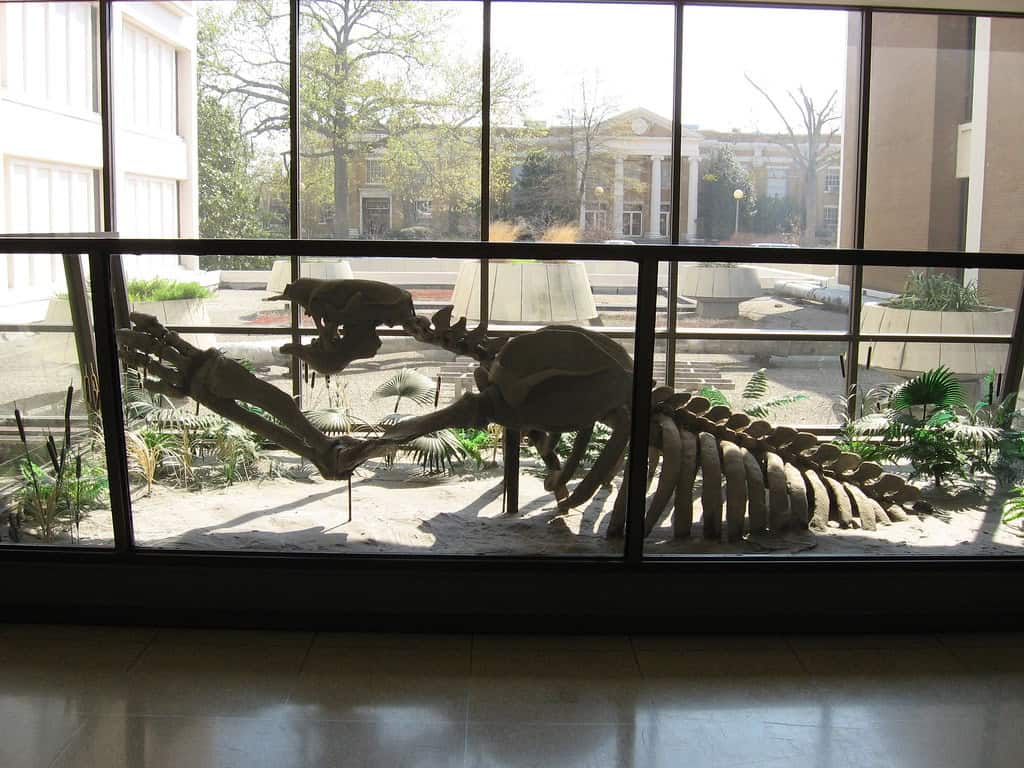
The Megatherium discovery contributed to a profound philosophical shift regarding humanity’s place in nature. Prior to the development of evolutionary theory, humans were widely believed to occupy a special, divinely ordained position completely separate from the animal kingdom. The growing evidence that species could appear and disappear throughout Earth’s history, exemplified by creatures like Megatherium, helped naturalists recognize that humans existed within the same natural systems that produced and eliminated other species.
This realization was intellectually revolutionary. If massive creatures like Megatherium could dominate landscapes and then vanish completely, it suggested that humans – despite their technological and cultural achievements – were also subject to natural processes and not exempt from the laws governing other organisms. This philosophical reframing was essential to Darwin’s later placement of humans within the continuity of natural history – a conceptual shift that remains one of the most significant contributions of evolutionary theory to human self-understanding.
Scientific Methodology and Interdisciplinary Approaches
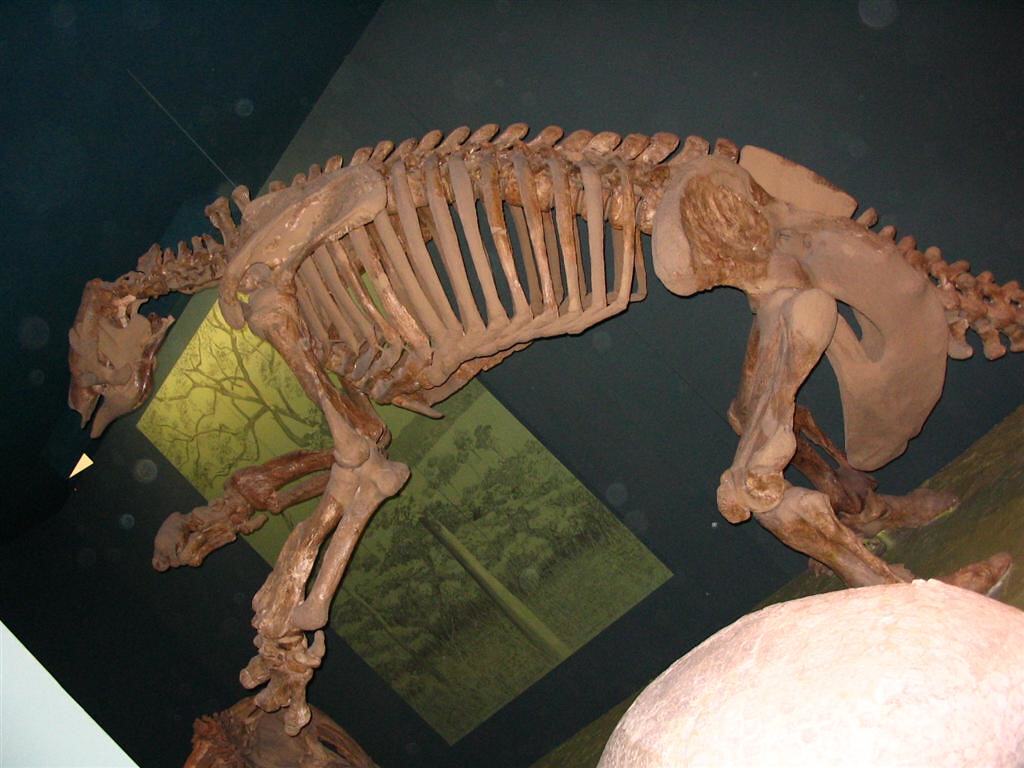
The study of Megatherium helped establish methodological approaches that transformed paleontology from a curiosity-collecting enterprise into a rigorous scientific discipline. Cuvier’s systematic comparative anatomical analysis of the Megatherium skeleton established a template for future paleontological investigations. His approach demonstrated how careful observation, measurement, and comparison could yield insights about extinct organisms and their relationships to living species. This methodological advance rippled beyond paleontology, influencing how scientists in multiple fields approached questions about natural history.
The Megatherium investigations also highlighted the importance of interdisciplinary collaboration. Understanding the giant sloth required expertise from anatomy, zoology, geology, and eventually archaeology (as evidence of human-Megatherium interaction emerged). This cross-disciplinary approach foreshadowed modern scientific practice, where complex questions about evolution and extinction are addressed through multiple specialized perspectives working in concert. The legacy of these methodological innovations extends to contemporary scientific practice, where integrated approaches continue to drive evolutionary research.
The Enduring Legacy of Megatherium
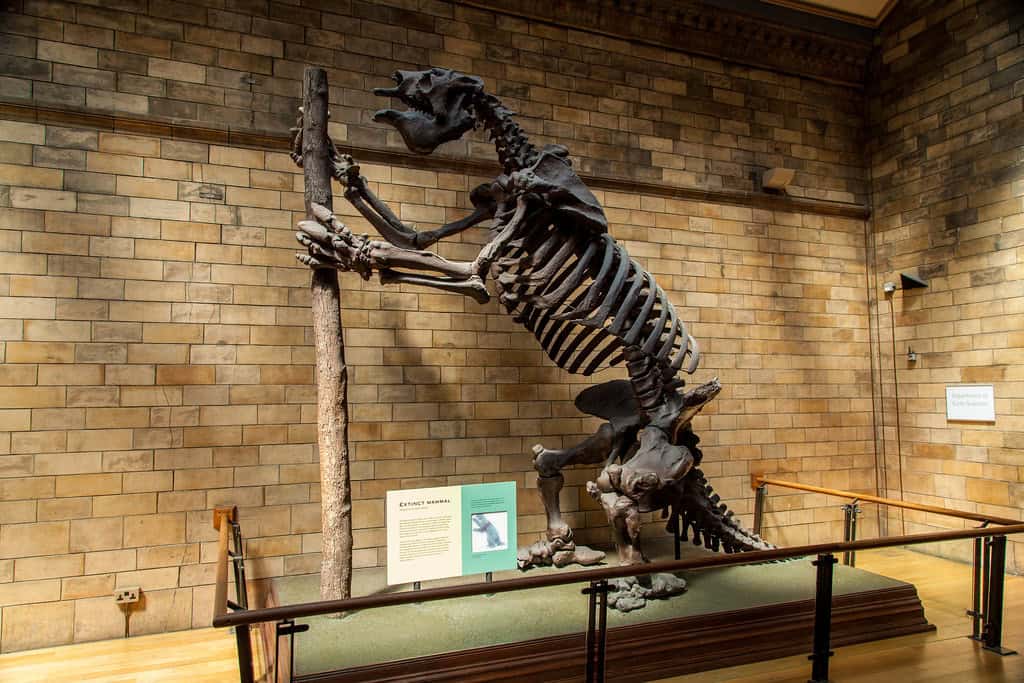
The discovery and analysis of the Megatherium skeleton represented a pivotal moment in the history of evolutionary thought, with reverberations that continue to this day. Its impact transcended pure science to influence culture, philosophy, and humanity’s understanding of its place in nature. The giant sloth helped catalyze a scientific revolution that transformed our conception of life’s history from a static, divinely ordained arrangement to a dynamic, ever-changing process driven by natural mechanisms. Today, the original Megatherium specimen remains on display at the National Museum of Natural Sciences in Madrid, still inspiring wonder and scientific inquiry more than two centuries after its discovery.
Modern research continues to refine our understanding of Megatherium’s biology, behavior, and extinction, using advanced techniques like DNA analysis, isotope studies, and computational modeling. The giant sloth’s skeleton stands as a monument to how a single remarkable fossil can reshape scientific paradigms and expand the horizons of human knowledge. From challenging the concept of species fixity to establishing extinction as fact, from extending Earth’s timeline to supporting evolutionary theory, Megatherium’s contribution to science has been truly monumental – a testament to how evidence-based inquiry can transform our understanding of the natural world.
Worried about unexpected vet bills?
Pet insurance can cover thousands in unexpected vet costs. Get a free quote from Lemonade in under 2 minutes.
Get My Free Quote →Sponsored · Opens Lemonade.com

From exploring the marine wonders in the Azores and witnessing the vast savannas of Kenya, to delving deep into the rich biodiversity of South Africa and traversing iconic landscapes in Australia and the US like Yellowstone, Chris's experiences are vast.
With a penchant for diving alongside sharks, the ocean holds a special place in his heart.
Through his academic insights, he champions wildlife conservation, striving with 'Animals Around The Globe' to cultivate a profound connection between humans and animals, enhancing our mutual appreciation.
Connect with him at Feedback@animalsaroundtheglobe.com.
- The Most Common Backyard Wildlife in Pennsylvania - June 9, 2026
- The Surprising Way Sea Otters Use Rocks as Tools - June 9, 2026
- Squirrels Adopt Orphaned Babies Like Their Own - June 9, 2026