


In recent years, technology has fundamentally transformed the way farmers manage their herds. One of the most groundbreaking advancements in this area is the use of satellites to track cattle, providing farmers and ranchers with unprecedented insights into the health, movement, and management of their livestock. This fusion of traditional farming and modern technology is revolutionizing the cattle industry, boosting efficiency, and promoting sustainability. In this article, we delve into the intricacies of how satellite technology is employed to track American cows.
The Evolution of Cattle Tracking Technology

The journey of cattle monitoring has transitioned from manual counts by cowboys on horseback to sophisticated digital systems. Initially, ranchers relied on rudimentary methods like branding and visual identification, which, while effective to a degree, offered limited data. The evolution through radio-frequency identification (RFID) tags and GPS collars has paved the way for the current pinnacle of livestock management — satellite tracking.
Understanding Satellite Tracking Systems
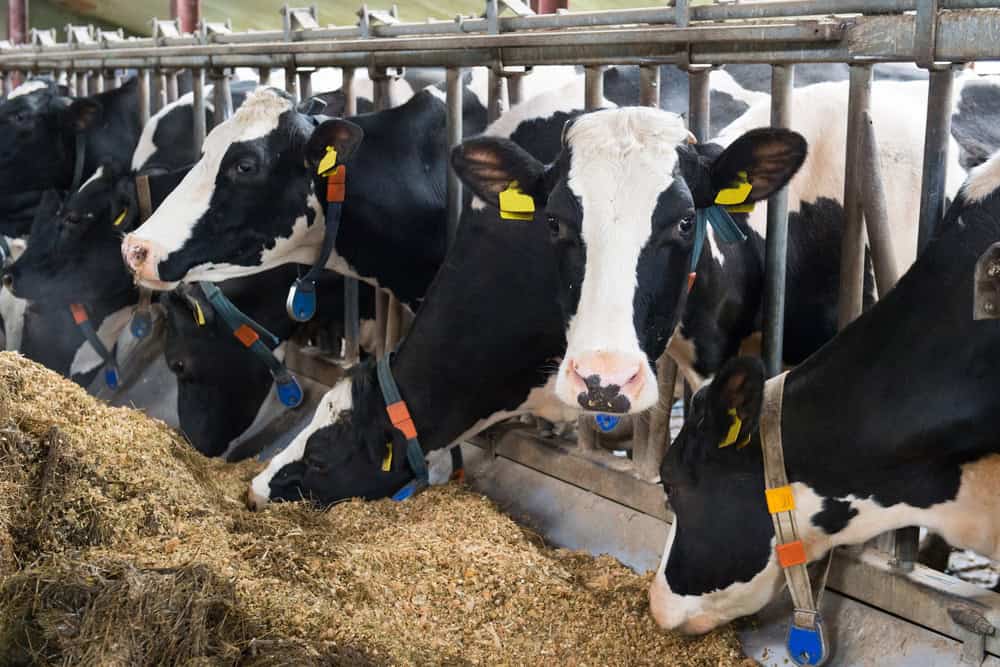
Satellite tracking systems employ a network of satellites that orbit the earth, communicating with devices attached to the cattle. These devices can include GPS collars or tags that transmit signals to satellites, which then relay the data to base stations on the ground. This technology provides real-time tracking data, which is invaluable for monitoring livestock across vast expanses.
The Role of Satellites in Modern Agriculture
Satellites have enhanced agricultural efficiency exponentially. In livestock farming, they provide insights into cattle movement patterns, grazing habits, and even health indicators. This data allows farmers to optimize land use, ensure even grazing, and predict potential issues before they manifest, such as overgrazing or the need for supplementary feeding.
Enhancing Livestock Health and Behavior Monitoring

Health is paramount in livestock management. Satellite tracking plays a crucial role in monitoring cattle health by analyzing movement patterns that can indicate stress, illness, or injury. Sudden changes in behavior, detected through these systems, alert farmers to possible health issues, enabling prompt intervention and reducing loss rates.
Improving Herd Management Efficiency
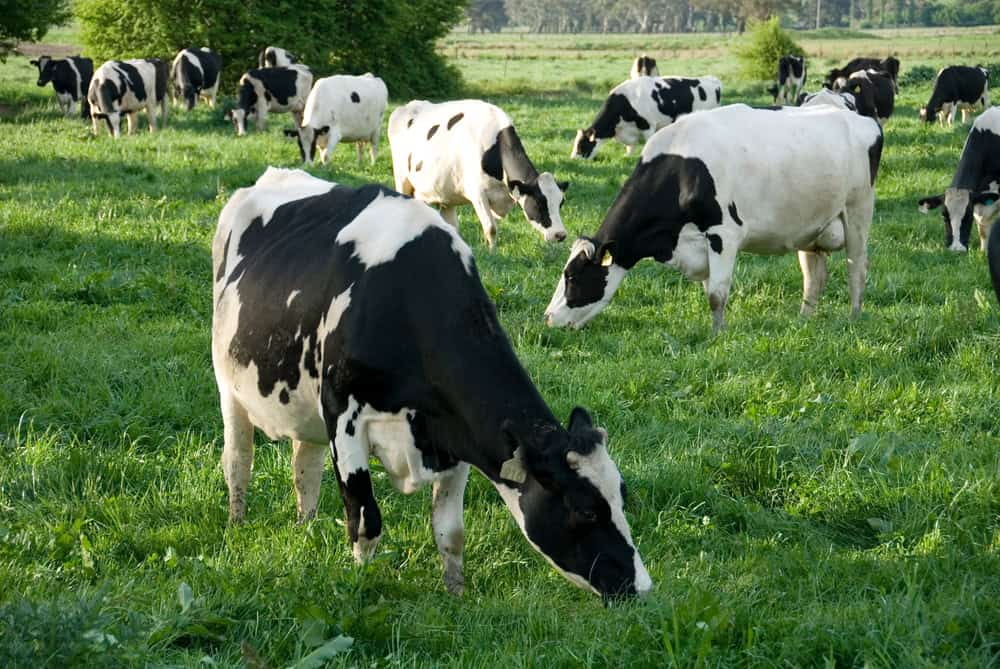
Herd management is simplified with satellite tracking, as farmers can quickly locate their cattle without needing to traverse large areas. This efficiency reduces labor costs and increases the productivity of farm operations. Moreover, it ensures that cattle can be accounted for, particularly in extensive grazing systems.
Sustainability and Environmental Benefits

Satellite tracking aids in the promotion of sustainable farming practices. By optimizing grazing patterns, farmers can prevent overgrazing and land degradation, preserving the environment. This technology also provides data to help manage methane emissions from cattle, contributing to broader efforts in combating climate change.
Challenges in Implementing Satellite Tracking
Despite its benefits, satellite tracking in cattle farming is not without challenges. The costs associated with implementing such systems can be high, posing a barrier for smaller farms. Additionally, the technology requires training and knowledge to interpret data effectively, ensuring farmers can make informed decisions.
The Future of Cattle Tracking

The future holds potential for even more advanced applications of satellite technology in cattle farming. Innovations such as predictive analytics and AI-driven data interpretation promise to enhance decision-making processes further, enhancing farm management strategies and livestock welfare.
Case Studies: Successful Implementation

Across the United States, several farms have successfully integrated satellite tracking into their operations. These case studies highlight not only the benefits in terms of productivity and health monitoring but also offer learning points on overcoming cost and technical challenges associated with this technology.
Comparing Satellite Tracking to Traditional Methods

Traditional methods, though still in use, cannot compete with the precision and depth of data provided by satellite technology. Comparing both approaches underscores the significant advancements and advantages satellite tracking offers, from reducing labor intensity to providing critical health insights.
Adoption and Trends in the Cattle Industry
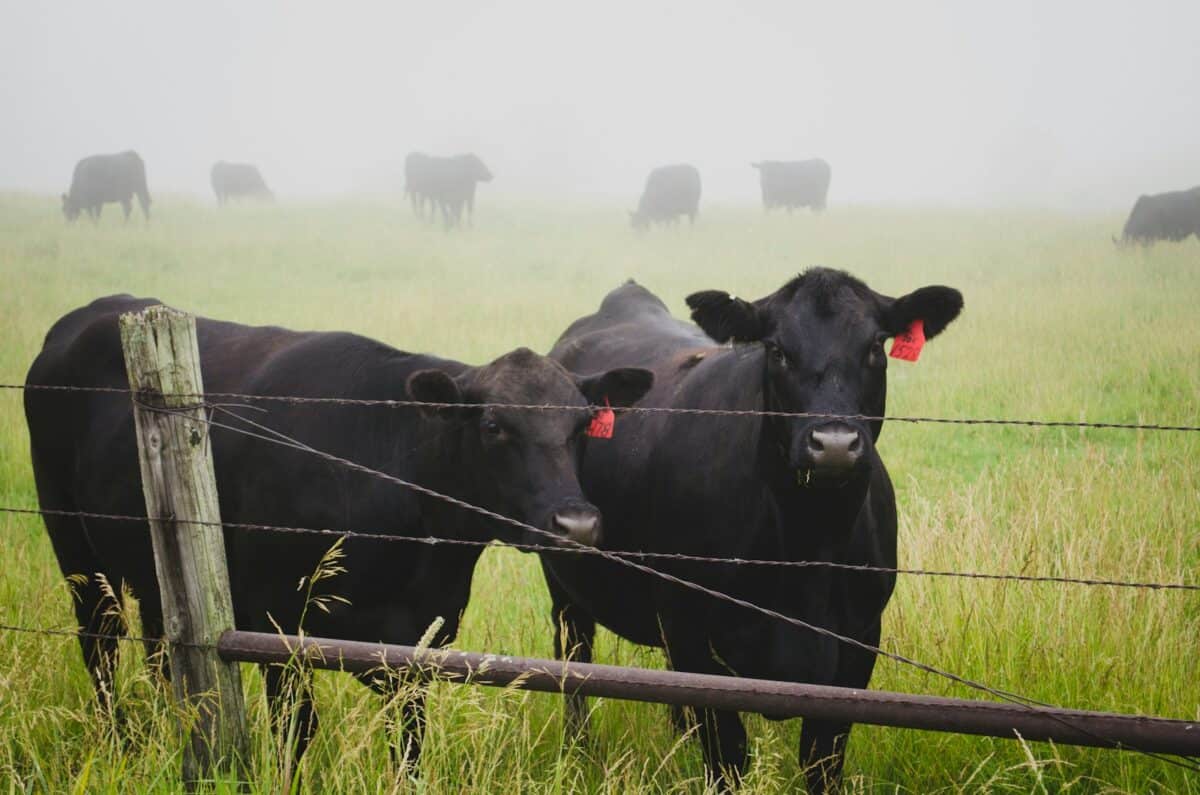
Adoption rates of satellite tracking vary across the industry. Trends indicate a growing acceptance and integration of this technology, driven by declining costs, increased awareness of its benefits, and advancements in data processing capabilities that enhance usability.
Conclusion: A Leap Forward in Livestock Management

Satellite tracking represents a leap forward in livestock management, offering farmers the tools to improve efficiency, boost livestock health, and practice sustainable farming. While challenges remain, the benefits are clear, indicating that as technology advances, satellite tracking will become an indispensable component of modern cattle farming.

From exploring the marine wonders in the Azores and witnessing the vast savannas of Kenya, to delving deep into the rich biodiversity of South Africa and traversing iconic landscapes in Australia and the US like Yellowstone, Chris's experiences are vast.
With a penchant for diving alongside sharks, the ocean holds a special place in his heart.
Through his academic insights, he champions wildlife conservation, striving with 'Animals Around The Globe' to cultivate a profound connection between humans and animals, enhancing our mutual appreciation.
Connect with him at Feedback@animalsaroundtheglobe.com.