

Worried about unexpected vet bills?
Pet insurance can cover thousands in unexpected vet costs. Get a free quote from Lemonade in under 2 minutes.
Get My Free Quote →Sponsored · Opens Lemonade.com
Arctic wolves, a subspecies of the gray wolf, are remarkable creatures that have evolved to thrive in some of the most extreme environments on Earth. While true Arctic wolves (Canis lupus arctos) primarily inhabit the Arctic regions of Canada and Greenland, wolves in Alaska and the northernmost continental United States face similarly harsh winter conditions. These magnificent predators have developed extraordinary adaptations that allow them to not only survive but flourish during the bitter cold months when temperatures can plummet to -40°F and beyond. From their specialized physical characteristics to their strategic behavioral adaptations, these wolves represent one of nature’s most impressive examples of resilience and adaptation. This article explores the fascinating ways these northern wolves endure the harshest winter conditions found in America.
The Arctic Wolf’s Physical Adaptations

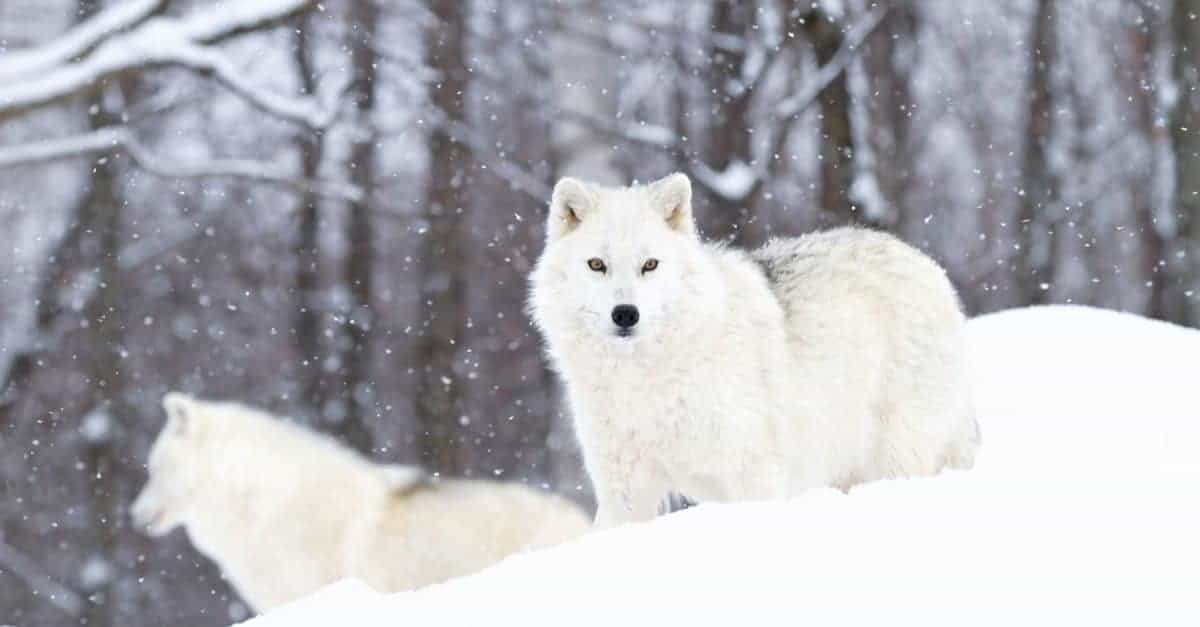
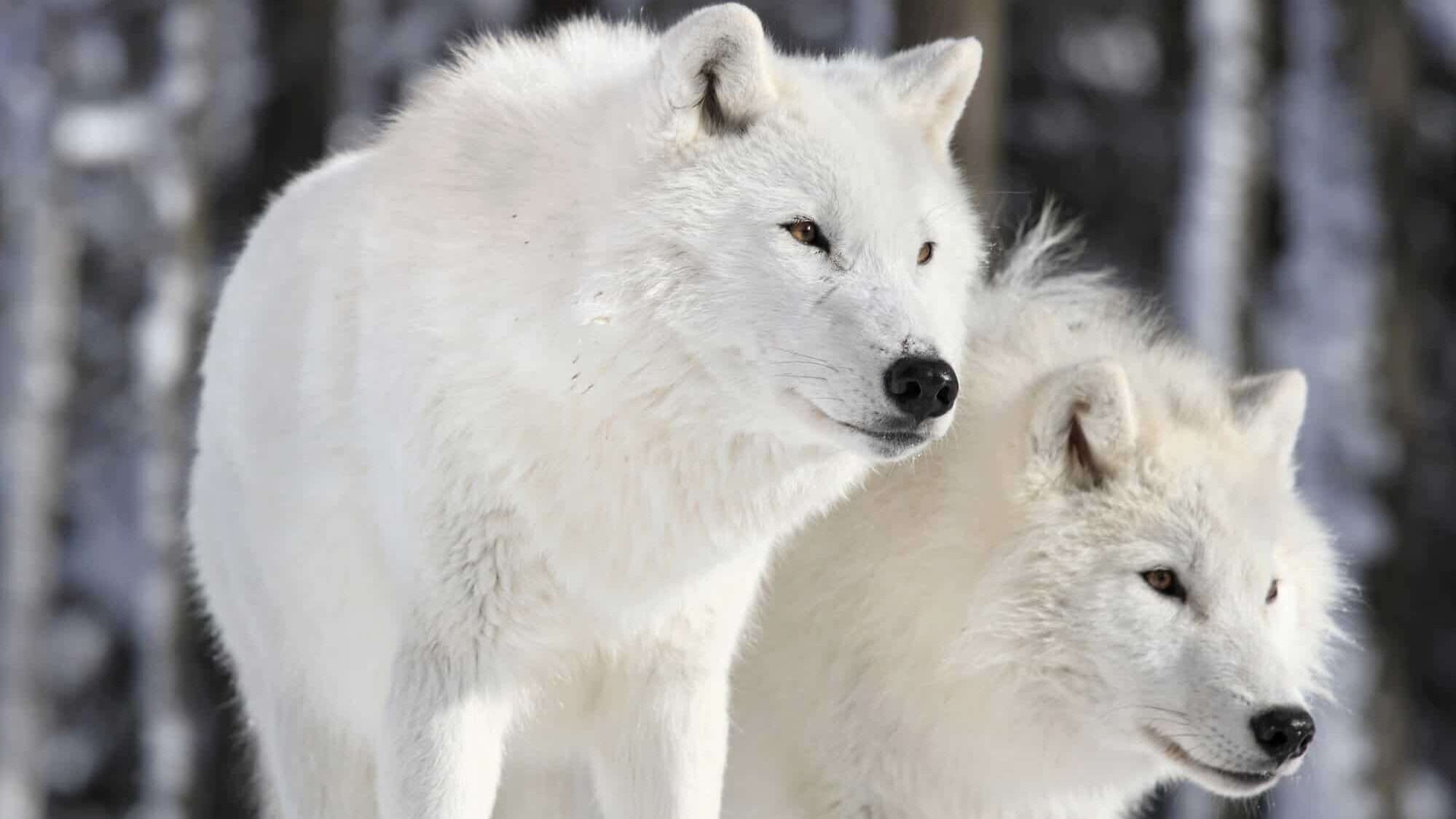
Arctic wolves possess a suite of physical adaptations that make them ideally suited for extreme cold. Their most noticeable feature is their thick, double-layered coat that provides exceptional insulation. The outer layer consists of guard hairs that repel moisture and snow, while the dense undercoat traps warm air close to the body. This insulation is so effective that Arctic wolves can comfortably rest in the open during snowstorms, with snow accumulating on their fur without melting – a sign that minimal body heat is escaping.
Beyond their impressive coat, these wolves have developed other cold-weather adaptations. Their ears are smaller and more rounded than those of wolves in warmer climates, reducing heat loss and the risk of frostbite. Their muzzles are also shorter, helping to conserve body heat. Even their paws have adapted, with thick fur between the pads providing traction on ice and insulation from the frozen ground. These physical traits, perfected over thousands of years of evolution, create a biological system perfectly designed for survival in arctic conditions.
Metabolic Adjustments for Winter Survival
The metabolic capabilities of Arctic wolves are remarkable examples of evolutionary adaptation. During winter, these wolves undergo several internal changes that help them conserve energy and maintain body temperature. Their metabolism shifts to more efficiently convert food into heat and energy, allowing them to go longer between meals – a crucial adaptation when prey becomes scarce. Research suggests that Arctic wolves can reduce their metabolic rate during periods of extreme cold or food scarcity, entering a state of energy conservation similar to, though less extreme than, hibernation.
Additionally, Arctic wolves have specialized circulatory systems that help prevent frostbite in their extremities. Through a process called countercurrent heat exchange, warm arterial blood flowing to the paws transfers heat to cold venous blood returning to the heart, conserving body heat while maintaining sufficient blood flow to the extremities. This system prevents tissue damage and keeps their paws functional even when standing on ice for extended periods. These metabolic and circulatory adaptations represent sophisticated biological solutions to the challenges of arctic survival.
Dietary Strategies During Harsh Winters
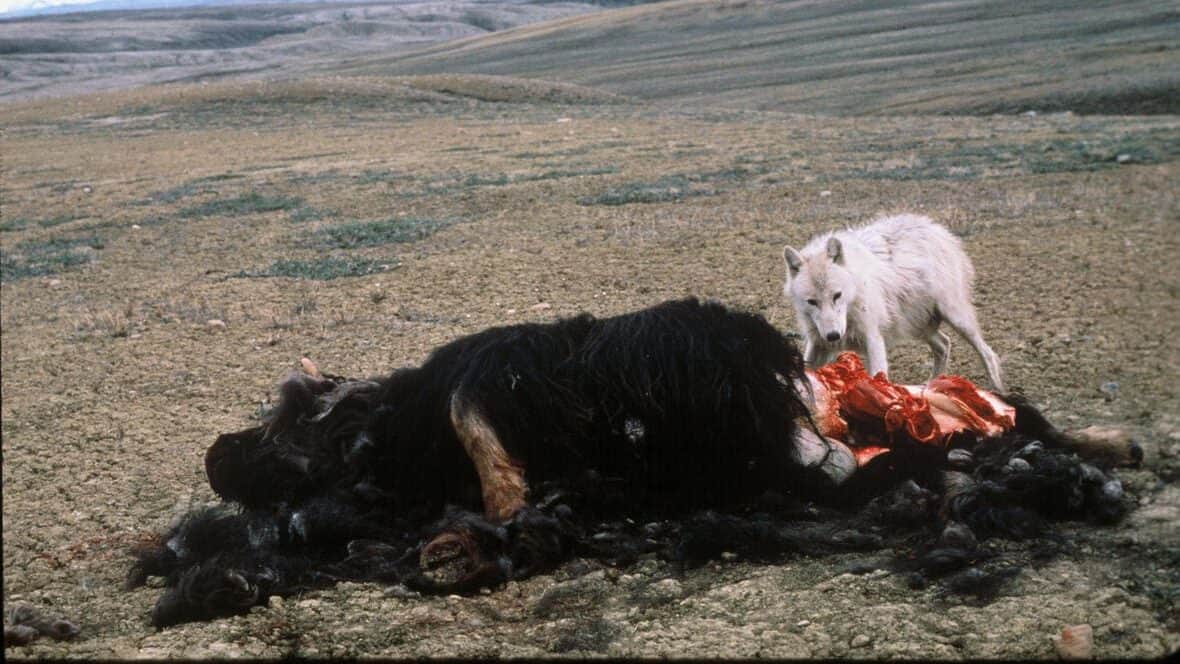
The winter diet of Arctic wolves demonstrates their remarkable adaptability and resourcefulness. Unlike many animal species that migrate or hibernate during winter, these wolves remain active year-round and must find sufficient food to fuel their high energy needs in the cold. Their primary winter prey includes caribou, muskoxen, and Arctic hares, though they will opportunistically hunt smaller mammals like lemmings and voles. They’ve developed hunting strategies specifically adapted to winter conditions, including traveling long distances over snow and ice to locate prey, and using the hard-packed snow to their advantage when chasing animals that might otherwise outrun them.
Perhaps most impressive is the Arctic wolf’s capacity to feast when food is abundant and fast when it is scarce. They can consume up to 20 pounds of meat in a single feeding, storing that energy as fat that will sustain them during leaner times. Their digestive system is highly efficient, able to extract maximum nutrition from their prey, including consuming parts that other predators might leave behind. Studies have shown that wolves can survive for weeks between successful hunts during the harshest winter periods, demonstrating their remarkable physiological resilience.
The Role of Pack Dynamics in Winter Survival

For Arctic wolves, the pack is more than just a social unit – it’s a survival strategy. Winter hunting success rates are significantly higher for wolves hunting in coordinated packs than for solitary individuals, particularly when pursuing large prey like caribou or muskoxen. The typical Arctic wolf pack consists of 5-9 individuals, though packs of up to 20 have been observed in prey-rich areas. This social structure allows for sophisticated hunting strategies involving ambush, relay chasing, and strategic positioning that would be impossible for a lone wolf.
Beyond hunting, pack dynamics provide other winter survival benefits. Pack members share in the responsibilities of territory defense, pup-rearing, and sentry duties. They also provide mutual grooming and body heat when resting in dens or sheltered areas. Research has shown that wolves in larger, stable packs have higher winter survival rates than those in smaller or disrupted packs. The complex social bonds within wolf packs, maintained through vocalizations, body language, and scent marking, create a cooperative unit uniquely equipped to face the challenges of winter survival in one of Earth’s most demanding environments.
Denning Behavior and Shelter Strategies
While Arctic wolves don’t hibernate, they do modify their sheltering behaviors to cope with winter conditions. Unlike the elaborate dens they create for pup-rearing in spring, winter shelters are often more opportunistic. They may utilize natural features like rock crevices, tree roots, or snow drifts to create windbreaks. In areas with deep snow, wolves sometimes dig snow caves that provide excellent insulation. The temperature inside a well-constructed snow shelter can be significantly warmer than outside air temperatures, creating a microclimate that helps conserve energy.
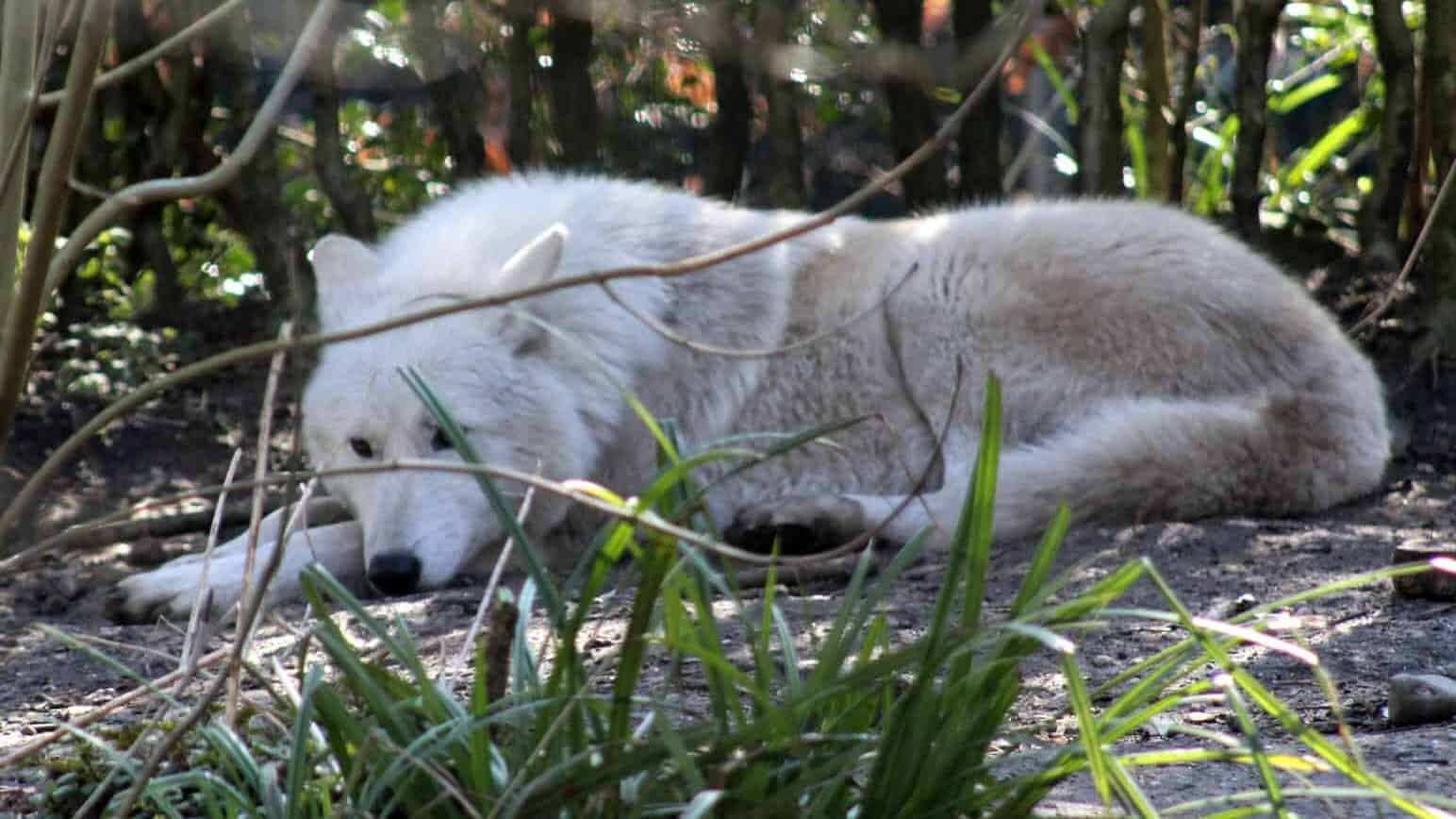
Interestingly, Arctic wolves often sleep in the open even during severe weather, relying on their incredible insulation rather than seeking shelter. When they do this, they typically curl into a tight ball, tucking their nose and paws under their tail, which minimizes exposed surface area and reduces heat loss. They may also select sleeping spots with southern exposure to capture available sunlight or lee positions behind ridges to avoid the worst of the wind. These flexible sheltering strategies allow wolves to adapt to various terrain types and weather conditions throughout their extensive winter territories.
Territorial Adaptations in Winter Conditions
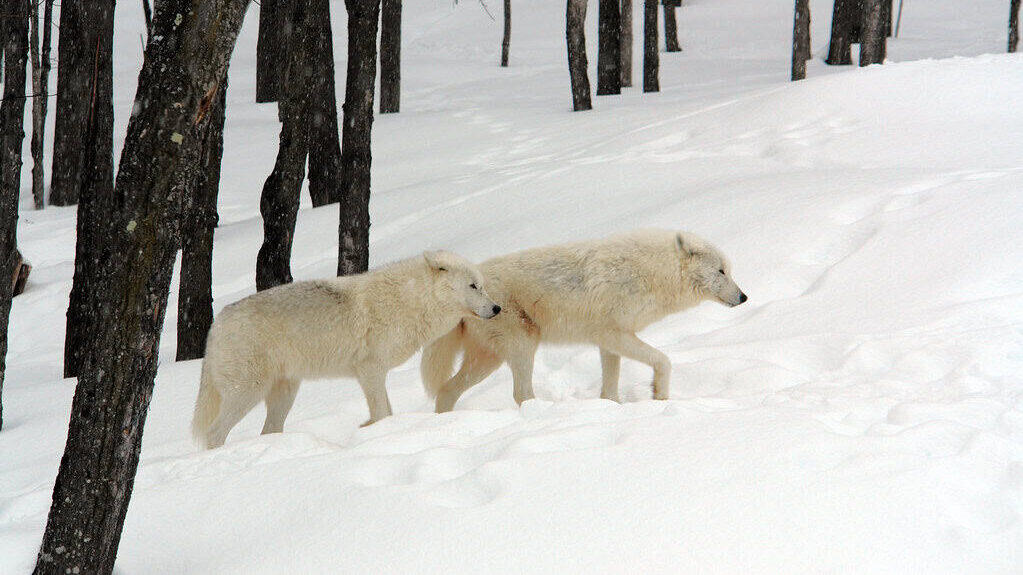
Arctic wolf territories undergo significant seasonal changes during winter months. Summer territories, which might range from 100-500 square miles, can expand dramatically in winter as prey becomes more scarce and widely distributed. Winter territories in Alaska and northern Minnesota have been documented to exceed 1,000 square miles for a single pack. Despite these vast areas, wolves maintain territorial boundaries through scent marking and vocalizations, with actual physical confrontations between packs being relatively rare during winter when conservation of energy is paramount.
Movement patterns within these territories also shift seasonally. Winter travel routes often follow frozen lakes, rivers, and valleys where snow is compacted or shallower, allowing for more efficient movement. Wolves create networks of packed trails through their territories, which they use repeatedly throughout the winter. GPS collar studies have shown that Arctic wolves may travel up to 30 miles per day when hunting, covering their expanded territories with remarkable efficiency. Their ability to navigate these vast landscapes in challenging conditions – often during periods of limited daylight – demonstrates their exceptional environmental awareness and spatial memory.
Sensory Adaptations for Winter Hunting
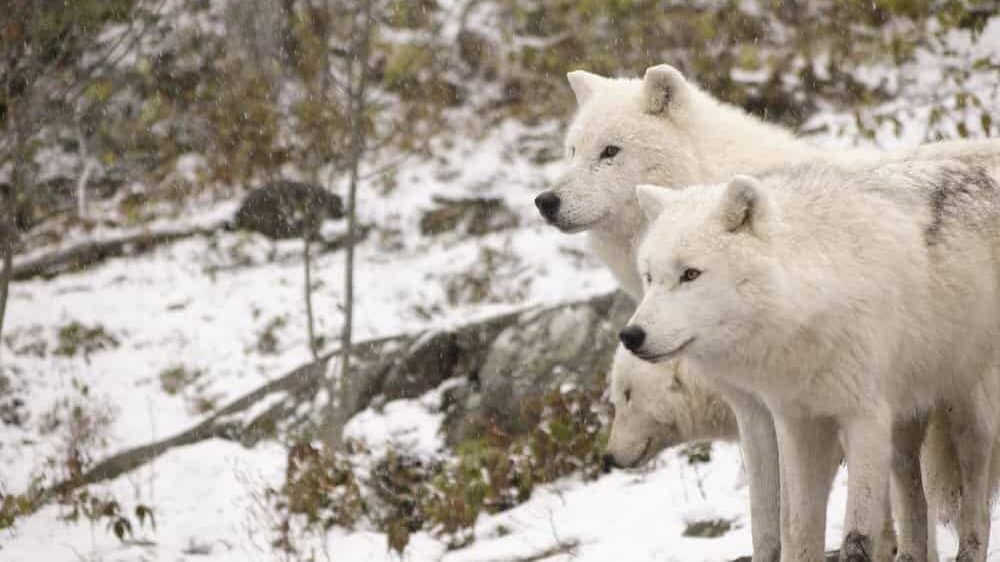
The sensory capabilities of Arctic wolves become even more crucial during the challenging winter months. Their hearing is exceptionally acute, capable of detecting the movements of small prey animals beneath the snow or the distant sounds of a caribou herd. Their sense of smell is perhaps their most impressive sense, with an ability to detect prey up to 1.5 miles away under favorable conditions. This olfactory prowess allows them to locate prey even in whiteout conditions or during the long polar night when visibility is severely limited.
Winter also brings changes to how wolves use their senses. They rely more heavily on scent and sound when hunting in darkness or during snowstorms. Their eyes are adapted for low-light conditions, with a reflective layer behind the retina called the tapetum lucidum that enhances their night vision – particularly valuable during the limited daylight hours of northern winters. Research suggests that wolves may also be able to detect the infrared radiation emitted by warm-bodied prey, giving them an additional advantage when hunting in cold environments. These sensory adaptations combine to make Arctic wolves formidable predators even under the most challenging winter conditions.
Communication in Winter Landscapes

Wolf communication takes on special significance during winter months when pack cohesion and coordinated hunting are essential for survival. Howling, the most famous form of wolf communication, carries farther in the cold, dense air of winter, allowing packs to coordinate over greater distances. Studies have shown that wolves adjust their howling patterns seasonally, with more frequent long-distance communication during winter months. These vocalizations serve multiple purposes: coordinating movements, announcing territorial boundaries, and reinforcing social bonds within the pack.
Beyond vocalizations, wolves rely heavily on visual and olfactory signals during winter. Urine marking becomes particularly important when establishing winter territories and travel routes. The scent from these markings persists longer in cold weather and stands out visually against the snow. Body language also plays a crucial role in close-quarters communication, with subtle ear positions, tail carriage, and facial expressions conveying complex information about hunting intentions, dominance relationships, and potential threats. This sophisticated multi-channel communication system helps maintain the pack cohesion that is so vital to winter survival.
Reproductive Timing and Winter Survival

The reproductive cycle of Arctic wolves is precisely synchronized with seasonal patterns to maximize offspring survival. Mating typically occurs in February and March, during the depths of winter, with pups born approximately 63 days later in April or May when conditions begin to improve. This timing ensures that the energy-intensive process of raising pups coincides with the spring increase in prey availability rather than the scarcity of mid-winter. The alpha female is usually the only pack member to reproduce, with other pack members contributing to pup care and provisioning.
Winter conditions directly influence reproductive success through their impact on prey availability and wolf physical condition. Research has shown that in years following particularly harsh winters with high prey mortality, wolf reproduction rates decrease, with smaller litter sizes or some females not reproducing at all. Conversely, after milder winters with abundant prey, reproduction rates increase. This reproductive flexibility represents an important adaptation to the boom-and-bust cycles of Arctic ecosystems. Alpha females require substantial body fat reserves to successfully carry and nurse a litter, making their winter hunting success directly linked to the pack’s reproductive potential.
Adaptations to Changing Daylight Patterns

The extreme seasonal variation in daylight hours presents a unique challenge for Arctic wolves. In the northernmost parts of Alaska, winter brings periods of near-total darkness during the polar night, while summer features the midnight sun with almost continuous daylight. Wolves have adapted their activity patterns to these dramatic shifts, with research showing that they maintain activity throughout the 24-hour cycle regardless of daylight, though they do show preferences for dawn and dusk hunting when possible. During the darkest winter periods, wolves become more opportunistic in their hunting schedule, capitalizing on hunting opportunities whenever they arise.
These adaptations to changing light conditions are supported by physiological changes in melatonin production and circadian rhythms. Unlike many mammals that rely heavily on daylight cues to regulate their internal clocks, Arctic wolves have developed more flexible circadian systems that are less dependent on light cycles. Their ability to remain active and hunt successfully during the long winter night is crucial to their survival strategy. Some research suggests that wolves may take advantage of moonlight during clear winter nights, increasing their hunting activity during the full moon when visibility is improved in the otherwise dark landscape.
Climate Change Impacts on Arctic Wolf Winter Survival
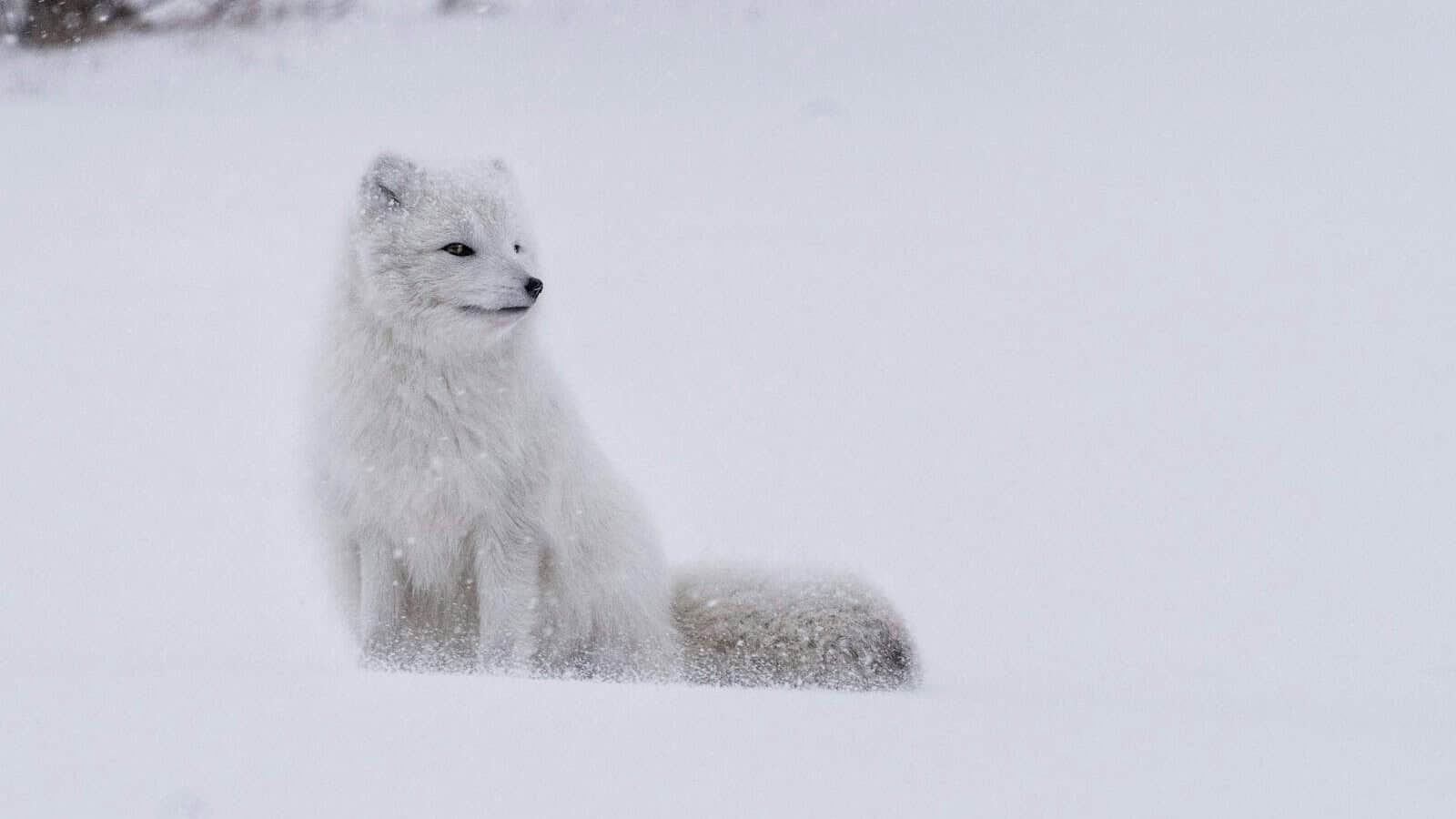
Climate change is rapidly altering Arctic ecosystems, presenting new challenges for wolf populations adapted to traditional winter conditions. As winters become shorter and less predictable, the delicate timing of wolf life cycles may become misaligned with prey availability. Rain-on-snow events, increasingly common in warming Arctic regions, create ice crusts that make travel difficult for wolves while sometimes benefiting their prey species. Changing snow conditions also affect denning behaviors and the thermal properties of winter shelters. These shifts could potentially disrupt the finely-tuned adaptations that have allowed Arctic wolves to thrive in extreme conditions.
The wolves’ prey species are also responding to climate change, with altered migration patterns and population dynamics. Caribou, a primary food source for many northern wolf populations, face their own challenges from climate change, potentially creating cascading effects through the food web. While wolves have demonstrated remarkable adaptability throughout their evolutionary history, the unprecedented rate of current climate change may test the limits of their adaptive capacity. Long-term research programs monitoring wolf populations in Alaska and northern Minnesota are providing valuable data on how these predators are responding to changing winter conditions, information that will be crucial for conservation efforts.
The Arctic wolf’s ability to survive and thrive in the harshest U.S. winters represents one of nature’s most impressive examples of adaptation and resilience. Through a combination of specialized physical traits, sophisticated social structures, behavioral flexibility, and physiological adjustments, these predators have mastered life in an environment that few other large mammals can endure. Their remarkable adaptations remind us of the extraordinary potential of evolutionary processes to create solutions to even the most extreme environmental challenges. As climate change continues to transform northern ecosystems, the adaptability that has served Arctic wolves so well throughout their evolutionary history may prove to be their most valuable trait.
Research on Arctic wolves continues to yield new insights into their survival strategies, with implications not just for wolf conservation but for our broader understanding of adaptation to extreme environments. The lessons learned from studying these resilient predators may inform conservation strategies for other species facing environmental change and provide inspiration for biomimetic technologies designed for cold environments. As we work to protect the wild places that Arctic wolves call home, we preserve not just a magnificent species but also one of nature’s most compelling stories of survival against the odds in America’s harshest winter landscapes.
Worried about unexpected vet bills?
Pet insurance can cover thousands in unexpected vet costs. Get a free quote from Lemonade in under 2 minutes.
Get My Free Quote →Sponsored · Opens Lemonade.com

- Why Zambia’s Kafue National Park Is the Best Place to See Wild Dogs - June 10, 2026
- 25 Most Majestic Birds That Will Take Your Breath Away - June 10, 2026
- 21 Most Impressive Hunters in the Animal Kingdom - June 10, 2026