
Worried about unexpected vet bills?
Pet insurance can cover thousands in unexpected vet costs. Get a free quote from Lemonade in under 2 minutes.
Get My Free Quote →Sponsored · Opens Lemonade.com
Evolution is usually a slow process, playing out over thousands or millions of years. Climate change isn’t giving most species that kind of time. The planet is warming faster than at almost any point in recorded history, and wildlife is being forced to respond in ways that are remarkable, sometimes alarming, and always revealing.
Animals may adapt to a rapidly changing world in various ways, including adjusting their behavior, modifying their environment, and undergoing physical changes. Some are pulling it off. Others are showing cracks under the pressure. What follows are seven species whose stories capture what it genuinely means to adapt or perish in a warming world.
Polar Bears: Hunting on Borrowed Time
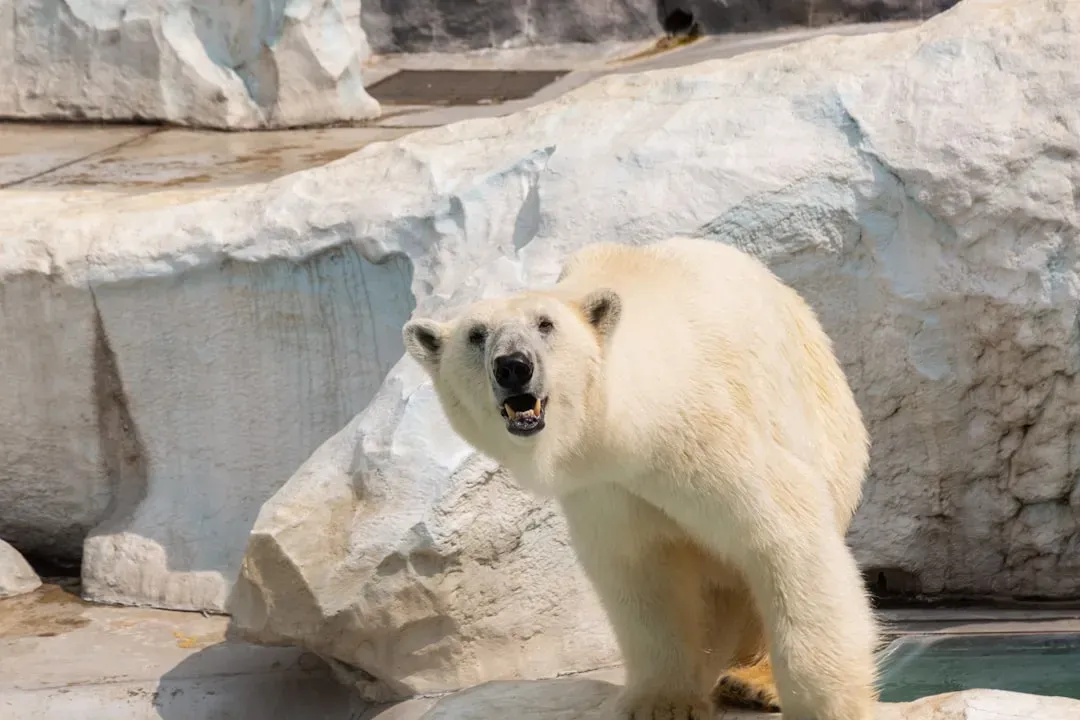
Few animals have become more synonymous with climate change than the polar bear, and there’s a hard reason for that. Polar bears use ice for travel, hunting, resting, mating, and even constructing maternal dens in some areas. Strip that away, and their entire way of life unravels.
This species is categorized by the International Union for Conservation of Nature as vulnerable. Polar bears have the ability to conquer new territories, suggesting they might have the capacity to adapt to ongoing changes in the Arctic. However, they are currently highly dependent on ice, which makes them vulnerable to climate change.
Most large terrestrial and aquatic mammals cannot afford the luxury of rapid microevolution or swift changes as adaptation strategies. The pace of these changes is far too rapid for genetic adaptation to occur in larger mammals. For polar bears, behavioral flexibility may buy time, but it cannot replace sea ice.
Snowshoe Hares: When Camouflage Becomes a Liability
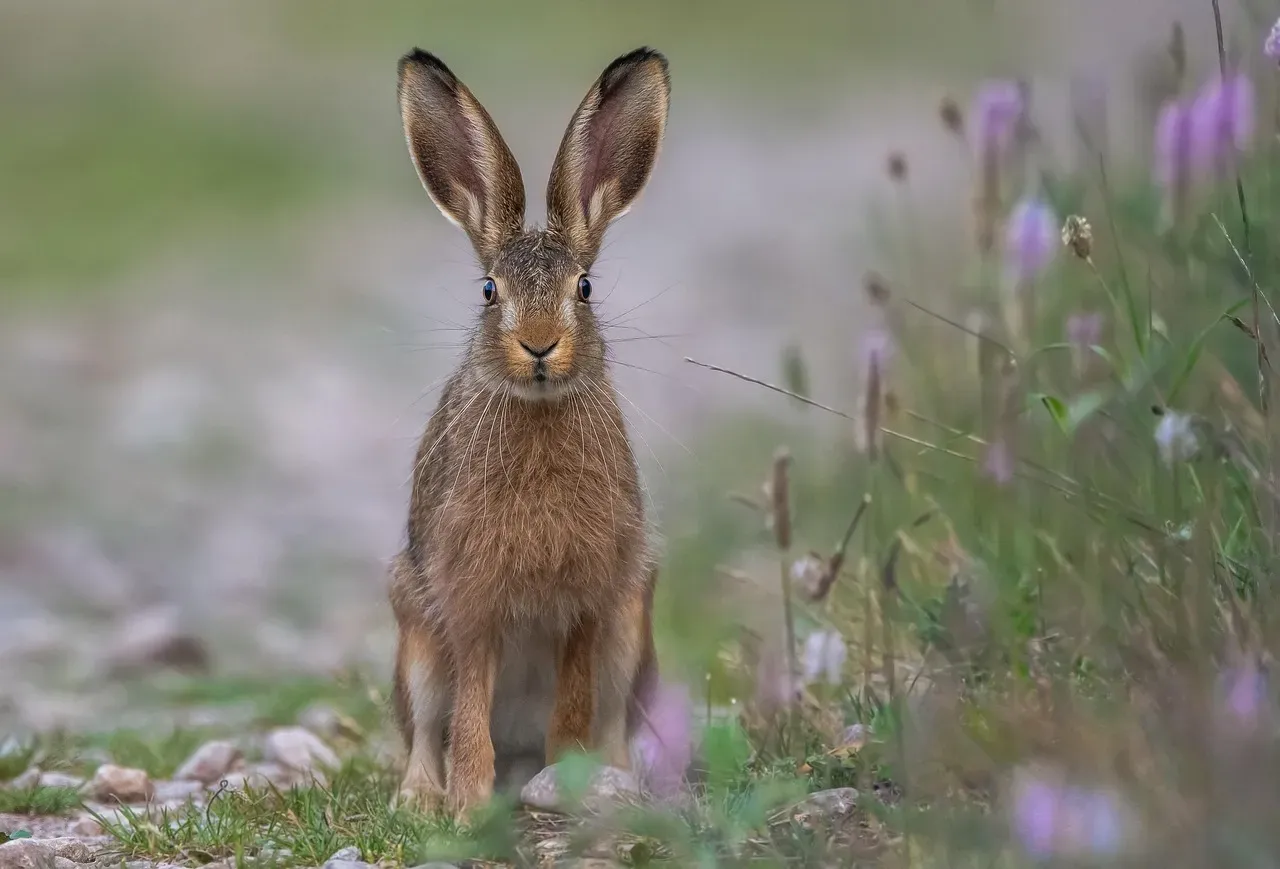
The snowshoe hare’s famous color-changing coat is one of nature’s more elegant survival tricks. Each year, they switch from brown to white and back again to match the landscape. The adaptation has kept them alive and allowed them to escape predators for millennia.
The problem is that this switch is triggered by light cycles, not by actual snow conditions. The color change is triggered by the sun, not the weather, which means as winters shorten, their coats aren’t catching up. A white hare on a brown, snowless hillside is conspicuous in the worst possible way.
In regions with reduced snowfall, some hares are developing less white winter coats, improving camouflage against predators. Whether this shift in coat genetics can outpace the rate of warming remains one of ecology’s more urgent open questions.
Sea Turtles: A Gender Crisis Brewing in the Sand
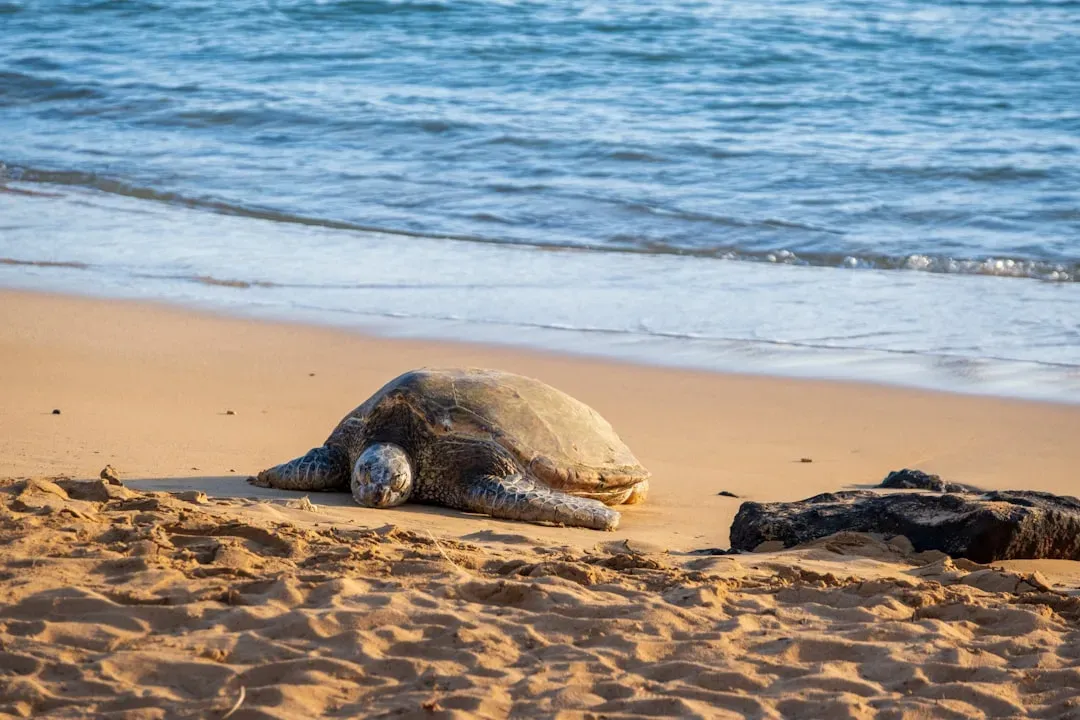
Sea turtles have outlasted dinosaurs. Surviving a warming world, though, may be their most complicated challenge yet. The temperature of the sand where eggs incubate determines the sex of hatchlings, and warmer sand means more females. Climate warming means that sea turtles produce more females. As global temperatures continue to rise, many populations are becoming highly female-biased. A global survey across 64 sea turtle nesting sites found that female-skewed sex ratios now dominate at most beaches, with extremely high proportions of females at many locations.
Such a vast difference between the numbers of females and males could threaten population viability unless evolutionary or behavioral responses occur. There’s also a behavioral signal worth noting. Sea turtles have begun to nest earlier thanks to climate change. Whether earlier nesting shifts gender ratios meaningfully is still being studied.
Tawny Owls: Evolution Written in Feathers
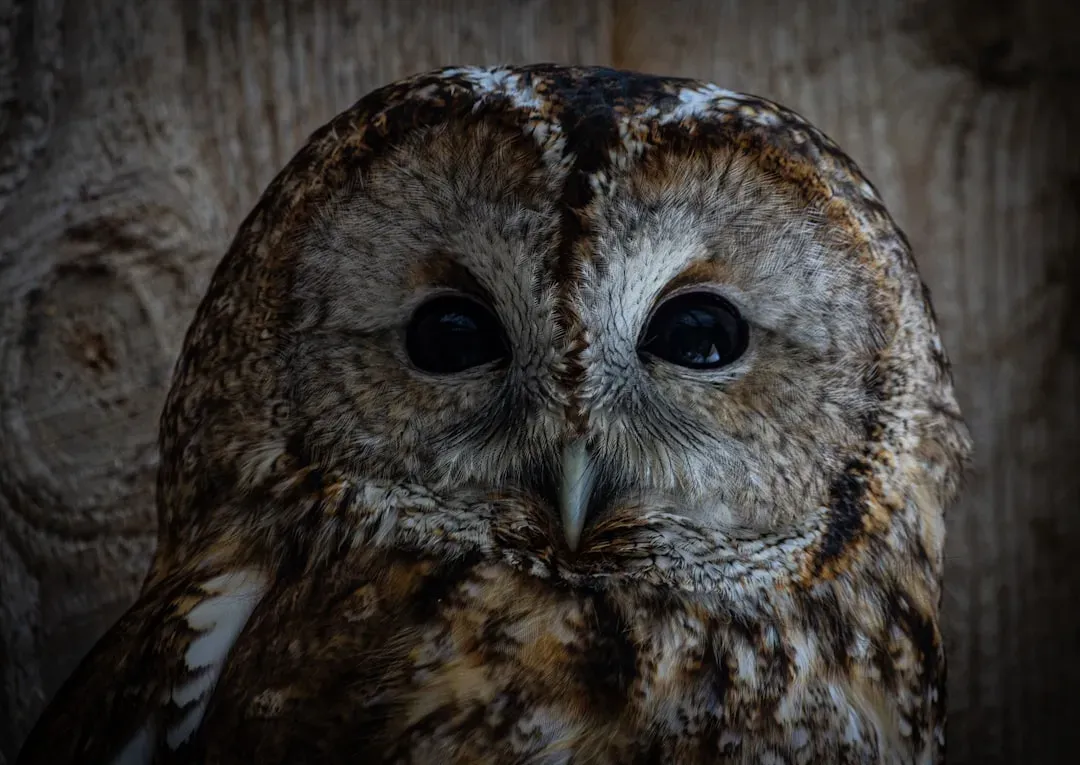
In Finland and across Europe, tawny owls exist in two broad color forms: pale gray and russet brown. For a long time, the gray form dominated in snowy northern regions because it blended seamlessly into winter landscapes. That advantage is quietly disappearing.
In Finland, tawny owls are either russet or pale gray, with the lighter gray color providing camouflage against snow. As snow cover has decreased in Finland, russet owls grew from about twelve percent of the population in the early 1960s to forty percent in 2010. That’s a significant genetic shift in just a few decades.
This shift is not just a matter of individual owls changing color, but rather a change in the genetic makeup of the population over generations. Researchers have tied this shift in color pigmentation to genes responsible for other survival traits designed to help them thrive in extreme environments, such as those related to maintaining energy homeostasis, fat deposition, and control over starvation responses. In essence, the genes that make an owl gray also give it biological tools to cope with extreme cold and lack of food.
Marine Iguanas: The Shrinking Survivors of the Galápagos
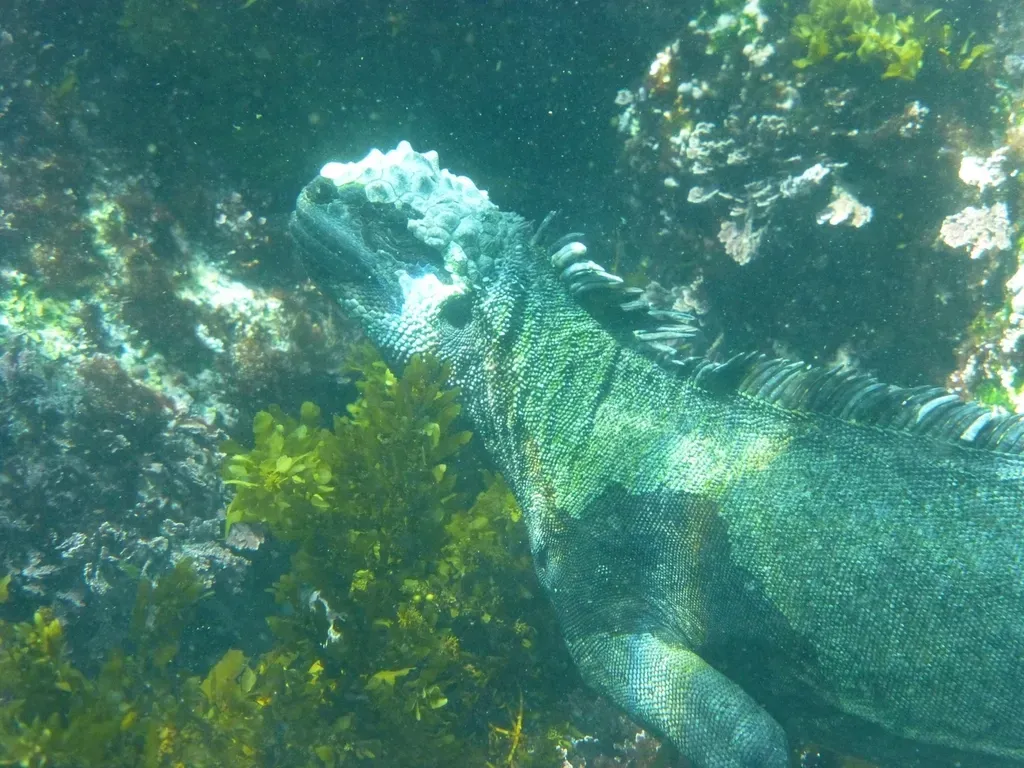
The Galápagos Islands hold some of the most closely watched wildlife on the planet, and marine iguanas there are doing something genuinely extraordinary. Marine iguanas are the only lizards known to forage for food in the ocean and live off the algae growing there. Warmer water makes the red and green algae that marine iguanas prefer less available.
Faced with food scarcity, these animals don’t just struggle. They physically shrink. To combat their lack of food, marine iguanas shrink; individuals can become as much as twenty percent shorter. These lizards can shrink and grow multiple times throughout their lives depending on the climate.
It’s a metabolic flexibility that seems almost impossible for a vertebrate, yet the science is solid. Smaller bodies need less food and less energy to maintain, which tips the survival odds back in their favor during lean, warm-water periods. It’s creative in the most biological sense of the word.
Clownfish: Shrinking to Survive the Heat
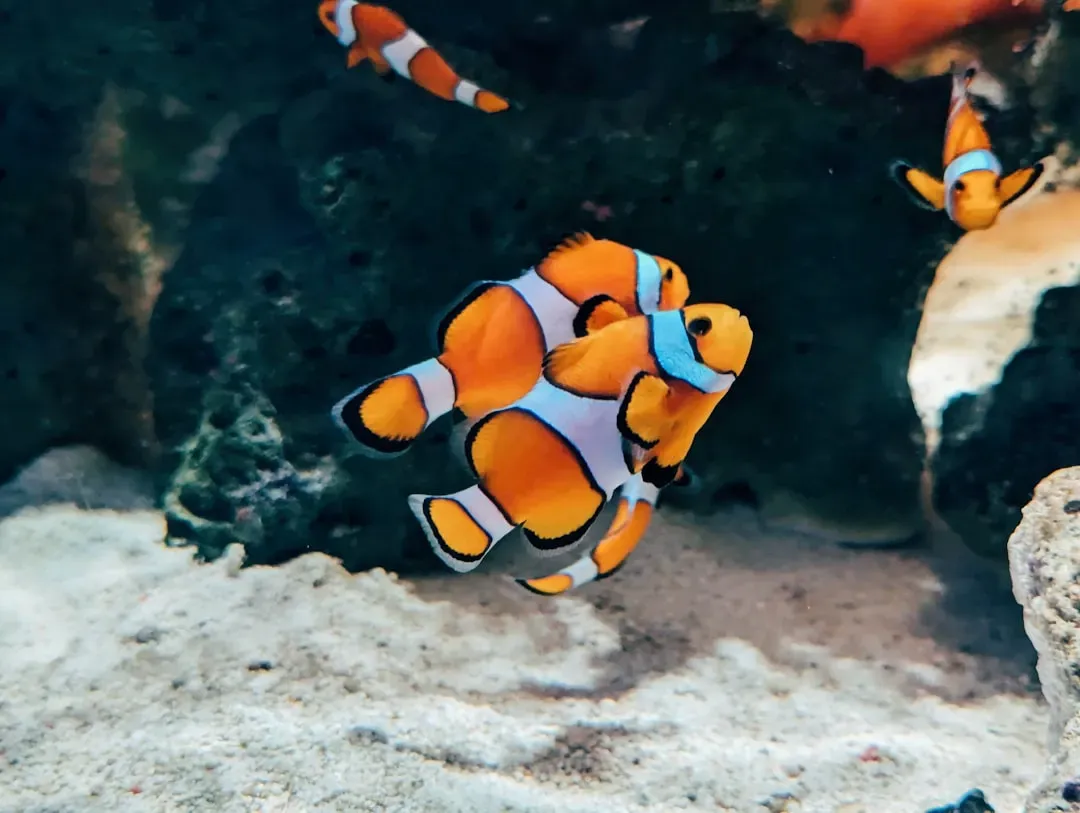
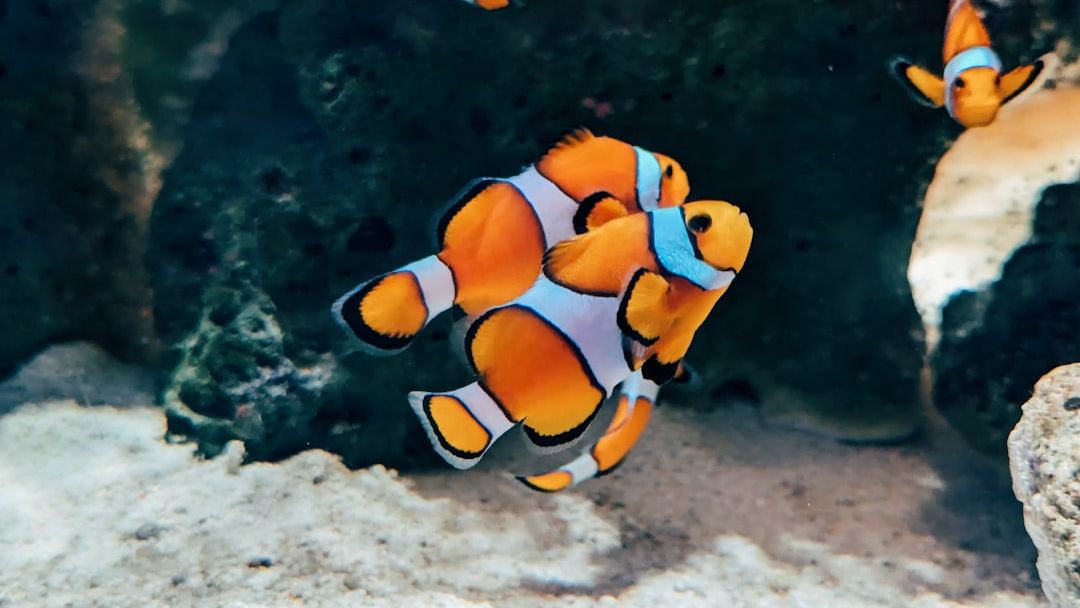
Clownfish became cultural icons thanks to a certain animated film, but their real story right now involves something far less cheerful: they’re getting smaller in response to marine heatwaves. Clownfish are adapting to warming oceans, but in a very particular way: they’re shrinking. According to a recent study, clownfish are decreasing in size by an estimated one to two percent during marine heatwaves. Although this may seem alarming, in reality it’s a clever method of adaptation. Reducing their size helps clownfish match their energy needs to the environment around them.
Smaller bodies require less energy and oxygen, which is especially important when warmer water holds less oxygen and food becomes scarce. Shrinking just once has been shown to improve their survival probability by a considerable margin in the face of heat waves.
The cost-benefit logic here is surprisingly clean. A smaller fish in a food-scarce, oxygen-depleted environment is simply better suited for the moment. Whether multiple generations of shrinking clownfish can maintain healthy populations long-term is a question researchers are still working to answer.
Adelie Penguins: Forced to Move, Forced to Adapt
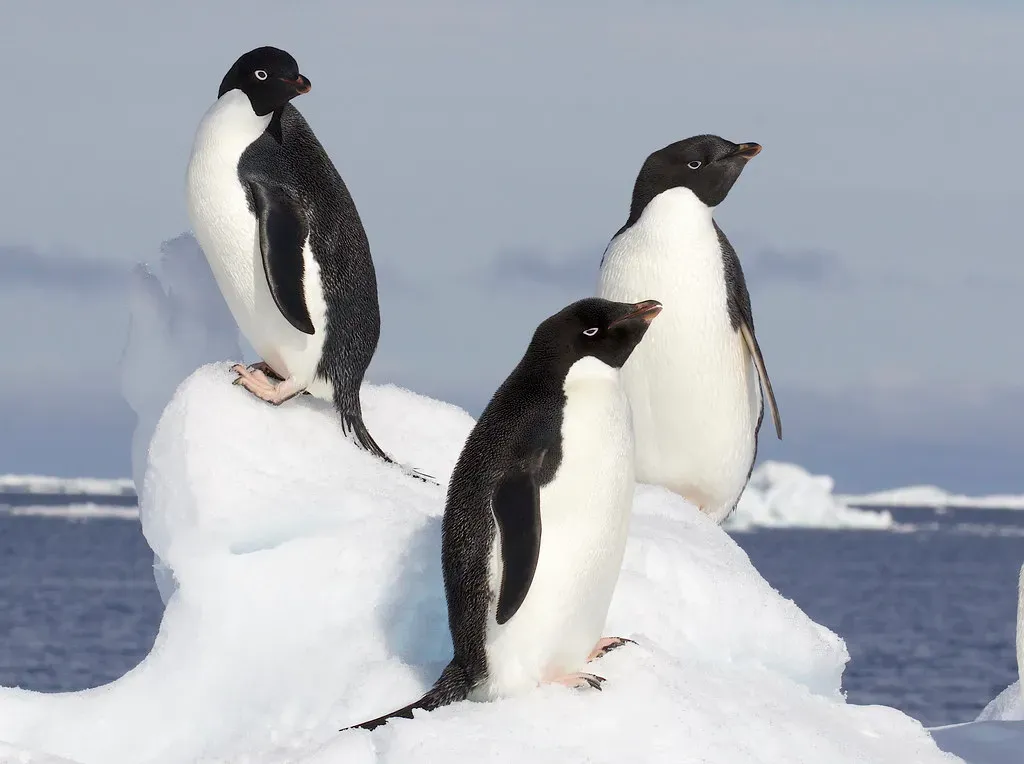
Adelie penguins are built for ice. Their entire life cycle, from breeding to feeding, revolves around it. The Adelie penguin is dependent on ice throughout its life cycle. The sea-ice season in the Arctic and Antarctic shortened between 1979 and 2010 due to rising temperatures.
Penguins are shifting their breeding grounds further south and must travel further for food and breeding. Population declines of over forty percent have been observed in the eastern Antarctic Adelie penguin populations. That’s not a minor fluctuation. That’s a population in serious stress.
The adaptation here is behavioral, a geographic retreat in search of conditions that no longer exist where they once did. Animal species that evolved in the most extreme environments on Earth, like the Arctic caribou, fox, and snowy owl, will not have anywhere else to go if temperatures continue to rise. Adelie penguins face the same dead-end logic: they can move south until they run out of south.
When Adaptation Has a Limit
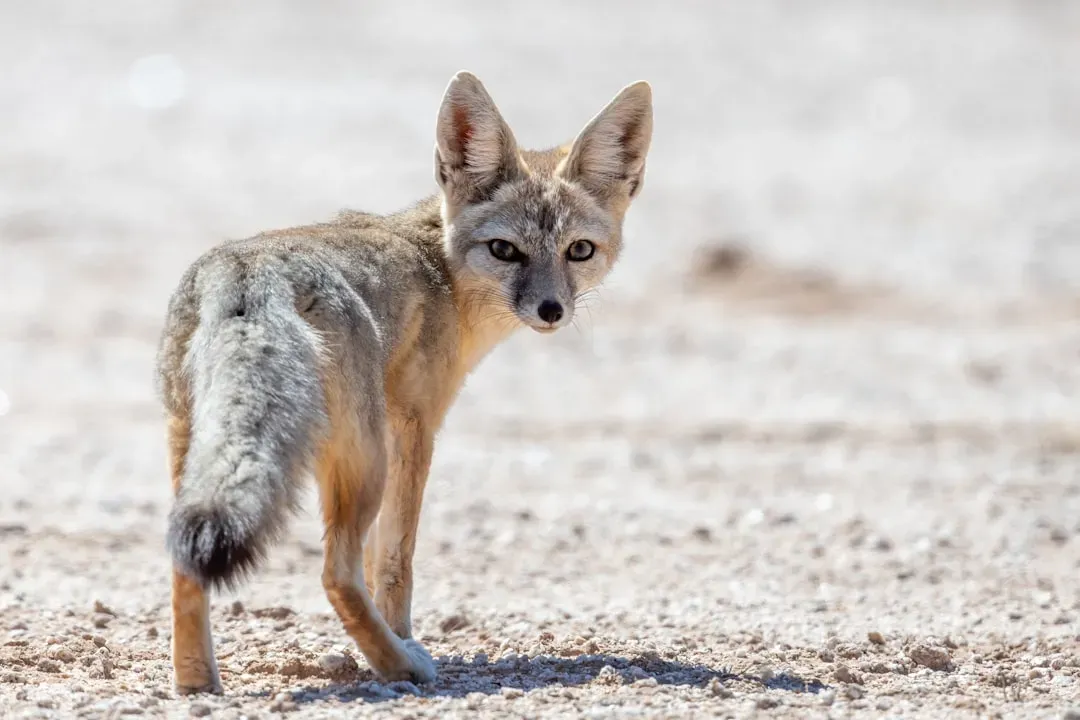
Across all seven of these species, a pattern emerges that’s as interesting as it is sobering. Adaptation is real. Animals are adjusting body sizes, coat colors, breeding times, diets, and migration routes. Climate change is one of the top five drivers of extinction, but it’s not always a zero-sum game. Some species are genuinely finding ways to cope.
Still, the pace of change is straining the limits of what biology can absorb. Overall, evolutionary adaptation appears to help lessen the impacts of global warming, but the evidence thus far shows that it is insufficient to overcome current rates of climate change. Acclimation and migration provide faster solutions, but research shows that those may not be enough, either.
The rate of species loss is growing, estimated to be between one thousand and ten thousand times higher than the natural extinction rate. To put this into perspective, the World Wide Fund for Nature revealed a seventy-three percent decline in the average size of wildlife populations monitored between 1970 and 2020. The animals are doing their part. The harder question is whether the conditions around them will slow down enough for adaptation to keep pace.
What these seven species ultimately illustrate is not just the resilience of life, but its fragility when pressed too hard, too fast. Evolution is not an emergency response system. It rewards patience across generations, not urgency across decades. The animals adapting now are extraordinary, but they cannot outrun a planet that keeps warming faster than genes can change.
Worried about unexpected vet bills?
Pet insurance can cover thousands in unexpected vet costs. Get a free quote from Lemonade in under 2 minutes.
Get My Free Quote →Sponsored · Opens Lemonade.com
