
What lives in a place where sunlight never reaches and the pressure could crush a car like a tin can? The deep sea remains one of Earth’s final frontiers, a mysterious realm where evolution has taken some truly wild turns. We’ve explored more of the surface of Mars than we have of our own ocean floor, and for good reason. Getting down there is incredibly difficult.
Yet when scientists do venture into these dark depths, they keep discovering animals that look like they belong in a science fiction movie rather than on our planet. Think transparent squids, fish that walk on the seafloor, and sponges that actually hunt other creatures. It’s hard to say for sure, but the deep ocean might just be home to the strangest collection of life forms anywhere on Earth.
Living Light Shows in Total Darkness
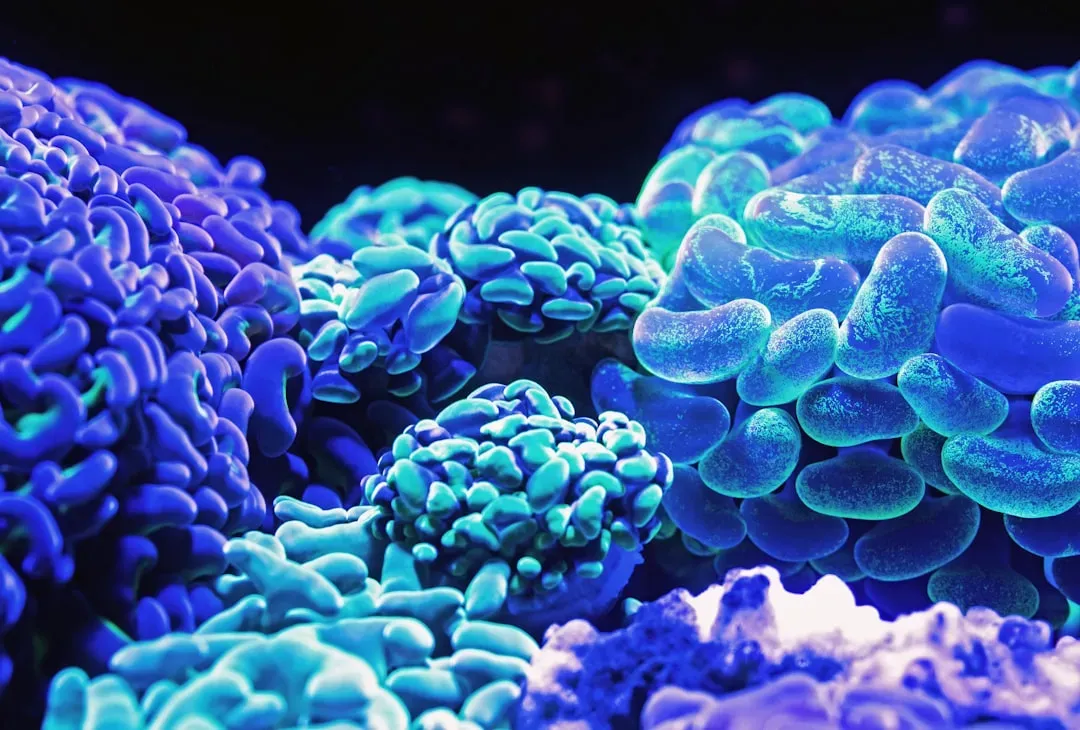
In the deep sea, bioluminescence is extremely common, and because the deep sea is so vast, bioluminescence may be the most common form of communication on the planet. That’s right, roughly three quarters of animals living in the open ocean’s water column can produce their own light. It’s a bit like walking through a city at night, except every building, car, and person is glowing.
Bioluminescence occurs through a chemical reaction that produces light energy within an organism’s body, requiring a molecule called luciferin that produces light when it reacts with oxygen. Different creatures have evolved unique variations of these glowing chemicals. While most deep-sea creatures produce blue or green light (wavelengths that travel furthest in water), some species have developed red or yellow variations.
Some animals use these living lights as a form of invisible communication. Dragonfish can emit and see red light, allowing them to see red-colored prey and communicate with other dragonfish, while other animals cannot see their red lights as a warning to flee. It’s basically like having night vision goggles while everyone else is stumbling around in the dark.
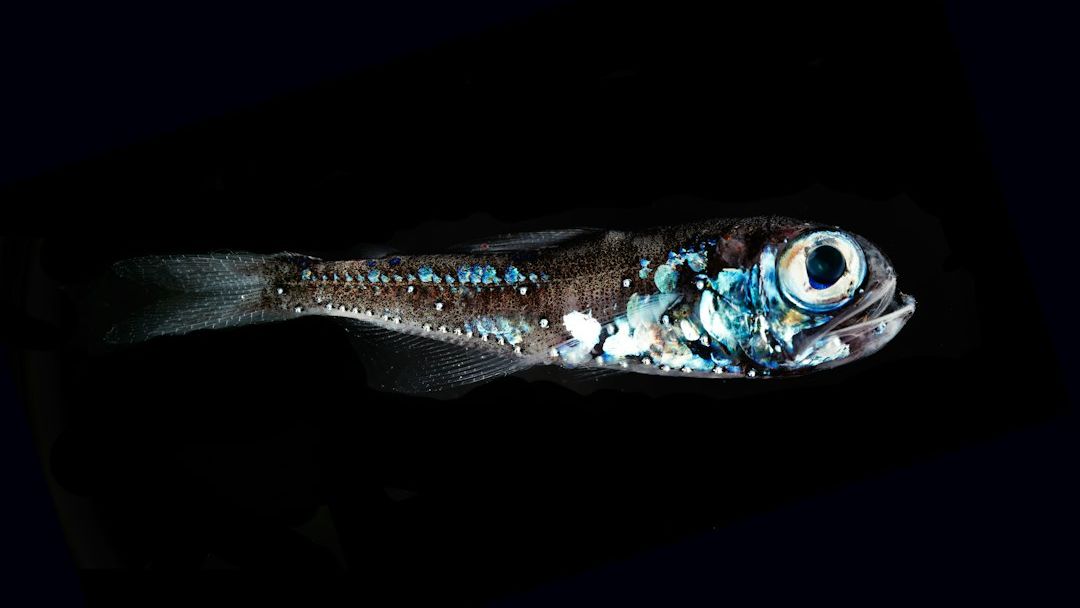
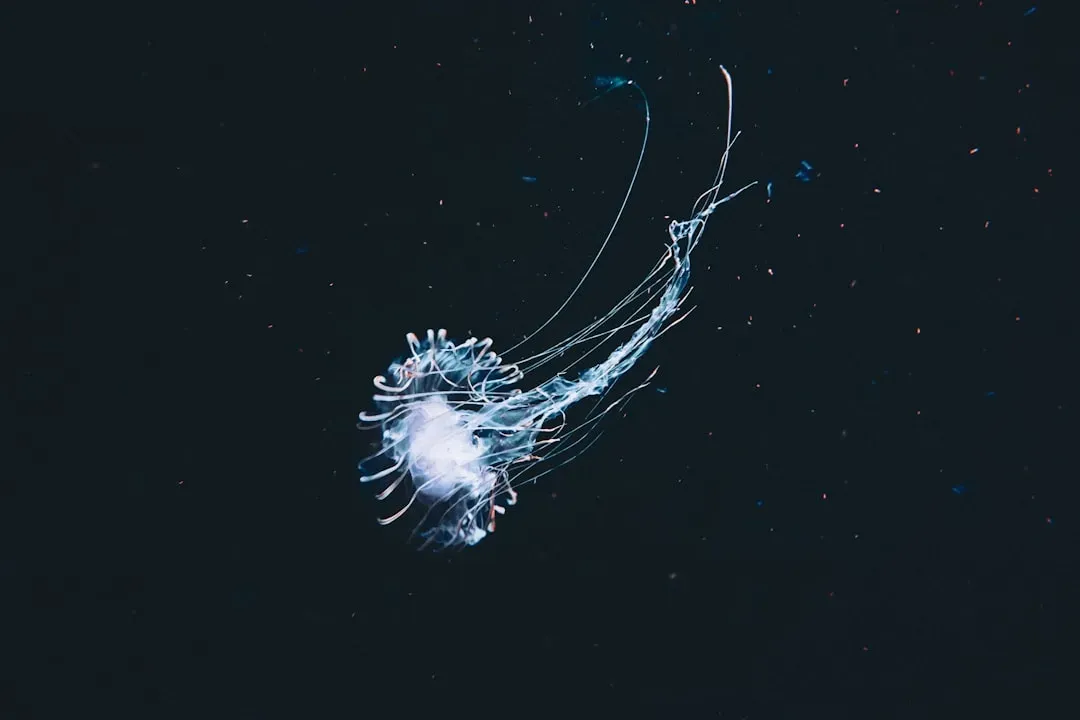
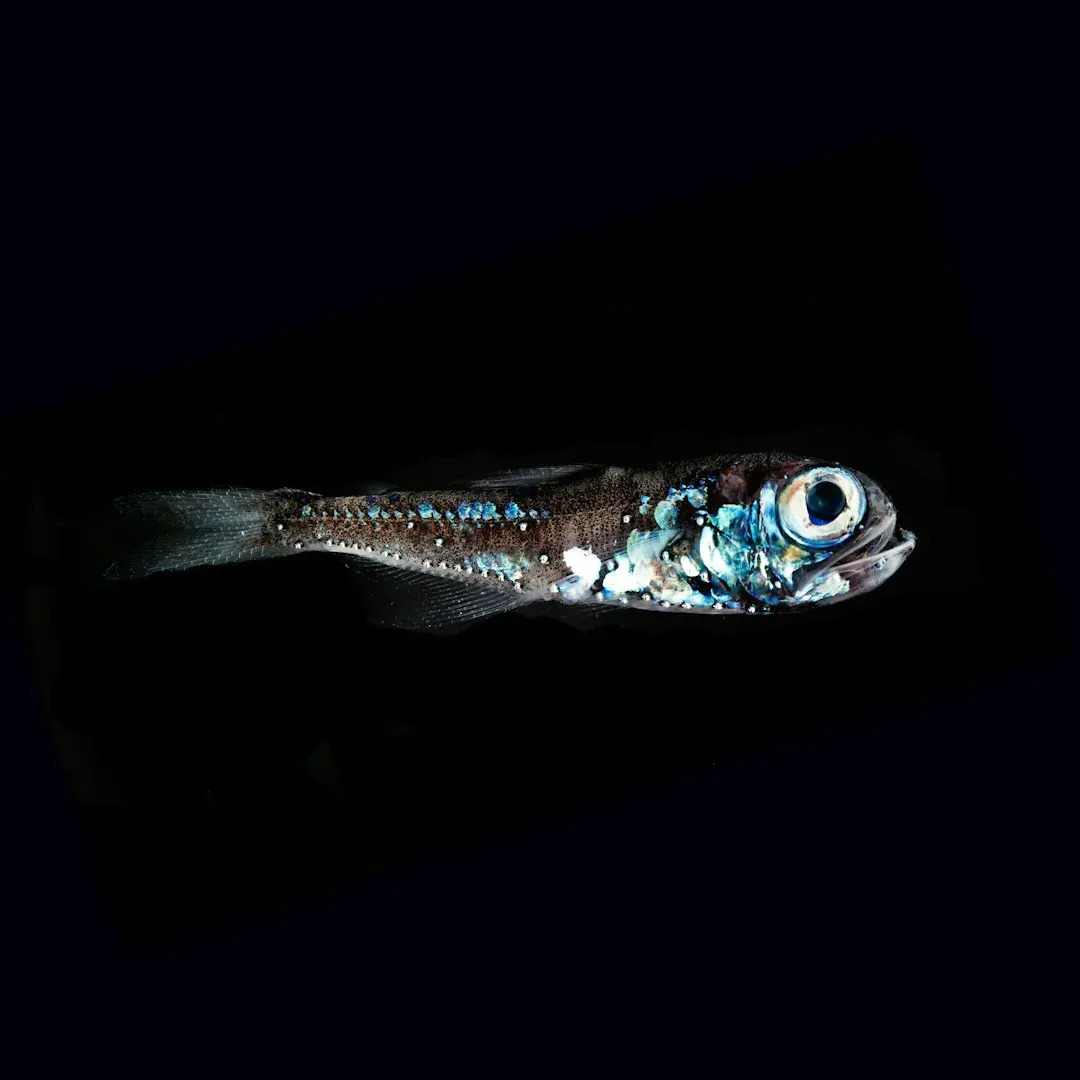
The variety is staggering. Deep-sea shrimp can vomit clouds of glowing chemicals to confuse predators. Lanternfish have light organs arranged in species-specific patterns along their bodies. Even some jellyfish pulse with colors that would make a rave jealous.
Here’s the thing though: this ability didn’t evolve just once. Bioluminescence has evolved at least 40 separate times in different marine organisms. That tells you how incredibly useful it is down there in the darkness.
Recent Discoveries Keep Getting Weirder
Scientists recently collected a tusk shell from depths exceeding 5,000 meters with a sea anemone attached to its anterior side, a relationship never before documented within this genus. It’s exactly these kinds of unexpected partnerships that keep researchers excited.
This past July and August, scientists exploring the Mar del Plata Canyon recorded more than 40 species that may be new to science over just three weeks. The canyon floor was crawling with creatures including a see-through squid with a hornlike collection of arms, pale pink lobsters, a king crab carrying 100 hitchhiking barnacles and a ghostly squid.
A carnivorous sponge researchers dubbed the “death-ball sponge” and black coral are among the bizarre animals identified following research cruises through the Southern Ocean this year. Let’s be real, when scientists name something a “death-ball,” you know it’s memorable.
A parasitic isopod called Zeaione everta has raised structures on the female’s back that resemble popped corn kernels, with its genus name derived from Zea, the corn genus.
Scientists believe they discovered at least 20 new species in a deep part of the Pacific Ocean near Guam, retrieving 2,000 specimens and finding 100 species in the region for the first time. And that’s just from a couple of weeks of work in November.
Creatures That Challenge Our Understanding of Life
An international team led by the Chinese Academy of Sciences took a manned submersible to deep-sea trenches in the northwest Pacific Ocean, reaching a depth of more than 31,000 feet. That’s nearly three times deeper than where the Titanic rests. There they found entire communities of animals rooted in organisms that derive energy not from sunlight but from chemical reactions.
These aren’t just isolated oddities either. The researchers encountered abundant wildlife communities, including fields of marine tube worms peppered with white marine snails. The worms have a symbiotic relationship with chemosynthetic bacteria that live in their bodies, with those bacteria providing them nutrients in exchange for a stable place to live.
Researchers also found clams on the seafloor that depend on bacteria within their shells to turn chemical compounds like methane and hydrogen sulfide into food. It’s a completely alien form of survival that doesn’t require the sun at all.
These chemosynthetic ecosystems challenge long-standing assumptions about life’s potential at extreme depths. If life can thrive in these conditions, what does that mean for the possibility of life on other planets or moons with subsurface oceans?
These trench communities are likely sustained in part by methane produced by microbes buried under the seafloor, suggesting that wildlife communities may be more common in extremely deep trenches than scientists once thought.
Adaptations That Seem Impossible
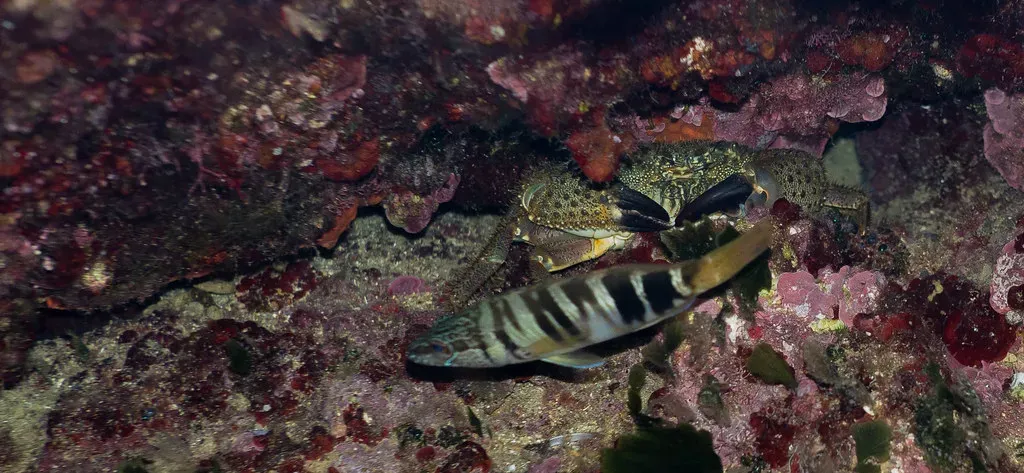
The pressure at extreme depths would instantly kill most surface dwellers. Yet creatures down there have evolved cellular structures that not only withstand it but require it. Their proteins are literally shaped differently than ours, folded in ways that only work under crushing pressure.
Though bright in the robot’s spotlight, many deep-sea creatures are clad in stealthy camouflage because red light doesn’t travel far in the deep sea, which means reddish animals can more easily avoid predators. What appears vibrant crimson or scarlet in submarine lights looks pitch black in the natural environment. It’s nature’s version of stealth technology.
The dragonfish features a hinged jaw that can unhinge like a snake’s, allowing it to consume prey larger than its own body size. When food is scarce, you can’t afford to be picky about portion sizes. The gulper eel demonstrates one of the most dramatic hunting strategies with its massive, pelican-like mouth that can expand to swallow prey many times its size.
Some deep-sea fish have developed extraordinary vision despite living in near darkness. The silver spinyfin has 38 copies of a vision gene in its genome and expresses up to 14 copies simultaneously, extending its spectral sensitivity to shorter and longer wavelengths of light. That’s like having fourteen different types of eyes all working at once.
Many deep sea creatures have evolved chemical defenses against the toxic effects of hydrogen sulfide found near hydrothermal vents, possessing specialized hemoglobin variants that can transport oxygen while remaining resistant to sulfide poisoning.
Why We Know So Little About the Abyss
The Southern Ocean is so remote that during expeditions, the closest humans were in the International Space Station. That’s not an exaggeration for effect, it’s literally true. The logistics of deep-sea exploration make space missions look straightforward by comparison.
Deep-sea canyons are biodiversity hotspots and play key roles in ecosystem functioning, yet we still know very little about them. Part of the problem is the sheer scale involved. There may be well over 100,000 seamounts worldwide, but people have explored less than 0.1 percent of them.
One million species live in the sea, but we’ve only discovered about one-third of them because they live in deep parts of the ocean that are hard to explore, with many of them seen only a handful of times. I know it sounds crazy, but we genuinely have better maps of Venus than we do of large portions of our own seafloor.
The technology required is extraordinarily specialized and expensive. Devices must operate up to 330 feet below the surface in an area nicknamed the “twilight zone,” requiring specialized diving equipment due to pressure. Going deeper requires remotely operated vehicles or manned submersibles that can cost tens of millions of dollars.
Discovering multiple candidate new species in such a short exploration window is not unusual in deep-sea research, precisely because these ecosystems remain so poorly sampled. Every expedition brings back creatures no one has ever seen before.
The Race to Document Before It’s Too Late
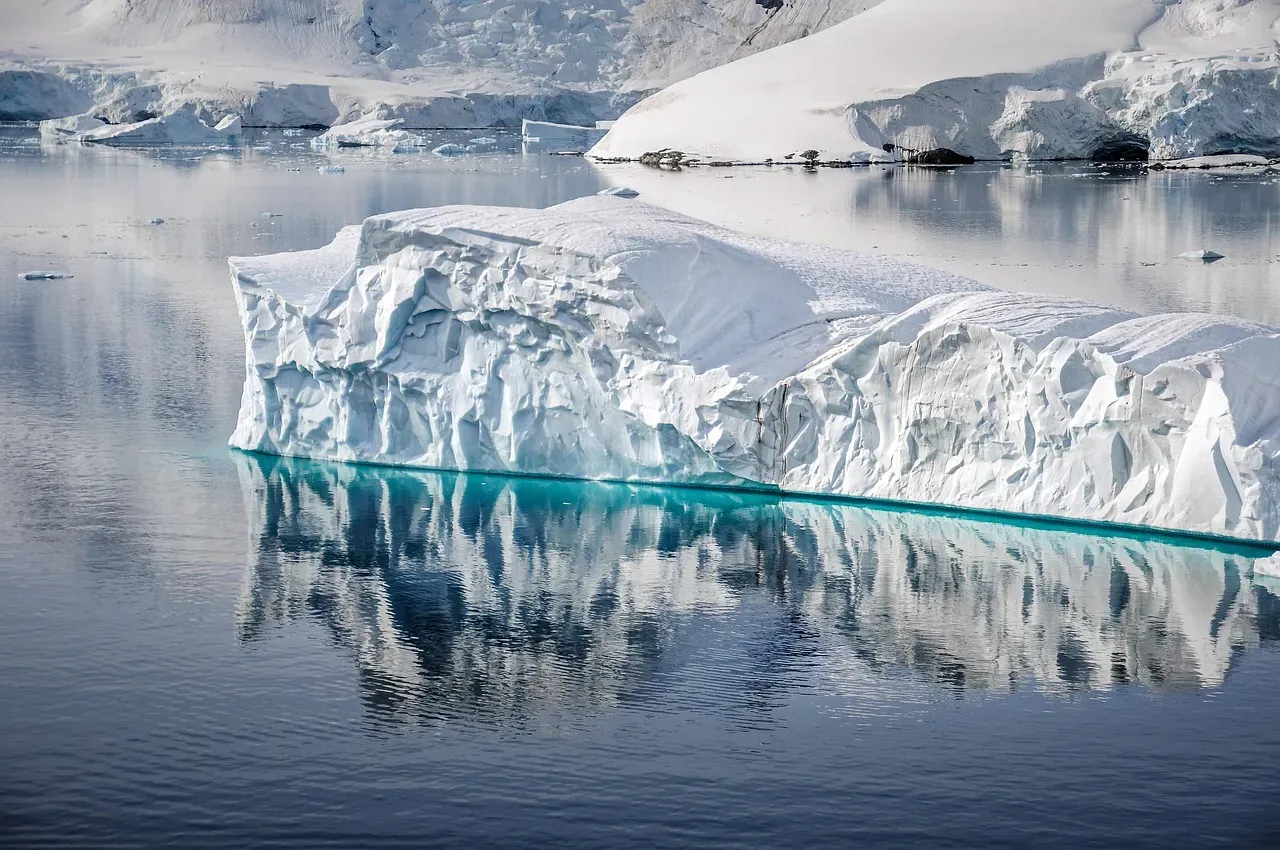
When the iceberg A-84 split from the George VI Ice Shelf in January, researchers gave the first glimpse of an ocean world once hidden beneath 500 feet of ice. Climate change is rapidly altering these environments, sometimes exposing them, sometimes destroying them entirely.
Earth’s oceans hold extraordinary biodiversity, yet only a small portion of an estimated two million marine species have been formally identified, with one of the biggest hurdles being the lengthy delay between when a species is first discovered and when it is officially documented. Some species descriptions have taken decades to complete. By that time, the habitat where they were found might have changed dramatically.
Scientists have discovered 30 new species in the Southern Ocean, but to date, they have only assessed under 30 percent of the samples collected from this expedition. There’s literally more waiting to be studied than has been identified so far.
Commercial interests pose another threat. Far fewer seamounts are set aside from potentially harmful human activity, such as commercial fishing, bottom trawling, and mining. Deep-sea mining operations are being proposed in areas where we haven’t even cataloged what lives there yet.
Each confirmed species is a building block for conservation and biodiversity studies, while polar deep-sea ecosystems remain profoundly under-sampled yet are central to understanding evolution and resilience in our rapidly changing climate. We’re in a strange position of trying to protect ecosystems we barely understand.
Conclusion
The deep sea continues to reveal creatures that push the boundaries of what we thought life could be. From animals that create their own light in a world without sun, to communities thriving on chemical energy instead of photosynthesis, these discoveries fundamentally change how we understand biology. Some creatures found in deep-sea canyons might not exist anywhere else in the world. Each species represents millions of years of evolution solving problems in ways that seem almost engineered.
What makes these findings particularly urgent is how little time we might have left to document this hidden world. As ocean temperatures rise and human activity expands into deeper waters, we’re racing against time to catalog life forms that could disappear before we even know they exist. The deep ocean isn’t some distant, irrelevant place. It’s the largest habitat on our planet, and we’ve barely scratched the surface of understanding what calls it home.
What would you sacrifice to see these creatures with your own eyes? The cost of a deep-sea expedition could fund years of research, yet every dive brings back wonders that remind us how much we still have to learn about our own planet. What do you think is still waiting to be discovered down there?

- 14 Signs the Backyard Birds That Left Your Yard Are Quietly Coming Back - July 21, 2026
- 12 Cat Breeds Vets Refuse To Recommend to First Time Owners - July 21, 2026
- 6 US States With the Most Alligators - July 21, 2026