
Worried about unexpected vet bills?
Pet insurance can cover thousands in unexpected vet costs. Get a free quote from Lemonade in under 2 minutes.
Get My Free Quote →Sponsored · Opens Lemonade.com
Dolphins, those intelligent marine mammals known for their acrobatic displays and complex social structures, are facing unprecedented challenges as our planet warms. Climate change is silently altering the oceans these creatures call home, disrupting age-old migration patterns that have been established over millennia. As ocean temperatures rise, currents shift, and prey species relocate, dolphins are being forced to adapt their movements in ways scientists are only beginning to understand. This article explores the complex relationship between climate change and dolphin migration, examining how these charismatic animals are responding to our changing world and what these shifts might mean for their future survival.
The Fundamentals of Dolphin Migration

Dolphin migration is a complex biological phenomenon driven by several key factors: seasonal changes in water temperature, food availability, breeding requirements, and predator avoidance. Unlike some marine mammals that follow strict migratory routes, dolphin migration patterns tend to be more flexible and species-specific. Some dolphin populations undertake predictable seasonal movements covering hundreds or even thousands of miles, while others remain relatively resident within a particular region, making smaller-scale movements in response to local conditions.
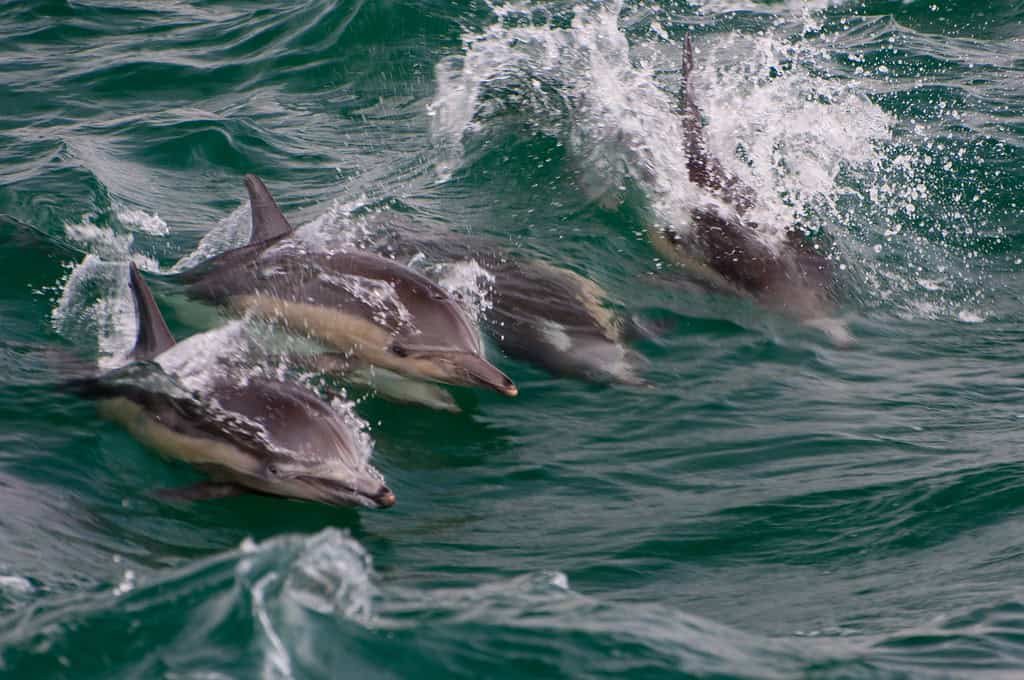
Research has documented how different dolphin species exhibit varying migratory behaviors. For instance, common dolphins (Delphinus delphis) in the North Atlantic make seasonal migrations between inshore and offshore waters, while bottlenose dolphins (Tursiops truncatus) may display more complex patterns that include both resident populations and migratory groups. These traditional movement patterns have evolved over thousands of years to align with predictable oceanographic conditions that now, due to climate change, are becoming increasingly unpredictable.
Rising Ocean Temperatures and Shifting Habitats
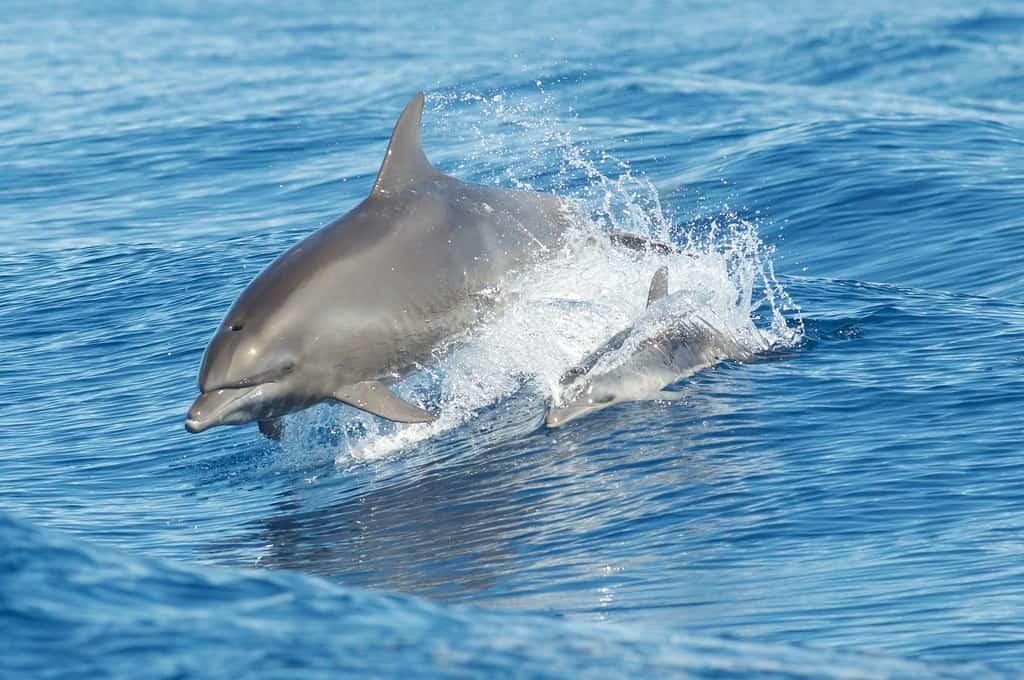
Perhaps the most direct impact of climate change on dolphin migration comes from rising ocean temperatures. The world’s oceans have absorbed more than 90% of the excess heat generated by greenhouse gas emissions, with global ocean surface temperatures increasing at an average rate of 0.13°F per decade since 1901. This warming isn’t uniform—some regions are experiencing much faster temperature increases, creating “hot spots” that can dramatically alter local marine ecosystems. For dolphins, these temperature changes can render traditional habitats unsuitable, forcing populations to shift their ranges to maintain their preferred thermal environment.
Studies tracking various dolphin populations have documented northward range extensions in several species. For example, short-beaked common dolphins have expanded their range further north in the North Sea, an area previously too cold for this species. Similarly, bottlenose dolphins have been increasingly observed in higher-latitude waters around Scotland and Norway. These shifts represent significant changes to historical dolphin distributions and indicate how warming waters are redrawing the map of dolphin habitats across the globe.
Changes in Ocean Currents and Circulation

Climate change is also altering ocean circulation patterns, which play a crucial role in dolphin migration. Ocean currents serve as highways for many marine species, including dolphins, helping them travel efficiently across vast distances. These currents also transport nutrients and influence the distribution of prey species. Scientists have observed worrying changes in major current systems, including potential weakening of the Atlantic Meridional Overturning Circulation (AMOC), which includes the Gulf Stream, a current vital to marine life throughout the North Atlantic.
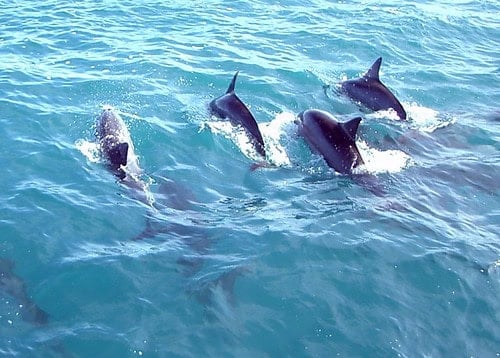
As these currents change in strength, position, and temperature characteristics, dolphins must adapt their migratory routes accordingly. Research in the Mediterranean has shown that striped dolphins (Stenella coeruleoalba) have altered their traditional movement patterns in response to changing current dynamics. In the Pacific, spinner dolphins have modified their offshore-inshore movements as El Niño events—which are becoming more frequent and intense due to climate change—disrupt normal current patterns. These adaptations require dolphins to expend more energy searching for suitable conditions, potentially impacting their overall fitness and reproductive success.
Prey Distribution Shifts and Food Web Disruptions

Dolphins are predators that follow their food, making prey availability one of the most significant factors influencing their migration patterns. As climate change alters ocean temperatures and chemistry, many fish and squid species—the primary prey for most dolphins—are shifting their distributions, typically moving poleward to cooler waters or deeper to escape warming surface temperatures. A 2020 study published in Nature Ecology & Evolution found that marine species are moving toward the poles at an average rate of 5.9 km per decade, creating a ripple effect throughout marine food webs.
These prey shifts force dolphins to either follow their traditional food sources to new locations or adapt to hunting different prey species. For example, research in the Mediterranean has documented common dolphins changing their diet composition as sardine and anchovy populations have declined due to warming waters. In the North Sea, white-beaked dolphins are facing challenges as cod and herring stocks shift northward. This restructuring of marine food webs is perhaps the most complex and unpredictable aspect of how climate change affects dolphin migration, as it involves multiple species responding to environmental changes at different rates.
Extreme Weather Events and Migratory Disruptions

Climate change is increasing the frequency and intensity of extreme weather events, including marine heatwaves, powerful storms, and hurricanes. These events can have immediate and dramatic effects on dolphin migration patterns. Marine heatwaves—periods of abnormally high ocean temperatures—can create thermal barriers that dolphins must navigate around, effectively blocking traditional migratory corridors. Between 2013 and 2015, a massive marine heatwave nicknamed “The Blob” in the Northeast Pacific disrupted normal dolphin movements along the California coast, pushing some species into unusual territories.
Hurricanes and tropical storms can also temporarily displace dolphin populations, with some studies showing that dolphins may evacuate coastal areas before major storms arrive—suggesting they can sense changes in barometric pressure or other environmental cues. After Hurricane Katrina in 2005, researchers documented significant changes in bottlenose dolphin distribution in the Gulf of Mexico that persisted for months. As climate change makes these extreme weather events more common, such disruptions to dolphin migration will likely increase in frequency and severity.
Ocean Acidification and Habitat Degradation
Ocean acidification—often called climate change’s “evil twin”—occurs as the ocean absorbs carbon dioxide from the atmosphere, causing chemical reactions that reduce water pH. While dolphins themselves aren’t directly affected by slightly more acidic water, the ecosystem changes triggered by acidification can significantly impact their migratory behavior. Lower pH levels can disrupt the development and survival of many marine organisms, especially those that form calcium carbonate shells or skeletons, which include many species at the base of marine food webs.
As these foundational species decline, the effects cascade upward through the food chain, eventually affecting the fish populations that dolphins depend on. Research in the Southern Ocean has shown that changing pH levels are already altering krill populations, a critical food source for many marine predators including some dolphin species. These changes in prey availability force dolphins to alter their traditional movement patterns, sometimes abandoning historical feeding grounds in search of more productive areas—a phenomenon observed in dusky dolphins off Patagonia following shifts in anchovy distribution linked to acidification effects.
Coastal Habitat Transformations

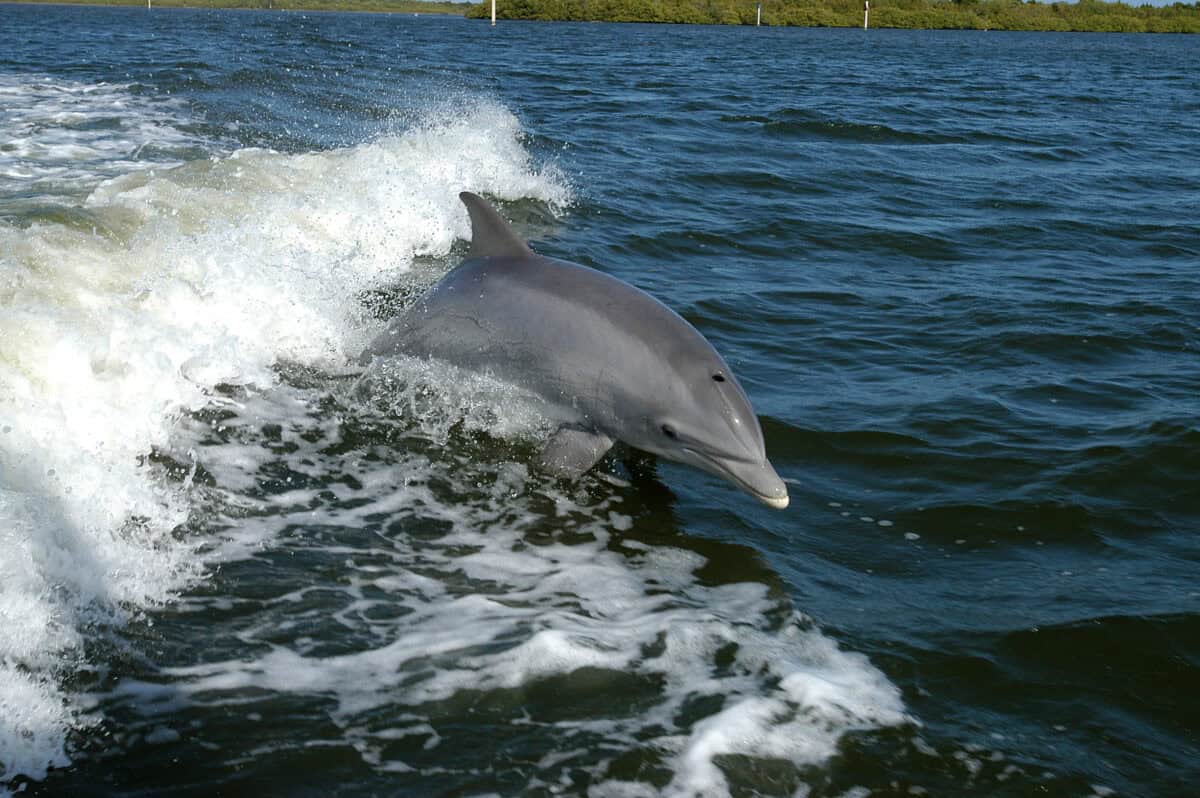
For coastal dolphin species, climate change brings additional challenges through the transformation of nearshore habitats. Rising sea levels, changing precipitation patterns, and more intense storms are altering estuaries, lagoons, and coastal waters that many dolphin populations rely on. These changes affect the salinity, turbidity, and productivity of these important ecosystems. In Florida, researchers have documented Indian River Lagoon bottlenose dolphins changing their movement patterns as seagrass die-offs—linked to climate-driven changes in water quality—have decimated fish populations.
Coastal development and human adaptation to climate change can further compound these problems. As humans build seawalls, jetties, and other coastal hardening structures to protect shorelines from rising seas, these modifications can change water flow patterns and fragment dolphin habitats. Studies in Australia have shown that Indo-Pacific bottlenose dolphins have altered their habitat use patterns in areas where coastal development has intensified in response to climate threats, suggesting that human adaptation to climate change may create additional challenges for coastal dolphin populations.
Reproductive Timing and Migratory Synchronization

Climate change is disrupting the delicate timing of biological events across the planet, a phenomenon known as phenological shifting. For dolphins, whose reproductive cycles are often synchronized with specific environmental conditions, these shifts can have significant consequences for migration patterns. Many dolphin species time their movements to coincide with optimal breeding conditions or to ensure calves are born when food is abundant. As climate change alters the timing of seasonal transitions and productivity pulses in the ocean, dolphins must adjust their reproductive timing and associated migrations.
Research on common dolphins in the Mediterranean has found evidence that calving periods have shifted by several weeks over recent decades, corresponding with earlier warming of surface waters in the spring. Similar shifts have been observed in Pacific white-sided dolphins along the California coast. These changes in reproductive timing necessitate adjustments to migratory schedules, potentially creating mismatches between dolphin movements and the peak availability of their prey. Such misalignments could have serious implications for calf survival and population health over time.
Increased Disease Risk During Migration

Climate change is altering the prevalence and distribution of various pathogens in marine environments, creating new disease risks for dolphins during migration. Warmer waters promote the growth of certain harmful algal blooms and bacteria, while also potentially expanding the range of parasites and other disease vectors. As dolphins navigate through these changing conditions during migration, they may encounter novel pathogens to which they have limited immunity. The physiological stress associated with migration already temporarily suppresses immune function in many species, potentially making migrating dolphins particularly vulnerable to these emerging disease threats.
Several documented mass mortality events in dolphin populations have been linked to the combination of changing environmental conditions and disease. For instance, unusually warm waters in the Atlantic have been associated with morbillivirus outbreaks among bottlenose dolphins along the U.S. eastern seaboard. As dolphins alter their migratory routes in response to climate change, they may encounter new pathogen reservoirs or vector species, further increasing disease transmission risks. This growing disease burden represents yet another way climate change complicates dolphin migration and threatens population health.
Human Activities and Compounding Stressors
Climate-driven changes to dolphin migration rarely occur in isolation but instead interact with numerous human activities that already stress marine ecosystems. As dolphins alter their migratory routes, they may encounter new threats including busy shipping lanes, fishing grounds, military exercise areas, or offshore energy developments. Research published in the journal Scientific Reports documented how shifting dolphin populations in the North Sea increasingly overlap with areas of intense human activity, raising concerns about heightened risks of vessel strikes, entanglement in fishing gear, and exposure to underwater noise pollution.
The combination of climate stressors and these direct human impacts creates what scientists call “cumulative effects,” where multiple pressures interact—often synergistically—to impact dolphin populations more severely than any single factor would. For dolphins already adapting to changing oceanographic conditions, these additional anthropogenic stressors can significantly complicate migration and reduce resilience. Conservation efforts increasingly recognize the need to address both climate change impacts and direct human activities simultaneously to effectively protect migratory dolphin populations.
Conservation Challenges and Adaptive Management
Protecting migratory dolphins in a changing climate presents significant conservation challenges. Traditional place-based conservation approaches, such as marine protected areas with fixed boundaries, may become less effective as dolphin populations shift their ranges and migration routes. This reality is pushing marine conservation toward more dynamic and adaptive management strategies. Some innovative approaches include mobile marine protected areas that can shift seasonally based on dolphin movements, international agreements that protect migratory corridors across political boundaries, and predictive modeling that anticipates how dolphin distributions will change under various climate scenarios.
Effective conservation also requires improved monitoring of dolphin populations to detect migration changes as they occur. Advanced tracking technologies, including satellite tags and acoustic monitoring networks, are providing unprecedented insights into dolphin movements. Citizen science programs involving whale-watching operations and recreational boaters are also helping scientists gather data on changing dolphin distributions. These monitoring efforts are essential for implementing adaptive management approaches that can respond quickly to emerging changes in migration patterns before dolphin populations experience serious declines.
Future Outlook and Research Directions
Climate change will continue to alter dolphin migration patterns for decades to come, even under the most optimistic emissions scenarios. The magnitude of these changes will depend largely on how quickly and effectively humanity reduces greenhouse gas emissions. Under high-emission scenarios, some dolphin species may face shifts in migratory range that exceed their adaptive capacity, potentially leading to population fragmentation or local extinctions. Other more adaptable species may successfully adjust their movements to new oceanographic conditions, though possibly with reduced population sizes or altered ecological roles.
Scientists are working to improve our understanding of these complex dynamics through interdisciplinary research combining oceanography, climate science, and marine mammal biology. Priority research areas include identifying which dolphin populations are most vulnerable to migration disruptions, determining critical thresholds beyond which adaptive migrations may no longer be possible, and developing more sophisticated models to predict future changes. This research is not merely academic—it provides the foundation for conservation strategies that can help dolphin populations navigate the unprecedented challenges of a rapidly changing ocean environment.
Conclusion: Navigating Uncertain Waters

The disruption of dolphin migration patterns represents one of the most visible manifestations of how climate change is transforming marine ecosystems worldwide. As ocean temperatures rise, currents shift, and food webs restructure, dolphins are being forced to adapt their movements in ways that may test the limits of their evolutionary flexibility. The changes we’re observing today are likely just the beginning of more profound shifts that will unfold as climate change accelerates in the coming decades. Understanding and mitigating these impacts requires a combination of robust scientific research, innovative conservation approaches, and decisive climate action.
The plight of migrating dolphins in a changing climate also highlights the interconnectedness of marine ecosystems and the far-reaching consequences of human activities on Earth’s natural systems. By protecting the oceanic conditions that support healthy dolphin migrations, we simultaneously preserve countless other marine species and the ecosystem services that oceans provide to human communities. The future of dolphin migration ultimately depends on our collective choices—whether we can reduce carbon emissions quickly enough to prevent the most extreme climate scenarios, while also addressing the immediate threats that compound climate stressors. The migrations of these remarkable marine mammals serve as both indicators of ocean health and reminders of what stands to be lost if we fail to address the climate crisis with the urgency it demands.
Worried about unexpected vet bills?
Pet insurance can cover thousands in unexpected vet costs. Get a free quote from Lemonade in under 2 minutes.
Get My Free Quote →Sponsored · Opens Lemonade.com

- 18 Fascinating Facts About Horses and Weather Instincts - June 9, 2026
- 14 Legendary Horses from History and Their Stories - June 9, 2026
- Can We Save the Snow Leopard Before It Disappears? - June 9, 2026