

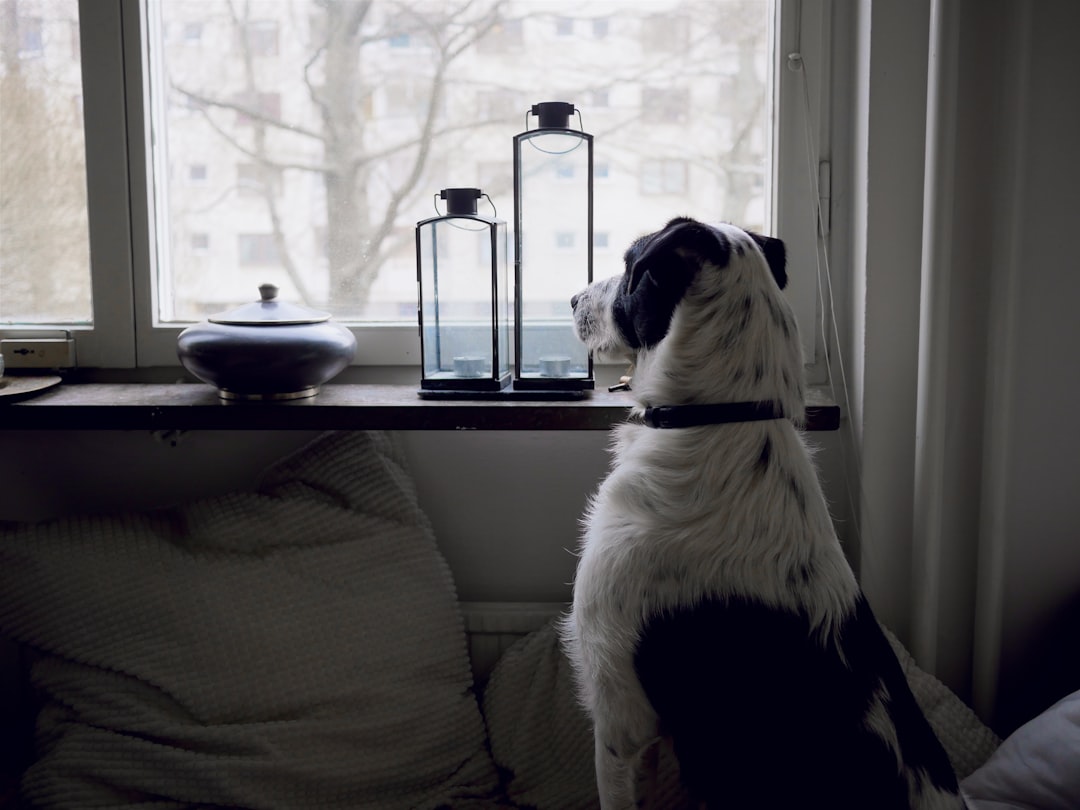
Every dog owner has witnessed this uncanny phenomenon at least once: your furry companion suddenly perks up, heads to the window, or starts pacing by the door minutes before your key even touches the lock. They sit there with that expectant look, tail wagging, as if they’ve received some invisible signal that you’re on your way home. This isn’t just coincidence or wishful thinking on your part. Recent surveys have shown that roughly half of dog owners in both England and California have noticed this remarkable ability in their pets, with dogs typically sensing their owner’s arrival up to five minutes before they actually arrive.
This remarkable behavior has puzzled scientists and dog lovers alike for decades, leading to fascinating research that reveals just how extraordinary our canine companions truly are. Through a combination of heightened senses, internal biological clocks, and learned behaviors, dogs have developed sophisticated methods for tracking time and anticipating events that would seem impossible to us. Let’s dive into the amazing world of canine perception and discover exactly how your dog manages to be your personal early warning system.
The Power of Scent-Based Timekeeping

Dogs possess what researchers call an “olfactory timeline” that allows them to literally smell the passage of time. With a sense of smell that’s ten thousand to one hundred thousand times stronger than humans, dogs memorize their owner’s scent intensity and track how it fades throughout the day. Think of it like an invisible hourglass where your lingering scent serves as the falling sand.
When you leave home each morning, your scent gradually weakens throughout the house, and your dog learns through daily repetition exactly how long it takes for that scent to diminish to a specific level before you typically return. This creates a predictable pattern that your dog can rely on with remarkable accuracy.
Environmental Cues and Pattern Recognition
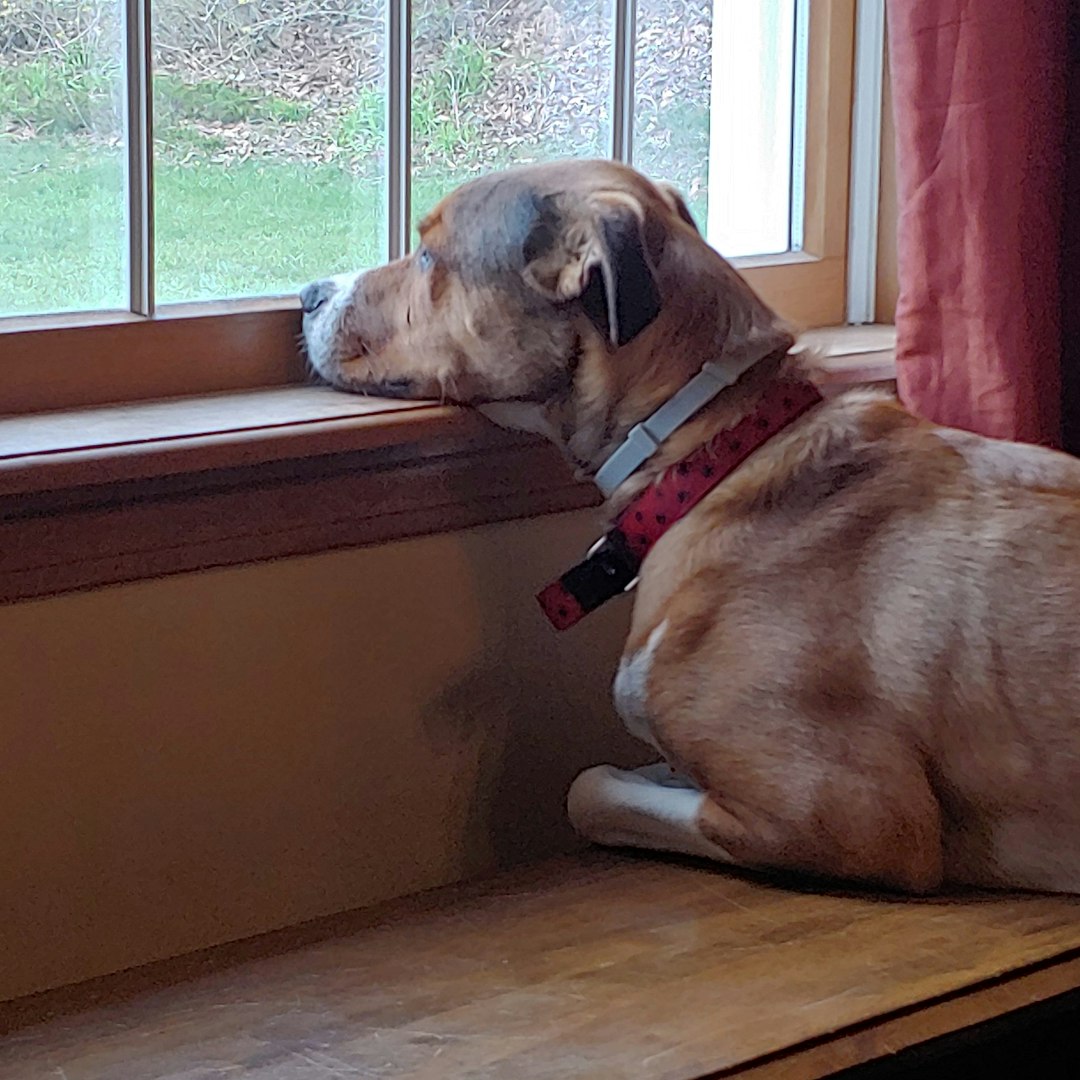
Beyond scent detection, dogs are master observers of their environment who pick up on countless subtle signals that we humans completely miss. They might notice that your partner always starts cooking dinner thirty minutes before you come home, or that the cat gets fed ten minutes before your usual arrival time. These environmental cues serve as reliable predictors that help dogs anticipate your return.
Dogs also use associative learning to connect external events with your homecoming, such as the local bus that drives by every day at 5:25 if you typically arrive home at 5:30. Their ability to form these complex associations transforms ordinary neighborhood sounds into a sophisticated timing system that rivals any clock.
The Amazing Canine Internal Clock

Like most mammals, dogs possess a circadian rhythm, an internal 24-hour biological clock that helps regulate their sleep-wake cycles and other physiological processes, though they’ve evolved to sync fairly closely with human schedules. This internal timekeeper doesn’t rely on external light cues alone but functions as a complex biological system.
Their circadian rhythms involve daily fluctuations of physiological processes, with key hormones like cortisol rising in the morning to signal wakefulness, while melatonin production increases in the evening to promote rest. This biological orchestra allows dogs to maintain consistent daily patterns even when their usual routines are disrupted.
Sound Recognition and Auditory Mapping

Dogs develop an incredibly detailed auditory map of their daily world, learning to distinguish the specific sounds associated with your return. Though they may not know your car’s make and model, they can recognize the distinctive noise of your vehicle and through experience learn to associate that sound with your imminent arrival. This auditory recognition system works even in noisy urban environments.
What makes this ability truly remarkable is that dogs can filter through layers of environmental noise to identify the specific sounds that matter to them. The rumble of your particular car engine, the sound of your footsteps on the stairs, or even the jingle of your keys becomes part of their sophisticated early warning system that alerts them to your approach.
Routine-Based Predictions

Dogs excel at recognizing and remembering patterns in their daily lives, forming strong associative memories that help them anticipate regular events like walks, meals, or when family members typically return home. These patterns become so deeply ingrained that they create a framework for understanding time’s passage.
Even subtle cues like the sound of car keys or the sight of walking shoes can trigger their time-based anticipation, as dogs link specific actions with subsequent events. This behavioral conditioning transforms everyday objects and actions into reliable time markers that help predict what happens next in their daily routine.
Pre-Arrival Behavioral Changes

Dogs pick up on pre-arrival signs by noticing changes in the behavior of other people in the household, such as when a spouse starts preparing tea and getting dinner ready because they know you’re due home soon. These subtle human behavioral shifts serve as additional clues in their complex timing system.
Dogs are constantly watching and processing information about the world around them, making them incredibly sensitive to any deviation from normal patterns. They notice when family members start moving toward windows, when phones ring at certain times, or when there’s a general shift in household energy that typically precedes someone’s arrival.
The Mysterious Cases That Defy Explanation
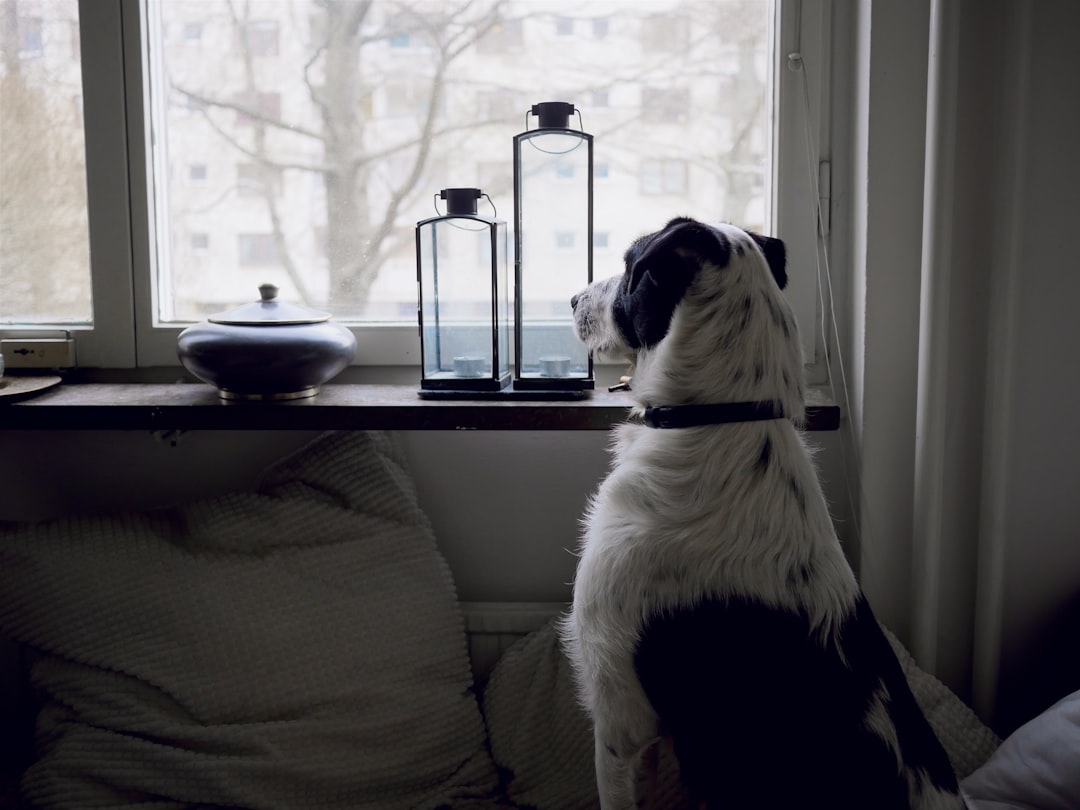
In controversial research by Rupert Sheldrake, a terrier named Jaytee reportedly demonstrated the ability to anticipate his owner’s return by going to wait at the window ten or more minutes in advance on 85 out of 100 observed occasions, though this research has faced criticism from skeptics regarding its methodology and statistical interpretation. This occurred regardless of distance or the vehicle she used.
Jaytee’s anticipatory reactions typically began when his owner was more than six kilometers away, far beyond any possibility of hearing her car, and he continued to predict her arrival even when she returned in unfamiliar vehicles. Such cases suggest that some dogs might possess abilities that current science cannot fully explain, leading researchers to explore possibilities that go beyond conventional understanding.
Conclusion

The next time your dog mysteriously appears at the door just before you arrive home, remember that you’re witnessing the result of millions of years of evolutionary partnership between humans and canines. Through their extraordinary senses, biological rhythms, and remarkable ability to recognize patterns, dogs have developed sophisticated methods for tracking time that put our mechanical clocks to shame.
Whether it’s the gradual fading of your scent serving as an olfactory hourglass, the recognition of routine environmental cues, or something even more mysterious that science has yet to fully understand, your dog’s ability to predict your arrival is just another reminder of the incredible bond we share with these amazing animals. What do you think about your dog’s uncanny timing abilities? Have you noticed your own furry friend demonstrating these remarkable skills?

- Which Animals Inspired the Design of Real Robots - June 3, 2026
- 12 Calm, Low-Maintenance Dogs Ideal for Retirement Years - June 3, 2026
- The Wild Cat That Best Represents Each Zodiac Sign - June 3, 2026