


Elephants possess one of the most extraordinary memory capabilities in the animal kingdom, a trait that has fascinated scientists and animal behaviorists for generations. These magnificent creatures can recognize and remember other elephants they haven’t seen for decades, navigating complex social relationships across vast stretches of time. Their memory isn’t just impressive—it’s critical to their survival and social structure. An elephant’s brain weighs approximately 5 kg (11 pounds), containing three times as many neurons as humans, with a particularly well-developed hippocampus, the region responsible for memory processing.
This remarkable cognitive ability allows elephants to maintain social bonds across generations, remember migration routes spanning hundreds of miles, and identify potential threats they may have encountered only once before. What makes their memory even more extraordinary is that it extends beyond practical survival knowledge to include deep social recognition and emotional responses to individuals they’ve met in the past. These memories form the foundation of elephant society, creating intricate webs of relationships that can last a lifetime—which for elephants can be up to 70 years in the wild.
The Science Behind Elephant Memory

Elephant memory is supported by their remarkable brain structure. Their temporal lobe, which processes sensory input to form memories, is particularly developed. Studies have shown that elephants possess an exceptional spatial memory, allowing them to remember the locations of hundreds of water sources across thousands of square miles. This cognitive map remains accurate even through seasonal changes and over decades. Research conducted at the Amboseli National Park in Kenya demonstrated that elephants could remember and distinguish between the calls of over 100 different elephants from various family groups.
Additionally, elephants possess a highly developed olfactory system that aids their memory. They can detect scents at concentrations six times lower than what bloodhounds can perceive. This extraordinary sense of smell allows them to recognize other elephants by their unique scent signatures even after years of separation. Scientists believe this combination of advanced sensory capabilities and neural architecture makes elephants uniquely equipped for long-term social memory, surpassing most other mammals in this cognitive domain.
Elephant Reunions: Documented Cases

One of the most compelling pieces of evidence for elephants’ long-term memory comes from documented reunions between elephants separated for decades. Perhaps the most famous case is that of Shirley and Jenny, two circus elephants reunited at The Elephant Sanctuary in Tennessee after 22 years apart. When they recognized each other, their reaction was immediate and emotional—trumpeting, touching trunks, and showing clear signs of excitement and recognition. Keepers noted that the elephants refused to be separated after their reunion, spending their nights standing side by side.
Another remarkable case involved Mila, a former circus elephant who was integrated into Auckland Zoo’s elephant habitat after 30 years of isolation. When introduced to another female elephant, Burma, Mila displayed immediate recognition behaviors that suggested they may have encountered each other in their early years. Researchers at Amboseli have documented multiple cases where females separated from their family groups for over a decade showed unmistakable recognition behavior upon reunion, including the special greeting ceremony reserved for familiar elephants, involving ear-flapping, trunk entwining, and specialized vocalizations.
The Role of Matriarchs in Preserving Social Memory

Elephant herds are led by matriarchs, usually the oldest females who serve as repositories of critical social knowledge for the entire group. These elder females can remember other elephants they’ve met decades earlier, recognizing not just individuals but entire family lineages. This ability becomes crucial during droughts when matriarchs lead their herds to water sources they may have visited only once, decades earlier. Research from the Amboseli Trust for Elephants has shown that herds led by older matriarchs have higher survival rates during environmental hardships precisely because of this preserved knowledge.
Matriarchs also maintain a mental catalog of friends and foes, remembering which other elephant families have been allies in the past and which have competed for resources. Karen McComb, a cognitive psychologist at the University of Sussex, found that elephant groups with matriarchs older than 55 years responded more appropriately to potential threats than groups with younger leaders. This suggests that the accumulated social memory of these elder females provides significant survival advantages, allowing them to make better decisions about whether to confront or avoid other elephants based on decades-old interactions.
How Elephants Recognize Each Other After Time Apart

Elephants employ multiple sensory channels to recognize each other after prolonged separations. Visual recognition plays a role, with elephants able to identify distinctive features, body shapes, and even subtle characteristics like ear notches or tusk formations. However, their primary recognition methods are far more sophisticated than visual cues alone. Acoustic recognition is particularly important, with each elephant possessing a unique vocal signature. Research has shown that elephants can identify the specific rumbles of family members from over a mile away and can distinguish between hundreds of different elephants based solely on their calls.
Scent recognition provides perhaps the most powerful and enduring memory trigger. Elephants possess up to 2,000 genes dedicated to olfactory reception (compared to humans’ 400), allowing them to detect and remember the individual chemical signatures of other elephants with extraordinary precision. When elephants reunite after long separations, they typically engage in extensive trunk-to-body investigations, essentially “reacquainting” themselves with the other’s scent. This multi-sensory approach to recognition allows elephants to maintain social bonds that can survive decades of separation, with recognition occurring almost instantly even after years without contact.
Emotional Responses to Long-Lost Friends
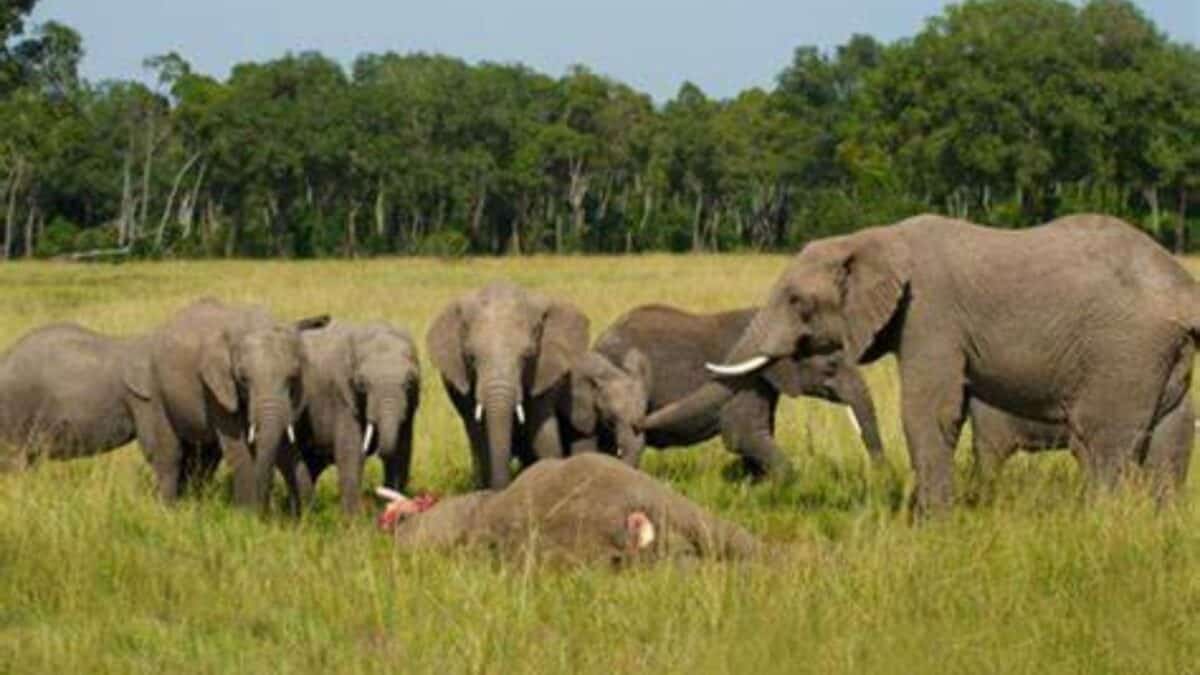
When elephants recognize old companions after years or decades apart, they display profound emotional responses that mirror human excitement and joy at reuniting with dear friends. These reactions include animated ear-flapping, specialized greeting rumbles, excrement release (a sign of excitement), and secretions from their temporal glands. During these reunions, elephants engage in a series of ritualized greeting behaviors, including trunk entwining, head-to-head touching, and placing their trunks in each other’s mouths—behaviors reserved specifically for friendly recognition.
Neurological studies suggest these reactions involve dopamine and oxytocin release—the same neurotransmitters associated with pleasure and bonding in humans. Observable behaviors during these reunions include what researchers call “reunion dances,” where elephants circle each other while vocalizing, sometimes even urinating or defecating from excitement. Joyce Poole, an elephant behavior expert with over 40 years of experience, has documented cases where elephants became so overwhelmed during reunions that they appeared to cry, with temporal gland secretions streaming down their faces. These powerful emotional responses underscore the depth and importance of social bonds in elephant society.
Memory as a Survival Mechanism
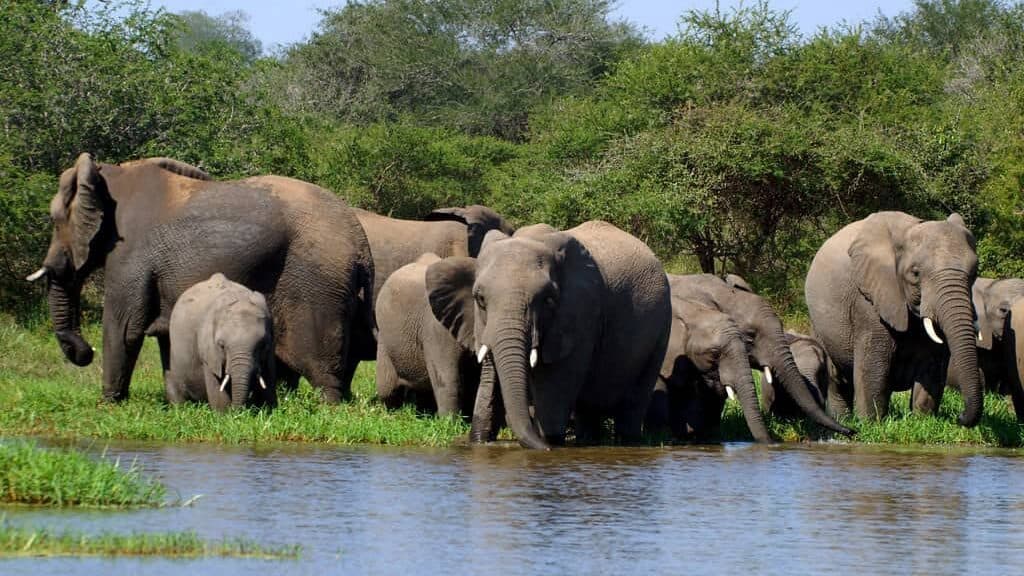
For elephants, exceptional memory isn’t merely an interesting cognitive trait—it’s a crucial survival adaptation. Their ability to remember the locations of scarce water sources across vast territories can mean the difference between life and death during droughts. Studies conducted in Tanzania’s Tarangire National Park revealed that during a severe drought in 1993, elephant families led by older matriarchs traveled directly to distant water sources they hadn’t visited in over 35 years. Meanwhile, younger elephant groups without this stored knowledge suffered significantly higher mortality rates.
Their social memory also serves as a protection mechanism. Elephants can remember which humans or other elephants have threatened them in the past, avoiding dangerous situations based on encounters that occurred decades earlier. Research has documented cases where elephants actively avoided areas where family members were killed by poachers years before, despite those areas having abundant resources. This capacity to remember threats may explain why elephants sometimes display aggression toward specific communities or individuals who harmed them in the past—their memory of negative experiences remains intact for decades, influencing their behavior and keeping the herd safe from repeated dangers.
Social Recognition Across Generations

One of the most fascinating aspects of elephant memory is how recognition capabilities extend across generations, creating a form of collective memory within elephant societies. Young elephants learn to recognize their extended family members and allies through a process scientists call “social referencing”—watching how their mothers and other family members interact with various elephants they encounter. Through this observation, calves develop recognition not just of individuals they’ve met personally, but also of elephants their family members recognize positively.
This trans-generational recognition creates complex social networks that can survive even after individual elephants have died. Researchers have observed cases where young elephants who never personally met certain older elephants still respond positively to their offspring based on the historical alliance between their family groups. Dr. Cynthia Moss, who has studied the Amboseli elephants for over 50 years, documented instances where young elephants who never met a recently deceased matriarch from an allied family still recognized and responded positively to her daughters and granddaughters. This suggests elephants maintain a form of “social knowledge inheritance” that extends recognition beyond direct personal experience.
Captivity and Its Impact on Elephant Memory
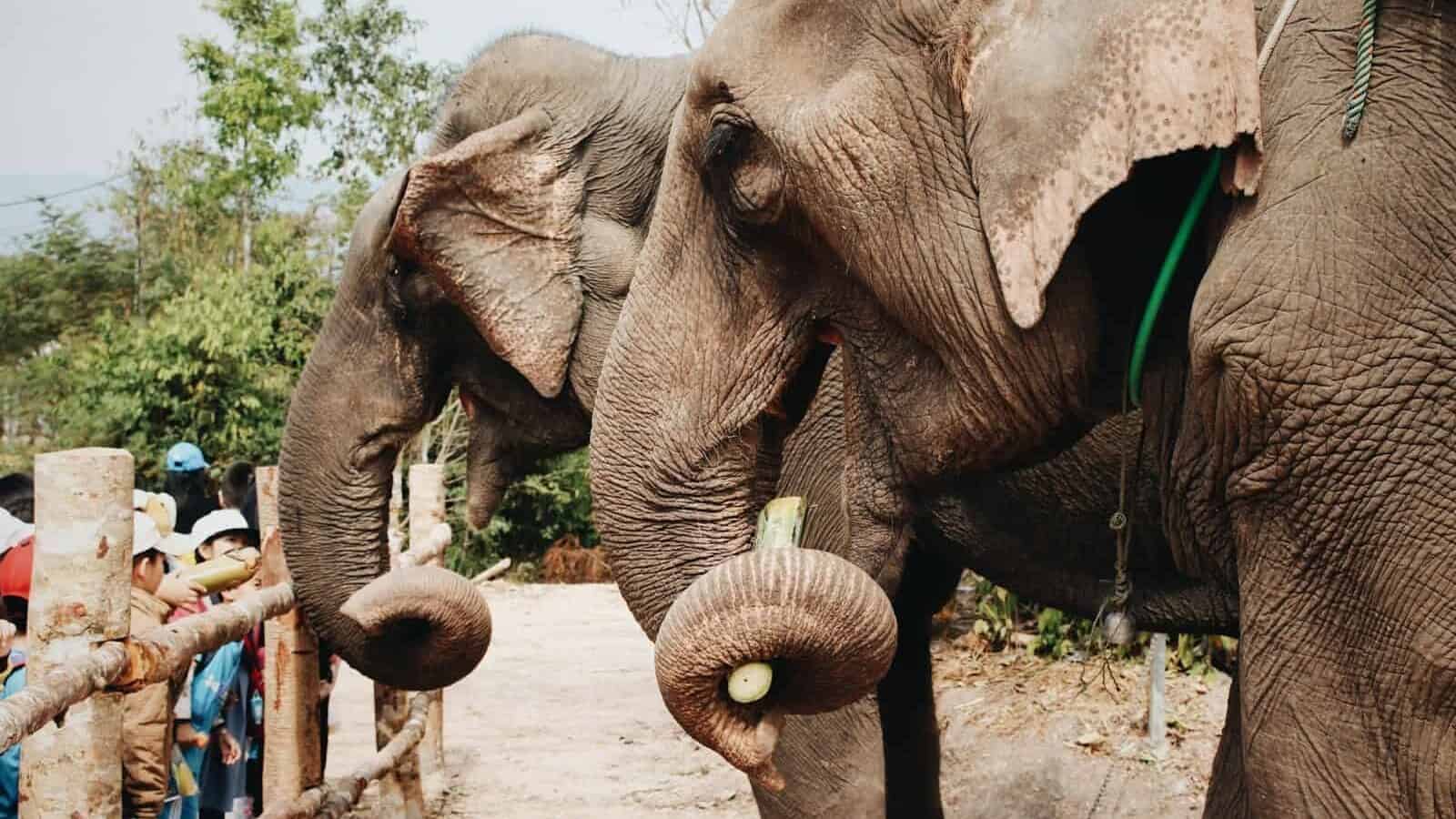
Captivity presents significant challenges to elephants’ natural memory functions and social recognition abilities. In the wild, elephants would typically interact with hundreds of other elephants throughout their lives, maintaining complex social networks. Captive environments drastically limit these interactions, often restricting elephants to just a few companions or, in some cases, complete isolation. Research has shown that captive elephants display abnormal behaviors associated with social and cognitive deprivation, including stereotypical movements, increased stress hormones, and compromised immune function.
However, even after decades in isolation, captive elephants retain their remarkable recognition abilities. The case of Shirley and Jenny demonstrated that 22 years of separation in different facilities couldn’t erase their memory of each other. Similarly, studies of elephants reintroduced to the wild after captivity show they can reintegrate into social structures, recognizing family members they hadn’t seen since capture. This resilience of elephant memory, even under the challenging conditions of captivity, underscores the fundamental importance of social bonds to elephant cognition and well-being, informing modern approaches to elephant management that prioritize social groupings over isolation.
Comparing Elephant Memory to Other Species

While many species demonstrate impressive memory capabilities, elephants stand out for the extraordinary duration and social complexity of their recall abilities. Dolphins and some primates can recognize individuals after separations of several years, but evidence for recognition spanning decades is largely limited to elephants. What makes elephant memory particularly remarkable is that it combines exceptional duration with social sophistication. Unlike species that might remember locations or simple associations for long periods, elephants remember complex social relationships, personalities, and interaction histories across decades.
The closest comparison might be found in certain whale species, particularly orcas, who also demonstrate long-term social memory within matriarchal societies. However, even compared to these marine mammals, elephants show superior performance in experimental memory tasks. In cognitive tests, elephants have demonstrated working memory capabilities that exceed all other non-human animals tested. A 2013 study published in the Proceedings of the National Academy of Sciences found that elephants outperformed apes, monkeys, and other species in cooperative tasks requiring them to remember who had helped them in the past, suggesting their social memory may be uniquely developed even among highly intelligent animals.
The Neurological Basis of Elephant Memory
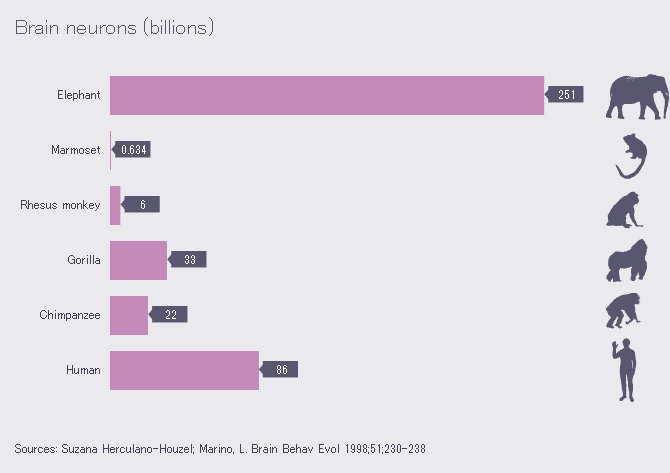
The extraordinary memory capabilities of elephants are rooted in their unique brain architecture. Elephant brains contain approximately 257 billion neurons, with a particularly high density in the temporal lobe and hippocampus—regions critical for memory formation and storage. While human brains are larger relative to body size, elephant brains contain specialized neural adaptations that appear specifically evolved for social memory. Their temporal lobes are particularly developed, with a greater volume dedicated to processing social information than in other mammals of comparable intelligence.
Research using non-invasive brain imaging has revealed that elephants possess an unusually high density of von Economo neurons—specialized brain cells associated with social awareness, empathy, and intuition that were previously thought to exist only in humans, great apes, and some cetaceans. Additionally, elephants have a highly developed paralimbic system, the brain region that processes emotions associated with social bonds. These neurological adaptations create the perfect architecture for storing and retrieving social memories across decades, allowing elephants to maintain the complex web of relationships that defines their societies even after lengthy separations.
Implications for Elephant Conservation
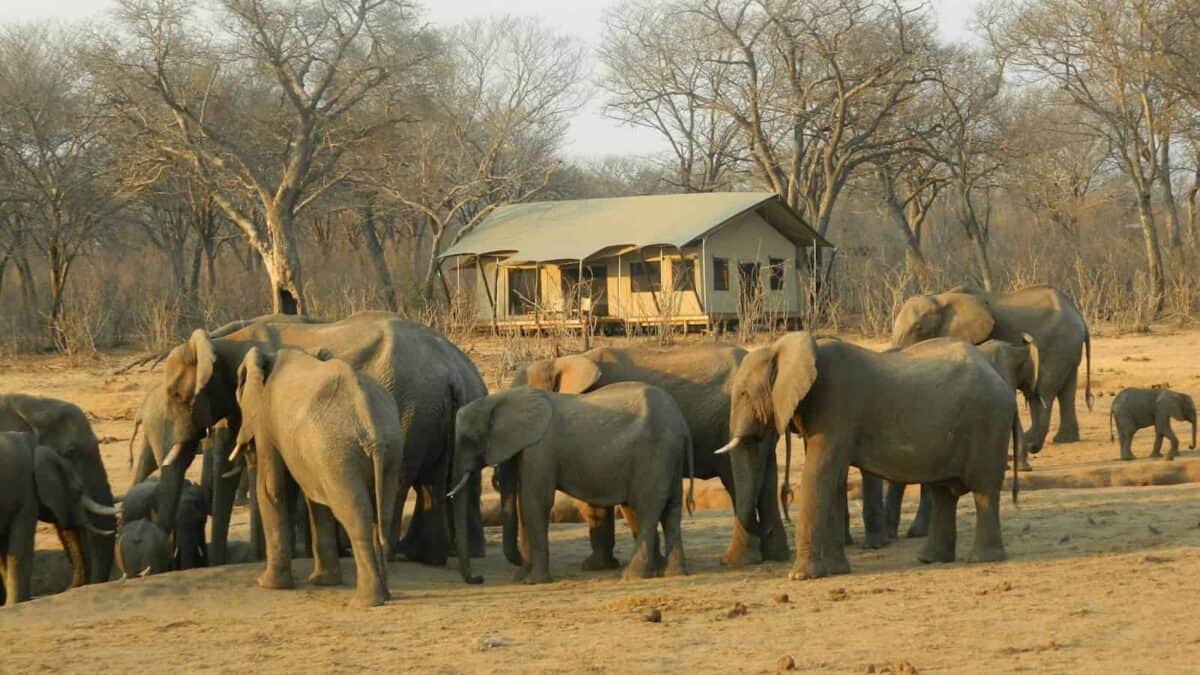
Understanding elephants’ remarkable memory and social recognition capabilities has profound implications for conservation efforts. When elephant family groups are disrupted through poaching, culling, or translocation, the impact goes beyond simple population reduction—it damages complex social networks that have developed over decades. Conservation strategies now increasingly recognize the importance of maintaining intact family units whenever possible. In cases where orphaned elephants must be rehabilitated, conservationists work to create artificial family groups that can provide the social context essential for normal cognitive and emotional development.
The recognition that elephants remember and actively avoid areas where they’ve experienced trauma has led to more thoughtful approaches to human-elephant conflict mitigation. Rather than using harmful deterrents that may create lasting negative associations, conservationists now emphasize barriers like beehive fences that naturally discourage elephants without traumatizing them. Similarly, reintroduction programs now prioritize releasing rehabilitated elephants in areas where they might encounter their original family members, recognizing that these social bonds can persist even after years of separation. By honoring elephants’ cognitive and social needs, conservation efforts are becoming more effective at preserving not just elephant populations, but the rich tapestry of relationships that define elephant society.
The capacity of elephants to remember friends across decades reveals profound truths about the nature of social bonds in these remarkable animals. Their memories aren’t simply information storage systems but emotional anchors that connect individuals across vast stretches of time and space. The joy and excitement elephants display during reunions after decades apart demonstrates that these bonds remain emotionally significant throughout their lives. This extraordinary memory capability serves as the foundation for elephant societies, enabling the development of complex relationships that span generations and shape every aspect of elephant behavior.
In studying how elephants remember friends, we gain valuable insights not just into animal cognition, but into the fundamental importance of social connections for intelligent, emotional beings. As we continue to explore the cognitive capabilities of these magnificent creatures, we find compelling evidence that the bonds of friendship and family resonate deeply across species lines. Elephant memory stands as a powerful reminder that relationships matter—not just for humans, but for many of our fellow travelers on this planet—and that the connections we form with others can leave impressions that truly last a lifetime.

- 21 Scary Creatures You Might Run Into While Hiking In The U.S - June 3, 2026
- The Difference Between Turtles and Tortoises—Explained - June 3, 2026
- What Makes Owls the Silent Predators of the Night? - June 3, 2026