

Worried about unexpected vet bills?
Pet insurance can cover thousands in unexpected vet costs. Get a free quote from Lemonade in under 2 minutes.
Get My Free Quote →Sponsored · Opens Lemonade.com
In the fascinating world of animal defense mechanisms, few are as dramatic and effective as the death-feigning behavior of the hognose snake. These remarkable reptiles have evolved an elaborate performance that would impress even the most discerning theater critic. When threatened, hognose snakes don’t just play dead—they stage an entire production complete with contortions, fluid emissions, and convincing corpse postures. This theatrical display serves as a remarkable survival strategy that has helped these snakes thrive despite numerous predators. Let’s explore the incredible world of hognose snakes and their Oscar-worthy performances of pretending to be dead.
The Hognose Snake: An Introduction to Nature’s Actors

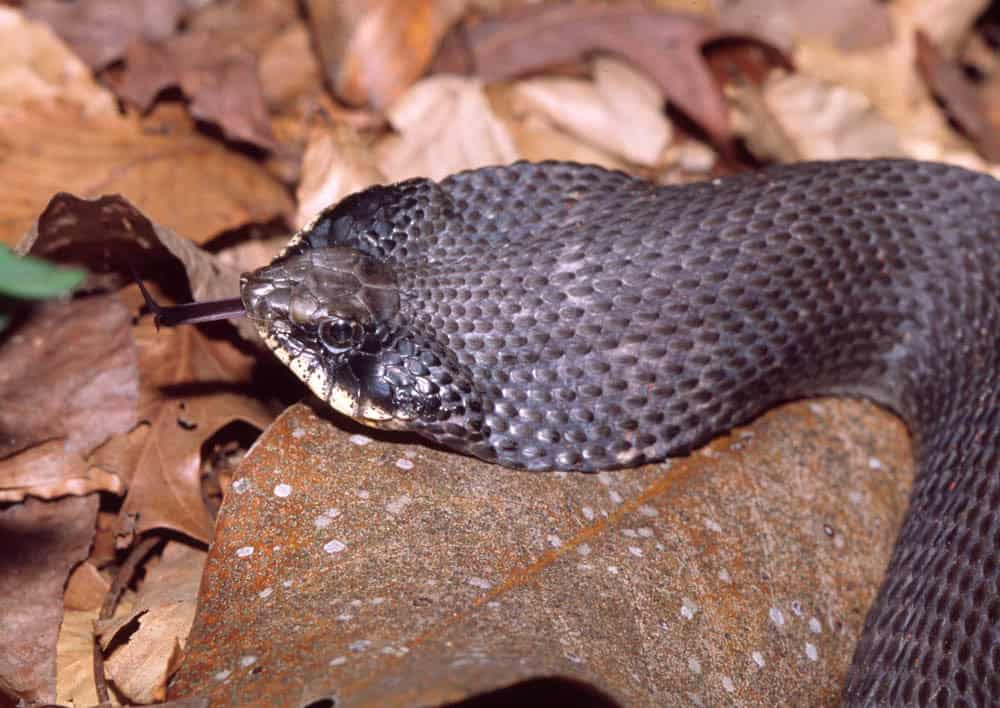
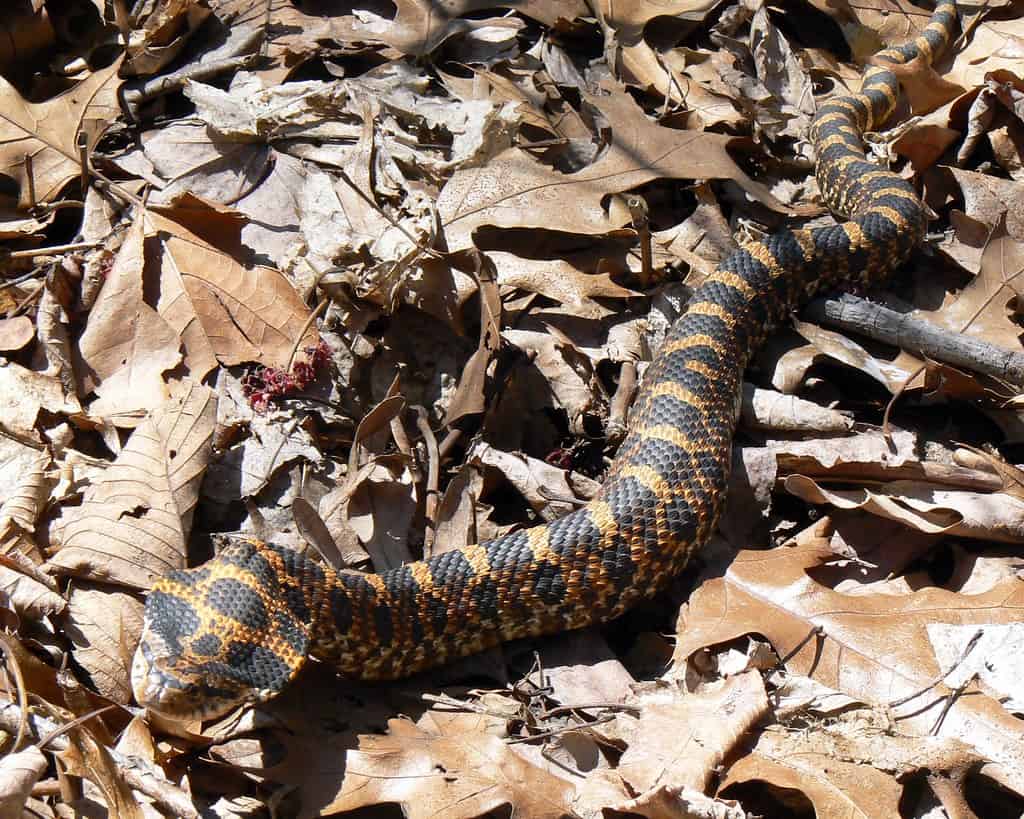
Hognose snakes belong to the Heterodon genus, with the Eastern hognose (Heterodon platirhinos), Western hognose (Heterodon nasicus), and Southern hognose (Heterodon simus) being the most common species in North America. Named for their upturned snouts that resemble a pig’s nose, these snakes are relatively small to medium-sized, typically reaching lengths of 20-33 inches depending on the species. Their distinctive nose is not just for show—it serves as a specialized tool for digging through soil and sand in search of their favorite prey: toads.
Found primarily in the United States and parts of Canada and Mexico, hognose snakes inhabit various environments including woodlands, prairies, and sandy areas. Despite their fearsome defensive displays, these snakes are non-venomous to humans (though they do possess mild venom for subduing prey) and are generally considered harmless. Their remarkable defensive behaviors have made them subjects of fascination among herpetologists and nature enthusiasts alike, earning them colorful nicknames such as “puff adders” and “drama queens of the snake world.”
The Defense Sequence: A Three-Act Performance

When a hognose snake encounters a potential threat, it doesn’t immediately resort to playing dead. Instead, it follows a sequential defense strategy that escalates depending on the perceived level of danger. This three-part performance begins with intimidation tactics designed to scare off predators. If these initial warnings fail, the snake moves to more dramatic displays before finally resorting to its famous death-feigning behavior as a last resort.
This graduated response system is evolutionarily advantageous, as it allows the snake to conserve energy by using less costly defenses first. Only when these fail does the snake commit to the metabolically expensive and potentially risky strategy of playing dead. This strategic approach to self-defense showcases the sophisticated behavioral adaptations that have evolved in these remarkable reptiles over millions of years.
Act One: The Intimidation Display
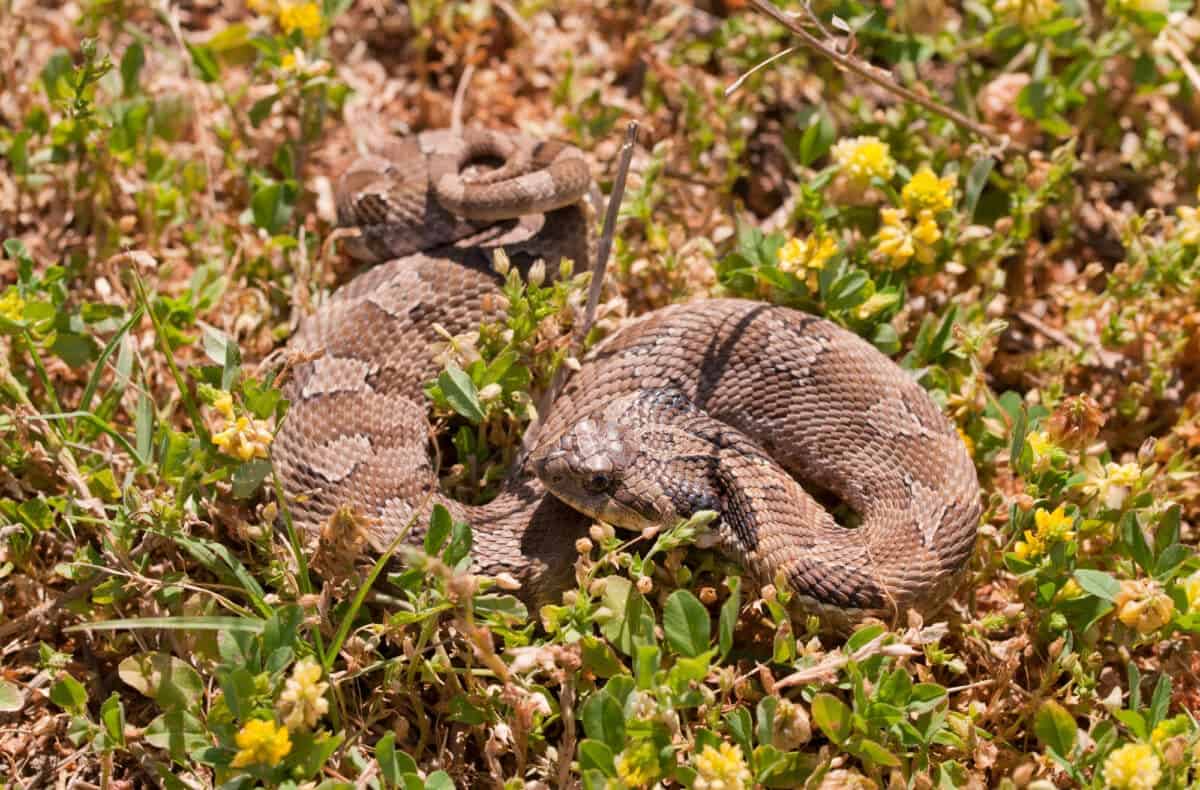
When first confronted with danger, a hognose snake will attempt to appear larger and more threatening—a common strategy among many snake species. It flattens its neck and the front portion of its body in a cobra-like hood, hisses loudly, and may lunge forward with a closed mouth. This display is purely bluff but can be remarkably effective at deterring predators who prefer not to tangle with what appears to be a dangerous serpent.
The Eastern hognose snake takes this performance a step further. It may raise the front third of its body off the ground while flattening its neck extensively, creating an impressive cobra-like display. During this intimidation phase, the snake will often inflate its body with air, making loud exhalations that sound like aggressive hisses. Some specimens may even strike repeatedly (usually with a closed mouth) while maintaining this imposing posture. Despite this fearsome display, it’s important to note that hognose snakes rarely bite even when provoked, preferring to rely on their elaborate bluffing tactics.
Act Two: The Strike and Mock Attack

If the initial intimidation display fails to deter the threat, hognose snakes escalate their performance with mock strikes and exaggerated aggressive behaviors. These strikes are typically delivered with a closed mouth and don’t make contact with the predator. Instead, they serve as a warning—a final attempt to convince the potential predator that this snake is dangerous and not worth the trouble. The snake may also produce louder hissing sounds and flatten its body even more dramatically during this phase.
Some hognose species have been observed to engage in what researchers call “false striking,” where they lunge forward aggressively but deliberately miss their target. This behavior further reinforces the impression of a dangerous snake while actually keeping the hognose at a safe distance from the threat. Even during this seemingly aggressive phase, the snake is still attempting to avoid physical confrontation, showcasing the non-aggressive nature of these remarkable reptiles despite their intimidating display.
Act Three: The Death-Feigning Masterpiece
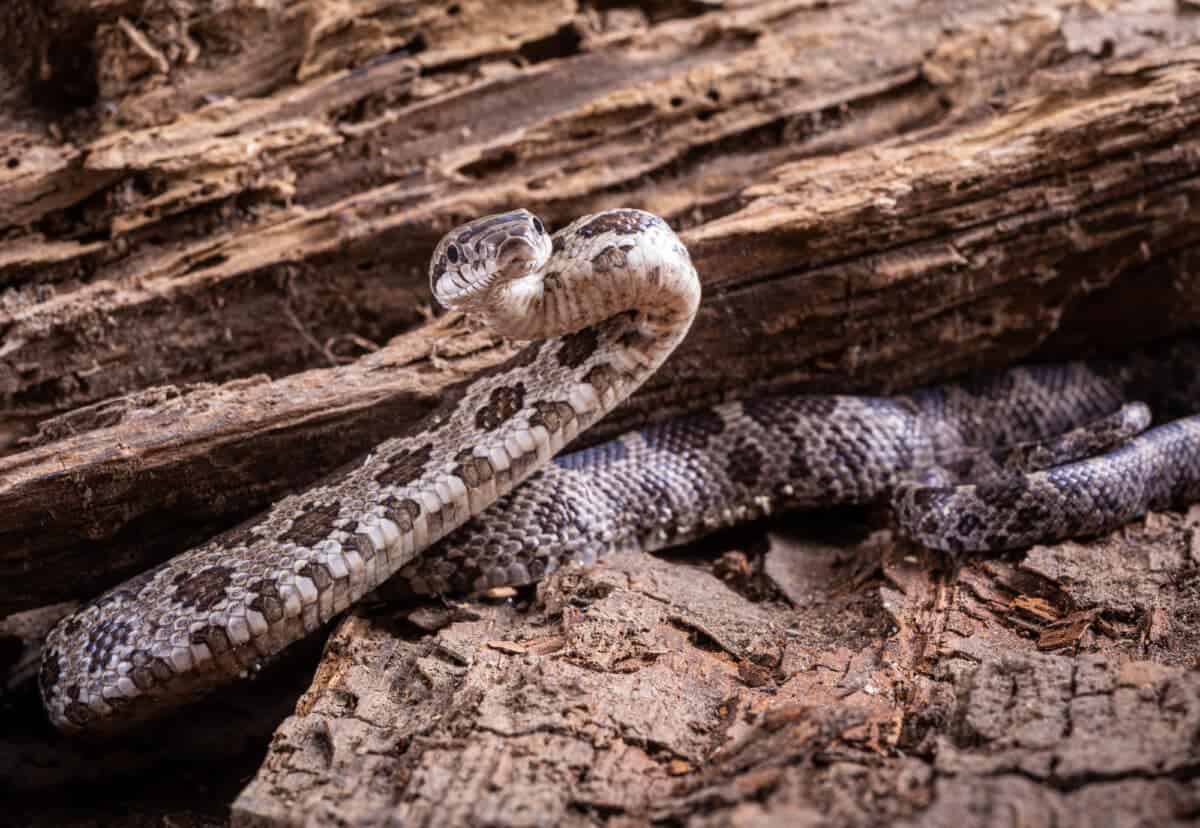
When all else fails, the hognose snake resorts to its most dramatic and distinctive defense mechanism: thanatosis, or death-feigning. This elaborate performance begins with the snake writhing and contorting its body in an exaggerated manner, almost as if in severe distress or agony. It will flip onto its back, exposing its belly—a position that real dead snakes often assume. The mouth falls open, often with the tongue hanging out limply, and the body becomes remarkably limp when handled.
What makes this performance particularly convincing is the accompanying physiological changes. The snake may release a foul-smelling musk from its anal glands and may even regurgitate recently consumed food. In some cases, blood vessels in the mouth rupture, causing blood to pool in the oral cavity, adding to the illusion of death. Perhaps most impressively, some hognose snakes can reduce their heart rate and breathing to barely detectable levels during this performance, creating a truly convincing impression of a dead snake. The dedication to this performance is so complete that the snake will remain “dead” for minutes to hours, depending on the perceived threat level.
The Science Behind Playing Dead
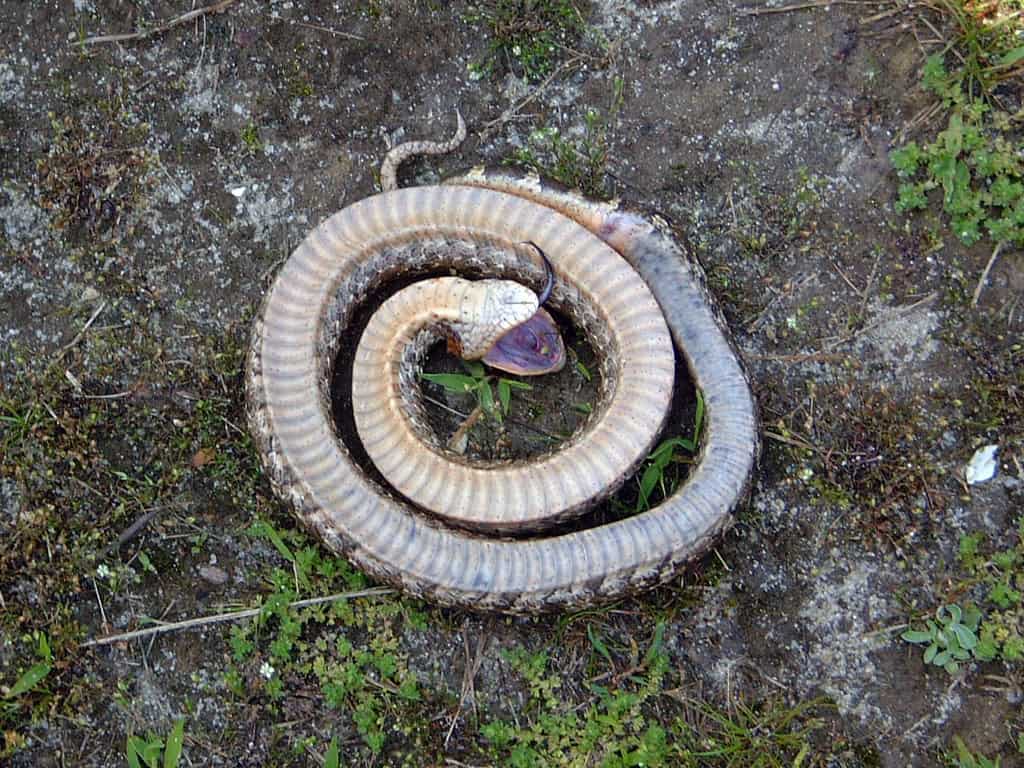
Thanatosis, or death-feigning, is not unique to hognose snakes, though they have certainly perfected the art. This behavior is observed across the animal kingdom, from insects to mammals, and represents a fascinating evolutionary adaptation. From a scientific perspective, death-feigning works because many predators are triggered to hunt and kill by the movement of prey. By remaining completely still, the hognose snake essentially disappears from the predator’s attention. Additionally, many predators prefer fresh kills and avoid consuming carrion, so a convincingly “dead” snake is often left alone.
Research suggests that this behavior is likely both instinctual and learned. Young hognose snakes demonstrate the ability to feign death, indicating a genetic component to the behavior. However, studies have shown that the intensity and duration of the performance can vary based on previous experiences, suggesting that hognose snakes may refine their acting skills over time. Neurologically, death-feigning appears to be controlled by the snake’s parasympathetic nervous system, which explains the decreased heart rate and other physiological changes that accompany the behavior.
The Belly-Up Position: A Critical Element
A key aspect of the hognose snake’s death-feigning behavior is the consistent belly-up position it adopts. This posture is not arbitrary—it’s a critical element of the performance that enhances its effectiveness. In nature, dead snakes typically end up on their backs due to the relaxation of muscles and the natural curvature of their bodies. By deliberately flipping onto its back, the hognose snake is accurately mimicking the position of a genuinely dead serpent, making its performance all the more convincing to potential predators.
What’s particularly fascinating is the snake’s dedication to maintaining this position. If a well-meaning human observer turns a “playing dead” hognose snake right-side up, the snake will immediately flip itself back onto its back—sometimes repeatedly if the intervention continues. This commitment to the belly-up position demonstrates that the snake is not simply becoming immobile but is actively engaged in creating a specific visual presentation that signals death to predators. The behavior is so ingrained that the snake will continue this performance even when it seems counterproductive to human observers.
Chemical Warfare: The Role of Musk and Regurgitation

The hognose snake’s death-feigning performance isn’t just visual—it’s a multi-sensory production that includes olfactory elements designed to repel predators. When playing dead, these snakes often release a foul-smelling musk from their cloacal glands, creating the impression of a decomposing carcass. This musk contains various compounds that are particularly offensive to mammalian predators like foxes, coyotes, and raccoons. Some researchers have likened the smell to rotting flesh mixed with feces—hardly an appetizing scent for most predators.
In addition to musk production, many hognose snakes will regurgitate recently consumed prey or digestive fluids while feigning death. This adds another layer of authenticity to their performance, as genuine snake carcasses often expel their stomach contents as decomposition begins. The combination of visual cues (the upside-down posture and open mouth), behavioral elements (complete immobility), and these chemical signals creates a comprehensive death simulation that effectively convinces most predators to seek their meals elsewhere. This multi-modal approach to predator deterrence showcases the evolutionary sophistication of this defensive strategy.
Predators and Effectiveness: Who’s Fooled?
The hognose snake’s elaborate death-feigning behavior has evolved primarily to deter mammalian and avian predators such as foxes, coyotes, raccoons, hawks, and owls. These predators typically avoid consuming carrion due to the risks of disease and toxins associated with decomposing flesh. The effectiveness of this strategy varies depending on the predator. Research suggests that inexperienced predators are more likely to be fooled by the performance, while more experienced hunters might occasionally see through the ruse.
Studies tracking the survival rates of hognose snakes in the wild indicate that this defense mechanism significantly increases their chances of survival. In controlled experiments, predators presented with “playing dead” hognose snakes frequently abandoned their hunting efforts after brief investigation. However, the strategy isn’t foolproof—some predators, particularly reptile-specialists like kingsnakes, may not be deterred by the performance. Additionally, the death-feigning response makes hognose snakes particularly vulnerable to vehicle strikes, as they may play dead rather than flee from approaching cars, contributing to roadkill mortality in these species.
The Revival: When and How They “Come Back to Life”

Perhaps one of the most intriguing aspects of the hognose snake’s death-feigning behavior is its eventual “resurrection.” After the threat has passed, the snake doesn’t immediately spring back to life. Instead, it carefully and gradually returns to normal behavior. The snake will first slightly open one eye, seemingly checking if the coast is clear. If no threat is detected, it will slowly begin to right itself, turn over, and eventually slither away—typically in the opposite direction from where the threat was last perceived.
The duration of the death-feigning episode can vary dramatically depending on the perceived threat level. In some cases, hognose snakes have been documented to remain “dead” for as little as a few minutes when the threat quickly passes. In other instances, particularly when the threat remains present or returns periodically, the snake may maintain its death pose for several hours. This variable duration demonstrates that the snake is actively monitoring its environment even while appearing completely lifeless, showcasing the sophisticated nature of this seemingly simple defensive strategy.
Species Variations: Not All Hognose Snakes Are Equal Actors
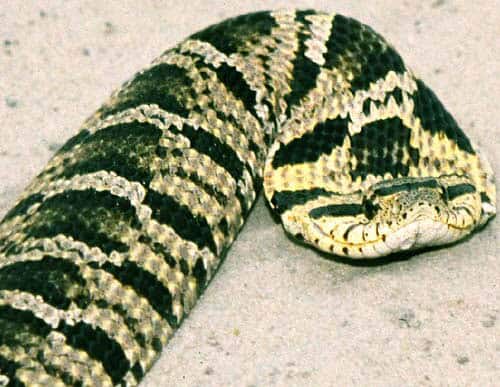
While all three North American hognose snake species—Eastern, Western, and Southern—are capable of death-feigning, they exhibit notable differences in their performances. Eastern hognose snakes (Heterodon platirhinos) are generally considered the most dramatic performers, often engaging in elaborate writhing and contortions before flipping onto their backs. They typically produce copious amounts of musk and may bleed from the mouth during particularly intense performances. Their death-feigning episodes tend to last longer than those of their relatives.
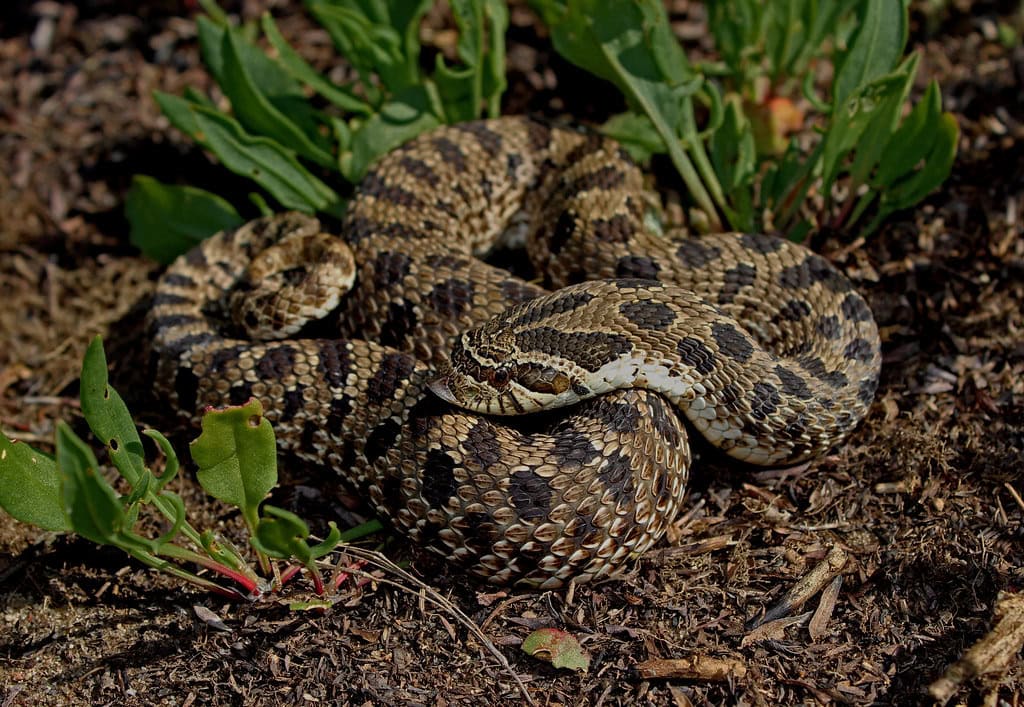
Western hognose snakes (Heterodon nasicus) also perform convincing death feigns but may resort to this behavior more quickly than their Eastern counterparts, sometimes skipping much of the preliminary intimidation display. Southern hognose snakes (Heterodon simus), the smallest and most specialized of the three species, tend to be more reluctant performers, often attempting to flee rather than engage in defensive displays. When they do play dead, their performances are typically less theatrical than those of the Eastern species. These variations likely reflect different predator pressures in their respective native habitats and showcase how defensive behaviors can be fine-tuned through evolutionary processes.
Conservation Implications and Human Interactions
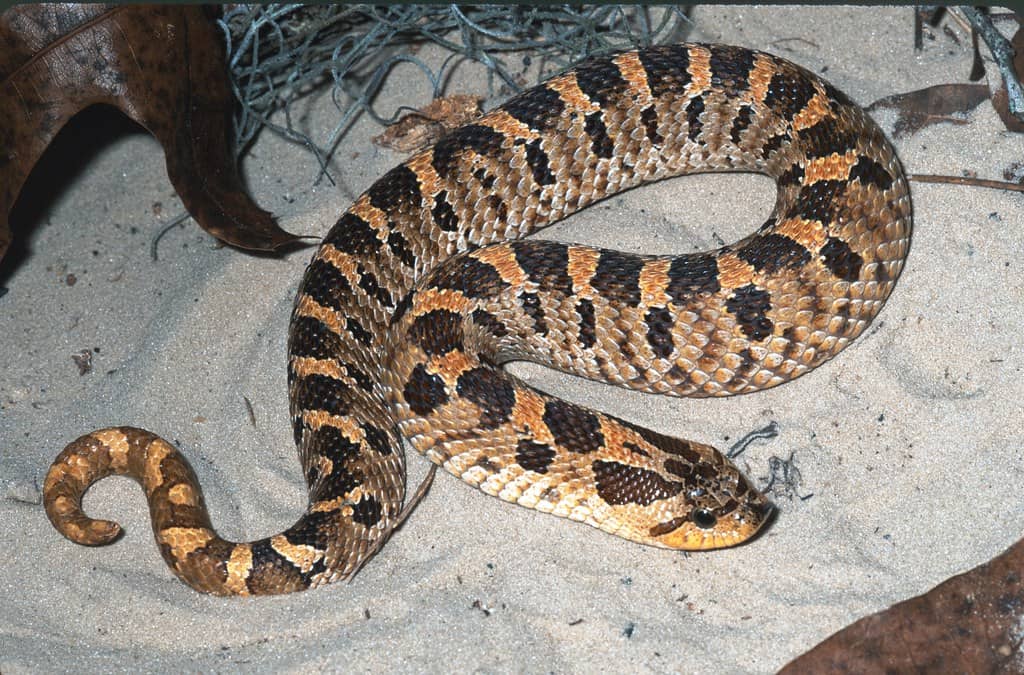
Understanding the death-feigning behavior of hognose snakes has important implications for their conservation. These unique reptiles face numerous threats, including habitat loss, road mortality, and persecution due to misidentification as venomous species. The Southern hognose snake is particularly vulnerable, with populations declining significantly across its range. Their dramatic defensive displays, while effective against natural predators, can actually increase their vulnerability to humans who might kill snakes out of fear or misunderstanding.
Education about these harmless and ecologically important snakes is crucial for their conservation. Wildlife managers and conservationists often highlight the hognose’s fascinating death-feigning behavior as a way to generate public interest and support for snake conservation efforts. For snake enthusiasts keeping hognose snakes in captivity, it’s important to note that frequent handling can lead to stress-induced death-feigning. While the behavior is natural, causing unnecessary stress should be avoided. Conservation programs focused on these unique reptiles often include habitat protection, road mortality mitigation, and public education components designed to ensure these remarkable “actors” continue to perform their death-feigning behavior for generations to come.
Conclusion: Nature’s Academy Award-Winning Performers
The death-feigning behavior of hognose snakes represents one of nature’s most remarkable examples of defensive adaptation. Through millions of years of evolution, these snakes have developed an elaborate performance that incorporates visual, olfactory, and behavioral elements to create a convincing illusion of death. This sophisticated defense mechanism has allowed hognose snakes to survive and thrive despite being relatively small, non-venomous snakes in environments filled with potential predators.
The graduated nature of their defensive response—from intimidation displays to mock attacks to death-feigning—showcases the behavioral complexity these reptiles possess. The physiological changes that accompany their performance, including decreased heart rate and the production of foul-smelling musk, demonstrate how deeply integrated this behavior is with their biology. As we continue to study these fascinating creatures, we gain not only a deeper appreciation for their unique adaptations but also insights into the evolutionary processes that shape animal behavior.
For the hognose snake, playing dead isn’t just a simple trick—it’s a comprehensive survival strategy refined over countless generations. In a world where the line between life and death often determines survival, these remarkable reptiles have mastered the art of deception, earning their place as nature’s most dedicated and convincing method actors. Their performance reminds us that in the natural world, appearances can be deceiving, and sometimes playing dead is the most vibrant expression of the will to live.
As we work to protect these unique snakes and their habitats, we preserve not just another species but one of nature’s most extraordinary behavioral adaptations—a living testament to the incredible diversity of survival strategies that have evolved on our planet.
Worried about unexpected vet bills?
Pet insurance can cover thousands in unexpected vet costs. Get a free quote from Lemonade in under 2 minutes.
Get My Free Quote →Sponsored · Opens Lemonade.com

- 18 Fascinating Facts About Horses and Weather Instincts - June 9, 2026
- 14 Legendary Horses from History and Their Stories - June 9, 2026
- Can We Save the Snow Leopard Before It Disappears? - June 9, 2026