

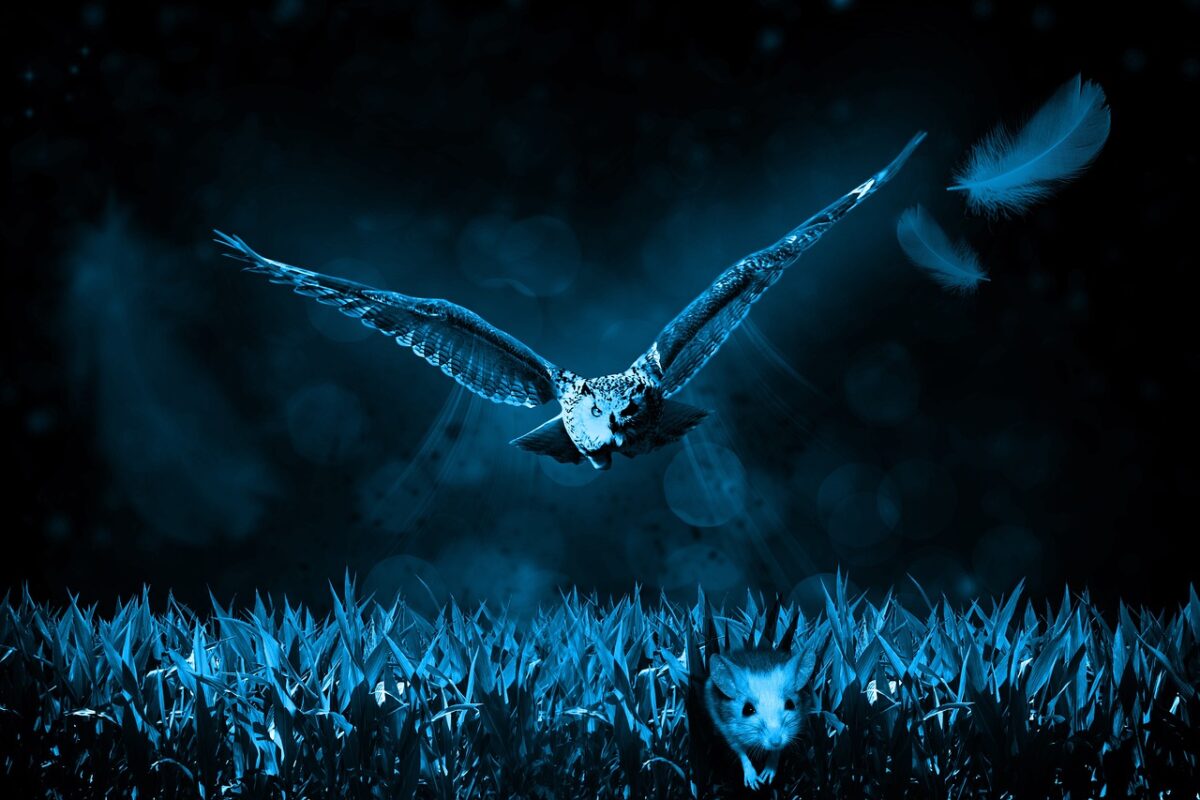
When night falls and the world grows silent, owls awaken — silent, precise, and eerily aware of everything around them. These mysterious birds of prey have evolved extraordinary abilities to hunt, navigate, and survive in near-total darkness. But their power to see what others cannot isn’t just a marvel of nature; it’s a story written across millions of years of evolution. Understanding how owls see in the dark offers a rare window into the brilliance of adaptation — and how nature reshapes life to master its environment.
1. Evolution’s Nocturnal Experiment

Owls belong to an ancient lineage that diverged from other birds roughly 60 million years ago, soon after the dinosaurs vanished. As mammals began to dominate daylight, owls filled the ecological void of the night. Evolution equipped them with traits that gave them dominance in the dark — sharper senses, silent flight, and eyes so specialized they rival modern technology.
Each adaptation was honed through natural selection. Those that saw better at dusk or dawn survived longer and reproduced more, leading to the distinct night-vision specialists we know today.
2. Eyes Like Telescopes
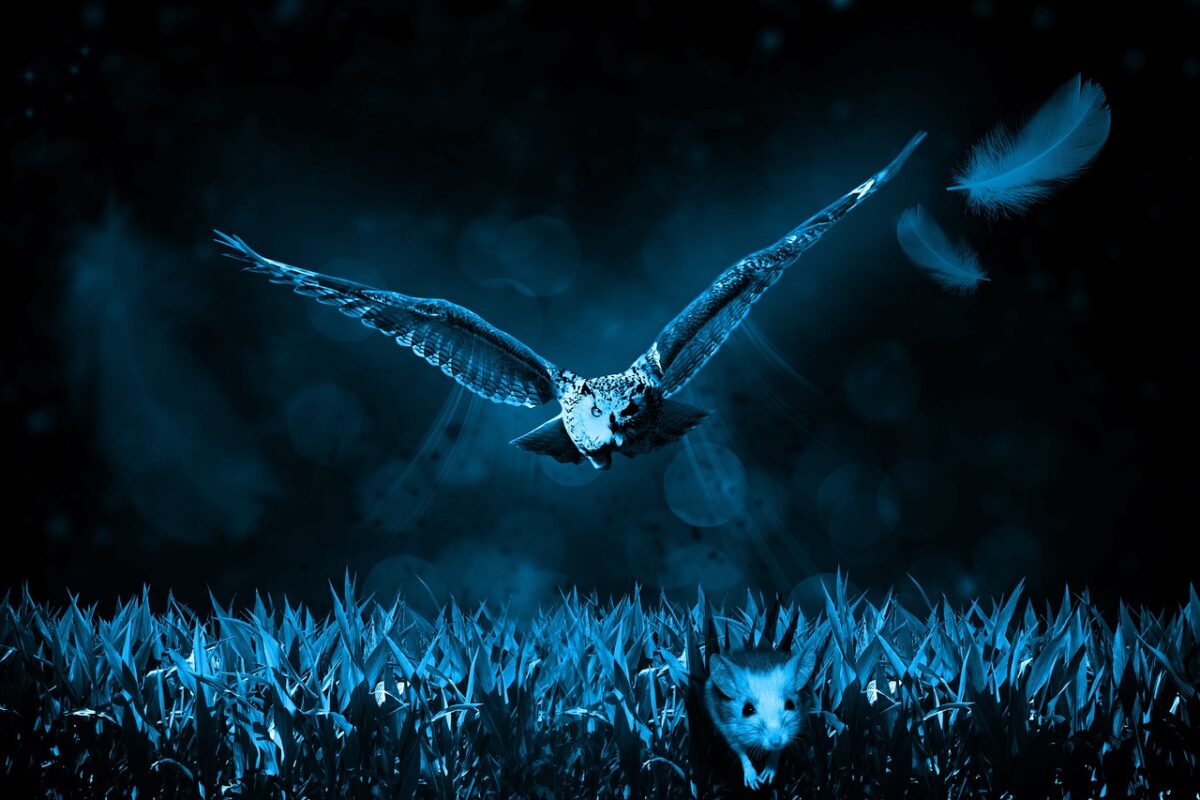
Unlike most birds, owl eyes aren’t spherical — they’re elongated tubes fixed in their sockets. This shape allows them to pack in far more rod cells than humans, which are sensitive to dim light but not color. The result: exceptional night vision at the cost of limited eye movement.
Because their eyes can’t swivel, owls rely on their necks — capable of turning 270 degrees — to scan their surroundings. This mechanical compensation shows how evolution balances design: when one limitation arises, another system adapts to restore advantage.
3. The Magic of Rod Cells
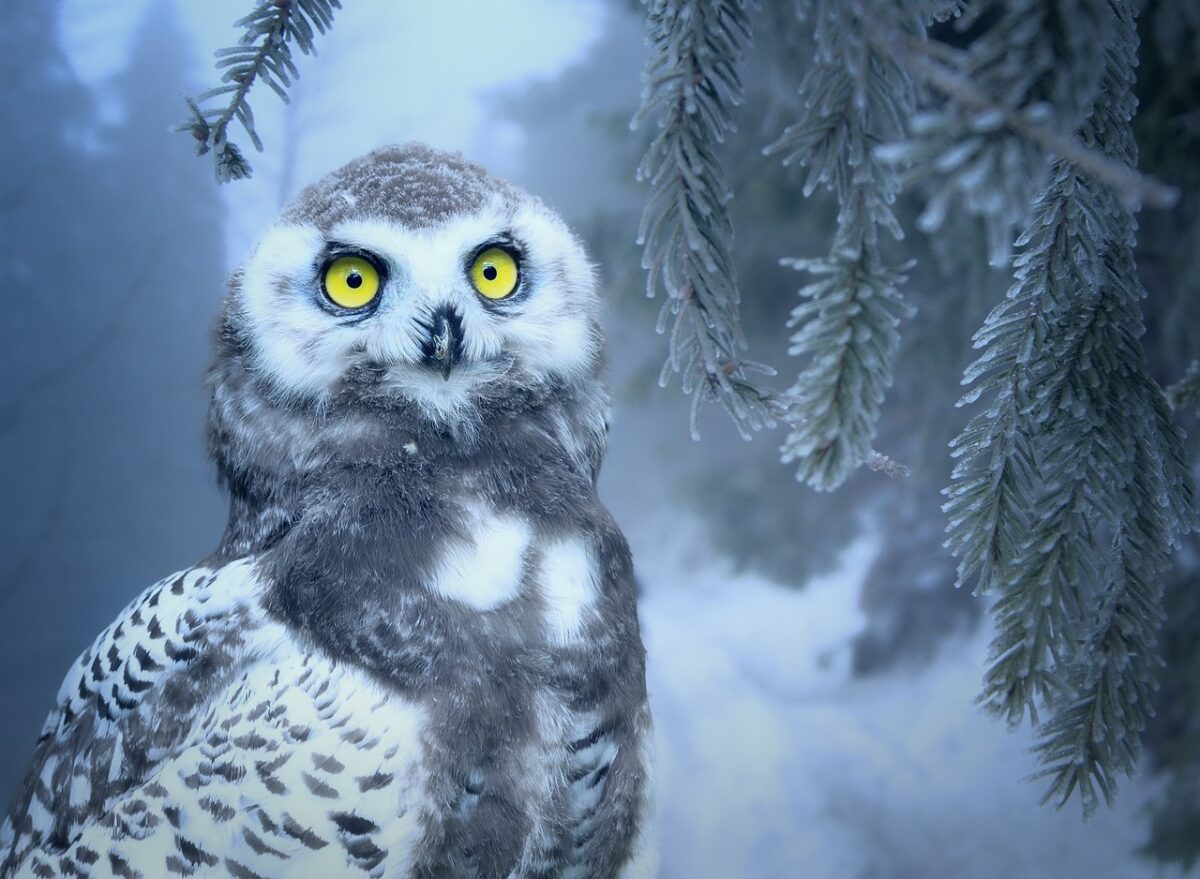
Human retinas are dominated by cone cells for daylight and color vision, but an owl’s retina is ruled by rod cells — up to a million per square millimeter. These cells detect even a few photons of light, letting owls see prey under the faintest moonlight.
Additionally, a special reflective layer behind the retina, the tapetum lucidum, bounces light back through the photoreceptors, doubling their sensitivity. This same feature gives their eyes that ghostly glow in the dark — the mark of a true nocturnal hunter.
4. Precision in Monochrome
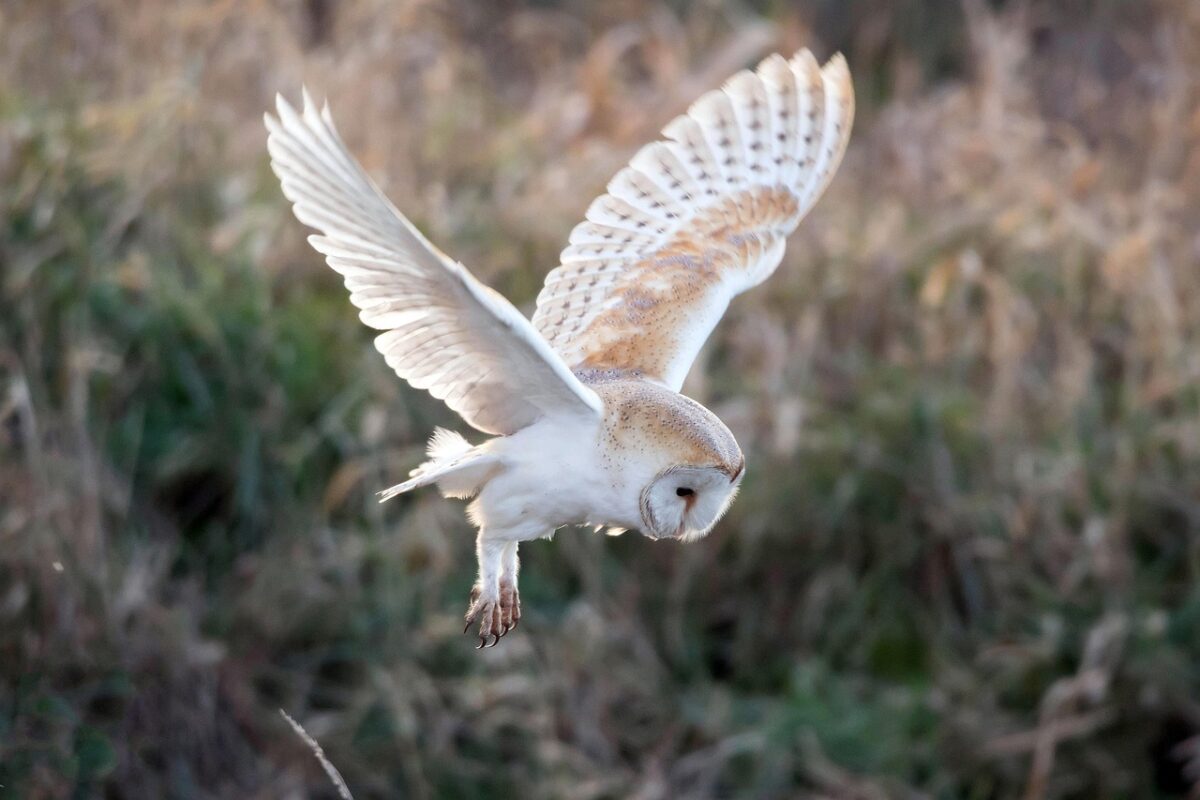
Owls sacrifice color for clarity. Their night vision is essentially black-and-white, optimized for contrast rather than hue. While they can’t appreciate the spectrum of a sunset, they can distinguish the smallest movement of a mouse across a dark field.
This evolutionary trade-off demonstrates nature’s precision engineering: vision evolved not for beauty, but for survival. Seeing a rainbow offers no advantage when what matters most is detecting motion in shadow.
5. Hearing That Complements Sight
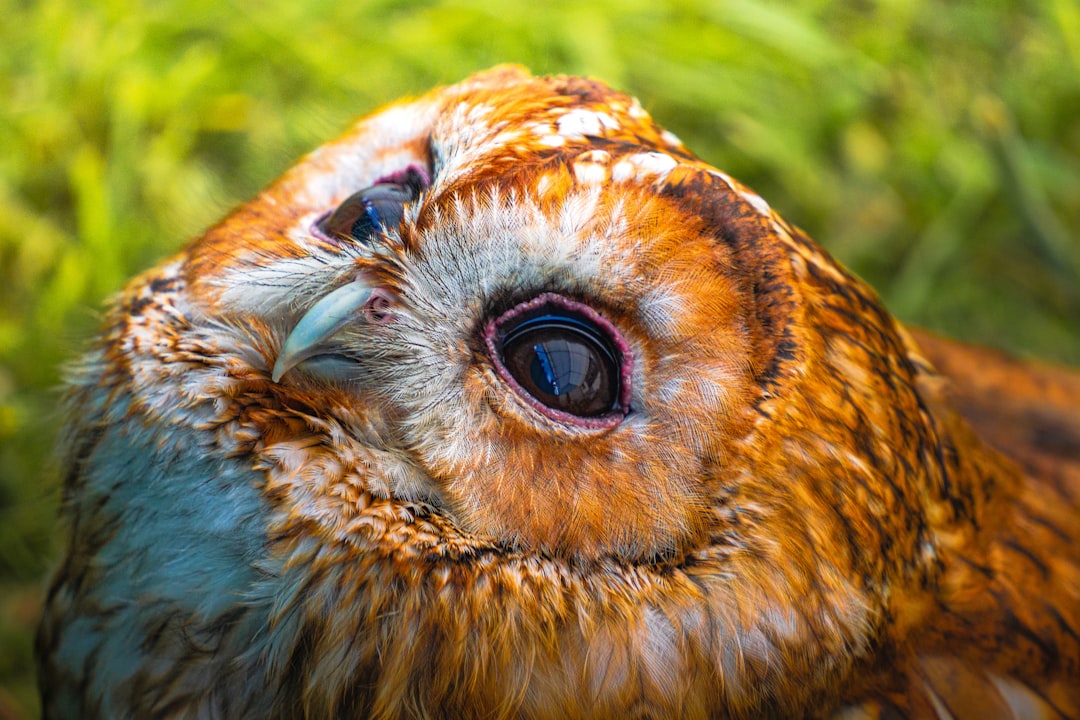
Owls don’t rely on sight alone. Many species, like the barn owl, possess asymmetrical ear openings — one higher than the other — allowing them to pinpoint sounds in three dimensions. Their facial disks act like radar dishes, funneling even the faintest rustle toward the ears.
In pitch-black conditions where even their vision falters, their hearing finishes the job. This synergy between sight and sound is a perfect example of multisensory evolution, where one sense enhances another to achieve near-perfect hunting precision.
6. The Gift of Silent Flight
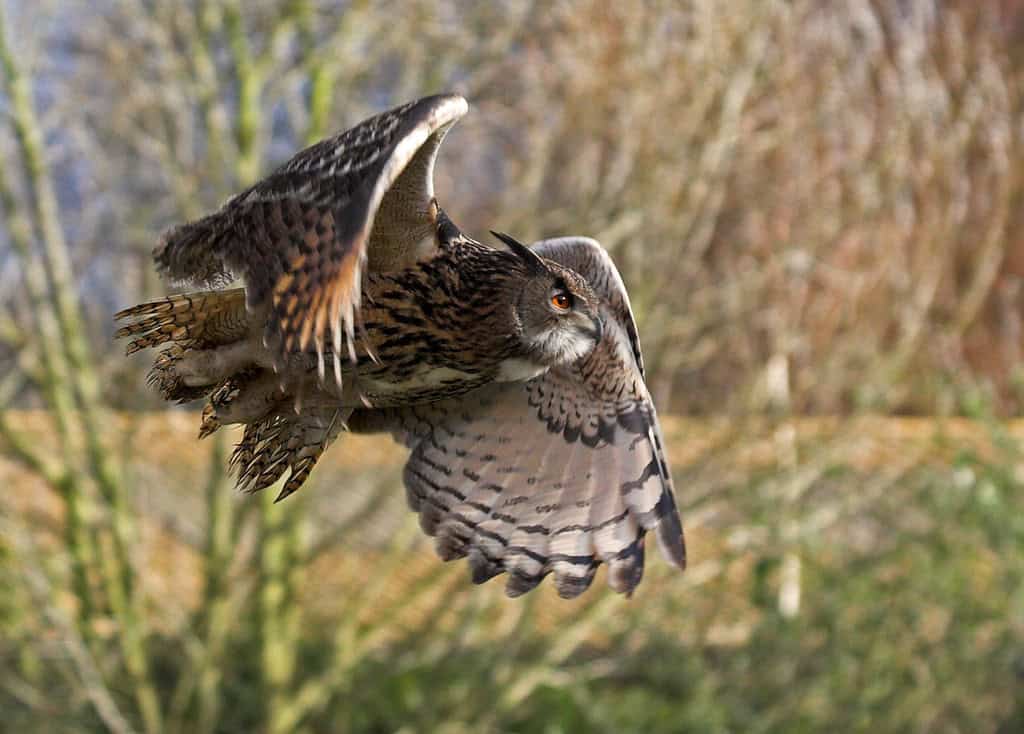
Owls’ stealth is legendary. Their feathers have serrated edges that break up airflow, preventing the whoosh that other birds make in flight. This near-silence allows them to hear their prey clearly — and attack without warning.
From an evolutionary perspective, silent flight is not just about hunting efficiency but predator-prey arms races. As prey developed keener hearing over time, owls evolved quieter wings, maintaining their edge in an endless cycle of adaptation.
7. Brainpower Behind the Eyes
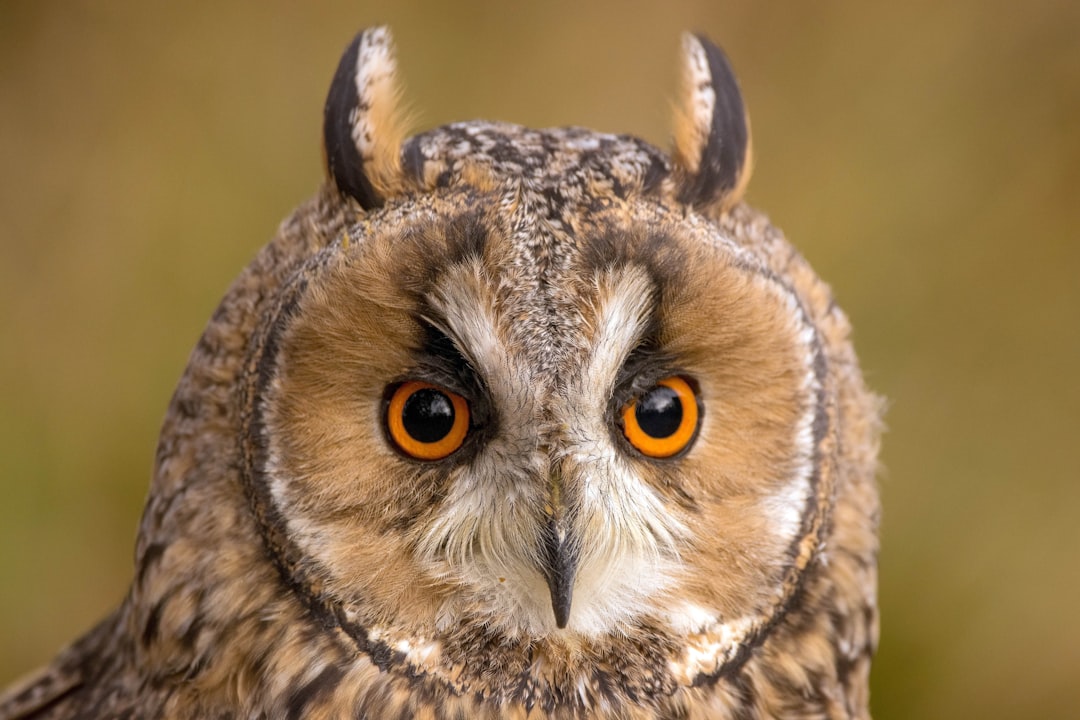
Seeing in the dark is one thing — interpreting what’s seen is another. Owls have enlarged visual processing centers in their brains that analyze motion and depth with astonishing speed. Their forward-facing eyes provide binocular vision, giving them depth perception crucial for precise strikes.
Their brains are wired to fuse rapid sensory data into a clear image of their surroundings, even in near-zero light. This neurological evolution mirrors that of primates in the day — two distinct paths to mastering different worlds.
8. What Owls Reveal About Evolutionary Design
Owls are a living masterclass in adaptive specialization. Every feature — their tubular eyes, sensitive rods, silent feathers, and acute hearing — tells a story of millions of years of natural problem-solving. They show how evolution doesn’t create perfection, but balance: trade-offs that maximize survival within specific niches.
Their success also reveals evolution’s creative rhythm — a constant negotiation between limitation and innovation. Owls don’t just see in the dark; they embody how life itself learns to thrive in the unseen.
To watch an owl glide through the night is to glimpse evolution at its finest — a creature perfectly tuned to its environment through subtle, intricate changes over eons. Their vision isn’t just about sight; it’s about strategy, survival, and adaptation.
In every silent swoop and golden stare, owls remind us that evolution isn’t random — it’s purposeful, patient, and astonishingly precise. They see not only through the dark but through the history of life itself, carrying in their gaze the wisdom of nature’s enduring design.

- Which Animals Inspired the Design of Real Robots - June 3, 2026
- 12 Calm, Low-Maintenance Dogs Ideal for Retirement Years - June 3, 2026
- The Wild Cat That Best Represents Each Zodiac Sign - June 3, 2026