

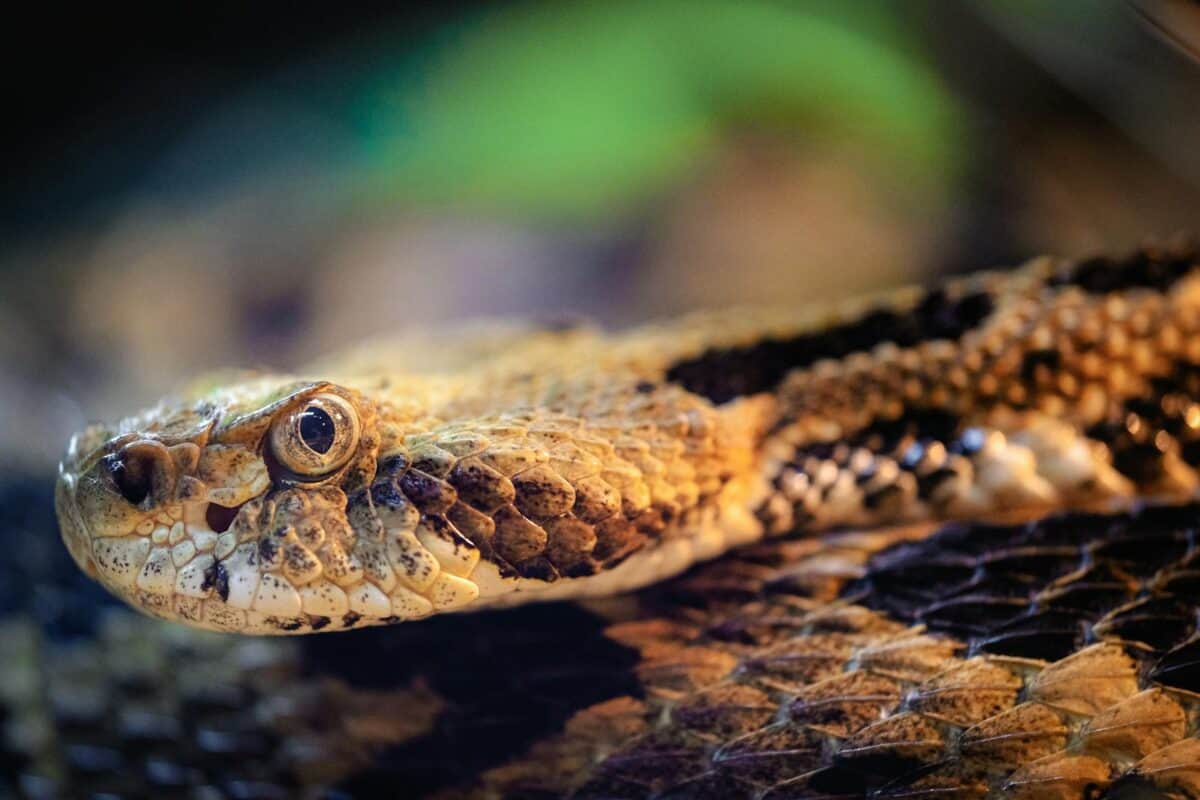
Snakes have long fascinated and awed us with their peculiar anatomy and behavior. Among their most intriguing characteristics is their ability to see the world without the benefit of eyelids. This article delves into the unique ocular adaptations of snakes and reveals how these enigmatic reptiles perceive their environment. With a blend of scientific insights and accessible explanations, discover the fascinating world of snake vision.
Understanding Snake Anatomy
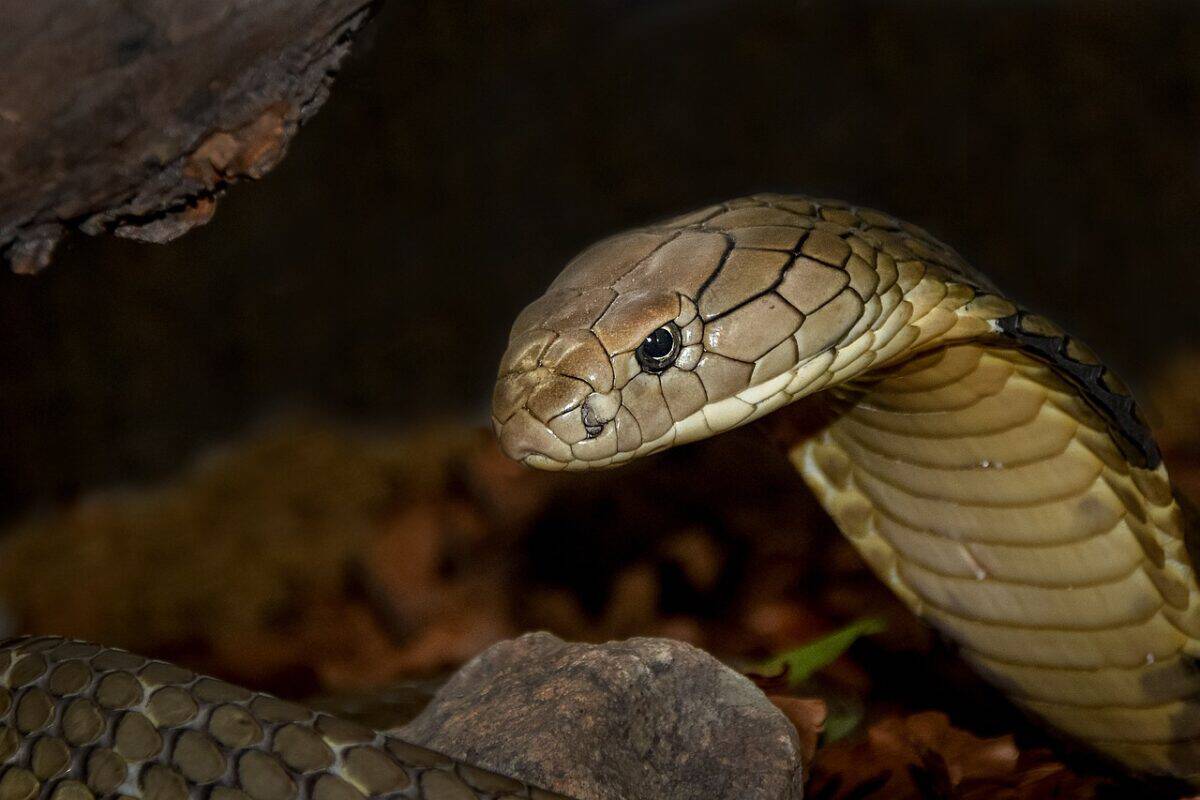
Their anatomy is often compared to other creatures, but snakes possess several distinct features. Most reptiles share similar visual adaptations, yet only snakes manage to see clearly without eyelids. To understand how snakes see, it’s essential to first explore their distinctive anatomy.
The Spectacle: Nature’s Protective Lens

Instead of traditional eyelids, snakes have a unique structure called a spectacle or brille. This clear scale covers and protects their eyes, reducing the risk of injury and dehydration. The spectacle is an evolutionary marvel, serving as an integrated ‘goggle’ that shields the eyes while allowing snakes to see clearly.
A Transparent Approach to Vision

Because snakes lack eyelids, they can never close their eyes. The transparent spectacle not only serves as protection but also ensures that their vision remains uninterrupted. This constant exposure to the elements is mitigated by the spectacle’s durability.
Visual Acuity and Clarity

Despite lacking eyelids, snakes have surprisingly good vision. The clarity of their vision is influenced by the texture and condition of the spectacle, which is maintained through periodic shedding. This natural renewal ensures that their visual capability remains sharp and effective.
The Role of Infrared Sensing
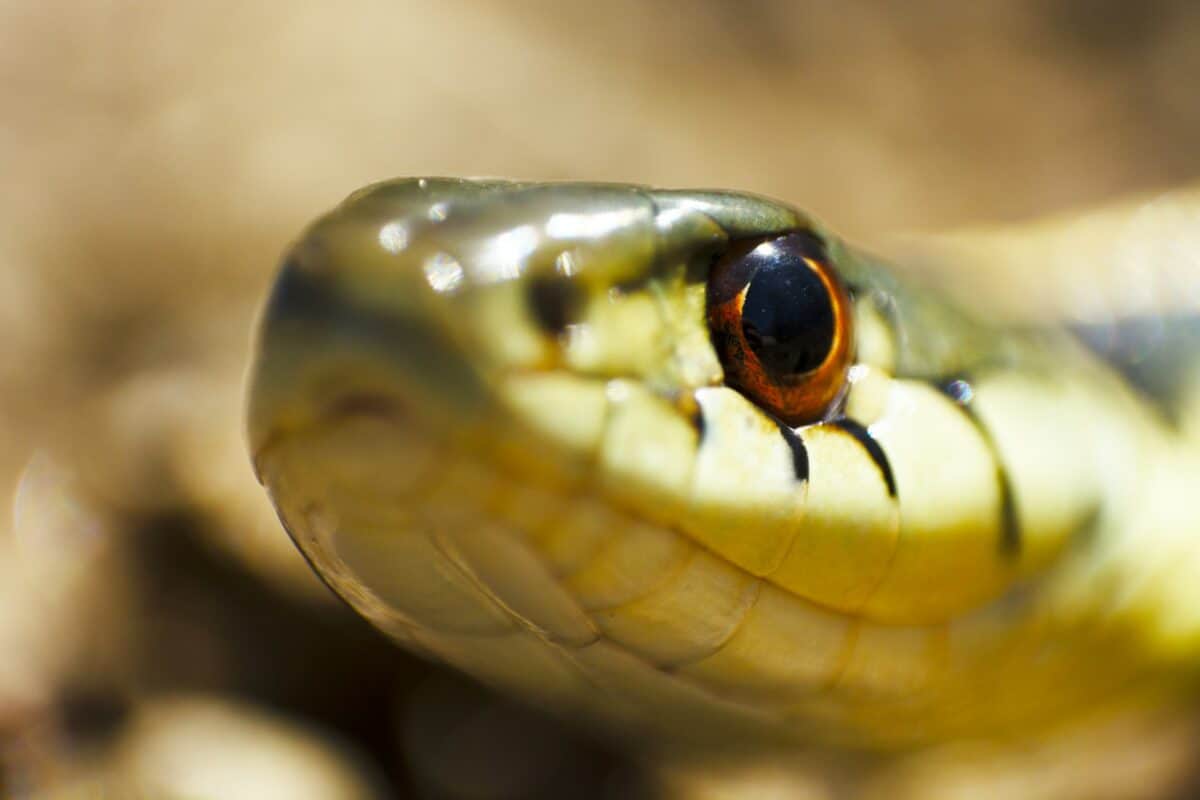
Some snakes, notably pit vipers, boas, and pythons, possess specialized pit organs that allow them to detect infrared radiation. This ability helps them ‘see’ heat, a crucial adaptation for identifying prey in the dark. This thermal vision is a remarkable sensory enhancement supplementing their traditional vision.
Eye Structure Beyond the Spectacle

Beyond the spectacle, a snake’s eye structure includes rods and cones – cells that manage light detection and color perception. While snakes are not known for their color vision, their reliance on contrast and movement detection makes them effective hunters.
Charm of Monocular Vision

Unlike humans, many snakes have monocular vision, meaning each eye functions independently. This type of vision allows them to maintain focus even when parts of their body are twisted or their field of vision is limited.
Sensitivity to Movement

Snakes are particularly attuned to detecting movement, a trait that serves them well both in hunting and evading predators. Even slight movements in their environment can trigger their predatory responses.
The Shedding Process: A Fresh Pair of ‘Eyes’

Snakes regularly shed their skin, and the spectacle is part of this process. During shedding, a snake’s vision temporarily diminishes as a new, clearer spectacle forms beneath the old one, ultimately enhancing their vision.
Perception in Various Habitats
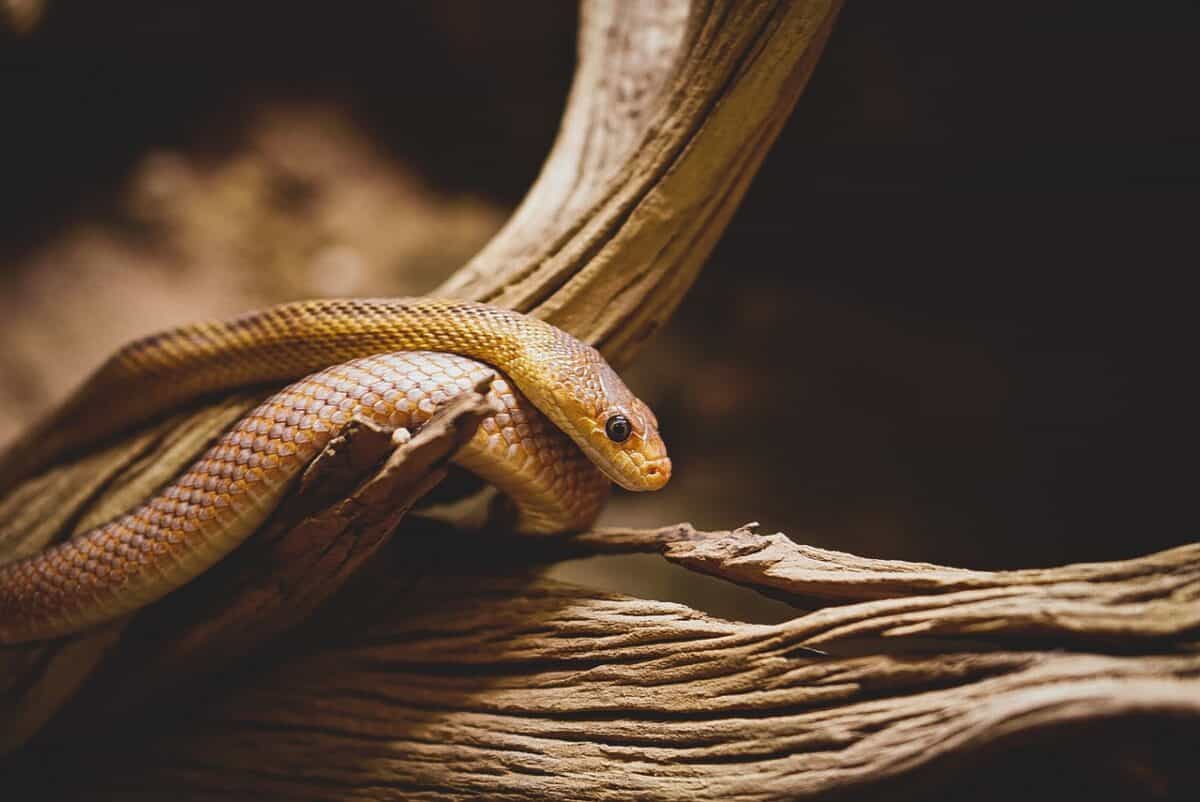
Snakes can be found in diverse environments – from deserts to jungles – and their vision is adapted to their habitat’s specific demands. For instance, arboreal snakes might rely more on depth perception than terrestrial snakes.
Behavior and Visual Communication

Although primarily solitary, a snake’s vision plays a role in behavioral interactions, particularly during territorial disputes or mate selection. Their reliance on vision, combined with other senses, orchestrates their responses to peers and potential threats.
The Evolutionary Advantage

The evolutionary journey of snakes has streamlined their anatomy for survival. The spectacle, combined with their sensory adaptations, equips them with the visual and physical tools necessary to thrive in a wide range of environmental contexts.
Conclusion: The Marvel of Serpentine Vision

Snakes indeed see the world through a unique lens. Their adaptation to life without eyelids is a testament to nature’s creativity and resourcefulness. Through intricate designs like the spectacle and infrared sensing, snakes optimize their vision to fit their ecological roles. Their ability to effectively navigate, hunt, and survive reinforces the extraordinary prowess of these entrancing reptiles, inviting both admiration and curiosity.

From exploring the marine wonders in the Azores and witnessing the vast savannas of Kenya, to delving deep into the rich biodiversity of South Africa and traversing iconic landscapes in Australia and the US like Yellowstone, Chris's experiences are vast.
With a penchant for diving alongside sharks, the ocean holds a special place in his heart.
Through his academic insights, he champions wildlife conservation, striving with 'Animals Around The Globe' to cultivate a profound connection between humans and animals, enhancing our mutual appreciation.
Connect with him at Feedback@animalsaroundtheglobe.com.
- Why Spiders Don’t Get Stuck in Their Own Webs - July 20, 2026
- What Scientists Found in a 10,000-Year-Old Beehive - July 20, 2026
- This Spider Builds Fake Decoys of Itself - July 20, 2026