


Starfish, also known as sea stars, possess one of the animal kingdom’s most extraordinary abilities—the power to regrow entire limbs after injury. These marine echinoderms can regenerate not only their arms but in some cases, an entire body from just a fragment of an arm with a portion of the central disk. This remarkable regenerative capability has fascinated scientists for centuries and continues to be a subject of intensive research.
Unlike humans, whose regenerative abilities are limited to healing wounds and replacing some tissues, starfish can rebuild complete body parts with full functionality. This process involves complex cellular mechanisms that allow them to replace lost limbs with identical copies, complete with all the necessary tissues, nerve connections, and functional capabilities. Understanding these mechanisms could potentially revolutionize regenerative medicine, offering insights into how humans might someday enhance their own healing abilities.
The Anatomy Behind Starfish Regeneration
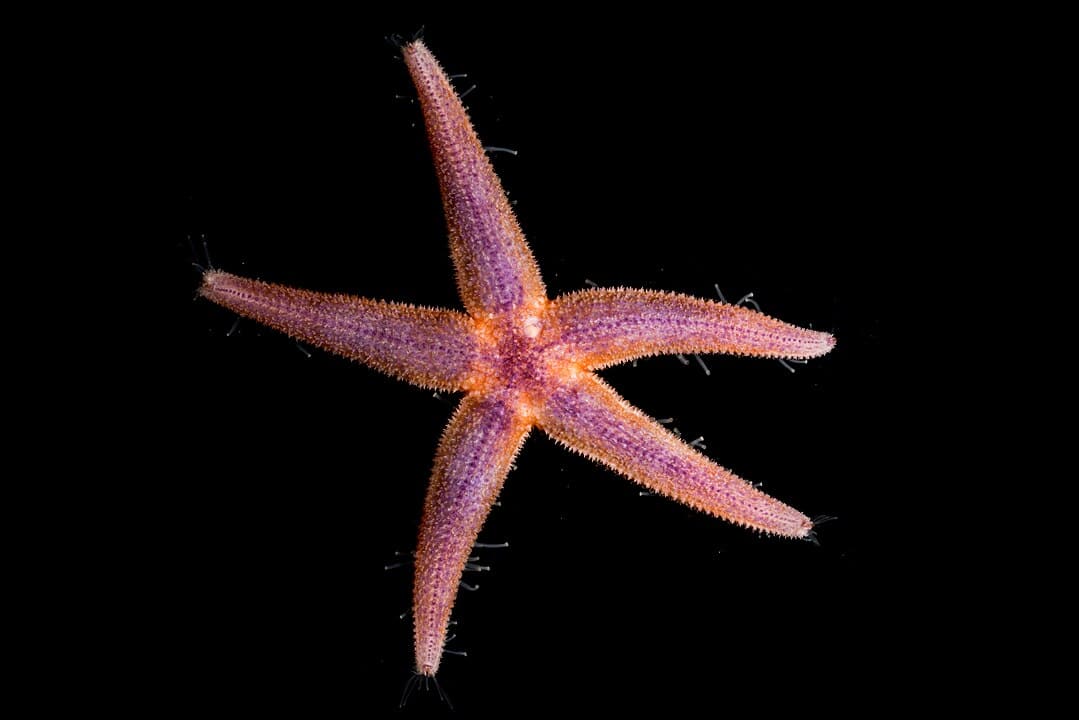
To understand how starfish regenerate, we must first examine their unique anatomy. Starfish typically have five arms (though some species have many more) that radiate from a central disk. Their bodies are covered with a tough, calcified skin that protects their internal organs. Inside each arm runs a water vascular system, which helps with movement, respiration, and feeding. The central disk houses vital organs, including their digestive system and the ring canal that connects their water vascular system.
What makes starfish regeneration possible is their decentralized nervous system and the presence of specialized cells throughout their bodies. Unlike vertebrates with centralized brains, starfish have a nerve ring around their mouth and radial nerves extending into each arm. This distributed system means that even a severed arm contains sufficient neural tissue to coordinate regeneration. Additionally, starfish possess pluripotent stem cells—cells capable of developing into various specialized cell types—which play a crucial role in rebuilding lost body parts.
The Step-by-Step Process of Limb Regeneration
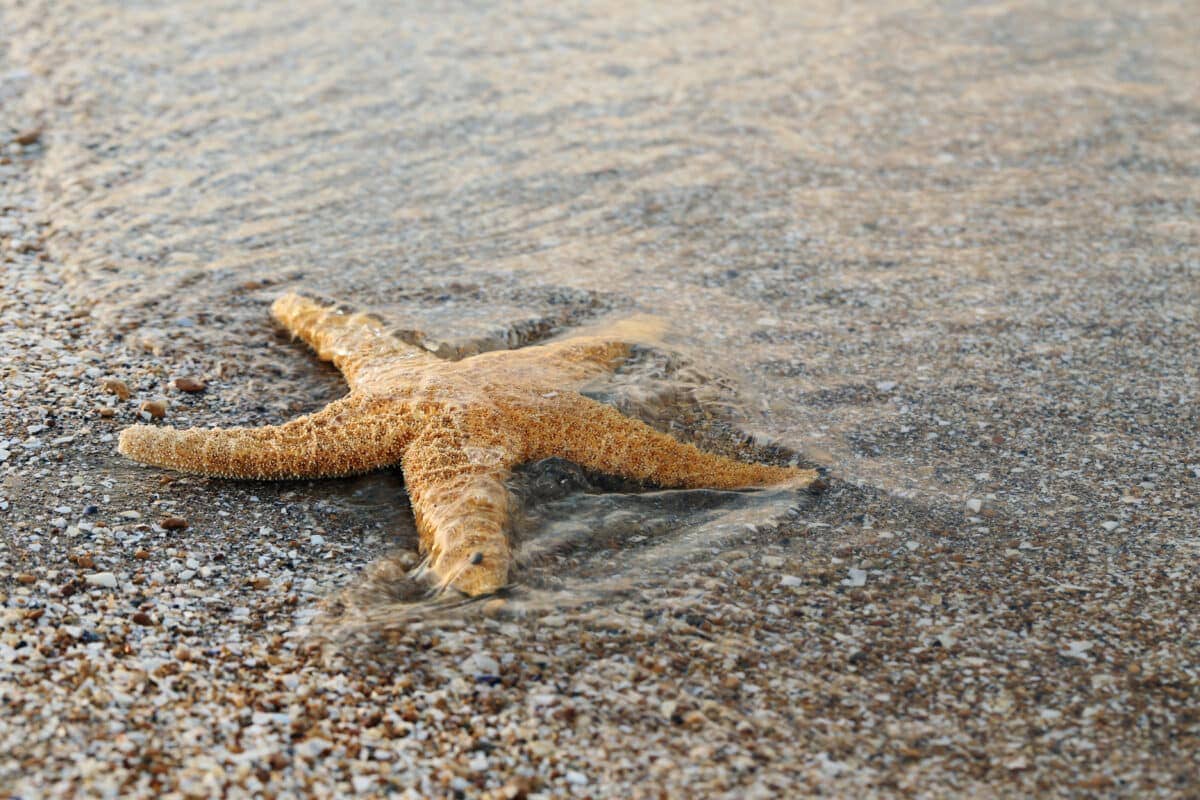
Starfish regeneration follows a remarkable sequence of events that begins immediately after injury. The first response is wound healing, where the starfish rapidly closes the wound to prevent infection and fluid loss. This involves the contraction of surrounding tissues and the formation of a protective clot. Within hours, specialized cells begin migrating to the wound site, initiating the regeneration process.
The next phase involves the formation of a blastema—a mass of undifferentiated cells that will eventually develop into the new limb. These cells undergo dedifferentiation, essentially “forgetting” their specialized roles and reverting to a more primitive state. The blastema then begins the process of redifferentiation, where cells take on specific roles to form new tissues. Over weeks to months, depending on the species and environmental conditions, the new limb grows progressively, eventually reaching the size and functionality of the original arm.
Cellular Mechanisms That Drive Regeneration

At the cellular level, starfish regeneration involves sophisticated biological processes. When an arm is lost, the remaining tissues undergo significant changes in gene expression. Genes that were inactive become active, triggering the production of proteins that initiate and regulate regeneration. Key among these are genes involved in cell proliferation, migration, and differentiation.
Research has identified several signaling pathways that play crucial roles in orchestrating regeneration. These include the Wnt pathway, which helps establish the orientation of the new limb, and the Notch pathway, which regulates cell differentiation. Additionally, growth factors such as fibroblast growth factor (FGF) and transforming growth factor-beta (TGF-β) help coordinate the complex cellular interactions necessary for successful regeneration. These molecular mechanisms work in concert to ensure that the new limb develops with the correct structure and functionality.
The Role of Stem Cells in Starfish Regeneration

Stem cells are the cornerstone of starfish regenerative abilities. These remarkable cells retain the ability to divide and differentiate into various specialized cell types throughout the starfish’s life. In the context of regeneration, stem cells play multiple roles: they proliferate to provide the cellular material needed for the new limb, they differentiate into specialized tissues such as muscle, nervous tissue, and skeletal elements, and they help orchestrate the overall regeneration process.
Starfish possess several types of stem cells, including totipotent stem cells (capable of developing into any cell type) and more specialized progenitor cells. Research has shown that these stem cells are not confined to specific “stem cell niches” as in many vertebrates but are distributed throughout the starfish’s body. This distribution explains why even small fragments of a starfish can regenerate entirely—they already contain the necessary stem cell populations to initiate and complete the regeneration process.
Variation in Regenerative Abilities Among Starfish Species

While all starfish possess regenerative abilities, there are significant variations among species. Some, like the common sea star (Asterias rubens), can regenerate arms relatively quickly, completing the process in a few months under optimal conditions. Others, like the sunflower sea star (Pycnopodia helianthoides), with its 15-24 arms, may take considerably longer to regenerate lost limbs.
Factors affecting regenerative capacity include the species’ overall size, metabolism, and environmental adaptations. Interestingly, some species can regenerate more than just arms—they can split their central disk and regenerate into two complete individuals, a process known as fission. The crown-of-thorns starfish (Acanthaster planci), notorious for damaging coral reefs, demonstrates particularly robust regenerative abilities, which contributes to its ecological resilience and makes population control challenging.
Environmental Factors Affecting Regeneration Speed

The speed and success of starfish regeneration are heavily influenced by environmental factors. Water temperature plays a crucial role, with warmer temperatures generally accelerating the regenerative process by increasing metabolic rates. However, temperatures beyond the starfish’s optimal range can stress the animal and impair regeneration. Similarly, water quality, including oxygen levels, pH, and the presence of pollutants, can significantly affect regenerative success.
Nutritional status is another critical factor. Well-fed starfish with ample energy reserves can dedicate more resources to regeneration, resulting in faster and more complete regrowth. Seasonal variations also impact regeneration, with many species showing faster regeneration during warmer months when food is typically more abundant. Studies have shown that under optimal conditions, some starfish species can regenerate an arm to 75% of its original length within 2-3 months, while complete regeneration may take 6-12 months.
The Evolutionary Advantage of Regeneration
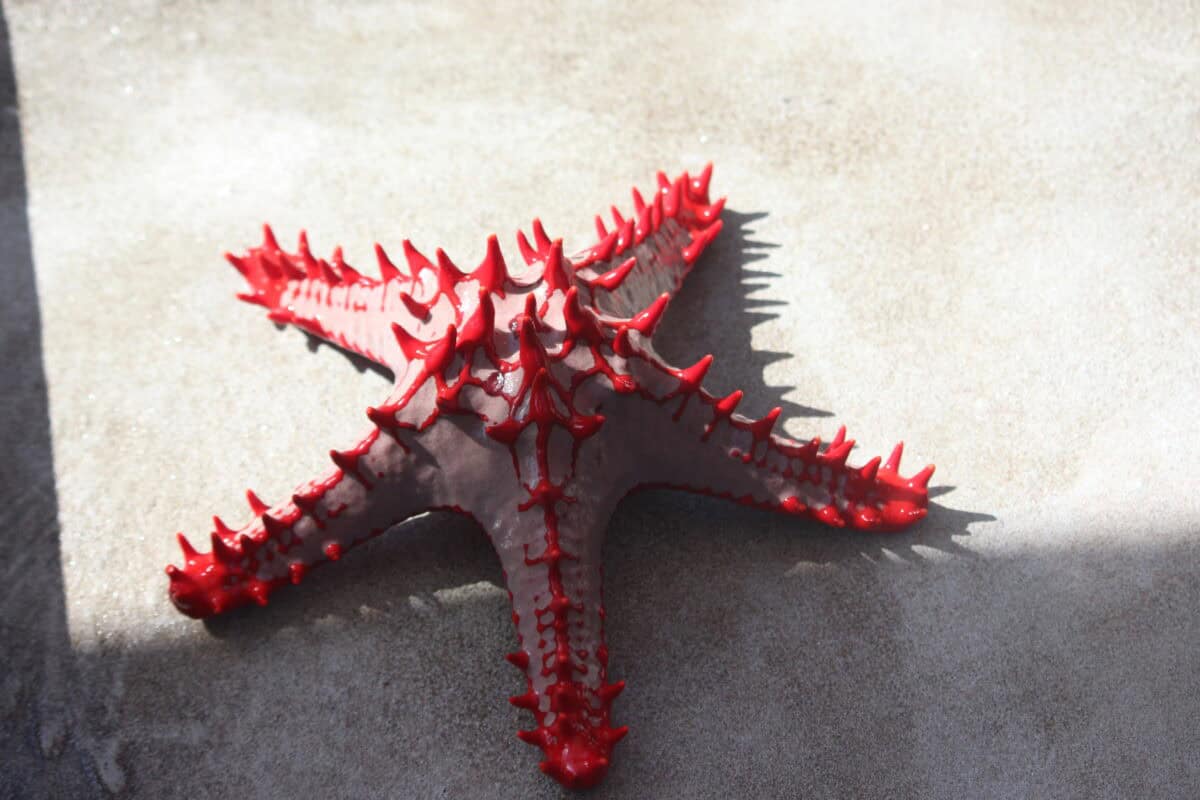
Regeneration provides starfish with significant evolutionary advantages. Predator attacks often result in the loss of arms rather than death, allowing the starfish to survive and eventually restore its full form and function. Some starfish species have even evolved the ability to voluntarily detach an arm when threatened, a process known as autotomy, similar to how some lizards can shed their tails to escape predators.
Beyond predator defense, regeneration also provides resilience against environmental injuries. Powerful wave action, getting trapped under rocks, or damage from moving ice in polar regions can all cause limb loss. The ability to regenerate ensures that such injuries are temporary setbacks rather than permanent disabilities. Over evolutionary time, this regenerative capacity has likely contributed to the success and diversity of starfish, which have existed for approximately 450 million years and include roughly 2,000 species distributed across the world’s oceans.
Comparing Starfish Regeneration to Other Animals

Starfish regeneration stands out even among animals known for their regenerative abilities. While planarians (flatworms) can regenerate their entire bodies from small fragments and salamanders can regrow limbs, tails, and even parts of organs like the heart, starfish regeneration is particularly impressive because of the complexity of the structures they can rebuild. Each arm contains portions of the nervous, digestive, reproductive, and water vascular systems, making their regeneration more complex than regrowing a relatively simple appendage.
In contrast, mammals including humans have very limited regenerative abilities, typically restricted to wound healing and some tissue replacement. We cannot regrow limbs or major organs once lost. This difference is partly attributed to our immune system’s response to injury, which prioritizes rapid wound closure and scar formation over perfect regeneration, and to differences in stem cell regulation. Understanding the molecular mechanisms that allow starfish to overcome these limitations could potentially help develop new approaches to enhance human regenerative capacities.
Scientific Research and Medical Applications
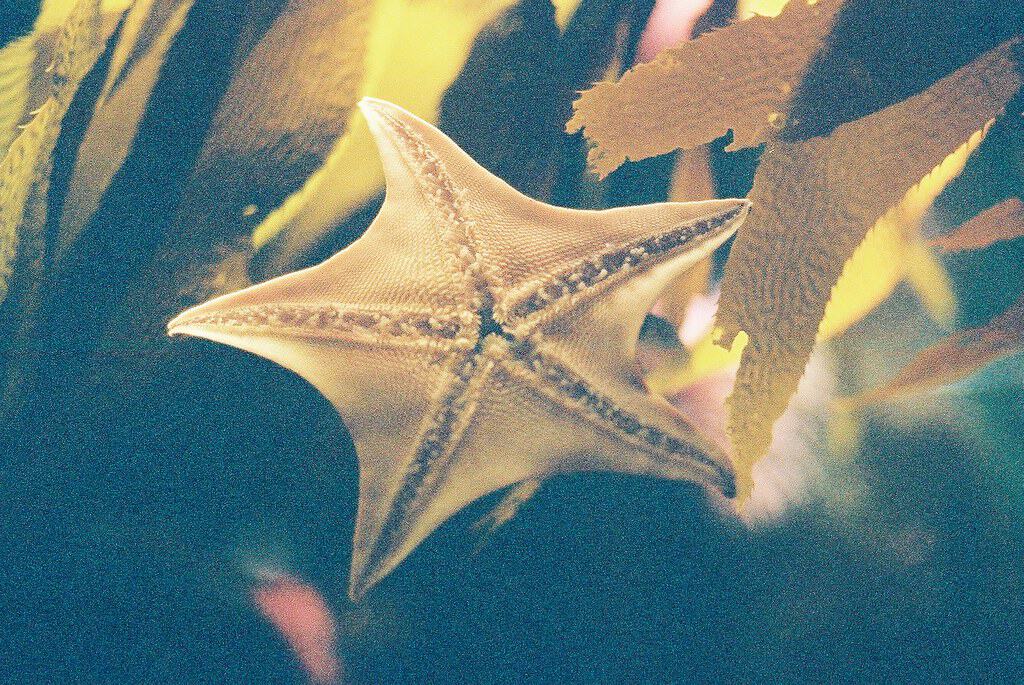
The extraordinary regenerative abilities of starfish have not gone unnoticed by the scientific community. Researchers are actively studying the molecular and cellular mechanisms underlying starfish regeneration, hoping to apply these insights to human medicine. Key areas of investigation include identifying the signals that initiate regeneration, understanding how cells at the wound site dedifferentiate into a regenerative state, and determining how the growth of the new limb is regulated to achieve the correct size and shape.
These studies have potential applications in regenerative medicine, particularly for treating conditions involving tissue loss or damage. While we may never be able to regrow limbs like starfish, understanding their regenerative pathways could help develop treatments for spinal cord injuries, heart damage following heart attacks, or degenerative conditions like Alzheimer’s disease. Additionally, research on starfish regeneration has contributed to our fundamental understanding of developmental biology, providing insights into how complex structures form during embryonic development.
Common Misconceptions About Starfish Regeneration
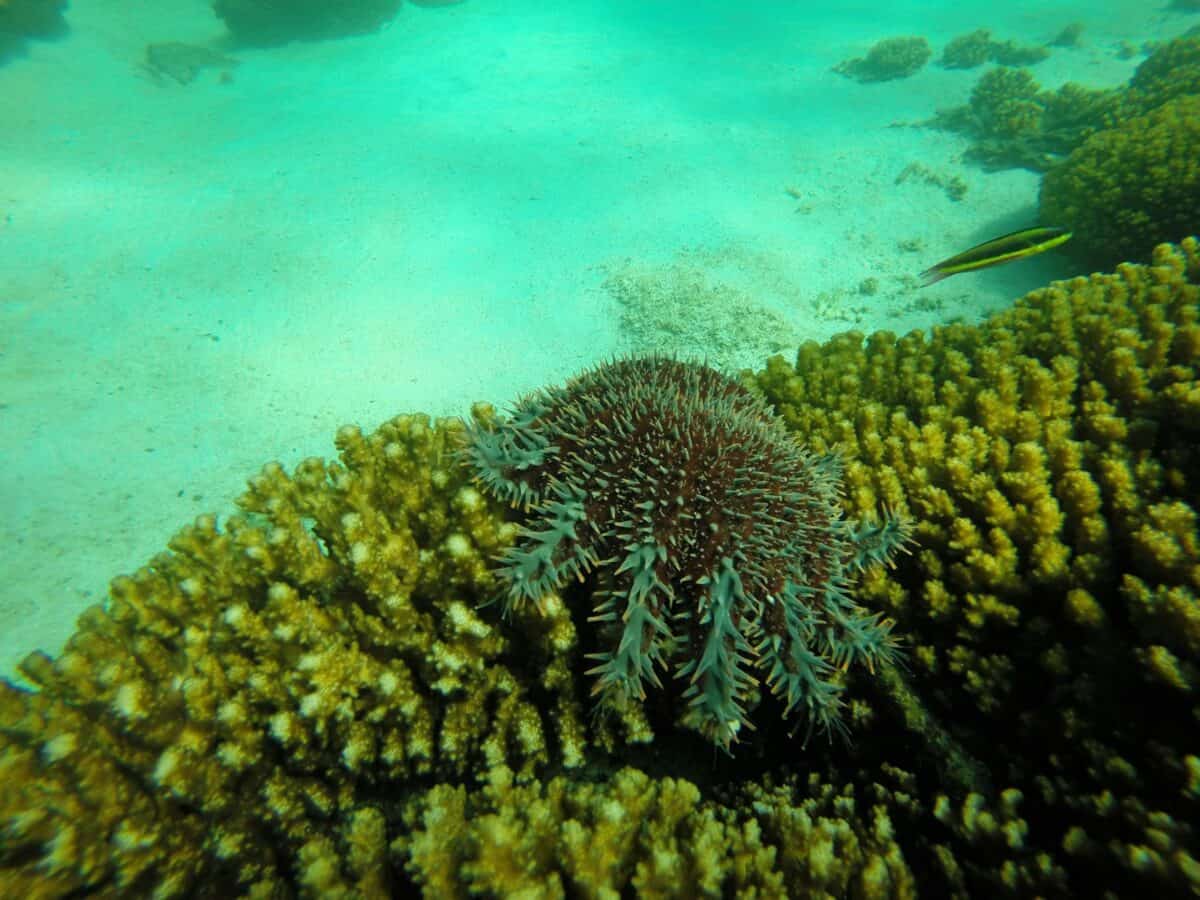
Despite the remarkable nature of starfish regeneration, several misconceptions persist. One common myth is that cutting a starfish in half will create two complete starfish. While some species can regenerate from fragments, successful regeneration typically requires a portion of the central disk. Simply cutting a starfish across the middle often results in death rather than duplication. Another misconception is that regeneration is instantaneous or occurs within days, when in reality, complete regrowth takes months to over a year.
Some also mistakenly believe that all echinoderms (the group including starfish, sea urchins, and sea cucumbers) share identical regenerative abilities. While many echinoderms do have impressive regenerative capabilities, they vary significantly between species. Sea urchins, for example, cannot regenerate their tests (shells) as adults, though they can regrow their spines and tube feet. Understanding these distinctions is important for accurate scientific understanding and for conservation efforts protecting these remarkable marine animals.
Conservation Implications of Regenerative Abilities
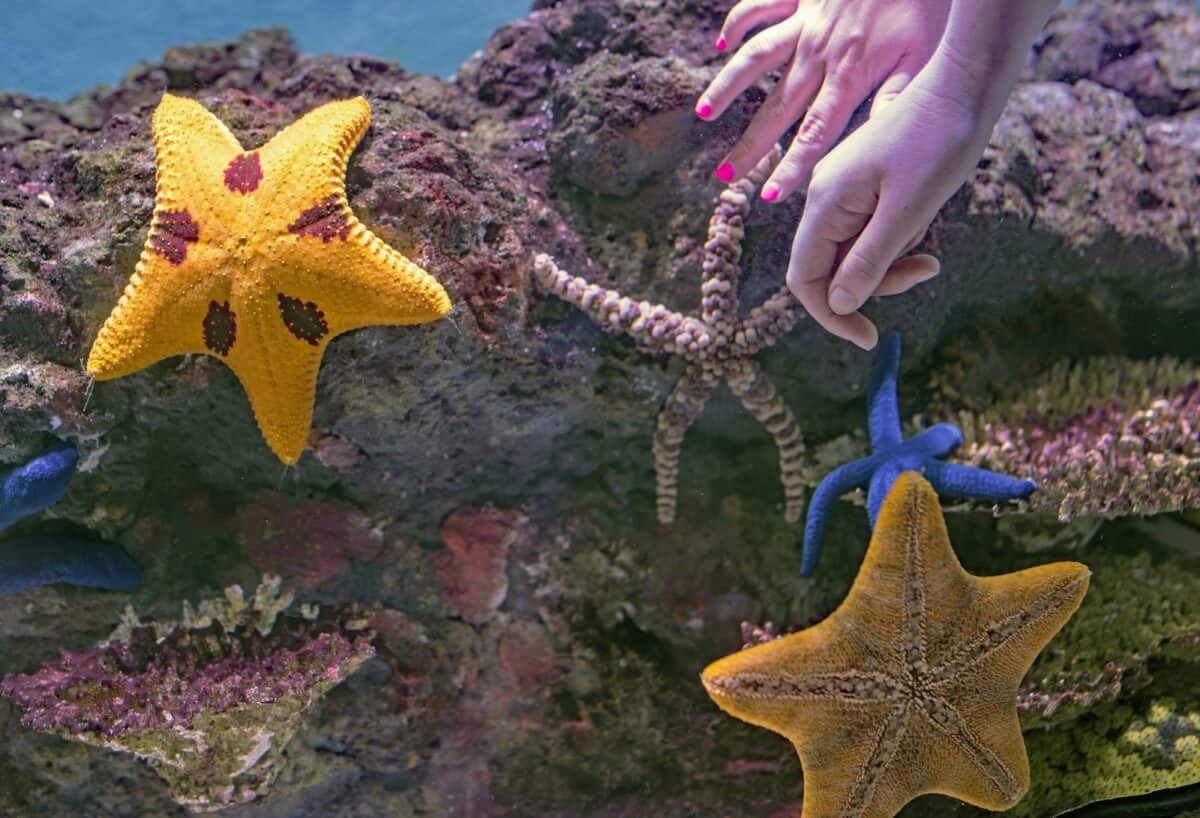
While starfish regeneration is impressive, it’s important to note that it doesn’t make these animals invulnerable. Population-level threats such as disease, pollution, ocean acidification, and warming oceans can overwhelm their regenerative capabilities. The infamous sea star wasting disease that affected the Pacific Coast of North America beginning in 2013 caused millions of starfish to die, with many unable to regenerate fast enough to overcome the rapidly progressing illness.
Conservation efforts need to consider both the resilience provided by regeneration and its limitations. For instance, regeneration requires significant energy, meaning that starfish in stressed environments with limited food resources may regenerate more slowly or incompletely. Additionally, while a starfish can survive the loss of arms, repeated injuries or loss of the central disk is often fatal. Understanding these dynamics helps conservationists develop more effective strategies for protecting these ecologically important animals, which often serve as keystone species in their marine ecosystems.
The Future of Regeneration Research

Research into starfish regeneration continues to advance, particularly with the application of modern genomic and imaging technologies. Scientists are now able to sequence the genomes of various starfish species, identify genes activated during regeneration, and visualize the process at unprecedented levels of detail. These advances are providing new insights into how regeneration is controlled at the genetic and molecular levels.
Looking forward, this research holds tremendous potential for both basic science and applied medicine. By understanding how starfish activate and regulate regeneration, we may discover new approaches to enhance healing in humans. While we may never match the starfish’s ability to regrow entire limbs, even modest improvements in our regenerative capacity could have profound impacts on treating injuries, recovering from surgery, or managing degenerative diseases. The humble starfish, with its remarkable ability to rebuild itself, may yet hold secrets that transform human medicine in the coming decades.

From exploring the marine wonders in the Azores and witnessing the vast savannas of Kenya, to delving deep into the rich biodiversity of South Africa and traversing iconic landscapes in Australia and the US like Yellowstone, Chris's experiences are vast.
With a penchant for diving alongside sharks, the ocean holds a special place in his heart.
Through his academic insights, he champions wildlife conservation, striving with 'Animals Around The Globe' to cultivate a profound connection between humans and animals, enhancing our mutual appreciation.
Connect with him at Feedback@animalsaroundtheglobe.com.
- This “Zombie Deer” Disease Is Spreading—What to Know - July 23, 2026
- The Secret Lives of Wolves in Yellowstone at Night - July 23, 2026
- What Happens If We Stop Tagging Wild Animals? - July 23, 2026