

Anacondas are among the most formidable and fascinating creatures of the animal kingdom. Renowned for their size, strength, and aquatic prowess, these massive snakes have captivated human imagination for centuries. One of the most intriguing aspects of the anaconda is its ability to move stealthily through its environment without making a sound. But how does this enormous reptile manage to glide through its territory so silently? Let’s unravel the mysteries behind the silent movements of these extraordinary snakes.
Anatomy of Silence: The Anaconda’s Physical Adaptations

At the heart of an anaconda’s silent movement lies its unique anatomy. Unlike limbless animals that might rely on bells and whistles to alert other creatures of their presence, anacondas have evolved to become masters of silent stalking.
Primarily, their success in silent movement can be attributed to their muscular and elongated bodies. Anacondas possess incredibly strong muscles that contract and expand seamlessly, allowing them to glide effortlessly through their habitats. This muscular coordination is critical, as it not only propels them forward but also minimizes detectable vibrations, which are key to maintaining their stealth.
Additionally, the scales of an anaconda are smooth and overlapping, which reduces friction as they move. The smoothness of their scales contributes to the snake’s ability to navigate through water and dense foliage with minimal noise, helping them remain undetected by both prey and predators alike.
Hydrodynamic Design: Gliding Through the Water
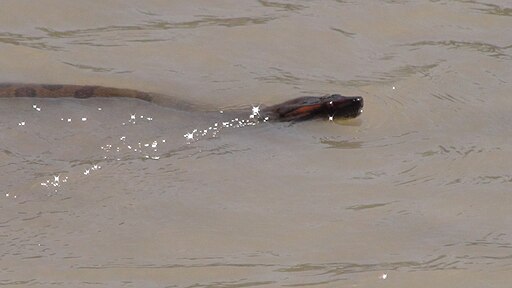
The aquatic lifestyle of anacondas is another vital component in their mastery of silent movement. Anacondas are often found in swamps, marshes, and rivers, environments where efficient and quiet movement is essential for hunting and evading detection.
Their bodies are naturally hydrodynamic, enabling them to navigate water with ease. This streamlined form reduces drag, allowing them to move quickly and quietly toward their prey. When submerged, an anaconda’s eyes and nostrils are positioned on top of the head, enabling it to breathe and observe without creating ripples on the water’s surface.
Furthermore, anacondas rely on careful body positioning and the gentle undulation of their muscular bodies to move silently beneath the water. This slow-paced, controlled movement is crucial for passing through water inconspicuously, making them effective ambush predators.
The Role of Environment in Stealthy Movement
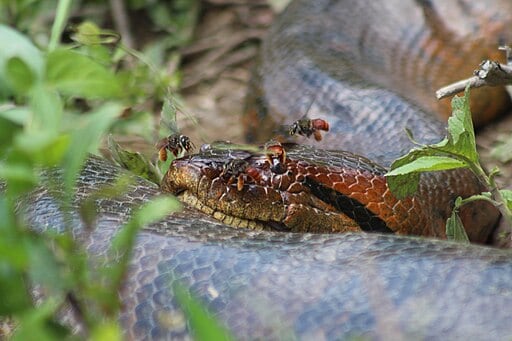
While the anatomical features of anacondas play a significant role in their quiet movement, the environments in which they reside also contribute significantly. South American rainforests and wetland environments offer a natural cloak of sound dampening, thanks to dense vegetation that absorbs echoes and reduces ambient noise.
Anacondas take advantage of this by using the natural cover provided by their surroundings to mask their presence. By carefully moving through the winding waterways and dense underbrush, they minimize sound production and remain concealed from prey and potential threats.
Behavioral Adaptations: The Art of Stillness
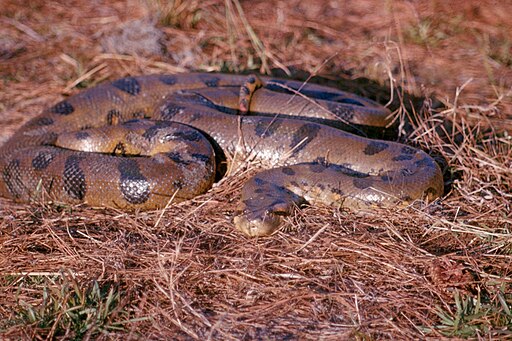
Besides physical adaptations, anacondas have developed behavioral strategies that aid in their silent movement. One key aspect is their ability to remain still for extended periods. When hunting or sensing danger, anacondas can exhibit remarkable patience and restraint, allowing the environment around them to relax and return to its usual state of noise.
This behavior is particularly effective when combined with their natural camouflage. Anacondas’ skin patterns blend harmoniously with their surroundings, making them almost invisible to unsuspecting prey. Once an opportunity presents itself, anacondas utilize a burst of precise, controlled movement, ensuring that sound is minimized.
Conclusion: Mastery of Stealth
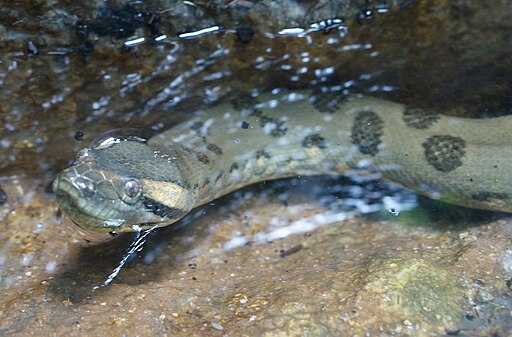
The anaconda’s ability to move without making a sound is a testament to the marvels of evolutionary adaptation. By leveraging their unique anatomical features, hydrodynamic design, environmental factors, and behavioral tactics, these snakes have perfected the art of stealth. This mastery not only enhances their hunting capabilities but also ensures their continued survival in the wild.
For those fascinated by the wonders of animal science, the anaconda serves as a captivating case study. It demonstrates how nature’s ingenuity allows even the largest and most powerful creatures to move with grace and stealth, navigating their world with remarkable silence.

- The Tallest Waterspout Ever Seen Off the Florida Keys - July 18, 2026
- The Deadliest Floods That Wiped Out Entire Cities - July 17, 2026
- How a Fisherman’s Shocking Discovery Led to a Scientific Breakthrough - July 16, 2026