


California is no stranger to natural disasters, from earthquakes to wildfires. However, a mega-flood—massive flooding across vast stretches of the state—remains a significant but overlooked threat. Scientists warn that such an event could have transformative impacts, reshaping California’s landscape, economy, and communities. As climate change intensifies weather patterns, understanding the potential consequences of a mega-flood has never been more crucial.
What is a Mega-Flood?

Mega-floods are immensely catastrophic floods with the capacity to cover large areas, potentially spanning entire regions or states. They occur relatively rarely—every hundred to two hundred years—but when they do strike, the results can be devastating. A mega-flood in California could potentially impact millions of residents, inundate infrastructure, and disrupt the state’s economy.
Historical Precedents: Lessons from the Past

California’s history is not devoid of mega-floods. In the winter of 1861-62, the state experienced continuous rainfall that transformed the Central Valley into an inland sea, stretching for more than 300 miles. This historical event provides a lens to understand the dramatic changes that a contemporary mega-flood might trigger, as it forced state governance, environmental, and social systems to adapt rapidly.
Potential Causes: The Role of Atmospheric Rivers
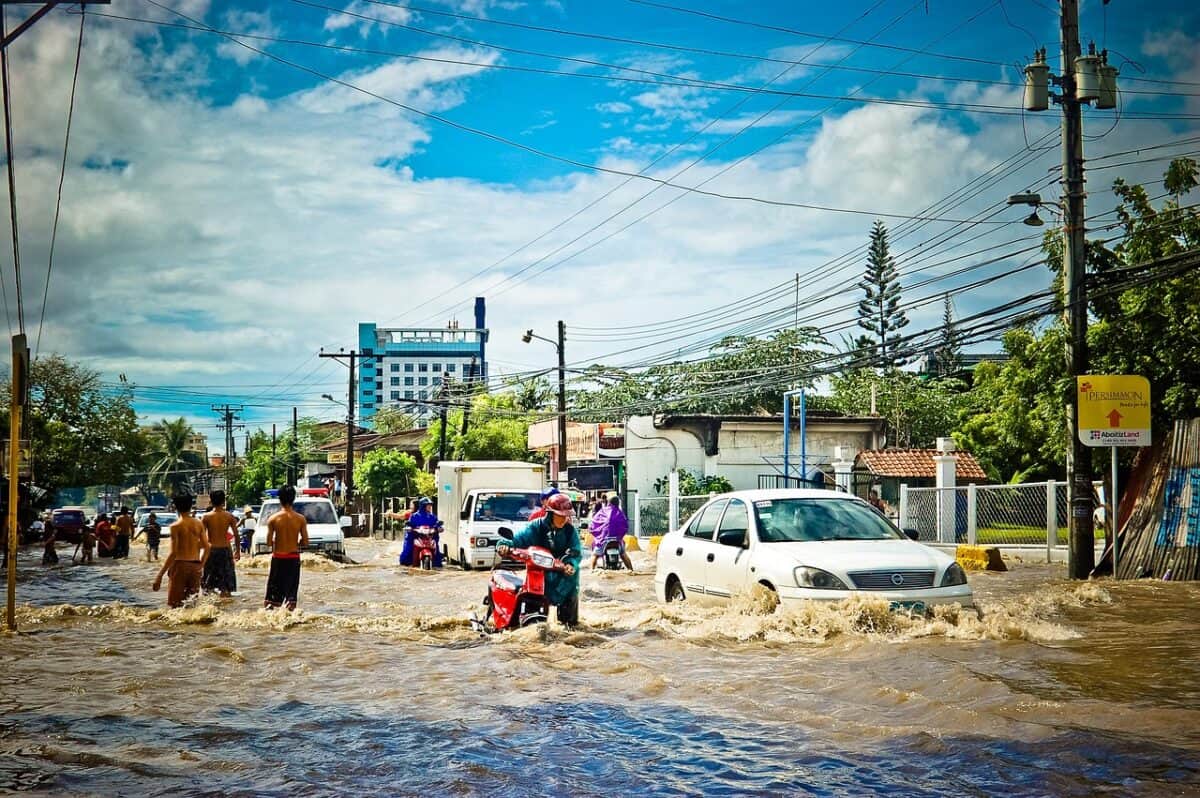
Atmospheric rivers—narrow corridors of concentrated moisture in the atmosphere—are significant contributors to mega-floods. They can transport enormous quantities of water vapor across the Pacific Ocean, occasionally releasing this moisture over California in the form of intense rain. The increasing frequency and intensity of these atmospheric rivers, fueled by climate change, raise the likelihood of future mega-floods.
Climate Change: Enhancing Flood Risks

Climate change exacerbates the risk of mega-floods by increasing the volatility and intensity of weather patterns. Warmer temperatures lead to higher evaporation rates and increased atmospheric moisture. This can result in more severe storms and prolonged periods of heavy rainfall, overwhelming existing flood control infrastructure and elevating flood risks.
Potential Economic Impacts

The economic repercussions of a mega-flood could be enormous. Direct damage to homes, businesses, and infrastructure would likely cost billions of dollars. Indirectly, the state’s largest economic sectors—agriculture, technology, and entertainment—could suffer severe disruptions. Recovery time would be prolonged, possibly affecting California’s economy for years.
Impact on Infrastructure

California’s intricate network of roads, utilities, and public transport is not designed to withstand the devastation of a mega-flood. Bridges and highways could be washed away, while power grids and water treatment facilities might get submerged and damaged, hampering recovery efforts and causing long-term service interruptions.
The Human Toll: Displacement and Health Concerns

Millions of Californians could find themselves displaced as flooded homes become uninhabitable. The strain on emergency services and shelters would be immense, while widespread flooding poses significant public health risks, potentially leading to outbreaks of waterborne diseases.
Environmental Consequences

The environmental impact of a mega-flood extends beyond immediate destruction. Wetlands, forests, and other ecosystems could face irreversible damage. Floodwaters would likely carry hazardous materials and pollutants, drastically affecting wildlife habitats and water quality.
Strategies for Mitigation

To bolster its defenses against potential mega-floods, California must prioritize investments in flood management infrastructure. Enhancements to levees, reservoirs, and drainage systems are essential. Additionally, policies encouraging sustainable land-use practices and the restoration of natural floodplains can significantly mitigate flood impacts.
Community Preparedness and Awareness

An informed and prepared populace is crucial in minimizing the human toll of a disaster. Education campaigns and clear emergency response plans can better equip communities to react swiftly and effectively in the event of a mega-flood. Community-driven initiatives to bolster resilience and preparedness can also play a critical role.
The Road to Resilience: Long-term Solutions

Achieving long-term resilience against mega-floods involves more than structural and policy changes. It demands a cultural shift towards recognizing and addressing climate risks. Collaborations between governments, private sectors, and communities are essential to build a robust and adaptable infrastructure capable of withstanding future challenges.
The specter of a mega-flood looms large over California, but its impacts can be mitigated with proactive measures. By investing in infrastructure, enhancing community preparedness, and embracing sustainable practices, California can not only protect itself against flood risks but also build a more resilient future. The challenge is significant, but with collaborative efforts, a transformative approach for survival in the face of impending threats is within reach.

- 21 Scary Creatures You Might Run Into While Hiking In The U.S - June 3, 2026
- The Difference Between Turtles and Tortoises—Explained - June 3, 2026
- What Makes Owls the Silent Predators of the Night? - June 3, 2026