

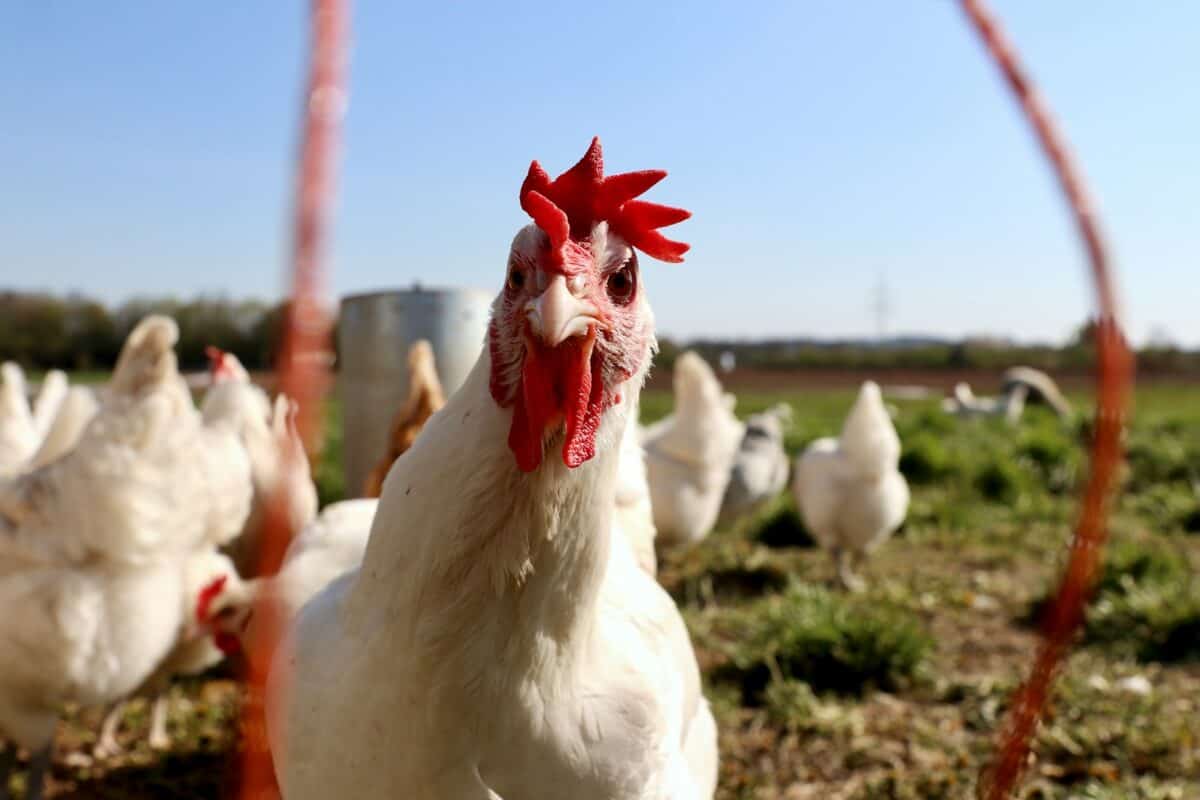
Adding new chickens to your established flock can be both exciting and challenging. The integration process requires patience, careful planning, and understanding of chicken behavior to ensure a smooth transition for both your existing birds and the newcomers. When not handled correctly, introducing new chickens can lead to stress, fighting, and even injuries as the flock’s social hierarchy—often called the “pecking order”—gets disrupted. This comprehensive guide will walk you through proven methods to successfully introduce new chickens to your flock while minimizing stress and preventing conflict.
Understanding Chicken Social Dynamics
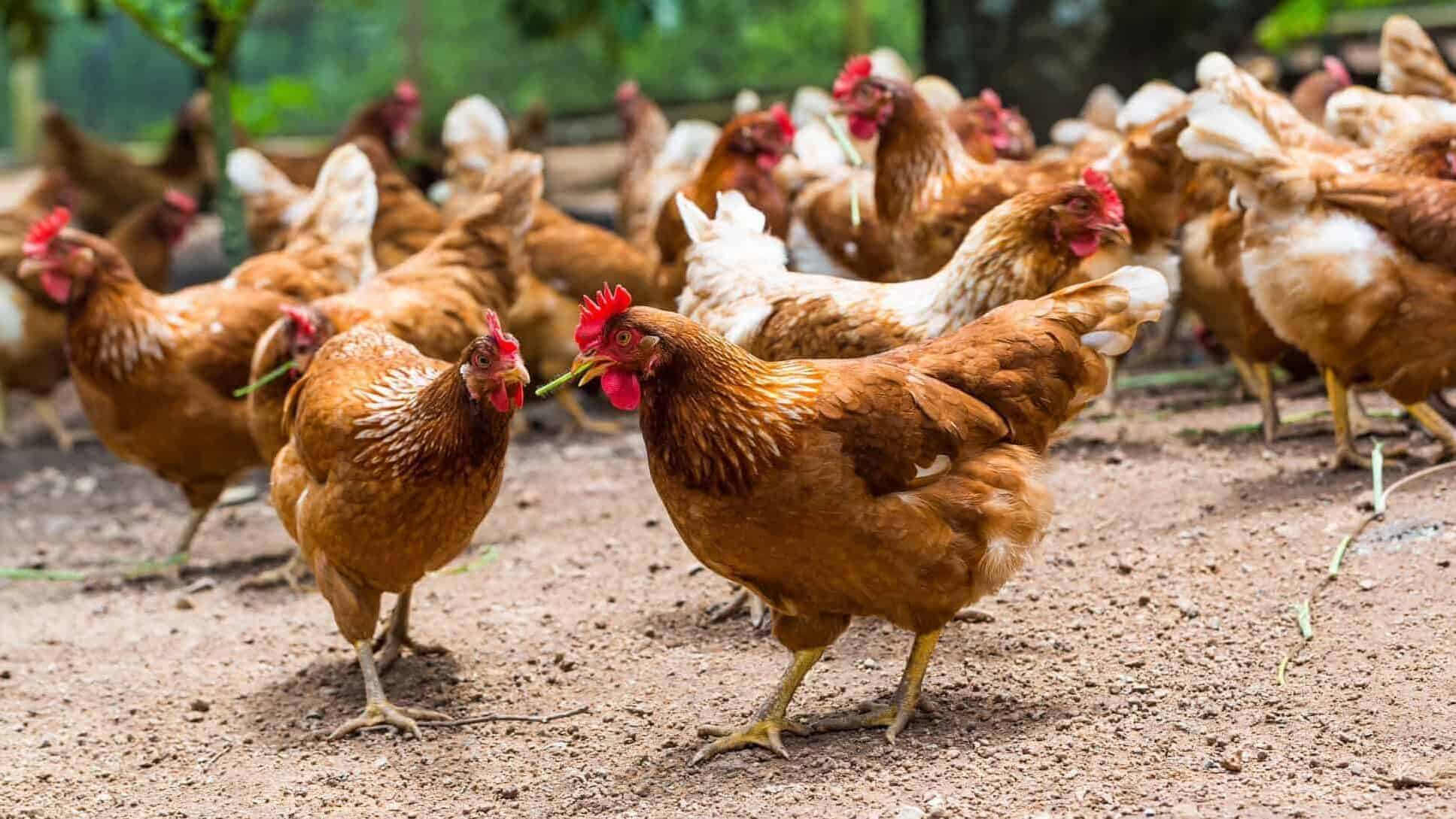
Before attempting to introduce new birds, it’s essential to understand how chicken flocks operate socially. Chickens establish a strict hierarchical structure within their group, commonly known as the pecking order. This social ranking determines which birds get first access to food, water, nesting boxes, and roosting spots. The name comes from the literal pecking that dominant birds do to subordinate ones to maintain their status.
When new chickens enter an established flock, the entire social structure must reorganize, which inevitably causes some tension. Dominant hens may become aggressive toward newcomers, especially if they perceive them as a threat to their status. Understanding this natural behavior helps explain why immediate introductions rarely work well and why a gradual approach is almost always necessary for successful integration.
Timing Your Introductions Strategically
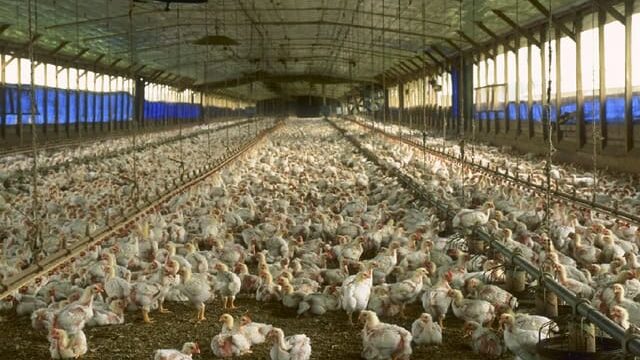
The timing of your introduction can significantly impact its success. Ideally, introduce new chickens during the evening hours when chickens are naturally less active and aggressive. Chickens have poor night vision, so introducing new birds after they’ve settled on their roosts makes them less likely to fight and gives them time to acclimate to each other’s presence before the activity of the next day begins.
Seasonal timing also matters. Spring and early summer introductions tend to be smoother than fall or winter ones. This is because during colder months, competition for resources and indoor space increases, potentially leading to more aggression. Additionally, avoid introducing new birds when your existing flock is stressed, such as during molting periods, extreme weather changes, or after predator encounters.
Quarantining New Arrivals
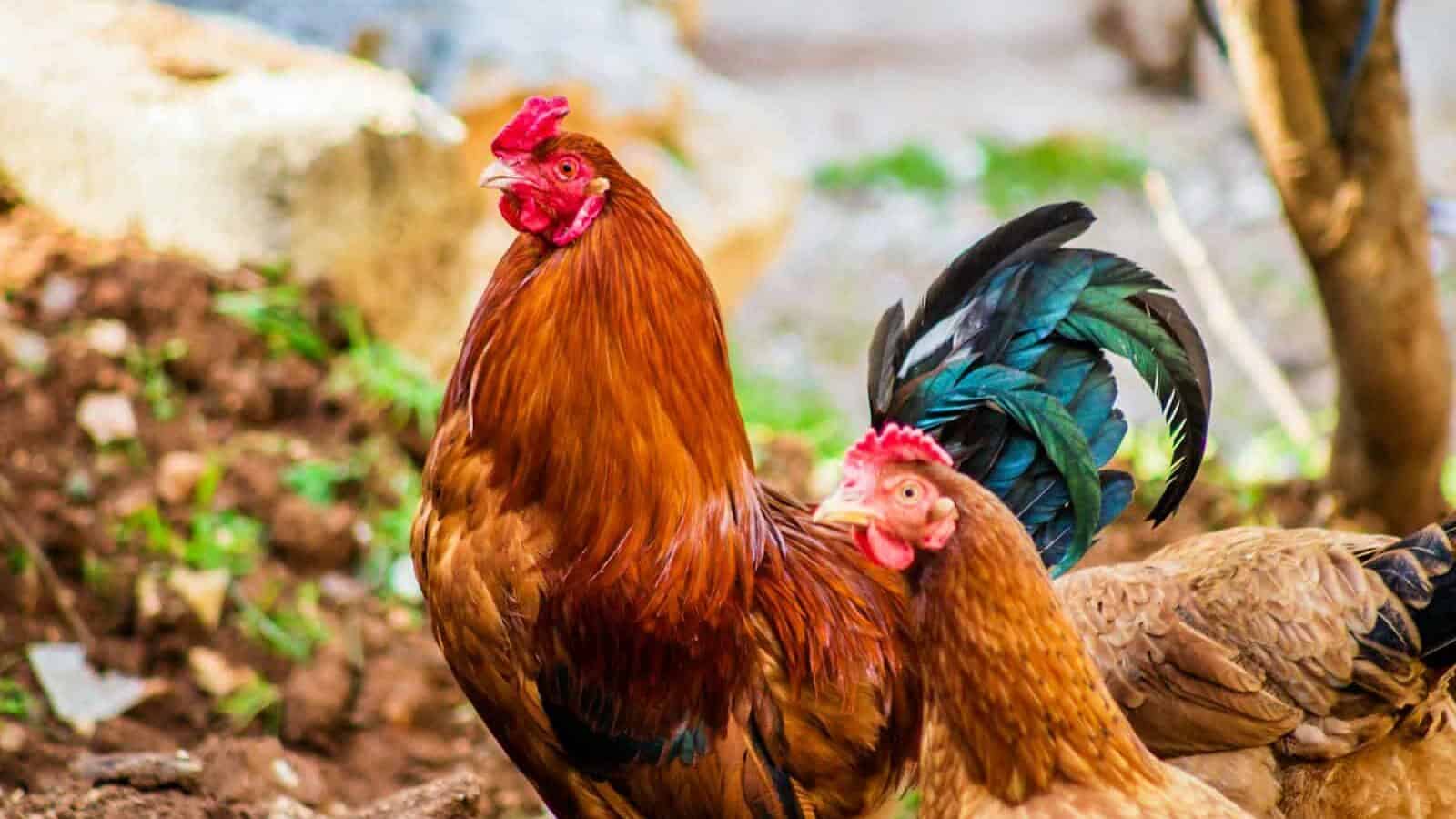
A critical step that many backyard chicken keepers overlook is quarantining new birds before introduction. Regardless of where your new chickens come from, they should be kept separate from your existing flock for at least 2-4 weeks. This quarantine period serves multiple purposes: it allows you to observe the new birds for any signs of illness that could spread to your flock, gives the newcomers time to recover from the stress of relocation, and enables them to adjust to their new environment before facing the additional stress of flock integration.
During quarantine, keep the new chickens in a separate coop or enclosure that prevents any physical contact or shared resources with your existing flock. Ideally, this quarantine area should be at least 50 feet away from your main coop. Practice good biosecurity by tending to your established flock before the quarantined birds and changing clothes and shoes between visits if possible. This precaution prevents potential disease transmission, protecting the health of all your chickens.
Size and Age Considerations
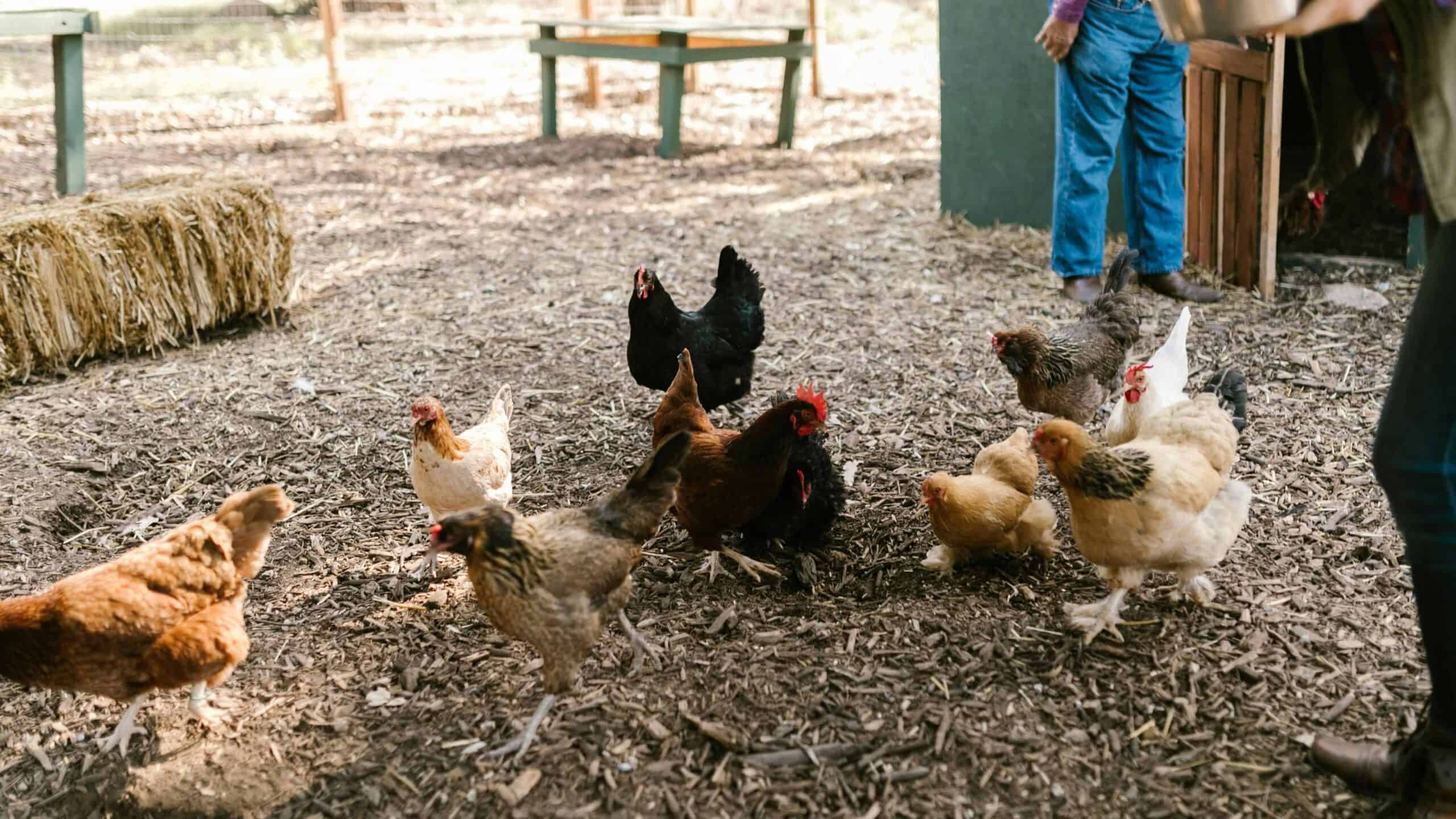
The age and size of both your existing flock and the newcomers significantly impact how smooth the introduction process will be. As a general rule, it’s easier to introduce birds of similar size and age to reduce bullying based on physical differences. Adult chickens can be especially harsh toward smaller birds, sometimes causing serious injury. If you’re introducing pullets (young hens) to an adult flock, wait until they’re at least 12-16 weeks old and approaching the size of your existing hens.
When introducing chicks raised in a brooder to an adult flock, the process takes considerably longer. Chicks should remain separated until they’re at least 8-12 weeks old, depending on the temperament of your existing flock. Some chicken keepers prefer to wait until pullets are point-of-lay age (around 18-20 weeks) before attempting integration, as this can reduce aggression from mature hens. Remember that the larger the size difference, the more supervision and gradual introduction steps you’ll need.
The “See But Don’t Touch” Method
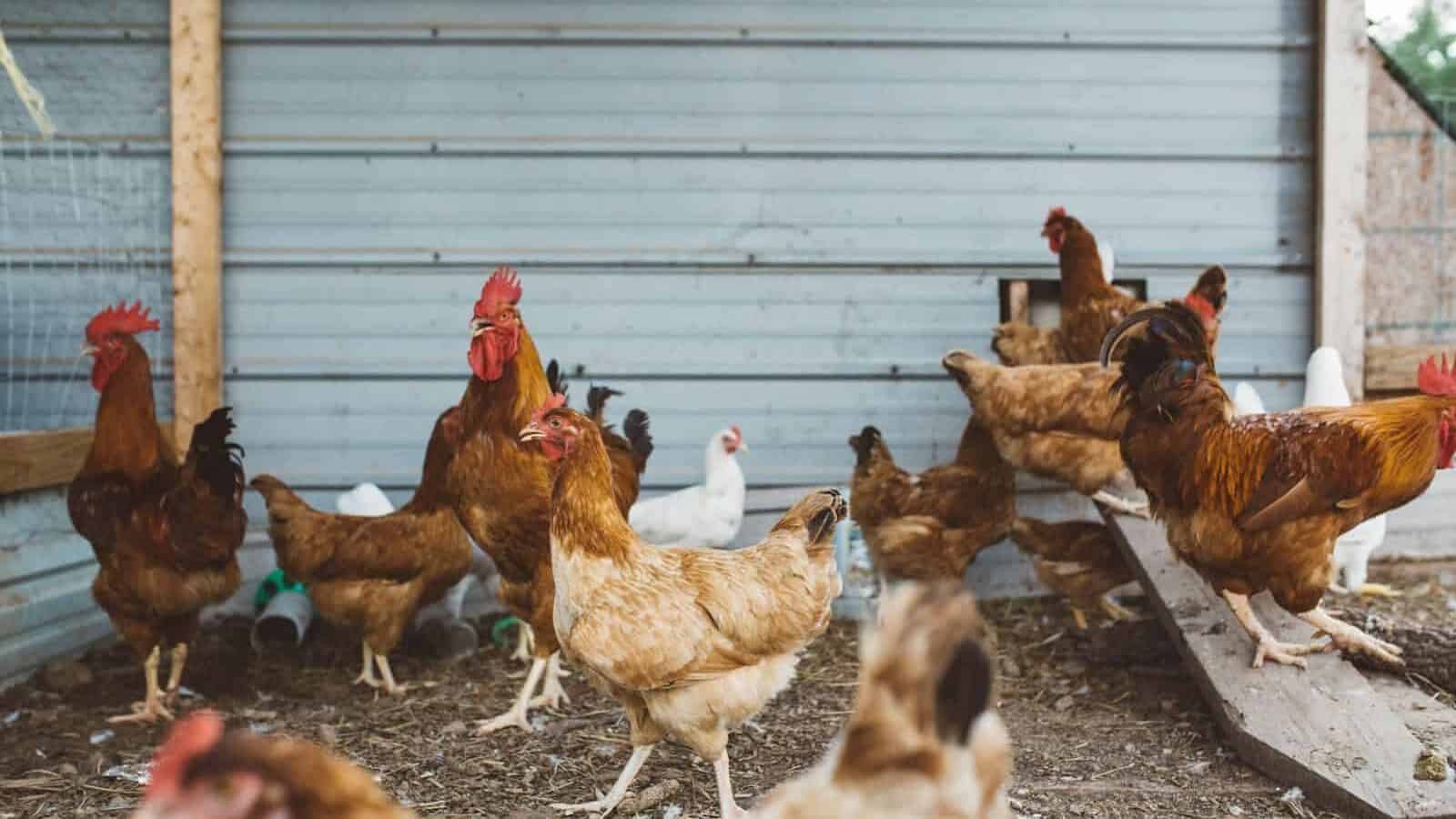
Once the quarantine period is complete and you’re ready to begin introductions, start with the “see but don’t touch” approach. This visual familiarization method allows both groups to become accustomed to each other’s presence without the ability to establish physical dominance. Place the newcomers in a secure enclosure with wire sides within view of the existing flock, but ensure the mesh is small enough that chickens cannot peck through it and hurt each other.
Maintain this arrangement for at least 7-10 days, allowing both groups to observe each other during normal daily activities. This visual introduction reduces the “stranger danger” response when physical integration happens later. During this period, you’ll likely notice both groups showing intense curiosity about each other. The existing flock may display some aggressive posturing toward the newcomers, but without physical contact, no harm will come from these displays. This stage is crucial for reducing the shock of new flock members and beginning the mental adjustment process.
Creating Neutral Territory
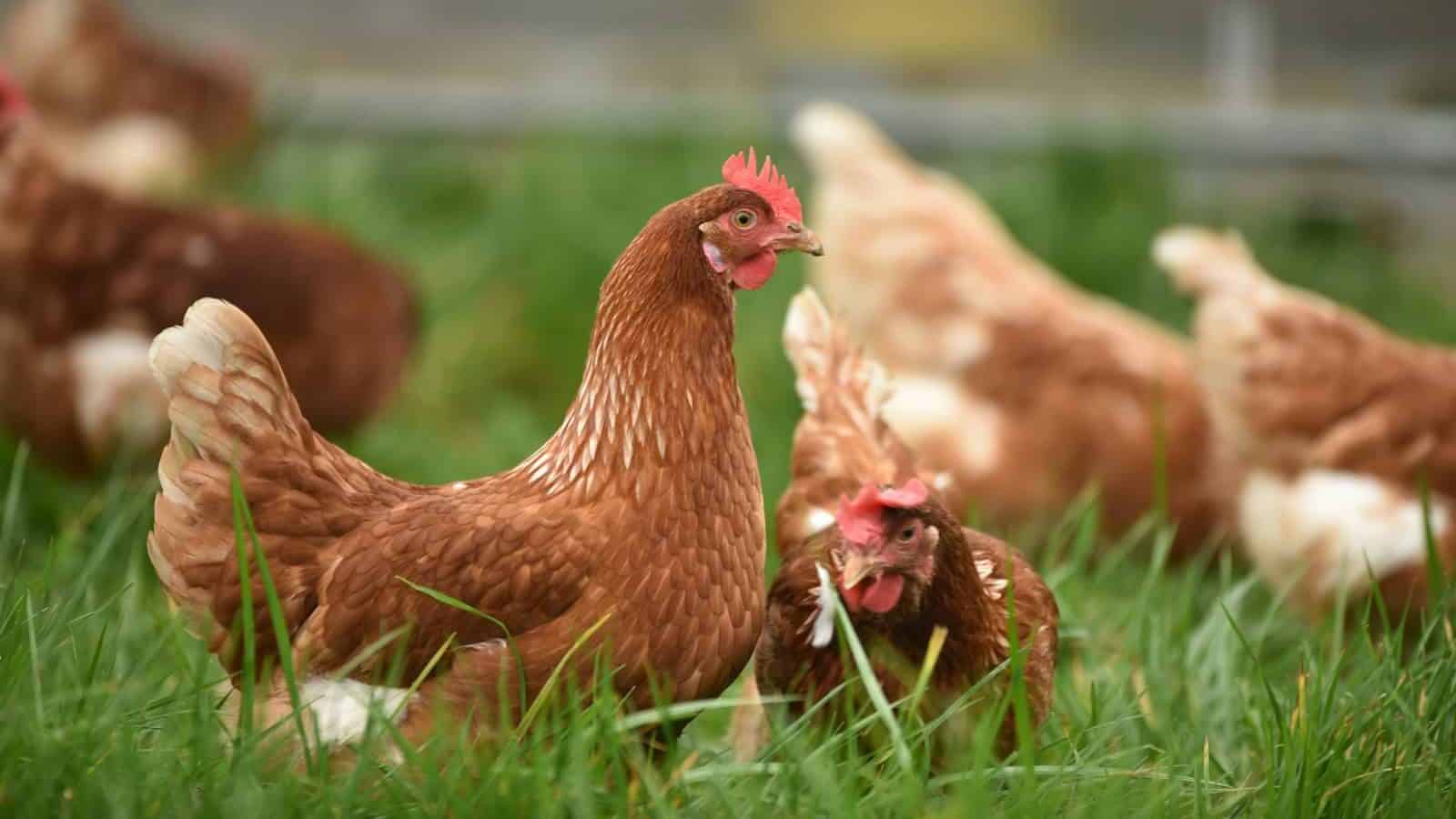
Chickens are highly territorial, so introducing new birds on the established flock’s “home turf” immediately puts newcomers at a disadvantage. Instead, create a neutral territory for the first physical interactions. This could be a section of the yard neither group has previously accessed, a temporary run, or even the existing run after you’ve rearranged feeders, waterers, and added new features to make it seem less familiar to the established flock.
When using the neutral territory method, allow both groups to explore this area together under close supervision. Provide multiple feeding and watering stations spread far apart to prevent resource guarding. The neutral ground reduces the territorial advantage of the existing flock and creates a more level playing field for establishing the new pecking order. Some chicken keepers find success by introducing just one or two new birds at a time rather than the entire group, which can feel less threatening to the established flock.
The “Divide and Mingle” Technique
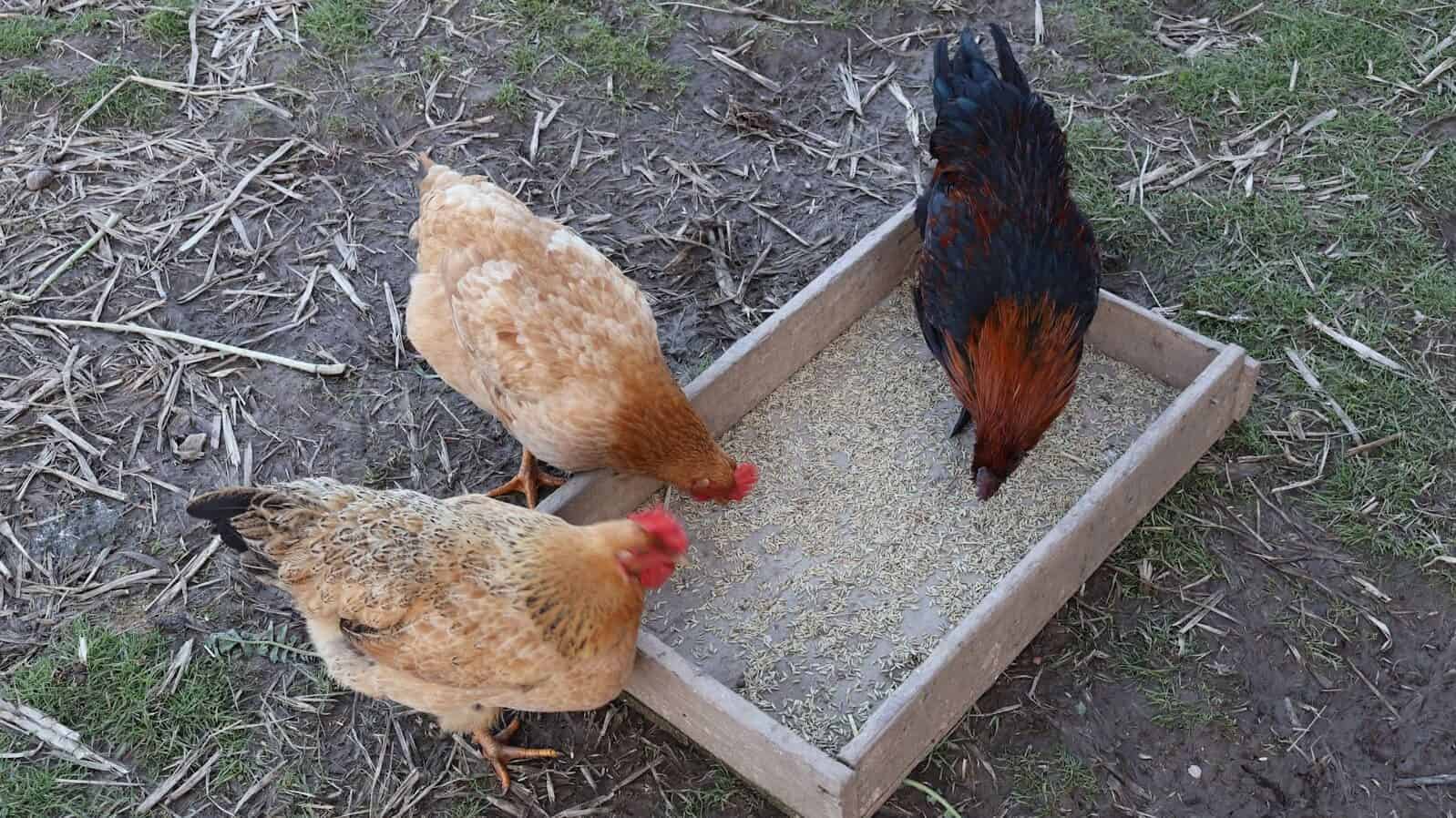
Another effective strategy is the “divide and mingle” technique. This approach involves temporarily dividing your main chicken run with poultry netting or hardware cloth, allowing the groups to share the same general space while still maintaining separation. Each side should have its own food, water, and shelter. This setup enables the chickens to interact along the divider while still having their own safe space to retreat to if interactions become stressful.
Implement this arrangement for 1-2 weeks, gradually allowing supervised mingling sessions. Start with short periods (15-30 minutes) of mixed flock time in the late afternoon, then separate them again before roosting time. Gradually increase these mingling sessions until you notice a decrease in aggressive behaviors. This method is particularly useful for larger flocks or when introducing several new birds at once, as it provides a more controlled environment for the inevitable pecking order adjustments.
Distraction Techniques
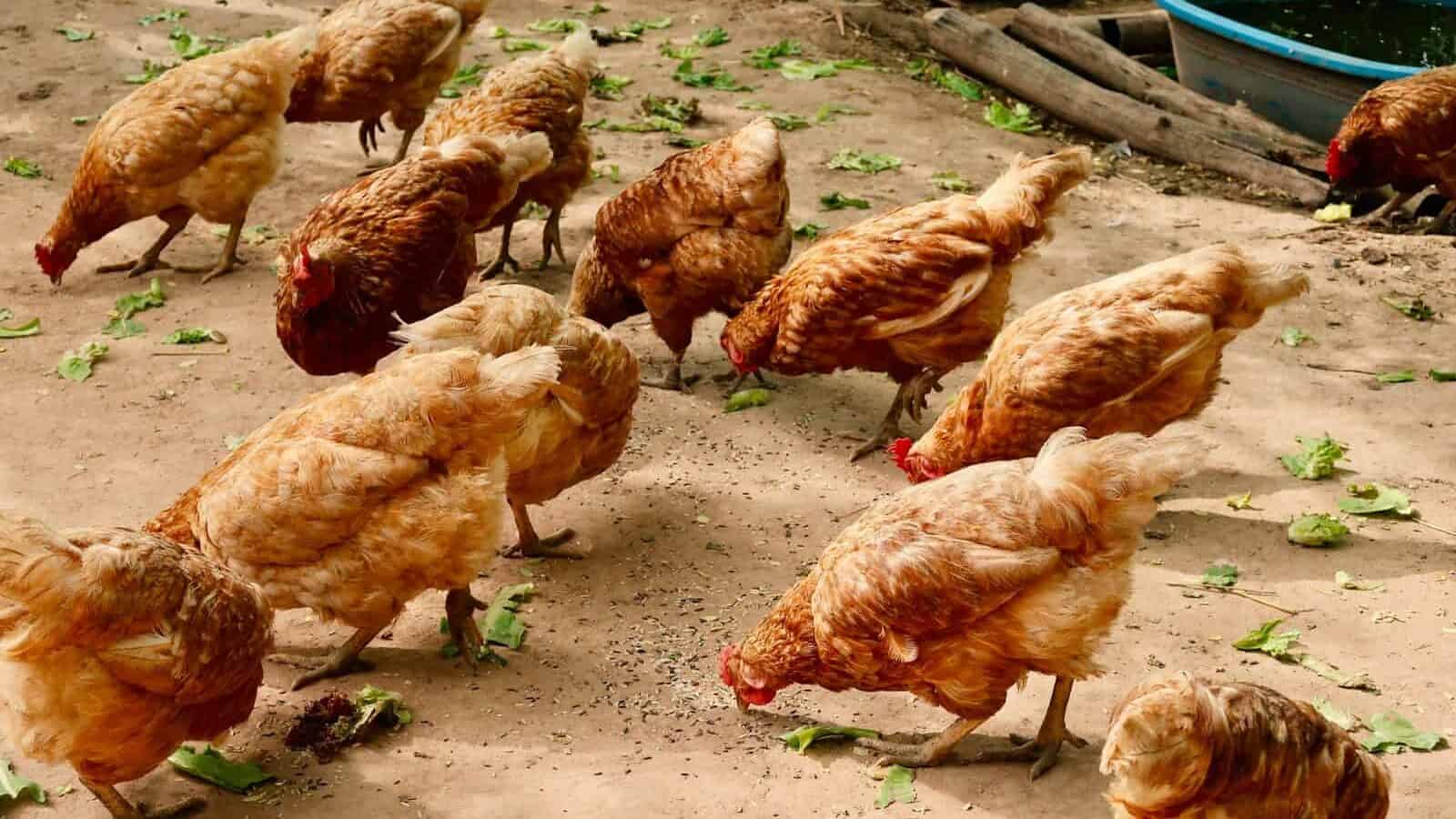
Distractions can significantly reduce aggression during the introduction process by redirecting the chickens’ focus away from the social hierarchy disruption. Scatter treats like mealworms, scratch grains, or fresh vegetables around the enclosure just before bringing the groups together. Hanging cabbage or lettuce heads for the chickens to peck at can also keep them occupied. These food-based distractions encourage positive associations with the presence of new flock members.
Environmental distractions can be equally effective. Adding new features to the run, such as branches for perching, dust bathing areas, or novel objects like a mirror or CD hanging at chicken eye level, can capture their attention. Some chicken keepers report success with introducing new birds on rainy or snowy days when the flock is less inclined to engage in territorial behaviors. The key is to provide multiple points of interest that prevent excessive focus on establishing dominance through aggression.
Nighttime Integration Strategy
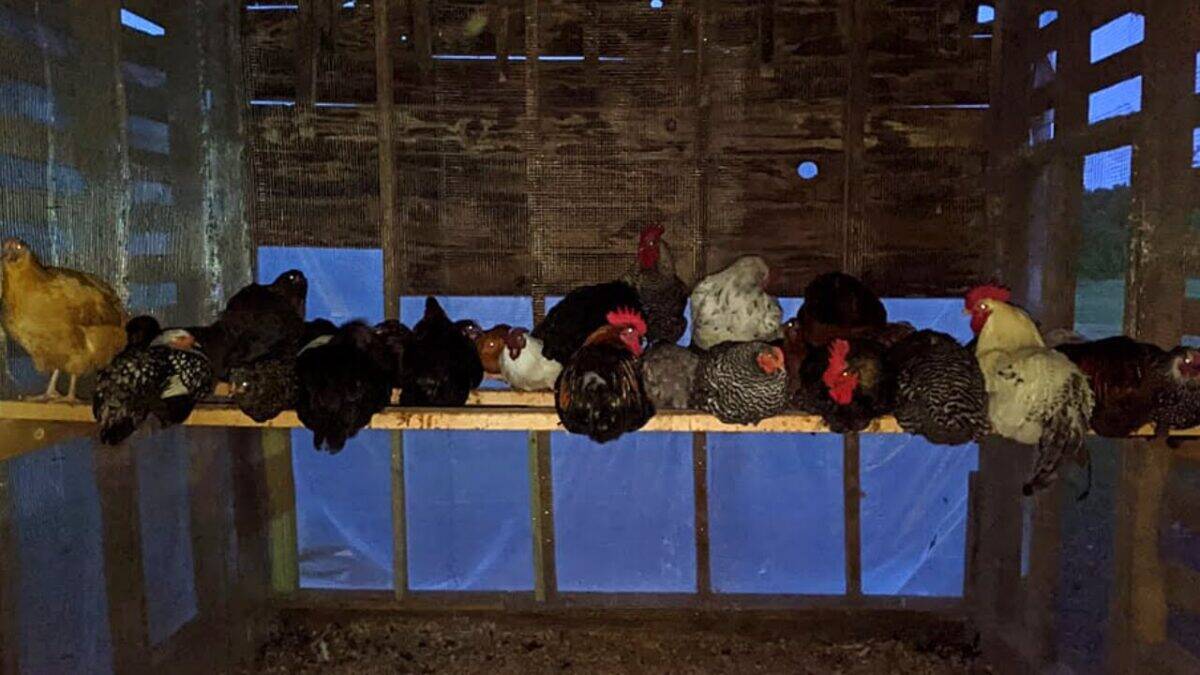
The “sneak them in at night” method is a time-tested approach that takes advantage of chickens’ docile state when roosting. After several weeks of visual familiarity through separated housing, place the new chickens on the roosts with the existing flock after dark when they’re all sleeping. Use a flashlight with a red filter (or cover a regular flashlight with red cellophane) as chickens see red light poorly, which helps keep them calm during the process.
This method works because chickens are much less aggressive when waking up together, and finding the newcomers already integrated into the coop makes them seem less like intruders. For best results, add the new chickens to the roost after the established flock has been asleep for at least an hour. Position the newcomers on the ends of the roosts rather than in the middle where dominant hens typically prefer to sleep. While this method isn’t foolproof, many chicken keepers find it creates a smoother transition than daytime introductions, especially when combined with other techniques like the prior visual familiarization period.
Modifying the Coop Environment
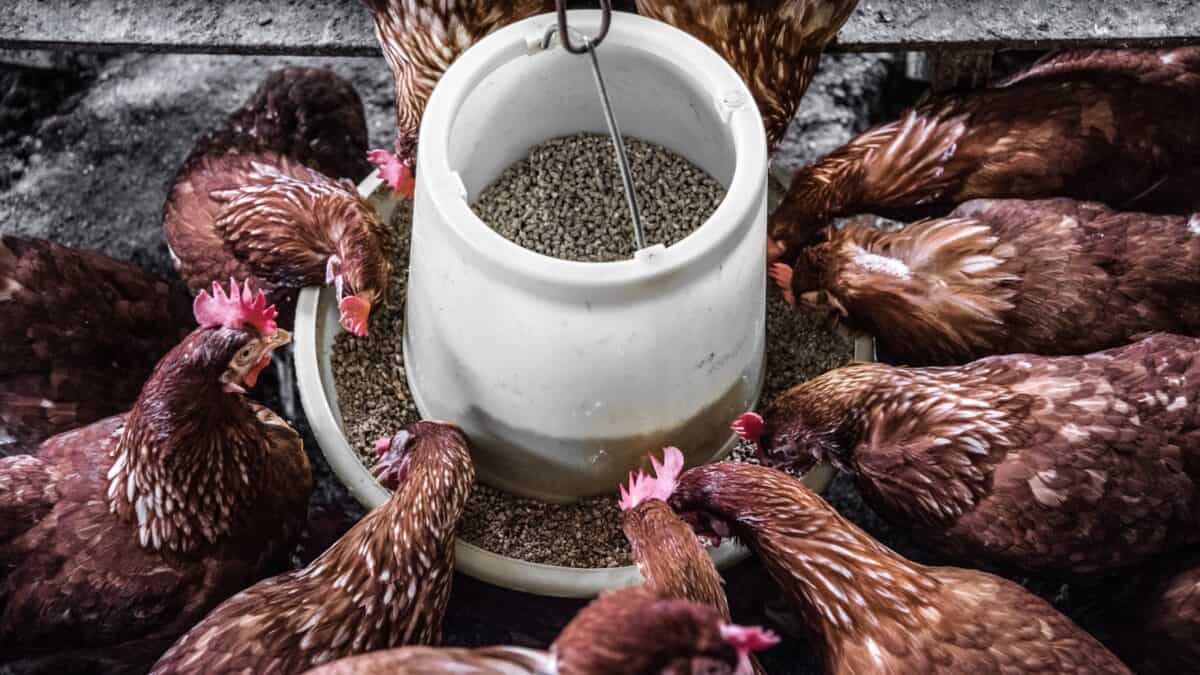
Making temporary modifications to your chicken coop can help reduce territorial behavior and provide safe spaces for new chickens. Increase the number of feeding and watering stations, placing them in different locations throughout the coop and run. As a general rule, provide at least one feeder and waterer for every 5-8 chickens. This abundance of resources reduces competition that could trigger aggression. Position these stations in open areas where chickens can’t get cornered while accessing food and water.
Create multiple hiding spots or visual barriers using straw bales, wooden platforms, or even large branches that allow newcomers to escape if they’re being chased or pecked. Temporary cardboard dividers in nesting boxes can also provide more options for hens and reduce competition. Some chicken keepers install “enrichment items” like hanging CD strings or cabbage tetherball to distract the flock and reduce focus on the newcomers. These environmental modifications should remain in place for at least 2-3 weeks after introduction to help reduce stress during the integration period.
Recognizing and Managing Aggression
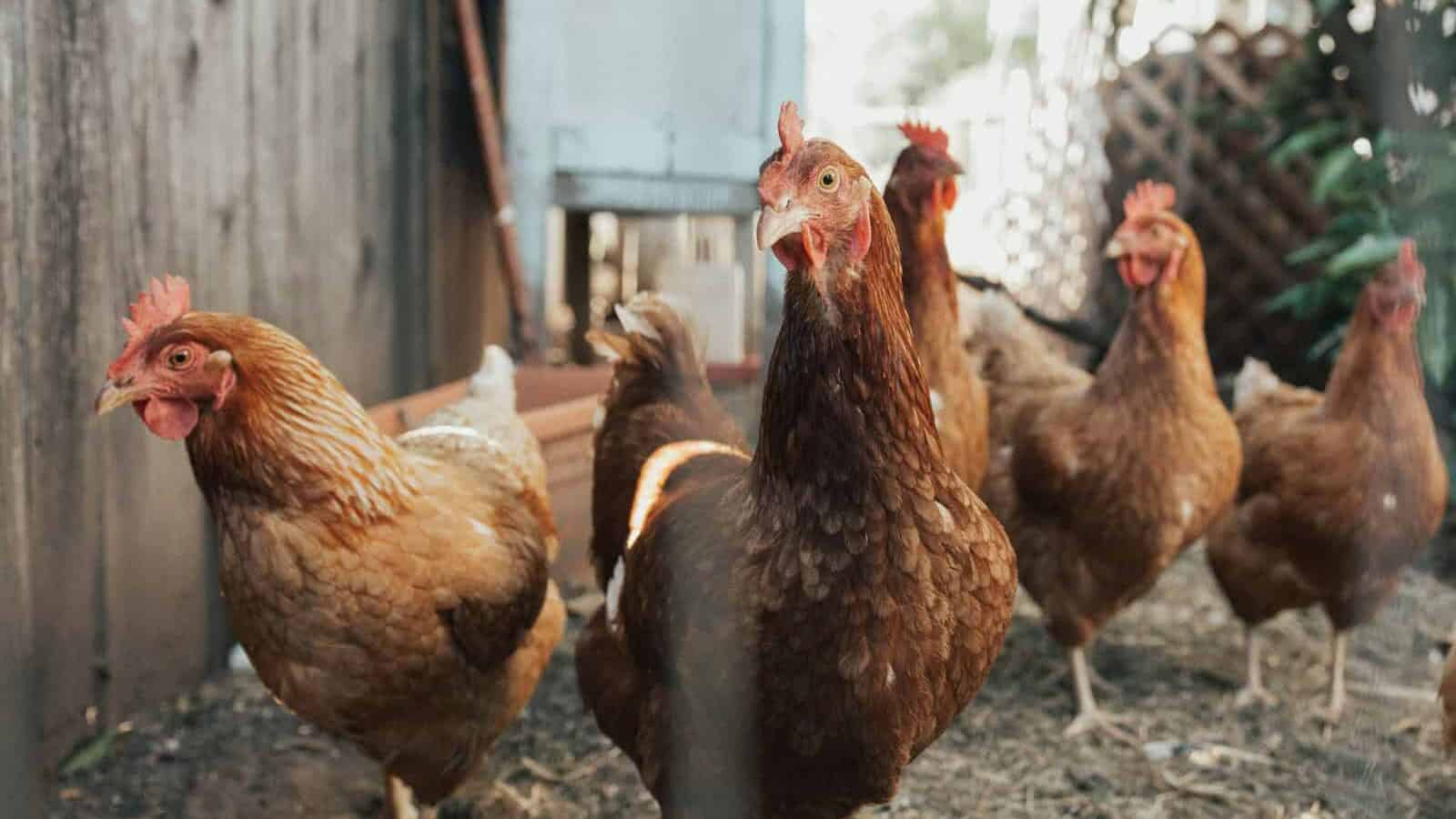
During integration, some level of aggression is normal and expected. The key is distinguishing between normal pecking order establishment and excessive aggression that requires intervention. Normal dominance behaviors include: brief chases, pecking at the head or neck without drawing blood, pushing at feeding time, and posturing with raised hackles. These behaviors help establish the hierarchy without causing harm and generally decrease within a few days to weeks as the social structure stabilizes.
Intervene immediately if you observe continuous chasing that prevents a chicken from eating or drinking, bloody wounds, severe feather pulling, or relentless bullying of a single bird. In these cases, temporarily remove either the aggressor or the victim, depending on which is easier to catch and isolate. For persistent aggressors, a “timeout” in a separate enclosure for 2-3 days can sometimes reset their behavior when reintroduced. In severe cases, fitting the aggressor with a “pinless peeper” or “blinders” that limit forward vision can reduce pecking while still allowing peripheral vision for normal activities.
Successfully introducing new chickens to an existing flock is a process that requires time, patience, and attentive observation. The methods outlined in this guide—from quarantining and visual familiarization to neutral territory meetings and nighttime integration—provide a comprehensive approach that can be adapted to your specific situation. Remember that chickens are individuals with unique personalities, and what works for one flock may need adjustment for another.
The most common mistake chicken keepers make is rushing the introduction process. A gradual approach over several weeks consistently yields better results than forced, immediate integration. By respecting the natural social dynamics of chickens and providing a controlled environment for the necessary pecking order adjustments, you can minimize stress and prevent serious conflicts.
With proper planning and execution, your expanded flock will eventually establish a new, stable social hierarchy. While minor squabbles may continue for a few weeks, most flocks reach a peaceful equilibrium within a month. Your reward for this patience will be a harmonious, well-adjusted flock that provides endless entertainment, fresh eggs, and the satisfaction of successful chicken keeping.
Remember that each integration experience teaches valuable lessons about chicken behavior and flock management that will make future introductions even smoother. By approaching the process with knowledge, patience, and respect for chicken social structures, you’ll set your expanded flock up for long-term success and harmony.

- 21 Scary Creatures You Might Run Into While Hiking In The U.S - June 3, 2026
- The Difference Between Turtles and Tortoises—Explained - June 3, 2026
- What Makes Owls the Silent Predators of the Night? - June 3, 2026