


Encountering wildlife in their natural habitat is one of hiking’s most magical rewards. That fleeting moment when you spot a deer silently crossing your path or glimpse a hawk soaring overhead can transform an ordinary hike into an unforgettable experience. However, these encounters come with responsibility. Both your safety and the wellbeing of wild animals depend on proper observation techniques and respectful behavior. This guide provides comprehensive advice on how to safely and ethically observe wildlife while enjoying the great outdoors, ensuring these experiences remain positive for both you and the animals you encounter.
Understanding Wildlife Behavior

Wild animals typically operate on instinct, making their behavior relatively predictable if you understand their patterns. Most wildlife species naturally avoid human contact and prefer to remain hidden. Animals generally perceive humans as potential predators, triggering their fight-or-flight response when they feel threatened. Learning basic behavioral cues helps tremendously in anticipating reactions. For example, a deer stomping its foot or a bear standing on its hind legs are warning signs that you’ve entered their comfort zone. According to wildlife biologists, animals display subtle signs of stress before exhibiting more obvious defensive behaviors—flattened ears, freezing in place, or intensely staring can all indicate discomfort. Familiarize yourself with these warning signs for common species in your hiking area before setting out.
Essential Wildlife Viewing Equipment

The right equipment enhances wildlife observation while maintaining a safe distance. Binoculars are perhaps the most important tool for wildlife watching, with 8×42 or 10×42 models offering an ideal balance of magnification and field of view for most hiking situations. A spotting scope provides even greater magnification for observing distant animals. Consider a camera with a telephoto lens (at least 200mm) to capture memorable encounters without approaching animals. Keep these tools accessible in a padded section of your backpack or in quick-release holsters. A small, waterproof field guide specific to your region helps with species identification and understanding behavior. Finally, consider downloading wildlife identification apps that work offline, as cell service is often unavailable in remote areas.
The Safe Distance Rule

Maintaining appropriate distance is the golden rule of wildlife observation. National Park Service guidelines recommend staying at least 25 yards (23 meters) from most wildlife and at least 100 yards (91 meters) from predators like bears and wolves. These distances should increase during sensitive times like mating season or when animals are with young. A helpful technique is the “thumb rule”: if you can cover the entire animal with your extended thumb, you’re likely at a safe distance. Remember that animals require space not just for safety but also to perform natural behaviors. According to a 2019 study in the journal Conservation Biology, even seemingly harmless human proximity can elevate stress hormones in wildlife, potentially affecting their feeding and reproductive patterns. If an animal changes its behavior because of your presence—stops feeding, stares alertly, or begins to move away—you’re too close.
Best Times for Wildlife Viewing
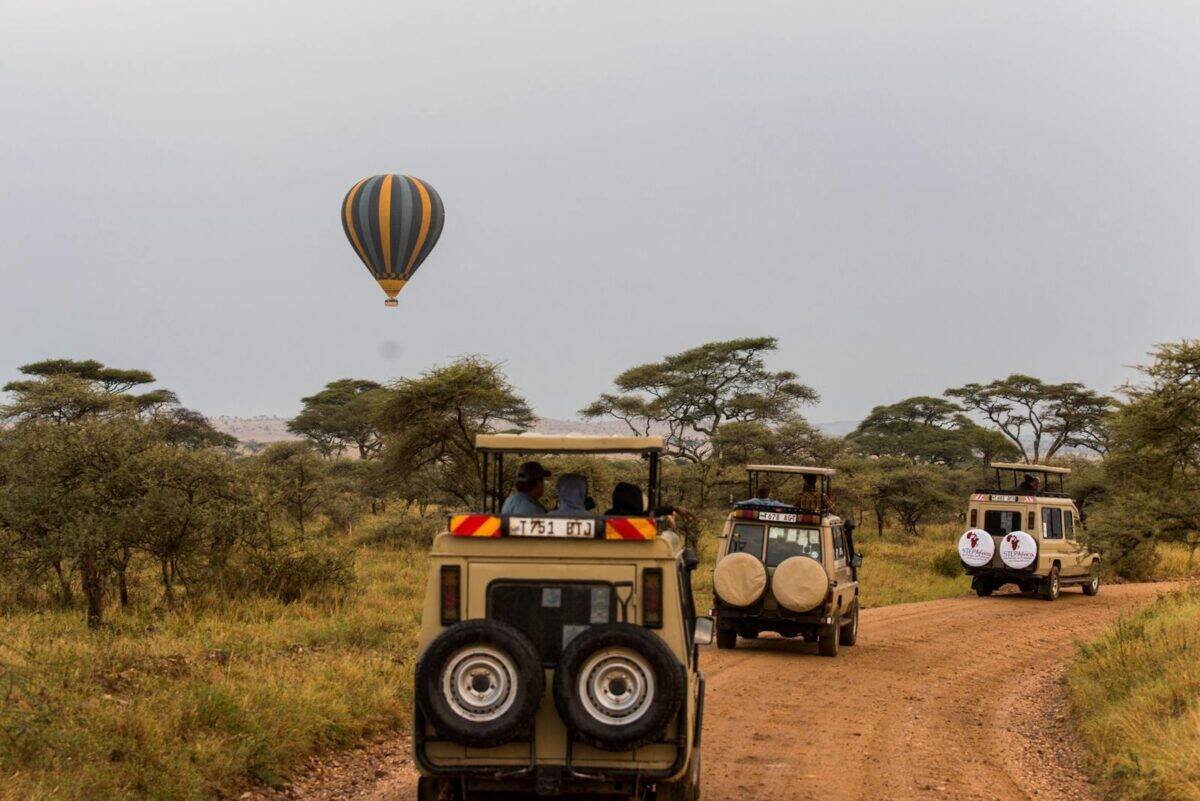
Wildlife activity follows predictable patterns that savvy hikers can leverage for better observation opportunities. Many species are most active during the crepuscular hours—dawn and dusk—when they’re either beginning or ending their daily routines. Early morning offers excellent viewing as animals often feed actively after the night. The hour surrounding sunrise is particularly productive, with research showing up to 70% more observable wildlife activity compared to midday hours. Seasonal considerations also matter significantly. Spring brings breeding behaviors and newborn animals, while fall migration creates concentrated wildlife movements. Weather influences activity too—moderate overcast days often produce more wildlife sightings than bright, sunny conditions when many animals seek shade. Rain showers can be surprisingly good for viewing as many animals become active immediately after precipitation stops. Plan your hikes accordingly, and consider consulting local ranger stations for specific wildlife activity reports in your area.
Identifying Wildlife Habitats

Understanding habitat preferences dramatically increases your chances of respectful wildlife encounters. Edge habitats—where two ecosystem types meet, such as forest borders adjoining meadows—typically support greater biodiversity and wildlife activity. Water sources like streams, ponds, and natural springs are wildlife magnets, especially during dry seasons when animals visit regularly. Look for game trails—narrow paths created by repeated animal movement—which often lead to feeding areas or water sources. Wildlife tends to frequent areas with abundant food sources relevant to their diet; berry patches attract bears and birds, while grassy meadows draw grazing herbivores. Reading the landscape also involves noticing signs of wildlife presence: tracks in mud or snow, scat (animal droppings), scratch marks on trees, or disturbed vegetation. A 2020 survey by the Wildlife Society found that hikers who could identify at least three habitat types were 40% more likely to report satisfying wildlife encounters than those without such knowledge.
Minimizing Your Presence
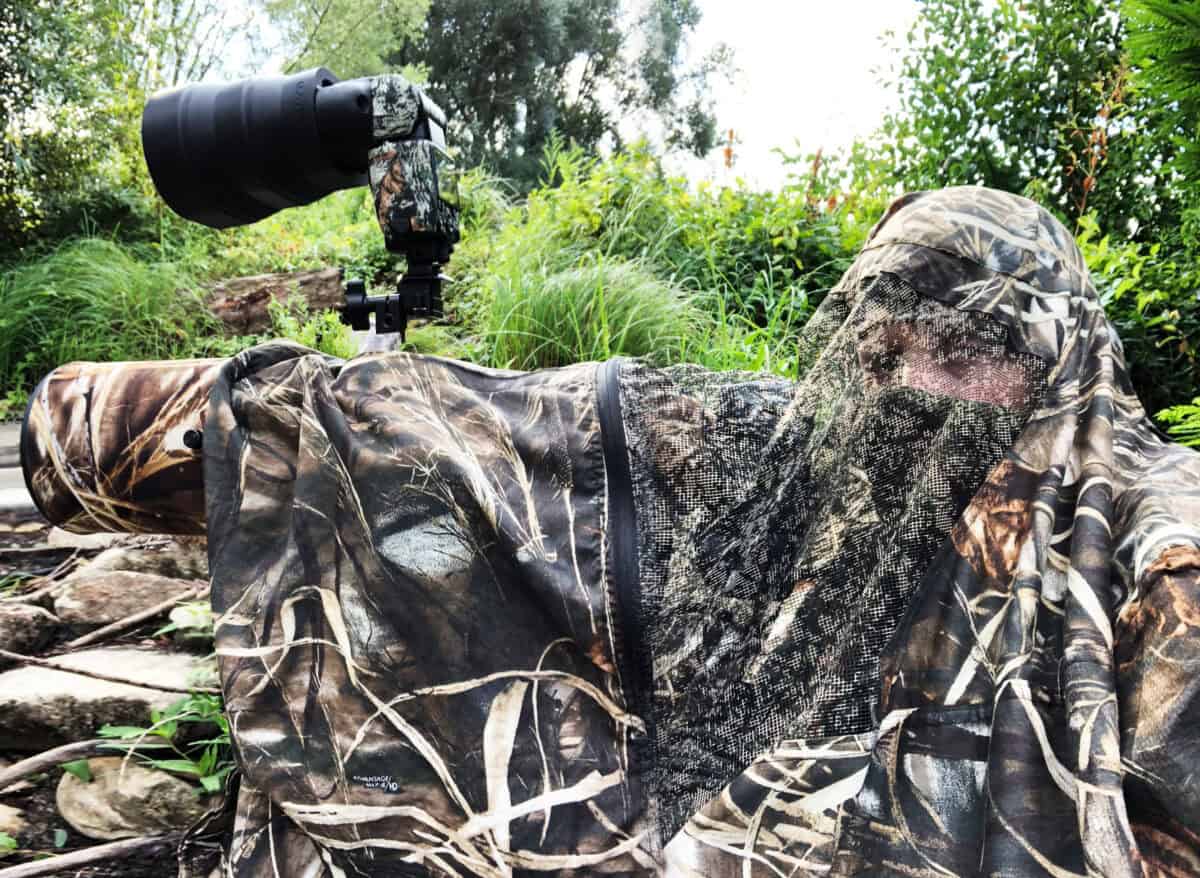
Wild animals rely heavily on their acute senses, making it essential to minimize your sensory footprint while hiking. Visual camouflage doesn’t require full hunting gear—simply wear earth-toned clothing that blends with the environment rather than bright colors that stand out. Scent control matters tremendously as many mammals have olfactory senses thousands of times more sensitive than humans. Avoid wearing perfumes or scented products, and consider staying downwind from areas where you expect to find wildlife. Noise discipline is equally important—speak quietly, silence electronic devices, and walk softly, especially in areas with dry leaves or brittle vegetation. Movement should be slow and deliberate; rapid or erratic motions trigger predator alerts in most species. When stopping to observe wildlife, try finding a natural blind like a large tree or rock formation that breaks up your human silhouette. Research from wildlife management programs indicates that animals habituate less to human presence when people practice these minimization techniques, meaning the wildlife remains truly wild—behaving naturally rather than adapting to human interference.
Trail Etiquette for Wildlife Encounters
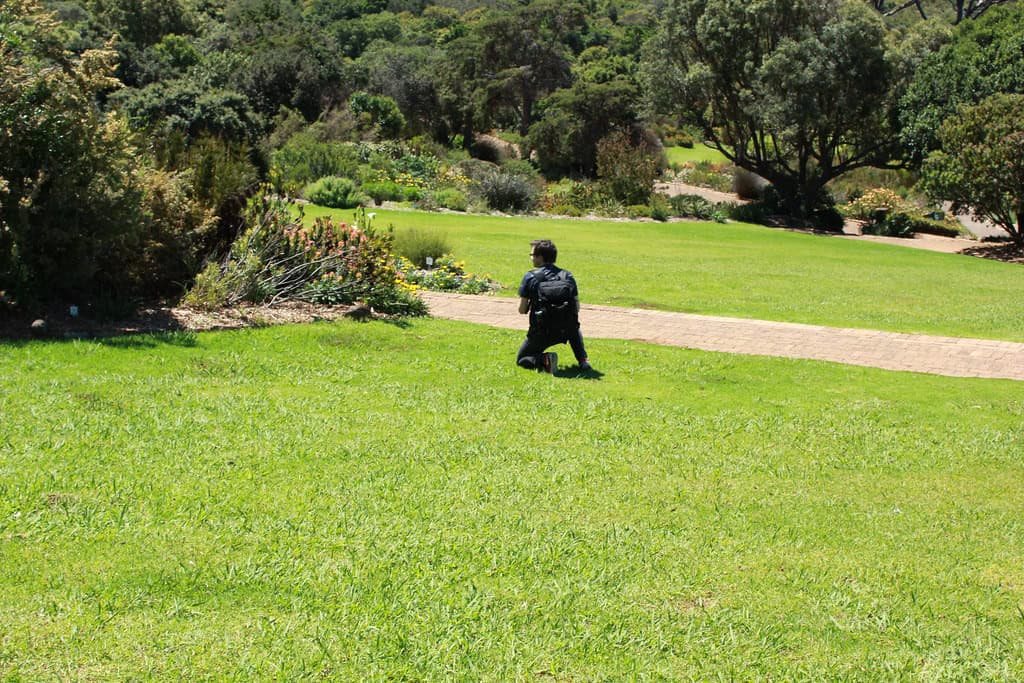
Proper trail etiquette ensures both your safety and minimum wildlife disturbance. When encountering animals on the trail, always yield the right of way and back away slowly if necessary. Never follow, chase, or attempt to approach wildlife for better photos or viewing. If you discover a wildlife corridor (an area frequently used by animals to travel), move through quickly and quietly to minimize disruption. Hiking in smaller groups creates less disturbance than large, noisy parties. When hiking with others, designate a “spotter” who can alert the group to wildlife presence before everyone rushes forward. For viewing sessions, establish a time limit—wildlife biologists recommend observing for no more than 20 minutes before moving on, preventing undue stress on the animals. If other hikers are already observing wildlife, approach quietly and ask permission to join rather than creating additional disturbance. The International Ecotourism Society reports that groups following these principles report 65% more positive wildlife encounters than those who don’t practice proper etiquette.
Ethical Wildlife Photography

Capturing wildlife images creates lasting memories but requires additional ethical considerations. The North American Nature Photography Association has established clear guidelines summarized as: “Take only photographs, leave only footprints, keep only memories.” Use telephoto lenses (200mm or longer) to maintain safe distances while still capturing detailed images. Never use flash photography with wildlife as it can temporarily blind nocturnal animals and disrupt natural behaviors. Resist the temptation to position animals or manipulate their environment for better compositions. Baiting—leaving food to attract animals for photography—is not only unethical but illegal in many protected areas, carrying fines up to $5,000 in U.S. National Parks. If photographing sensitive locations like dens or nests, conceal these details when sharing images online to prevent disturbance by others. A 2021 study in the Journal of Ecotourism found that ethical wildlife photographers observed increased sightings over time, while those using disruptive techniques experienced declining encounters as animals learned to avoid these individuals.
Responding to Dangerous Wildlife

While most wildlife encounters are harmless, knowing how to respond to potentially dangerous situations is crucial. Different predators require different responses. With bears, your reaction should vary by species: with black bears, experts recommend standing your ground, making yourself appear larger, and making noise; with grizzlies, avoid eye contact and slowly back away. For mountain lions, maintain eye contact, make yourself appear larger, and fight back aggressively if attacked. Snake encounters require staying calm and slowly moving away—most snakebites occur when people try to kill or handle snakes. Never run from predators as this can trigger chase instincts. Traveling in groups of three or more significantly reduces the risk of predatory attacks, according to data from the International Association for Bear Research and Management. Carry wildlife deterrents appropriate to your region: bear spray has proven 98% effective in preventing injury during bear encounters when used correctly. Finally, report all aggressive wildlife encounters to local rangers or wildlife authorities, as this helps them monitor potentially problematic animals and protect future hikers.
Seasonal Considerations

Wildlife behavior varies dramatically across seasons, requiring hikers to adjust their observation strategies accordingly. Spring brings heightened caution requirements as many species have vulnerable young and exhibit more territorial behavior. Mother animals with offspring deserve extra distance—at least double the standard recommendation. According to the U.S. Fish and Wildlife Service, approximately 80% of negative human-wildlife confrontations during spring involve females protecting young. Summer heat shifts many animals to crepuscular (dawn/dusk) activity patterns to avoid midday temperatures. Fall brings mating seasons for many species, particularly deer and elk, when males become more aggressive and territorial. During rutting season, male ungulates may perceive humans as competition and charge without provocation. Winter observations require special sensitivity to animals’ energy conservation needs—wildlife disturbed during winter must expend precious calories they may struggle to replace. Research from the Yellowstone Ecological Research Center indicates that ungulates disturbed in winter can lose up to 15% of their critical fat reserves if forced to flee repeatedly, potentially affecting survival rates.
Teaching Children Wildlife Observation

Introducing children to wildlife observation builds lasting conservation values while requiring additional safety precautions. Make wildlife watching interactive by creating simple scavenger hunts for animal signs like tracks, scat, or feathers rather than focusing solely on spotting animals themselves. Teach children the “freeze game”—practice standing completely still and quiet when wildlife appears. Establish clear rules before hiking: use “library voices,” no running, and always stay with adults. Binoculars sized for smaller hands help children maintain appropriate distances while still enjoying detailed views. The Junior Ranger programs available at most national parks offer excellent wildlife observation activities designed specifically for children. A 2018 study in the Journal of Environmental Education found that children who regularly observed wildlife before age 12 were three times more likely to engage in conservation efforts as adults. Remember that children’s excitement can be difficult to contain—practice wildlife observation skills in controlled environments like nature centers before wilderness expeditions.
What Never to Do During Wildlife Encounters

Certain behaviors pose serious risks to both wildlife and humans and should be strictly avoided. Never feed wild animals, regardless of how harmless or hungry they appear. Feeding wildlife creates dangerous dependencies, alters natural behaviors, and can lead to human food habituation that frequently results in animals being euthanized. According to National Park Service statistics, animals that obtain human food are 520% more likely to become “problem animals” requiring management intervention. Taking selfies with wildlife has become a particularly dangerous trend—since 2015, more people have been injured by wildlife while attempting selfies than during any other activity in U.S. National Parks. Never attempt to touch, pet, or handle wild animals, even if they appear tame or injured. Instead, note the location and contact wildlife authorities. Approaching dens, nests, or burrows is particularly disruptive and may cause parents to abandon young. Finally, never come between mothers and their offspring or separate herd animals from their group—both situations create exceptional stress and may trigger aggressive defensive responses.
Responsible wildlife observation creates meaningful connections with nature while preserving the wild essence of the animals we admire. By maintaining appropriate distances, understanding wildlife behavior, and minimizing our impact, we ensure these encounters remain positive for both parties. Each wildlife sighting represents a privilege—a glimpse into an ancient world that exists parallel to our human experience yet remains fundamentally separate. The knowledge and appreciation gained through ethical wildlife observation often translates into broader conservation awareness, as people protect what they come to value through personal experience. As wildlife habitats continue to face pressure from human development, practicing and teaching these responsible observation techniques becomes increasingly important for ensuring future generations can experience the same wonder we feel when glimpsing animals in their natural setting.

- How to Safely Observe Wild Animals While Hiking - July 12, 2026
- The Wild Horses of Wyoming and the Fight to Protect Them - July 12, 2026
- How Some Fish Can Breathe Both Underwater and on Land - July 12, 2026
Leave a comment
You must be logged in to post a comment.