

That familiar feeling when you’re showering your cat with affection, only to be met with what appears to be total indifference? Your furry friend might seem completely unimpressed by your loving gestures, perhaps even walking away mid-cuddle session. Yet something deeper is happening beneath that seemingly aloof exterior.
Research has revealed fascinating insights about feline attachment. A study published in Current Biology found that cats form attachment bonds to their human caretakers in very much the same way that dogs and human children do. After observing key secure attachment behaviors in over 65% of cats and kittens involved in the study, researchers concluded that “we may be underestimating cats’ socio-cognitive abilities.” Your cat is paying closer attention than you might think, processing every interaction in ways that science is only beginning to understand. Let’s dive into the subtle world of feline affection and discover how your cat truly perceives your love.
The Science Behind Those Slow, Sleepy Blinks
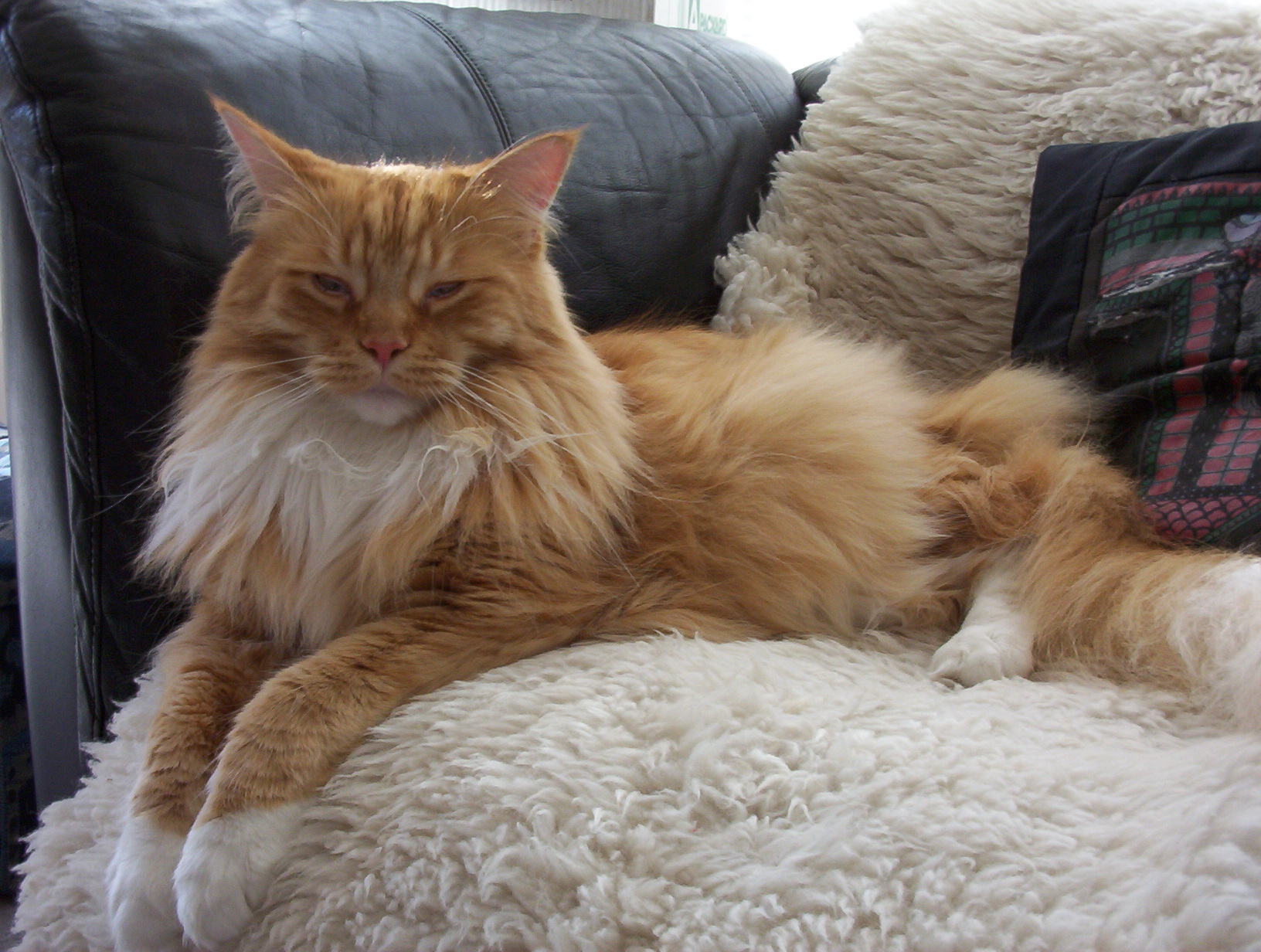
Research suggests slow blinks are associated with a positive emotional state and can be a sign of trust, contentment and affection, similar to a human smile. When your cat looks at you with half-closed eyes and delivers those languid, deliberate blinks, they’re essentially giving you a feline kiss. Research has even found that if you initiate slow blinks or kitty kisses, your cat is more likely to approach you and seek out attention.
“When a cat sits across from you and stares at you with sleepy-looking eyes, blinking slowly, it might seem like they’re bored or tired. But those slow blinks are actually how they communicate peace and connection,” says Dr. Sarah Wooten, a small animal veterinarian. Think of it as your cat’s way of saying they feel completely safe with you. This isn’t something they’d do with just anyone.
The Hidden Language of Purring

Scientific research suggests that cats purr at certain frequencies when around trusted humans, possibly to strengthen their bond. That rumbling motor sound isn’t just about physical comfort. Feline behaviorists have found that cats purr for a variety of reasons, but they believe that purring first starts as a form of communication and bonding mechanism between kittens and their mothers. It’s also a common indicator of comfort and ease. If your cat purrs contently when they are around you, there’s a good chance they also feel bonded with you and is relaxed in your presence.
Purring doesn’t always mean affection, as cats purr for many reasons, including happiness or contentment, but also for pain or sickness. “But if your cat’s just hanging out at home and they’re near you, and suddenly you hear the motor go on, that’s a pretty good sign that they love you,” says Wooten. It’s their way of acknowledging that your presence makes them feel secure and loved.
Head Bonks and Cheek Rubs Mean You’re Family
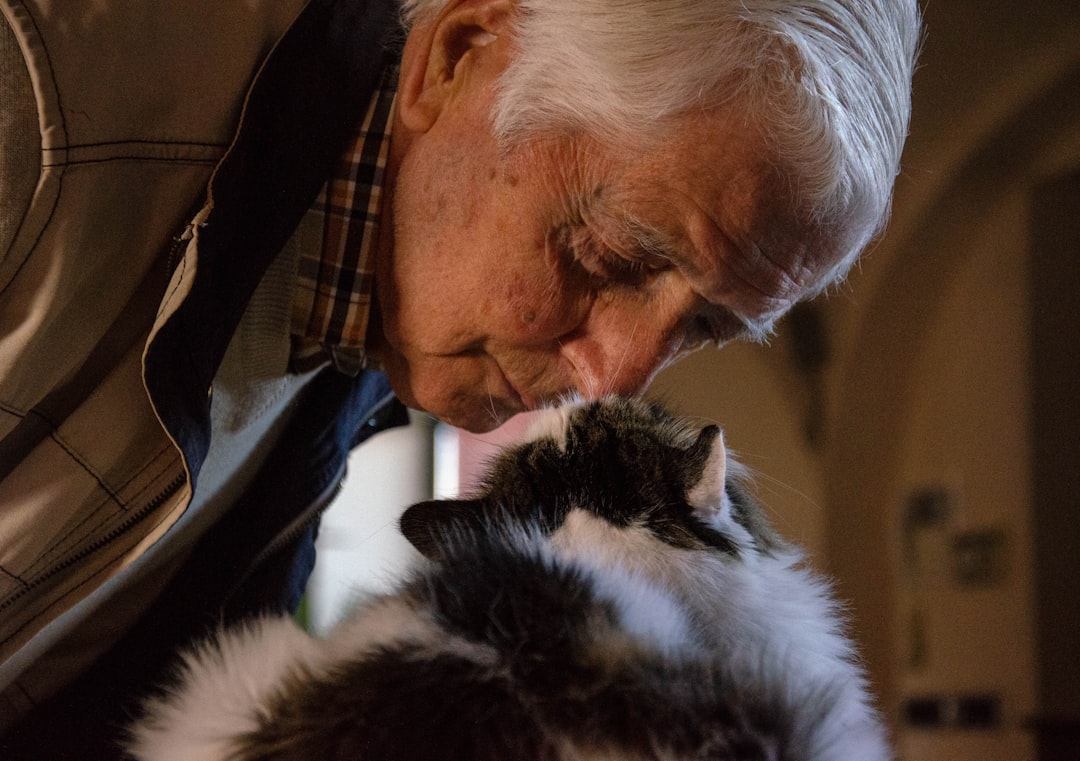
One of the most endearing behaviors of cats is when they head butt you and rub against your body. Not only is it cute to watch, it’s a sure sign that your cat loves and cares for you. In fact, by head butting you, your cat is leaving pheromones on you to let everyone else know that you belong to them. This behavior, called bunting, is essentially your cat’s way of claiming you as part of their social group.
Headbutting and cheek rubbing are both social behaviours that are learnt and expressed throughout kitten-hood. Both are ways in which cats build bonds and affection with other animals and by extension, with the humans they do it to. Cats have an incredibly sophisticated sense of smell and when they love another creature, attempt to both mark and mingle scents with them. When your cat presses their face against yours, they’re essentially saying you’re their chosen person.
Those “Annoying” Love Bites Are Actually Affection

Biting is generally something people associate with negative feelings, but cats are a little different. When your cat nibbles you playfully, they’re really offering their affection. This is much different from a fearful or defensive bite that’s meant to cause harm, and the feelings behind it are different as well. These gentle nips aren’t signs of aggression but rather expressions of overwhelming fondness.
A cat’s “love bites” or nipping are not meant to cause pain. Instead, these slight pinches are used while showing affection and bonded feelings. Nipping is also linked to grooming behaviors. Think of it as your cat treating you like another cat in their family, where gentle nibbles during grooming sessions are completely normal expressions of care.
The Kneading Ritual Takes You Back to Kittenhood
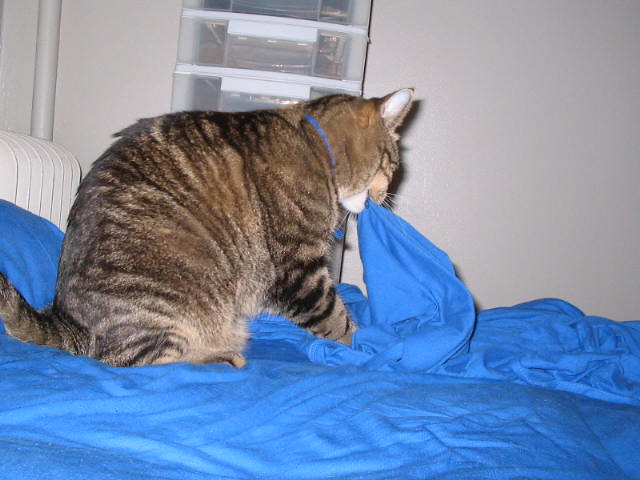
Cats begin kneading as tiny kittens when they are nursing. This behavior is the act of them doing a small little march on your leg, and it translates into affection in adult life. When your cat kneads you, they’re being very clear that you make them feel loved and comfortable. Kneading is probably one of the most well-known ways cats show affection, and it’s certainly no myth.
The rhythmic kneading cats do on blankets, pillows, or their humans is a behavior that mimics what they did while nursing as kittens. “It’s just a leftover instinctual thing that they do when they feel super happy and super connected,” says Wooten. “So if your cat makes biscuits when they’re near you, that is a sign of love and connection.” Your cat is essentially treating you like their mother figure.
Following You Around Isn’t Clinginess – It’s Love
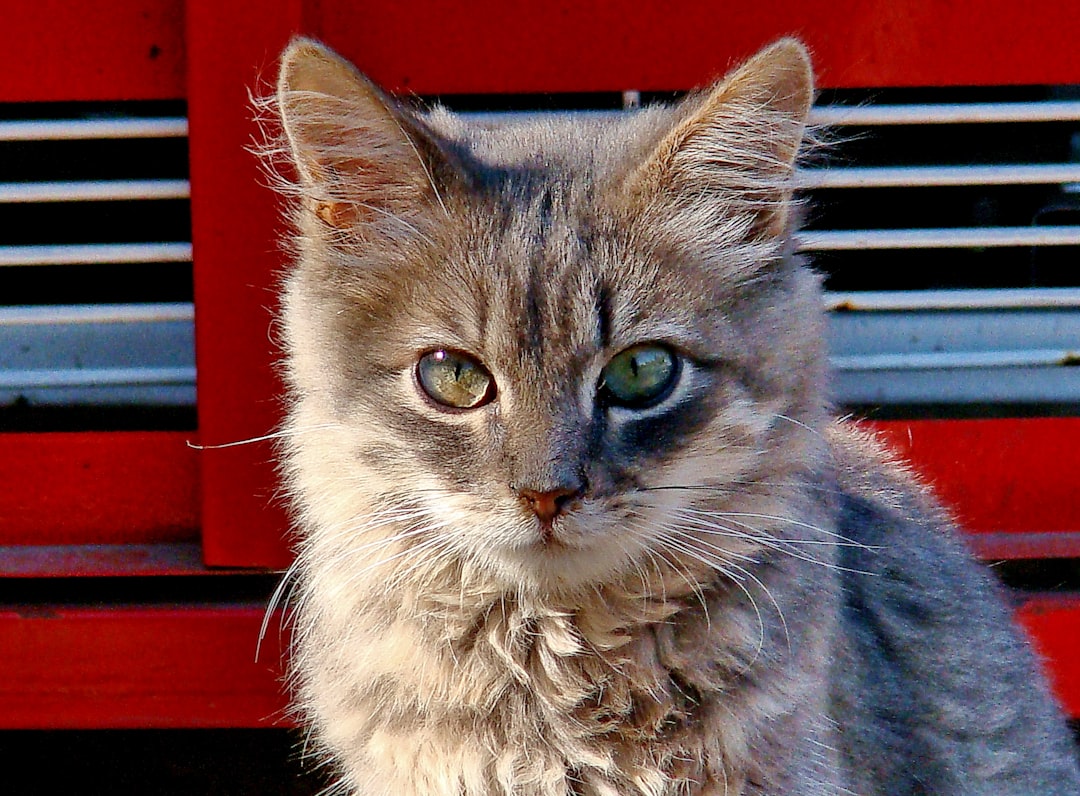
Ever notice that kitty likes to trail you around the house? There can be many reasons for this – from wanting food to being anxious – but there are many cases in which your cat simply enjoys your company and wants to be with you. If it’s not close to feeding time, and your cat isn’t acting like they want anything, chances are they are just trying to bask in your presence.
Some cats are independent, but others want to be close to their owners whenever possible. Some cats will be subtle about this and will simply make sure they’re always in the same room as you. You might not even notice that they’ve been following you until you turn around and notice them curled up in a chair, watching you. This shadowing behavior is actually a profound compliment from your cat.
Bringing You “Presents” Shows Deep Affection
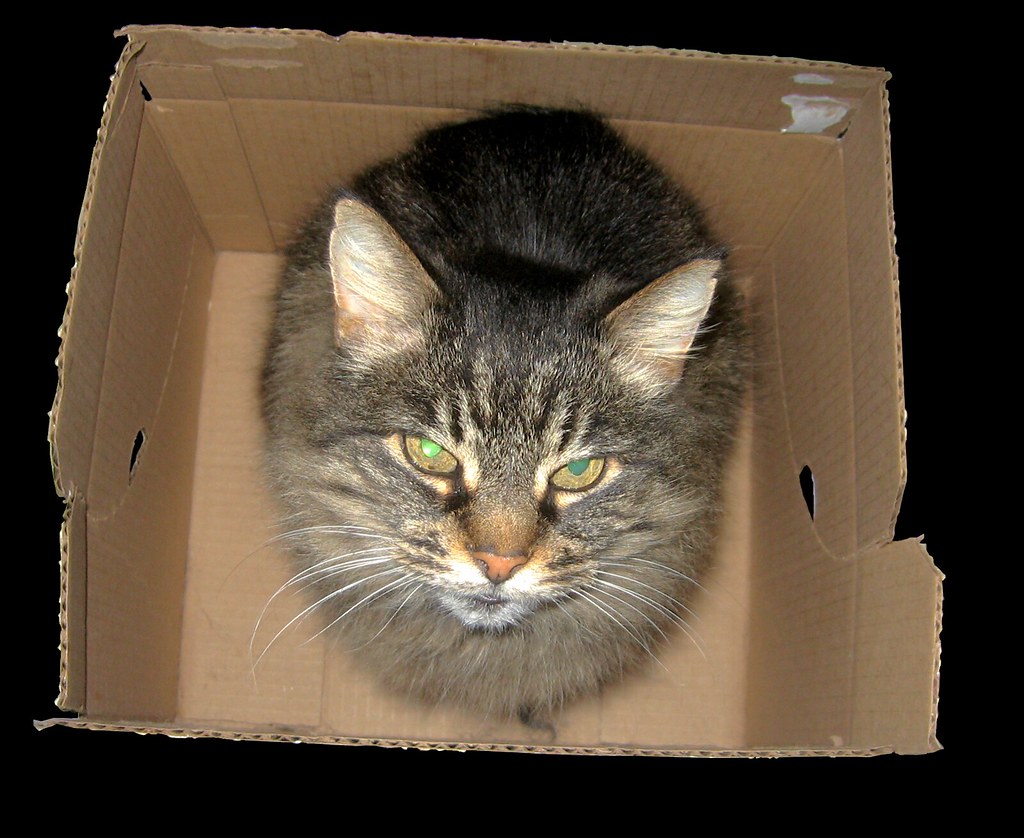
Oftentimes, cats show their affection by leaving presents for their caregivers to find. Cats are natural hunters, so when your kitty brings you freshly caught prey, they’re actually offering you a delicious meal. You don’t want to touch it with your bare hands, but keep in mind they mean well and this behavior really is a sign that they care deeply for you.
Cats are natural hunters, and some unfortunate side effects of this instinctual behavior are the bodies of mice and birds that might end up on your front steps. Outdoor cats will attempt to bring their humans freshly killed “presents” as a sign of goodwill and pride – they are both showing you what they can do and trying to feed you. Indoor cats sometimes mimic this behavior by “hunting” and depositing their toys in front of their humans. It’s their way of providing for their beloved family member.
Sleeping Near You Shows Ultimate Trust
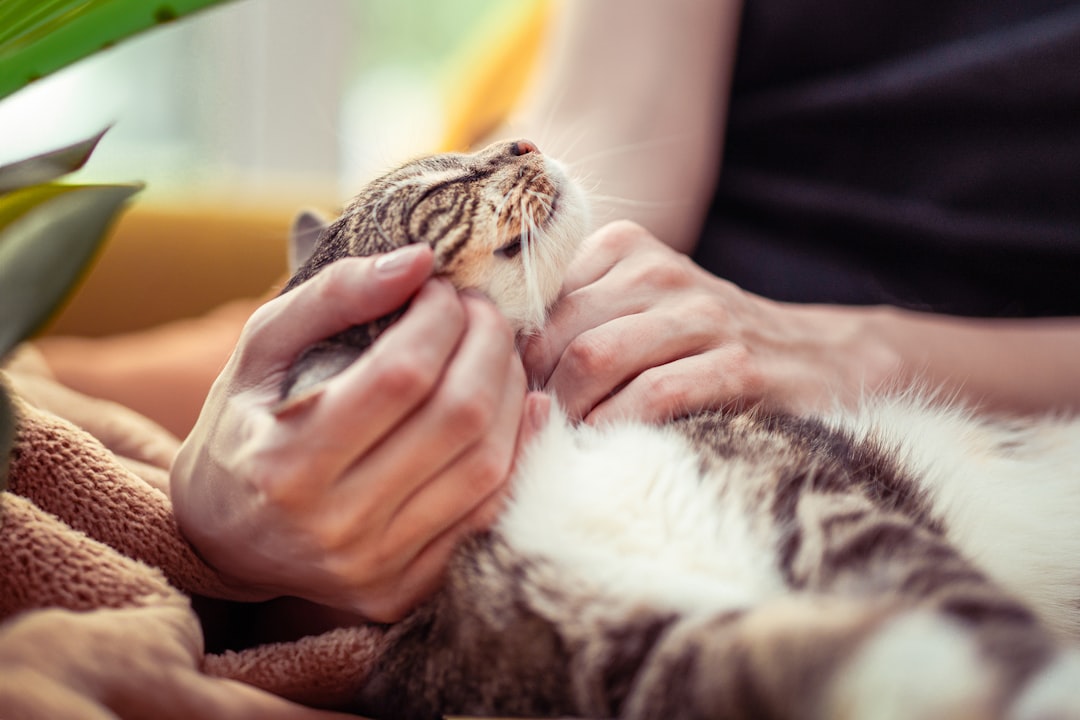
Does your cat like to sleep in your arms or on your lap? Consider yourself loved! Cats can sleep anywhere from 10 to 15 hours each day. They are most vulnerable while sleeping and choose places that are safe and secure. There is no better compliment to you than a cat who chooses to fall asleep on you. This means they are completely comfortable with you and trust they are in safe and loving hands.
Like most animals, cats are most vulnerable when snoozing. As a result, they are only going to sleep where they feel most comfortable and secure. If that’s with you, congratulations! Your cat definitely sees you in a positive light. Even if they don’t sleep directly on you, choosing to nap nearby is still a significant gesture of trust and affection.
Their Tail Position Speaks Volumes About Their Feelings
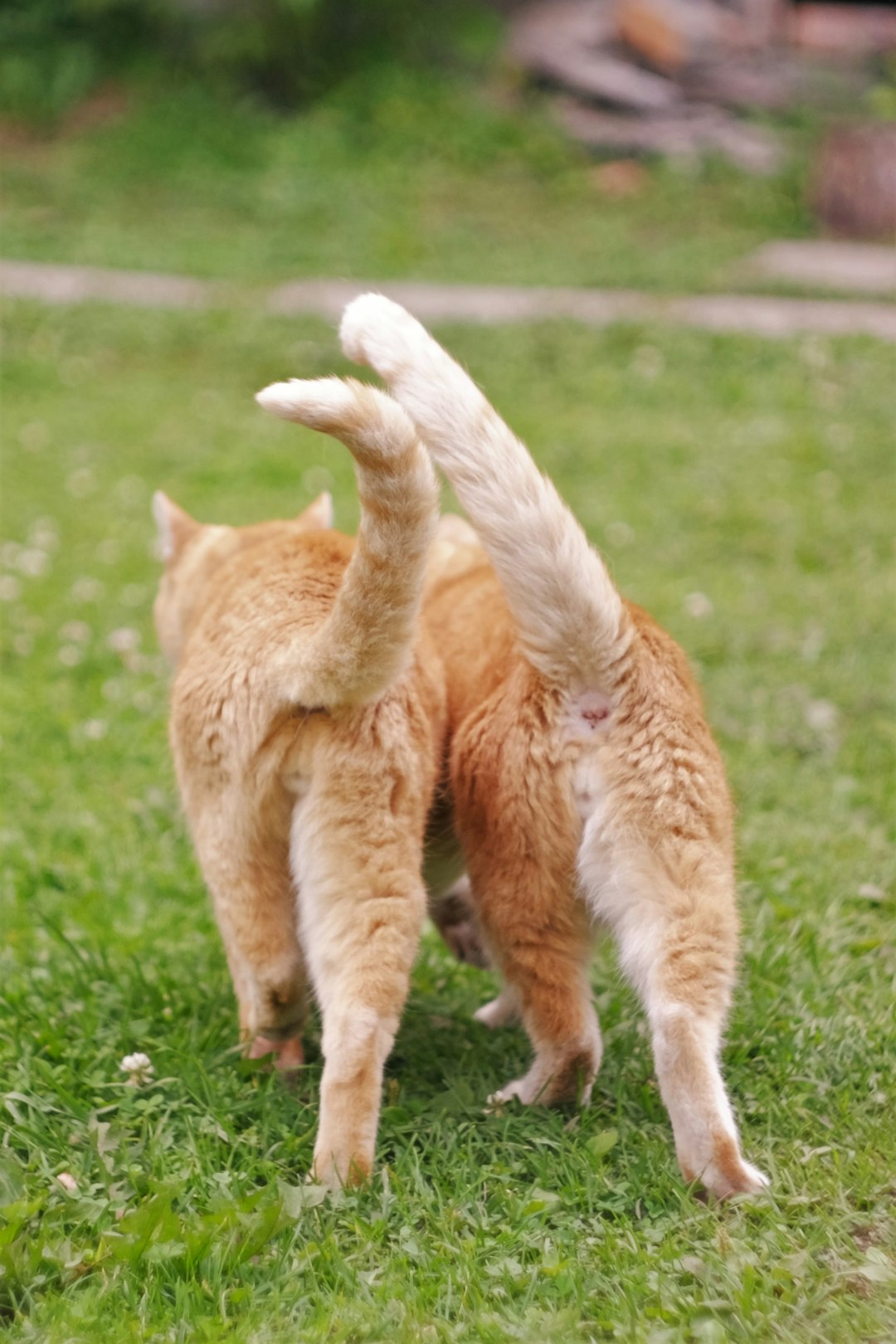
A tail held in the upright flagpole position shows a friendly intention (the feline equivalent of a wave), indicating familiarity, trust, and affection. Some cats also use an upright question mark shaped tail to greet someone they like, or to motion that they want to play. Cats sometimes intertwine their tails as a sign of friendship and the human equivalent of this is to wrap their tail around your calf.
If you still find yourself wondering, “does my cat love me?” take a look at their tail. According to animal behaviorist and cat specialist Marilyn Krieger, felines often show affection through their tails. A curved tip is a friendly greeting and invitation to interact with your cat, while a more gushy display of love is your cat wrapping their tail around your hands, ankles, arms, or really just any part of your body. Pay attention to that elegant appendage for insights into your cat’s emotional state.
Meowing Is Their Special Language Just for Humans
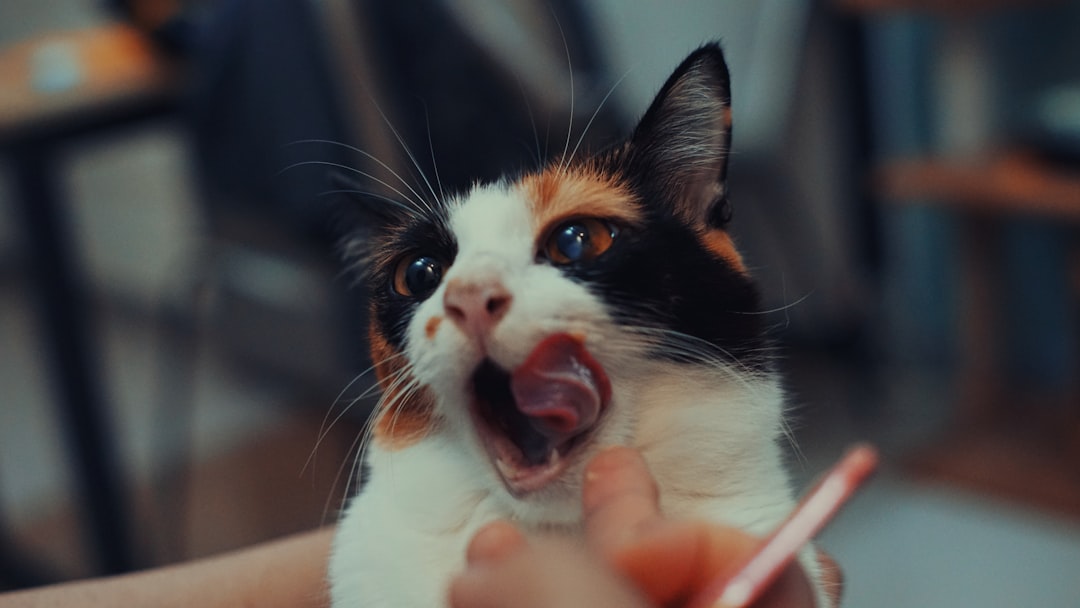
Adult cats typically only meow to communicate with people, as they often rely more on smell and body language when interacting with other kitties. Normally, cats do not communicate with each other through meowing. Primarily, they save this vocal behavior to their interactions with humans. This means every meow directed at you is a deliberate attempt to communicate specifically with you.
Adult cats don’t meow at other cats. They usually communicate with other felines through hisses or growls. But some cats have learned that a meow is a great way to get a human’s attention. Cats meow for many reasons, including when they’re hungry or in pain. But if your cat unleashes a stream of multiple meows when you walk through the door, you can take it as a sign that they’re pleased to see you. They’ve developed this unique vocal repertoire exclusively for human interaction.
Understanding Your Cat’s Emotional Intelligence
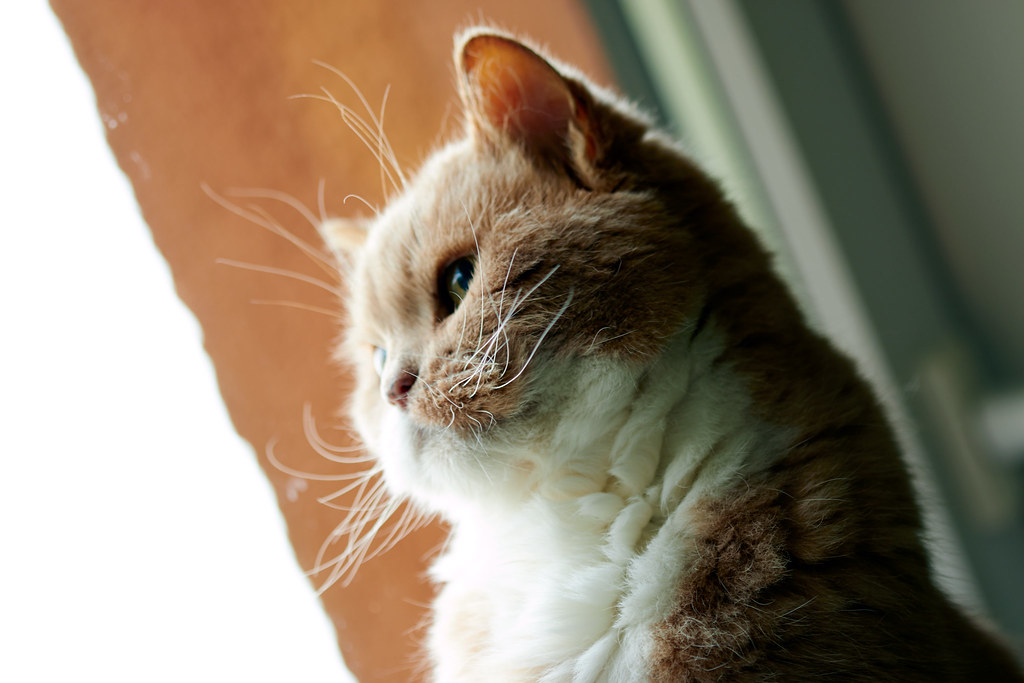
Research shows cats’ reputation as a cold and aloof pet is undeserved. Because of their evolutionary ancestry, domestic cats are, by their nature, more independent than dogs. The wild ancestors of our cats didn’t live in social groups as canines do. However, during the process of domestication, cats developed the ability to form social relationships not just with other cats, but also with people. While they may not rely upon people to feel safe as dogs do, many cats show affection towards their guardians and seem to highly value the company of their human companions.
People can thus infer cats’ affective states from subtle aspects of their facial expressions (although most find this challenging); and some individuals are very good at doing so. Understanding where such abilities come from, and precisely how cats’ expressions change with affective state, could potentially help pet owners, animal care staff and veterinarians optimise feline care and welfare. Your cat is constantly communicating their feelings through micro-expressions and subtle behavioral cues that require careful observation to decode. The more you understand these signals, the deeper your bond becomes.
Conclusion
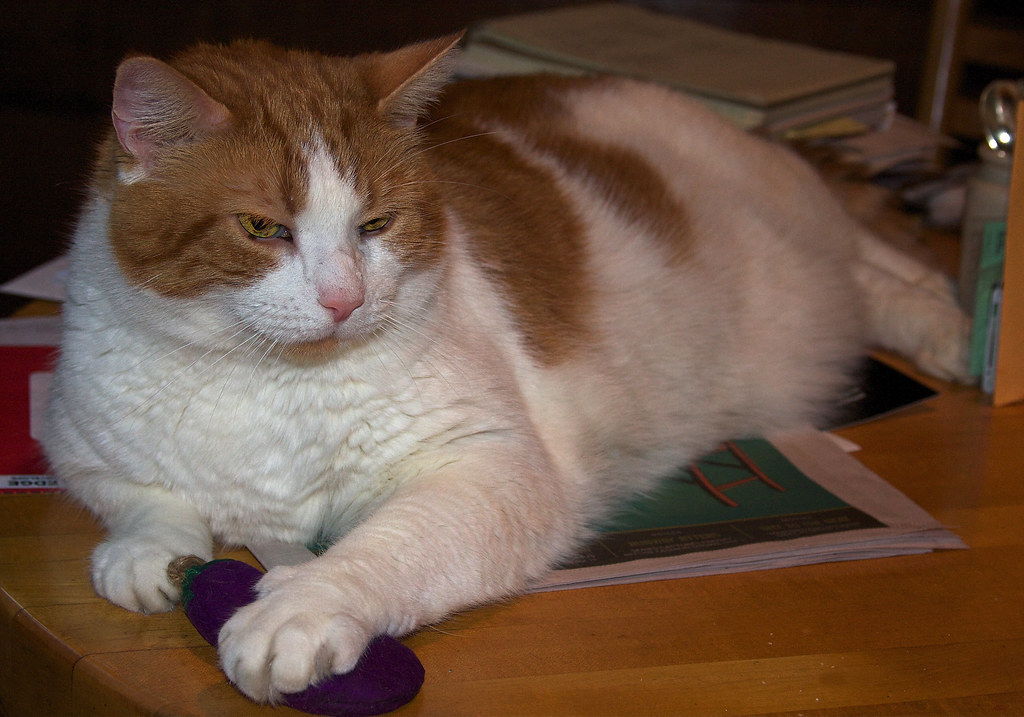
Your cat’s love language might be subtle, but it’s incredibly rich and meaningful once you learn to recognize it. They actually see us as parents. A 2019 study revealed that cats have the same attachment to their owners that babies show to their parents. Kittens in the study acted distressed when their caregivers left and happy and secure when they returned. Every slow blink, head bonk, and gentle purr is your cat’s way of expressing deep affection and trust.
How cats show their love can be a bit confusing to their human companions, but as long as you understand their behavior for what it is, you can learn to appreciate it. You love your cat, and it’s nice to know that they love you back. So, knowing when and how your cat shows affection will provide you both with clear communication. After all, there’s nothing better than being told you’re loved. What subtle signs of love have you noticed from your feline friend? Share your experiences in the comments below.

- Which Animals Inspired the Design of Real Robots - June 3, 2026
- 12 Calm, Low-Maintenance Dogs Ideal for Retirement Years - June 3, 2026
- The Wild Cat That Best Represents Each Zodiac Sign - June 3, 2026