
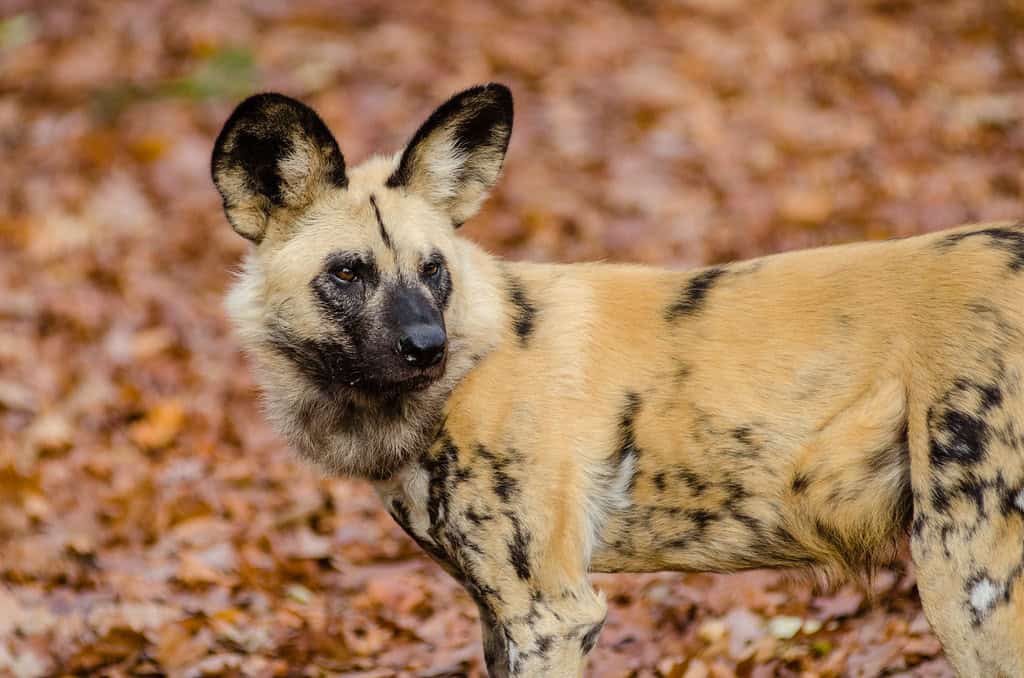
The African wild dog stands as one of Africa’s most endangered predators, with fewer than 7,000 individuals left in the wild. Known scientifically as Lycaon pictus, meaning “painted wolf,” these remarkable animals are distinguished by their mottled coat patterns, each as unique as a human fingerprint. Once ranging across 39 countries throughout sub-Saharan Africa, their populations have been decimated by habitat fragmentation, human conflict, and disease. Today, conservationists are racing against time to save this species from extinction through innovative research, community engagement, and cutting-edge technology. The mission to preserve African wild dogs represents not just a fight for a single species, but for the ecological balance of African savannas and the principle that every creature deserves a place in our world.
The Painted Predator: Understanding the African Wild Dog
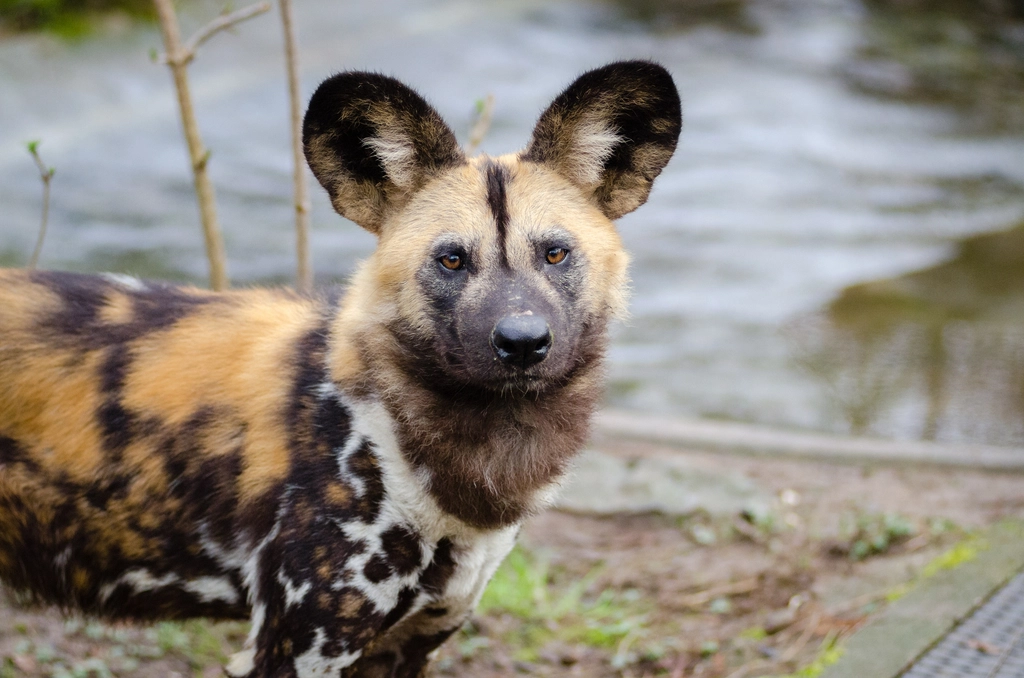
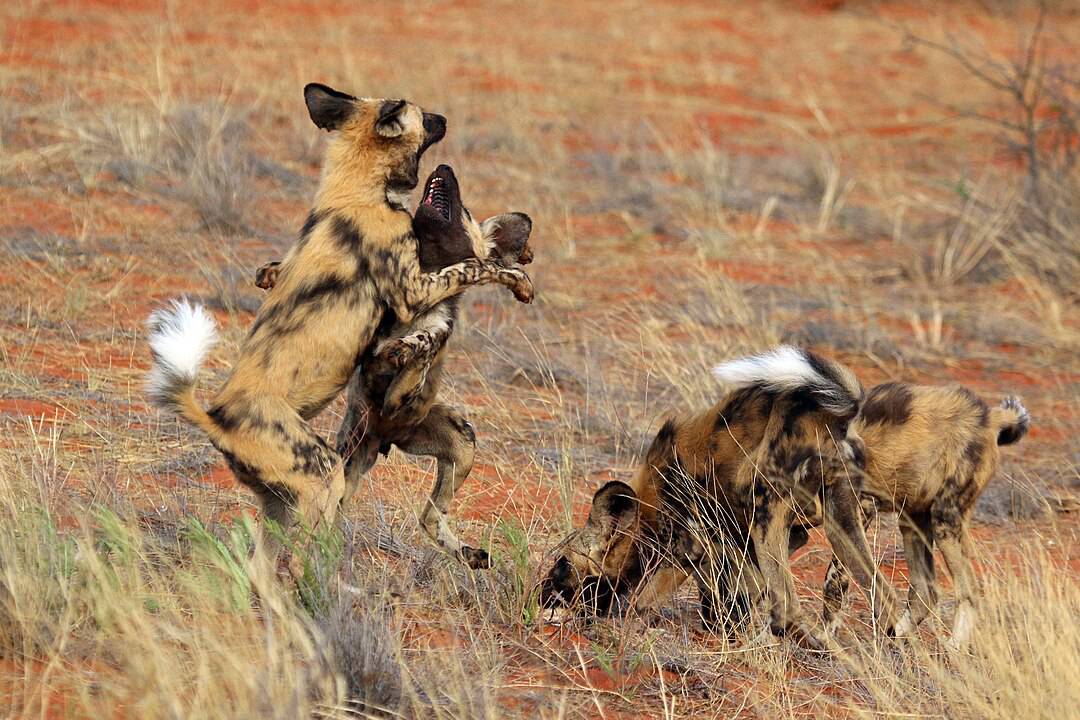
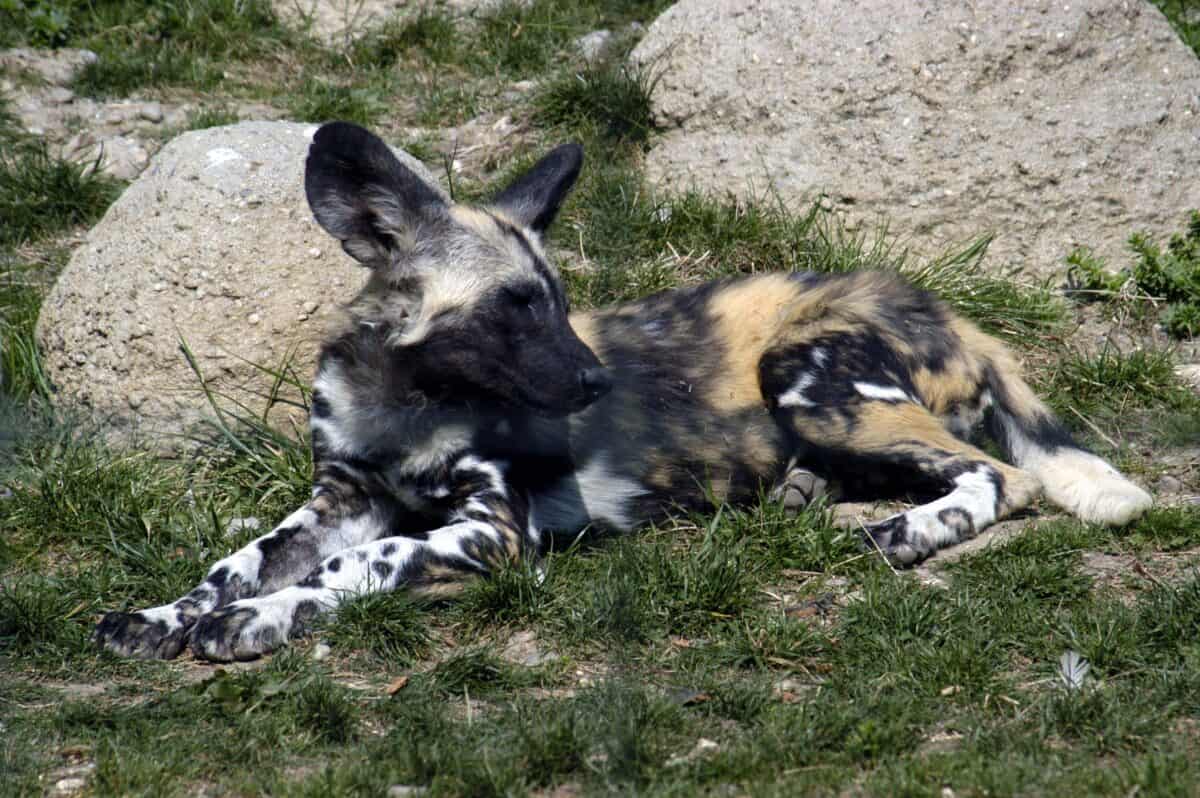
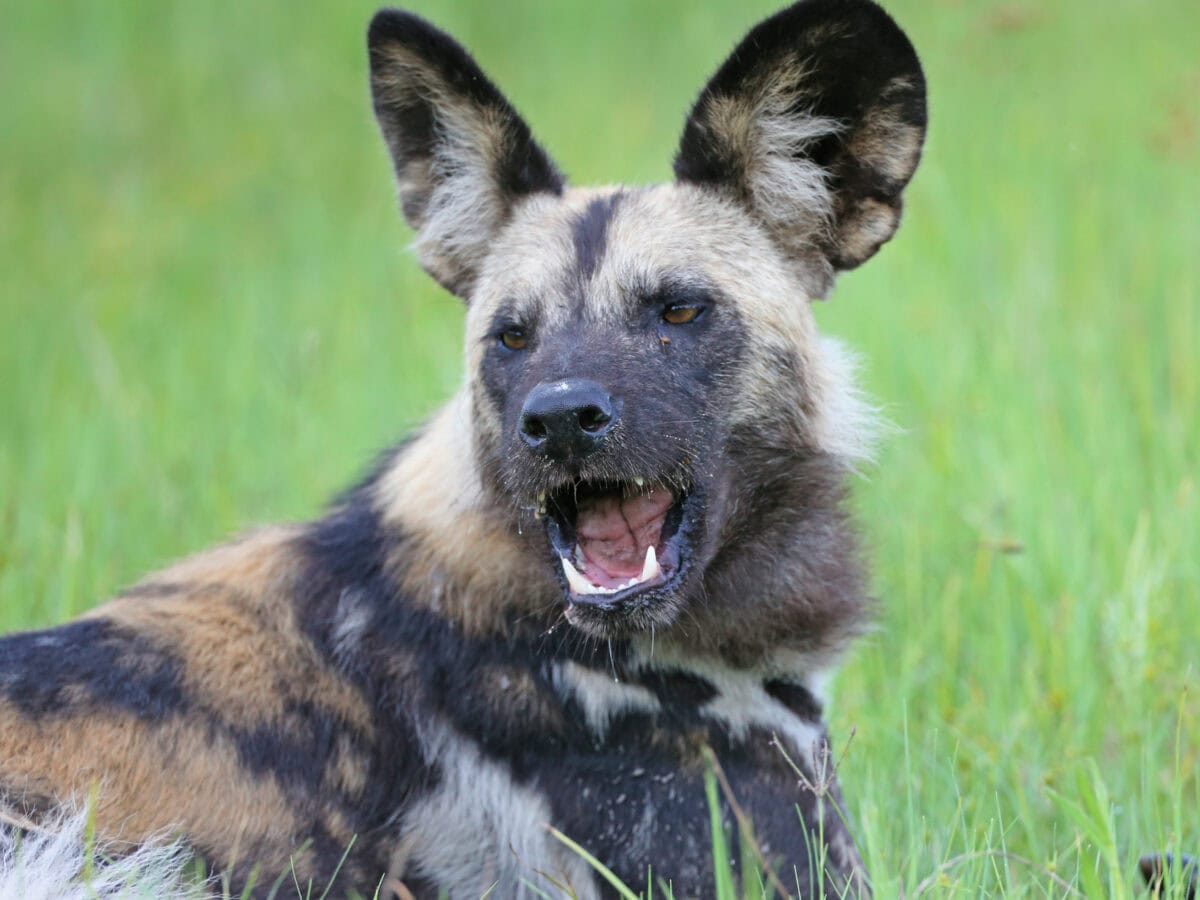
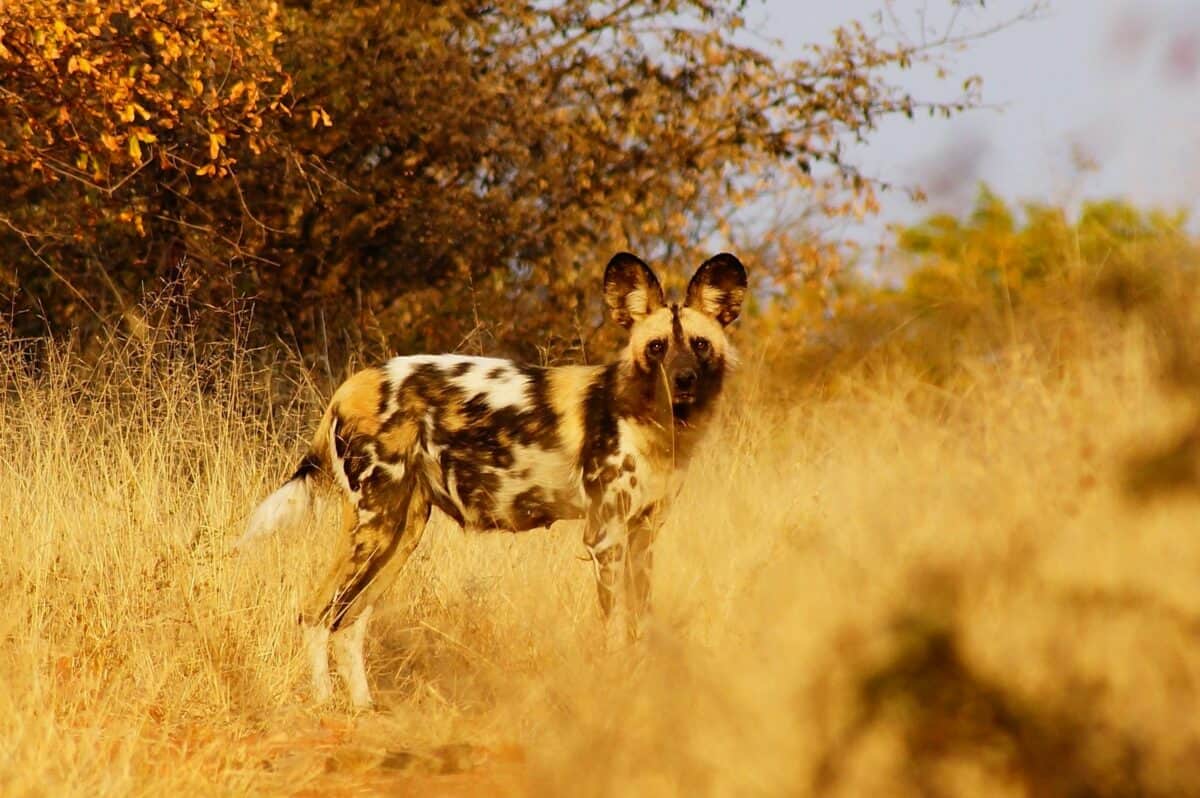
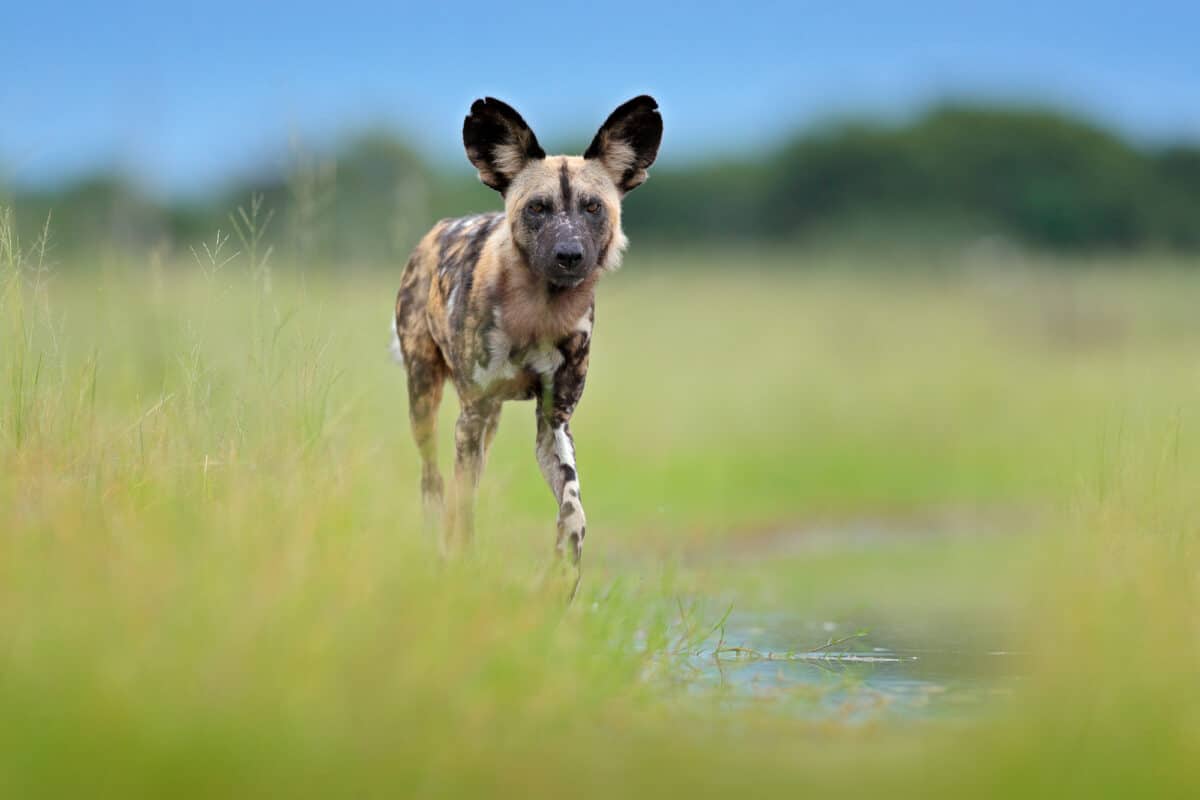
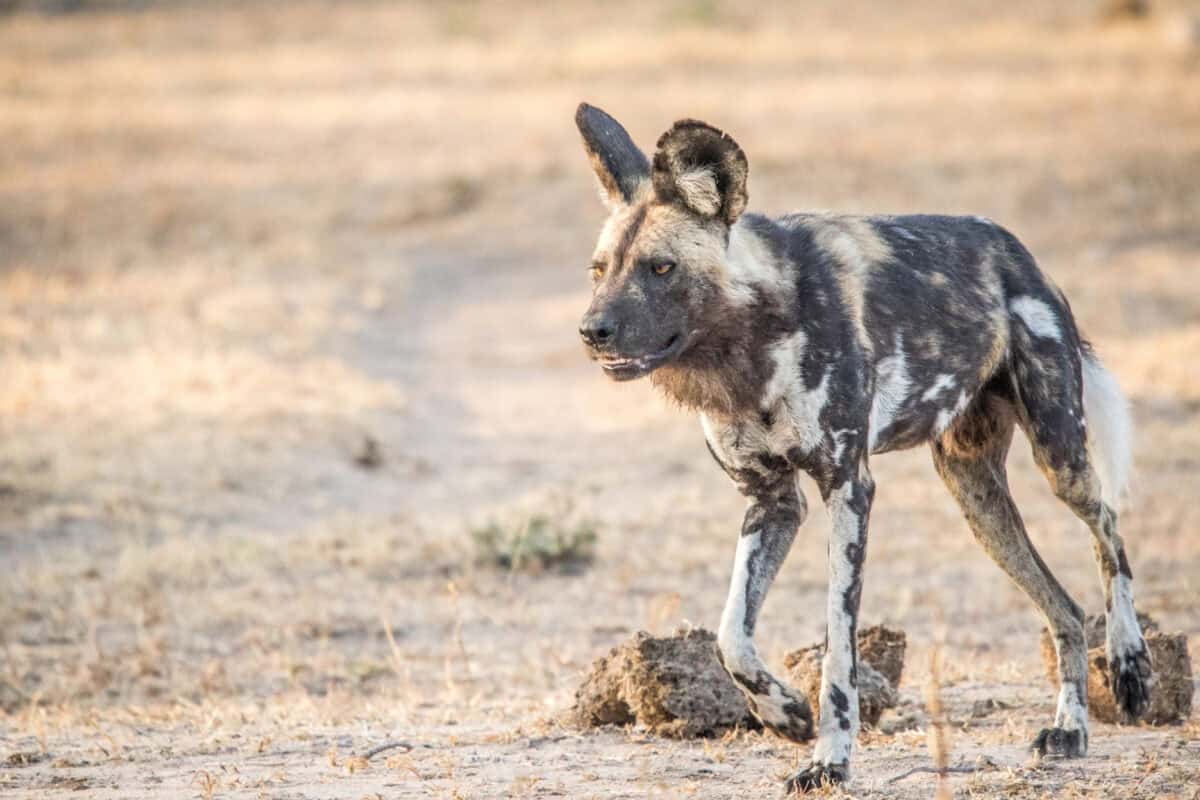
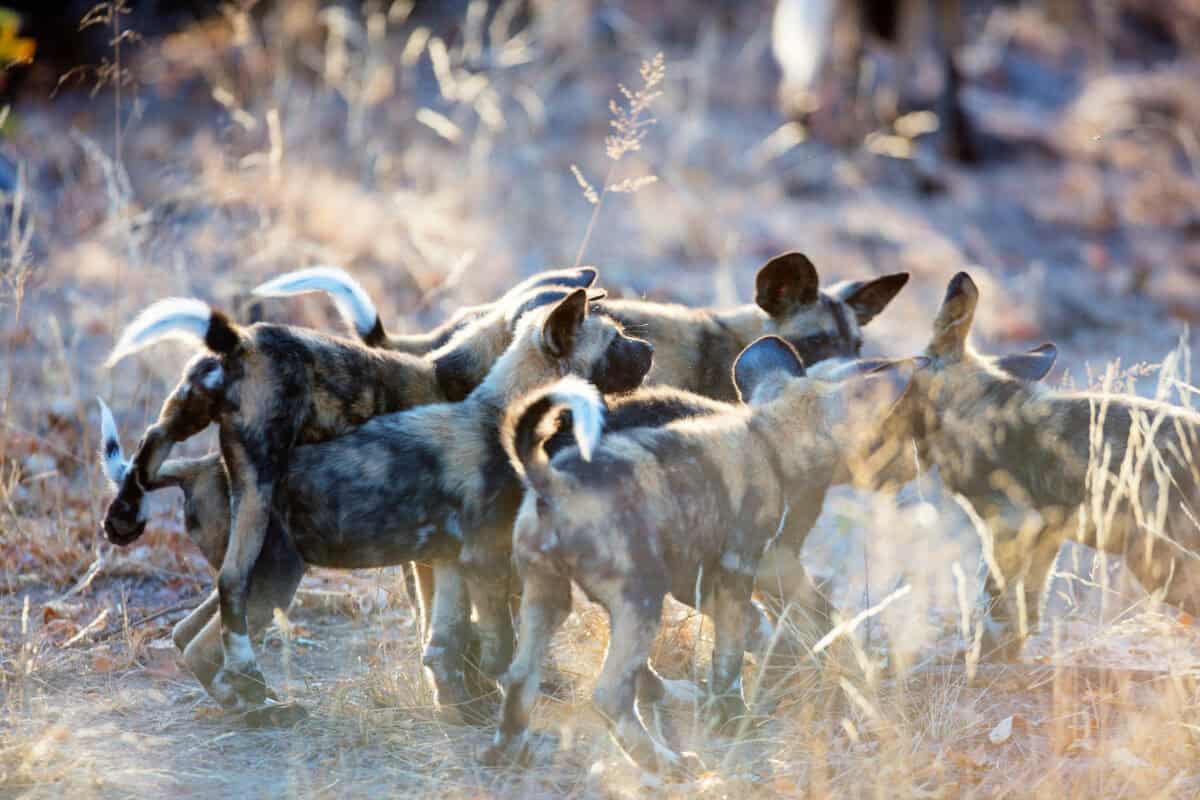
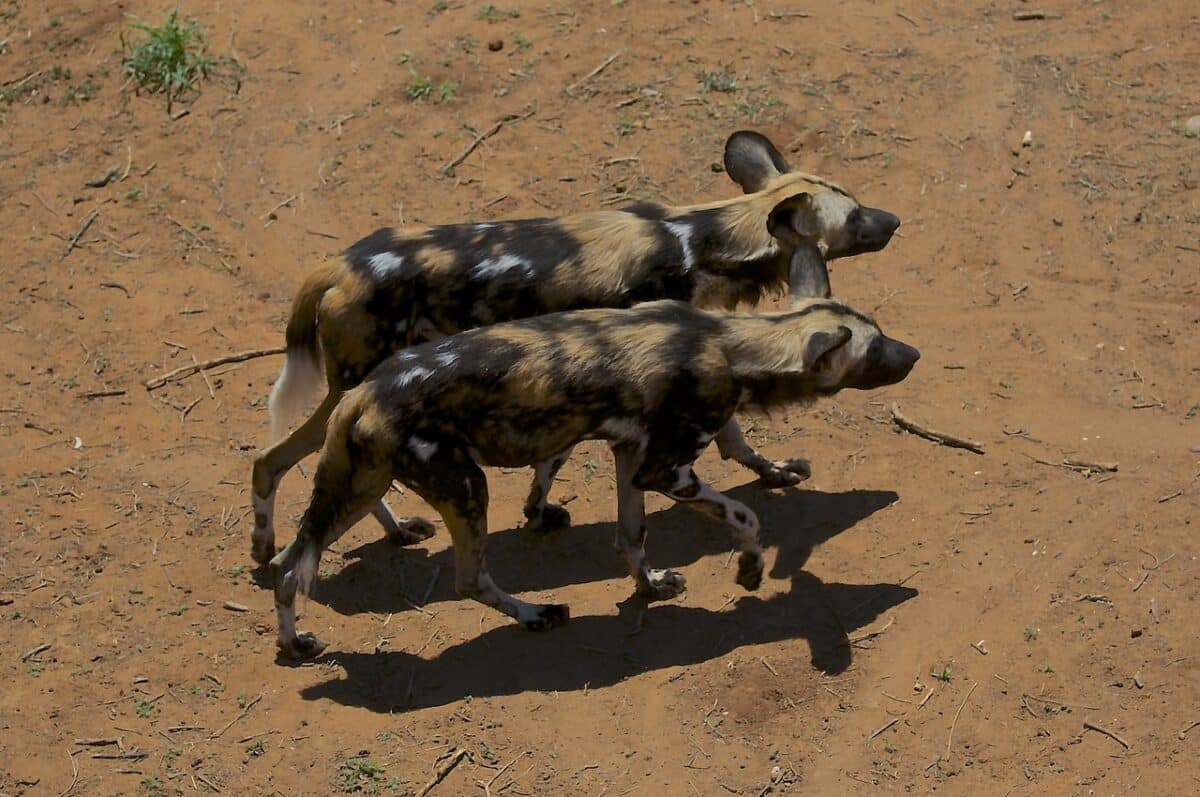
African wild dogs are highly specialized social hunters with a distinctive appearance. Standing about 30 inches tall and weighing between 40-70 pounds, these medium-sized canids bear a kaleidoscope of yellow, black, and white markings. Unlike other canids, they have only four toes per foot instead of five, rounded ears, and a bushy tail with a white tip that serves as a flag for pack members to follow during hunts. Their lean bodies and long legs are built for endurance rather than speed, allowing them to pursue prey over long distances until exhaustion. African wild dogs maintain complex social structures in packs typically comprising 6-20 individuals, with a clear dominance hierarchy but cooperative care for young and injured pack members. Their hunting success rate exceeds 80% – significantly higher than lions (30%) or hyenas (25%) – making them Africa’s most efficient predators.
A Species on the Brink: The Dire Conservation Status
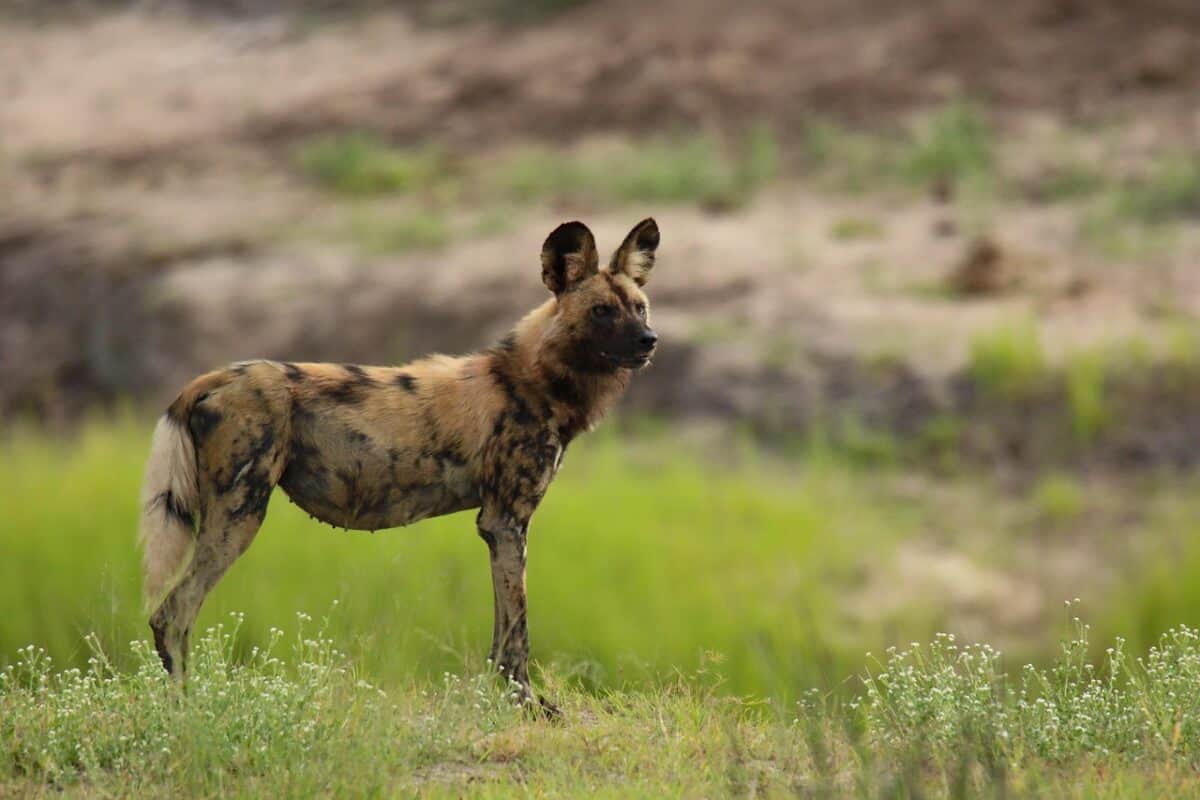
The conservation status of African wild dogs paints a sobering picture. The IUCN Red List classifies them as Endangered, with populations having declined by more than 60% over the past three decades. Once found across most of sub-Saharan Africa, viable populations now exist in only 14 countries, primarily in southern and eastern Africa. Fewer than 700 breeding pairs remain in the wild. Their historical range has contracted by approximately 93%, leaving them in isolated pockets that challenge genetic diversity. Major strongholds include northern Botswana, eastern Namibia, western Zimbabwe, eastern and southern Tanzania, and northern Mozambique. Even within protected areas, packs require vast territories of 400-1,500 square kilometers, making conservation challenging. Their population decline represents one of the most dramatic reductions of range for any carnivore species, highlighting the urgency of conservation efforts.
Threats in the Wild: Why Wild Dogs Are Disappearing
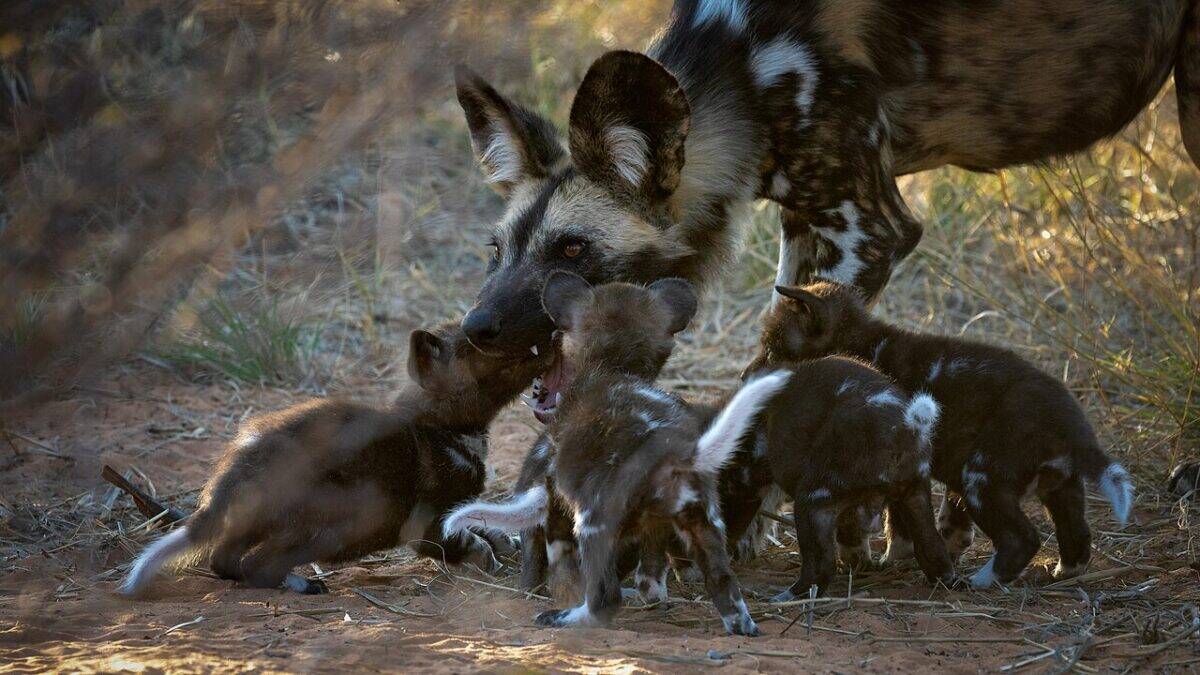
African wild dogs face a perfect storm of threats that have accelerated their decline. Habitat fragmentation tops the list, as human development carves up their once-continuous range, forcing packs to navigate dangerous landscapes between protected areas. Direct persecution continues to be problematic; farmers often shoot or poison wild dogs to protect livestock, despite studies showing they rarely target domestic animals when natural prey is available. Disease transmission from domestic dogs, particularly rabies and canine distemper virus, has devastated entire packs, with mortality rates reaching 100% in some outbreaks. Competition with larger predators such as lions and hyenas puts additional pressure on wild dog populations, with lions responsible for up to 50% of wild dog pup mortality in some regions. Road accidents claim numerous wild dogs annually as expanding infrastructure cuts through their territories. These compounding threats create a complex conservation challenge requiring multifaceted solutions.
Conservation Pioneers: Key Organizations Leading the Fight
Several dedicated organizations form the backbone of African wild dog conservation efforts. The Endangered Wildlife Trust’s Carnivore Conservation Program has been instrumental in South Africa, implementing strategies like livestock guarding dogs to reduce farmer-predator conflict. Painted Dog Conservation in Zimbabwe combines anti-poaching units with community education and development projects, successfully reducing snare injuries by 80% in their operational area. The Range Wide Conservation Program for Cheetah and African Wild Dogs, coordinated by the Zoological Society of London and Wildlife Conservation Society, develops transboundary conservation strategies across 14 countries. Kenya’s Ewaso Tracking Project utilizes GPS collars to monitor pack movements and identify critical habitat corridors. The African Wildlife Foundation supports community conservancies that create economic incentives for wild dog protection. These organizations collaborate through the IUCN SSC Canid Specialist Group, sharing best practices and coordinating conservation strategies across the species’ range.
Tracking Technology: Modern Tools in Wild Dog Conservation
Technological innovation has revolutionized African wild dog conservation efforts. GPS collars transmitting real-time location data have become indispensable tools, allowing researchers to track pack movements, identify denning sites, and monitor interactions with humans and other predators. Some advanced collars now include geofencing capabilities that alert conservationists when packs approach human settlements, enabling proactive conflict prevention. Camera trap networks employing artificial intelligence can identify individual wild dogs by their unique coat patterns, generating population estimates without direct observation. Genetic sampling techniques analyze DNA from scat, providing insights into population health, relatedness between packs, and genetic diversity. Satellite imagery helps conservationists map habitat connectivity and identify potential corridor restoration sites. Mobile applications enable citizen scientists and community members to report wild dog sightings, creating comprehensive distribution data. These technological advances have dramatically improved the efficiency and effectiveness of conservation efforts, providing unprecedented insights into wild dog ecology and behavior.
Community Conservation: Engaging Local Populations

Successful African wild dog conservation hinges on engaging local communities who share landscapes with these predators. Innovative programs across Africa have transformed potential adversaries into conservation allies. In Botswana’s Okavango Delta, the Botswana Predator Conservation Trust trains community members as “wild dog ambassadors” who monitor local packs and educate their neighbors about the ecological value of predators. Tanzania’s Ruaha Carnivore Project implements performance-payment initiatives where villages receive financial benefits based on the number of wild dogs and other wildlife documented on their lands, directly linking conservation to economic gain. In Zimbabwe, Painted Dog Conservation’s Children’s Bush Camp has educated over 10,000 local students about wild dog ecology, building the next generation of conservation advocates. Livestock insurance programs in Kenya compensate farmers for verified predator losses, removing financial incentives for retaliatory killing. Community-managed wildlife conservancies in Namibia grant local populations authority over natural resources, including the right to develop ecotourism around wild dog viewing. These community-centered approaches recognize that sustainable conservation cannot succeed without addressing human needs and aspirations.
Veterinary Interventions: Fighting Disease on the Frontlines
Disease represents one of the most acute threats to African wild dogs, with entire packs capable of being decimated by a single outbreak. Veterinary interventions have become crucial components of conservation efforts. Vaccination programs target domestic dogs in buffer zones around wild dog territories, creating immunity barriers against rabies and canine distemper virus. Research from the University of Glasgow has shown that maintaining 70% vaccination coverage in domestic dog populations can significantly reduce disease transmission to wild dogs. In emergency situations, conservationists occasionally intervene directly with wild packs, using remote darting techniques to vaccinate individuals when disease outbreaks threaten population viability. The Kenya Rangelands Wild Dog and Cheetah Project conducts regular disease surveillance, collecting blood samples from immobilized wild dogs to monitor pathogen exposure and develop early warning systems for potential outbreaks. Veterinary teams also treat injured wild dogs, particularly those caught in snares, with a remarkable 87% survival rate for treated individuals. These medical interventions, combined with preventative measures, have saved numerous packs from disease-driven extinction.
Rewilding Success Stories: Reintroduction Programs

Reintroduction programs have been vital in reestablishing African wild dog populations in regions where they were previously extirpated. South Africa has pioneered this approach through its metapopulation management strategy, which treats geographically separated reserves as a single, managed population. Since the program’s inception in 1998, wild dog numbers in South Africa have increased from fewer than 50 to over 500 individuals across 14 protected areas. The reintroduction to Gorongosa National Park in Mozambique represents another success story; following the country’s civil war, wild dogs were released in 2018 and have since established three breeding packs totaling 40 individuals. In Rwanda’s Akagera National Park, wild dogs returned in 2021 after a 30-year absence. These reintroductions follow meticulous protocols: packs are carefully composed to maximize genetic diversity, animals undergo disease screening, and soft release methods acclimatize them to their new environment. Post-release monitoring enables adaptive management as packs establish territories. While reintroduction efforts face challenges, including initial dispersal and conflict with existing predators, they have proven essential for rebuilding populations across the species’ former range.
Corridors of Life: Habitat Connectivity Initiatives
With African wild dog populations increasingly isolated in habitat islands, establishing and protecting movement corridors has become a conservation priority. The Kavango-Zambezi Transfrontier Conservation Area (KAZA) represents the world’s largest transboundary conservation initiative, spanning five countries and providing critical connectivity for approximately 600 wild dogs. Within KAZA, the Hwange-Kazuma-Chobe corridor specifically targets wild dog movement between protected areas in Zimbabwe and Botswana. Tanzania’s Selous-Niassa Wildlife Corridor connects two of Africa’s largest game reserves across the Tanzania-Mozambique border, facilitating gene flow between wild dog subpopulations. In Kenya, the Lewa-Borana corridor was established in 2014 by removing fencing between adjacent conservancies, creating a connected landscape of over 93,000 acres where wild dogs can move freely. These corridors are secured through various mechanisms, including land purchase, conservation easements, community conservancies, and agreements with private landowners. Ongoing monitoring using GPS-collared wild dogs confirms corridor utilization and identifies pinch points requiring additional protection. By reconnecting fragmented populations, these corridors combat inbreeding depression and allow natural recolonization of suitable habitat.
Human-Wildlife Conflict: Finding Coexistence Solutions
Mitigating conflict between African wild dogs and human communities remains fundamental to conservation success. Innovative approaches have demonstrated that coexistence is possible through targeted interventions. The use of livestock guarding dogs, particularly Anatolian shepherd and Kangal breeds, has reduced predation on domestic animals by up to 100% in trial areas across Namibia and Botswana. These specialized dogs bond with livestock and deter predators through their presence and territorial behavior. Improved livestock husbandry practices, including predator-proof night enclosures (bomas) reinforced with chain-link fencing and solar-powered LED lights, have dramatically reduced nocturnal predation incidents. The Northern Rangelands Trust in Kenya has implemented early warning systems using wild dog tracking data to alert herders when packs are nearby, allowing them to temporarily adjust grazing patterns. Conservation organizations increasingly employ rapid response teams that address conflict situations within 24 hours, preventing retaliatory killings. Economic incentives like wildlife-friendly certification for livestock products create financial benefits for tolerance. The most successful programs employ multiple strategies simultaneously, recognizing that no single solution works in all contexts.
Education and Awareness: Changing Perceptions
Transforming public attitudes toward African wild dogs represents a crucial but often overlooked aspect of conservation. Historically viewed as vermin and indiscriminate killers, educational initiatives aim to rebrand wild dogs as valuable components of healthy ecosystems. Painted Dog Conservation’s Bush Camp program in Zimbabwe hosts over 1,200 primary school children annually for immersive conservation education, with long-term evaluation showing significant attitude improvements in participating communities. Mobile education units reach remote areas with films, presentations, and interactive activities focused on wild dog ecology and conservation. The Global Painted Dog Conference brings together researchers, conservationists, and educators to share effective messaging strategies. Media campaigns through documentaries like BBC’s Dynasties series have introduced millions of viewers worldwide to wild dog society and the challenges they face. Social media initiatives such as #PaintedWolfProject use compelling imagery and storytelling to build international support. In range countries, conservation organizations work with traditional leaders and religious authorities to promote wildlife stewardship within cultural contexts. These educational efforts recognize that sustainable conservation requires not just scientific solutions but also social transformation.
Future Horizons: The Road Ahead for Wild Dog Conservation
The future of African wild dog conservation will require innovation, scaling successful approaches, and addressing emerging challenges. Climate change looms as a growing threat, potentially altering prey distributions and increasing disease susceptibility as environmental conditions shift. Conservationists are developing climate adaptation strategies, including identifying and protecting climate refugia where conditions will remain suitable for wild dogs. Genetic rescue techniques, including carefully managed translocations between isolated populations, will become increasingly important for maintaining genetic diversity. Expanded use of artificial intelligence for analyzing camera trap data, satellite imagery, and predictive modeling promises to enhance monitoring efficiency and conservation planning. Sustainable financing mechanisms like carbon credits from habitat protection, biodiversity offsets, and conservation trust funds are being developed to ensure long-term funding stability. The African Wild Dog Range States Plan outlines a blueprint for coordinated conservation across international boundaries, emphasizing standardized monitoring protocols and shared databases. While significant challenges remain, the commitment of dedicated conservationists, improving technology, and growing public support provide hope for this remarkable species.
Conclusion: Why Saving Wild Dogs Matters
The mission to save the African wild dog transcends the preservation of a single species; it represents a commitment to maintaining the ecological integrity of African landscapes and acknowledging our responsibility to protect Earth’s biodiversity. As apex predators, wild dogs shape entire ecosystems, regulating prey populations and influencing the behavior of other carnivores in ways that maintain habitat health and resilience. Their complex social structure and cooperative hunting strategies exemplify evolutionary adaptations that have fascinated scientists and wildlife enthusiasts for generations. Conservation efforts for African wild dogs have pioneered innovative approaches that benefit numerous other species sharing their habitats, from corridor protection to conflict mitigation techniques. While the challenges remain substantial, the dedicated work of researchers, conservationists, and communities has demonstrated that recovery is possible when armed with science, commitment, and collaboration across borders.

- The Story of the Arctic Fox’s Incredible Seasonal Transformation - July 18, 2026
- 10 Most Venomous Snakes in US National Parks - July 18, 2026
- The Moth That Drinks Blood - July 18, 2026