


Kelp forests once thrived along the U.S. West Coast, from California to Alaska. These underwater giants—some towering up to 60 meters (200 feet)—formed dense, lush ecosystems that supported hundreds of marine species. But the heat is turning these forests into underwater wastelands.
Since 2014, Northern California’s bull kelp has plummeted by over 90%. Marine heatwaves have warmed ocean waters and weakened kelp, making it vulnerable to hungry purple sea urchins. These urchins have exploded in number, stripping the seafloor clean and leaving behind barren “urchin barrens.”
Animals Are Starving, Fast
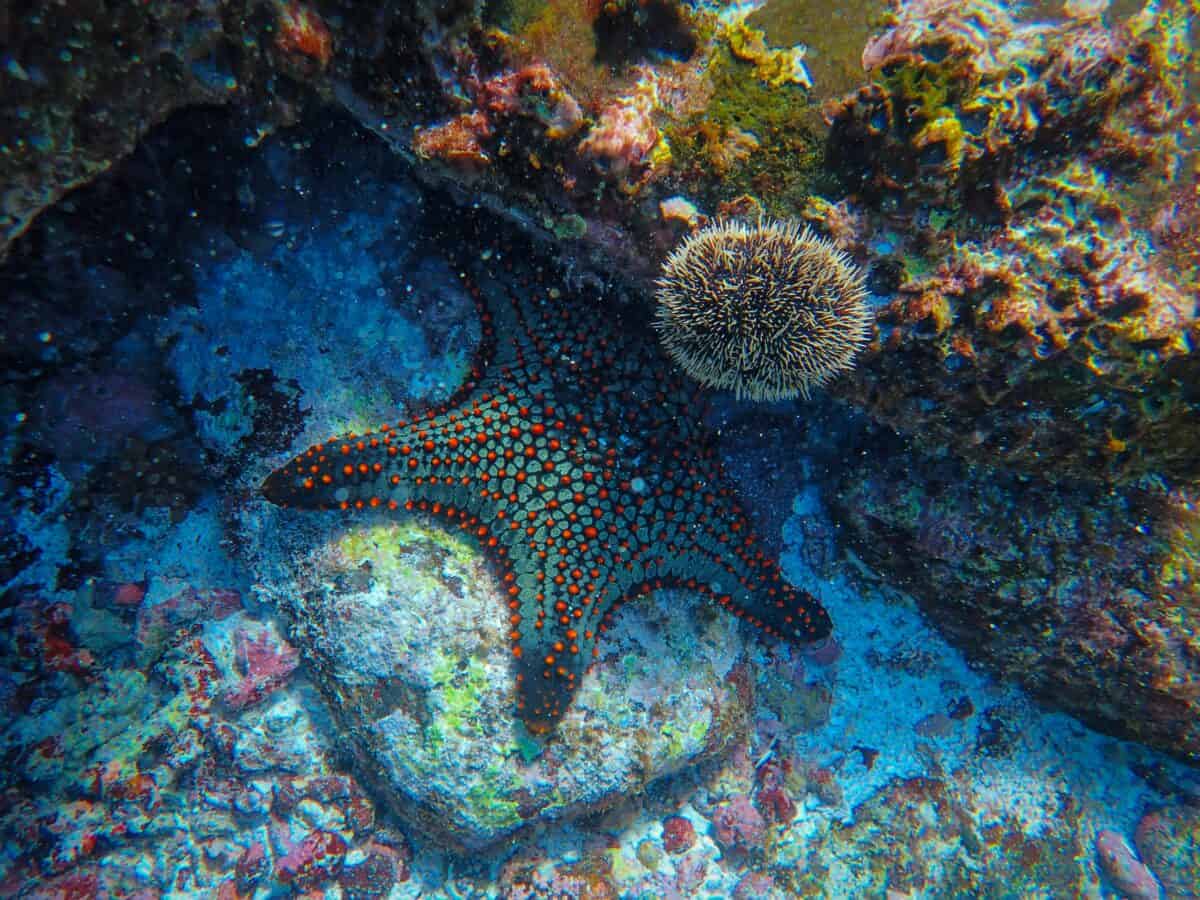
Kelp isn’t just seaweed—it’s the foundation of a complex food web. Sea otters rely on kelp for hunting and shelter. With less kelp, otters lose their homes and their favorite food: sea urchins. But fewer otters means urchins multiply unchecked, devouring even more kelp. It’s a deadly cycle.
Abalone, slow-moving shellfish prized as seafood, depend almost entirely on kelp for food. Their populations have crashed as the forests disappear. Juvenile fish such as rockfish, lingcod, and kelp bass grow up hidden in the kelp canopy. Without it, their survival plummets, putting predators like sea lions, seabirds, and even killer whales at risk. Orcas depend on Chinook salmon, which rely on kelp ecosystems during their life cycle.
The loss of kelp forests threatens the entire marine food chain, from the smallest fish to the ocean’s apex predators.
Scientists Are Fighting Back With “Super Kelp”

The fight isn’t over. Scientists are developing heat-resistant “super kelp” strains designed to survive in warmer, more volatile oceans. These kelp varieties are nurtured in underwater nurseries and replanted along damaged coastlines.
Divers battle the sea urchin invasion by manually culling them, while underwater drones assist in planting kelp and monitoring progress. Artificial reefs and floating platforms are also being used to provide new kelp places to grow. Though these efforts show promise, the clock is ticking as ocean temperatures continue to rise.
Why You Should Care (Even If You Don’t Swim)
Kelp forests absorb more carbon dioxide per square meter than rainforests, making them vital allies against climate change. They cool coastal waters, protect shorelines from erosion, and sustain fisheries that feed millions.
Losing kelp means losing jobs, food sources, and a key piece of the planet’s climate puzzle. From playful sea otters to majestic killer whales, the consequences are real—and happening now.
If kelp forests collapse, the entire ocean ecosystem — and all who depend on it — are in serious trouble.

- Coatimundi Attacks Arizona Hiker in Rare Desert Confrontation - July 17, 2026
- Rabid Bat Bites Texas Man—Fourth Kerr County Case This Year - July 17, 2026
- Colorado’s Rattlesnake Den Livestreams 2,000 Snakes - July 15, 2026