

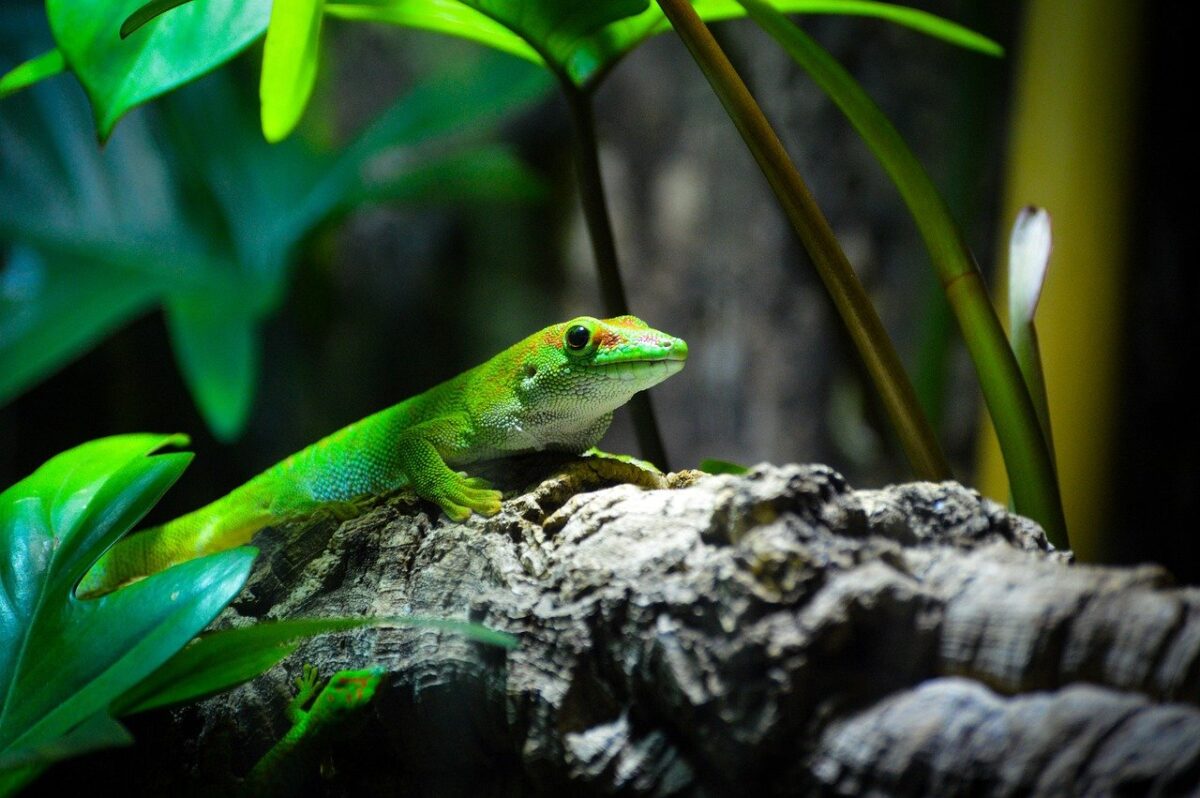
Reptiles Thrive or Fail on Light Quality Alone (Image Credits: Pixabay)
Proper illumination turns a basic terrarium into a life-sustaining habitat for tropical reptiles.
Reptiles Thrive or Fail on Light Quality Alone
A lack of UVB exposure often leads to metabolic bone disease, a severe condition that weakens bones and threatens survival in captive reptiles.
These animals, being ectothermic, depend on external light and heat to control body temperature and metabolism. Natural tropical environments deliver intense sunlight alongside shaded forest light, which terrariums must replicate through specific wavelengths, intensity, and timing. Owners who match these elements promote strong health and natural behaviors in species like chameleons or geckos.
UVB radiation stands out as vital because it enables vitamin D3 production for calcium uptake. High-quality UVB lamps deliver these rays, positioned correctly near basking spots. Heat sources complement this by establishing warm basking zones cooler at the opposite end, supporting thermoregulation.
Top Choices for UVB and Heating Components
Fluorescent UVB bulbs offer versatility in sizes and outputs, suiting most setups as a reliable staple.
Mercury vapor bulbs combine UVB with heat in one unit, simplifying installation though they demand precise placement for safe temperatures. T5 high-output fluorescents excel in spacious enclosures, providing strong UVB penetration over distances. Species-specific research guides the best match, ensuring adequate exposure without excess.
For heating, basking lamps deliver focused warmth via incandescent or halogen bulbs at calculated heights. Ceramic heaters warm air through infrared without light, preserving night cycles. Under-tank pads create gradients beneath the substrate, aiding overall comfort when thermostats regulate everything.
Replicating Day-Night Patterns Effectively
Consistent cycles mirror wild habitats, where daylight varies seasonally and supports feeding, activity, and rest.
Timers or controllers automate on-off schedules, customizable for habitat accuracy. Such devices maintain circadian rhythms, preventing stress from irregular light. Reliable models handle multiple fixtures, easing daily management for keepers.
Step-by-Step Path to a Balanced System
Begin by researching your reptile’s habitat to pinpoint light and temperature needs.
- Install suitable UVB based on enclosure size and species requirements.
- Add basking and ambient heaters for a clear gradient, monitored by probes.
- Set up timers for 10-12 hour days, adjusting for seasons.
- Test levels regularly and tweak for stability.
- Consult specialists if issues arise, refining through observation.
Key Takeaways
- UVB prevents bone disease via vitamin D3 synthesis – position lamps 10-18 inches from basking areas.
- Combine heat sources for gradients: 95°F basking, 75-85°F cool side.
- Timers ensure 12-hour cycles, boosting natural behaviors and longevity.
Reptile keepers who prioritize these lighting principles witness vibrant, active pets that echo their wild counterparts. Mastering this setup demands ongoing vigilance, yet rewards come in years of healthy companionship. What lighting challenges have you faced in your terrarium? Share in the comments.

- Urban Coyotes Show Remarkable Adaptability, Learning to Thrive in City Environments - July 22, 2026
- Beavers Are Nature’s Engineers, Creating Vital Habitats for Other Wildlife Species - July 21, 2026
- The Recovery of the California Condor Offers Hope for Other Critically Endangered Birds - July 21, 2026