
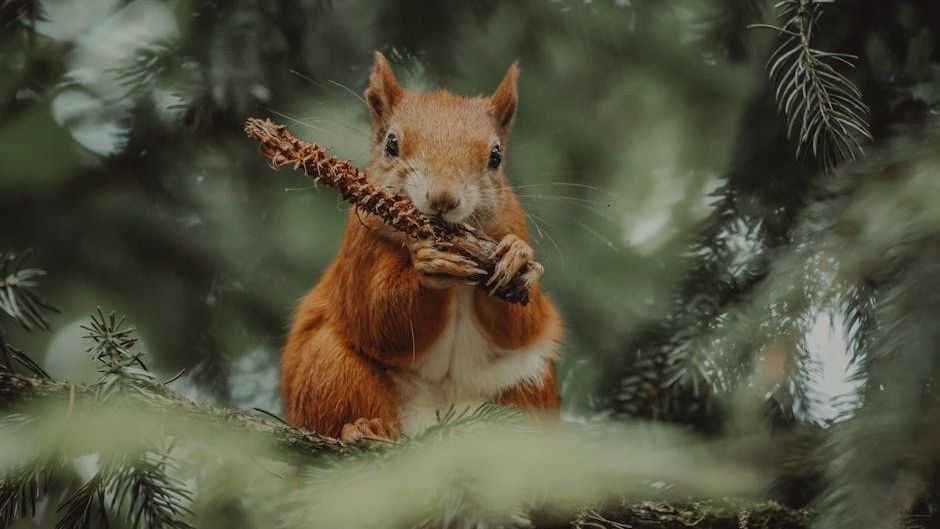
For most of human history, we told ourselves a comfortable story. We used tools, they did not. That was the line, and it felt clean. It felt safe. It made us special. Then the animals started proving us wrong, one breathtaking observation at a time, and that comfortable story began to crumble.
The truth, as science keeps demonstrating, is far more fascinating and a little humbling. From the ocean floor to forest canopies, creatures we once dismissed as operating purely on instinct are crafting, selecting, and wielding tools with a precision that leaves researchers genuinely stunned. Let’s dive in.
The Moment Everything Changed: Jane Goodall and the Twig
There is a moment in the history of science that deserves more attention than it typically gets. In 1960, famous primatologist Dr. Jane Goodall made an incredible discovery when she witnessed one of her wild chimpanzee subjects stripping the leaves off a twig and then, with great deliberation, poking it into a termite mound. That single act rewrote the textbooks overnight.
Making and using tools was once thought to be a skill unique to humans, and a clear sign of our superior intellect compared to other animals. Goodall’s finding demolished that assumption completely. The scientific community was shaken, skeptical, and ultimately forced to adapt.
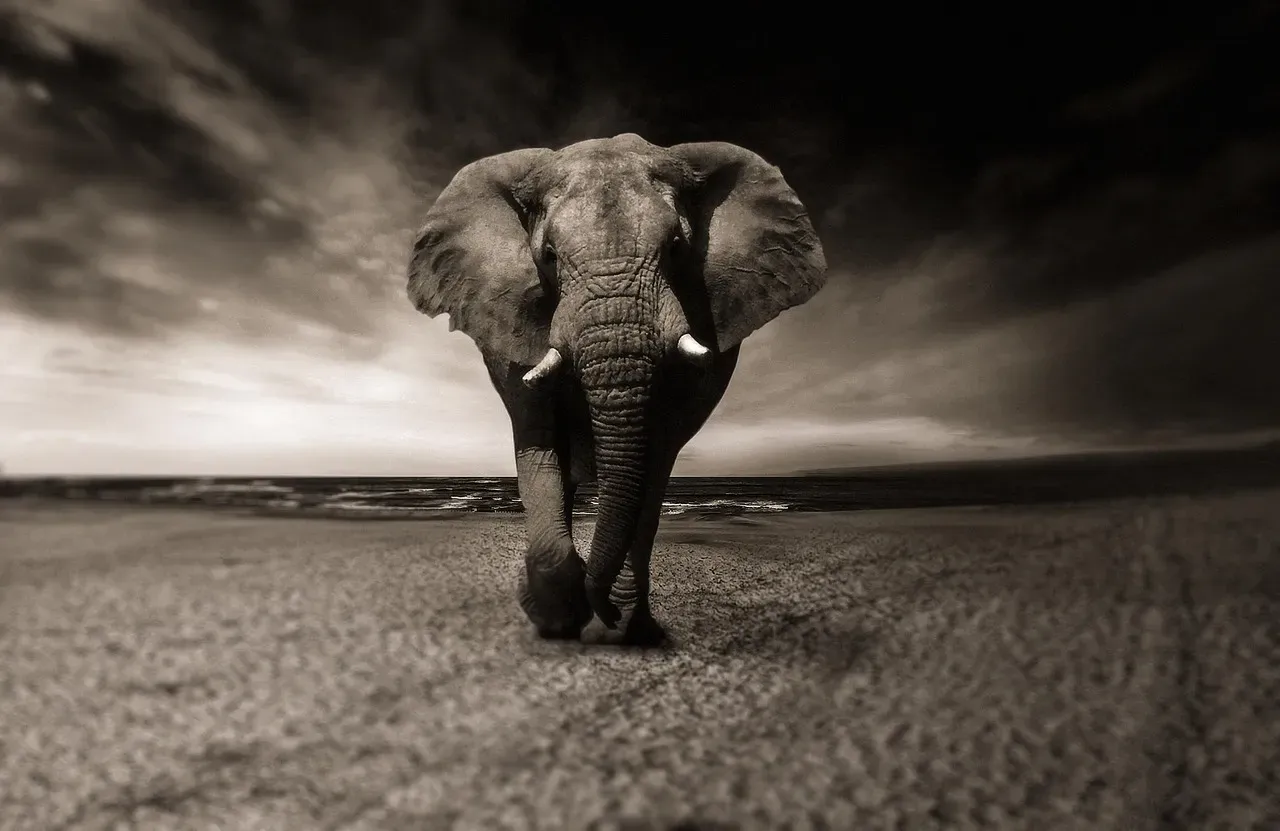
Since then, scientists have recognized tool-using behavior in dozens of animal species. Tools are employed for far more than gathering food, including building nests, defense, and even to enhance comfort, such as bears picking up rocks to scratch themselves or elephants using branches to shoo away flies. The more researchers looked, the more they found. Honestly, at this point, the surprises just keep coming.
Chimpanzees: The Original Masters of the Tool Kit
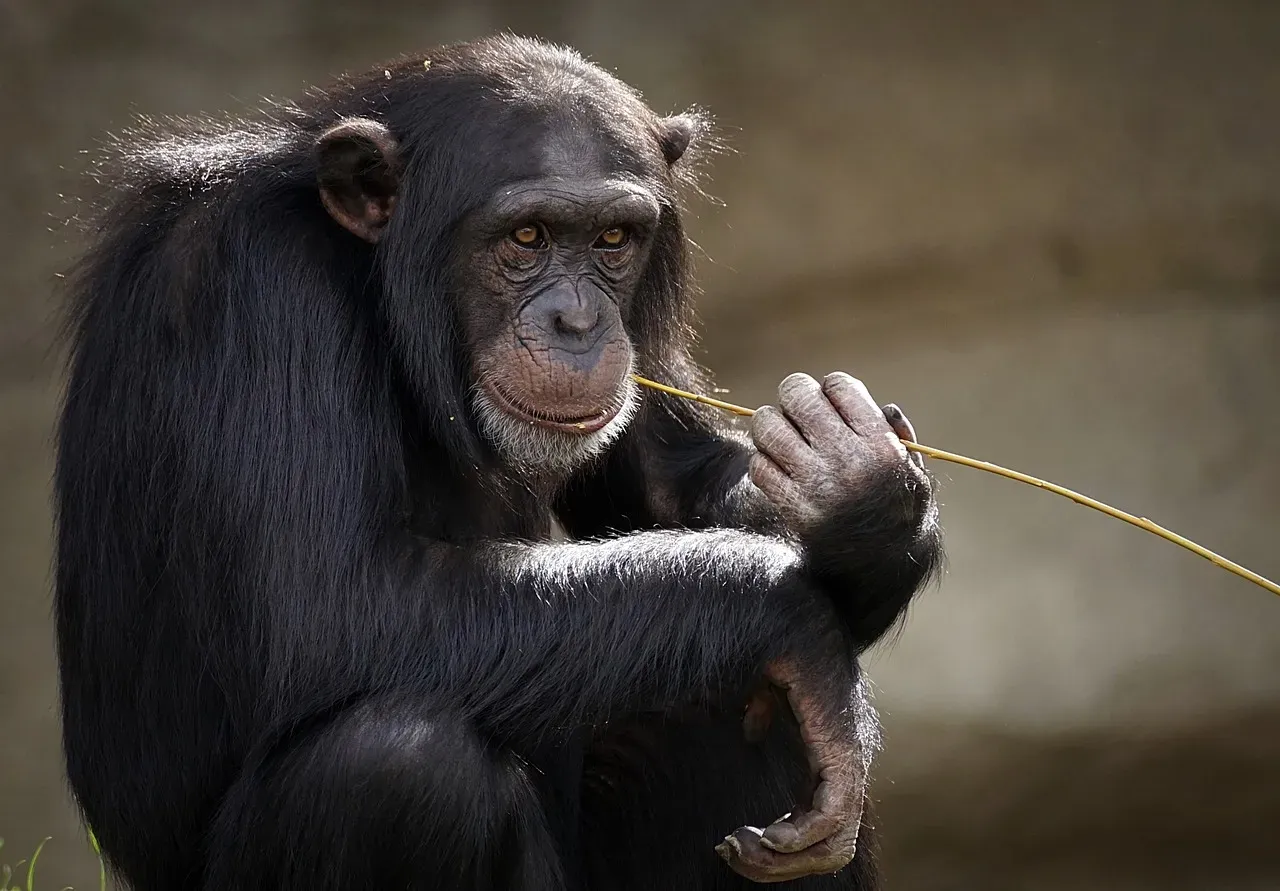
Aside from humans, chimpanzees are thought to show the greatest diversity of tool-use behaviours in the animal kingdom. That is not a minor claim. Think about what it actually means: a non-human animal has developed a broader range of tool-related behaviors than every other species on the planet, except us.
Chimps craft fishing sticks precisely modified to extract termites from mounds, with some populations even creating tool kits with different implements for different stages of the process. In West Africa, chimps use stone hammers and anvils to crack nuts, with some individuals selecting specific stones and carrying them over considerable distances to productive nut trees.
Recent research has documented chimps creating spears for hunting bushbabies, sharpening the ends with their teeth before thrusting them into tree hollows. That is not instinct. That is planning. Chimpanzees display perhaps the most diverse and sophisticated tool use of any non-human animal, with different chimpanzee communities having developed distinct tool-using traditions, essentially creating unique cultural practices across Africa.
Crows, Wolves, and Cows: The Unexpected List Keeps Growing
Here is the thing that really gets me. The recent discoveries of tool use are not happening in familiar species anymore. They are happening in animals nobody expected. Crows can actually manufacture tools. By bending a wire, they can make a hook to retrieve a food reward that is otherwise out of reach. That is not finding a rock. That is engineering.
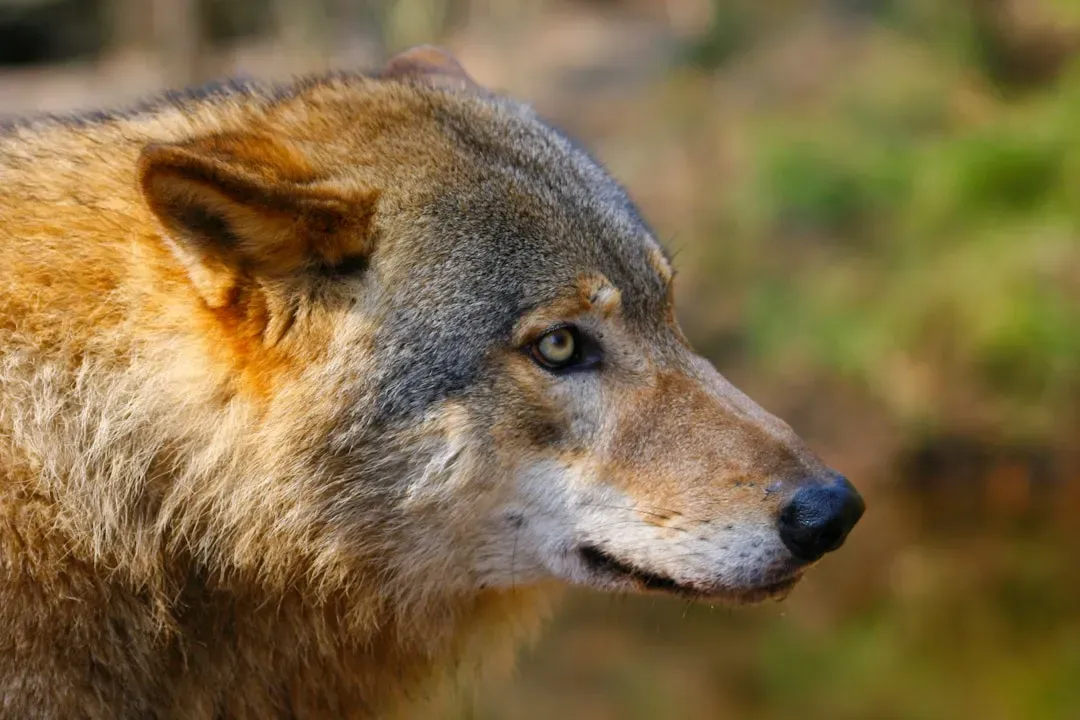
Then there are wolves. A wild wolf in British Columbia was recorded pulling a crab trap out of the ocean, potentially marking the first time the species was observed using tools. The crab trap behavior hints at a higher level of intelligence, one that researchers say challenges us to rethink the mental lives of wild canines entirely.
Perhaps the most shocking recent entry on this list? A cow. A pet cow named Veronika, who lives in Austria, has been shown to engage in flexible tool use. For the past decade, Veronika has been observed by her owner occasionally picking up sticks with her mouth, maneuvering the ends to reach areas of her body she cannot otherwise reach. When a team of animal behavior experts at the University of Veterinary Medicine in Vienna recently saw a video of Veronika in action, they knew her use of sticks was exceptional. There are roughly one and a half billion cattle in the world. We’ve been living alongside them for at least ten thousand years. And we are only now discovering this.
Dolphins and Otters: When Intelligence Lives in the Water
Bottlenose dolphins have surprised marine biologists with their sophisticated tool use, despite lacking hands or opposable thumbs. In Australia’s Shark Bay, scientists have documented dolphins using marine sponges as protective shields for their rostrums while foraging along the rough ocean floor. This behavior, known as sponging, allows them to search for fish hidden in the sediment while preventing injuries.
What is particularly remarkable is that this behavior appears to be culturally transmitted, primarily from mother to daughter, creating a distinct sponging culture within certain dolphin communities. Think of that as a tradition, passed down through generations, not through genetics but through teaching. That is culture. Plain and simple.
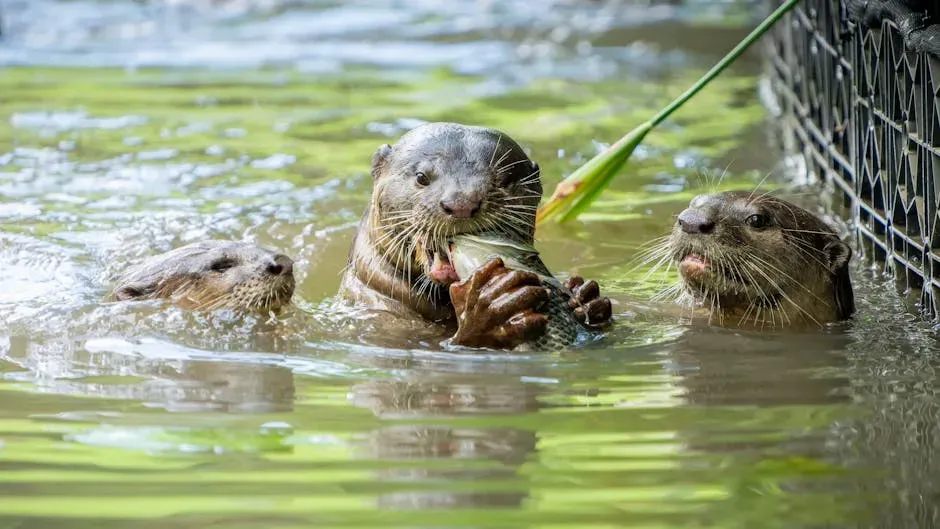
Sea otters use rocks to bash open the hard shells of marine molluscs to get at the tasty flesh within. They even have a favourite tool rock that they will keep in a specialised pocket in their fur. To break open the shellfish, they lie on their backs on the water’s surface, place it on their chests, and hit repeatedly with the rock. They can do this with incredible speed and force, making them able to crack open even really hard shells that would be impossible to break using their teeth. It is weirdly endearing and deeply impressive at the same time.
The Octopus: Intelligence From Another Planet
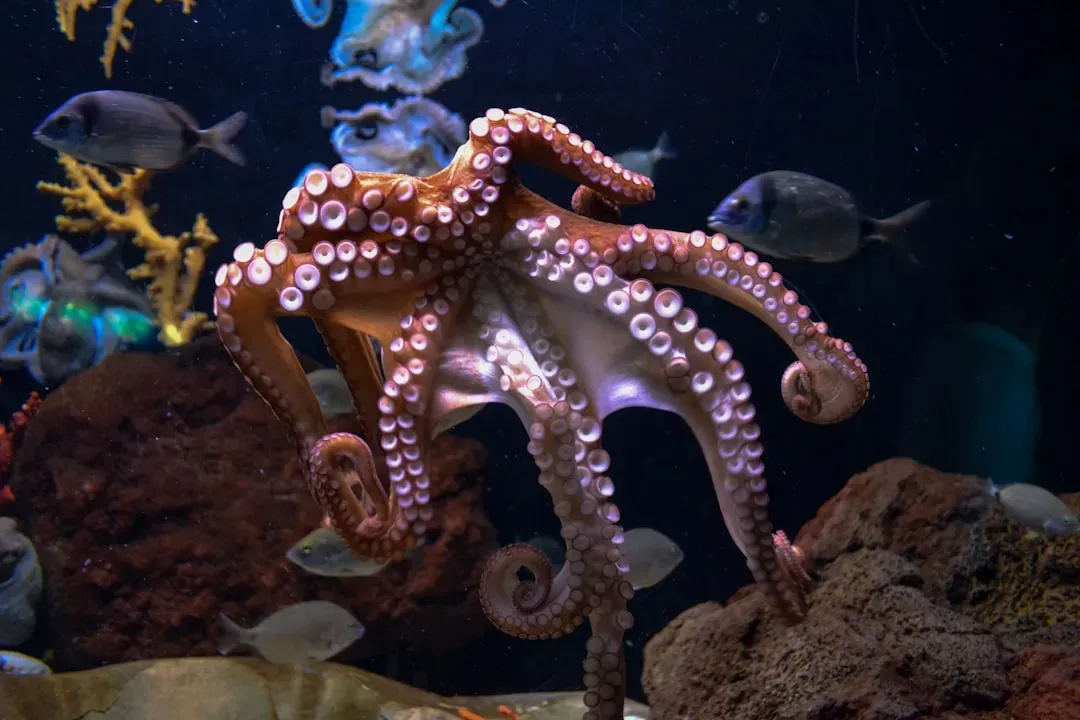
Let’s be real, the octopus is in a category of its own. Octopuses are among the most intelligent animals on the planet, and arguably the smartest invertebrate by a wide margin. With roughly 500 million neurons, a capacity for observational learning, and documented tool use, they display cognitive abilities that rival some mammals.
Researchers observing veined octopuses on the seafloor documented them carrying coconut shell halves across open sand, then assembling the two pieces into a protective shelter when a threat appeared. The shells offered no protection while being carried. In fact, transporting them forced the octopus to adopt an awkward stilt-walking gait that made it more vulnerable. The octopus accepted a short-term cost for a future benefit, a kind of planning behavior that had never been recorded in an invertebrate.
What makes all of this even more mind-bending is where this intelligence came from. Octopus intelligence evolved completely independently from vertebrate intelligence. Their evolutionary lineage diverged from ours over 500 million years ago, suggesting that complex tool use may have evolved independently multiple times. It is as if nature ran the intelligence experiment twice, and got similar results through totally different means. I know it sounds crazy, but that is exactly what the science shows.
What This All Means: Rethinking the Boundaries of Intelligence
The work underscores the message that complex behavior is not simply a habit of big-brained species. Researchers note that we only tend to look for higher cognitive function in animals we perceive as intelligent, which means we are constantly being surprised by what animals we would not traditionally consider intelligent can do. That bias, it turns out, has cost us decades of understanding.
Nonhuman animals, especially wolves, are operating with cognitive and emotional complexity that science is only beginning to map. Behaviors like this challenge us to rethink the mental lives of animals and how we treat them. This is not just an abstract scientific puzzle. It carries real ethical weight.
Observations of tool use have motivated people to delve deeper into species, often leading to greater understanding, compassion, and care. Jane Goodall’s observation of tool use in chimpanzees is a famous example that prompted many people to rethink our relationship with the species, and the animal world more broadly. For many, this realization sparked the idea that we might not be so different from the other species with whom we share our captivating world.
Conclusion: Nature Was Never as Simple as We Wanted It to Be
We built a comfortable hierarchy. Humans at the top, everyone else far below. Tools were our crowning achievement, the proof of our unique genius. Then the chimpanzees, the crows, the dolphins, the octopuses, the wolves, and yes, even a cow named Veronika, decided they had other ideas.
A wide range of animals, including mammals, birds, fish, cephalopods, and insects, are now considered to use tools. The list is not shrinking. It is growing every year, with every new camera trap and every curious researcher willing to look in unexpected places.
The deeper lesson here is not just about animals. It is about the limits of human assumptions. Every time we declared a behavior uniquely ours, nature found a way to show us we were not paying close enough attention. Perhaps the most intelligent thing we can do now is stay humble, keep watching, and be ready to be surprised all over again.
What animal’s intelligence has surprised you the most? Tell us in the comments below.

- 14 Things Your Senior Cat Does in Its Final Season That Vets Say Owners Rarely Ever Recognise - August 3, 2026
- 17 Dog Breeds That Get Easier With Every Year and 9 That Get Considerably Harder - August 3, 2026
- 14 Quiet Things a Horse Only Ever Does Around the One Person It Has Truly Bonded With - August 3, 2026