
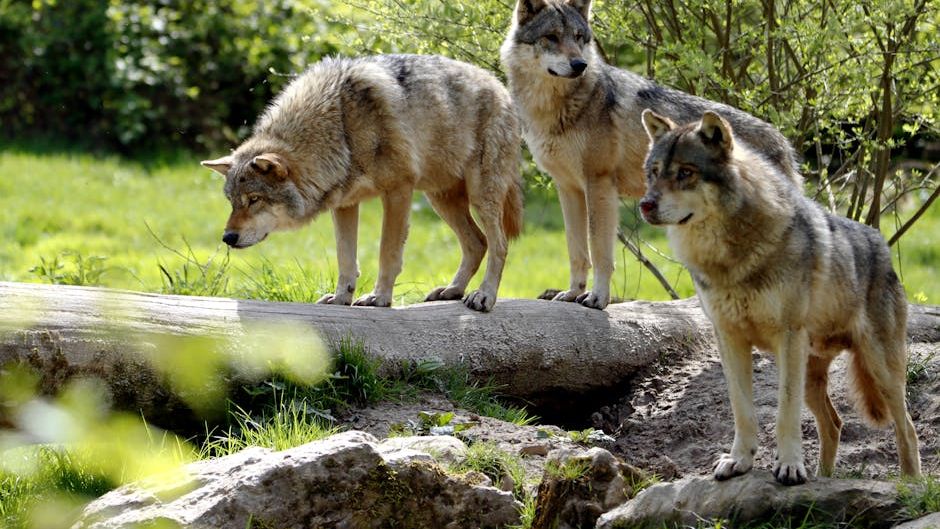
Gray wolves were once so thoroughly removed from Michigan’s landscape that by the mid-20th century, the species existed in only the faintest traces. By the 1960s, wolves had disappeared from Michigan’s Lower Peninsula entirely and were believed to number fewer than 10 individuals in the Upper Peninsula. The turnaround since then has been slow, methodical, and genuinely remarkable.
In the late 1980s, wolves began naturally re-colonizing the Upper Peninsula of Michigan from Wisconsin and Ontario populations that had re-established themselves. The first den with pups was confirmed in 1991 near Ironwood in Gogebic County. What started with a single breeding pair in a remote corner of the Upper Peninsula has grown into something that wildlife managers now describe as a success story that has outpaced its own goals. That expansion is now pressing against, and sometimes past, the boundaries that once defined wolf country in Michigan.
From the Edge of Extinction to a Population That Exceeded Its Own Goals
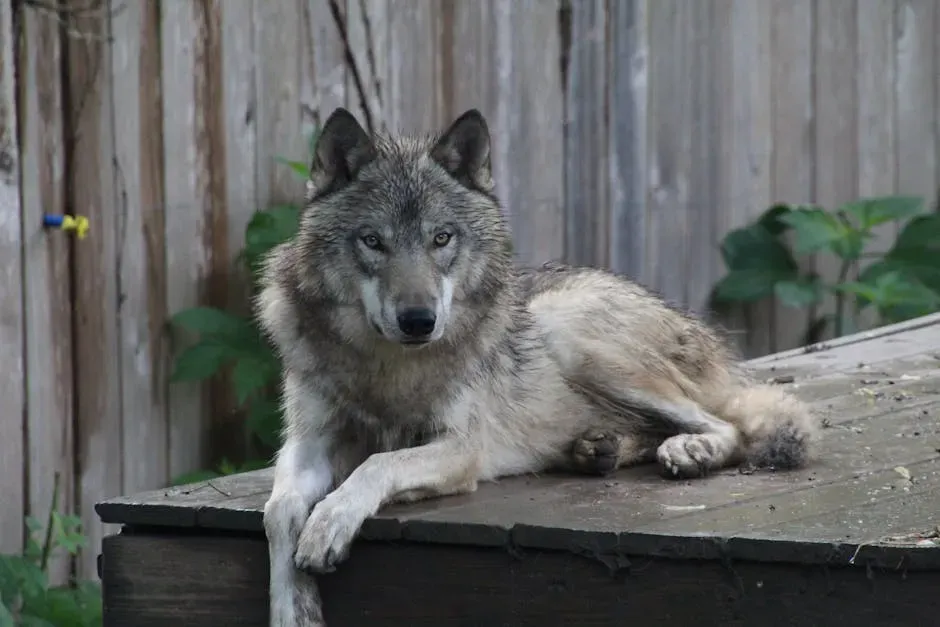
The road back for Michigan’s gray wolves runs through decades of legal protection and careful management. It wasn’t until the Endangered Species Act was enacted that wolves received federal protection, catalyzing recovery efforts across the state. That legal shield gave the population room to breathe after generations of bounty hunting and habitat destruction had pushed it to collapse.
In 1978, wolves were protected under the federal Endangered Species Act as it was determined they were in danger of going extinct and needed protection to aid their recovery. Management under the Act allowed the remaining wolves in Minnesota to flourish and repopulate northern Wisconsin and the Upper Peninsula of Michigan.
Regardless of changes in legal status, wolves in Michigan have surpassed federal and state population recovery goals for 22 years. That sustained surplus is a striking measure of how effectively the protections worked. Michigan removed wolves from the state’s list of threatened and endangered species in 2009, having reached the recovery goal of 200 for five consecutive years in 2004.
The Numbers Behind the Recovery
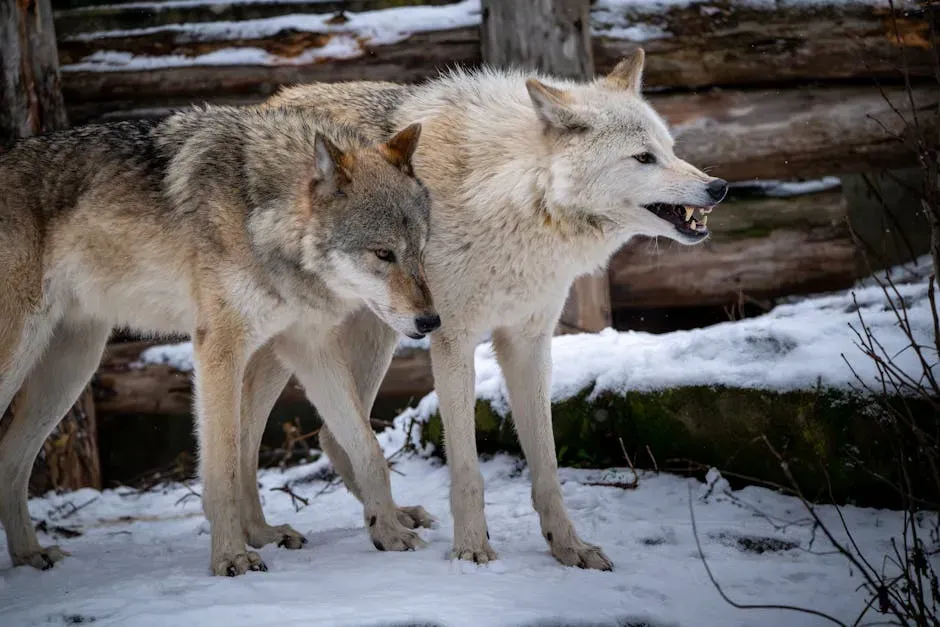
The Michigan Department of Natural Resources released the results of its 2024 winter wolf population survey estimate and found a minimum of 762 wolves in Michigan’s Upper Peninsula. That number is a significant increase from the 2022 estimate of 631, an increase of 131 animals. It was the highest count recorded since at least 2007.
The population is distributed among 158 packs in the Upper Peninsula, with an average of just under five wolves per pack. DNR wildlife specialists describe the population as having reached a natural equilibrium. Biologists consider the species to be in “equilibrium” with the available habitat. “When a wild population reaches this stable point, it is typical to see slight variations from year to year, indicating that gray wolves may have reached their biological carrying capacity in the Upper Peninsula,” DNR Large Carnivore Specialist Brian Roell said.
It’s almost certainly an undercount of the true wolf population. “We’re counting wolves when they’re at their lowest point in their population cycle. Come spring, with pups born and those kinds of things, that population is going to jump up. It’s going to reach its high point around July or August,” said Roell. The winter survey method captures a minimum floor, not a ceiling.
Wolves Moving Beyond Their Traditional Territory
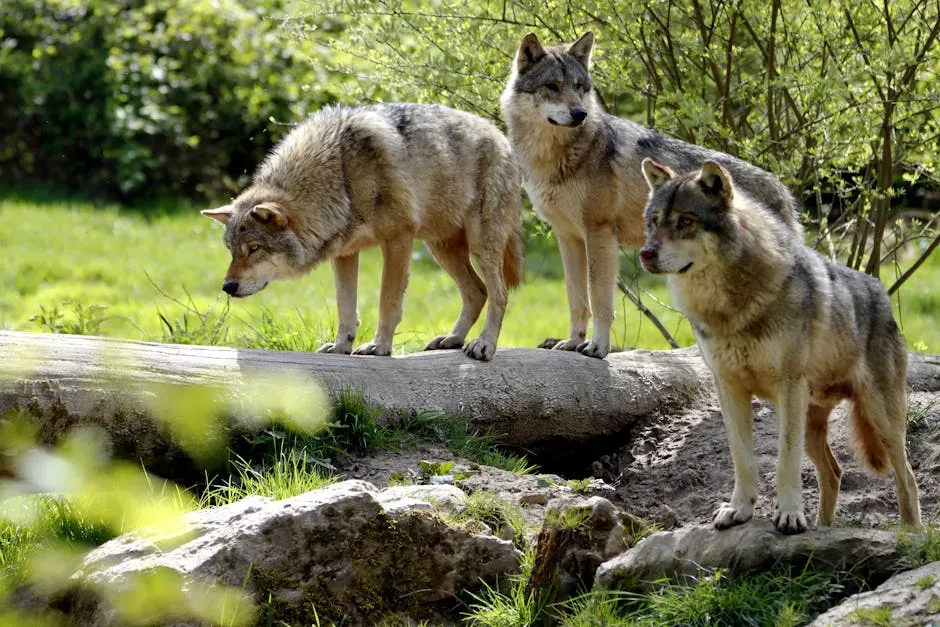
Today, the wolf population is primarily concentrated in the Upper Peninsula, though sightings are increasingly reported south of the Mackinac Bridge. The movement of individual wolves into new terrain follows a pattern that biologists largely expected as the Upper Peninsula population filled in.
Multiple factors are encouraging wolves to wander beyond designated zones. Growth in the population density within these areas naturally pushes some wolves out in search of new territories. It’s less a dramatic invasion and more a quiet, gradual dispersal driven by basic biology.
During the 2011 targeted winter track survey, and shortly after the 2015 survey period, tracks consistent with a wolf were observed in Cheboygan and Emmet counties. In 2014, biologists from the Little Traverse Bay Bands of Odawa Indians captured what appeared to be a wolf on a trail camera and were able to collect a scat sample, which DNA analysis confirmed belonged to a male wolf. Then came a more striking incident. The last wolf identified in the Lower Peninsula was a male wolf taken in January 2024 in Calhoun County by a coyote hunter. An investigation into the matter failed to determine how the wolf came to be in Calhoun County.
On Isle Royale in Lake Superior, where the National Park Service reintroduced wolves from the mainland starting in 2019, the population is estimated to have grown to around 30. That island ecosystem offers a separate but telling case study in what wolves do when given space and protection.
What Wolves Actually Do for the Ecosystem
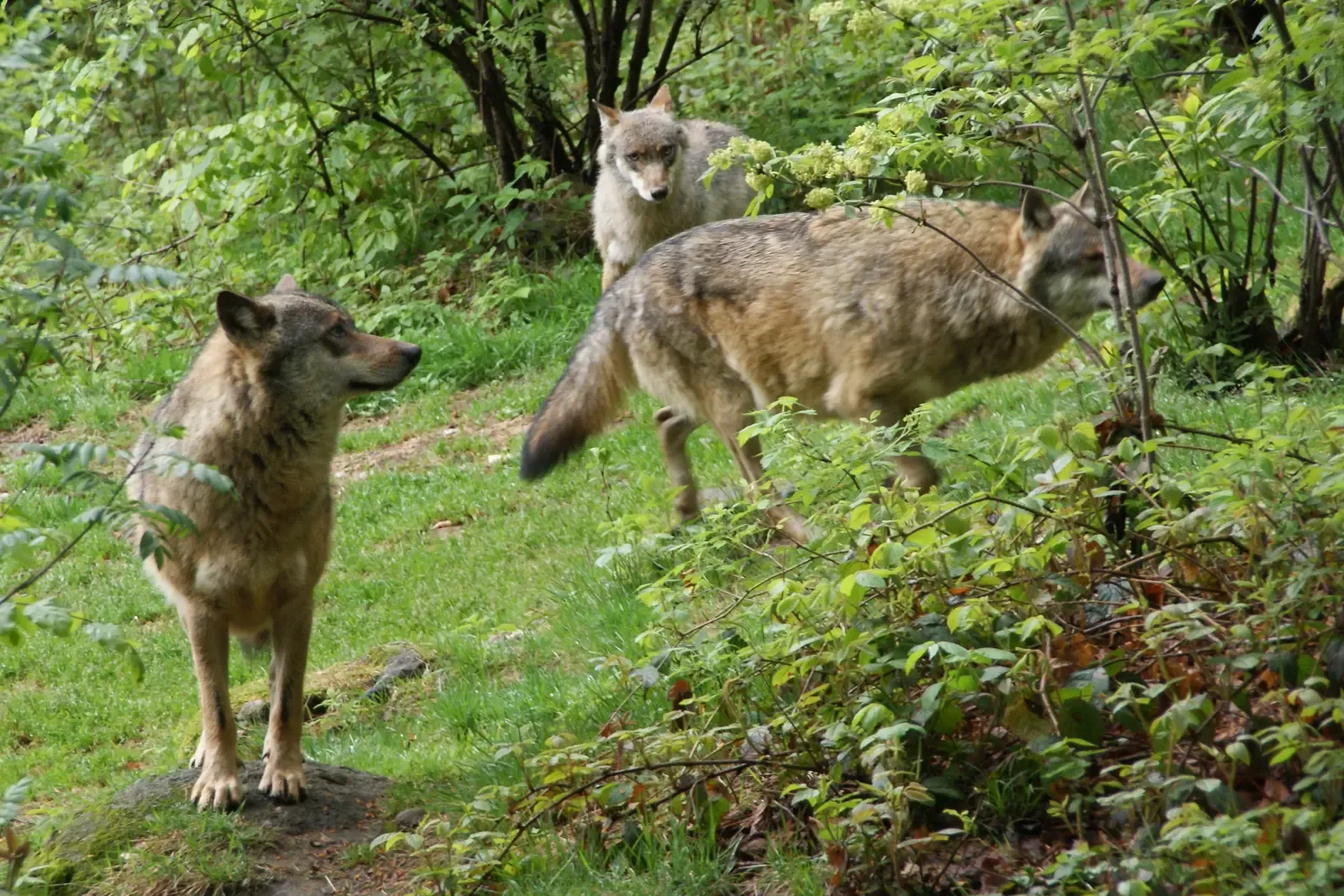
As apex predators, gray wolves perform essential ecosystem services that ripple throughout the natural environment. They help control deer and moose populations, preventing overgrazing and encouraging vegetation diversity. This is especially important in areas where overbrowsing by deer has damaged forest regeneration and reduced plant biodiversity.
Research suggests that wolves may limit the spread of diseases like Chronic Wasting Disease. There is compelling scientific evidence of top-down trophic effects generated by wolves because they alter deer movements, allowing for forest and habitat regeneration. Their effect on prey behavior can be as significant as their direct predation.
Wolf kills provide scavenging opportunities for animals like eagles, coyotes, and foxes. Their presence can change the movement patterns of prey, reducing localized pressure on fragile ecosystems, a phenomenon known as the “ecology of fear.” The presence of wolves was found to reduce deer-vehicle collisions in a study published in 2021. The two factors were the thinning of the deer population by wolves and behavior changes in fearful deer who avoided roads that wolves may be using.
The link between wolves and deer numbers does generate genuine tension in the Upper Peninsula. State biologists and outside experts say wolves aren’t driving the low deer numbers. Staff biologists with the DNR are finalizing a report on the factors limiting Upper Peninsula deer abundance, and while wolves are a “piece of the pie,” they are “not even close” to being a major factor. Forestry and land use practices changed, replacing the open fields and forest edges where deer thrive with denser tree cover. A spate of harsh winters, such as the “polar vortexes” of 2014 and 2019, made it harder for deer to survive to breeding season.
The Management Question That Now Defines the Debate
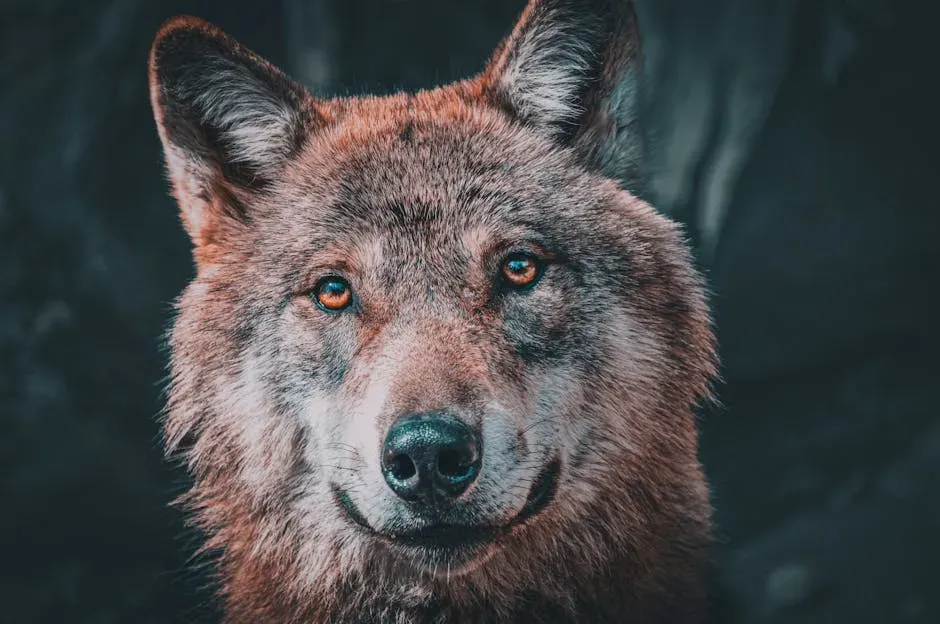
Because wolves in Michigan long ago attained federal and state population goals, the DNR continues to advocate for returning wolves to state management. That push has gained significant political traction in recent years, culminating in direct federal action.
The U.S. House of Representatives approved a measure to remove gray wolves from the endangered species list and allow states to manage wolf populations in the Pet and Livestock Protection Act on December 18, 2025. The bill now awaits Senate action, and its outcome remains uncertain. Supporters argue that wolves have recovered enough to no longer need federal oversight, although wolves are still present in only a fraction of their historic range nationwide, around 10%, according to the Endangered Species Coalition.
Balancing conservation with human interests, particularly those of local communities and farmers, poses a challenge, necessitating collaborative strategies and adaptive management plans. A recent survey shows that roughly three in five residents in the Upper Peninsula are in favor of reducing the abundance of wolves in the region. That sentiment reflects real, lived friction between wolf recovery and rural livelihoods.
Public opinion polls in Michigan reveal a divided sentiment: while most urban residents support wolf protection, many rural residents are skeptical. Bridging this divide through education, outreach, and fair policies remains one of the greatest challenges for wildlife managers. The science and the politics are not always pulling in the same direction, and that gap is where the hardest decisions will be made.
Conclusion: A Recovery That Has Outgrown Its Origins
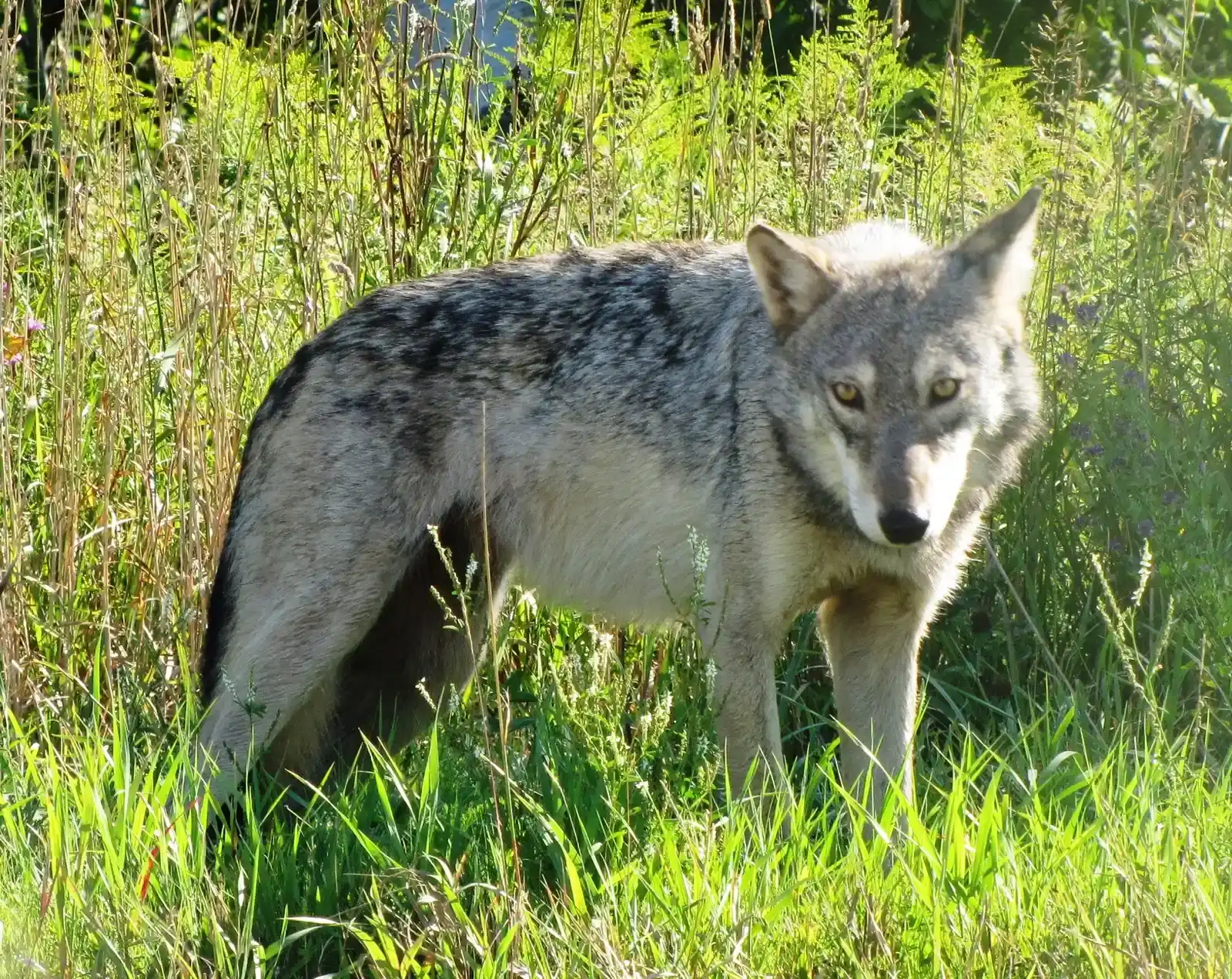
Michigan’s wolf story is, at its core, a demonstration of what sustained federal protection can accomplish. The natural re-colonization of wolves in the Upper Peninsula after nearly being wiped out is considered a major conservation success story in Michigan. That success now requires the kind of careful, adaptive management that goes beyond simple protection and into the more complex territory of long-term coexistence.
As the wolf population expands, legislative frameworks must adapt to ensure sustainable management. Debates over delisting wolves from endangered status illustrate the need for policies that balance ecological success with the realities of human-wolf interactions.
The wolves now pushing past the Mackinac Bridge are not a threat signal. They are the natural result of a population that has filled its habitat and is following its instincts. How Michigan and the federal government respond to that pressure will define the next chapter of a recovery that, by any ecological measure, has already earned its place among the country’s genuine conservation achievements.
