

In the intricate tapestry of our ecosystem, bees stand as crucial threads, weaving together the very fabric of biodiversity through their tireless pollination work. Yet, these remarkable insects face an increasingly complex battlefield of modern threats that often escape our notice. Beyond the well-documented dangers of pesticides and habitat loss, a more insidious war is being waged against bees – one involving microscopic plastic particles infiltrating their bodies and artificial light disrupting their ancient rhythms. This invisible assault, driven by human innovation and convenience, threatens not just bee populations but the foundation of our food security and ecological stability. As we explore the intersection of microplastics, light pollution, and bee health, we uncover a story of unintended consequences and the urgent need for awareness and action.
The Essential Role of Bees in Our Ecosystem

Bees are nature’s premier pollinators, responsible for the reproduction of nearly 90% of flowering plants and approximately 35% of global crop production. A single honeybee might visit up to 5,000 flowers in a day, transferring pollen and enabling plants to reproduce. This pollination service, worth an estimated $217 billion annually to the global economy, supports not only human food systems but also maintains the diversity of wild plant communities that provide habitat and food for countless other species. Beyond honeybees, there are over 20,000 bee species worldwide, each playing unique roles in their local ecosystems. The decline of these pollinators represents not just a loss of biodiversity but a fundamental threat to ecosystem function and human food security. Understanding the newer, less visible threats to bees is crucial for developing comprehensive conservation strategies that address the full spectrum of challenges these essential insects face in our rapidly changing world.
The Emerging Threat of Microplastics
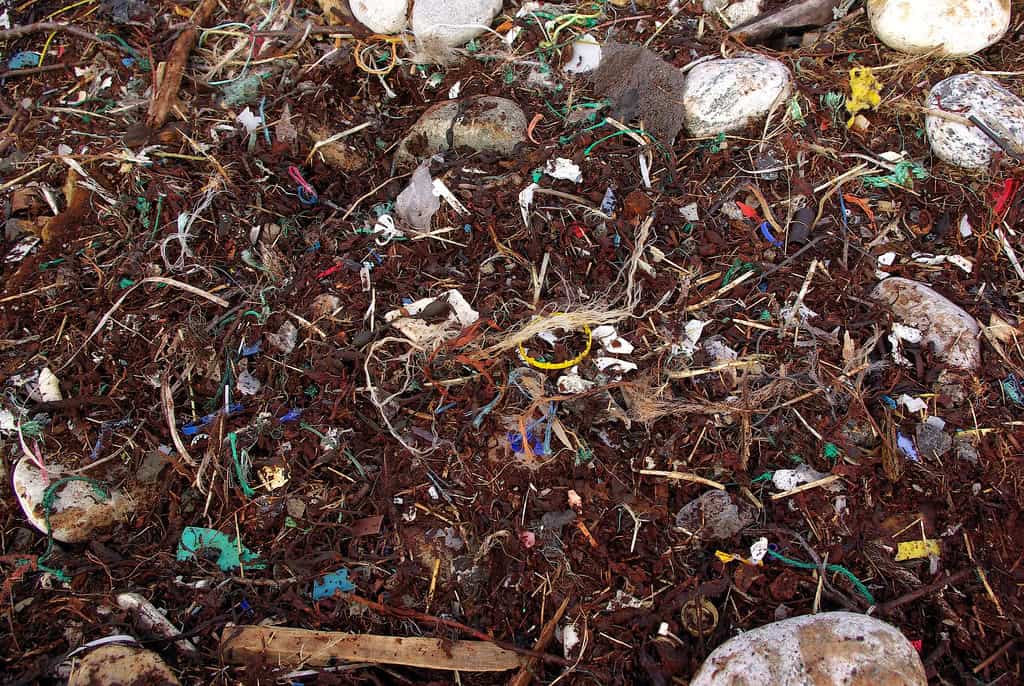
Microplastics—plastic particles smaller than 5mm—have become ubiquitous environmental contaminants, found everywhere from the deepest ocean trenches to mountain air. These tiny fragments originate from larger plastic waste that breaks down in the environment and from products designed with microplastics, such as microbeads in cosmetics or fibers from synthetic clothing. Recent research has revealed the alarming presence of microplastics in bees and their habitats. A 2020 study published in Science of the Total Environment found microplastics embedded in honeybees’ bodies, suggesting these particles are being ingested during foraging activities. Unlike larger organisms that might pass microplastics through their digestive systems, bees’ small bodies make them particularly vulnerable to bioaccumulation and physical damage from these foreign particles. The plastics can obstruct digestive tracts, leach toxic chemicals, and potentially interfere with the bees’ sensitive navigational abilities. With an estimated 14 million tons of microplastics on the ocean floor alone, and far more distributed across terrestrial environments, this invisible pollutant presents a growing threat to bee populations that has only recently begun to receive scientific attention.
How Bees Encounter Microplastics

Bees encounter microplastics through multiple exposure pathways in their daily lives. As they forage for nectar and pollen, bees may collect microplastic particles that have settled on flowers from airborne deposition or rainwater. Research from the University of Jinan in China has documented how atmospheric microplastic pollution can contaminate floral resources. Additionally, water sources that bees depend on—from puddles to ponds—often contain high concentrations of microplastics. When bees collect water for hive temperature regulation and honey production, they inadvertently transport these contaminants back to the colony. Even more concerning, studies have detected microplastics in commercially available honey, indicating that these particles are making their way through the entire honey production process. Urban-dwelling bees face even higher exposure risks, with one study finding that bees in cities contained up to 50% more microplastic particles than their rural counterparts. The sticky hairs that cover bees’ bodies, evolved to collect pollen efficiently, unfortunately also make them excellent collectors of airborne microplastic fibers and fragments, creating a persistent exposure scenario that bees have not evolved to handle.
The Biological Impact of Microplastics on Bees

The biological effects of microplastic exposure in bees are becoming increasingly evident through scientific research. At the cellular level, microplastics can cause physical damage to tissues and organs. A 2021 study in Environmental Pollution demonstrated that microplastics can accumulate in bees’ brains, potentially disrupting neural function and behavior. The digestive system is particularly vulnerable, with microplastics capable of blocking food passage and reducing nutrient absorption efficiency. Beyond physical obstruction, these particles often carry adsorbed environmental pollutants like pesticides and heavy metals, creating a “Trojan horse” effect that delivers concentrated toxins directly into bee tissues. The immune consequences are equally concerning—laboratory studies have shown suppressed immune function in bees exposed to microplastics, making colonies more susceptible to pathogens like Varroa mites and Nosema fungi. Perhaps most alarmingly, research from the University of California has documented changes in gene expression related to detoxification and stress response in bees with high microplastic loads, suggesting these contaminants may be triggering fundamental biological disruptions. With each bee potentially accumulating hundreds of microplastic particles throughout its relatively short lifespan, the cumulative impact on colony health represents a significant but understudied threat to bee populations worldwide.
Understanding Light Pollution and Its Growth
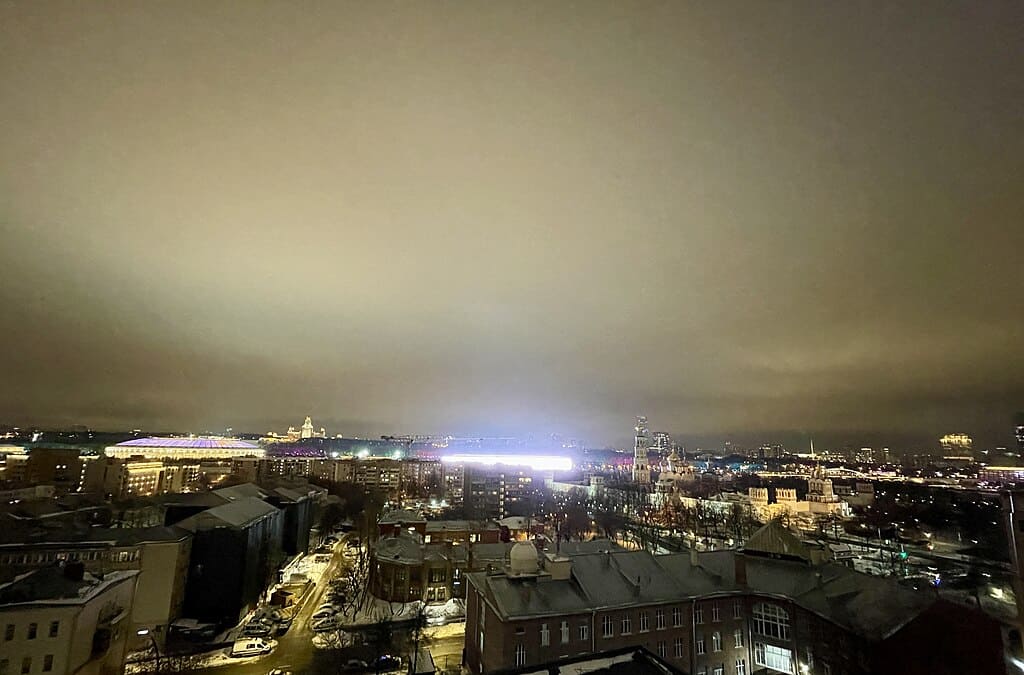
Light pollution—the excessive or misdirected artificial light that alters natural light levels in outdoor environments—has expanded dramatically over recent decades. Satellite data shows that artificially lit outdoor areas increase by 2.2% annually worldwide, with light intensity growing by 1.8% per year. Today, more than 80% of the world’s population lives under light-polluted skies, with that figure rising to 99% in Europe and North America. This environmental change has occurred with remarkable speed; many insect species, including bees, have had minimal time to adapt to these altered conditions after evolving for millions of years under natural light rhythms. The sources contributing to this pollution are diverse: street lighting, commercial and residential lighting, illuminated advertisements, sports facilities, and vehicle headlights all contribute to the artificial brightening of our nights. LEDs, while energy-efficient, have paradoxically worsened light pollution due to their affordability leading to more widespread and brighter lighting applications. Unlike many environmental pollutants that diminish when their source is removed, light pollution can be instantly reduced through better lighting practices—making it both an urgent threat and an environmental problem with readily available solutions. Yet despite this potential for immediate improvement, light pollution continues to expand globally, creating increasingly challenging conditions for nocturnal and crepuscular wildlife, including many species of bees.
How Artificial Light Disrupts Bee Behavior

Bees have evolved complex behaviors intimately synchronized with natural light patterns, making them particularly vulnerable to artificial light disruption. Research published in Nature Communications has demonstrated that artificial light at night (ALAN) significantly alters foraging patterns in multiple bee species. Nocturnal and crepuscular bees, which make up approximately 30% of bee species globally, are especially affected as they rely on darkness or specific low-light conditions for navigation and foraging. Even diurnal honeybees suffer from light pollution; studies show that colonies exposed to artificial night lighting exhibit decreased foraging efficiency the following day, with workers making 15-20% fewer trips and collecting significantly less pollen. This disruption stems from light’s interference with the bees’ circadian rhythms, which regulate critical physiological processes including hormone production, immune function, and energy metabolism. Artificial light also disrupts the precision of the waggle dance—honeybees’ remarkable communication system that shares foraging location information with hivemates. Researchers at the Swiss Federal Institute of Technology found that even low levels of light pollution reduced dance precision by up to 30%, potentially misdirecting thousands of worker bees. Perhaps most concerning, artificial light can mask natural celestial cues that many bee species use for navigation, leading to disorientation, wasted energy, and failure to return to nests or hives. With artificial lighting expanding into previously dark landscapes, these behavioral disruptions represent a growing threat to bee populations worldwide.
The Reproductive Consequences of Light Pollution

Light pollution’s impact extends deeply into bee reproduction, potentially affecting population sustainability across generations. Research published in Proceedings of the Royal Society B has documented how artificial light disrupts mating behaviors in multiple bee species. Many solitary bees rely on specific light conditions to time their mating flights, with artificial lighting confusing these carefully evolved patterns. For social bees like bumblebees and honeybees, queen production and mating success show marked declines in light-polluted environments. A comprehensive study from the University of Edinburgh found that bumblebee colonies exposed to artificial light at night produced 28% fewer queens than control colonies—a particularly alarming finding since queens are the only individuals that survive winter to establish new colonies. The physiological mechanisms behind these reproductive impacts are becoming clearer: artificial light disrupts hormone production, particularly melatonin, which regulates reproductive timing in many insects. Researchers have measured significantly lower melatonin levels in bees exposed to light pollution, correlating with delayed ovary development and reduced egg viability. Even more concerning, a multi-generational study found that the offspring of light-exposed queens showed developmental abnormalities and reduced survival rates, suggesting epigenetic effects that could persist across generations. With artificial lighting expanding globally at over 2% annually, these reproductive disruptions could have compounding effects on bee populations already stressed by other environmental challenges.
The Combined Effect: When Microplastics Meet Light Pollution

The intersection of microplastic pollution and artificial light creates a particularly dangerous scenario for bees through multiple synergistic mechanisms. Recent research from Cornell University has identified how light pollution can alter bee foraging patterns, directing them toward urban and roadside areas with higher microplastic concentrations. This behavioral change increases exposure to these contaminants while simultaneously stressing the bees’ physiological systems. More alarmingly, studies published in Environmental Science & Technology have shown that many microplastics, particularly those containing additives like bisphenol A (BPA), become more toxic when exposed to light through a process called photo-degradation. For bees active during dawn or dusk in light-polluted environments, this means encountering microplastics that may be in their most biologically damaging state. The combined stressors create a perfect storm at the cellular level: light-disrupted circadian rhythms impair the detoxification mechanisms bees rely on to process environmental contaminants, while microplastic exposure further depletes the energy reserves needed for effective immune function. Field studies comparing bee colonies in areas with both high light pollution and microplastic contamination show dramatically higher mortality rates—up to 60% higher than colonies facing either stressor alone. This multiplier effect exemplifies the complex challenges facing bee conservation, where individual environmental threats cannot be addressed in isolation but must be understood as interconnected components of human-altered ecosystems.
The Broader Ecological Implications

The combined threats of microplastics and light pollution to bees reverberate throughout entire ecosystems, creating cascading effects that extend far beyond the immediate impact on bee populations. With bees pollinating approximately 75% of global food crops and 90% of wild flowering plants, their decline influences both human food security and natural ecosystem function. Research published in Ecology Letters has documented how reduced bee pollination in light-polluted areas leads to significant changes in plant community composition, favoring self-pollinating species over those dependent on bee pollination. This shift reduces floral diversity and alters habitat structure for countless other organisms. The nutritional quality of bee-pollinated crops is also affected; studies show that fruits and vegetables receiving inadequate pollination contain lower concentrations of certain micronutrients essential for human health. From an economic perspective, the combined impact of these stressors on pollination services is substantial—economists estimate that each 1% decline in bee pollination capacity represents approximately $2.17 billion in global agricultural losses annually. Beyond agriculture, the disruption extends to wild ecosystems where bee-pollinated plants often serve as keystone species, providing food and habitat for birds, mammals, and other insects. With models suggesting that areas experiencing both high microplastic pollution and significant light pollution could see bee population reductions of 40-70% over the next decades, the potential for broader ecological reorganization represents one of the most significant but underappreciated environmental challenges of our time.
Solutions: Addressing Microplastic Pollution

Tackling microplastic pollution requires a multifaceted approach spanning individual actions, industrial innovation, and policy changes. On a personal level, consumers can reduce microplastic generation by choosing natural fiber clothing over synthetics, avoiding products with microbeads, properly disposing of plastic waste, and using microfiber-capturing laundry bags or filters. These simple steps can significantly reduce the microplastics entering the environment. At the industrial scale, promising innovations are emerging: biodegradable plastics derived from algae and bacteria show potential for replacing conventional plastics in many applications, while advanced filtration systems for wastewater treatment plants can capture microplastics before they enter waterways. The European Union’s leadership with its Single-Use Plastics Directive provides a policy model that has already reduced certain plastic waste by 30% in participating countries. For beekeepers and agricultural stakeholders, strategies include planting “clean foraging zones” with flowering plants in areas distant from major roads and urban centers, providing filtered water sources near hives, and potentially developing specialized bee feeders with microplastic filtration capabilities. Research initiatives like the “Plastic-Free Pollinators” project are actively testing protective approaches, with preliminary results suggesting that establishing diverse wildflower areas at least 2 kilometers from major roads can reduce bees’ microplastic exposure by up to 60%. These solutions demonstrate that while the microplastic threat is serious, practical and effective interventions exist at multiple scales.
Solutions: Combating Light Pollution

Light pollution, unlike many environmental challenges, can be substantially reduced through relatively straightforward interventions that often save energy and money while protecting bees and other wildlife. At the municipal level, cities like Tucson, Arizona and Flagstaff, Arizona have implemented comprehensive outdoor lighting ordinances that have reduced sky glow by up to 7% annually while maintaining public safety. These ordinances typically require shielded light fixtures that direct light downward, limiting unnecessary illumination of the night sky. The International Dark-Sky Association recommends specific technical solutions including the use of warm-colored lighting (3000K or lower color temperature), motion sensors to activate lighting only when needed, and timers to turn off non-essential lighting during the middle of the night when human activity is minimal. For agricultural areas with bee populations, creating “dark sky reserves” around apiaries has shown promising results, with one study in France documenting 23% higher honey production from hives in protected dark zones compared to those in light-polluted locations. Individual homeowners can contribute by installing fully-shielded outdoor fixtures, using warm-colored LED bulbs, and simply turning off unnecessary outdoor lighting. These changes not only benefit bees but also reduce energy consumption—estimates suggest that properly directed outdoor lighting can reduce energy usage by 30-60% while providing the same functional illumination for human activities. The most encouraging aspect of addressing light pollution is the immediate benefit; unlike many pollutants that persist in the environment, when inappropriate lighting is modified or turned off, the natural darkness returns instantly, allowing immediate recovery of natural light patterns for bees and other affected wildlife.
Conclusion: The Path Forward for Bee Protection

The unseen war on bees from microplastics and light pollution represents a significant but addressable challenge at the intersection of human development and ecological health. These emerging threats highlight the need for a more holistic approach to bee conservation that looks beyond traditional concerns like pesticides and habitat loss to address the full spectrum of anthropogenic pressures on pollinator populations. The scientific evidence clearly demonstrates that both microplastics and artificial light can significantly harm bee health, behavior, and reproduction—particularly when these stressors occur simultaneously in increasingly common human-altered landscapes. However, the research also reveals concrete solutions that can be implemented at multiple scales, from individual households to national policies. By adopting sustainable alternatives to conventional plastics, implementing thoughtful lighting practices, supporting relevant research, and raising public awareness, we can substantially reduce these threats to bee populations. As we move forward, integrating these concerns into broader conservation frameworks will be essential for ensuring the continued survival of bees and the critical ecological services they provide. The protection of these remarkable insects ultimately requires recognizing that even our most seemingly innocuous technologies—from plastic convenience items to outdoor lighting—can have profound ecological consequences that demand our attention and action.

- Microplastics, Light Pollution, and the Unseen War on Bees - August 8, 2026
- The Ethics of Wildlife Photography — When to Click, When to Walk Away - August 7, 2026
- What to Feed (and Not Feed) Backyard Birds in Winter - August 7, 2026
Leave a comment
You must be logged in to post a comment.